Every published article
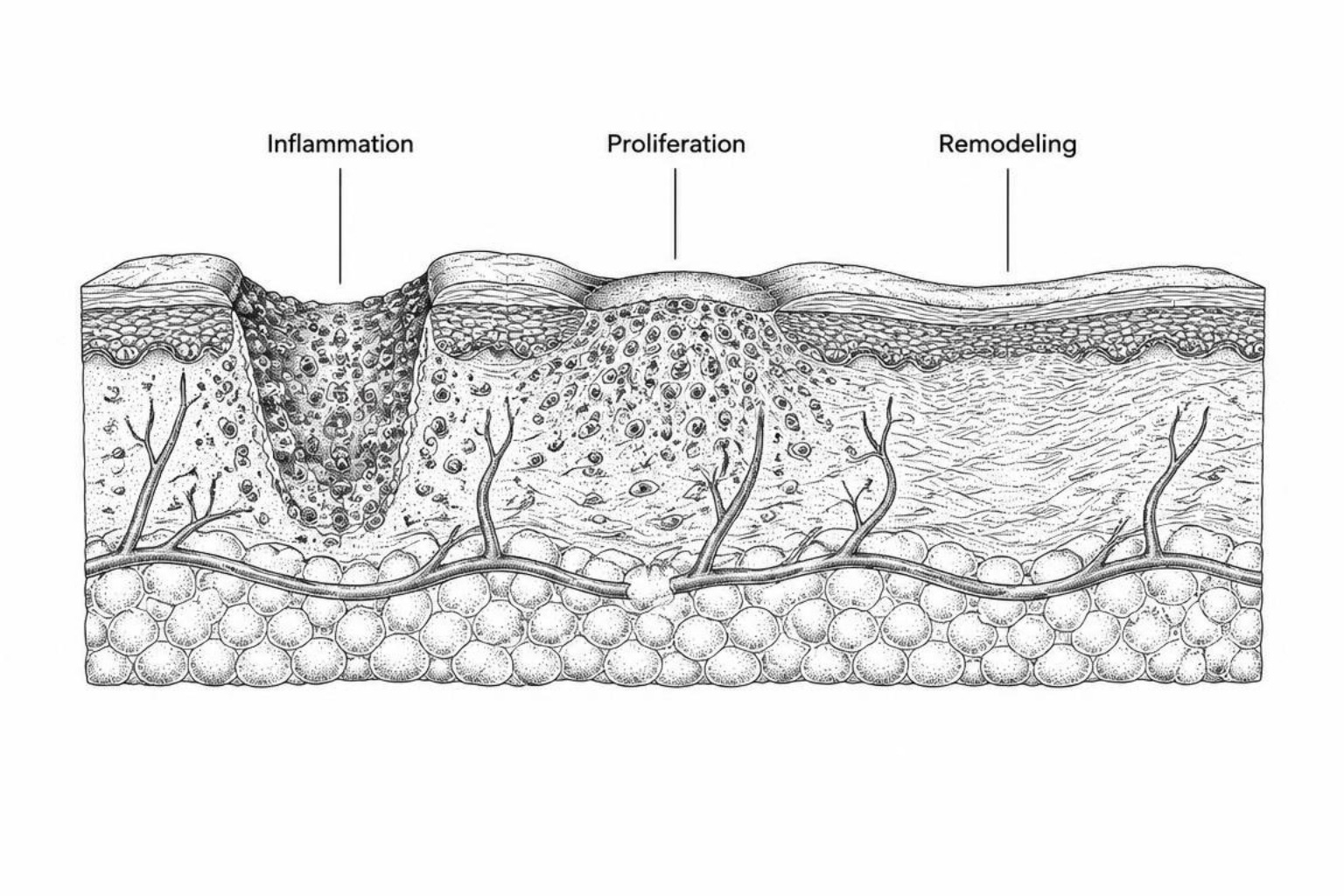
Why Matrix Metalloproteinases Matter in Tissue Repair
How MMPs act during wound repair Scar formation depends in part on the controlled turnover of extracellular matrix within healing skin. Matrix metalloproteinases (MMPs) are zinc-
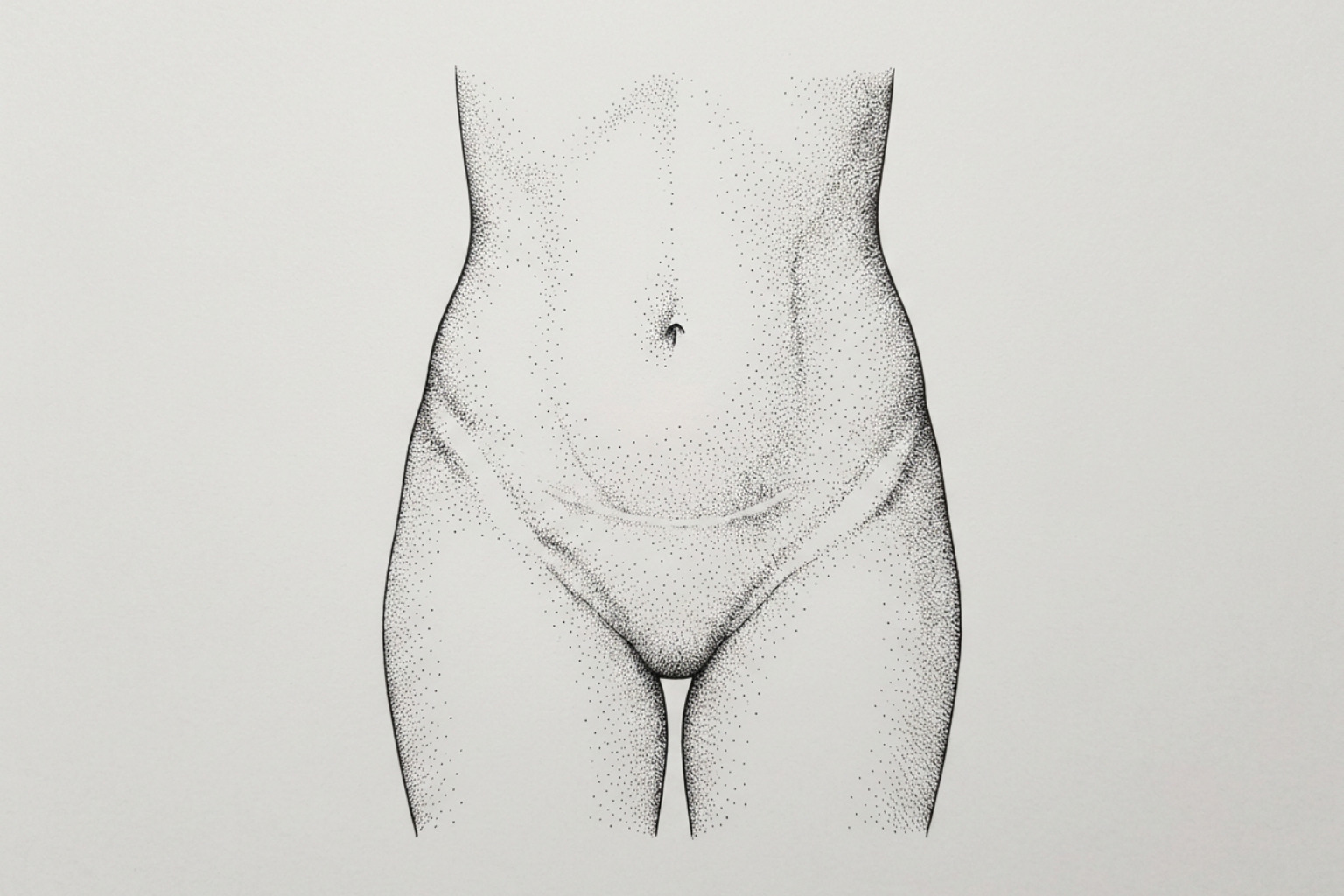
Do Doctors Cut Through the Same C-Section Scar?
Why repeat C-sections often use the same incision A prior C-section scar is usually reopened for a second or later cesarean delivery, most often
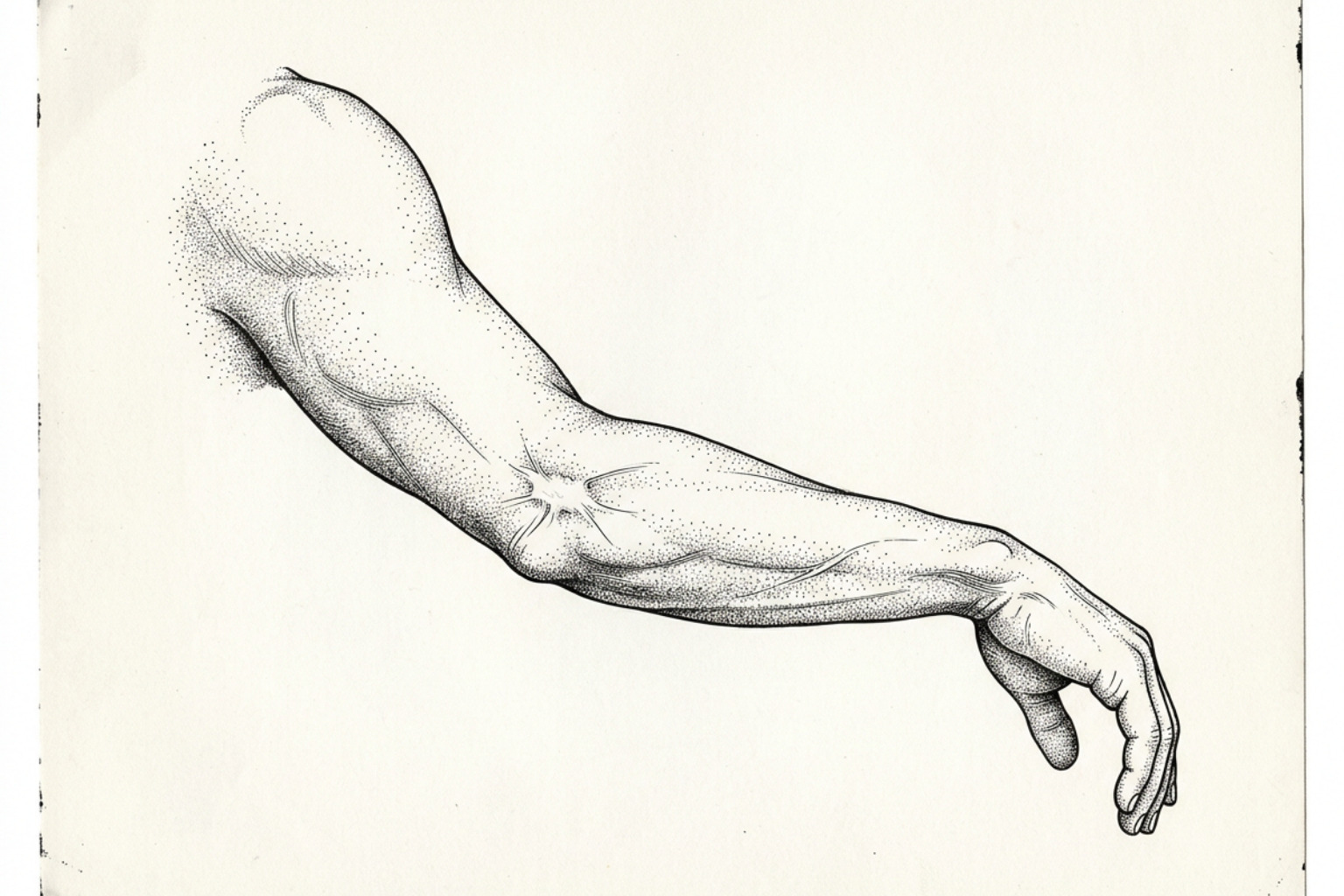
Soothe Tight Burn Scars: Practical At-Home Steps
Early at-home care for contracture scars A tight burn scar that pulls across a joint needs early, gentle care to protect movement while it matures.
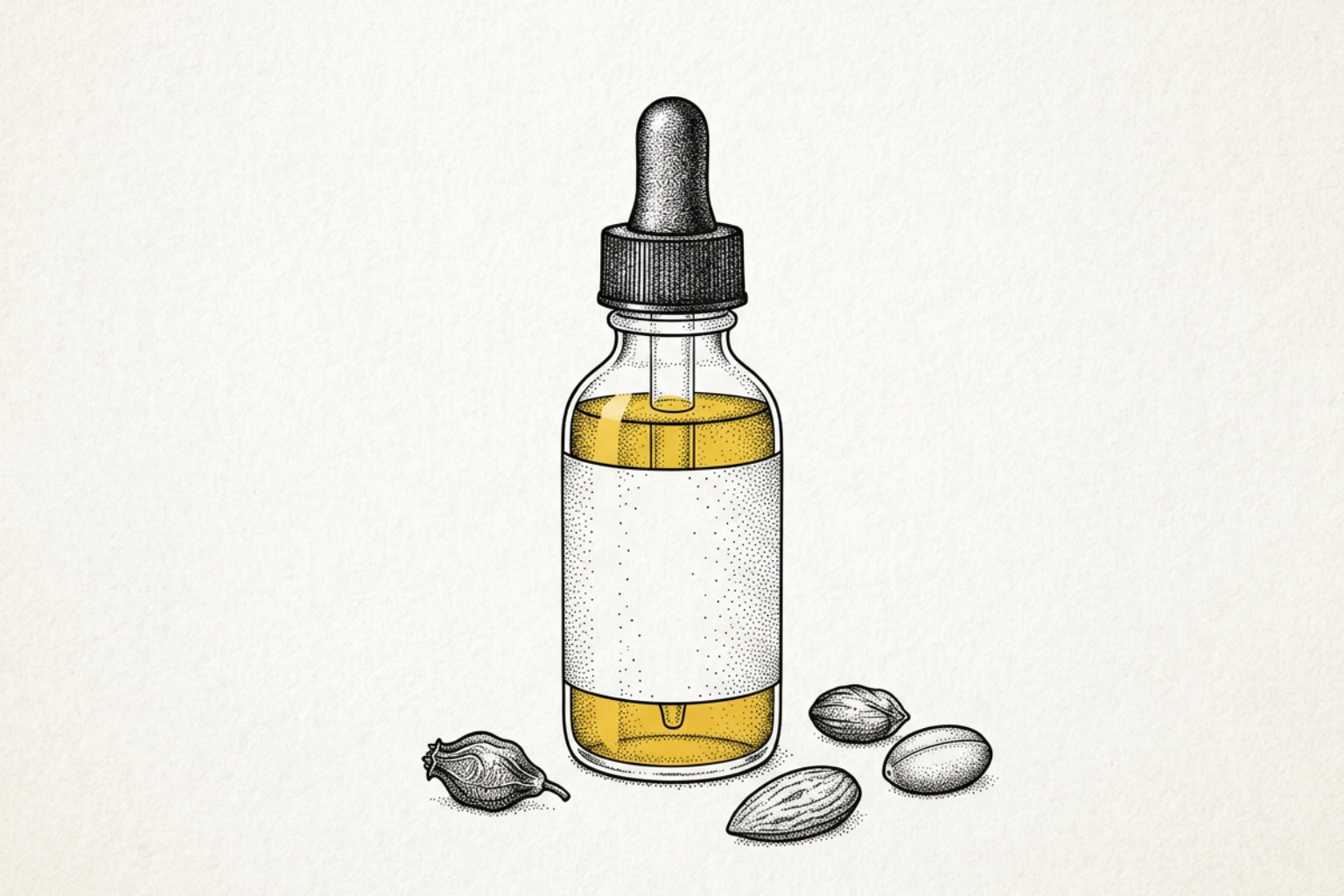
Using Natural Oils for Gentle Stretch Mark Care
How stretch marks form and how oils work Mechanical stretching disrupts the organized collagen and elastin matrix within the reticular dermis, resulting in epidermal thinning and
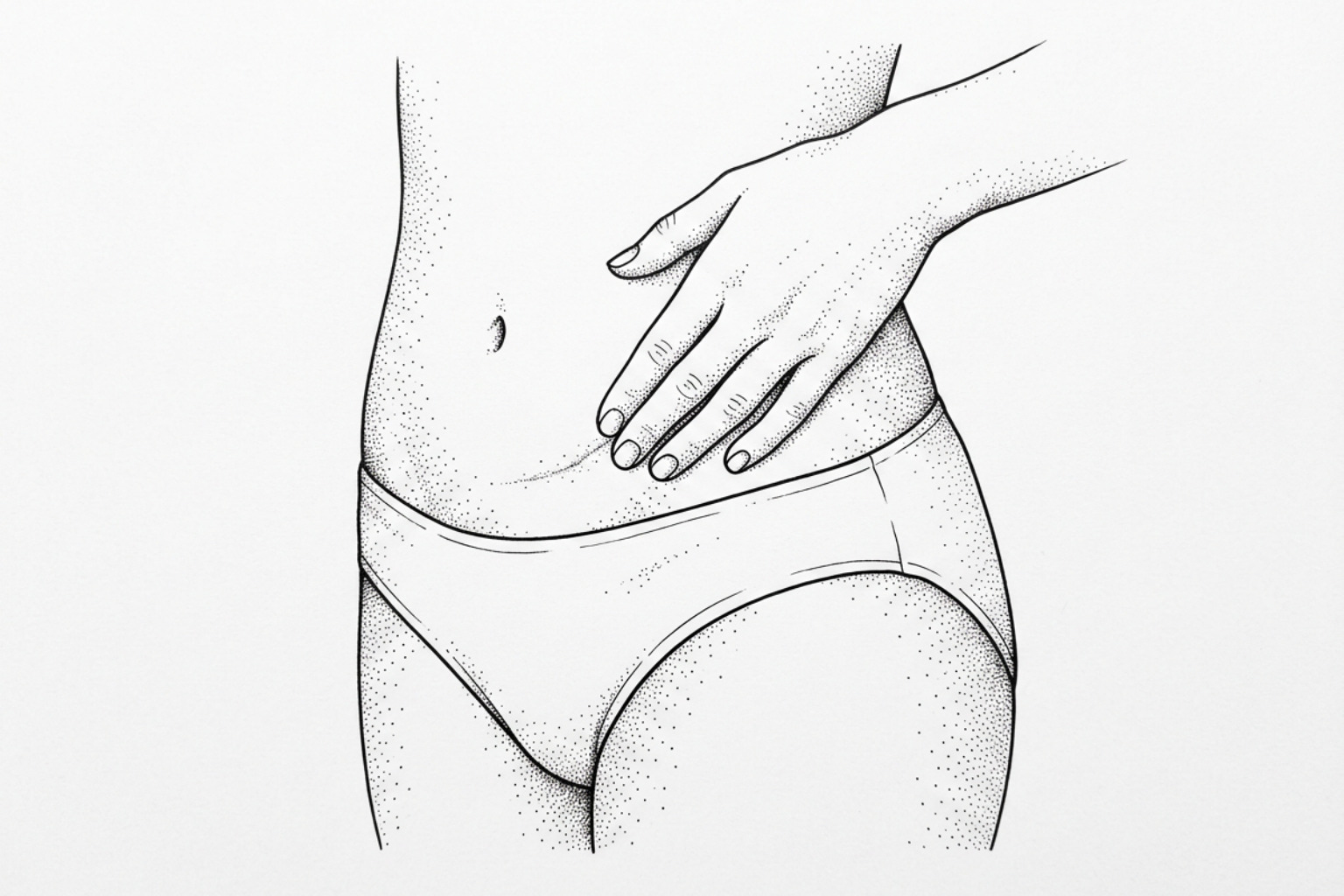
Will a C-Section Scar Disappear on Its Own?
How a C-section incision heals A surgical incision that penetrates the full depth of the abdominal wall cannot leave behind completely unblemished tissue. When evaluating
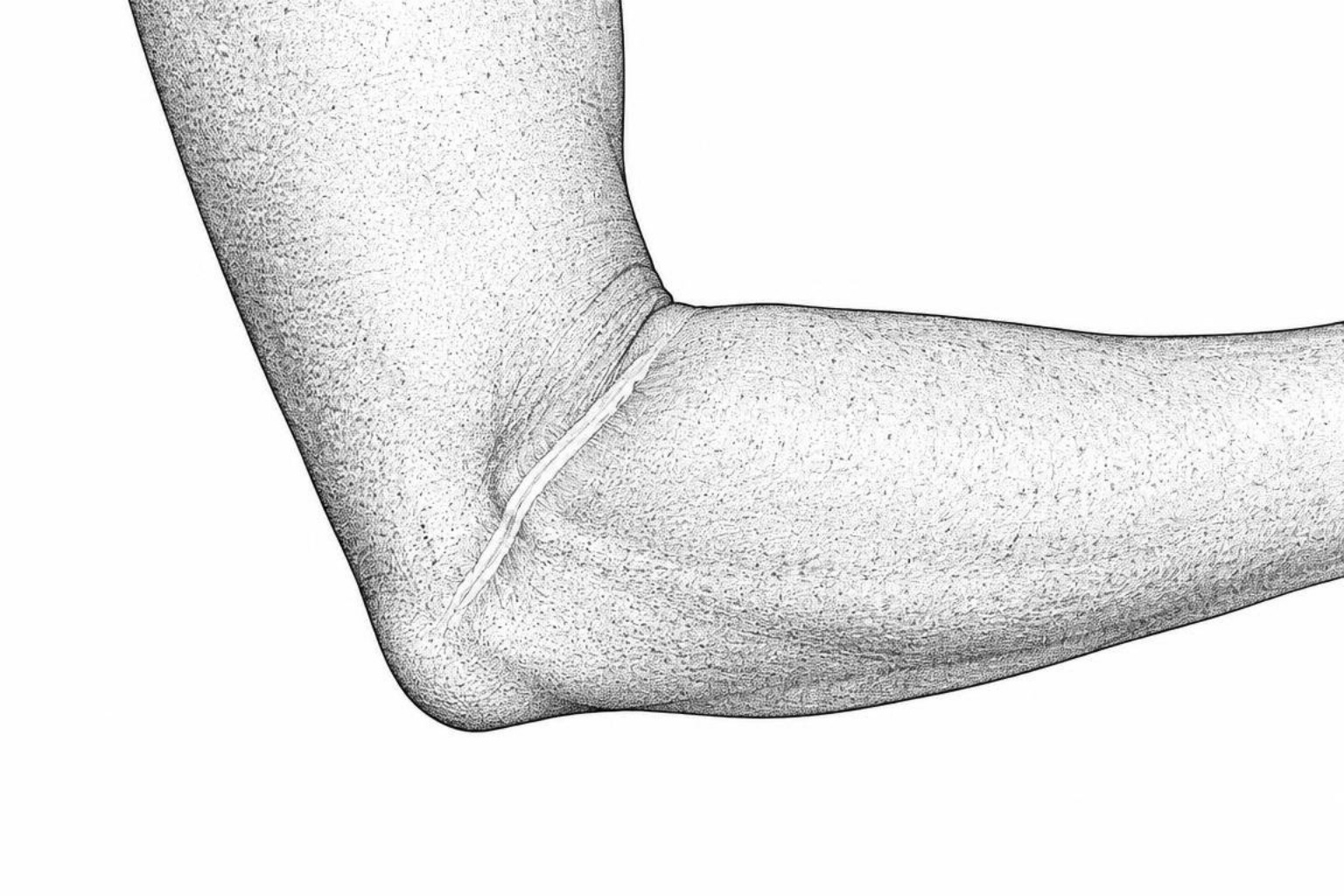
Why Skin Tightens: The Science of Contracture Scars
Deep burns, tissue loss and long immobilization can leave scar tissue that keeps contracting. This guide covers how contractures form, who is at risk, which joints are hit hardest and what limits them.
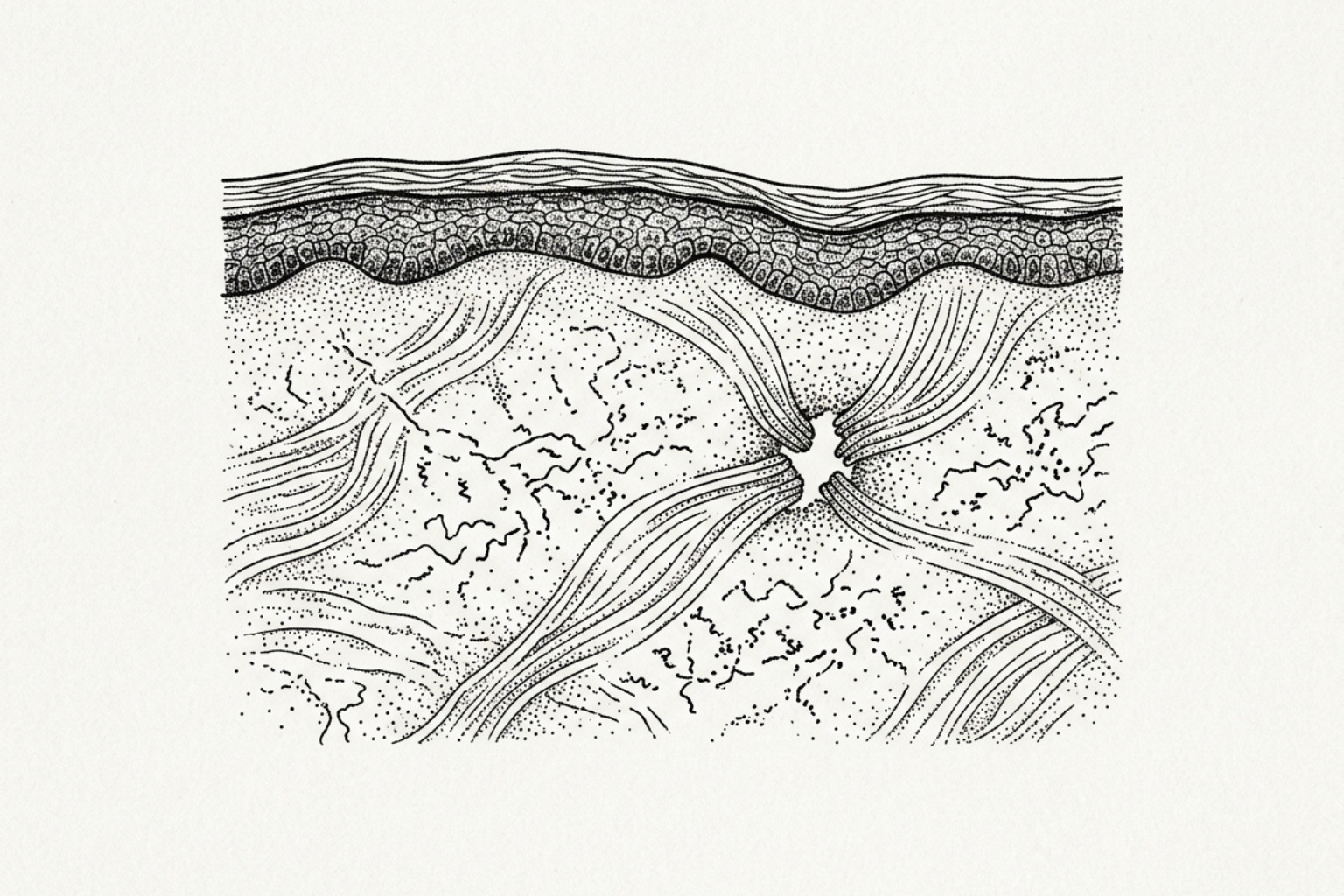
Ways to Reduce the Appearance of Stretch Marks
Stretch marks respond differently by age and skin tone. This guide covers creams, retinoids, microneedling, radiofrequency and lasers, with what each can realistically change and how long it takes.
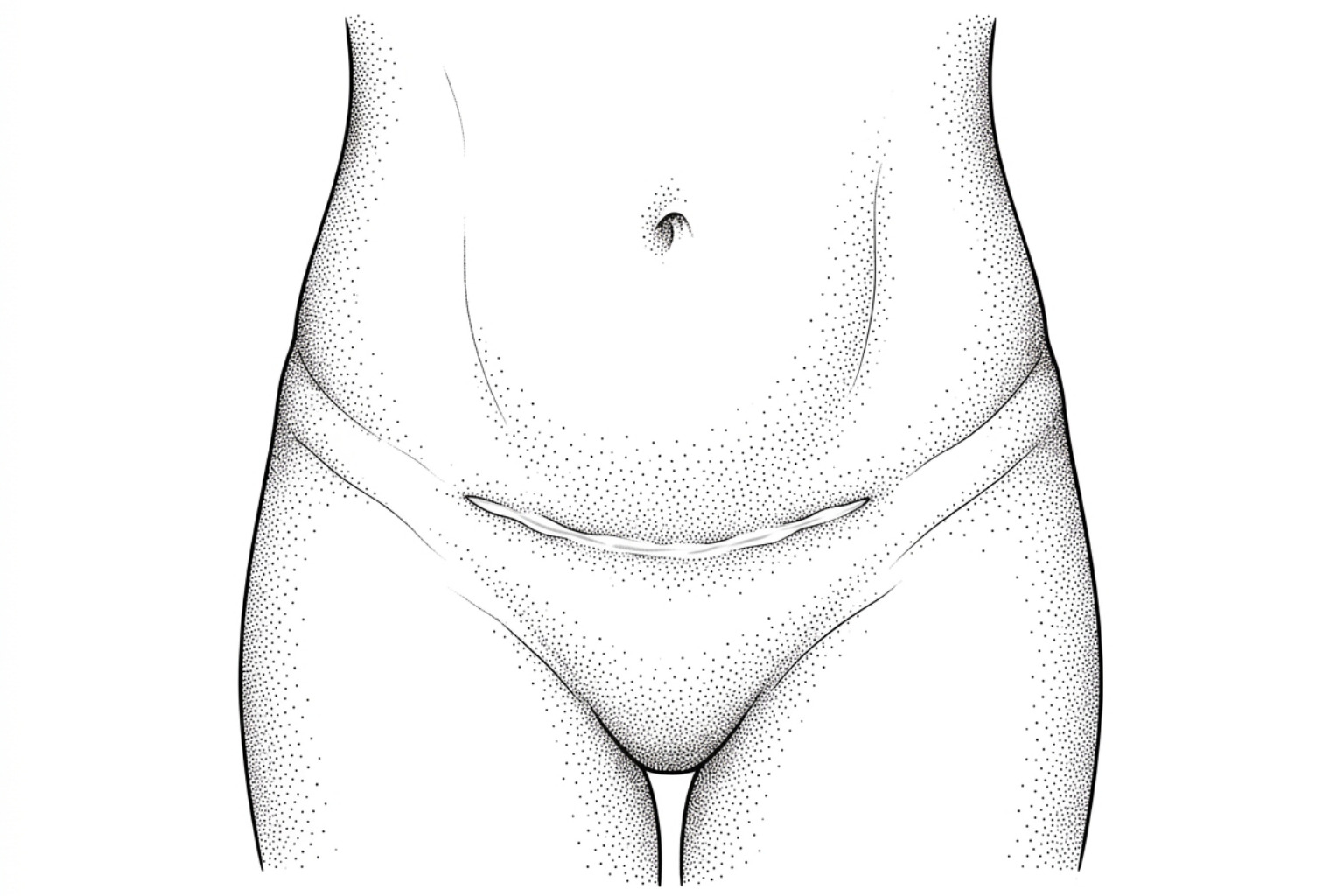
Real C-Section Scar Stages and What to Expect
A C-section scar changes from red and raised to pale and flat over months. This guide shows each healing stage in order, what is normal at each point and when a scar needs a doctor's check.
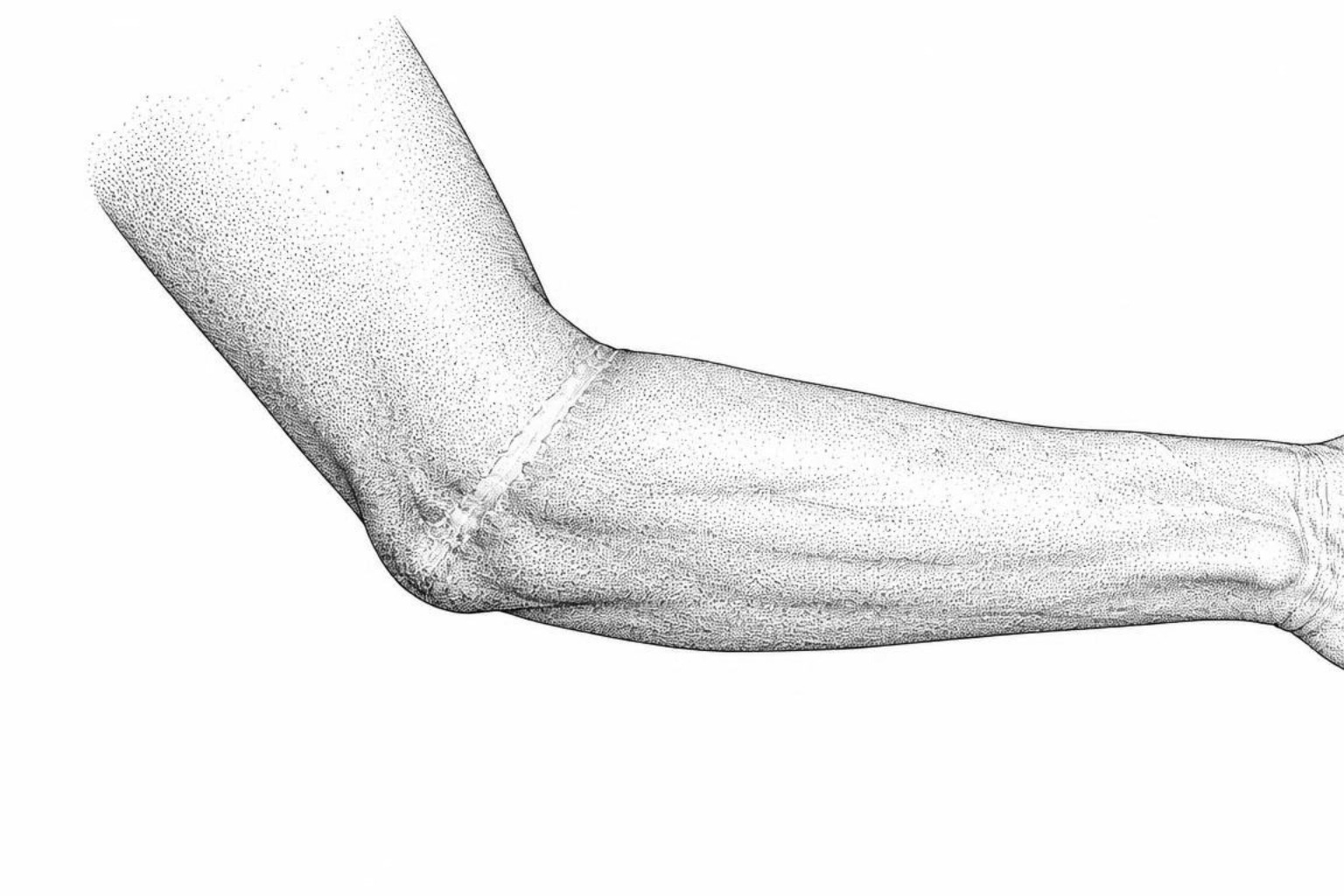
3 Reasons Contracture Scars Need Medical Support
Contracture scars tighten over time and can limit joint movement. This guide explains why they persist, which early steps slow them and when splinting, laser or surgery becomes necessary.
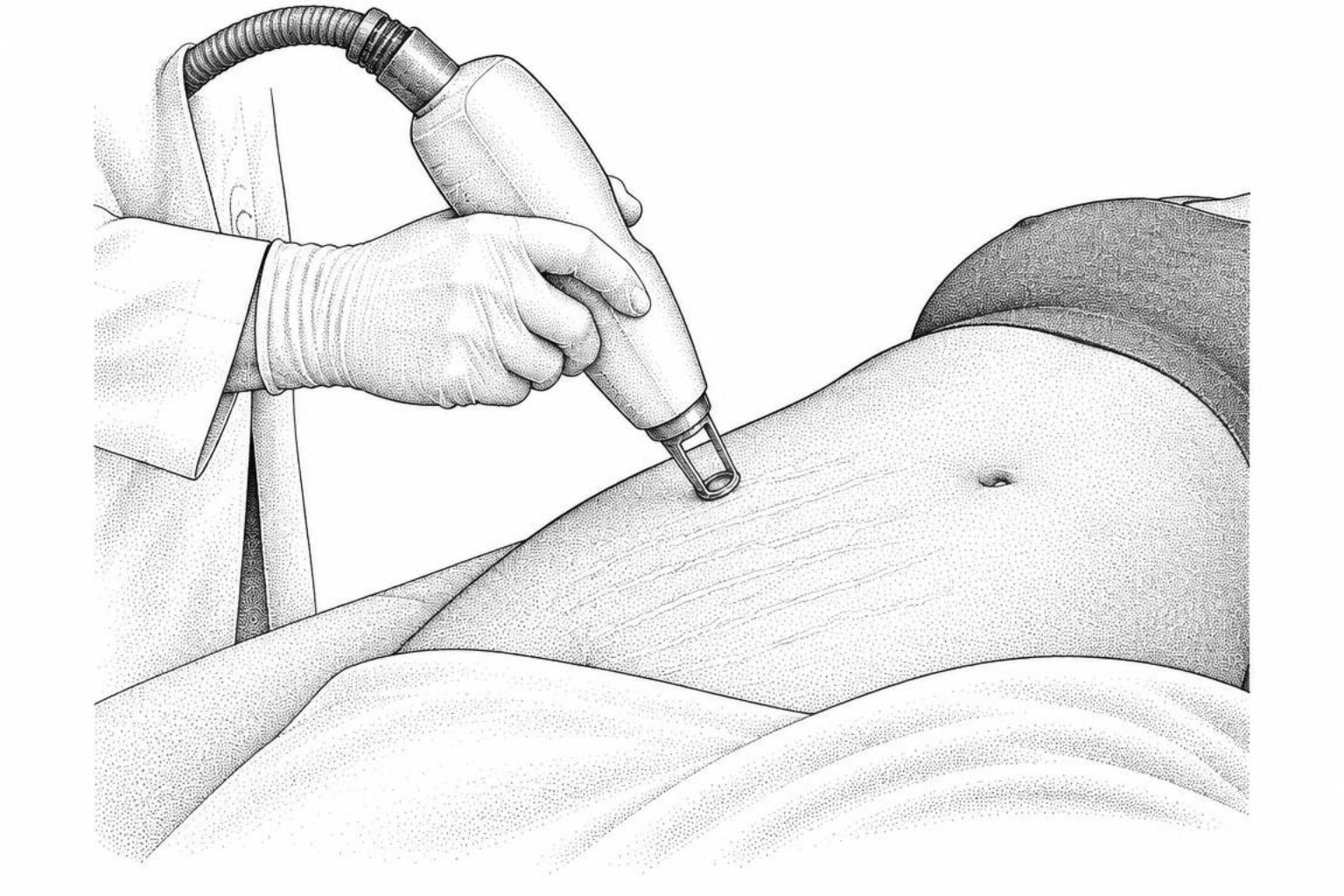
What to Expect During Stretch Mark Laser Procedures
Laser treatment can make stretch marks flatter, smoother and closer to your natural skin tone, though rarely invisible. Here is what sessions, recovery and results usually look like.
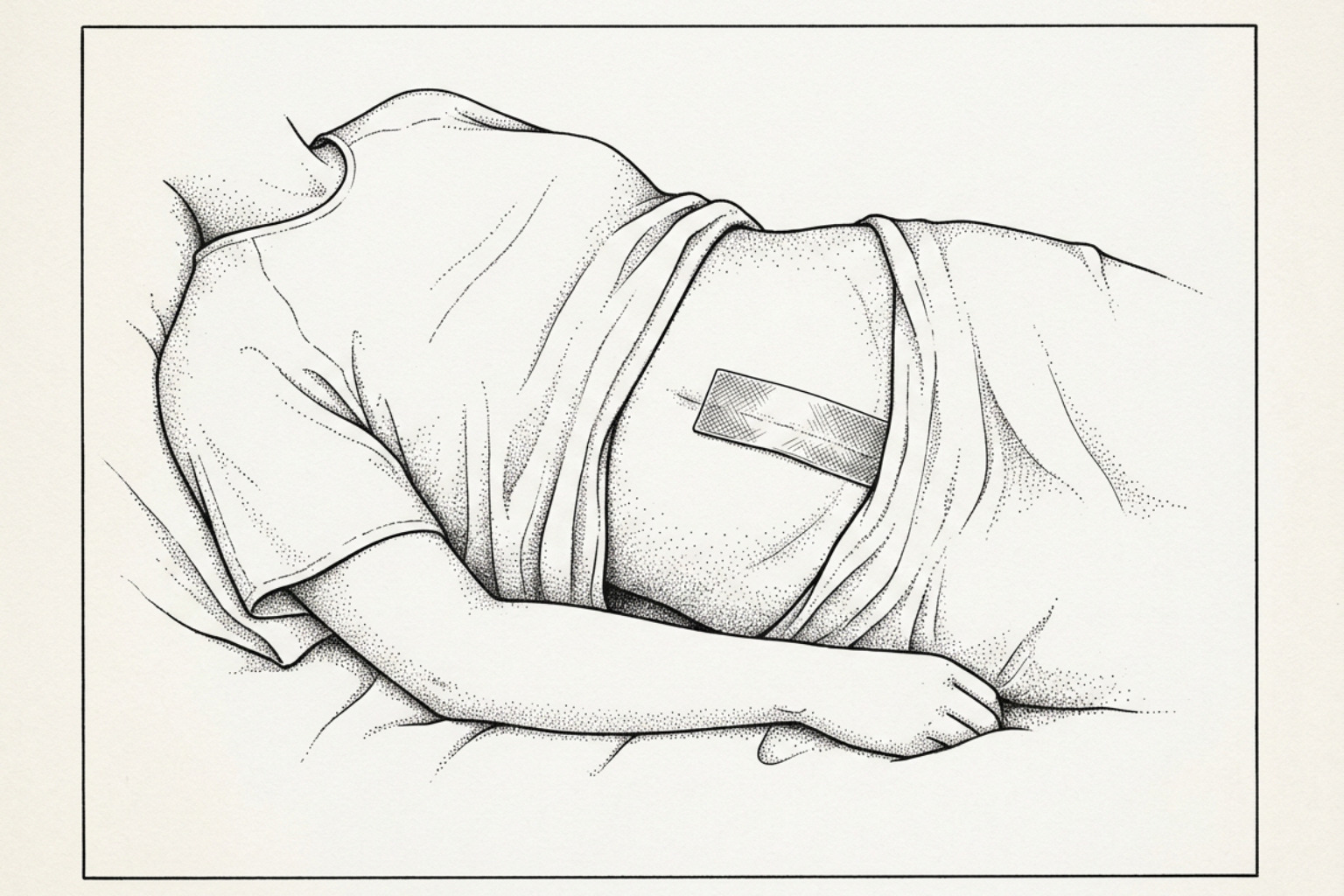
When Should You Start Silicone Scar Treatment?
Silicone sheeting can help a C-section scar heal flatter and softer, but only once the incision is fully closed. Here is when to start, how to build up wear time and when to stop.
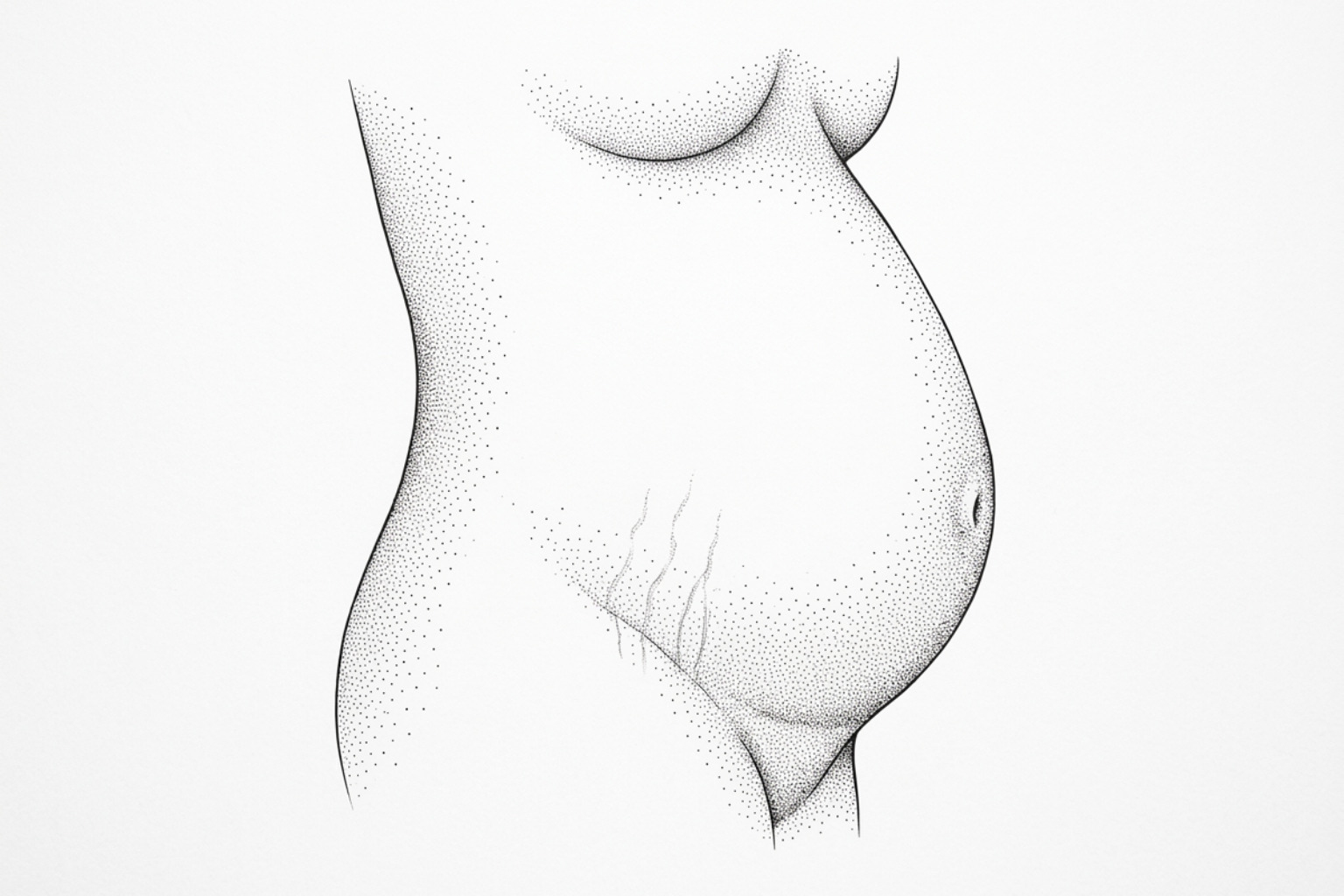
What Expectant Mothers Can Do for Stretch Marks
Stretch marks in pregnancy are common and partly down to genetics. Here is what moisturizers and massage can and cannot do, which products to avoid, and what helps after delivery.