Surgical Scars
Advice on minimizing and healing scars resulting from surgical procedures, including post-operative care and revision options.
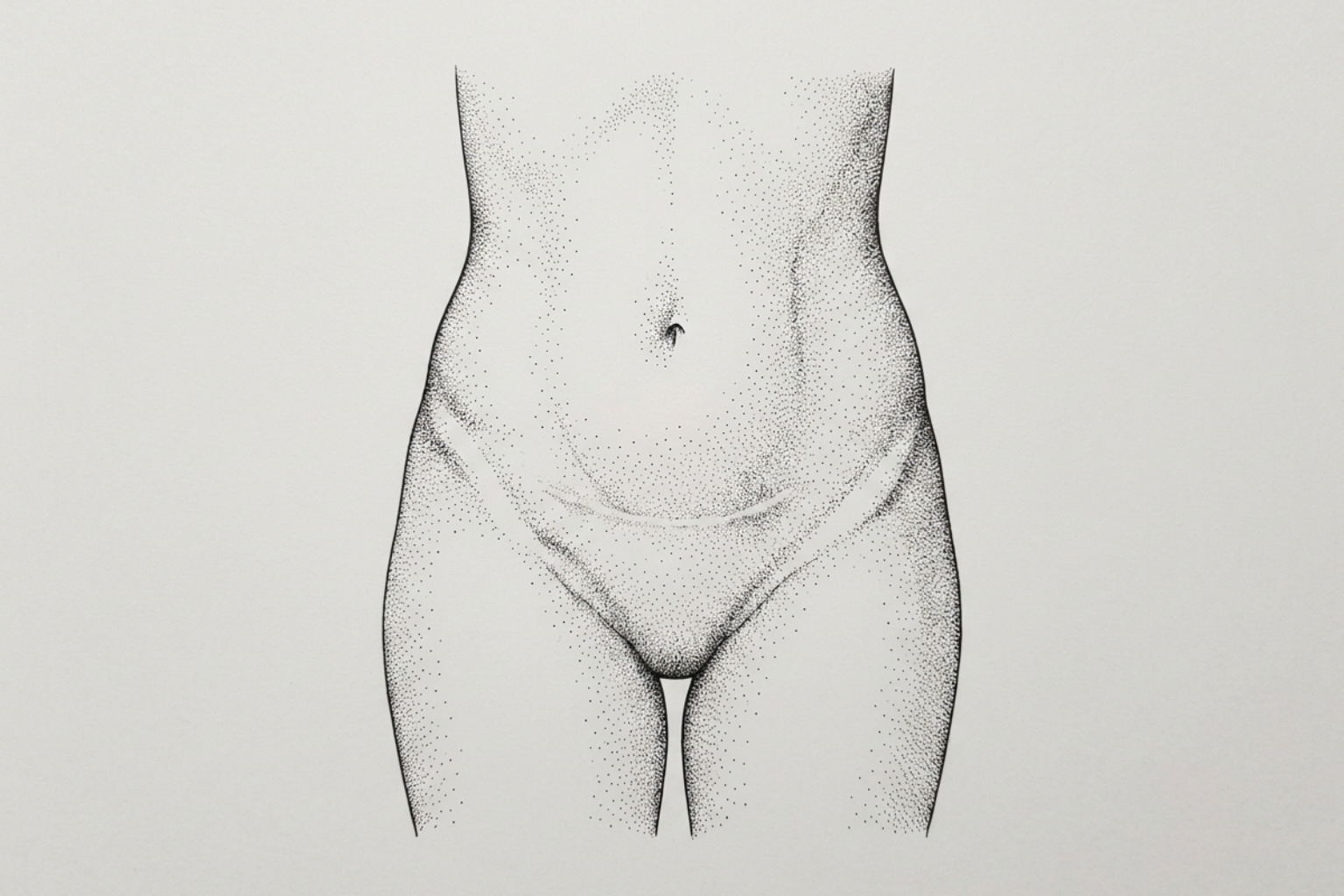
Do Doctors Cut Through the Same C-Section Scar?
Surgeons usually reopen the same low scar for a repeat C-section. What that means for the scar you see, for adhesions and placenta problems inside, and for recovery, spacing pregnancies and VBAC.
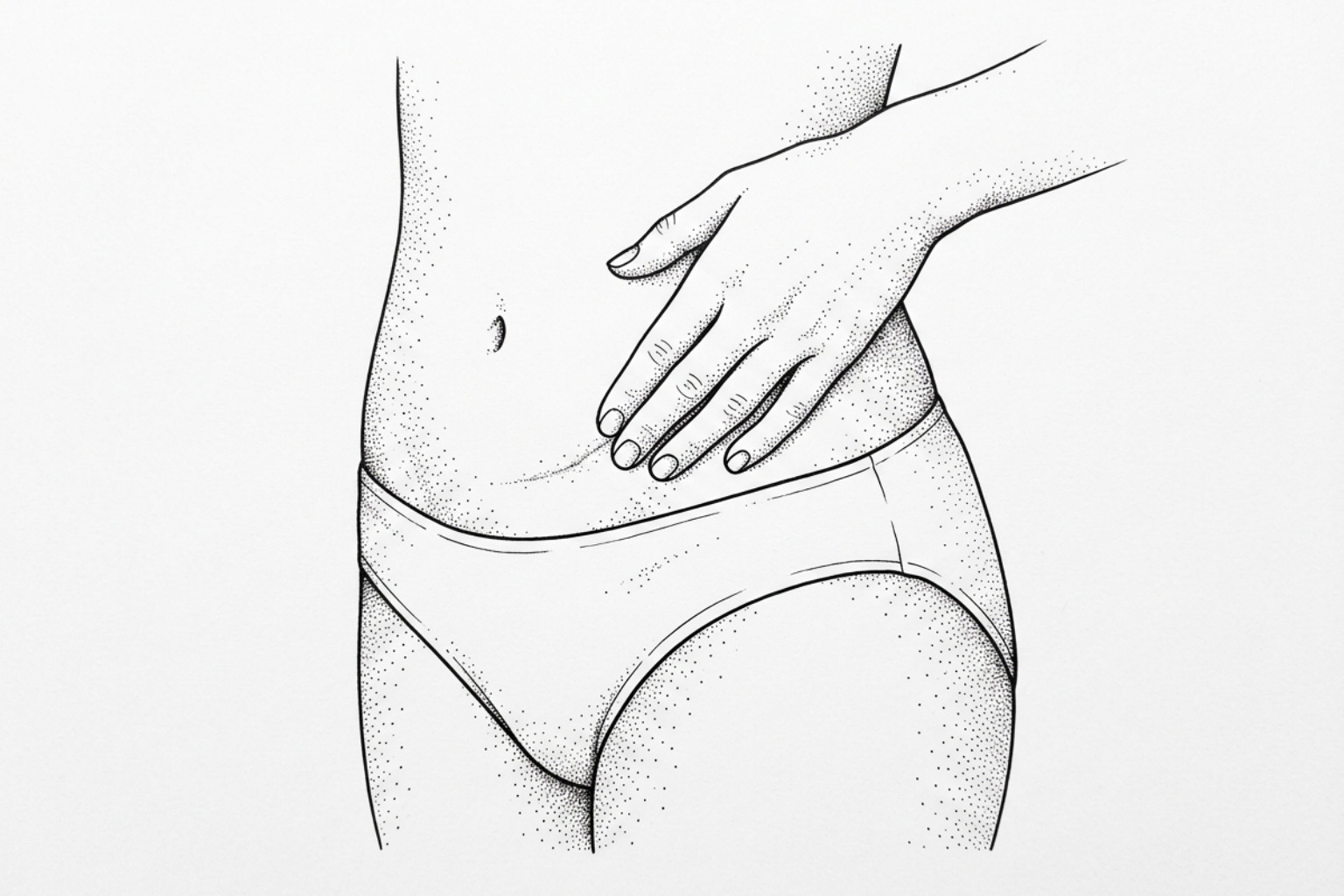
Will a C-Section Scar Disappear on Its Own?
A C-section scar never disappears completely, but most fade to a thin, pale line over one to two years. How the incision heals, why some scars thicken or form a shelf, what helps at home and when to see a doctor.
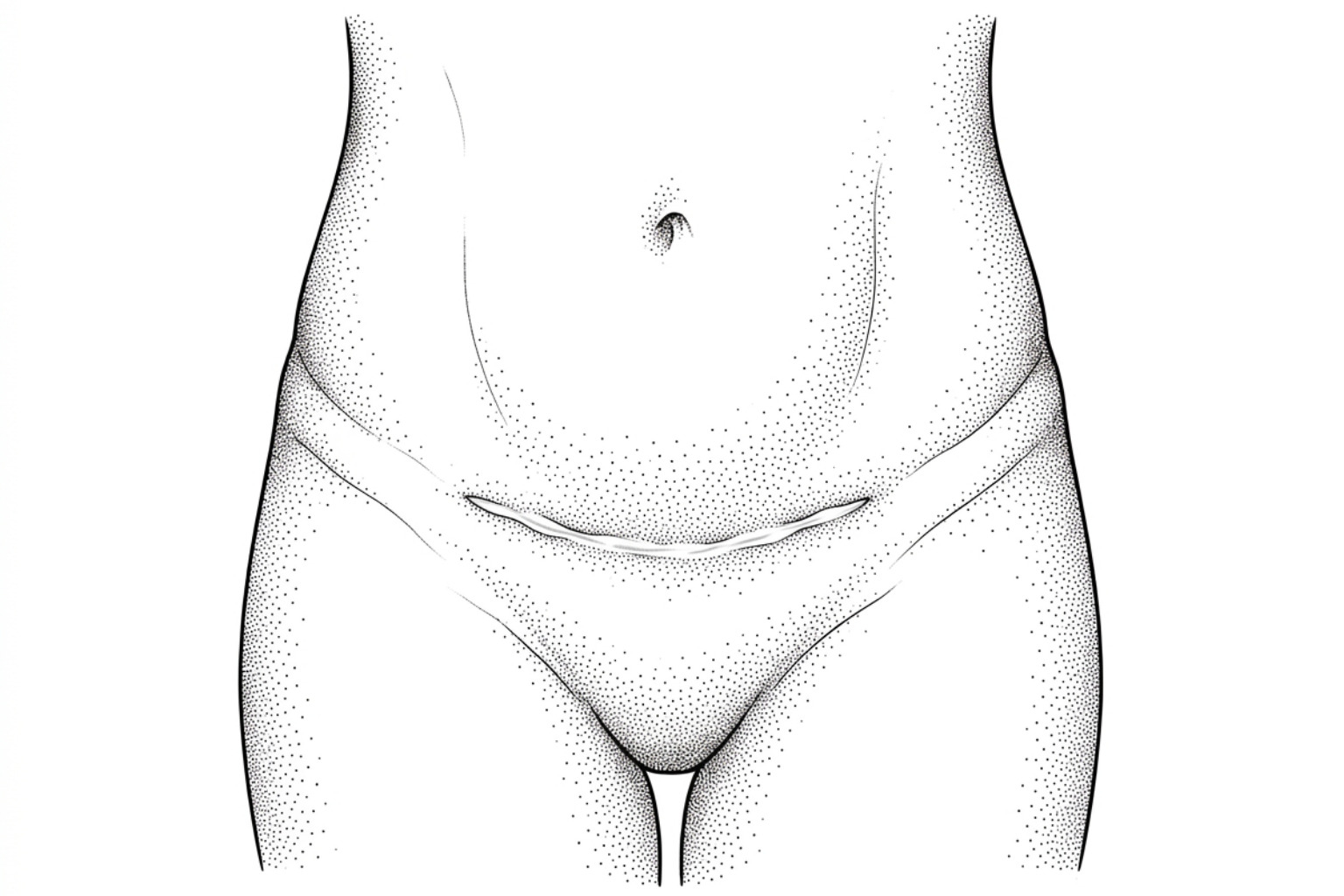
Real C-Section Scar Stages and What to Expect
A C-section scar changes from red and raised to pale and flat over months. This guide shows each healing stage in order, what is normal at each point and when a scar needs a doctor's check.
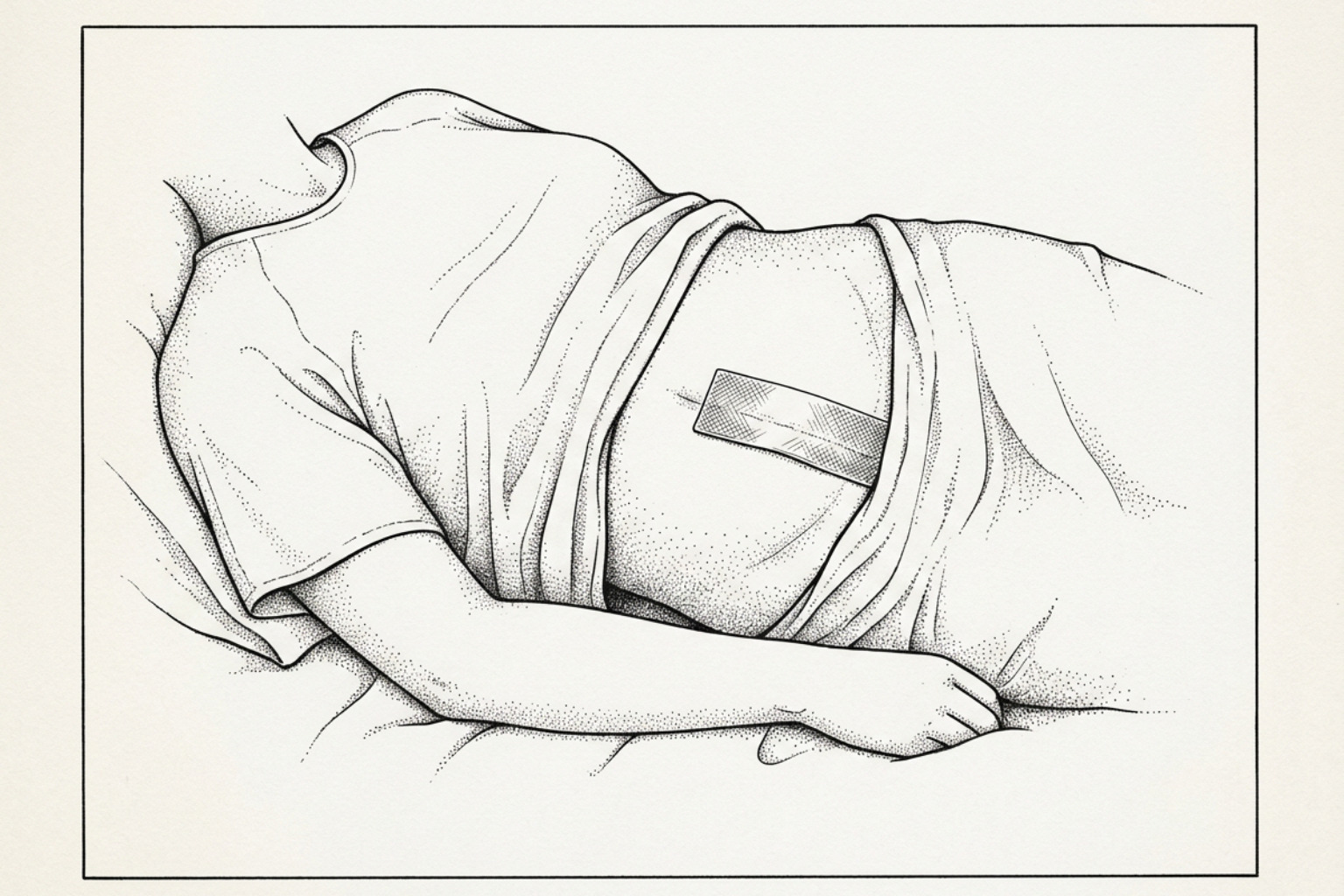
When Should You Start Silicone Scar Treatment?
Silicone sheeting can help a C-section scar heal flatter and softer, but only once the incision is fully closed. Here is when to start, how to build up wear time and when to stop.
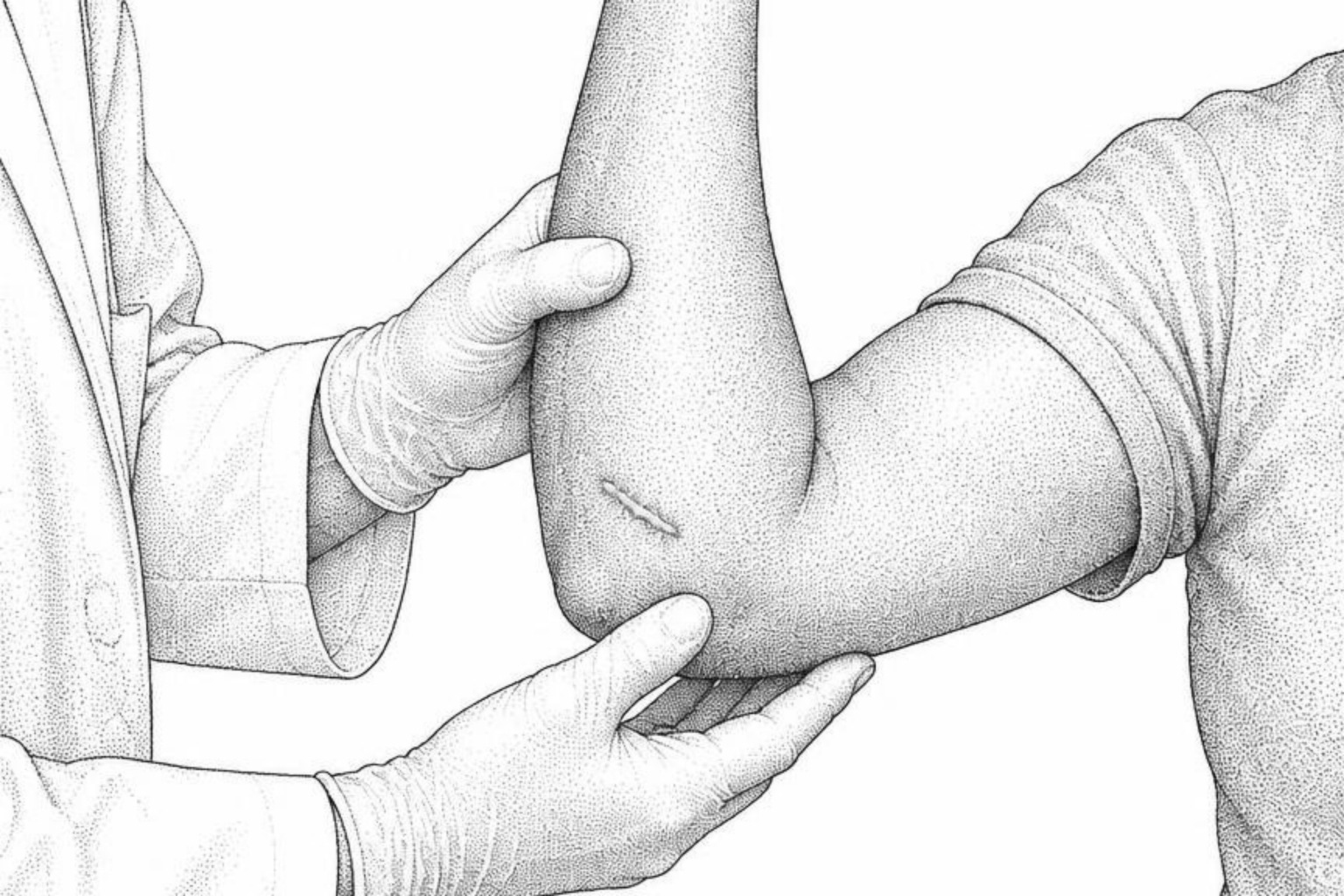
4 Ways Doctors Treat and Remove Contracture Scars
A contracture scar pulls skin tight across a joint and can limit movement. Doctors combine physical therapy, laser, injections and surgical release. Here is how each option works.
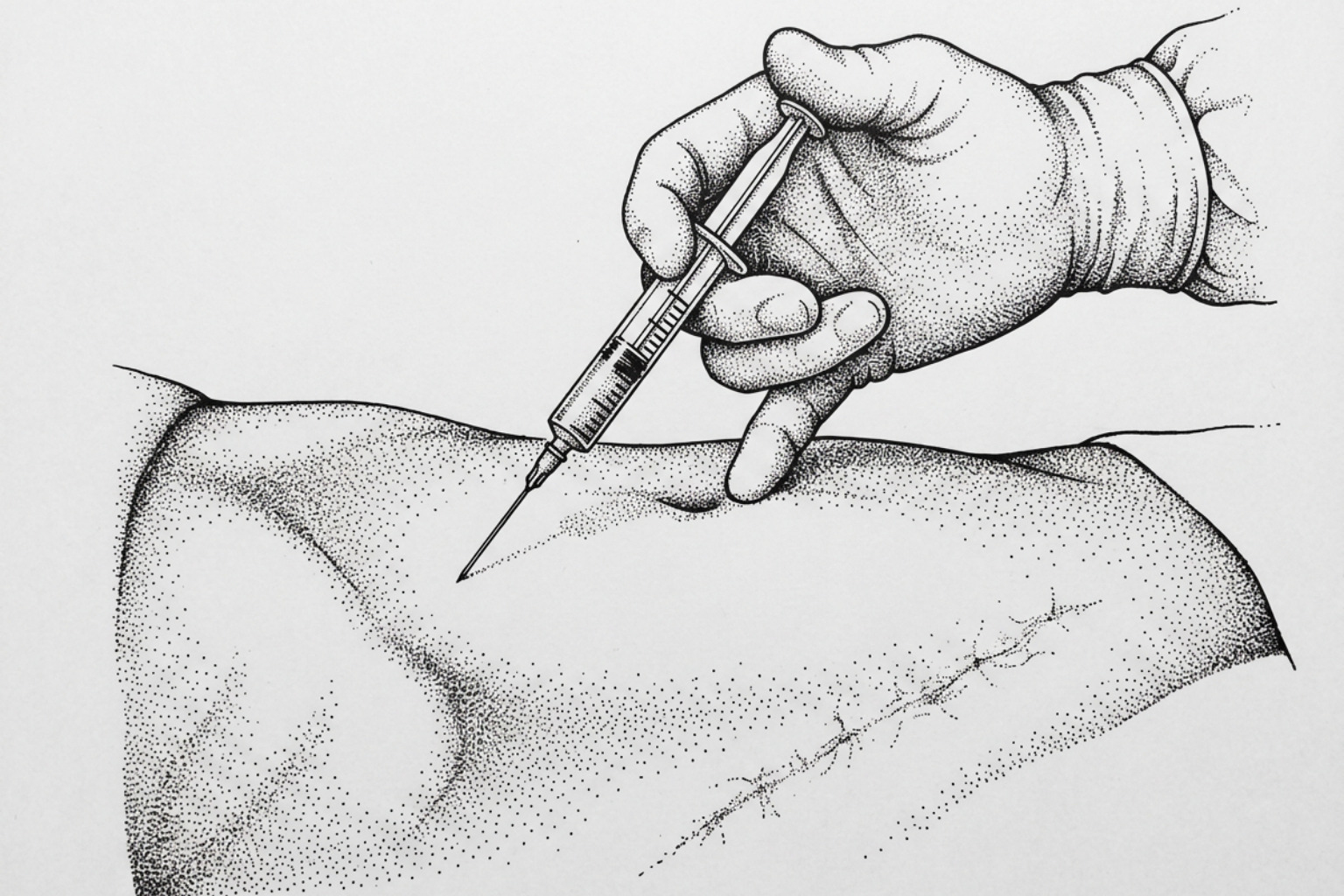
Evidence-Based Guide to Steroid Injections for Surgical and C-Section Scars
Raised surgical and caesarean scars respond well to intralesional steroid injections, but timing and dose matter more than most patients are told. Here is what the evidence supports.
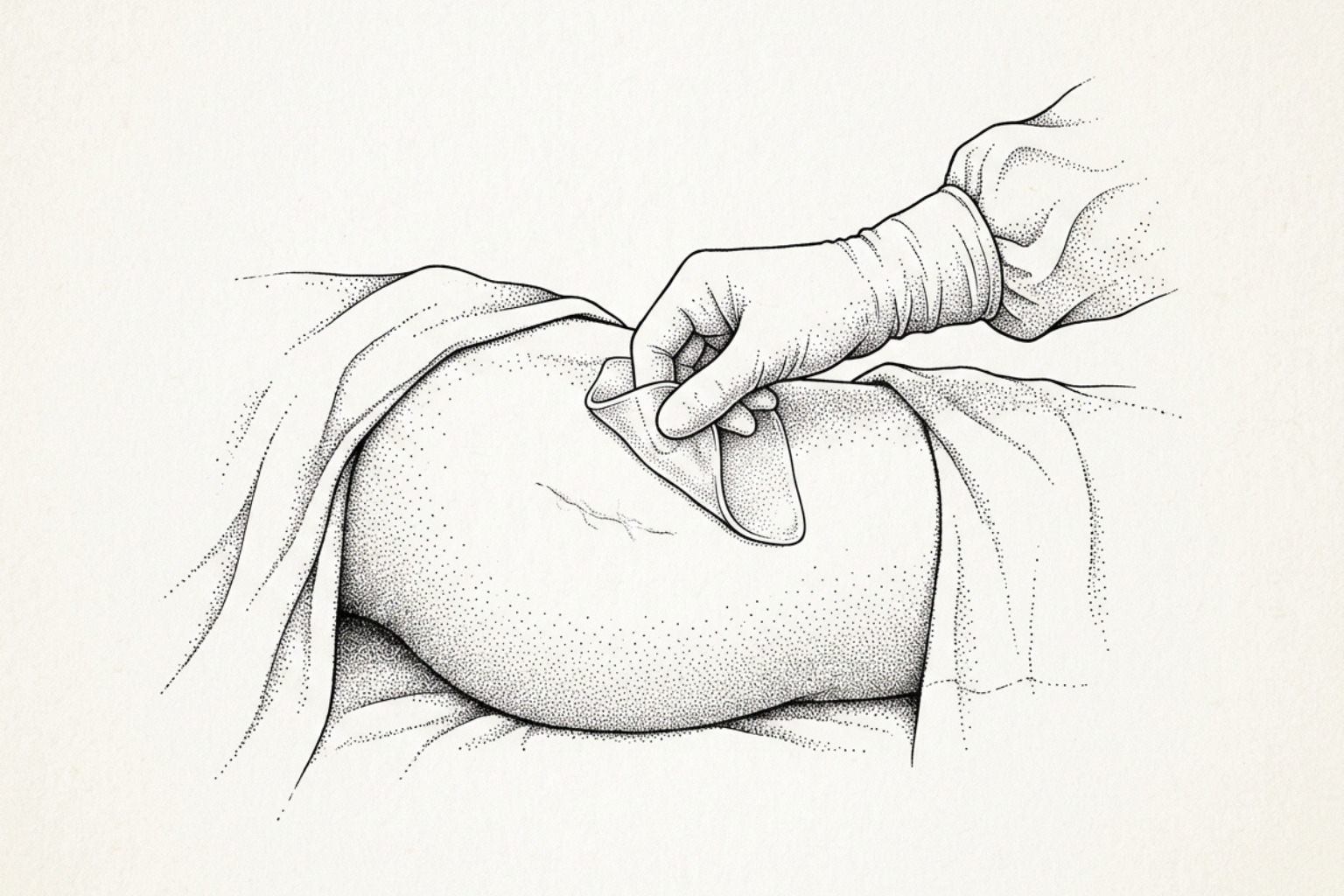
Ultimate Checklist for Minimizing Hip Replacement Scar Appearance
A hip replacement scar takes up to two years to finish fading. Here's what to do at each stage — when to start silicone, how to protect the incision, and which clinic treatments are worth it.
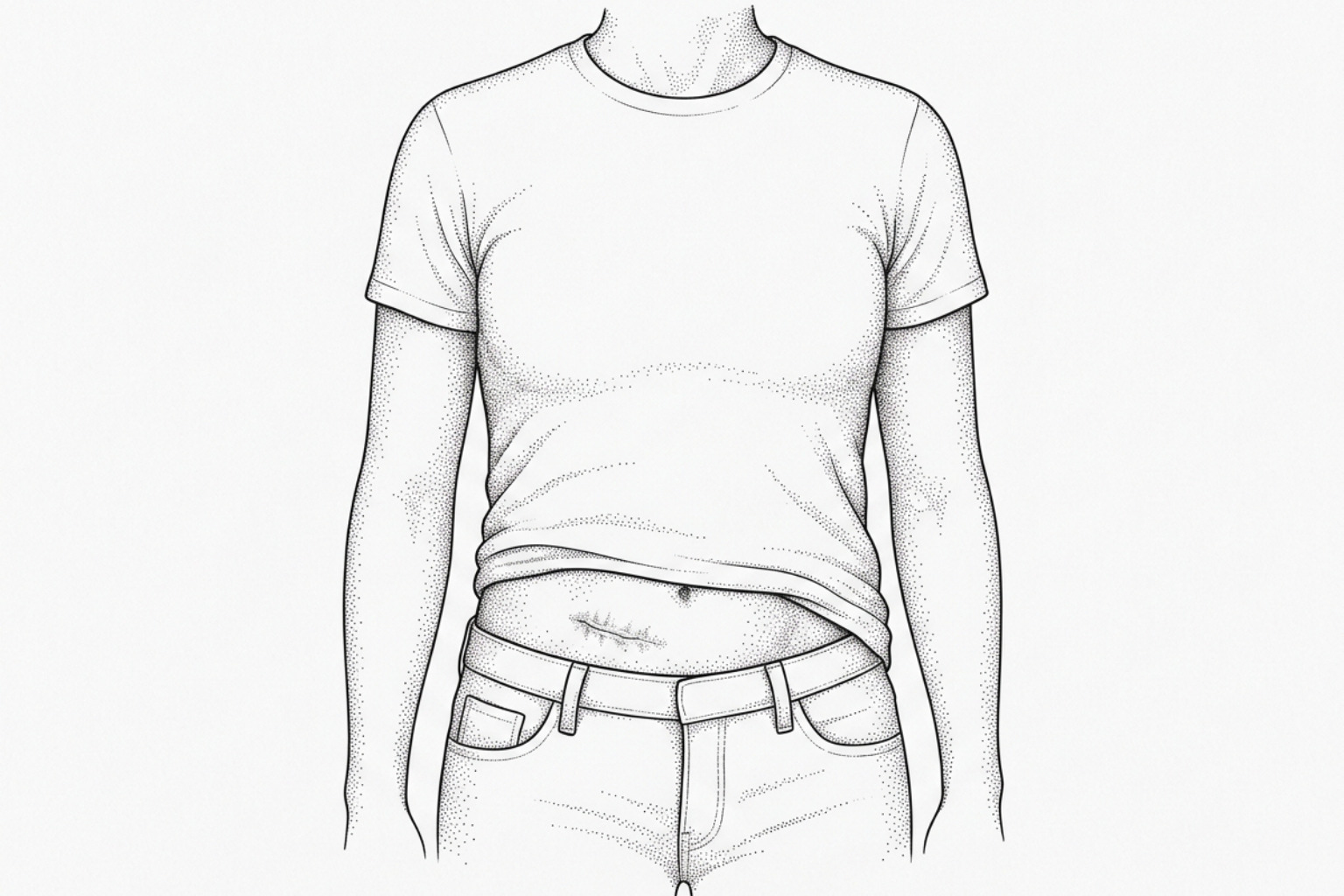
The Complete Guide to Keloid Tummy Tuck Scars
Keloids after abdominoplasty grow beyond the incision line and rarely fade on their own. This guide covers why they form, who is most at risk, and which surgical and non-surgical treatments have evidence behind them.
Post-Surgery Keloid Prevention: Your Shopping List for Smooth Skin
Keloids are hard to remove once formed, so prevention is the priority. Here's the evidence on silicone gels, onion extract, timing, and who needs extra protection after surgery.
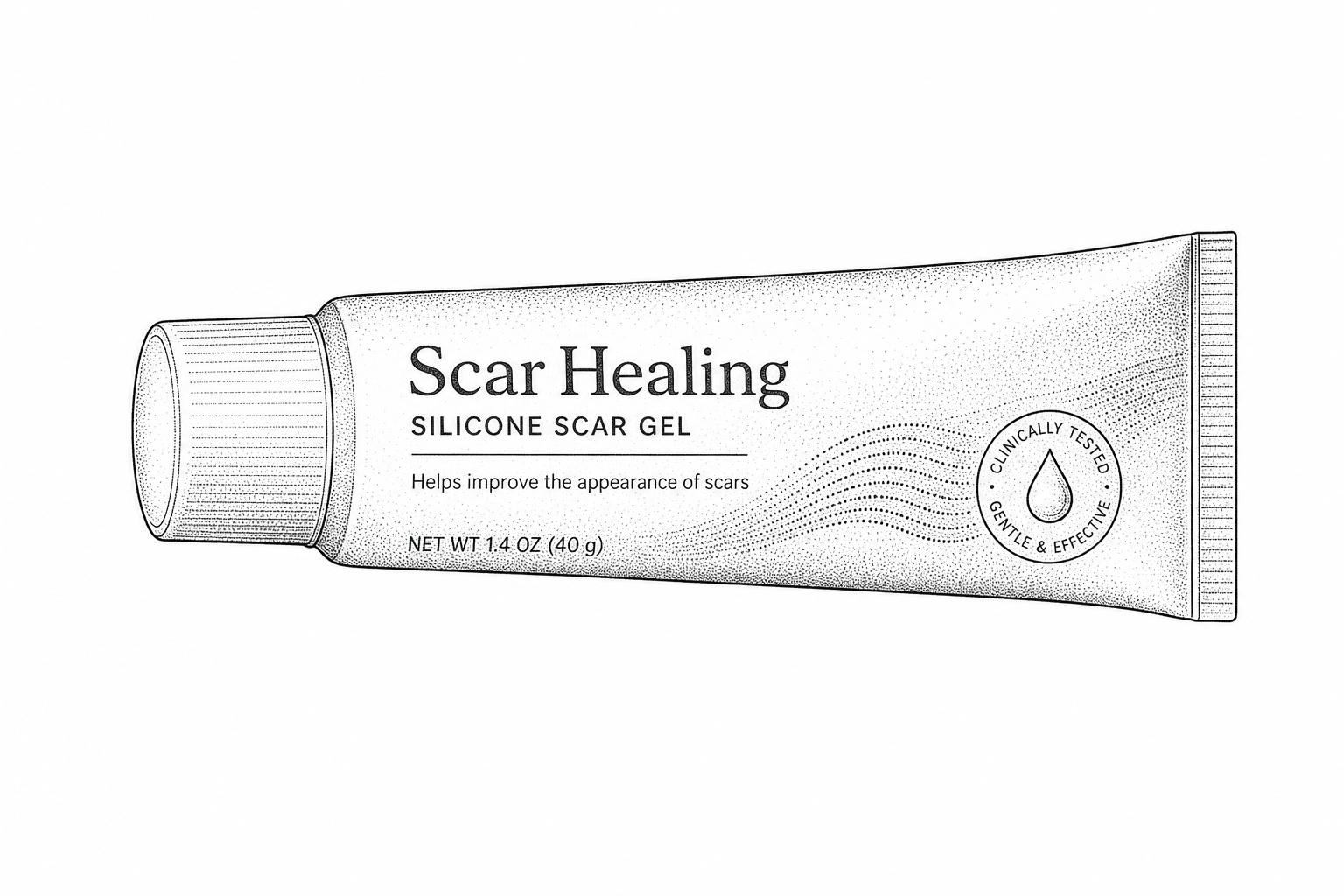
Best Incision Scar Cream: A-Z Guide to Effective Scar Cream
Silicone-based creams have the strongest evidence for fading incision scars — but timing matters as much as the product. When to start, how to apply, and which ingredients are worth paying for.
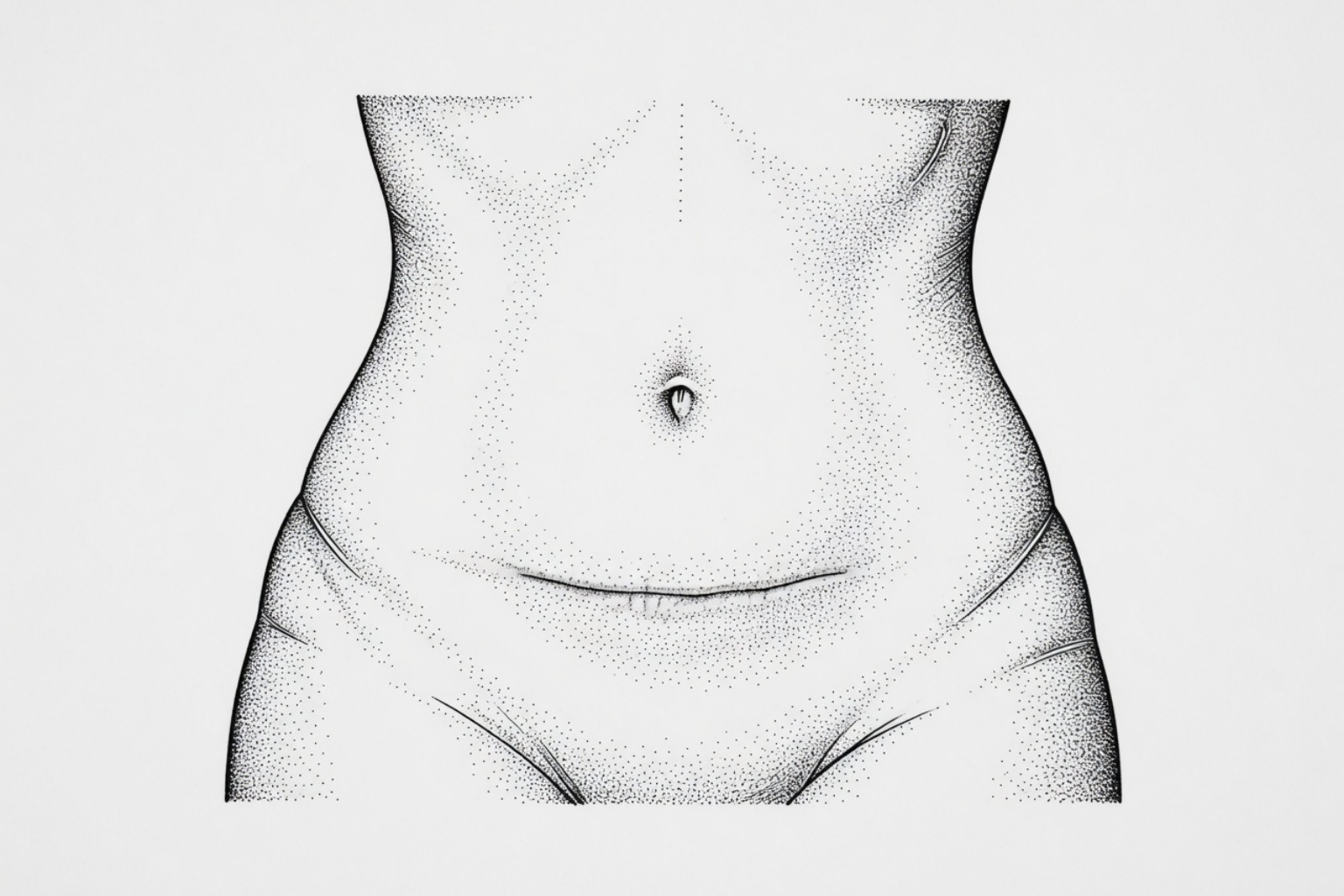
The Lowdown on C-Section Revision
A complete walkthrough of C-section scar revision methods, from surgical re-closure and Z-plasty to fractional laser resurfacing, with recovery timelines and realistic expectations.
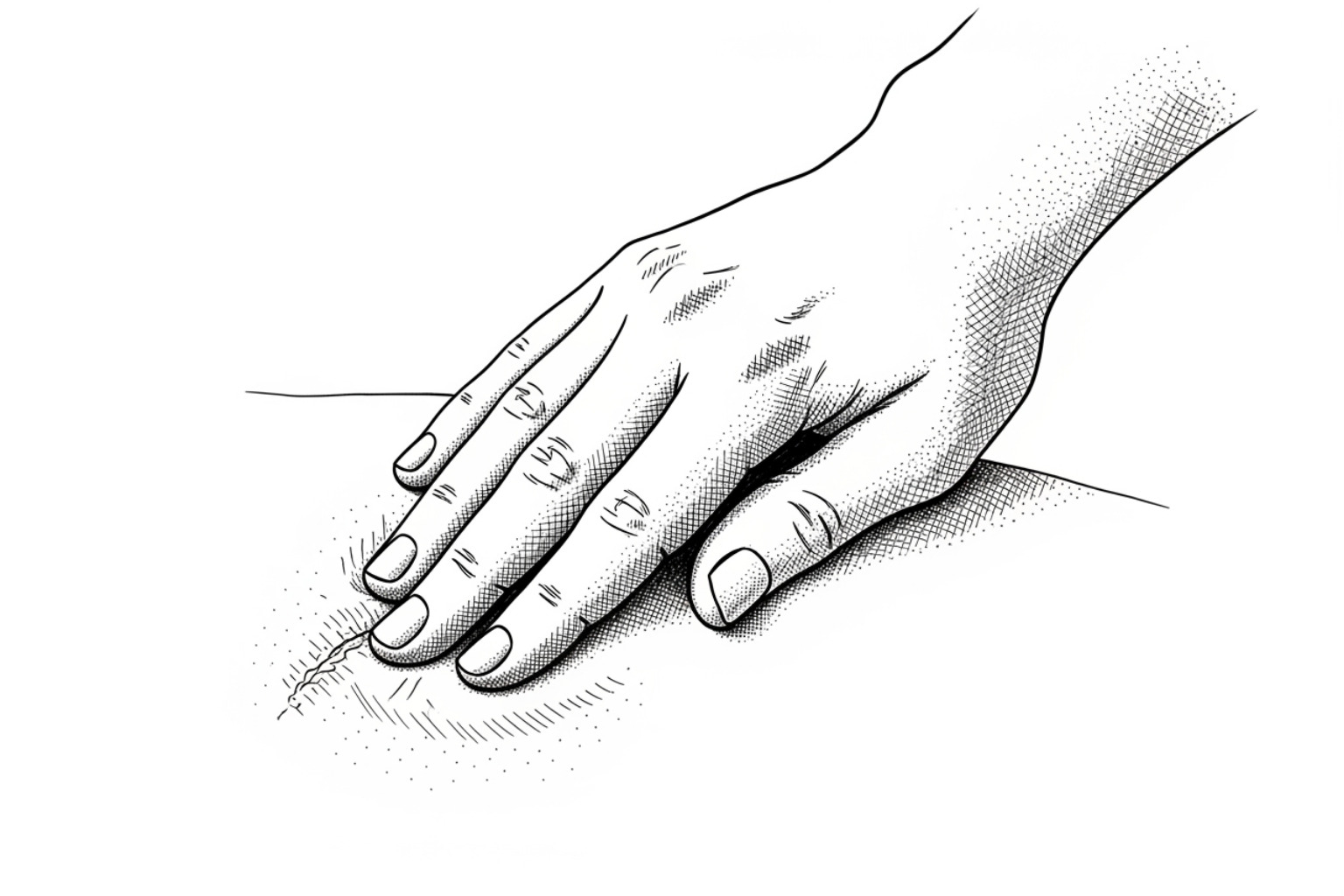
How to Master Scar Tissue Massage Techniques
Learn exactly when and how to massage scar tissue after surgery. This guide covers evidence-based pressure techniques, optimal timing windows, and warning signs that mean you should stop.