Post-Surgery Keloid Prevention: Your Shopping List for Smooth Skin
Keloids are hard to remove once formed, so prevention is the priority. Here's the evidence on silicone gels, onion extract, timing, and who needs extra protection after surgery.
What actually prevents keloids
Keloid scar prevention cream is one of the most searched-for solutions by people who know they are at risk of abnormal scarring after surgery, injury, or skin trauma.
Quick answer — what works for keloid prevention, based on current clinical evidence:
| Approach | Evidence Level | Key Benefit |
|---|---|---|
| Medical-grade silicone gel | Strong (multiple clinical trials) | Regulates collagen synthesis; reduces texture, color, and height |
| Silicone sheets | Strong | Adds physical pressure; may outperform gels on flat surfaces |
| Corticosteroid topicals | Moderate | Reduces inflammation and itching |
| Onion extract (Allium cepa) | Weak to moderate | May improve appearance and reduce itch; does not flatten scars alone |
| Vitamin E | Weak | Limited clinical support; some evidence of skin irritation |
| Sun protection (SPF 30+) | Supportive | Prevents permanent hyperpigmentation over healing scars |
Not every scar becomes a keloid. But for roughly 15 to 20% of people — and up to 15 times more frequently in individuals of African, Asian, and Hispanic descent — a routine wound can trigger a process of uncontrolled collagen overproduction that results in a raised, often painful scar that grows well beyond the original wound boundary.
That distinction matters. Keloids are not simply "bad scars." They are the result of a disrupted wound-healing cascade in which fibroblasts — the cells responsible for producing collagen during tissue repair — continue synthesizing collagen long after the wound has closed. The result is a dense, fibrous overgrowth of the extracellular matrix (the structural scaffold of skin tissue).
Unlike hypertrophic scars, which remain within the original wound margins and often soften over time, keloids expand outward, can continue growing for years, and do not resolve without intervention.
This is why prevention — not just treatment — is the clinical priority. Once a keloid is established, it becomes significantly harder to manage, with surgical removal alone carrying a recurrence rate of anywhere between 45% and 100%.
The good news is that early, consistent use of the right topical products, applied correctly and at the right time, gives wound healing the best possible environment to stay on a normal trajectory. This guide reviews what the current evidence — as of May 2026 — actually supports.
Why keloids form and who's at risk
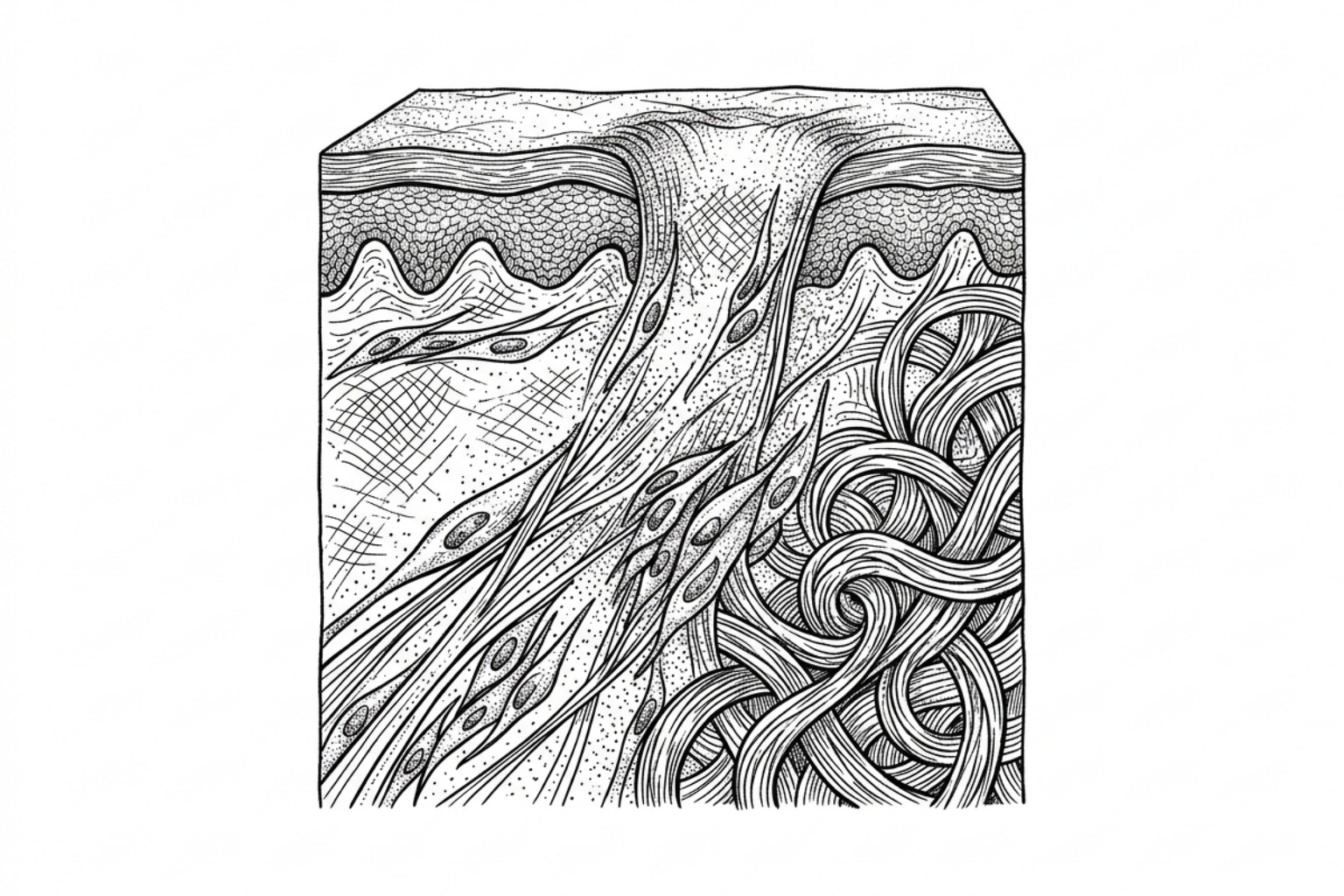
To prevent a keloid, I must first understand how they form. The process begins in the dermis, where specialized cells called fibroblasts are tasked with rebuilding the skin's structural framework after an injury. In normal wound healing, these cells produce Collagen Type III, which is eventually replaced by the stronger Collagen Type I. However, in keloid-prone individuals, this "off switch" is absent.
Research into keloid scar formation stages indicates that the inflammatory phase of healing is often prolonged. This leads to an excessive accumulation of extracellular matrix (ECM) components. The resulting tissue is characterized by thick, disorganized collagen bundles that lack the orderly structure of healthy skin.
Who's most at risk
Clinical data shows that certain populations and body sites are significantly more vulnerable:
- Genetic Predisposition: Individuals of African, Asian, and Hispanic origin form keloids 15 times more frequently than those with lighter skin tones.
- Anatomical Location: Tension-prone areas such as the chest, shoulders, upper back, and jawline are primary sites for keloid development. Constant mechanical pull on a wound signal fibroblasts to produce more collagen.
- Age and Hormones: Keloids are most common between the ages of 10 and 30. Elevated hormone levels during puberty and pregnancy have also been observed to influence the rate of keloid expansion.
Which ingredients actually work
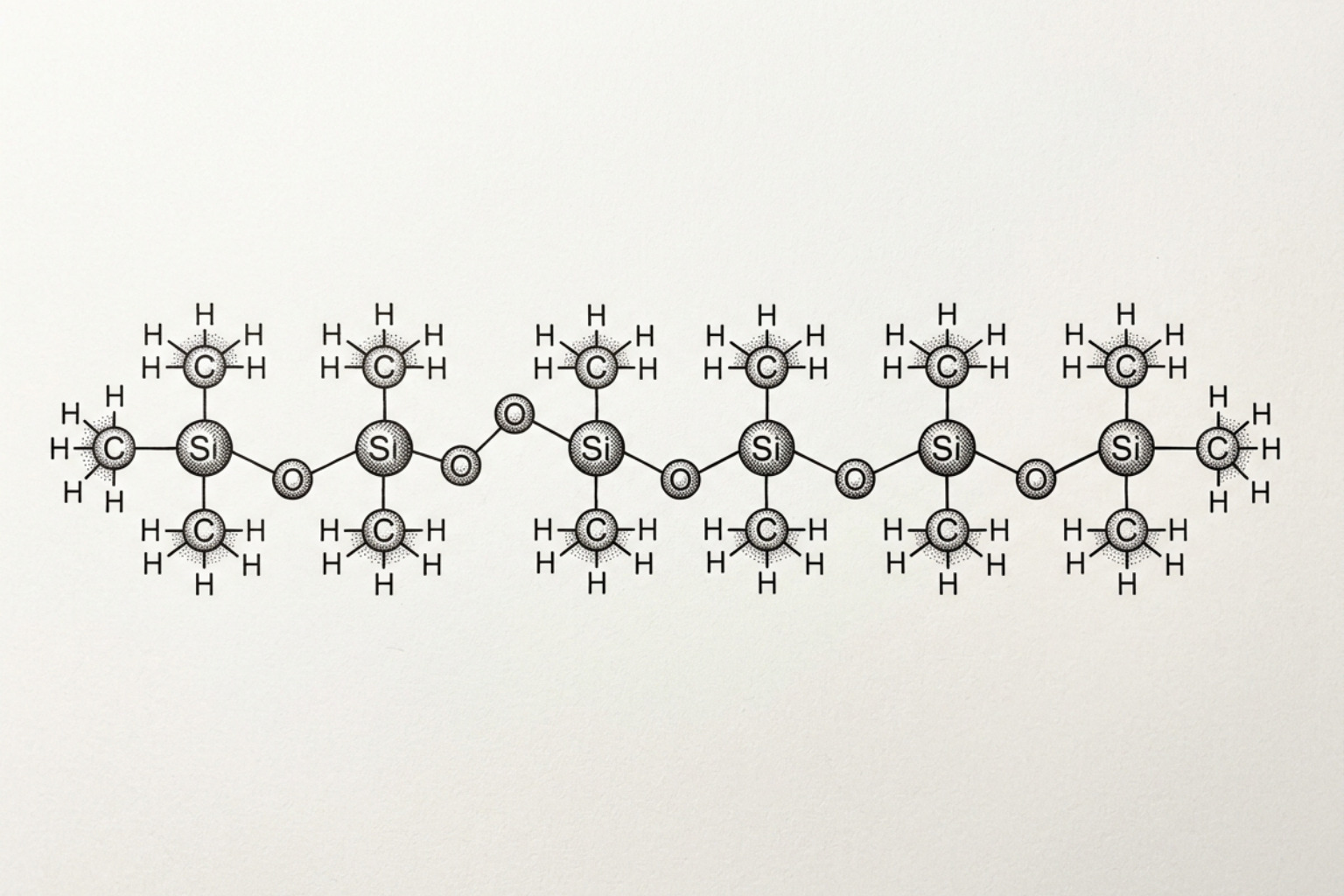
When selecting a keloid scar prevention cream, the ingredient list is the most important factor. Not all topical agents are created equal, and many popular "remedies" lack robust clinical backing.
How silicone helps
Silicone remains the gold standard for non-invasive scar management. Scientific research on silicone gel efficacy suggests that it works by creating an occlusive barrier that mimics the stratum corneum (the outermost layer of skin).
This barrier reduces transepidermal water loss (TEWL), which sends a signal to the underlying fibroblasts to downregulate collagen production. Clinical evaluations of the best scar cream with silicone have reported up to an 86% reduction in texture, an 84% improvement in color, and a 68% reduction in scar height.
Do botanical extracts work?
- Allium cepa (Onion Extract): Often used for its anti-inflammatory properties, onion extract contains quercetin, which may inhibit collagen synthesis. While it helps manage itching and redness, evidence suggests it is less effective than silicone at flattening raised tissue.
- Corticosteroid Topicals: Prescription-strength creams can reduce the inflammation that drives keloid growth. They are often used as a secondary measure alongside silicone.
- Retinol: By increasing cell turnover and modulating growth factors, retinol can support a more organized remodeling phase.
- Helichrysum Italicum: This botanical oil is included in some formulations for its antioxidant properties, potentially protecting the healing tissue from oxidative stress. More details on these can be found in the hypertrophic scar reduction cream guide.
How to apply prevention cream
The efficacy of a keloid scar prevention cream is heavily dependent on how and when it is applied. Consistency is the difference between a successful outcome and a recurring keloid.
Timing and Frequency
Clinical consensus dictates that treatment should begin as soon as the wound is closed or sutures are removed. Referencing when to start scar treatment after surgery is vital, as applying products to an open wound can interfere with the initial inflammatory phase.
For post-surgery scar care, I recommend a twice-daily application. Silicone gels typically require about 5 minutes to self-dry into a transparent, flexible film. This film provides 24-hour occlusion, which is necessary to maintain the hydration levels required to suppress fibroblast overactivity.
Duration of Treatment
Studies show that abnormal scarring can be prevented in up to 67% of surgery patients when treatment is maintained for at least four months. The standard recommended duration is 60–90 days, though high-risk individuals should continue use for up to six months. Once the gel is dry, it can be layered with SPF 30+ sunscreen to prevent UV-induced hyperpigmentation, which can make scars permanently darker.
Special cases: high-risk skin and body areas
Specific scenarios require more than just a standard cream. For instance, earlobe keloids resulting from piercings often require the use of pressure earrings in conjunction with silicone gel to halt tissue overgrowth.
Skin Tone and Hyperpigmentation
In darker skin tones, the risk of post-inflammatory hyperpigmentation is high. Using a keloid scar prevention cream that includes ingredients like Niacinamide or Vitamin C can help balance skin tone while the silicone manages texture.
Who needs extra care
- Pediatrics: Children’s skin heals rapidly, which can lead to aggressive scarring. The pediatric scar reduction cream guide emphasizes using non-toxic, medical-grade silicone that is safe for sensitive skin.
- Postpartum Care: C-section incisions are under constant tension from movement. The postpartum scar reduction cream guide suggests that silicone sheets may be preferable to gels in this area because they provide a physical tension relief that gels cannot.
When creams aren't enough
While topicals are effective for prevention, they have limitations when treating established keloids. If a scar begins to grow rapidly or causes significant pain, professional medical intervention is required.
- Intralesional Injections: Corticosteroid injections are the most common clinical treatment, often delivered monthly to flatten the scar.
- Laser Therapy: Laser for keloid scars can reduce redness and soften the tissue by targeting the blood vessels feeding the scar.
- Non-Invasive Removal: Options like cryotherapy (freezing the tissue) can be effective, as detailed in our guide on non-invasive keloid removal.
- Multimodal Therapy: Because keloid treatment without surgery is often preferred due to high recurrence rates, doctors frequently combine treatments—such as surgery followed immediately by radiation or pressure garments worn 20 hours a day.
Frequently asked questions
When is the optimal time to begin using a prevention cream after surgery?
The optimal time is immediately after the wound has fully epithelialized (closed) and any stitches have been removed. This usually occurs 10 to 14 days post-surgery. Applying it sooner may trap bacteria or disrupt the initial healing.
Can topical creams flatten an existing, multi-year-old keloid?
Topical creams are primarily prophylactic. While medical-grade silicone can soften and slightly fade older keloids (up to four years old), it is unlikely to completely flatten a dense, mature keloid. In these cases, clinical procedures are usually necessary.
Are silicone gels safe for use on pediatric patients or sensitive skin?
Yes, medical-grade silicone is chemically inert and remains on the surface of the skin without being absorbed into the bloodstream. This makes it safe for infants (typically over 3 months) and those with sensitive skin.
Your keloid prevention plan
Preventing keloids requires a proactive, evidence-based approach. While no topical solution can offer a 100% guarantee, the consistent application of medical-grade silicone gel remains the most effective at-home strategy supported by dermatology. By understanding your risk factors and maintaining a strict application protocol, you can significantly influence the final appearance of your skin.
| Ingredient | Primary Action | Clinical Efficacy |
|---|---|---|
| Silicone Gel | Hydration & Fibroblast Regulation | High (Gold Standard) |
| Onion Extract | Anti-inflammatory | Moderate (Appearance only) |
| Corticosteroids | Inflammation Suppression | Moderate (Prescription required) |
| Vitamin E | Antioxidant | Low (Mixed results) |
For a personalized evaluation of your scar's progress, you can utilize our scar-assessment tool to determine the best course of action for your specific skin type.
Works Cited
- Wang F, Li X, Wang X, Jiang X. “Efficacy of Topical Silicone Gel in Scar Management: A Systematic Review and Meta-Analysis of Randomised Controlled Trials” International Wound Journal, 2020.
- Pangkanon W, et al. “A Comparison of Silicone Gel Containing Onion Extract and Aloe Vera to Silicone Gel Sheets to Prevent Postoperative Hypertrophic Scars and Keloids” Journal of Cosmetic Dermatology, 2021.
- Gold MH, McGuire M, Mustoe TA, et al. “Updated International Clinical Recommendations on Scar Management: Part 2—Algorithms for Scar Prevention and Treatment” Dermatologic Surgery, 2014.
This content is for informational purposes only and does not constitute medical advice. Consult a qualified healthcare professional for diagnosis and treatment.