Keloid Scars
Information on keloid scars — raised, thickened scars that grow beyond the original wound — and how to treat and prevent them.
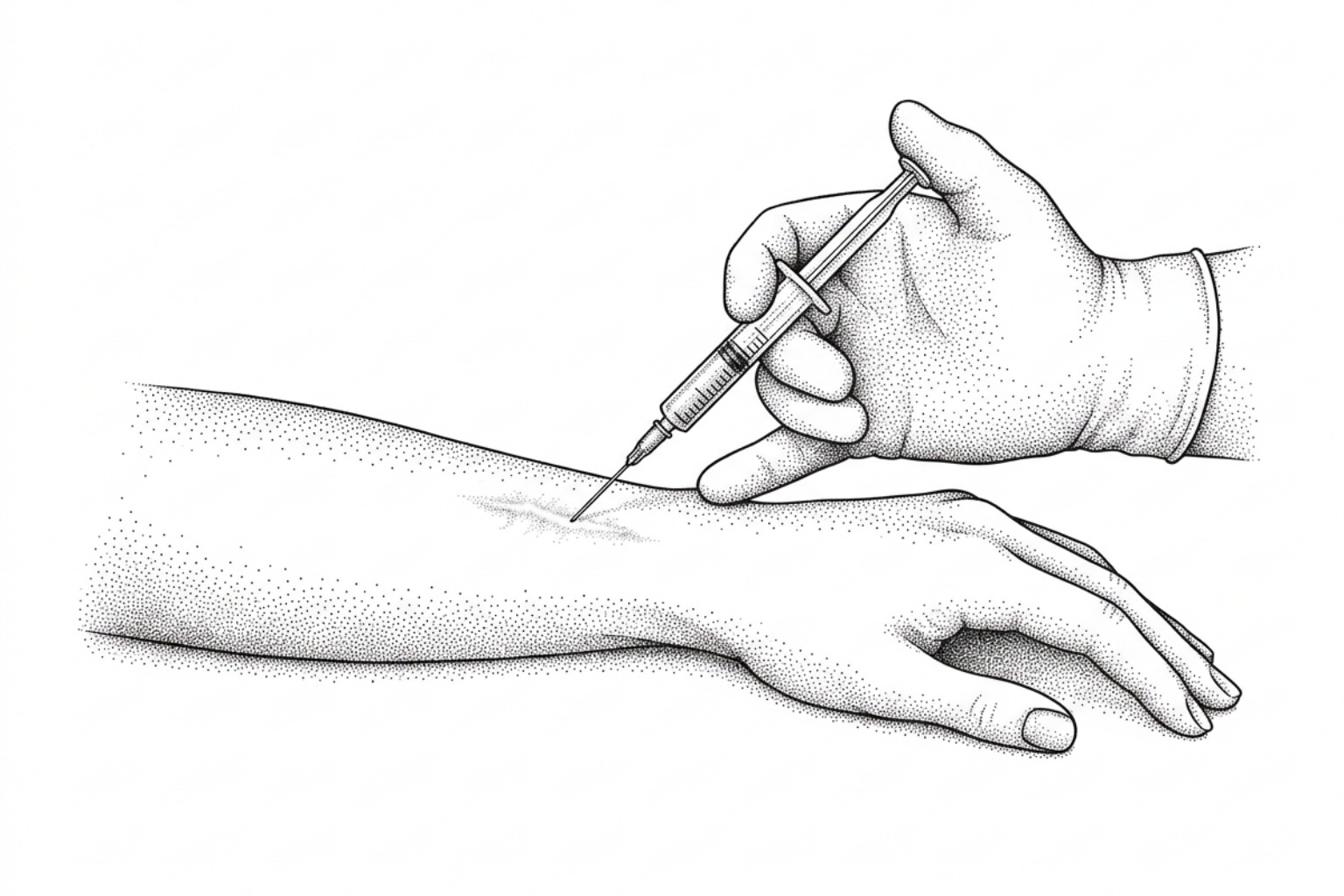
Steroid injection versus silicone and pressure: how clinicians choose.
Steroid injections, silicone sheeting and pressure therapy all flatten raised scars, but they suit different scars and different lives. Here is how clinicians choose between them, and what the trial evidence actually shows.
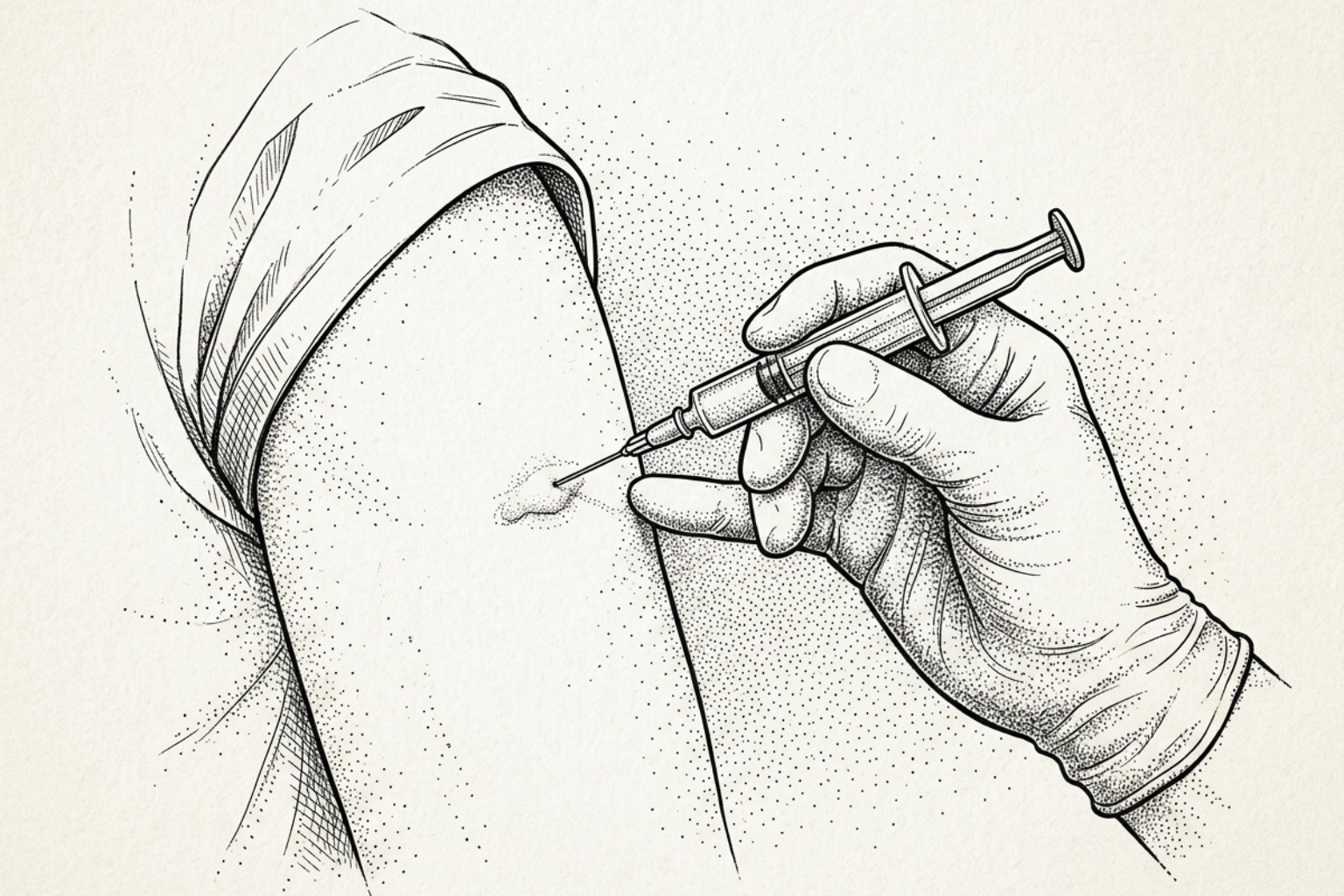
Intralesional corticosteroid for keloids: what the evidence shows.
Intralesional triamcinolone is the first-line keloid treatment worldwide, yet response rates and recurrence vary widely. Here is what the dosing evidence and international consensus actually say.
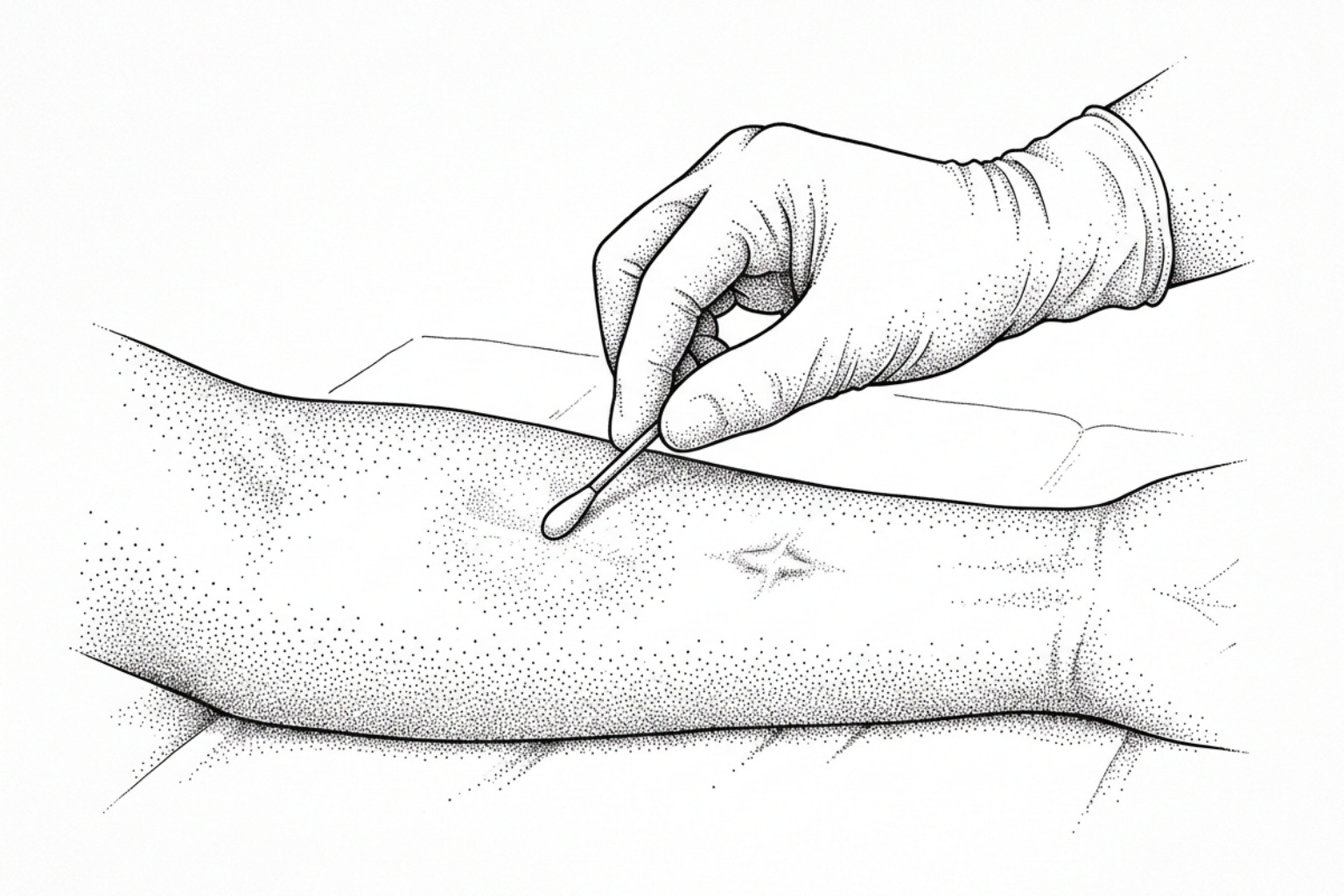
A Comprehensive Guide to Side Effects of Steroid Injections Into Scars
Steroid injections are the most common keloid treatment, and skin thinning, pigment loss and visible veins are their most common costs. Here is how often each happens and what reduces the risk.
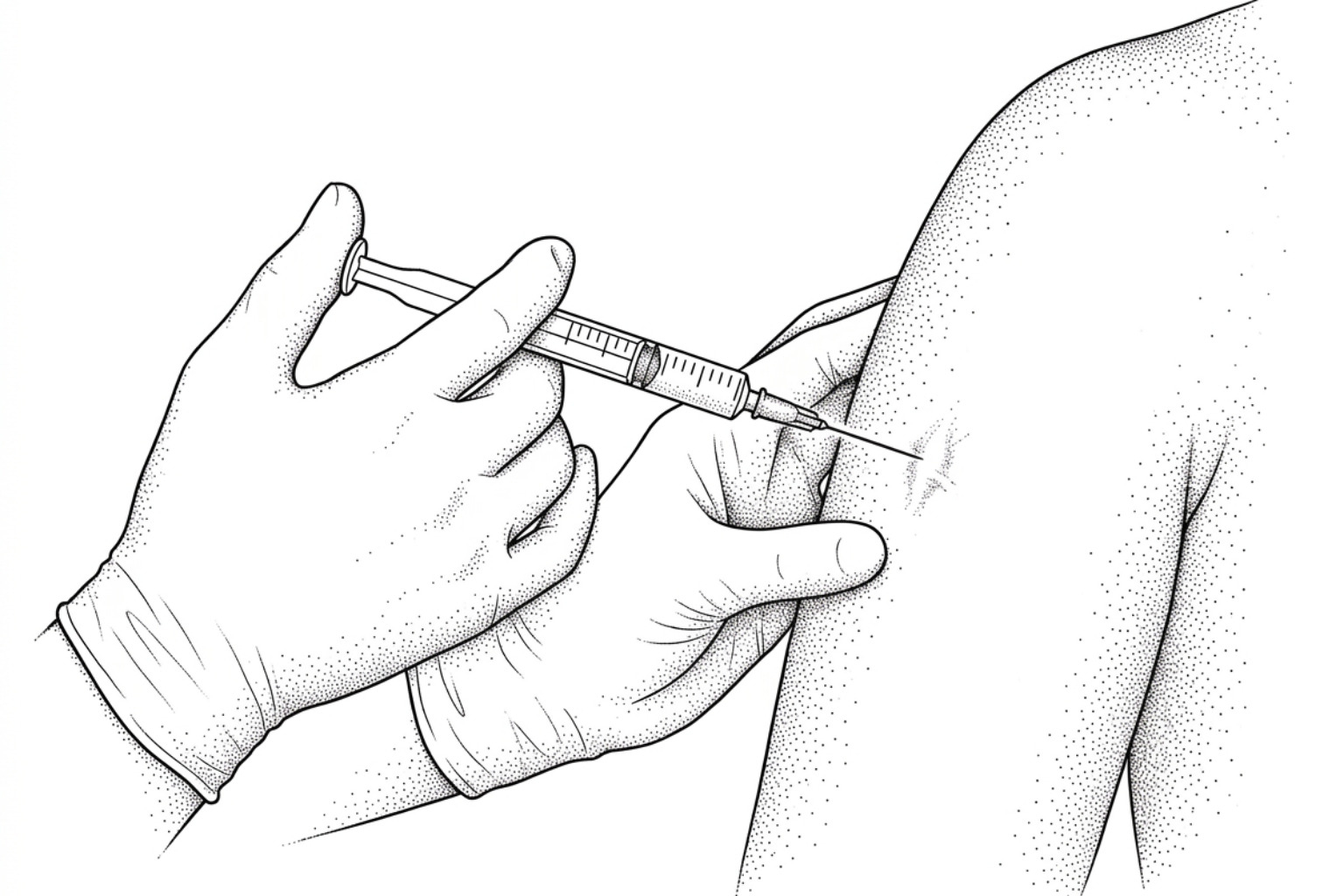
Efficacy of Corticosteroid Injection Combined with 5-FU for Keloids
Combining 5-fluorouracil with triamcinolone outperforms steroid alone for keloids in most trials, with fewer atrophy side effects. Here are the ratios, session counts and trade-offs.
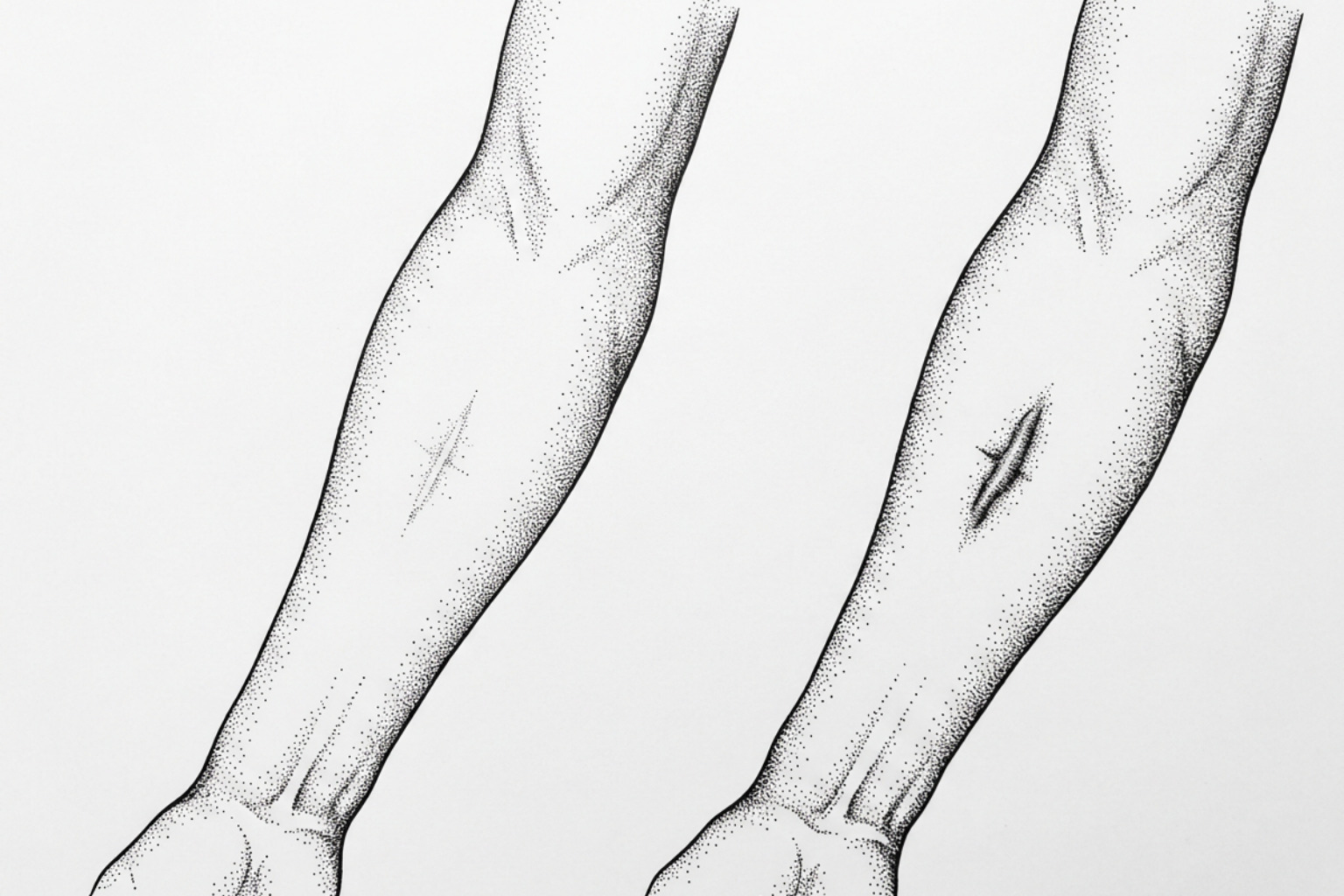
A Practical Guide to Why Two People Scar Differently: Formation Factors
Two people can get the same cut and end up with very different scars. Genetics, fibroblast behaviour, skin tone and the tension across the wound all play a part — and some of those factors you can influence.
A Comprehensive Guide to Effective Keloid Scar Treatments
Keloids rarely go away on their own, and surgery without follow-up treatment often sees them return larger. Compare steroid injections, silicone sheeting, laser therapy, and surgery with radiation.
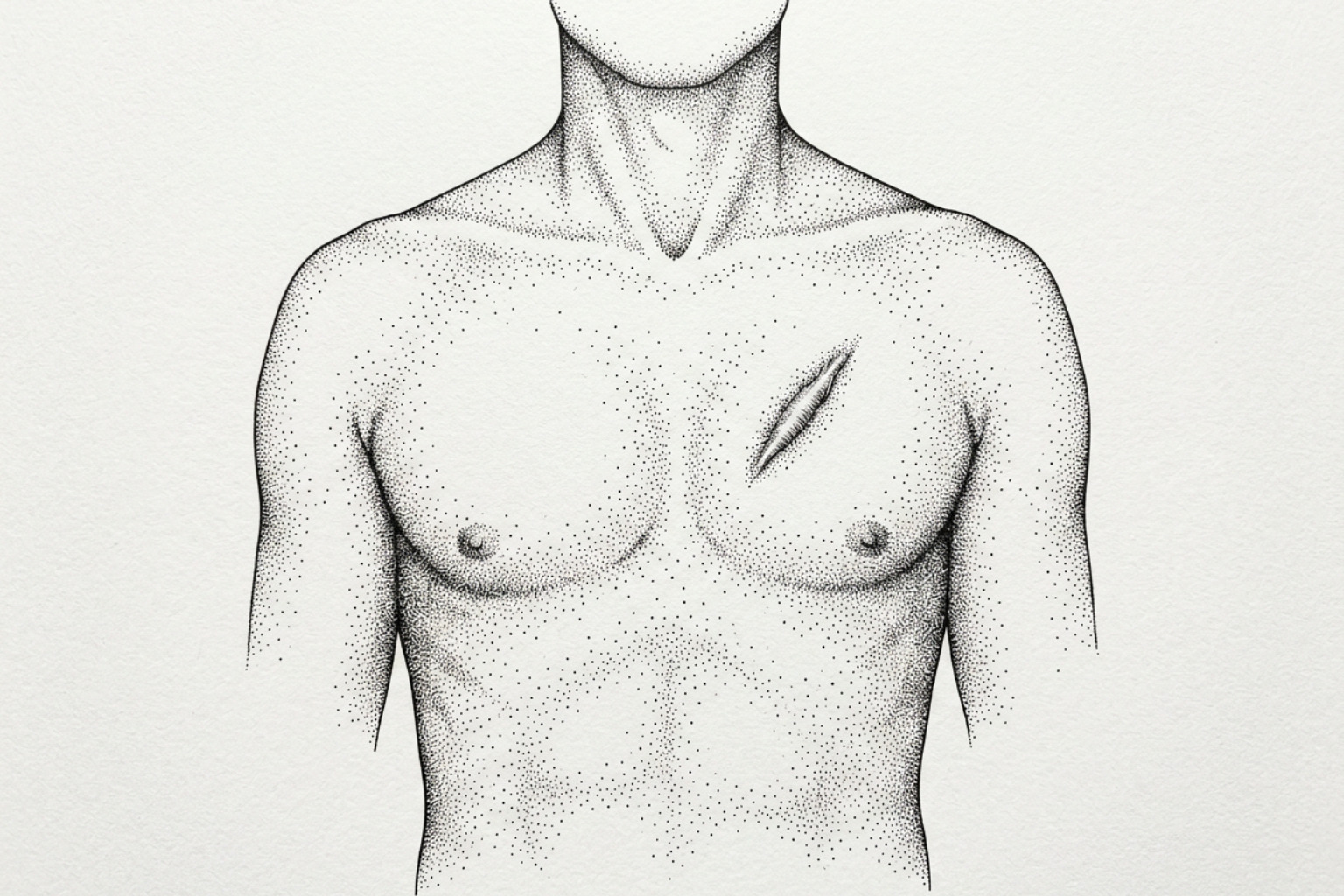
All About Keloid Scar Body Location Risks
Where a keloid forms matters as much as why. Chest and shoulder keloids sit in high-tension skin and recur far more often than earlobe keloids, and that changes which treatment makes sense.
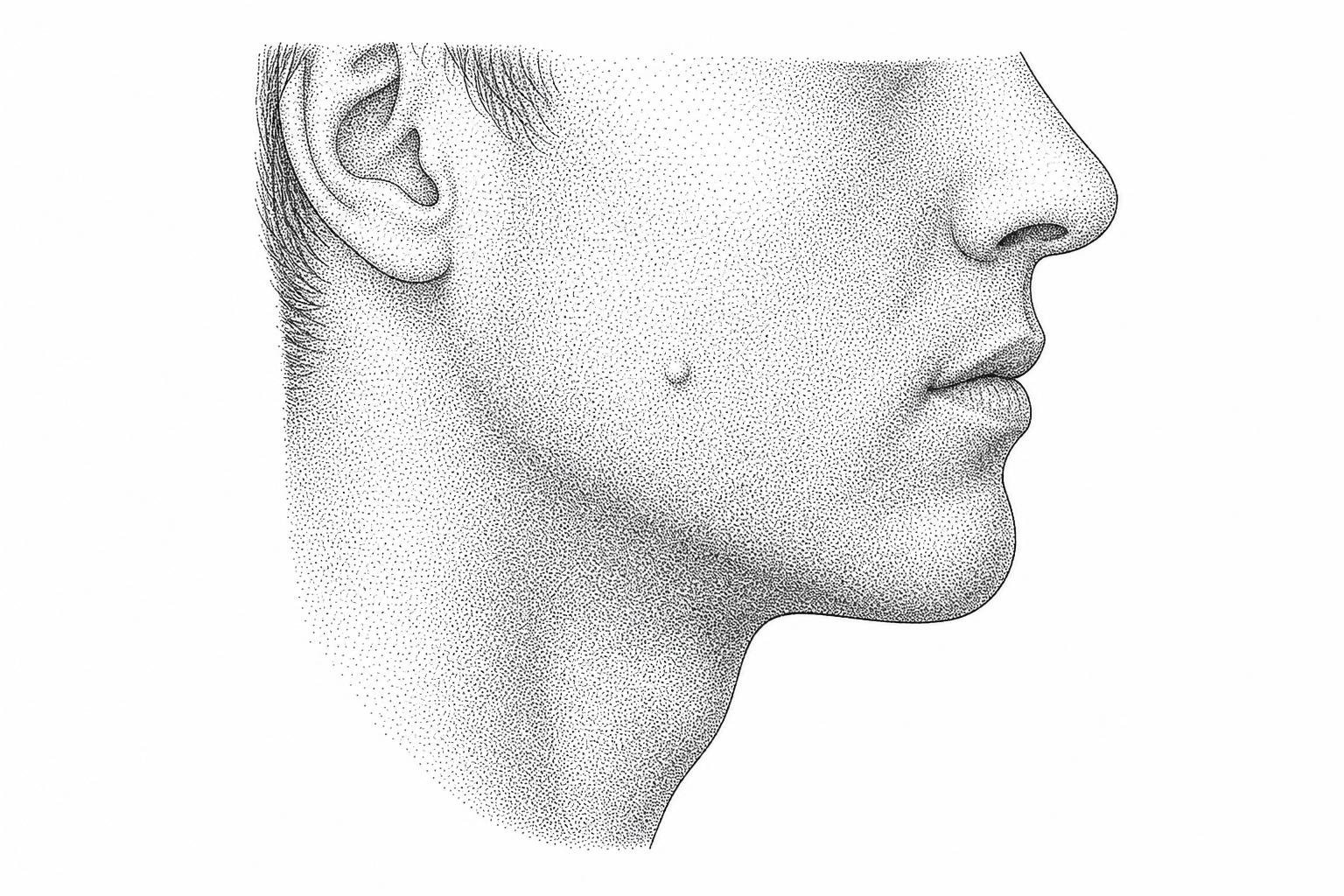
Detailed Guide to Pimple Raised Scar Treatment Options
Raised acne scars come in two forms that behave very differently. Hypertrophic scars may fade slowly on their own; keloids will not. Here is what actually flattens each type, and what to avoid.
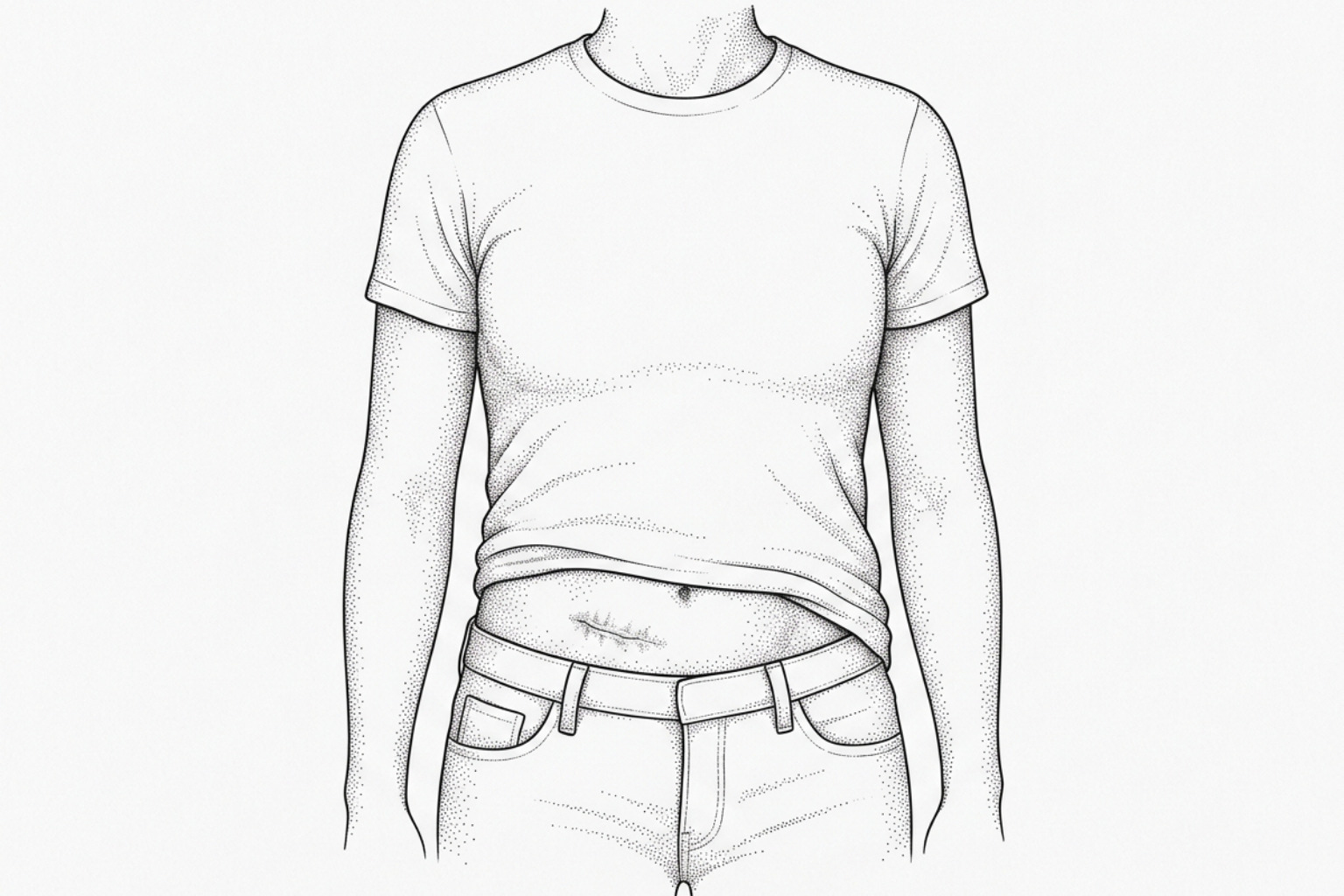
The Complete Guide to Keloid Tummy Tuck Scars
Keloids after abdominoplasty grow beyond the incision line and rarely fade on their own. This guide covers why they form, who is most at risk, and which surgical and non-surgical treatments have evidence behind them.
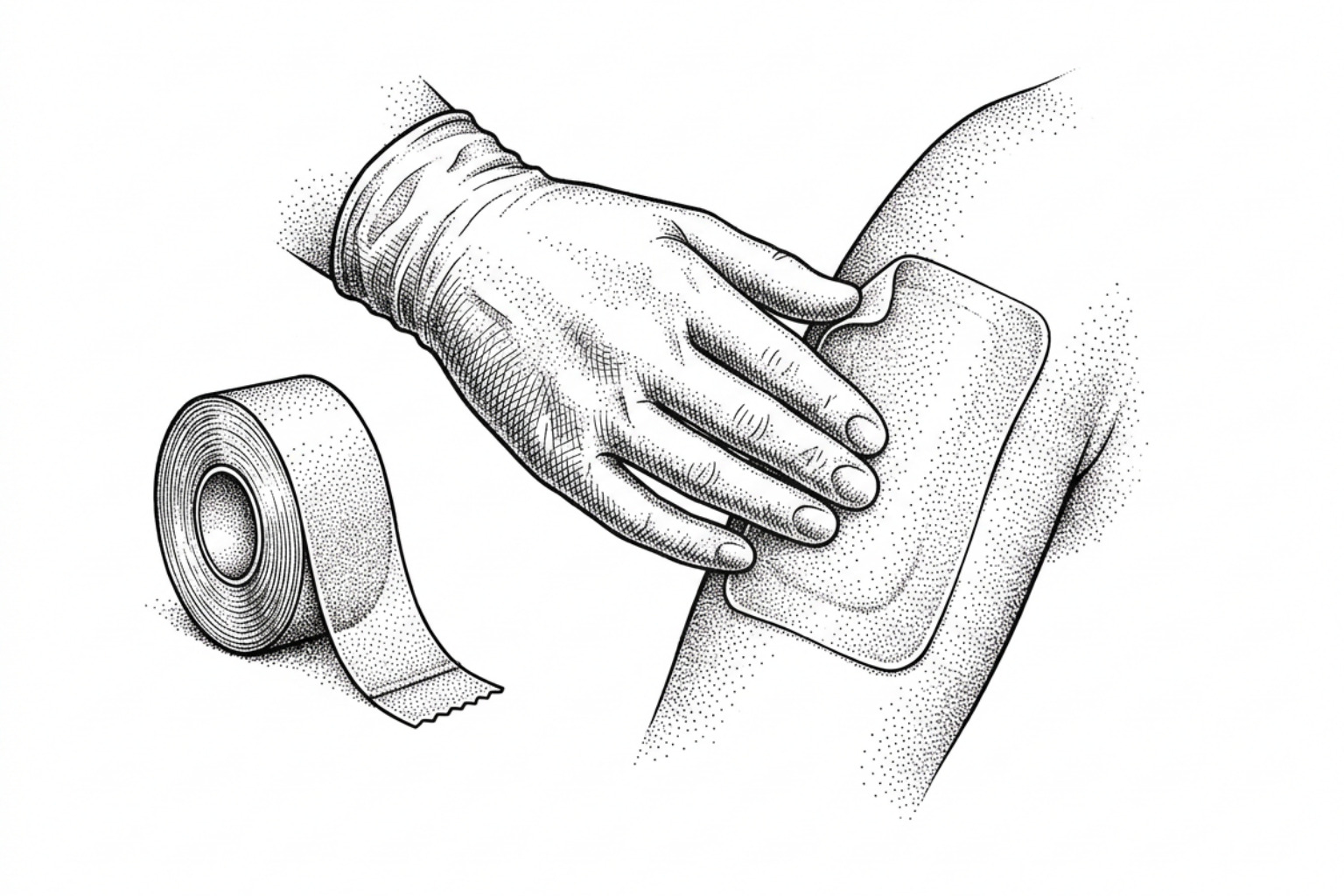
Everything You Need to Know About Keloid Scar Solutions
Keloids are stubborn and prone to recurrence. Here's how silicone, injections, lasers, surgery, and radiation compare, and how to choose the right one.
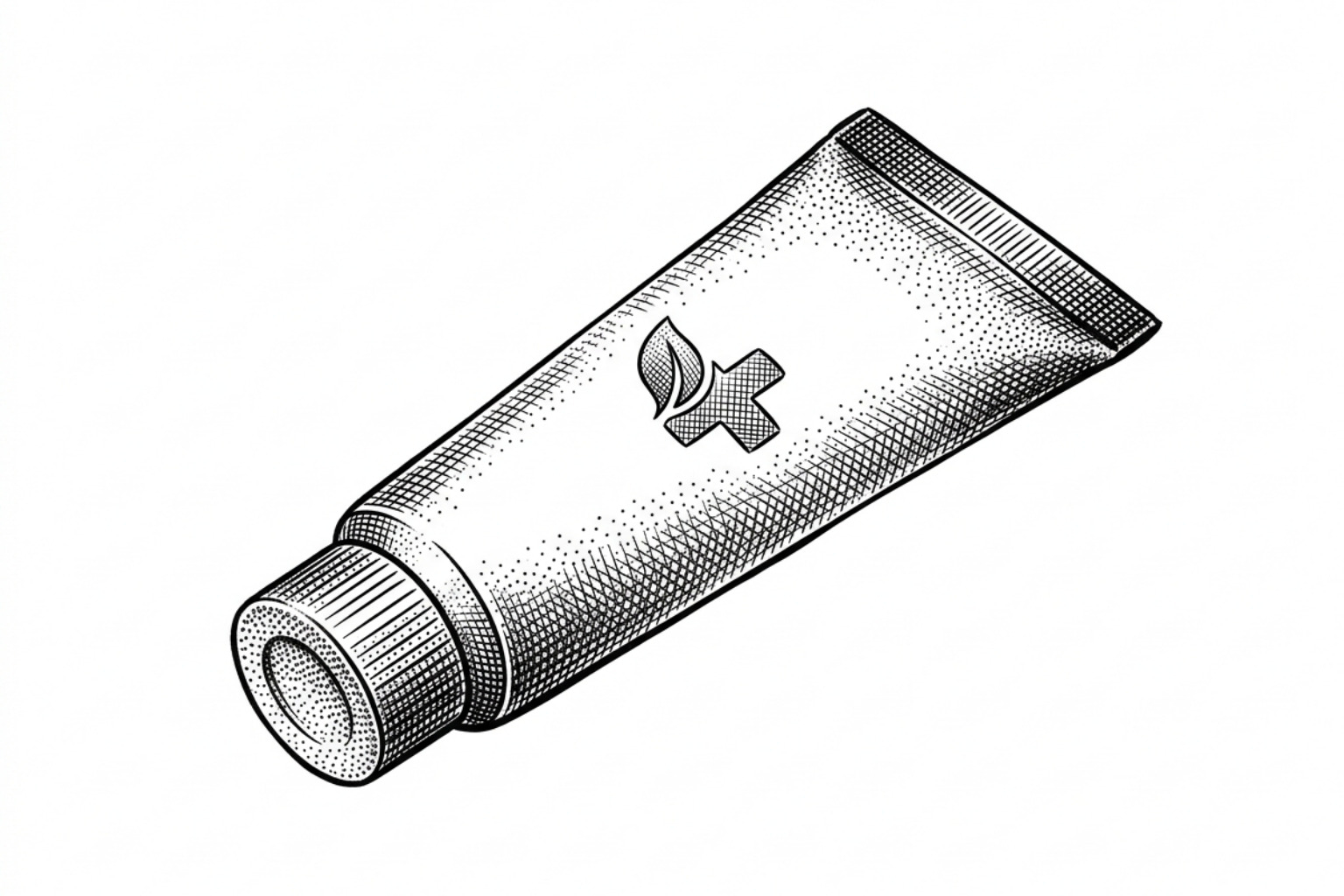
Post-Surgery Keloid Prevention: Your Shopping List for Smooth Skin
Keloids are hard to remove once formed, so prevention is the priority. Here's the evidence on silicone gels, onion extract, timing, and who needs extra protection after surgery.
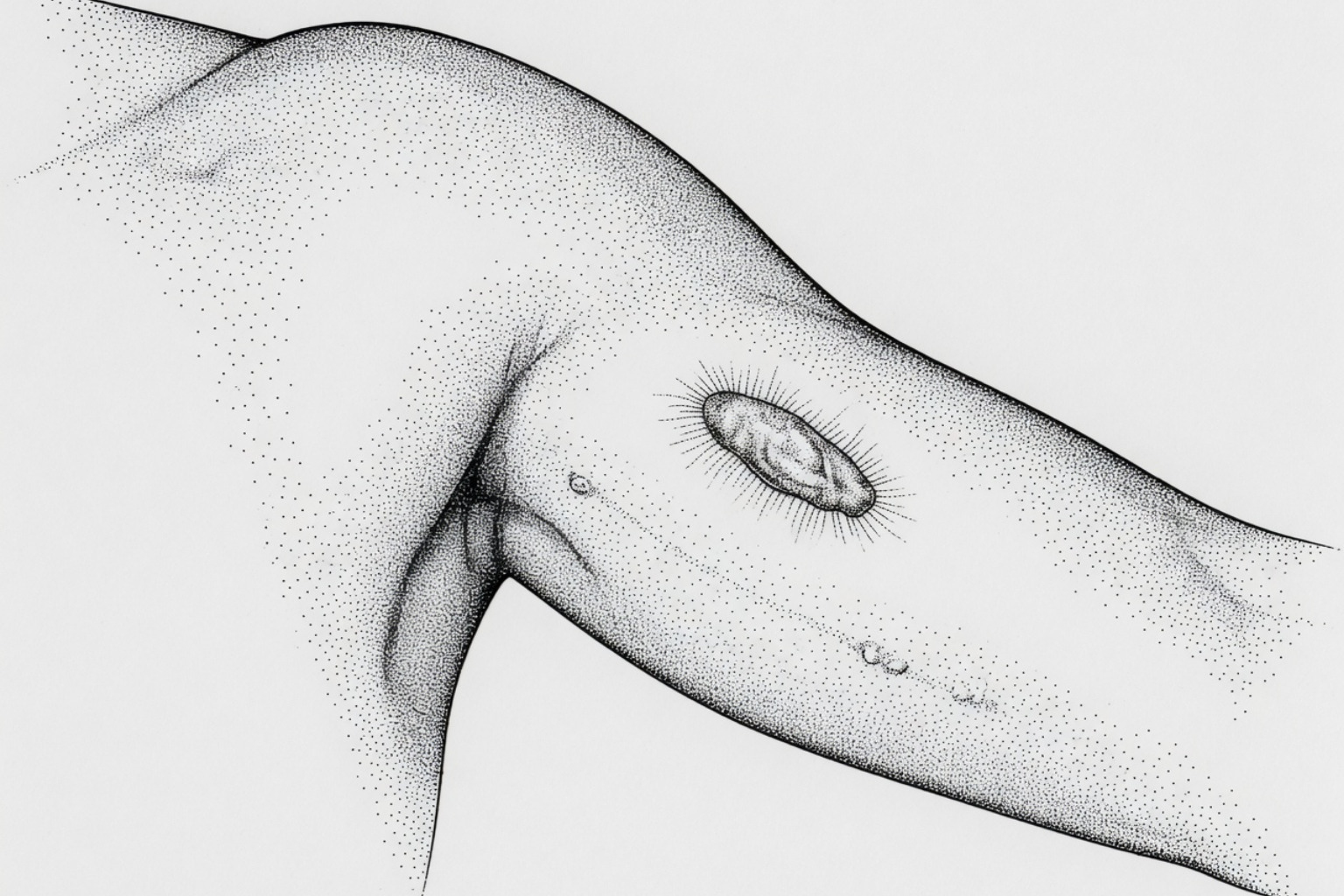
Why Your Body Overreacts to Tiny Scratches
Keloids form when wound healing won't switch off — collagen keeps building long after a cut has closed. Here's what drives that overreaction, who's most at risk, and the treatments with real evidence behind them.