Acne scars
Red and brown marks usually fade on their own over 6 to 12 months. Pitted scars are permanent without treatment, and the treatments that work on texture are procedures.
What acne scars are
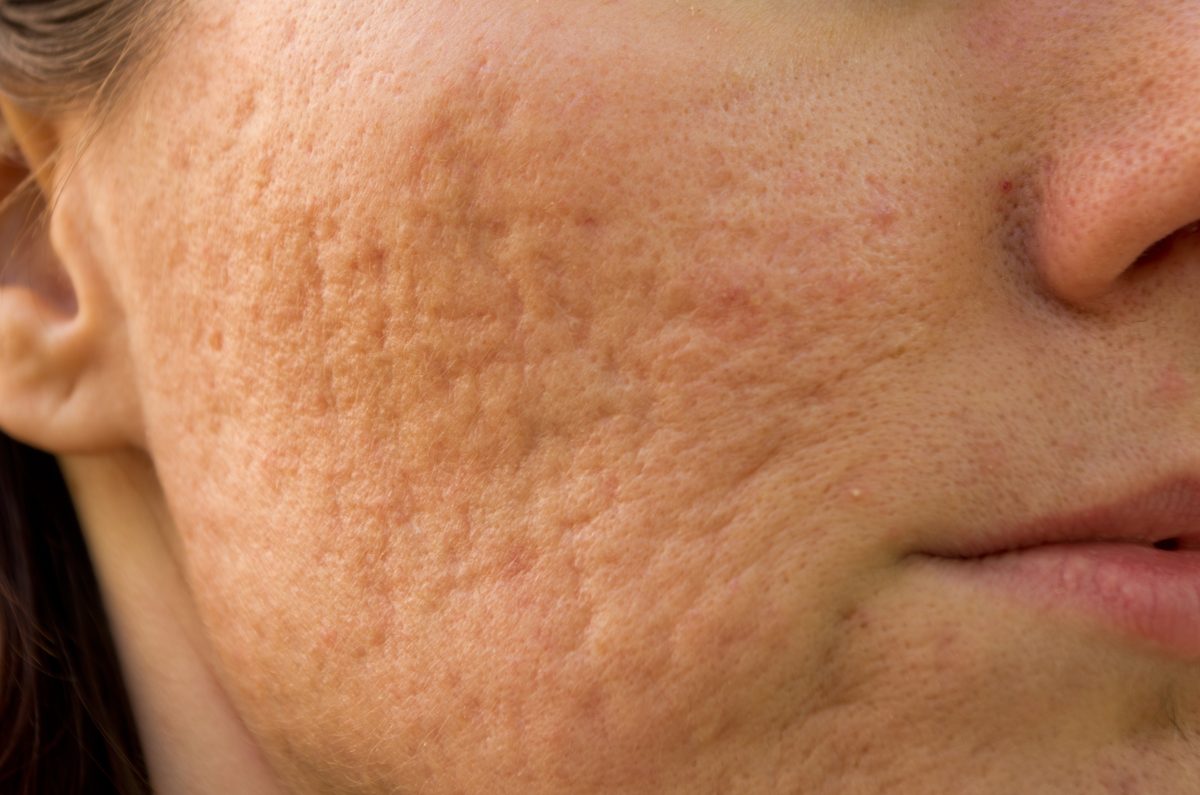
Acne scarring is what remains when an inflamed follicle ruptures into the dermis and the repair goes wrong. Too little collagen leaves atrophic pits: ice pick (narrow, under 2 mm), boxcar (sharp-walled depressions) and rolling (broad, tethered dips). Too much leaves raised hypertrophic scars or keloids, usually on the chest, shoulders and jawline. Red and brown marks are pigment and dilated vessels, not lost structure. They are not permanent scars.
- Also called
- Post-acne scarring, pimple scars, atrophic acne scars
- Typical timeline
- Red or brown marks usually fade over 6 to 12 months. Pitted scars are permanent without treatment.
- Strongest evidence
- Fractional CO2 laser and microneedling for atrophic scars, TCA CROSS for ice pick scars.
- See a doctor if
- Deep painful nodules keep forming, or new pits appear after every breakout.
When to see a doctor
- Large, hard, painful nodules under the skin, which scar with or without picking.
- New pits or bumps forming after every breakout.
- A personal or family history of keloids, before you book any needling or laser.
- No improvement after about three months of over-the-counter treatment, or scarring that is affecting your mood and daily life.
Treatments for acne scars
| Treatment | Evidence | Best for | Cost | |
|---|---|---|---|---|
| Fractional CO2 laser 3 to 6 sessions, 4 to 8 weeks apart, with 5 to 14 days of downtime. Trials report up to 75% improvement, and a meta-analysis of 14 controlled trials in 492 participants found a significant benefit. Ablative resurfacing averages about $2,000 per session. |
Strong | Boxcar, rolling and deep atrophic scars | $$$ | Full page → |
| Microneedling Typically 3 to 6 sessions. A comparative study put microneedling alone at 39.71% mean improvement, rising to 70.43% combined with PRP or PRF. Weak on ice pick scars, because the needles do not reach the bottom of a narrow tract. Adding subcision or PRP improves results. |
Moderate | Rolling and boxcar scars, and any skin tone | $$ | Full page → |
| TCA CROSS High-concentration acid applied into the base of each pit. In a 100-patient study, 41% had marked improvement of more than 75% and 42% had moderate improvement. Concentration and session counts vary across our sources. |
Moderate | Ice pick scars specifically | $$ | Full page → |
| Subcision Around 40% to 60% improvement after 2 to 3 sessions, generally durable by 6 months. Blunt cannula versions outperform needle subcision on both satisfaction and recovery time. No effect on ice pick scars. |
Moderate | Rolling scars tethered by fibrous bands | $$ | Full page → |
| Dermal fillers PMMA is the only filler with specific FDA approval for atrophic acne scars on the cheeks, on a double-blind trial where 64% improved by 50% or more against 33% of controls. Hyaluronic acid lasts 6 to 12 months. About $500 to $2,000 per session. Pigmentation risk is minimal, which makes it a reasonable option in darker skin. |
Moderate | Immediate volume in boxcar and rolling scars | $$$ | Full page → |
| Topical retinoids Give it 8 to 12 weeks minimum. Evidence is strongest for post-inflammatory pigmentation and weakest for ice pick scars. No topical fills a pit. |
Moderate | Discoloration and shallow texture, plus prep before procedures | $ | Full page → |
What causes them
About 80% of people aged 11 to 30 get acne, and roughly one in five develop visible scarring. The damage is inflammatory: the follicle wall ruptures and spills lipids, bacterial proteins and keratin into the surrounding dermis, and the repair either overshoots or undershoots on collagen. Risk rises with lesion severity and duration, with picking and squeezing, with smoking, and with genetics. A close blood relative with acne scars is one of the strongest predictors. Severe acne is not required: around a third of people with acne scars had almost clear or mild acne when the damage occurred.
How they change over time
Active inflammation
Damage continues while a lesion is inflamed, and picking pushes bacteria and debris deeper. Acne control comes before scar treatment. Resurfacing over active acne is not appropriate.
The color phase (weeks to months)
Red marks are dilated vessels. Brown marks are excess pigment. Pressing distinguishes them: red blanches, brown does not. Fading takes 3 to 6 months in lighter skin and 6 to 12 months or longer in deeper skin.
Fixed texture (from around 6 months)
What remains after color settles is structural. Pits are missing collagen and do not refill without intervention. Treatments work by restarting remodeling, which continues for up to 9 months after a procedure.
How this differs across skin tones
Post-inflammatory hyperpigmentation is the governing risk in Fitzpatrick IV to VI, and over 65% of African Americans report it. Melanocytes here are more reactive, so minor irritation can trigger months of discoloration, and keloid risk is higher too. Microneedling is the safe workhorse: one study in Vietnamese patients recorded zero cases of long-term hyperpigmentation. Fillers carry almost no pigment risk. For laser, 1064 nm Nd:YAG and picosecond devices with lower density settings and a test patch are the cautious route. Cryosurgery risks permanent white patches.
What you can do yourself
Worth doing
- Wear broad-spectrum SPF 30 or higher every day. Without it, fading agents make almost no progress.
- Treat the active acne first. Scar work on inflamed skin is a waste of money and can spread infection.
- Introduce a retinoid slowly, two or three nights a week, and build up.
- Do the blanch test before you buy anything: if the mark blanches or is flat, it is color, and color fades.
Not worth doing
- Picking, popping and squeezing. It drives bacteria and inflammatory debris deeper into the dermis.
- Stacking acids on top of a retinoid on the same night, and daily scrubs. Irritation causes more pigment.
- Undiluted lemon juice or vinegar, and unregulated skin lighteners. One survey of 549 products found 12% contained mercury.
- Booking a resurfacing procedure without telling the clinic about recent isotretinoin use.
Common questions
The color will; the texture will not. Red and brown marks usually clear over 6 to 12 months. Atrophic pits are lost collagen and stay put until something restarts the remodeling process.
Press it. Red marks that briefly blanch are dilated vessels. Brown marks that do not change color are pigment. Neither involves structural damage, so neither is technically a scar. If the skin is pitted or raised, that is structural.
No. Creams work on pigment and surface texture. Filling a depression requires subcision, microneedling, TCA CROSS, laser resurfacing or filler, and usually a combination of them.
Yes, with the right modality. Microneedling and fillers carry very low pigmentation risk. Lasers need longer wavelengths, lower density settings, a test patch and often pigment-suppressing prep. Deep peels and cryosurgery are the ones to be careful about.
All acne scars articles
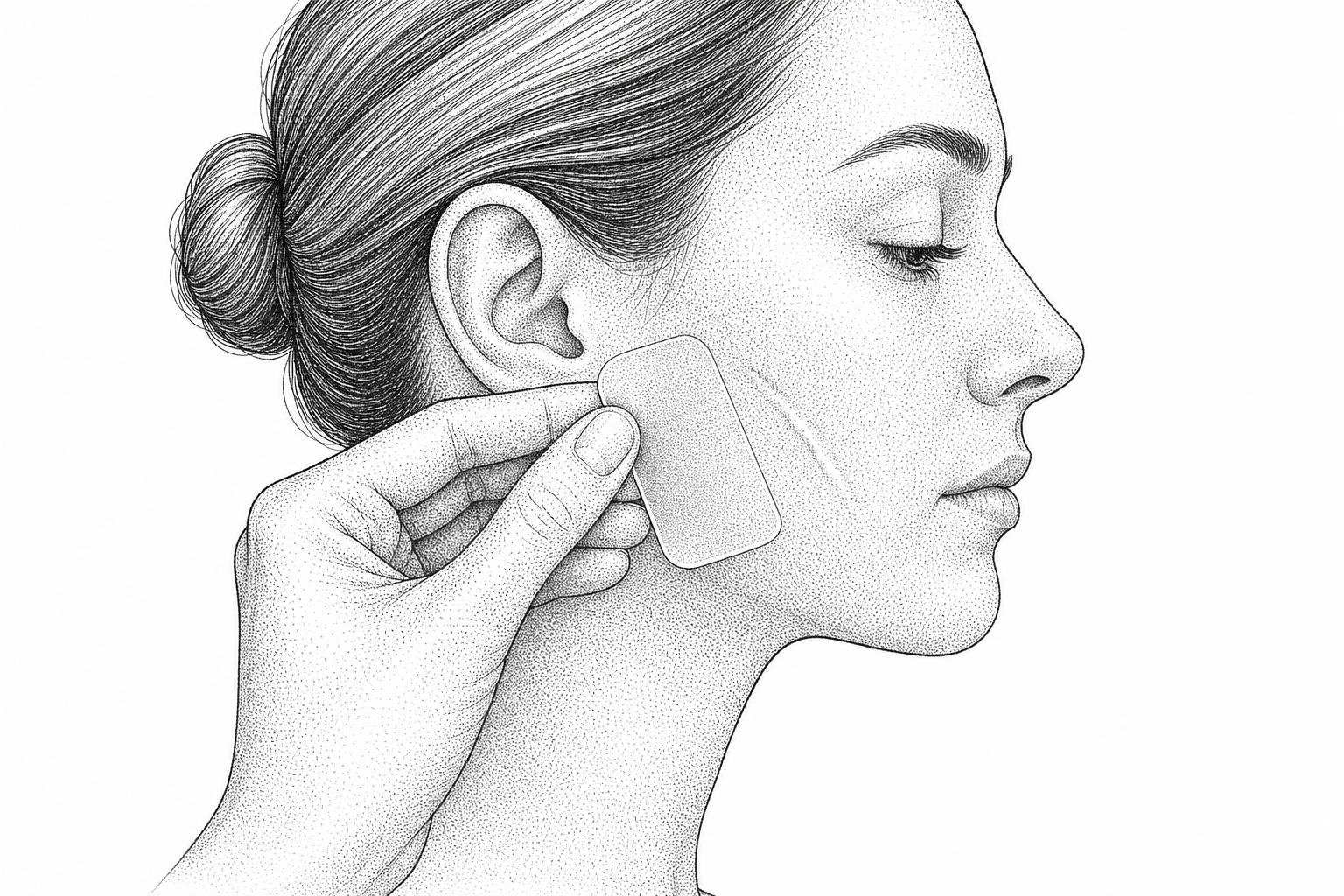
The Ultimate Guide to Restore Skin After Acne
Acne leaves more than scars — a damaged barrier, dark spots, and uneven texture. This 3-phase plan covers barrier repair, pigment fading, and the in-office treatments that rebuild smooth skin.
Best Cream for Pimple Scars: Detailed Guide
Not every acne mark responds to a cream. This guide matches each scar type - dark marks, shallow texture, deep pits, raised scars - to the topical ingredients with real clinical evidence behind them.
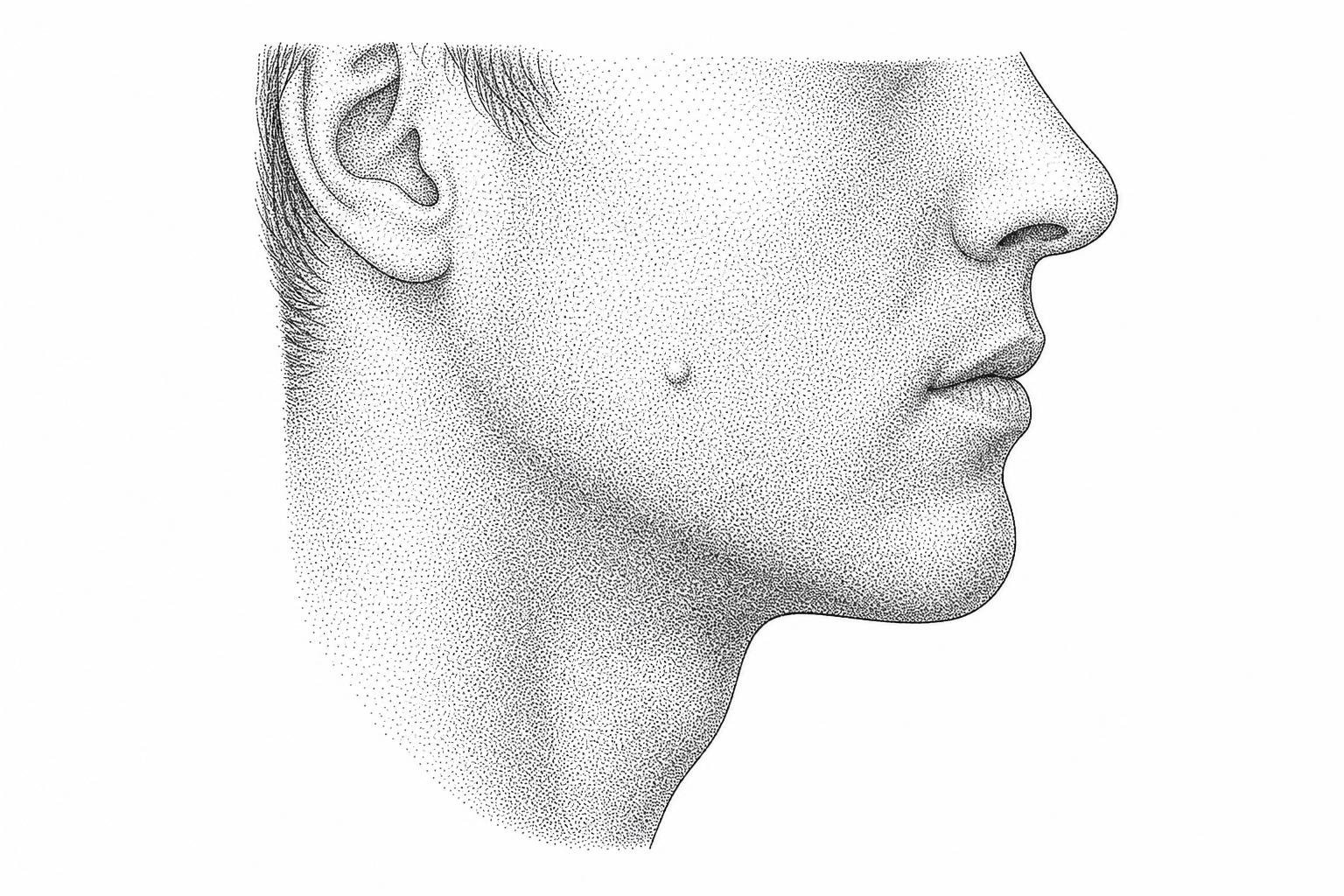
Detailed Guide to Pimple Raised Scar Treatment Options
Raised acne scars come in two forms that behave very differently. Hypertrophic scars may fade slowly on their own; keloids will not. Here is what actually flattens each type, and what to avoid.
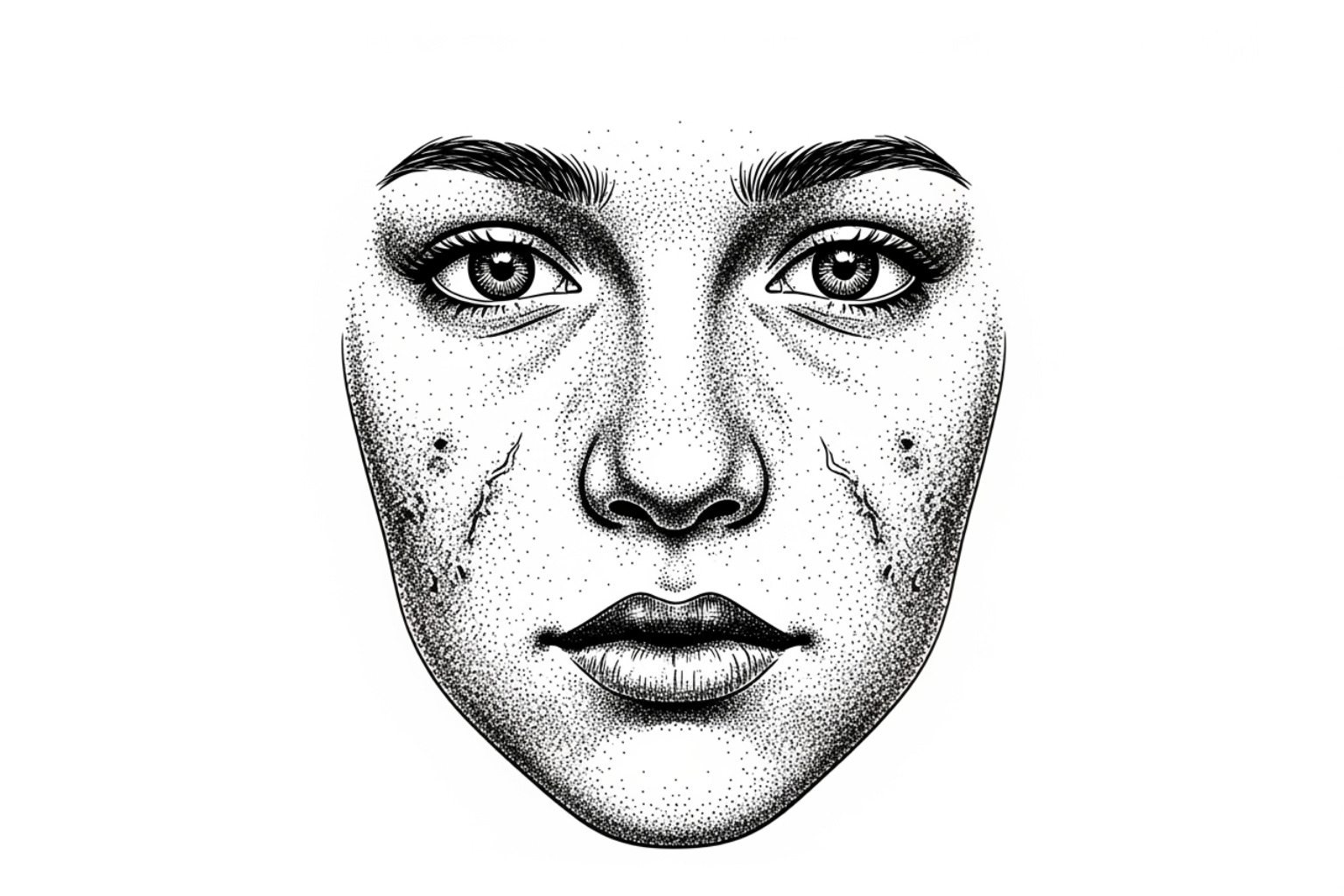
Zap those deep pimple scars for good
Laser resurfacing is the most studied option for stubborn acne scars, but the right laser depends on scar shape and skin tone. Here is how ablative and non-ablative treatments compare on results, downtime and cost.
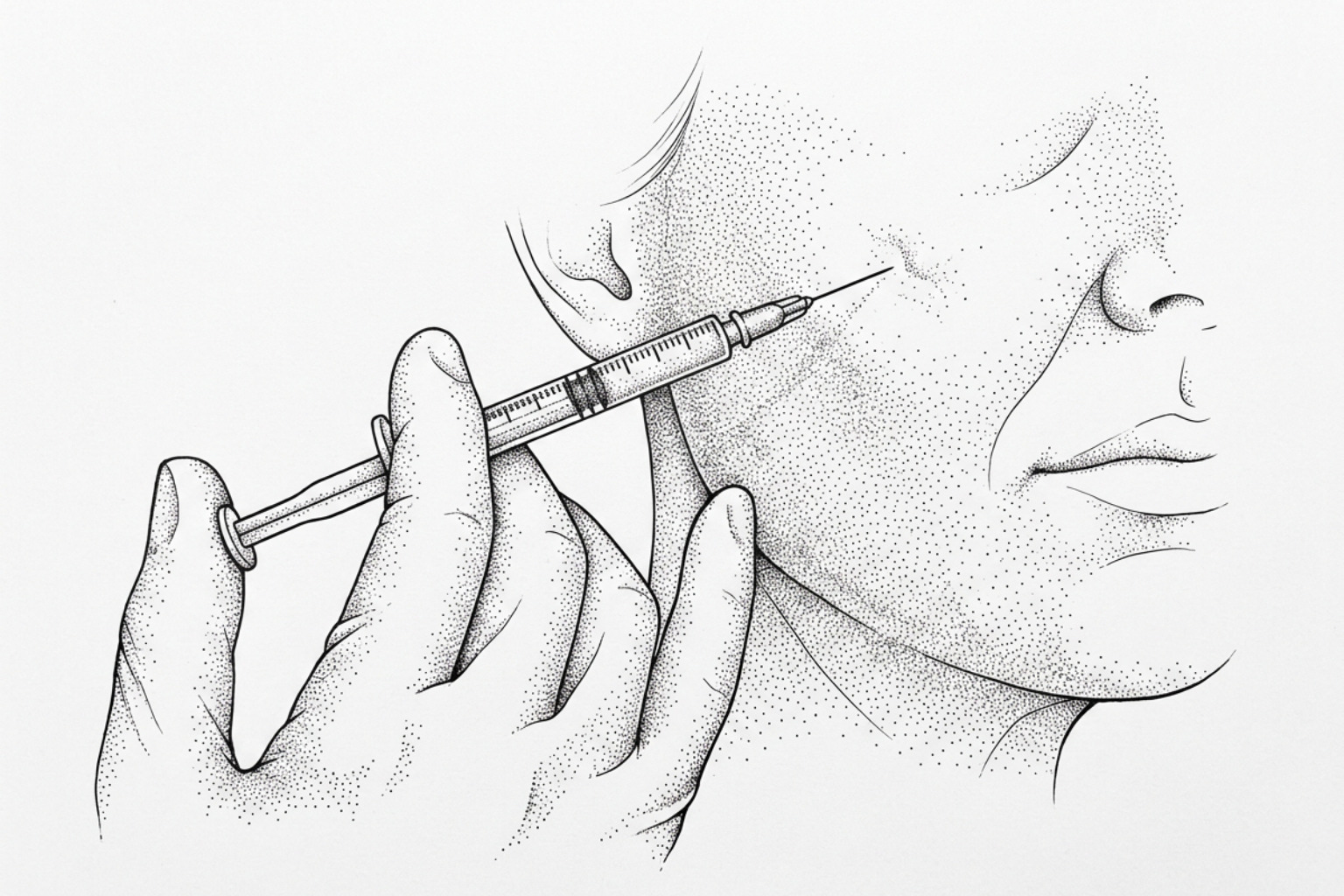
A Comprehensive Guide to Comparing the Best Filler Scar Treatments
Dermal fillers lift depressed acne scars immediately and, with some materials, stimulate new collagen for years. This guide compares hyaluronic acid, PMMA and biostimulatory options on durability, safety and cost.
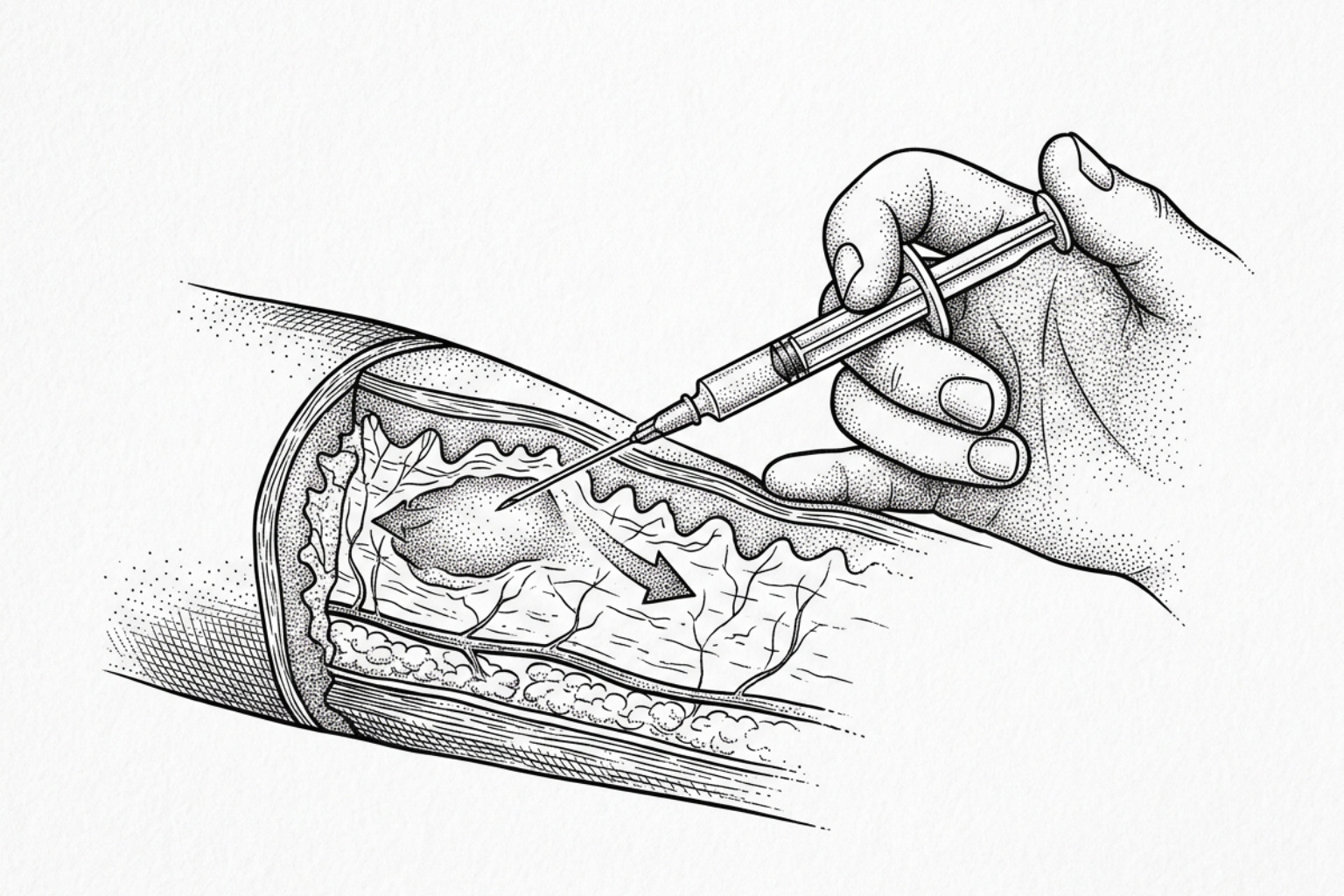
A–Z Guide to Fillers for Scar Treatment
Dermal fillers plump depressed scars almost instantly. Here's how hyaluronic acid, biostimulatory, and permanent fillers compare on results and safety.