Contracture scars
A contracture is scar tissue tight enough to limit movement. Treatment targets function: stretching and splinting while the scar is active, surgical release once skin length is gone.
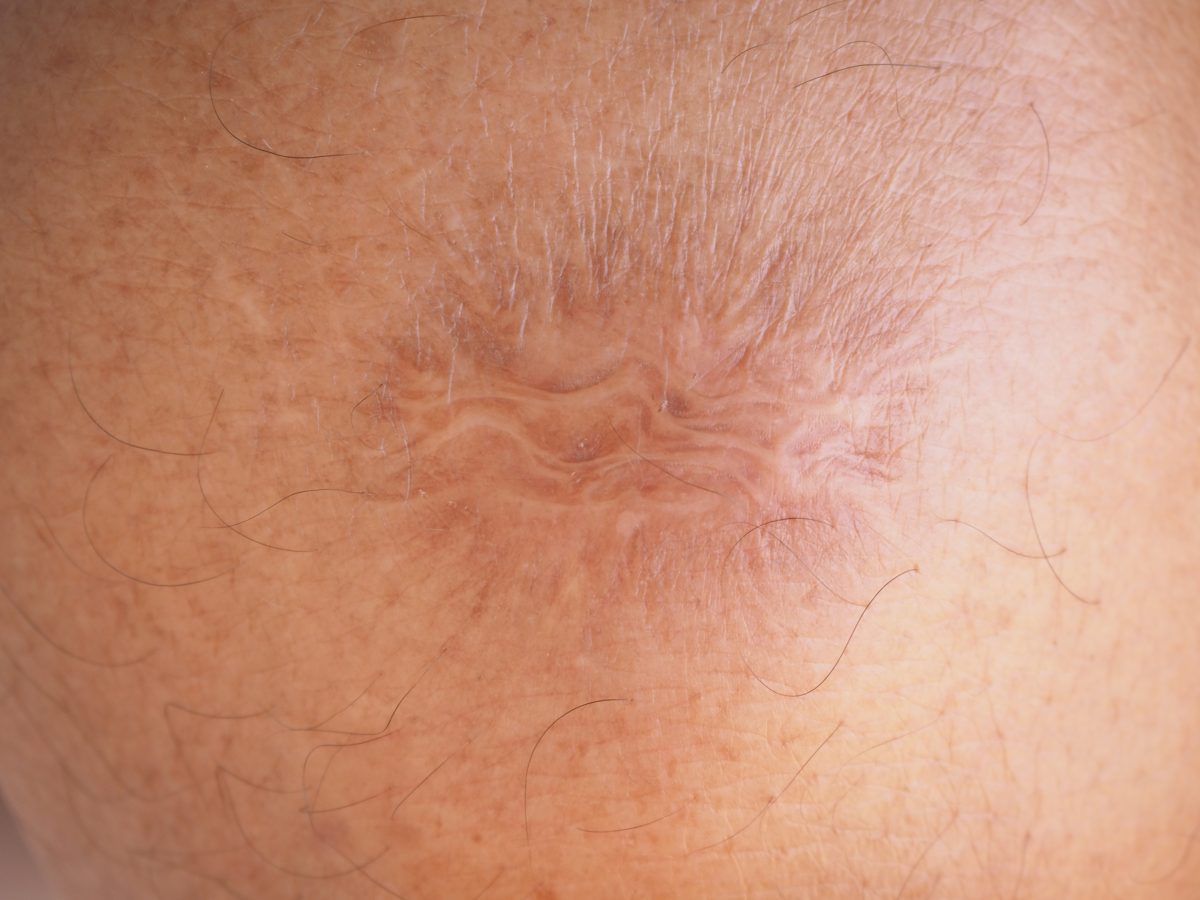
What contracture scars are
A contracture forms when a large area of skin is lost, usually to a burn, or when a wound crosses a joint. The healing scar pulls the skin edges together and keeps tightening, restricting muscles, joints and tendons. Left untreated it can fix a joint in position. Treatment is staged: positioning, stretching and pressure while the scar is active, laser to improve pliability, and surgical release when length is gone. Movement is the objective, not appearance.
- Also called
- Contracture scars, burn contracture, scar contracture
- Typical timeline
- Burn scars remodel for 12 to 18 months, sometimes up to 2 years. Contracture risk is highest while the scar is still active.
- Strongest evidence
- Surgical release for established contractures. Fractional CO2 laser for pliability and tightness.
- See a doctor if
- You cannot fully move a joint the scar crosses.
When to see a doctor
- You are losing range of motion in a joint the scar crosses.
- The scar visibly pulls or tents the skin when you move.
- A child has a scar over a growing joint. Growth and contracture interact, and this needs monitoring.
- Pain, cracking or skin breakdown over the tight band.
Treatments for contracture scars
| Treatment | Evidence | Best for | Cost | |
|---|---|---|---|---|
| Positioning, stretching and splinting Named consistently as part of standard burn scar care, delivered by physical and occupational therapists as part of a multidisciplinary team. Our published articles describe it without attaching an evidence grade, so this row carries none. |
Not graded | Preventing contracture while a burn scar is active | $ | |
| Fractional CO2 laser Creates microchannels that let rigid tissue soften and reorganize, improving range of motion. Usually 3 to 6 sessions; one series reports 4 to 6 sessions and 30% to 50% improvement specifically for contracture scars. In selected cases, especially growing children, it may reduce or delay release surgery, though that evidence is encouraging but not definitive. |
Moderate | Stiffness and contracture-related tightness in an established scar | $$$ | Full page → |
| Surgical release (Z-plasty, W-plasty, grafts, flaps) A standard 60-degree Z-plasty gives roughly a 75% gain in tissue length and reorients the scar by 90 degrees. Severe cases need flaps or tissue expansion. Surgeon fees for scar revision run about $1,500 to $5,000 and up, and insurers do generally treat functional impairment as medically necessary. |
Strongfor function | Established contractures that limit a joint | $$$$ | Full page → |
| Pressure therapy Pressure garments at 15 to 30 mmHg worn about 23 hours a day until maturity, which can take 8 to 24 months, plus silicone 12 to 24 hours a day. This treats the scar that produces the contracture, not the contracture itself. Silicone is commonly worn under a pressure garment and is reasonable adjunctive care, but its own trial evidence covers hypertrophic and keloid scarring rather than contracture, so it is graded on the silicone page and not here. |
Limited | Active hypertrophic burn scars before they contract | $ | |
| Scar massage Firm circular friction to break up adhesions is described as especially important in preventing a scar from tightening a joint into a fixed position. The 2025 network meta-analysis that ranked massage highest for overall scar quality covered post-burn scars only, so it does not carry over to contracture directly. |
Limited | Adhesions between scar and underlying muscle or bone | $ | Full page → |
What causes them
Contractures follow deep burns and wounds that cross a joint or destroy a large area of skin. Up to 70% of burn patients develop hypertrophic scarring or contracture. Myofibroblasts drive the process: during healing, fibroblasts convert into contractile cells that pull the wound edges together and lay down excess collagen. That contraction becomes the problem when the scar keeps tightening past what the joint can spare. Circumferential tension raises the risk, and circular incisions such as those around the navel after abdominoplasty are noted as contracture-prone. Prolonged healing time worsens every part of it.
How they change over time
Active scarring (weeks to about 6 months)
The scar is red, firm and shortening. Positioning, stretching, splinting and pressure therapy do the most in this period. Preventing a contracture is easier than treating one.
Loss of movement
Range of motion starts to drop and the scar pulls when you move. Massage to break adhesions, continued pressure and laser to improve pliability all belong in this window, before the tissue is fully mature.
Mature contracture (12 to 18 months onward)
The scar is now a fibrotic band that will not lengthen on its own. Recovering length becomes a surgical question: Z-plasty and related techniques, grafts, flaps or tissue expansion.
How this differs across skin tones
Our published articles do not address contracture by skin tone, and this hub does not invent a difference. Two findings carry over from the burn and keloid evidence. Darker skin tones carry a higher risk of hypertrophic and keloid scarring after a burn, which is the scarring that produces contracture. And laser work in Fitzpatrick IV to VI needs conservative settings, cooling and test patches, because pigment change is a real risk. Sun protection matters more here, since burn scar tissue stains readily.
What you can do yourself
Worth doing
- Move the joint through its full range every day, in the way your therapy team has shown you.
- Wear splints and pressure garments as prescribed, including overnight if prescribed.
- Moisturize and massage the scar daily once it is closed, with firm circular pressure.
- Treat the itch. Scratching a healing burn scar sets healing back.
Not worth doing
- Letting the joint settle into whatever position is most comfortable. Comfortable is usually bent, and bent is the position contractures set in.
- Stopping garments or stretching because the scar looks calmer. It is still remodeling for 12 to 18 months.
- Waiting to see whether movement comes back on its own once a scar is mature.
- Sun exposure on new scar tissue.
Common questions
Tightness that limits movement. Contractures happen when a lot of skin is lost, usually to a burn, or when a scar crosses a joint. The scar tissue pulls the edges together and restricts muscles, joints and tendons. It is classified by what it stops you doing, not by how it looks.
Sometimes it changes the plan without replacing surgery. Fractional CO2 can soften rigid tissue enough to improve range of motion, and clinicians sometimes use it as prehabilitation to reduce the complexity of a later operation. For selected patients it may delay or reduce surgery, though the evidence for that is not definitive.
Functional impairment is the argument that works. Insurers generally consider a procedure medically necessary when a scar causes a documented functional deficit, such as a contracture over a joint restricting range of motion. Purely cosmetic revision of a stable scar is usually out of pocket. Photographs and a specialist letter are typically required.
All contracture scars articles
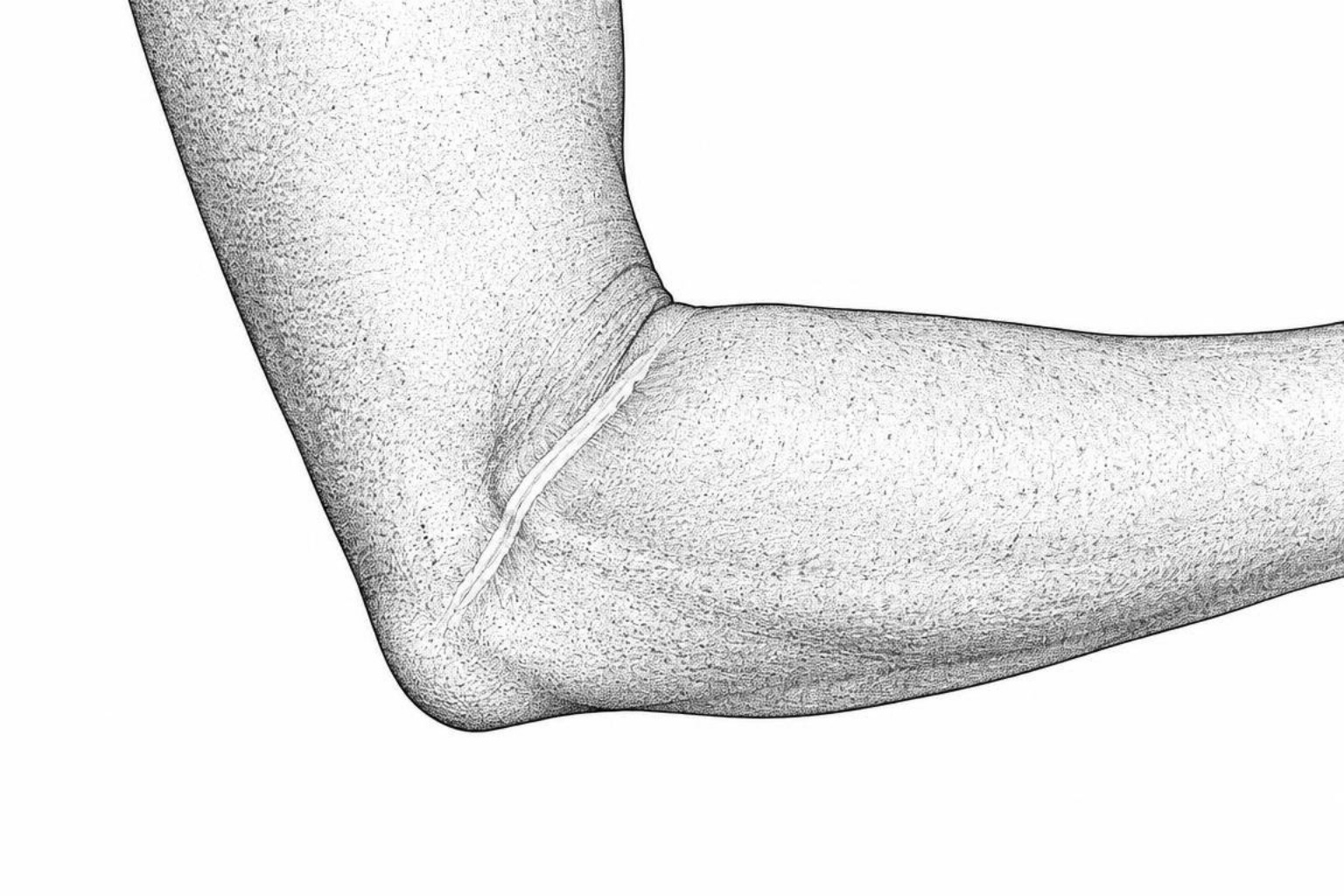
Why Skin Tightens: The Science of Contracture Scars
Deep burns, tissue loss and long immobilization can leave scar tissue that keeps contracting. This guide covers how contractures form, who is at risk, which joints are hit hardest and what limits them.
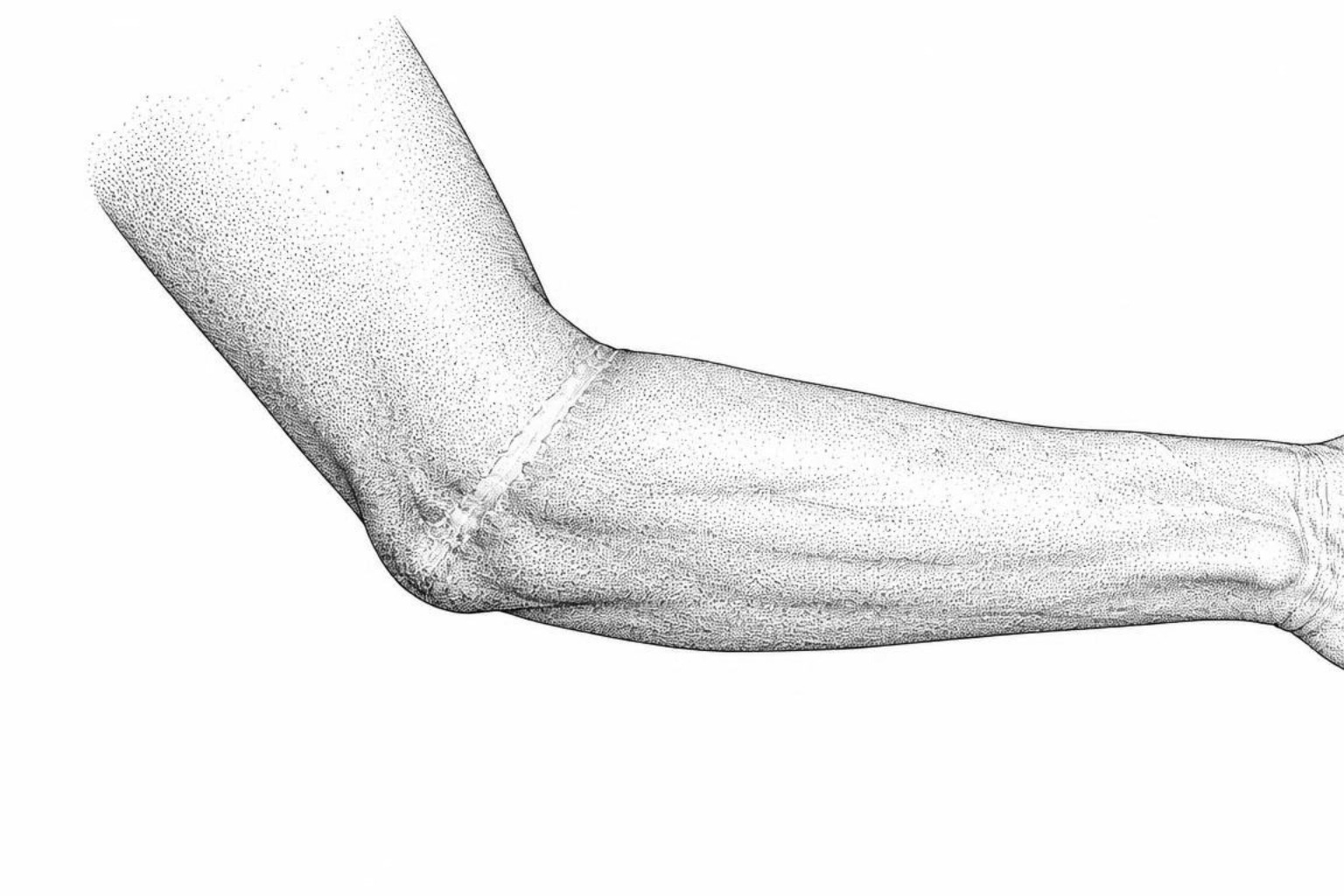
3 Reasons Contracture Scars Need Medical Support
Contracture scars tighten over time and can limit joint movement. This guide explains why they persist, which early steps slow them and when splinting, laser or surgery becomes necessary.
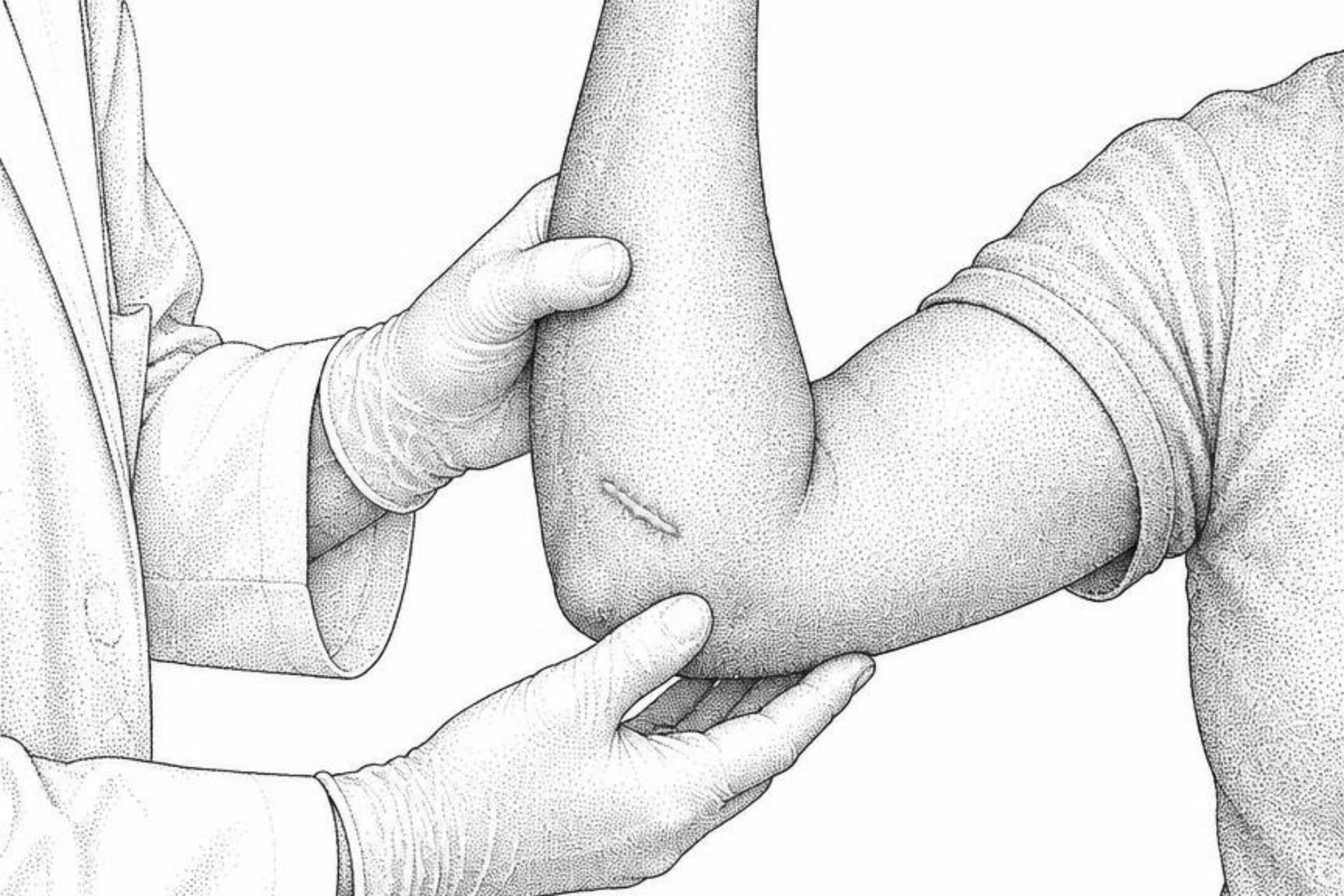
4 Ways Doctors Treat and Remove Contracture Scars
A contracture scar pulls skin tight across a joint and can limit movement. Doctors combine physical therapy, laser, injections and surgical release. Here is how each option works.
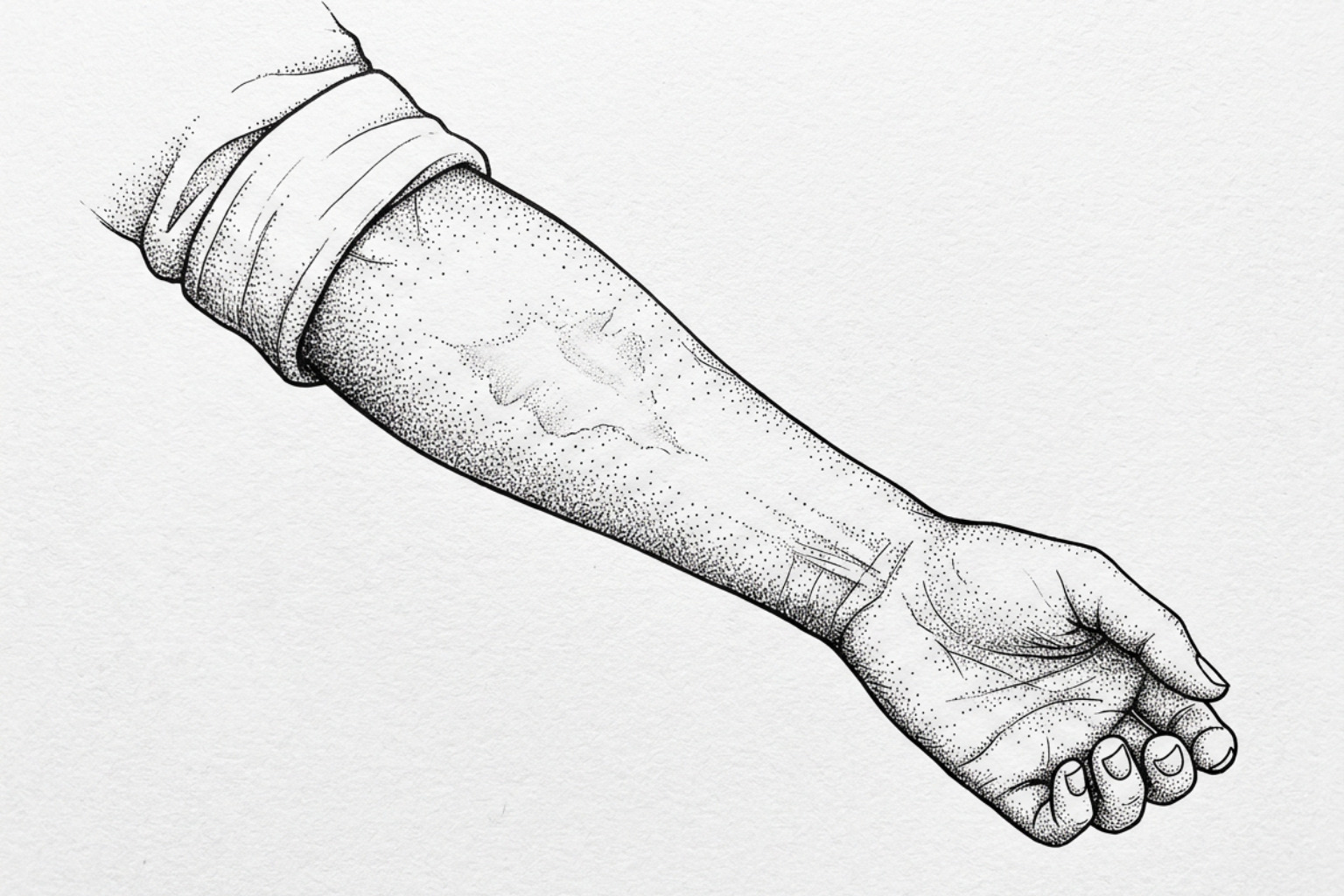
Assess Scar Vascularity and Pliability Throughout the Post-Burn Maturation Phase
Burn scars keep changing long after the wound closes: redder and firmer for the first few months, peaking around six months, then slowly softening over 12 to 24 months. Here is what clinicians watch for and what helps.
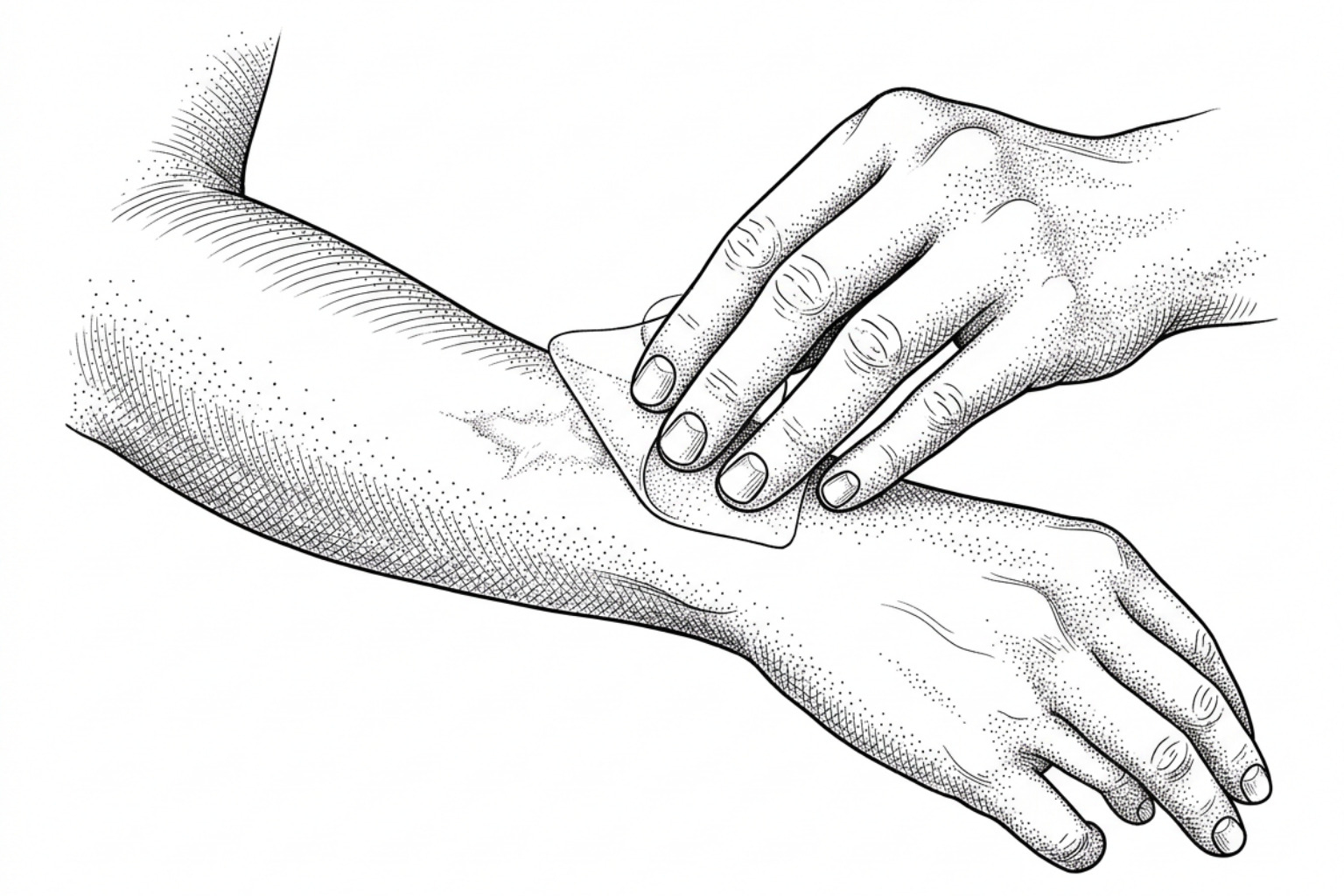
A Clinical Guide to Post-Burn Scar Reduction and Tissue Rehabilitation
No treatment erases a burn scar, but the right sequence reduces thickness, redness, tightness and itch. This guide covers silicone, pressure garments, massage, laser and injections, and when each should start.
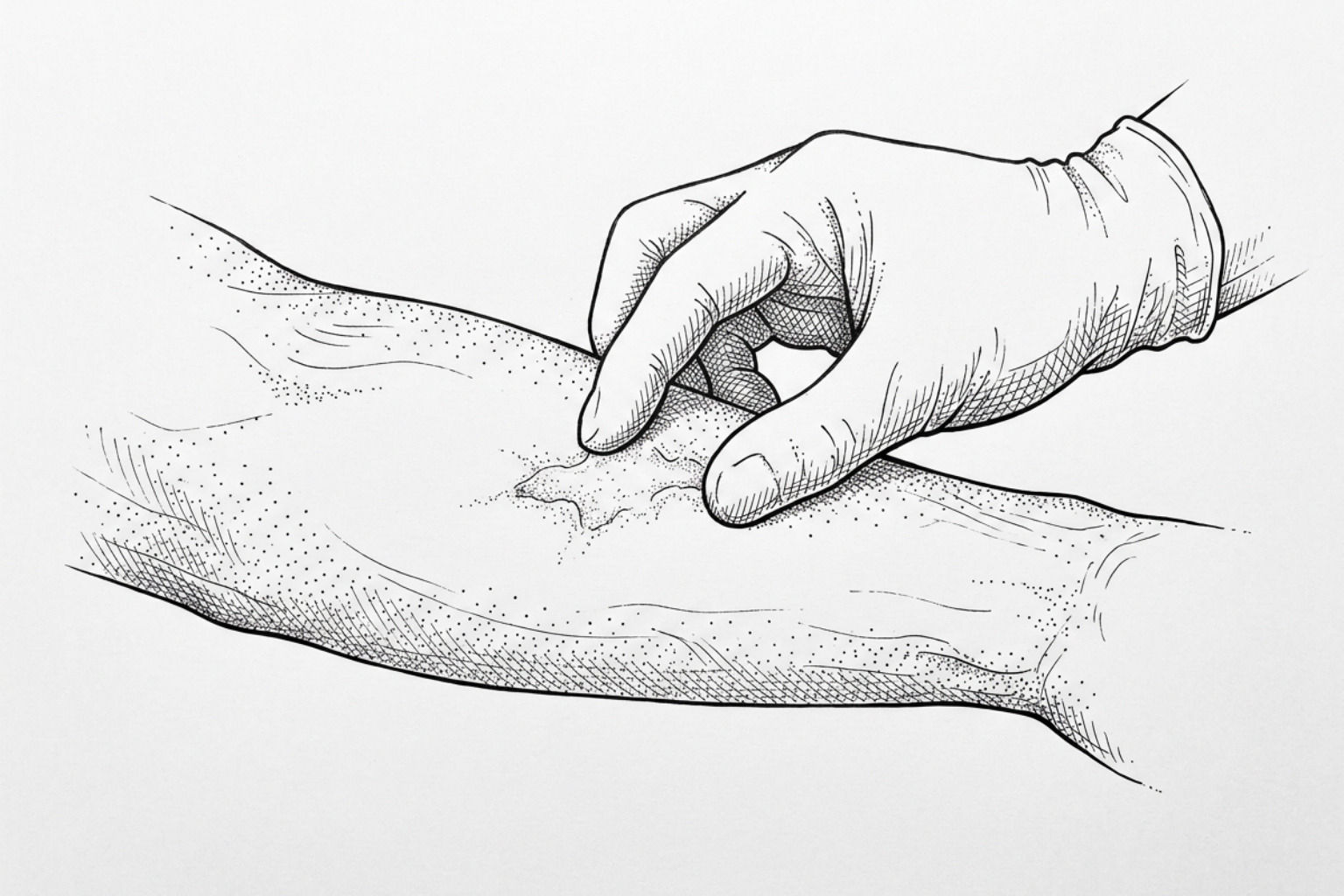
Clinical Measures for Preventing Contractures and Severe Scarring in Burn Wounds
Whether a burn scars depends largely on how fast it closes. Cool the burn, keep it clean and covered, and get deep burns seen early. Once closed, silicone, compression, massage and daily SPF 30+ do the rest.