Burn scars
Most burn scars keep changing for 12 to 18 months. Silicone, pressure and massage during that window improve the final result.
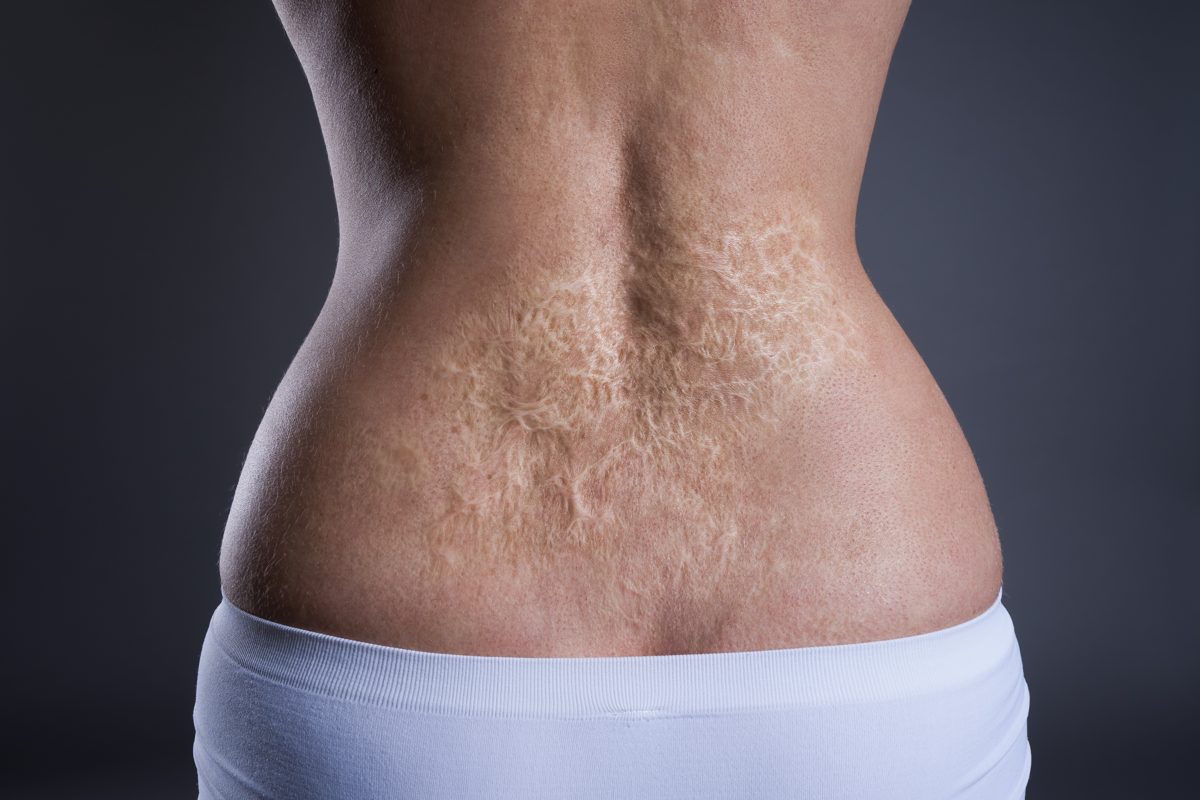
What burn scars are
A burn scar forms when heat destroys the dermis and the body rebuilds it with disorganized collagen instead of the normal basket weave. Hypertrophic scars stay inside the original wound, keloids grow past it, and contractures tighten across a joint until movement is limited. Up to 70% of burn patients develop hypertrophic scarring or contracture. Treatment is a routine of pressure, silicone, massage and lasers layered over months. No single procedure resolves it.
- Also called
- Post-burn scarring, hypertrophic burn scars, burn contracture
- Typical timeline
- Scarring peaks around 6 months. Maturation takes 12 to 18 months, and some scars remodel for up to 2 years.
- Strongest evidence
- Silicone and pressure therapy for raised scars, fractional CO2 laser for thickness and stiffness, pulsed dye laser for redness.
- See a doctor if
- The scar tightens across a joint, or you are losing range of motion.
When to see a doctor
- The scar is tightening across a joint or you cannot fully move a limb.
- A wound from the burn is still open past two to three weeks.
- The scar is growing past the edges of the original burn, which suggests a keloid.
- Itch or pain is severe enough to break your sleep or stop you using the limb.
Treatments for burn scars
| Treatment | Evidence | Best for | Cost | |
|---|---|---|---|---|
| Silicone gel / sheets 12 to 24 hours a day for at least 2 to 3 months. Sheets are slightly more effective; gels are easier to keep on the face and joints. Consistency matters more than format. |
Strong | Raised, immature hypertrophic scars | $ | Full page → |
| Pressure garments 15 to 30 mmHg, worn about 23 hours a day until the scar matures, which can be 8 to 24 months. Garments lose elasticity and need replacing roughly every 3 months. |
Limited | Large areas, limbs and torso, active raised scars | $$ | |
| Fractional CO2 laser Usually 3 to 6 sessions. A 2021 meta-analysis found improved Vancouver Scar Scale and POSAS scores, with reduced thickness and better pliability. Ablative laser runs roughly $1,000 to $2,509 per session. |
Moderate | Thick, stiff, movement-limiting scars | $$$ | Full page → |
| Pulsed dye laser Targets blood vessels at 585 to 595 nm to cut redness and itch. A 2023 systematic review found the largest combined VSS and POSAS reduction of any laser category, though protocols varied widely. |
Moderate | Red, immature, itchy, highly vascular scars | $$ | Full page → |
| Massage and moisturizing A 2025 network meta-analysis of 17 randomized trials ranked massage highest for overall scar quality. Firm circular friction plus a neutral water-based moisturizer at least three times daily. |
Moderate | Pliability and adhesions, once the wound is closed | $ | Full page → |
| Surgical release (Z-plasty, grafts, flaps) Surgery exchanges a problem scar for a thinner, more flexible one. It does not remove it. Surgeon fees for scar revision run about $1,500 to $5,000 and up. |
Strongfor function | Contractures that restrict a joint | $$$$ | Full page → |
What causes them
Burn depth is the main determinant. First-degree burns heal in about a week without scarring. Partial-thickness burns that close within 14 days usually scar minimally, and the risk climbs sharply once healing passes 14 to 21 days. Full-thickness burns destroy the whole dermis and scar permanently. At the cellular level, TGF-beta 1 and interleukin-6 push fibroblasts to become myofibroblasts, which contract the wound and overproduce collagen. About 11 million people worldwide need medical treatment for burns each year. Between 30% and 90% of survivors develop some pathological scarring.
How they change over time
Wound closure (weeks 0 to 3)
Closure speed predicts the scar. Wounds still open past 14 to 21 days scar substantially more. Keeping the wound moist and free of infection is the priority at this stage.
Active scarring (from 2 to 6 weeks, peaking near 6 months)
The scar rises, reddens, itches and feels tight. Hypertrophic scars appear 2 to 6 weeks after closure and keep growing for 6 to 12 months. Pressure and silicone do most of their work in this window.
Maturation (12 to 18 months, sometimes 2 years)
Color drains from red or purple toward pale and the tissue softens. Major surgical revision usually waits for maturity, unless function is being lost before then.
How this differs across skin tones
Healed burn skin discolors easily, and darker skin is more likely to hyperpigment after both the injury and the treatment. Keloid overgrowth is also more common in darker skin tones. Lasers remain effective at higher pigment risk. Standard practice is conservative settings, test patches and cooling, with non-ablative and vascular devices as the starting point. New burn scar tissue stains permanently with UV exposure, so sun protection is part of the treatment.
What you can do yourself
Worth doing
- Moisturize with a neutral, water-based product at least three times a day. Burned skin has lost its own oil glands.
- Massage the scar with firm circular pressure once it is fully closed, several minutes at a time, most days.
- Wear pressure garments and silicone as prescribed, even when the scar looks calm. The scar is still remodeling.
- Use broad-spectrum SPF 30 or higher plus covering clothing for at least a year.
Not worth doing
- Fragranced or high-alcohol moisturizers. Burned skin is unusually reactive to both.
- Letting a healing wound scab and dry out. Petroleum jelly under a dressing produces better outcomes than air-drying.
- Stopping garments or silicone early because the scar looks better. Relapse is common.
- Direct sun on a new scar, which drives permanent darkening.
Common questions
Maturation typically takes 12 to 18 months, and some scars remodel for up to two years. Over that time redness fades toward a paler tone and the tissue softens. Major revision surgery usually waits for that, unless function is at stake.
No. Laser reduces thickness, redness, itch and stiffness, and can improve range of motion. In selected cases it softens tissue enough to reduce or delay release surgery, which clinicians sometimes call prehabilitation. It does not erase the scar.
Sheets appear slightly more effective, because they add occlusion and light pressure. Gels are preferred on the face and over joints, where sheets do not stay in place. Consistent use of either beats picking the theoretically better format and using it intermittently.
Often, when the goal is function and not appearance. Chronic pain, intense itch and restricted joint movement are the strongest grounds. Documentation from a burn specialist is usually required.
All burn scars articles
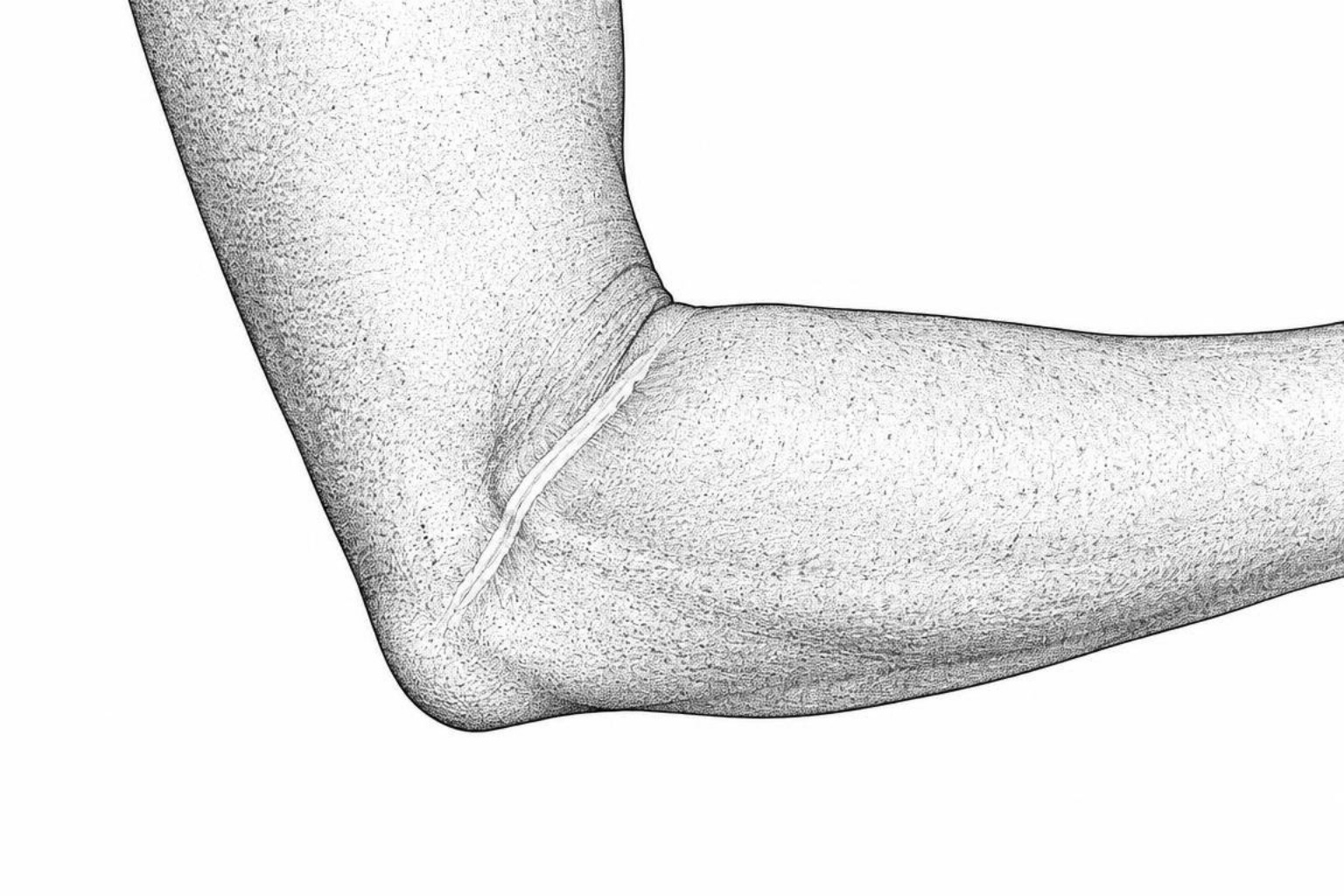
Why Skin Tightens: The Science of Contracture Scars
Deep burns, tissue loss and long immobilization can leave scar tissue that keeps contracting. This guide covers how contractures form, who is at risk, which joints are hit hardest and what limits them.
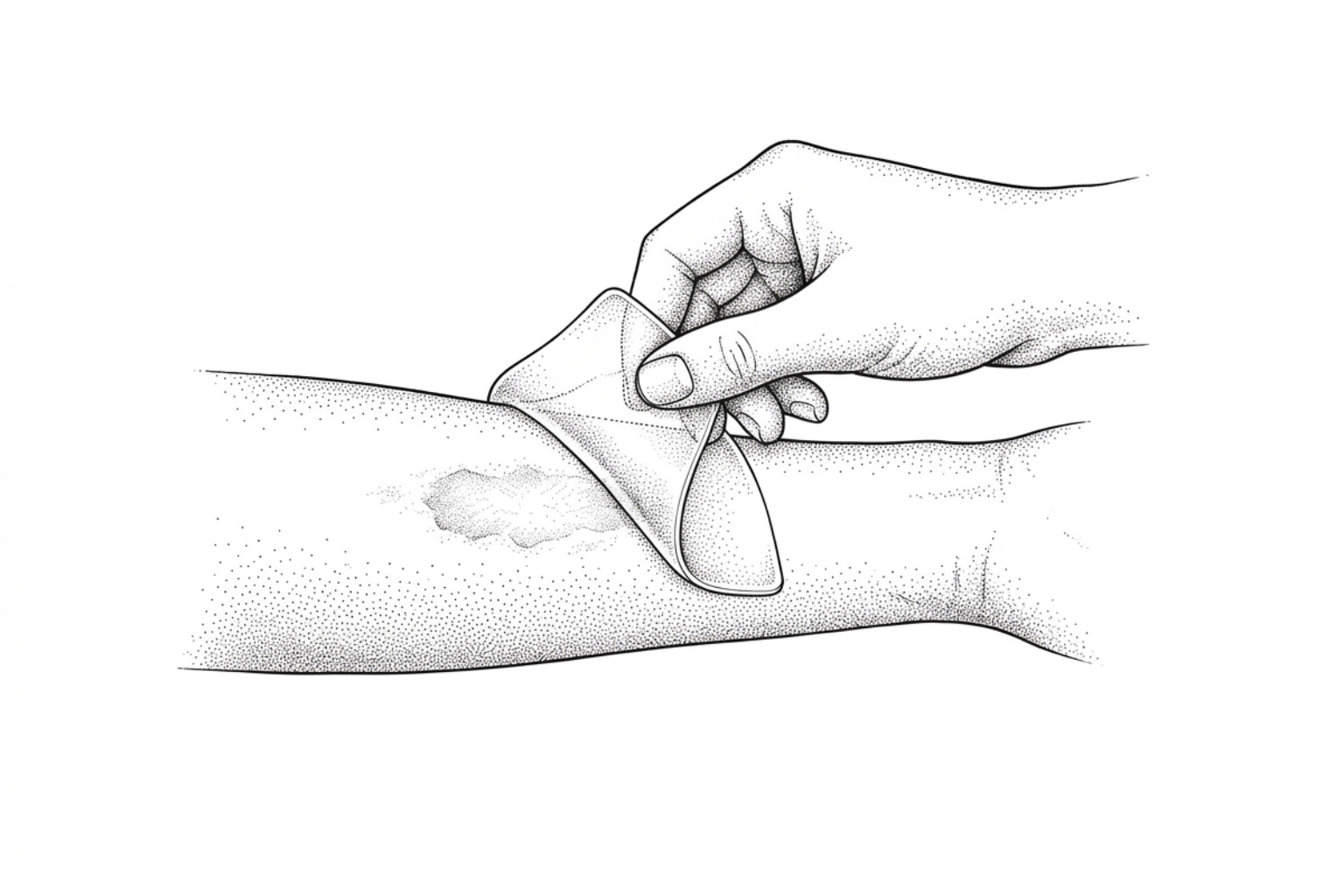
3 Evidence-Based Topical Therapies for Burn Scar Hydration and Texture Control
Silicone sheets, gels and silicone bandages are the standard at-home options for raised burn scars. When to start, how many hours a day they need, how long a course runs, and what the trials show.
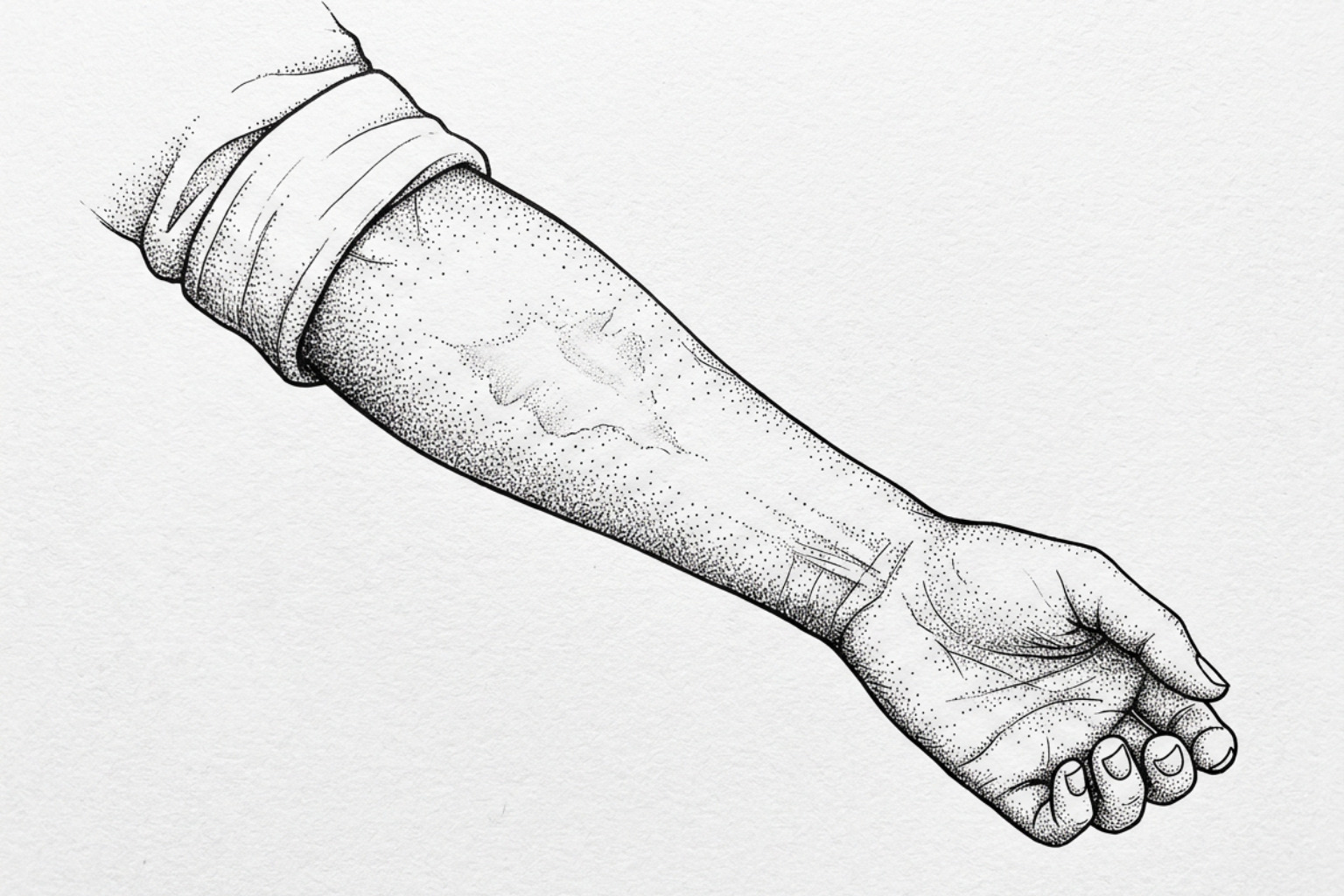
Assess Scar Vascularity and Pliability Throughout the Post-Burn Maturation Phase
Burn scars keep changing long after the wound closes: redder and firmer for the first few months, peaking around six months, then slowly softening over 12 to 24 months. Here is what clinicians watch for and what helps.
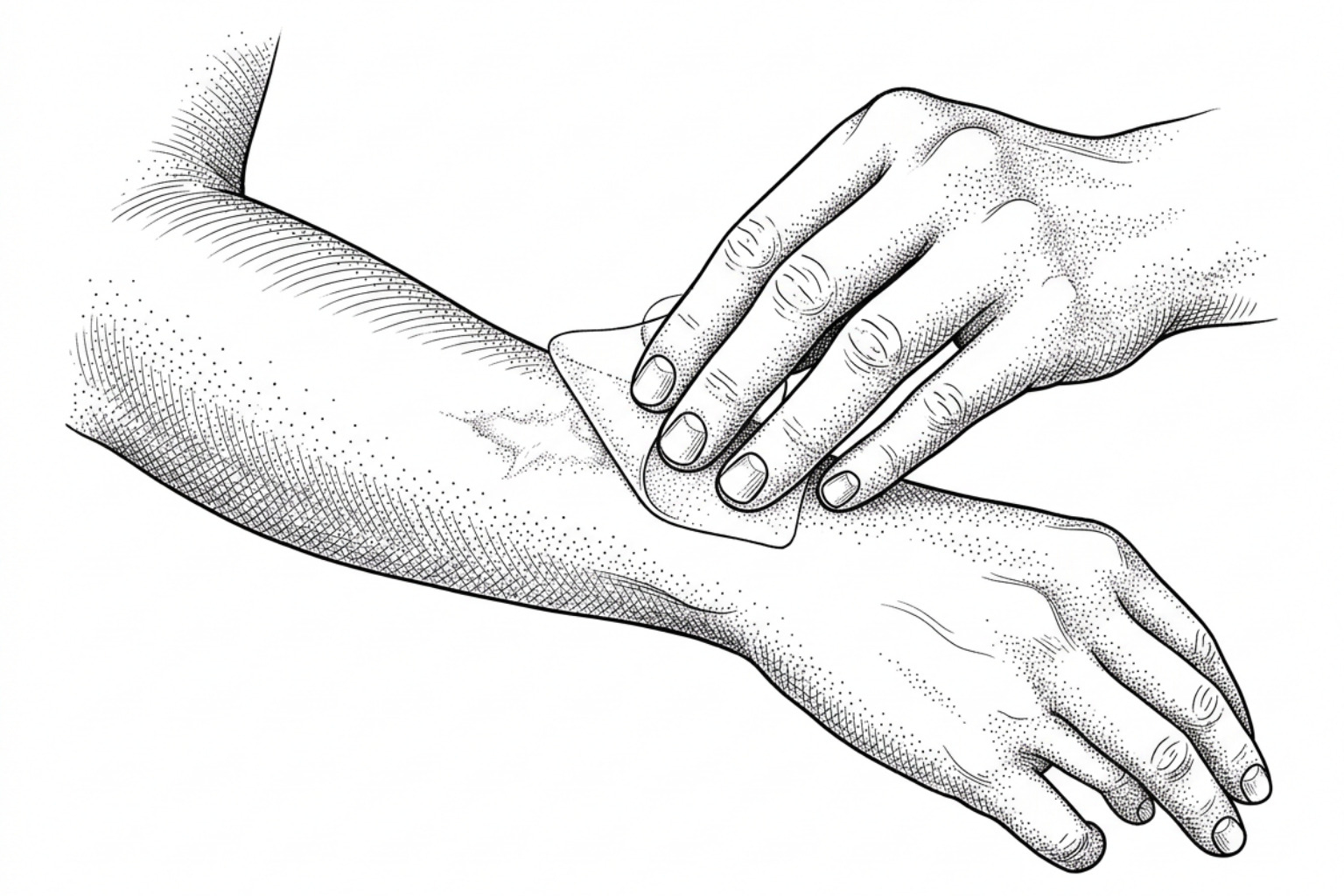
A Clinical Guide to Post-Burn Scar Reduction and Tissue Rehabilitation
No treatment erases a burn scar, but the right sequence reduces thickness, redness, tightness and itch. This guide covers silicone, pressure garments, massage, laser and injections, and when each should start.
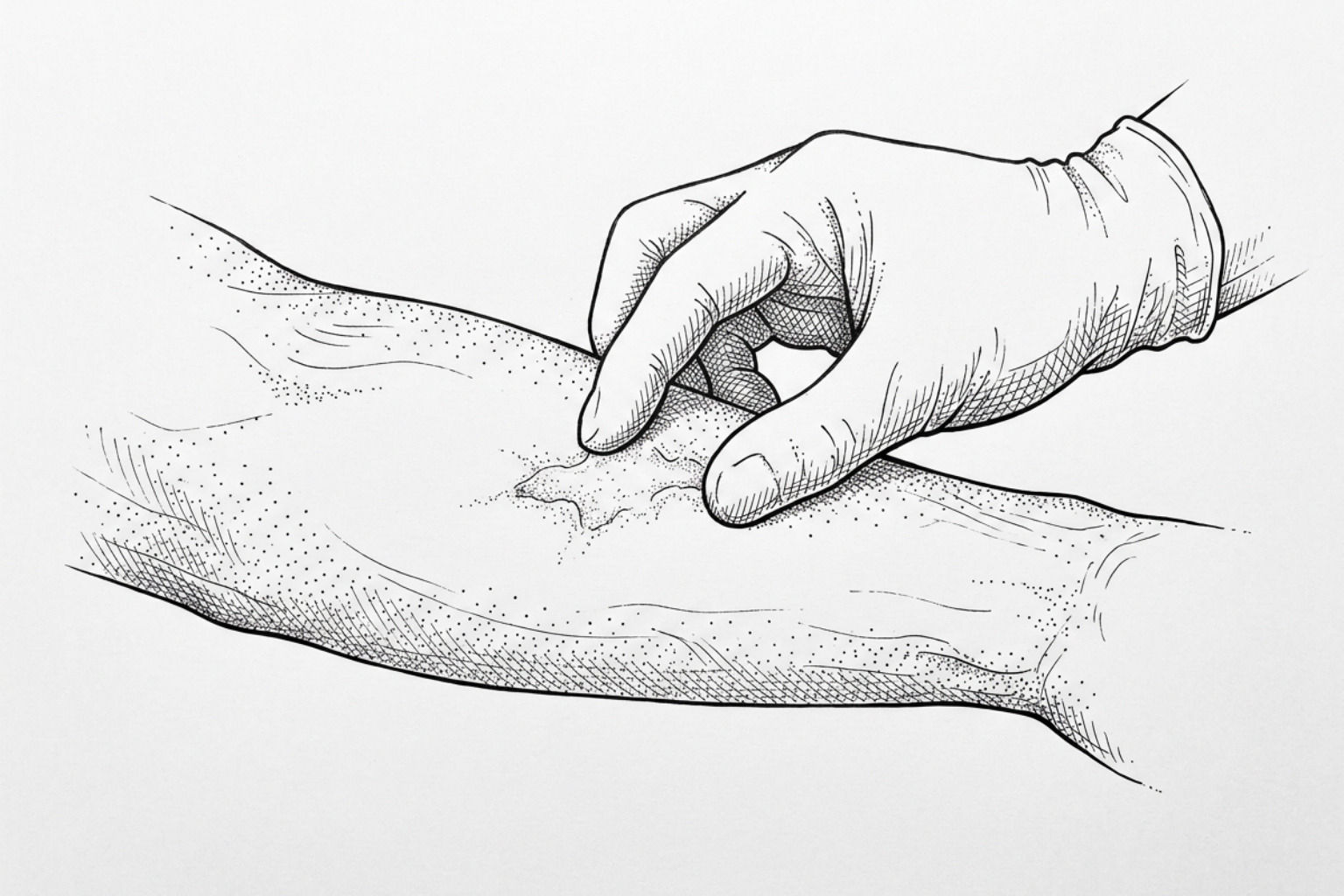
Clinical Measures for Preventing Contractures and Severe Scarring in Burn Wounds
Whether a burn scars depends largely on how fast it closes. Cool the burn, keep it clean and covered, and get deep burns seen early. Once closed, silicone, compression, massage and daily SPF 30+ do the rest.
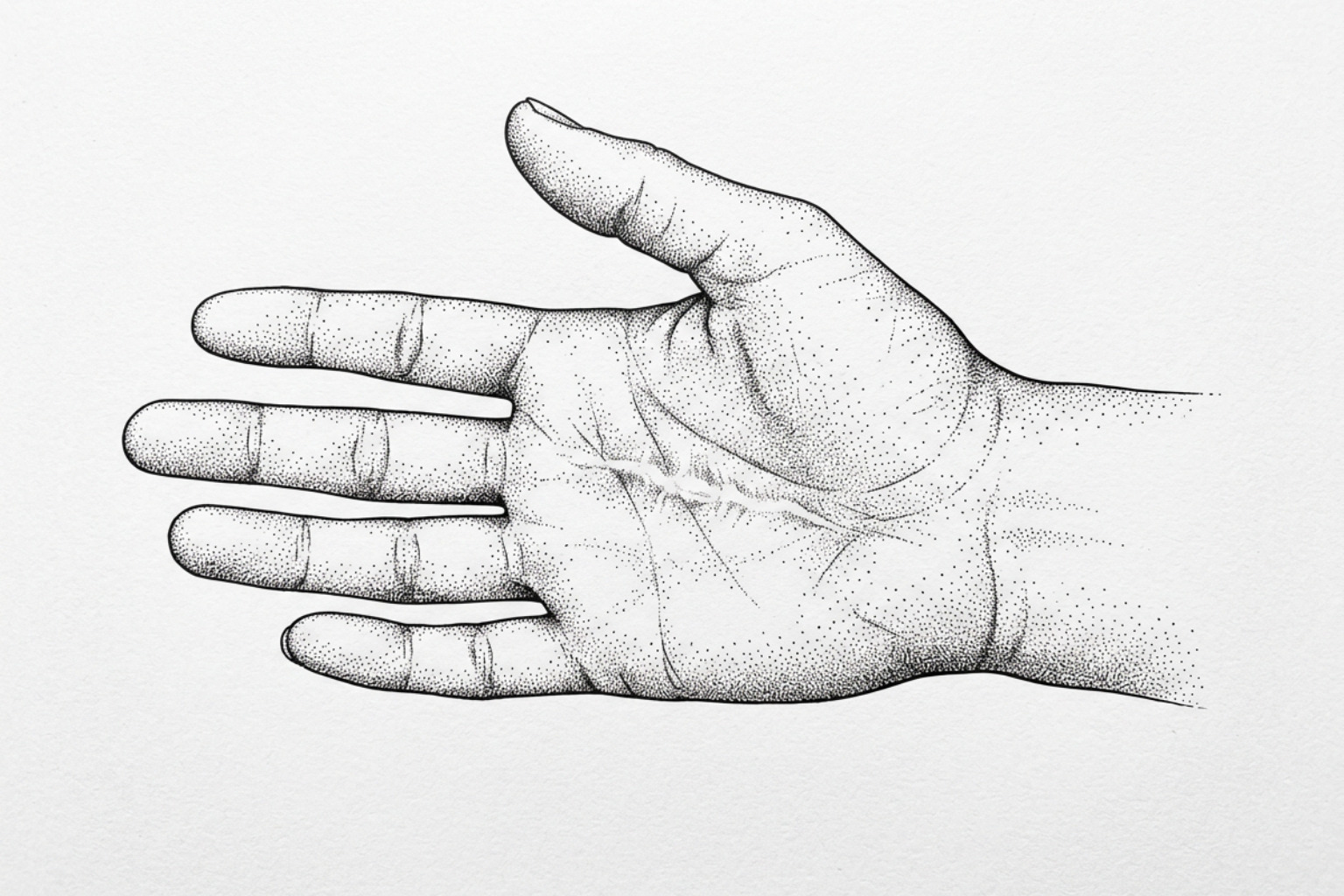
Why Burn Scars on the Hand Get Tight, and What Helps
A tight hand burn scar can limit grip, finger movement and thumb use. Early depth assessment, splinting and hand therapy protect function; laser and surgical release step in when fingers are pulled out of position.