In-Depth Guide to Burn Scar Laser Treatment
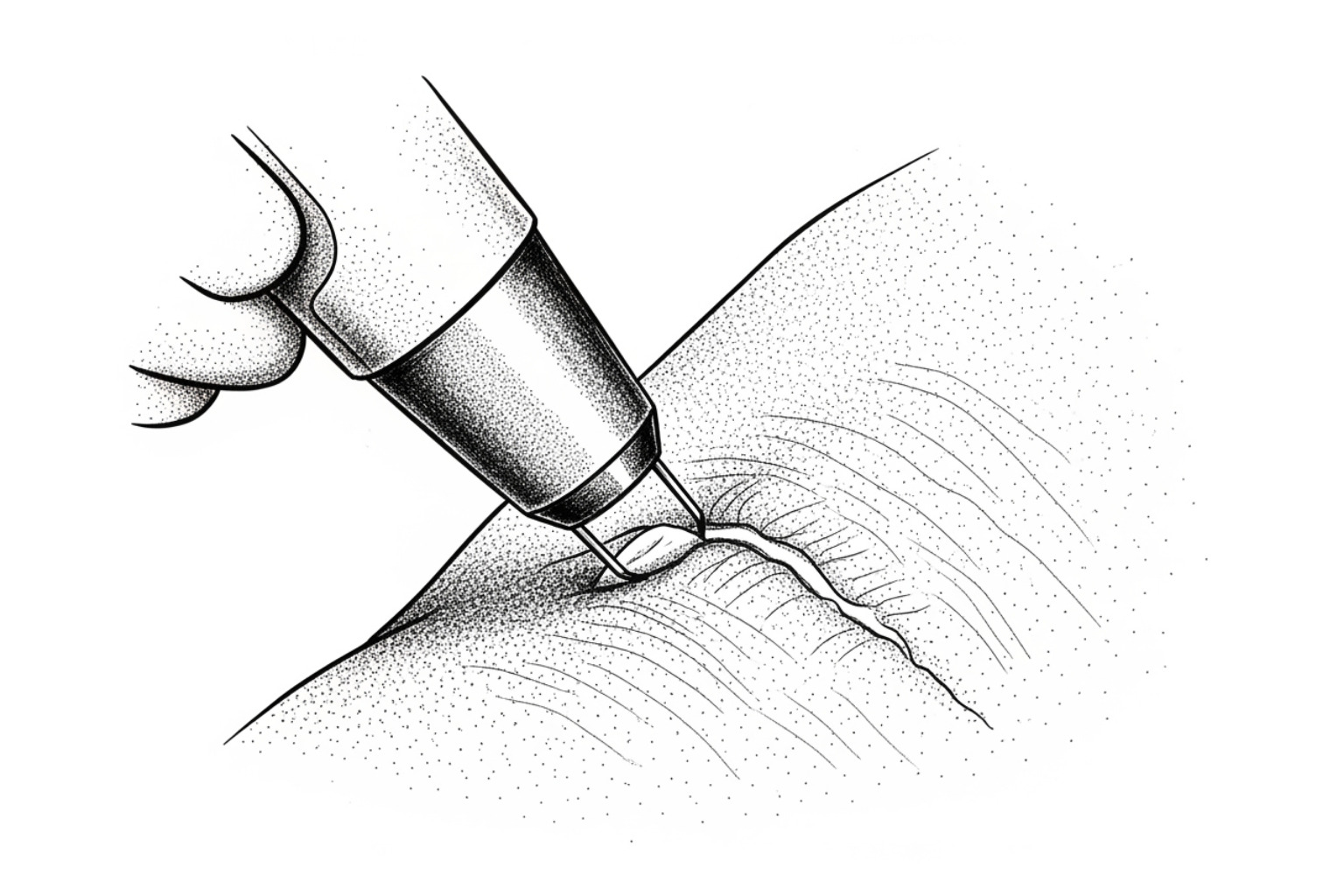
Laser can soften a burn scar's thickness, calm its redness and ease itch, but the right device and the right timing matter. Here is how fractional CO2, pulsed dye and Er:YAG compare, and what a course of treatment involves.
Does laser work on burn scars?
Burn scar laser treatment uses focused light energy to trigger controlled changes inside scar tissue — reducing thickness, redness, itching, and in some cases, movement restriction caused by tight, raised scars.
Here is a quick summary of what the evidence shows:
| Question | What Research Indicates |
|---|---|
| Does it reduce scar thickness? | Yes — fractional CO2 laser significantly reduces scar thickness in multiple studies and a meta-analysis |
| Does it improve redness and color? | Yes — pulsed dye laser targets blood vessels in the scar to reduce erythema |
| Does it help itching and pain? | Evidence suggests meaningful improvement, though results are gradual |
| How many sessions are needed? | Most clinical protocols involve 3–6 sessions |
| Is it safe? | Complications are uncommon, reported in under 1% of cases |
| Who is it for? | Primarily hypertrophic (raised, thickened) burn scars causing symptoms or functional problems |
Scarring is one of the most common and difficult consequences of burn injury. Research indicates that hypertrophic scars — thick, raised, often painful scars that stay within the original wound boundary — develop in up to 70% of people following a burn-related injury. These scars can cause significant physical discomfort and have a well-documented negative effect on quality of life.
Standard approaches such as compression garments, silicone products, and corticosteroid injections have long been used to manage these scars. Over the past two decades, laser therapy has emerged as a clinically meaningful addition to burn scar care.
The underlying principle is selective photothermolysis — the delivery of targeted light energy to specific tissue structures, generating controlled thermal injury that prompts the skin to remodel its own collagen. In hypertrophic burn scars, this process can shift the balance of scar tissue toward softer, more organized collagen — closer in structure and function to normal skin.
This guide explains the biology behind that process, reviews the clinical evidence for different laser types, and outlines realistic expectations for patients and clinicians considering laser therapy as part of a broader scar management plan.
What laser does to scar tissue
Hypertrophic burn scars are not just "extra skin." They are biologically active tissue. Compared with normal skin, they contain disorganized collagen bundles, altered blood vessels, excess extracellular matrix, and fibroblasts that keep producing scar tissue longer than they should.
Laser treatment works by creating a very controlled injury inside that abnormal tissue.
With fractional devices, the laser does not remove the whole surface. Instead, it creates tiny columns of thermal damage called microthermal zones, or MTZs. Between these channels, islands of untreated skin remain. That matters because the healthy surrounding tissue helps the skin repair itself faster. Think of it as strategic potholes rather than resurfacing the entire road.
In ablative fractional CO2 treatment, these microscopic channels reach into the scar and trigger:
- collagen breakdown and replacement
- reorganization of collagen fibers
- changes in fibroblast behavior
- remodeling of the extracellular matrix
- reduction in excessive stiffness and thickness
Human studies and histologic analyses suggest that this process may shift scar tissue toward a more normal pattern of collagen architecture. Research also indicates changes in cytokine signaling and fibroblast gene activity after treatment, which may help explain why scars can become flatter, softer, and less symptomatic over time.
A 2021 meta-analysis found that fractional CO2 laser significantly improved Vancouver Scar Scale and POSAS scores, with reductions in thickness and better pliability overall. For readers wanting the research directly, see this scientific research on fractional CO2 efficacy.
The main types of laser
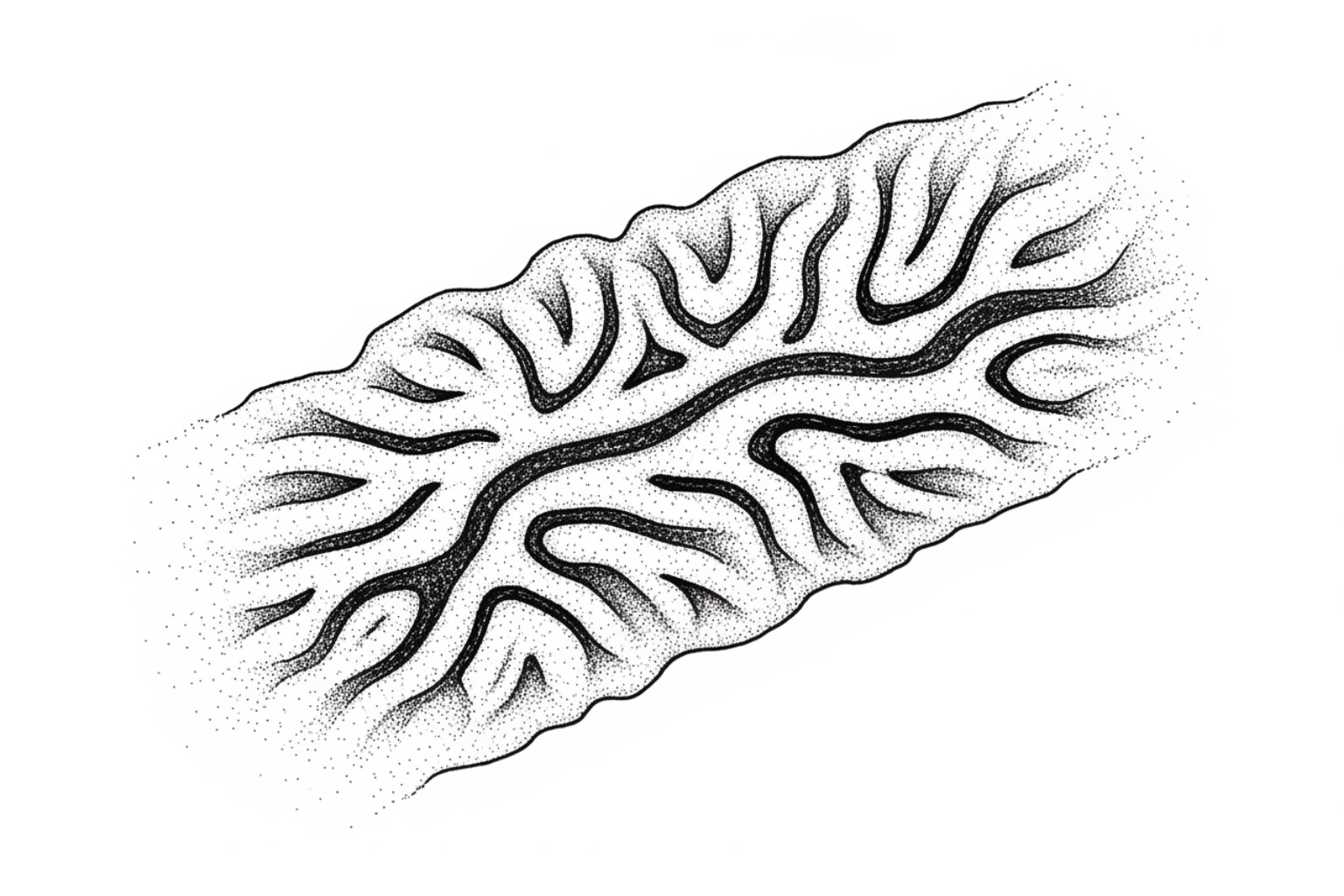
Burn scar laser treatment is not one single technique. Different lasers target different parts of the scar biology.
Broadly, lasers used for hypertrophic burn scars fall into two groups:
- ablative lasers, which vaporize microscopic portions of tissue and drive stronger remodeling
- non-ablative or vascular lasers, which heat selected targets without removing tissue
The three most commonly discussed modalities are fractional CO2, pulsed dye laser, and Er:YAG.
| Laser | Wavelength | Main target | Main tissue effect | Typical recovery | Common burn scar use |
|---|---|---|---|---|---|
| Fractional CO2 | 10,600 nm | Water | Ablative microchannels and dermal remodeling | Often a few days, with many areas healing in 1-3 days in burn scar protocols | Thick hypertrophic scars, stiffness, texture irregularity, contracture-related tightness |
| Pulsed dye laser | 585-595 nm | Hemoglobin | Vascular targeting, reduced redness | Usually short | Red, immature, itchy, highly vascular scars |
| Er:YAG | 2,940 nm | Water | More superficial ablation with high precision | Sometimes shorter than CO2 | Selected raised scars, texture refinement, cases where a shallower approach is preferred |
For broader background, see Laser Treatment for Scars Complete Guide, Laser Scar Reduction Guide 2026, and the Tag: Laser Treatment.
Fractional CO2 laser for raised scars
Fractional CO2 laser is the workhorse for thick, raised, function-limiting burn scars. Its 10,600 nm wavelength is strongly absorbed by water, which is abundant in tissue. That allows it to create precise columns of ablation and thermal injury within the scar.
Why this matters clinically:
- it can reduce scar thickness
- it may improve pliability and texture
- it can loosen tight scars that restrict movement
- it may reduce itching, pain, and hypersensitivity
- it can be used alongside topical or injected medications through laser-assisted drug delivery
This is the modality most often used when the problem is stiffness, contracture tendency, or a bulky scar that feels like it has all the flexibility of old cardboard.
Evidence is reasonably strong compared with other scar lasers. A 2023 randomized trial on early ablative fractional CO2 treatment suggested that starting treatment relatively early after healing may positively influence scar evolution. A 2026 pilot randomized trial found both fractional CO2 alone and fractional CO2 combined with pentoxifylline improved modified Vancouver Scar Scale scores, with higher patient satisfaction in the combination group but no major difference in total scar score reduction between groups.
Related reading on this site includes CO2 Laser Scar Removal, CO2 Laser for Surgical Scars Before and After, and Tag: CO2 Laser.
Pulsed dye laser for red, sore scars
Pulsed dye laser, usually 585-595 nm, targets hemoglobin in blood vessels. In plain language, it is best at treating the vascular part of a scar.
That makes it especially useful for scars that are:
- red or pink
- immature and actively inflamed
- itchy
- tender
- relatively thin rather than very bulky
PDL may help by reducing excess vascularity, which can in turn reduce erythema and symptoms such as pruritus. Some reviews suggest it works particularly well for early hypertrophic scars and may help prevent further hypertrophy in selected cases.
A 2023 systematic review and meta-analysis found PDL produced the greatest reduction in combined VSS/POSAS scores compared with ablative and non-ablative categories overall, though study quality and treatment protocols varied. That does not mean PDL replaces CO2 for thick contracture scars. It means laser choice should follow scar features, not fashion.
If the main issue is redness rather than bulk, Red Scar Fading Laser may be useful background reading.
Where Er:YAG laser fits
Er:YAG operates at 2,940 nm and is also absorbed strongly by water. Compared with CO2, it tends to produce more superficial ablation with less residual thermal damage.
Possible advantages include:
- high precision
- more superficial tissue removal
- shorter downtime in some protocols
Possible limitations include:
- less deep remodeling for very thick scars
- smaller evidence base in burn scars than fractional CO2
- recurrence reported in some studies
Evidence on Er:YAG is more limited. Recurrence after Er:YAG laser therapy has been reported in about 22% of scars at 8 months in the literature cited by burn scar reviews. That does not make it ineffective, but it does mean expectations should stay realistic and scar follow-up matters.
Who is a good candidate
The best candidates for laser treatment are not simply "people with scars." Selection matters.
Important clinical factors include:
- scar age
- thickness and height
- redness or vascularity
- pliability
- range of motion restriction
- pigmentation changes
- pain, itch, or hypersensitivity
- skin type and pigment risk
- prior treatment response
Most research focuses on hypertrophic scars, not flat mature scars and not classic keloids. Hypertrophic burn scars usually appear within 2-6 weeks after injury and may continue developing over 6-12 months or longer.
Evidence across studies suggests laser therapy can improve:
- thickness
- vascularity
- pigmentation
- pliability
- texture
- height
- itch
- pain
- contracture-related tightness
The timing question is more nuanced than many summaries make it sound. A scientific research on scar age and laser type found benefit from both early and later treatment. Interestingly, scars treated later than 12 months showed greater improvement for some outcomes such as vascularity and height, while early treatment may still be useful for influencing scar evolution and symptoms. Translation: early is not always "better" for every endpoint, and late is not "too late."
Patients with darker skin tones need especially careful planning because pigment alteration risk is higher. For that topic, see Laser Scar Removal for Dark Skin.
When to start, and what follows
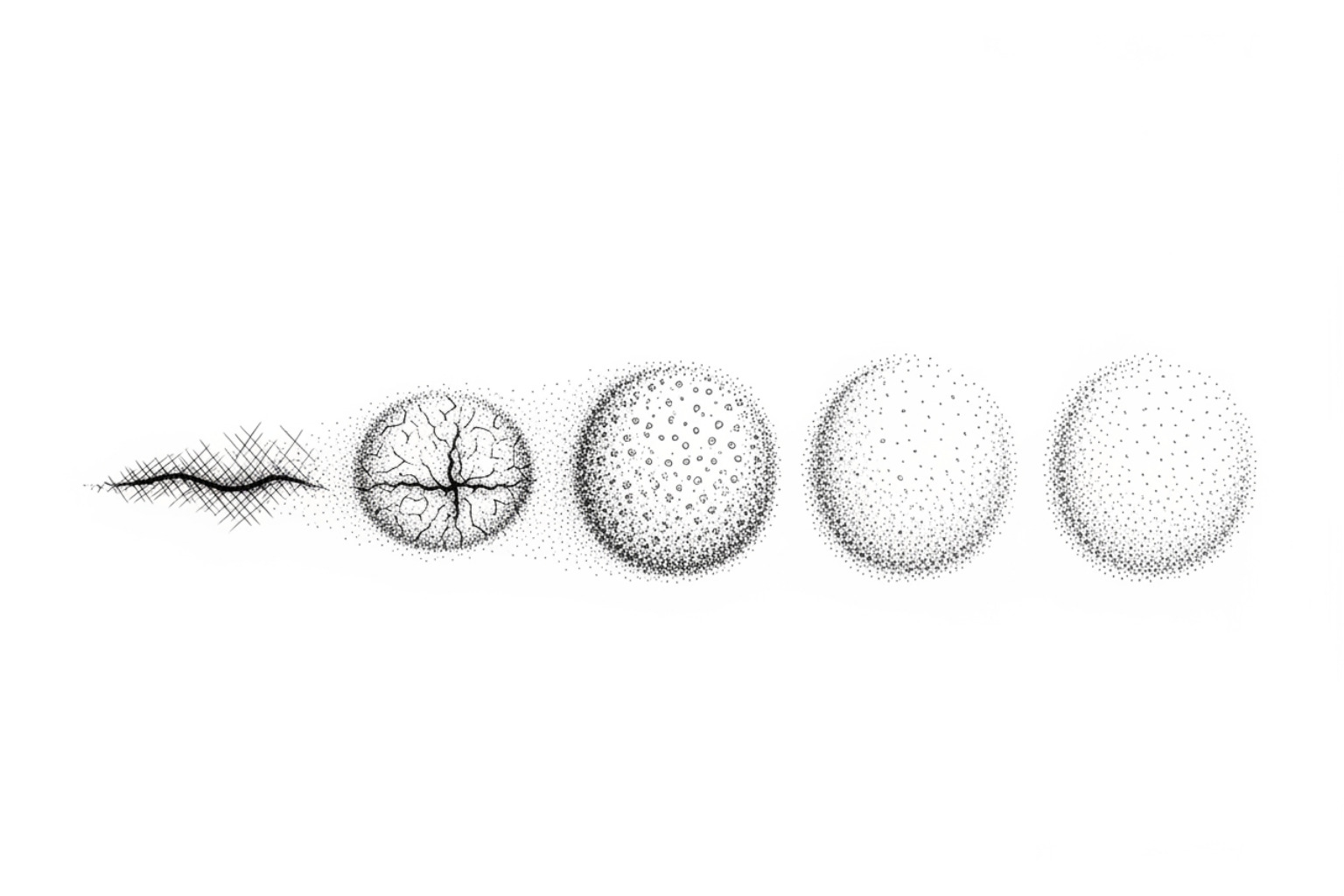
Treatment usually begins with a detailed assessment of the scar itself and the goals of treatment. Those goals might include:
- reducing itch or pain
- improving flexibility
- softening thick tissue
- improving color mismatch
- reducing visible irregularity
- helping avoid surgery or delay it
Typical treatment protocols vary by device and scar type, but many studies use 3-6 sessions. Treatments are often spaced several weeks apart. Some meta-analytic data suggest shorter intervals, especially under 8 weeks, may improve outcomes more than very long intervals.
Pain control depends on the laser and treatment area. Clinics may use:
- topical anesthetic
- local anesthetic injection
- sedation
- general anesthesia for larger or more sensitive areas, especially in children
After treatment, many ablative protocols use simple wound care such as petrolatum-based ointment, non-stick dressings if needed, and careful cleansing. Sun protection is important because freshly treated skin is more vulnerable to post-inflammatory pigment change.
Treated areas often heal quickly in burn laser protocols, with many sources reporting re-epithelialization in about 1-3 days after fractional treatment, though this varies by settings, body site, and scar depth.
When laser is recommended
Laser treatment is often considered once the burn wound is closed and stable. Many patient-facing resources describe a common starting point around 3 months after healing. That is a reasonable general benchmark, but it is not an absolute rule.
Some centers now start earlier in selected cases. The scientific research on early laser intervention suggests ablative fractional CO2 treatment started within the first few months after healing may improve patient-reported scar thickness and texture and may alter scar biology at the fibroblast level.
In practice, laser may be considered when a scar is:
- becoming raised and symptomatic
- staying very red and active
- limiting motion
- not responding adequately to pressure, silicone, or therapy
- at risk of contracture progression
It may also be used later for mature scars that remain thick, stiff, discolored, or symptomatic.
What to expect afterwards
Immediately after treatment, it is common to see:
- redness
- swelling
- warmth
- a sunburn-like sensation
- pinpoint crusting or bronzing after ablative treatment
For fractional ablative CO2, there is short-term barrier disruption and increased water loss from the skin. This is normal and part of why moisturization and wound care matter; visible healing continues over the following days.
Most people need repeated sessions because improvement is gradual. That is frustrating, but biologically it makes sense: collagen remodeling is slow. Changes in itch and tightness may appear before major visual flattening. Appearance and texture usually improve over months, not overnight.
Risks and side effects
Laser treatment for burn scars is generally well tolerated, but "generally well tolerated" is not the same as "risk-free."
Possible side effects and complications include:
- temporary redness and swelling
- crusting or oozing after ablative treatment
- irritation or discomfort
- post-inflammatory hyperpigmentation
- hypopigmentation
- blistering
- delayed healing
- infection
- scar recurrence or incomplete response
Infection appears uncommon, reported in under 1% of cases in burn scar reviews. Pigment change is a bigger practical concern, particularly in darker skin tones or with excessive treatment settings.
Operator experience matters a lot. Burn scars are not the same as routine cosmetic resurfacing. Incorrect settings can worsen inflammation, increase dyspigmentation risk, or fail to reach the tissue depth actually driving the contracture. Full-field CO2 resurfacing is generally avoided in burn scars because it creates too much secondary injury.
Long-term recurrence data remain limited. Reported recurrence after ablative fractional CO2 has ranged from as early as 2 weeks to as late as 3 years in some reports. Recurrence after IPL/Nd:YAG approaches has also been described, with rates varying by scar location. So while laser may help a scar behave better, it does not always make the scar biologically forget it was ever a scar.
How laser fits with other treatments
Laser is usually part of multimodal scar care, not a universal replacement for everything else.
Standard burn scar management may also include:
- pressure garments
- silicone-based scar management
- occupational or physical therapy
- stretching and splinting for contracture prevention
- intralesional corticosteroids in selected hypertrophic scars
- surgery for severe contracture or deformity
Laser complements these treatments in several ways.
PDL can address redness and itch in a vascular scar.
Fractional CO2 can improve stiffness and texture and may create channels that help topical corticosteroids or other agents penetrate more effectively. This is called laser-assisted drug delivery.
For some patients, especially growing children with contracture-prone scars, clinical experience suggests laser may reduce or delay the need for formal contracture release surgery. Evidence for that is encouraging but not yet definitive across all populations. It is more accurate to say laser may reduce surgical burden in selected cases rather than claiming it replaces surgery.
For more on non-laser options, see Best Burn Scars Treatment Guide, Non-Surgical Burn Scars Complete Guide, and Tag: Burn Scars.
Frequently asked questions
Will insurance cover it?
Sometimes. Coverage often depends on whether the treatment is considered medically necessary rather than cosmetic.
Documentation that may support approval includes:
- scar-related pain or itching
- restricted range of motion
- interference with daily function
- recurrent skin breakdown
- specialist evaluation by burn, plastic surgery, or dermatology clinicians
- photographs and prior treatment history
Pre-authorization is commonly required. In practice, insurers are more likely to consider coverage when the scar causes functional impairment or significant symptoms.
Is it safe?
The most common short-term effects are temporary redness, swelling, and crusting. Pigment changes can occur, especially in darker skin types or after aggressive treatment. Infection is uncommon and reported in less than 1% of cases in the burn scar literature. Rarely, healing may be delayed or the scar may flare.
Aftercare is not glamorous, but it matters. A laser cannot outvote poor wound care.
How many sessions will I need?
Many studies and clinical protocols use 3-6 sessions. Improvement is usually gradual and may continue between sessions as remodeling occurs.
The number needed depends on:
- scar thickness
- redness
- symptom burden
- contracture severity
- treatment interval
- laser type
- treatment goals
Some people notice early symptom relief after one session, particularly for itch or hypersensitivity. More substantial changes in thickness, flexibility, and texture usually require repeated treatments over months.
The takeaway
Laser treatment may help selected burn scars by improving thickness, redness, symptoms, and sometimes function. The best evidence supports matching the laser to the scar problem: vascular lasers for red, active scars and fractional ablative lasers for thick, stiff, hypertrophic scars.
The main takeaways are straightforward:
- hypertrophic burn scars are common and biologically active
- fractional CO2 can improve thickness, pliability, and contracture-related tightness
- pulsed dye laser can reduce redness and vascular symptoms
- treatment usually involves 3-6 sessions
- healing is often short, but repeated treatments are commonly needed
- complications are uncommon, though pigment change remains an important risk
- laser works best as part of broader scar care, not in isolation
More high-quality comparative trials are still needed, especially for long-term recurrence, pediatric protocols, and how best to combine laser with other treatments. For readers exploring scar laser science more broadly, CO2 Laser Scar Removal, Laser Treatment for Scars Complete Guide, and Laser Scar Reduction Guide 2026 are useful next steps.
If a scar is painful, itchy, tightening, or limiting movement, formal assessment matters more than internet optimism. Burn scars are stubborn, but they are not untreatable.
Works Cited
- Peng W, et al. "The efficacy and safety of fractional CO2 laser therapy in the treatment of burn scars: A meta-analysis." Burns, 2021;47(7):1469-1477.
- Lewis CJ, et al. "Carbon dioxide laser treatment of burn-related scarring: Results of the ELIPSE (Early Laser Intervention Promotes Scar Evolution) prospective randomized controlled trial." Journal of Plastic, Reconstructive & Aesthetic Surgery, 2023;84:368-376.
- Ma Y, et al. "Influence of scar age, laser type and laser treatment intervals on adult burn scars: A systematic review and meta-analysis." PLoS ONE, 2023;18(9):e0292097.
- Dilmaghani S, et al. "Impact of pentoxifylline on efficacy, safety, tolerability, and treatment satisfaction of fractional carbon dioxide laser in patients with burn scars: a pilot blinded randomized controlled trial." Lasers in Medical Science, 2025;40(1):174.
- Klifto KM, Asif M, Hultman CS. "Laser management of hypertrophic burn scars: a comprehensive review." Burns & Trauma, 2020;8:tkz002.
This content is for informational purposes only and does not constitute medical advice. Consult a qualified healthcare professional for diagnosis and treatment.