Hypertrophic scars
A hypertrophic scar stays inside the original wound borders and often flattens on its own over 12 to 18 months. Silicone and pressure are the mainstays while it settles.
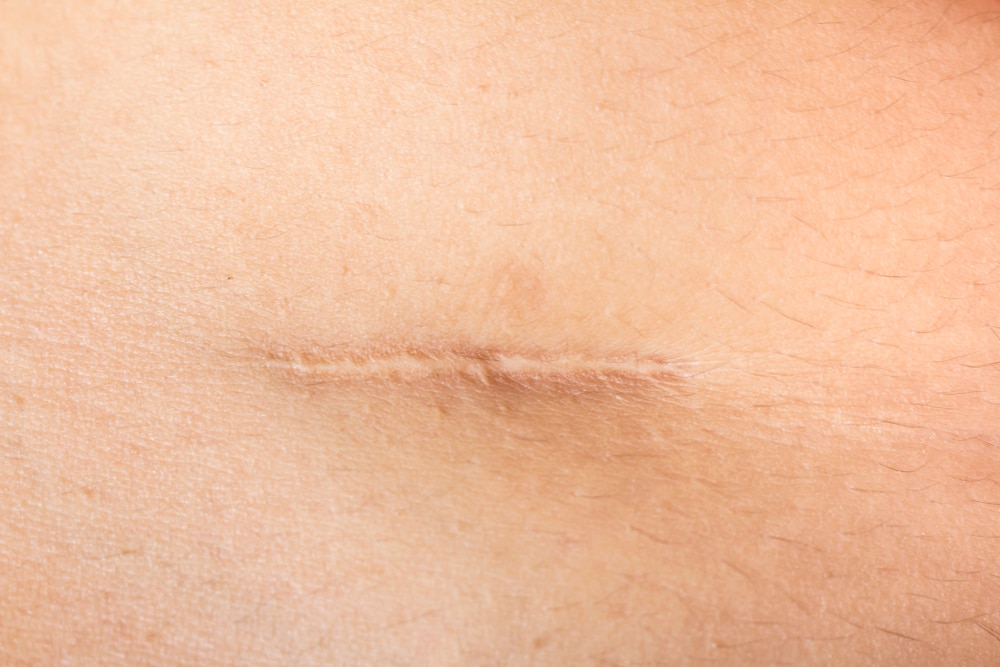
What hypertrophic scars are
A hypertrophic scar is raised, red and firm, and it stays within the boundary of the original wound. That single feature is what separates it from a keloid, which grows out into skin that was never injured. Both come from excess collagen laid down during healing, but they behave differently and the difference decides the treatment plan. Hypertrophic scars appear at four to eight weeks and often flatten by 12 to 18 months without any treatment. Keloids appear between three and 12 months, about 20% of them after a year, and rarely regress on their own. Treatment for a hypertrophic scar is therefore aimed at speeding up and improving a process that is already going in the right direction.
- Also called
- Raised scars, thickened scars, immature scars
- Tells it apart from a keloid
- Stays within the original wound borders
- Typical onset
- Four to eight weeks after the wound closes
- Natural course
- Often flattens over 12 to 18 months
When to see a doctor
- The scar crosses a joint and is starting to restrict movement. That is a contracture and needs assessment early.
- The scar is growing beyond the edges of the original wound, which points to a keloid rather than a hypertrophic scar.
- The scar is painful, intensely itchy, or breaking down.
- It has been more than 18 months and the scar is still raised and red.
Treatments for hypertrophic scars
| Treatment | Evidence | Best for | Cost | |
|---|---|---|---|---|
| Silicone gel or sheets Occlusion and hydration are the proposed mechanism, not pressure. Worn consistently for months rather than weeks. This is the most accessible option and the one most widely recommended for raised scars. Graded Moderate rather than Strong from 17 Sep 2026: the Cochrane review of silicone gel sheeting for treating hypertrophic scars (13 trials) rated every comparison low or very low certainty, and a 2026 meta-analysis of 20 randomised trials of fluid silicone gel found inconsistent evidence of superiority. Cheap, near risk-free and still first line; the evidence behind it is simply thinner than the confidence it is usually recommended with. |
Moderate | First line while the scar is active | $ | Full page → |
| Steroid injection Triamcinolone flattens and softens raised tissue. Repeated sessions are usual. Skin thinning and pale patches at the injection site are the trade-off. |
Strong | Thick, firm scars that are not settling | $$ | |
| Pressure therapy Standard care after major burns. Needs to be worn most of the day over months, which is the main reason it fails. The 2024 Cochrane review of 15 trials in 1,179 people could not pool the results and concluded there is insufficient evidence to recommend pressure garments over the alternatives. Kept at Moderate because the randomised base is large and the direction is probably right, but the effect size is genuinely unsettled. |
Moderate | Large scars and burn scars, often with silicone | $$ | |
| Pulsed dye laser Targets the vessels driving the color. It treats redness more than height, and carries a real risk of pigment change in darker skin. |
Moderate | Redness in a scar that is otherwise settling | $$$ | Full page → |
| Scar massage Cheap and low risk. The trial evidence is thinner than the confidence with which it is usually recommended, and is strongest after burns. |
Limited | Pliability and comfort alongside other treatment | $ | Full page → |
What causes them
Tension across the healing wound is the strongest driver, which is why hypertrophic scars are common across the chest, shoulders, and over joints, and why a wound that was slow to close or became infected is more likely to raise. Deeper burns and wounds that took longer than three weeks to heal carry the highest risk. Unlike keloids, family history is not the dominant predictor.
How they change over time
Healing (weeks 0 to 6)
The wound closes and new collagen is laid down. Nothing here yet distinguishes a scar that will raise from one that will not. Protecting the wound and reducing tension is the only lever.
Raised and active (weeks 6 to 26)
The scar is red, firm and above the skin, and it may itch. This is the window where silicone and pressure are usually started, and where treatment has the most to work with.
Remodeling (months 6 to 18)
Redness fades and the scar softens and flattens. Many hypertrophic scars settle substantially in this period without further treatment. A scar still raised and red beyond 18 months is unlikely to resolve on its own.
How this differs across skin tones
Raised scars are more common and tend to be more pronounced in darker skin, and the treatment risks run the same way. Pulsed dye laser and other device work can leave lasting dark or pale patches in Fitzpatrick IV to VI, so conservative settings and a test patch are standard. Silicone and pressure carry no pigment risk, which is part of why they are first line.
What you can do yourself
Worth doing
- Start silicone once the wound is fully closed, and keep it on for months rather than weeks. Consistency matters more than the brand.
- Protect the scar from the sun. Ultraviolet exposure darkens a healing scar and that pigment can persist.
- Reduce tension across the scar where you can, with tape or dressings, particularly over the chest, shoulders and joints.
Not worth doing
- Judging the result too early. Many hypertrophic scars are still improving at 12 to 18 months.
- Massaging or treating a wound that has not fully closed.
- Assuming a raised scar is a keloid. If it stays inside the original wound borders, it is not, and the outlook is better.
Common questions
Look at the borders. A hypertrophic scar stays within the outline of the original wound. A keloid grows past it into skin that was never injured. Timing helps too: hypertrophic scars appear within a couple of months and often flatten, keloids can appear up to a year later and rarely regress.
Often it will flatten and fade substantially over 12 to 18 months. That is the usual course. Treatment is aimed at improving and speeding up that process, not at rescuing something that would otherwise be permanent.
Once the wound is fully closed. Silicone and pressure are usually started in the first weeks to months, while the scar is still active, because that is when there is most to influence.
Overlapping, but not the same. Silicone has stronger support for hypertrophic scars, while keloids lean more heavily on injection and carry a much higher recurrence risk after surgery.
All hypertrophic scars articles
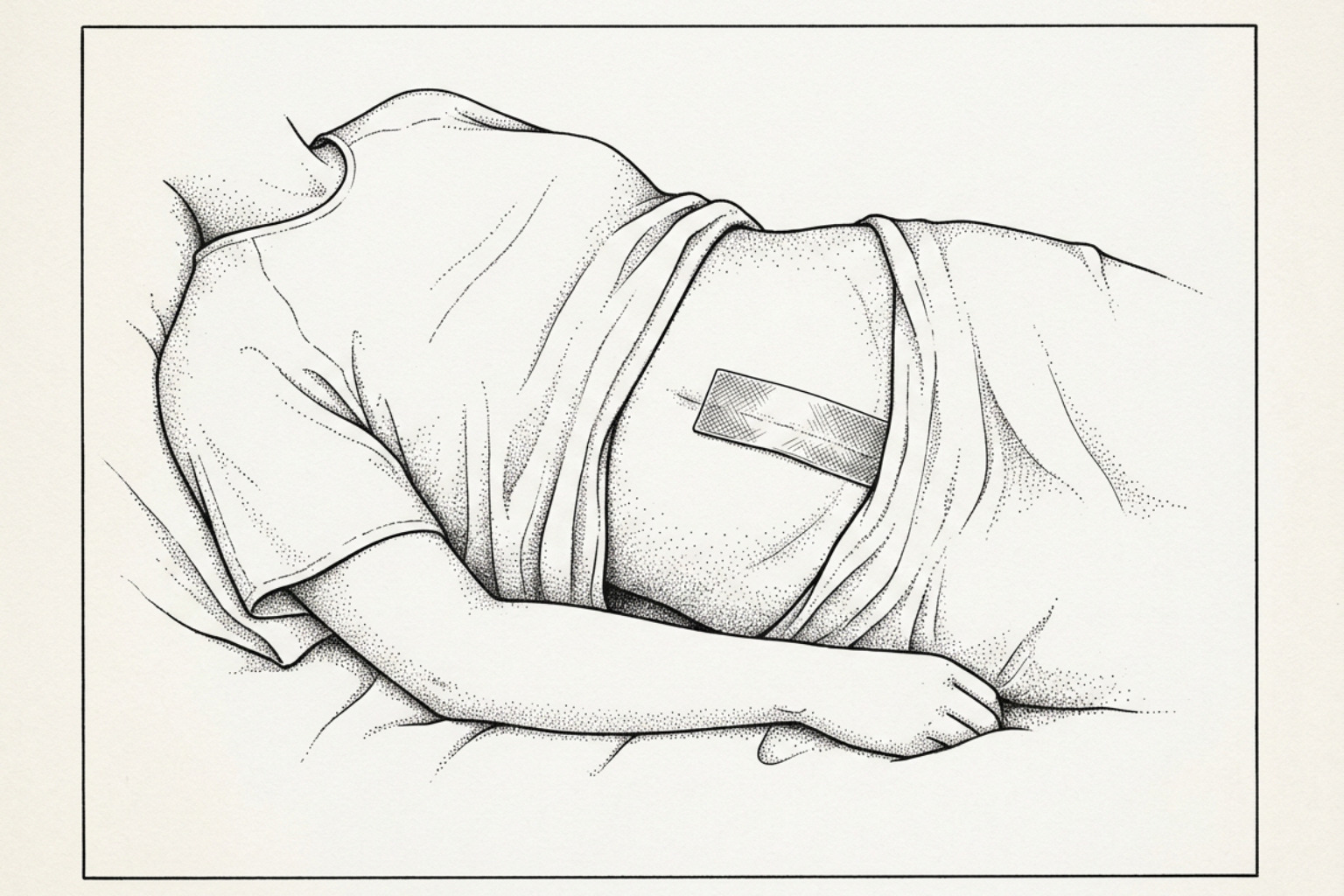
When Should You Start Silicone Scar Treatment?
Silicone sheeting can help a C-section scar heal flatter and softer, but only once the incision is fully closed. Here is when to start, how to build up wear time and when to stop.
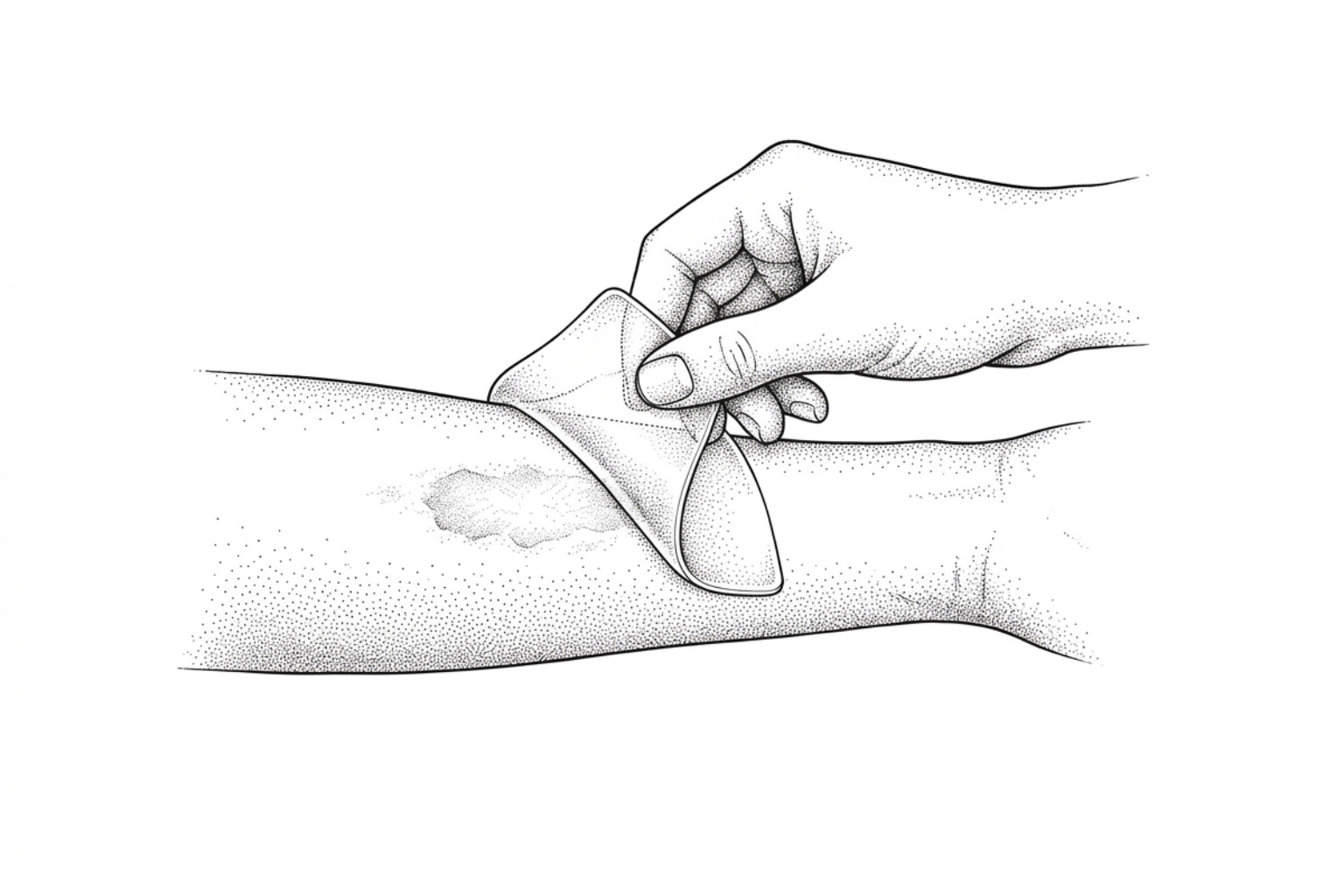
3 Evidence-Based Topical Therapies for Burn Scar Hydration and Texture Control
Silicone sheets, gels and silicone bandages are the standard at-home options for raised burn scars. When to start, how many hours a day they need, how long a course runs, and what the trials show.
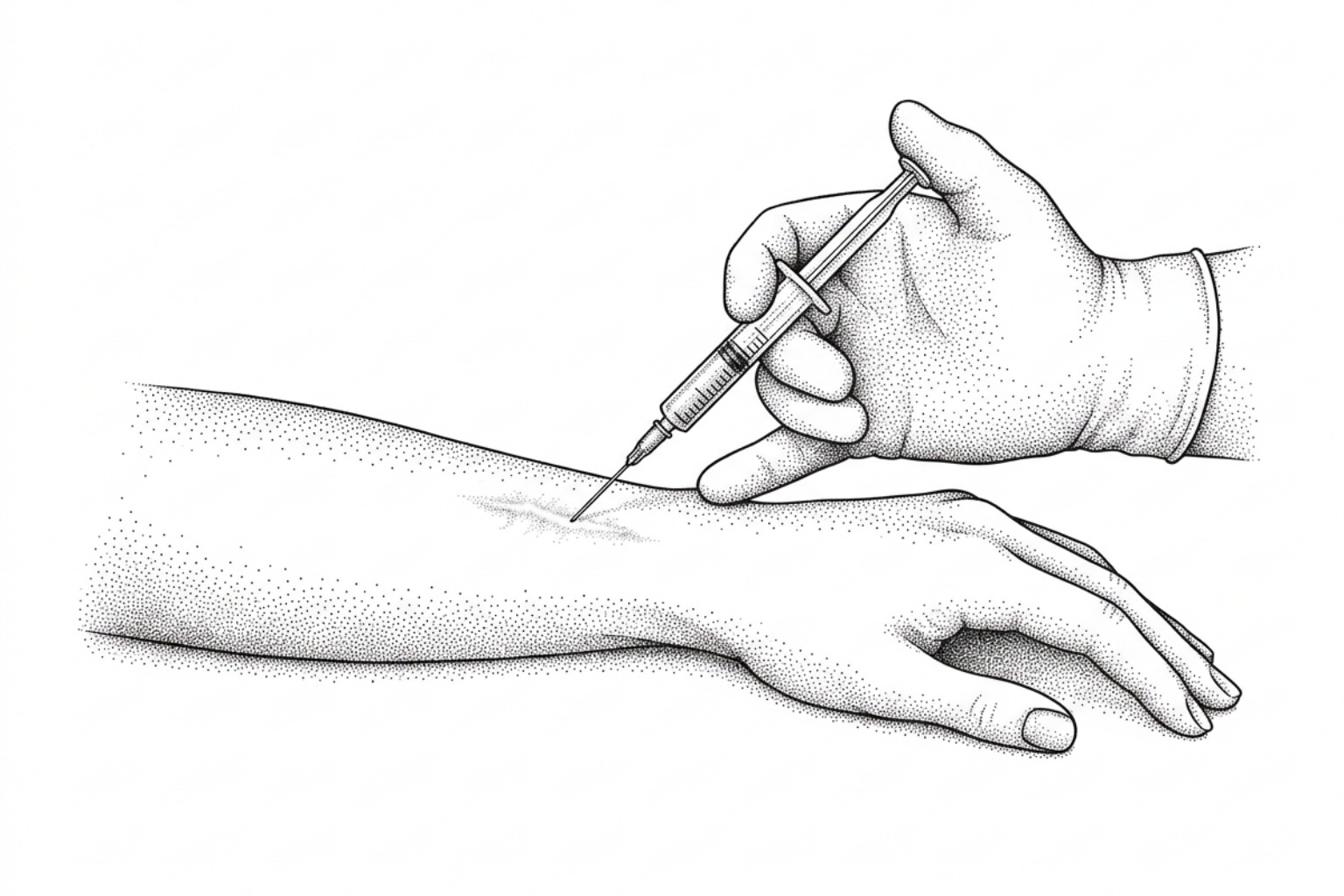
Steroid injection versus silicone and pressure: how clinicians choose.
Steroid injections, silicone sheeting and pressure therapy all flatten raised scars, but they suit different scars and different lives. Here is how clinicians choose between them, and what the trial evidence actually shows.
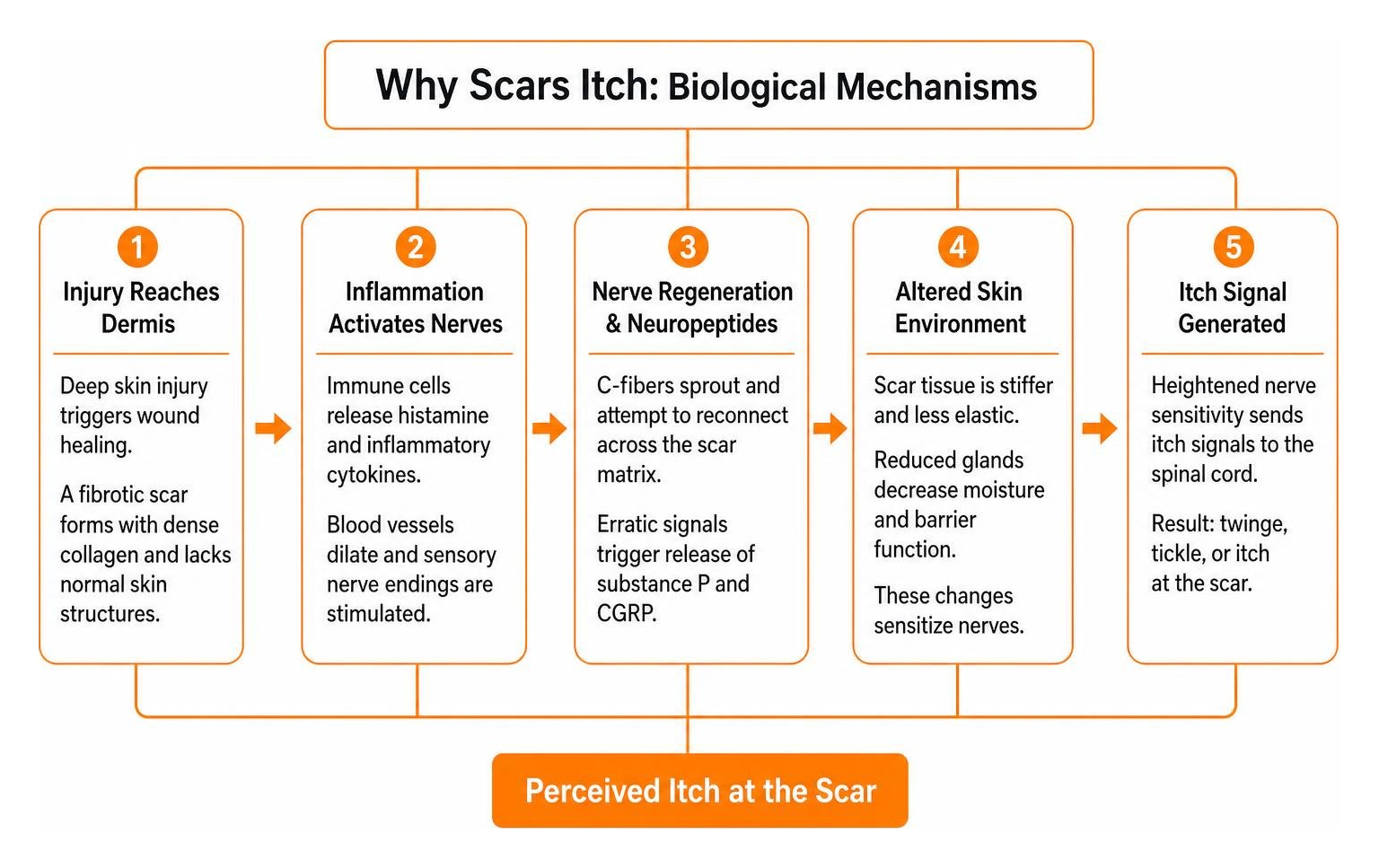
A Comprehensive Guide to Why Scars Itch: Mechanisms and Evidence
An itchy scar is usually a sign of nerves regrowing and skin that has lost its ability to hold moisture. Here is what drives scar itch, which remedies hold up to evidence, and the warning signs worth a doctor's visit.
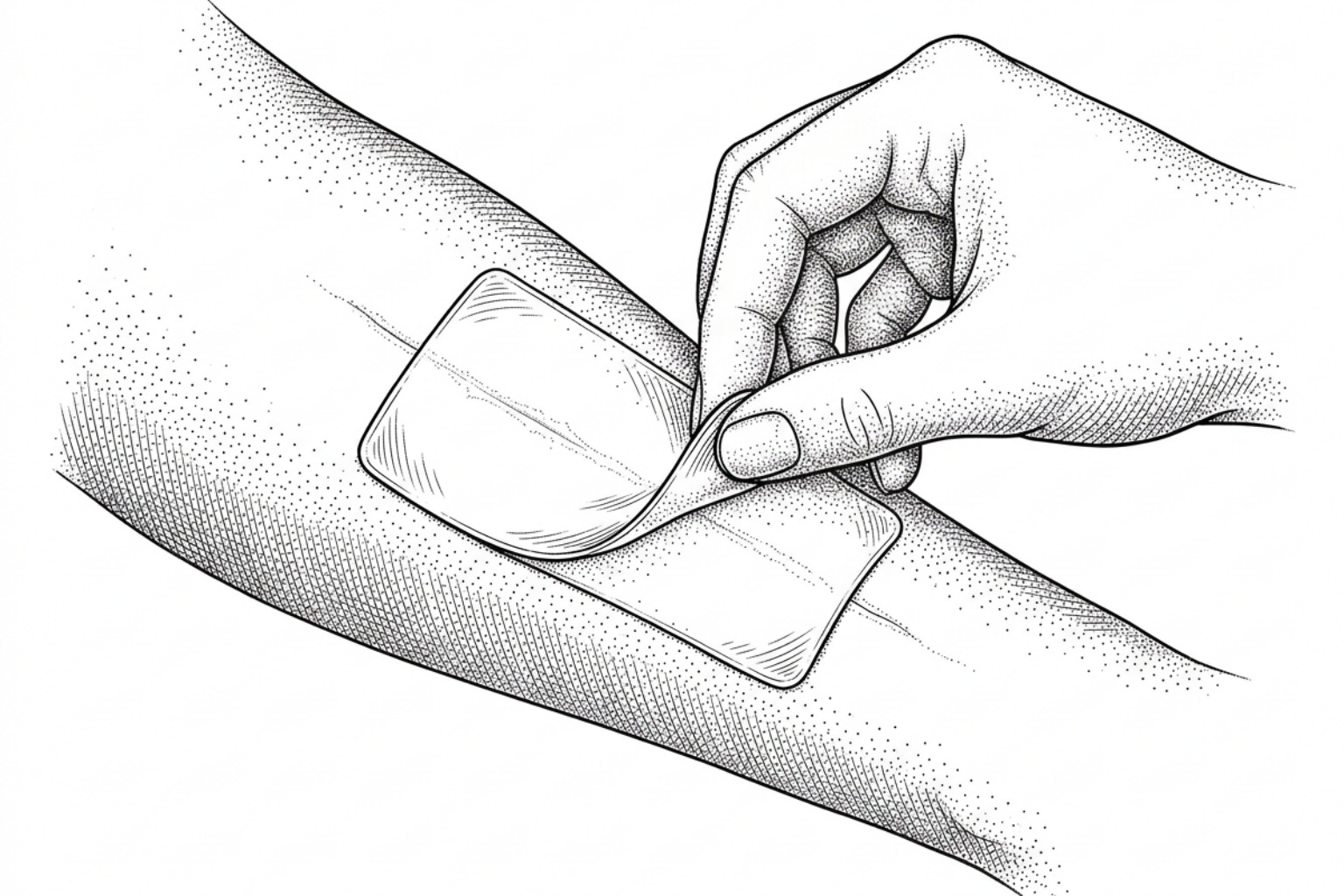
The Complete Guide to Derma Scar Creams: Evidence-Based Efficacy
Most of what a scar cream does comes down to occlusion and hydration rather than its botanical ingredient list. Here is what the clinical evidence supports, how to apply it, and how long before you should expect a change.
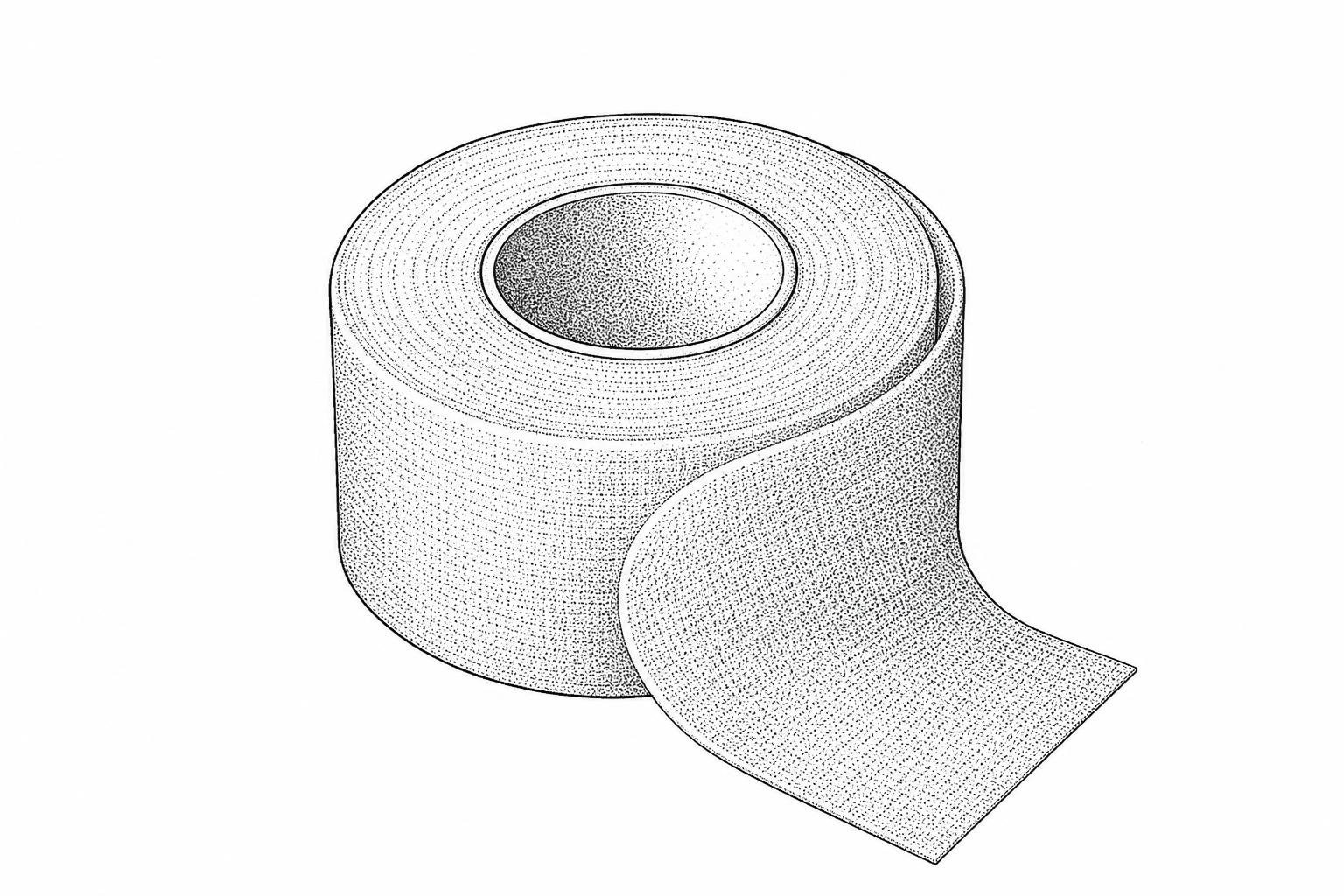
A Comprehensive Guide to Effective Keloid Scar Treatments
Keloids rarely go away on their own, and surgery without follow-up treatment often sees them return larger. Compare steroid injections, silicone sheeting, laser therapy, and surgery with radiation.