A Comprehensive Guide to Why Scars Itch: Mechanisms and Evidence
An itchy scar is usually a sign of nerves regrowing and skin that has lost its ability to hold moisture. Here is what drives scar itch, which remedies hold up to evidence, and the warning signs worth a doctor's visit.
Why scars itch
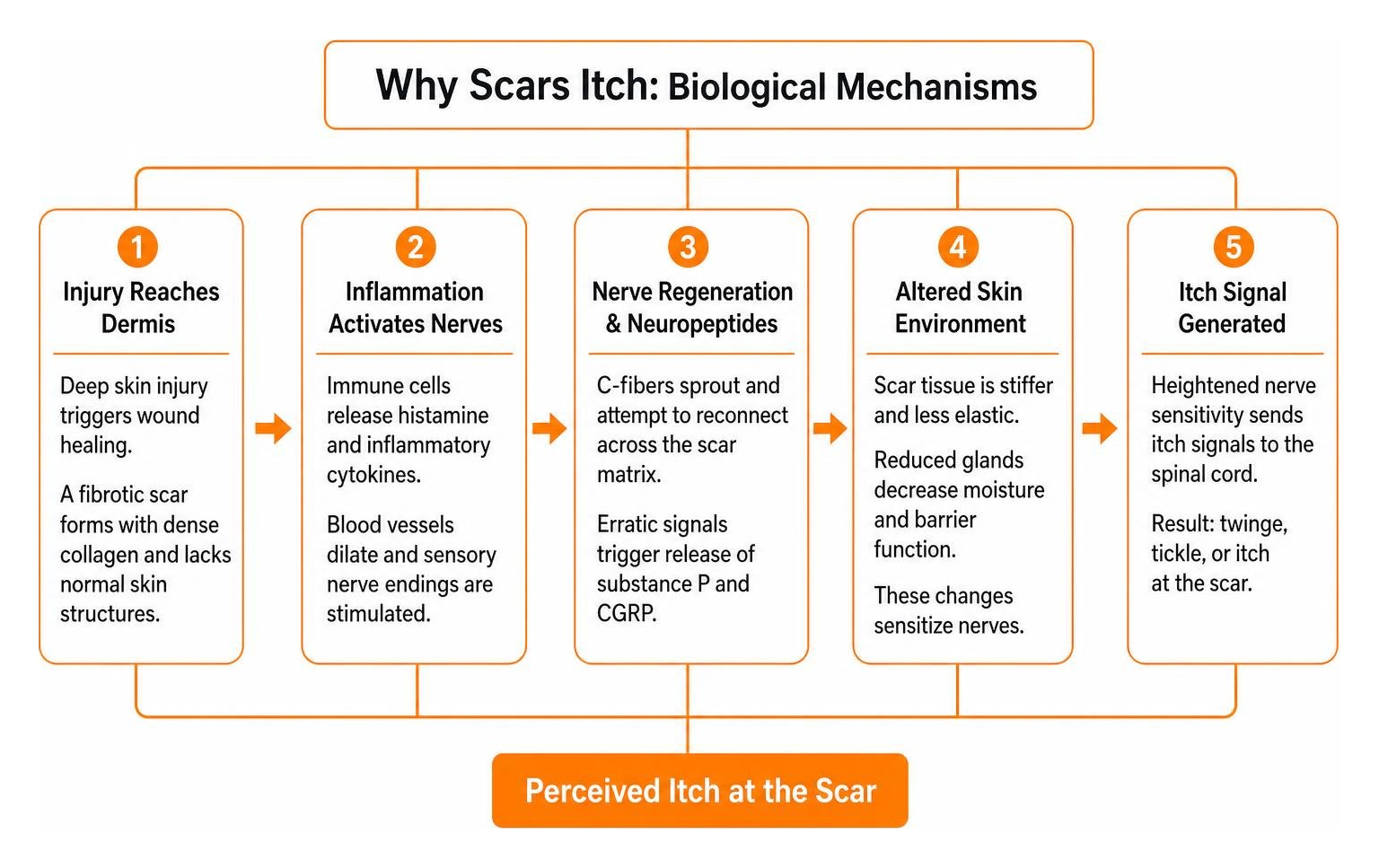
To understand why a scar twinges or tickles, it helps to examine how skin heals after an injury reaching the dermis layer. When skin repairs deep trauma, it creates a fibrotic patch made mostly of dense collagen. This replacement tissue lacks the complex architecture of uninjured skin, including hair follicles, sweat glands, and sebaceous (oil) glands.
The biological drivers of scar pruritus involve inflammatory chemicals, regenerating nerves, altered skin mechanics, and localized moisture loss. Detailed discussions of these processes appear in the Textbook chapter on scar symptoms. Readers interested in the initial stages of skin repair can learn more about How Scars Form and discover foundational practices on How to Protect Healing Skin.
Why Scars Itch During Active Healing
During the early inflammatory and proliferative phases of wound repair, immune cells flood the site. Mast cells release histamine and inflammatory cytokines, which dilate local blood vessels and stimulate surrounding sensory nerve endings.
At the same time, small unmyelinated C-fibers—the specific sensory nerves responsible for transmitting itch signals to the spinal cord at slow conduction velocities of around 0.5 meters per second—attempt to reconnect across the newly forming extracellular matrix. As these delicate nerve sprouts regenerate, they fire erratic impulses. Neuropeptides such as substance P and calcitonin gene-related peptide (CGRP) are secreted locally, further heightening peripheral sensitivity and creating the sharp, tingling itch characteristic of acute healing.
Why Scars Itch Years Later
It can be surprising when a scar that has been quiet for a decade suddenly starts itching. A clinical analysis of old scar itching highlights that mature scar tissue remains a dynamic biological microenvironment. Over time, persistent scar itch often transitions from a histamine-mediated response to a non-histaminergic neuropathic state governed by central nervous system sensitization.
Key triggers for late-onset itching include:
- Epidermal Xerosis: Mature scars produce no natural lipids or sweat. When ambient humidity drops, the scar dries out faster than surrounding skin, creating microscopic surface tension that triggers underlying nerves.
- C-Fiber Neuromas: Regenerating nerve endings can become trapped inside rigid, cross-linked Type I collagen bundles, forming hyper-reactive clusters that misfire when compressed.
- Barometric and Temperature Shifts: Sudden changes in weather or hot showers induce physical expansion of dense fibrotic tissue or rapid vasodilation, activating temperature-sensitive ion channels on sensory nerves.
- Hormonal Shifts: Research indicates that skin collagen declines by approximately 2% per postmenopausal year, with up to 30% of dermal collagen lost in the first five years following menopause. This thinning of surrounding skin destabilizes established scar boundaries and increases localized sensitivity.
Which scars itch most
Not all scars behave the same way. The physical structure, location, and cellular makeup of a scar directly dictate how it itches. A structured Scar Assessment helps distinguish between standard fine-line scars and pathological tissue.
| Scar Type | Collagen Structure | Primary Itch Mechanism | Symptom Duration |
|---|---|---|---|
| Fine-Line / Normotrophic | Organized parallel bundles matching surrounding dermis | Transient nerve regeneration and mild epidermal dryness | Typically resolves within 3 to 6 months |
| Hypertrophic | Dense, nodular swirls of Type III and Type I collagen confined to original wound boundaries | High mast cell density, epidermal thickening, and mechanical tension | Can persist for 1 to 2 years during active remodeling |
| Keloid | Thick, disorganized, hyalinized collagen bands extending beyond original margins | Peripheral C-fiber sprout stimulation and central nerve entrapment | Often chronic and persistent without clinical intervention |
| Burn Contracture | Rigid, shortened fibrotic sheets replacing large dermal areas | Severe anhidrosis (no sweat/oil production) and continuous stretch tension | Long-term; multi-center studies show over 40% of burn survivors report persistent itch years later |
Hypertrophic vs. Keloid Scars
A clinical and histological study on post-burn scar itch revealed key structural differences explaining scar symptoms. Hypertrophic scars feature a significantly thicker epidermal layer (averaging nearly double that of healthy skin) and maintain elevated mast cell populations long after normal wounds have settled. This localized histamine activity creates constant low-grade inflammation.
In keloid scars, sensory symptoms follow a spatial pattern. Intense itching is usually concentrated along the expanding outer periphery, where newly regenerating C-fibers invade healthy skin. Conversely, central areas of a keloid are more prone to pain due to dense fibrous compression on larger nerve trunks (entrapment neuropathy).
Burn Contractures and Deep Surgical Scars
Burn survivors face some of the most persistent pruritus challenges in dermatology. Large-scale prospective studies indicate that over 90% of burn survivors experience significant itching initially, with symptoms persisting in 64% at two years post-injury. Pediatric burn studies reflect similar rates, showing moderate to severe itch in 93% of children at discharge and 63% continuing two years later.
Burn contractures replace elastic skin with non-compliant fibrotic sheets that lack sweat and oil glands entirely. Physical movement stretches this tight tissue, stimulating mechanical itch receptors. Deep surgical incisions also severed deeper nerve branches, requiring careful oversight through structured Post-Surgery Scar Care and clear guidance on When to Start Scar Treatment After Surgery.
What you can do at home
Managing an itchy scar requires gentle, non-damaging techniques. Scratching an itchy scar can erode delicate newly formed skin cells, disrupt the skin barrier, induce further mechanical trauma, and introduce bacteria that lead to secondary infections.
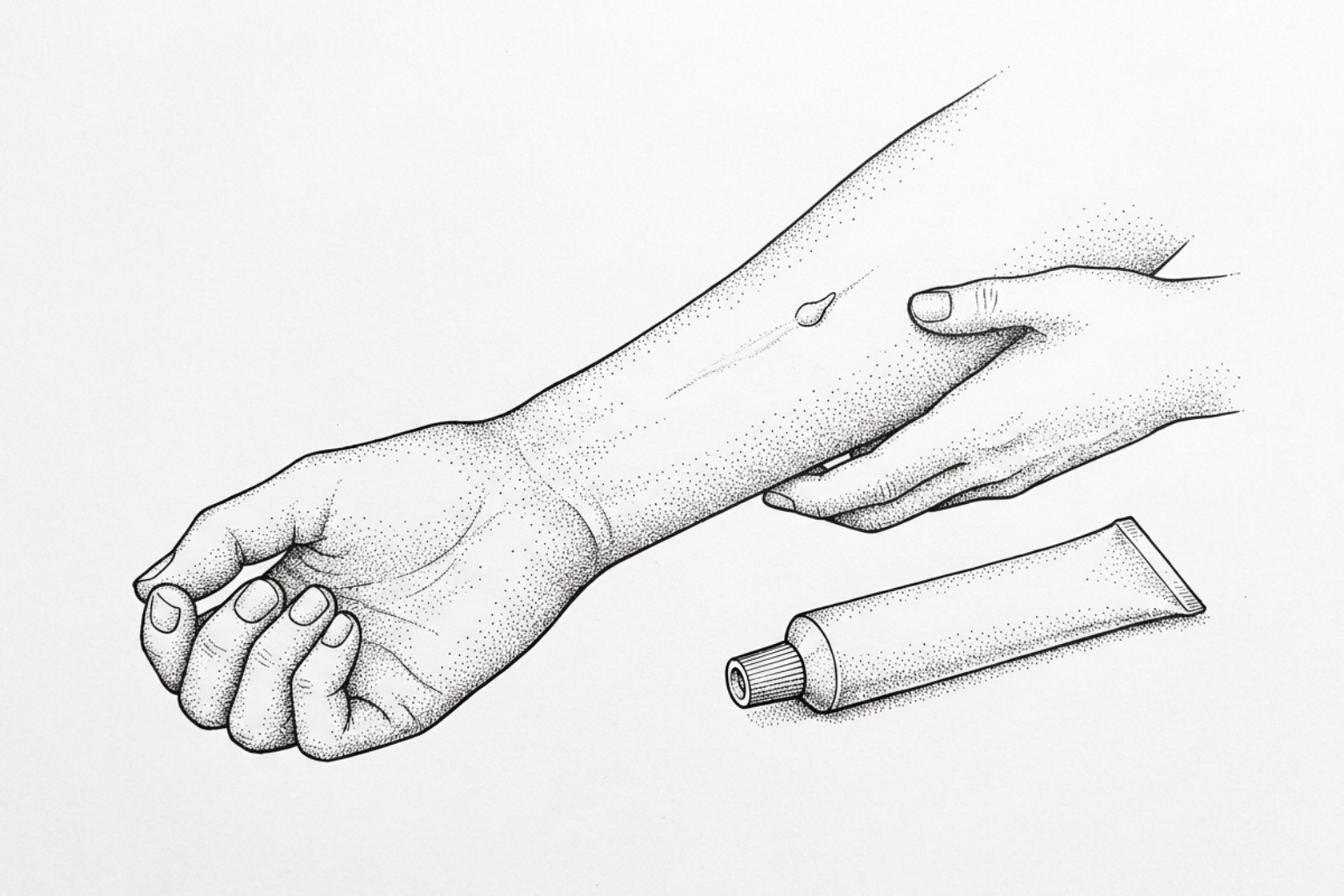
Safe, non-invasive home strategies focus on soothing overactive nerves and restoring lost skin moisture:
- Cool Compresses: Applying a damp cloth cooled with cold water for 10 to 15 minutes temporary numbs local sensory nerve endings and activates temperature-sensitive receptors that suppress itch signals.
- Occlusive Hydration: Emollients containing ceramides, dimethicone, or petrolatum help rebuild a temporary barrier, reducing transepidermal water loss (TEWL) and calming surface dryness.
- Friction Reduction: Wearing loose-fitting, breathable cotton clothing prevents synthetic fibers or rough wool from rubbing against raised scar tissue.
- Tactile Distraction: Tapping or applying firm, gentle pressure directly next to an itchy spot can reduce the itch sensation via neurological pathways without damaging the skin.
Additional topical options can be explored in our review of Topical Options for Scar Itch.
Silicone sheets and keeping skin moist
Medical-grade silicone gel and silicone sheets remain a primary non-invasive recommendation in international scar management guidelines. Evidence suggests that silicone does not rely on active chemical drugs; rather, it creates an occlusive, protective barrier over the scar that mimics healthy stratum corneum.
By trapping moisture beneath the layer, silicone therapy reduces transepidermal water loss. Research indicates that this hydration normalizes signaling between keratinocytes and dermal fibroblasts, dampening excessive collagen production and relaxing hyper-reactive sensory nerve fibers. Clinical observations show that consistent daily application over 8 to 12 weeks helps calm both itchiness and tissue thickness.
Massage and other physical relief
Scar massage is a widely utilized physical therapy method. Massaging the tissue acts on the "gate control theory" of pain and sensory processing: stimulating large-diameter A-beta nerve fibers through pressure sends fast mechanical signals to the spinal cord, effectively blocking the slower itch signals transmitted by unmyelinated C-fibers.
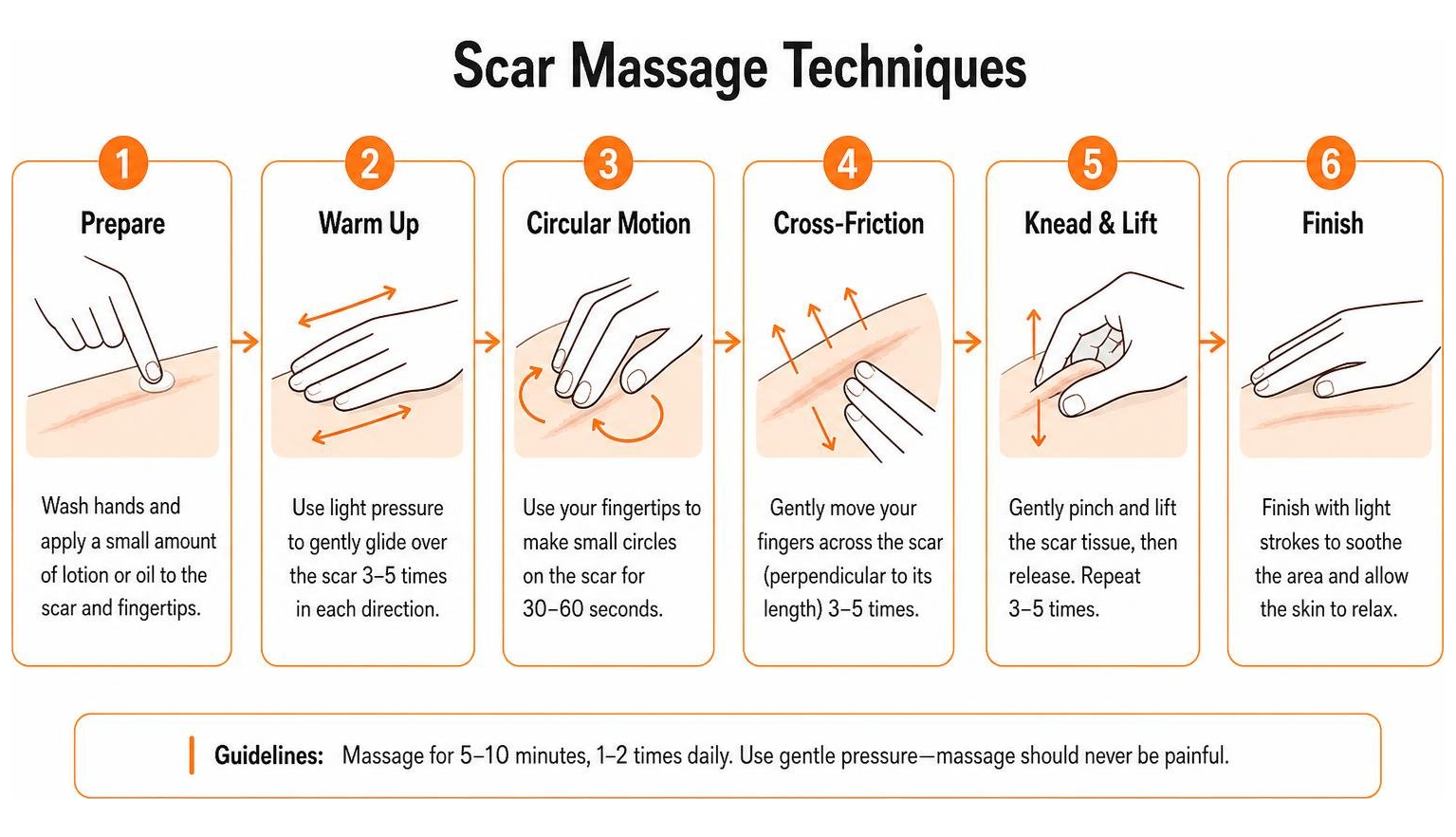
Consistent massage also helps break up rigid fibrotic cross-links over time, improving tissue pliability and reducing mechanical tension on trapped nerve endings. For step-by-step guidance on safe technique, refer to our comprehensive Scar Tissue Massage Guide 2026, explore Hard Scar Softening Massage methods, or learn about professional Scar Tissue Massage Therapy.
Treatments a doctor can offer
When home care and non-invasive measures are insufficient for severe or persistent scar itch, dermatologists have several targeted medical procedures available. An overview of itchy scar treatments outlines key options utilized in specialist clinics and detailed in established Dermatology Scar Management Protocols:
- Intralesional Corticosteroid Injections: Injecting triamcinolone acetonide directly into raised hypertrophic or keloid tissue reduces inflammatory cell activity, decreases mast cell density, and suppresses fibroblast collagen synthesis, offering relief from severe itch and tightness.
- Pulsed Dye Laser (PDL): PDL targets microvascular blood vessels supplying raised scar tissue. Selective photothermolysis reduces vascularity and redness, lowering localized cytokine production and soothing nerve irritation.
- Ablative Fractional Laser (AFL): Fractional CO2 or Er:YAG lasers create microscopic vertical channels in thick, dense scar tissue. This process helps release physical contracture tension and triggers healthy tissue remodeling.
- Oral Neuromodulators: For severe, central neuropathic scar pruritus that no longer responds to standard antihistamines, physicians may prescribe centrally acting agents such as gabapentin or pregabalin to dampen overactive nerve signaling at the spinal cord level.
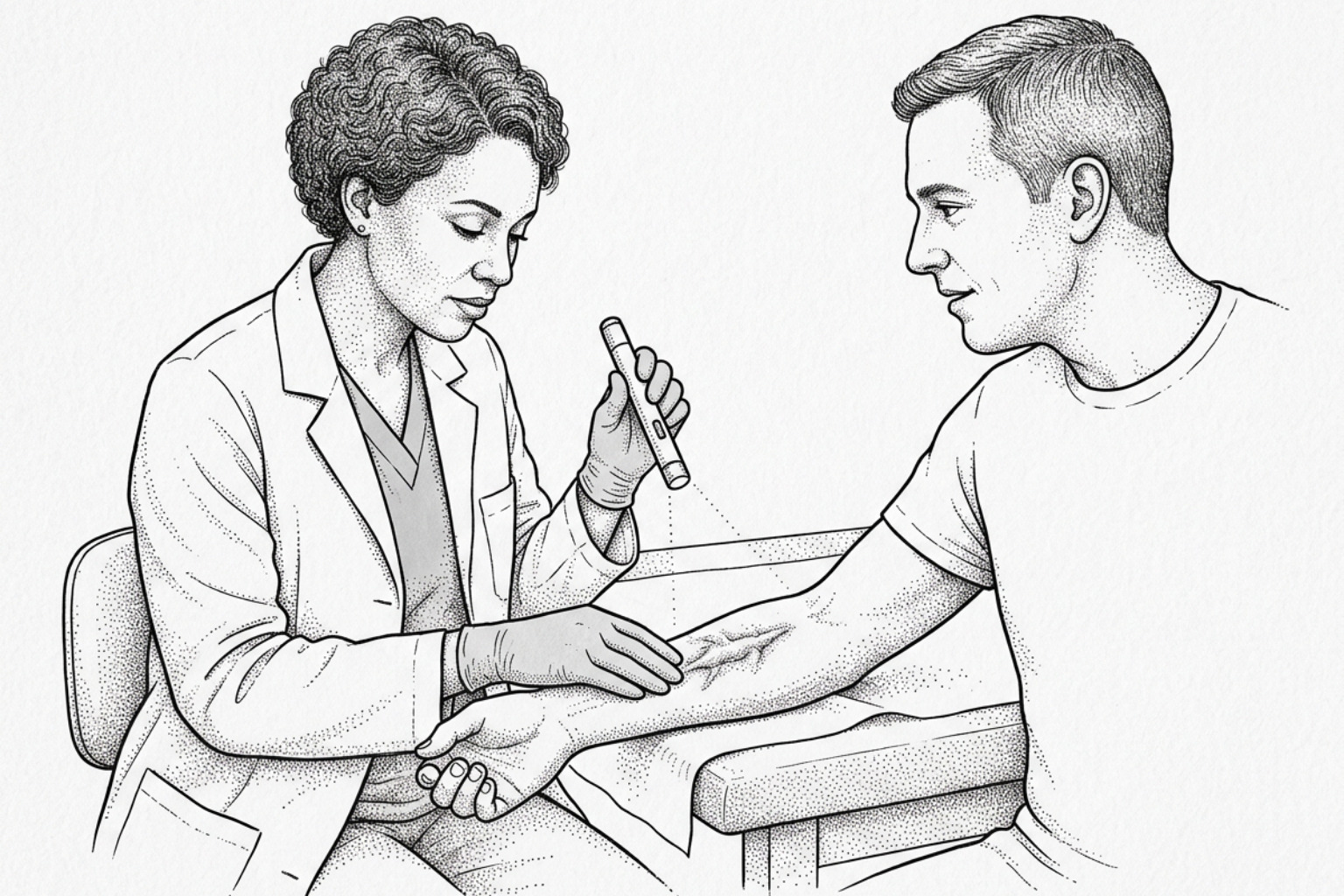
When to See a Doctor: Normal Healing vs. Warning Signs
While mild to moderate itching is a common feature of skin repair, certain symptoms indicate potential complications that require prompt evaluation by a qualified healthcare professional:
- Signs of Bacterial Infection: Spreading redness around the wound, localized heat, significant swelling, worsening pain, fever, or purulent (yellow or foul-smelling) drainage.
- Rapid Scar Growth: Tissue that thickens rapidly or expands far beyond the boundaries of the original wound margin (suggesting keloid formation).
- Severe Functional Impairment: Scar tightness or pain that restricts joint movement, interferes with sleep, or causes unmanageable distress.
- Non-Healing or Ulceration: Old scars that crack, bleed, develop open sores, or form persistent ulcers—which require clinical evaluation to rule out rare tissue changes such as Marjolin's ulcer.
Frequently Asked Questions About Itchy Scars
Is an itchy scar a sign of infection or normal healing?
Mild tingling or light itching is usually a normal sign of tissue remodeling and nerve regeneration. However, if the itch is accompanied by expanding redness, noticeable swelling, skin warmth, severe pain, or pus-like discharge, it may indicate a localized bacterial infection rather than healthy healing.
Why do hormonal changes like menopause trigger old scar itching?
Declining estrogen levels during perimenopause and menopause weaken the skin's dermal structure and reduce natural lipid production. Dermal collagen drops, making surrounding healthy skin thinner and drier. This loss of elasticity increases mechanical tension across mature scar tissue and sensitizes embedded nerve endings.
Why do traditional antihistamines fail to work for chronic scar itch?
Early scar itching is primarily histaminergic, driven by histamine release from mast cells during acute inflammation. As a scar matures over many months or years, chronic pruritus shifts to a non-histaminergic, neuropathic state regulated by altered spinal nerve pathways. Because histamine is no longer the primary driver, standard oral antihistamines are often ineffective for mature scar itch.
The takeaway
Itchy scars are a complex sensory experience driven by inflammatory chemical signals, regenerating C-fiber nerves, tight collagen structures, and localized moisture loss. Whether managing a fresh post-surgical incision or a decade-old burn scar, effective relief relies on protecting the skin barrier, maintaining occlusion, and avoiding the urge to scratch.
Every scar has a unique structural profile. To better understand your skin's recovery patterns and find targeted care strategies, take our free scar assessment to personalize your recovery.
This content is for informational purposes only and does not constitute medical advice. Consult a qualified healthcare professional for diagnosis and treatment.
Works Cited
- Teot L, Mustoe TA, Middelkoop E, Gauglitz GG, eds. "Scar Symptoms: Pruritus and Pain." Textbook on Scar Management: State of the Art Management and Emerging Technologies (Springer), 2020.
- Choi YH, et al. "Clinical and histological correlation in post-burn hypertrophic scar for pain and itching sensation." Annals of Dermatology, 2013;25(4):428-433.
- Gauglitz GG, et al. "Hypertrophic scarring and keloids: pathomechanisms and current and emerging treatment strategies." Molecular Medicine, 2011;17(1-2):113-125.
- Tang Y, Zhang Z, Zhang Y. "Transient Receptor Potential (TRP) Channels as Fundamental Regulators of Fibrosis and Pruritus - A New Therapeutic Target for Pathological Scar Management." International Journal of Molecular Sciences, 2026;27(2).