Stretch marks
Stretch marks are tears in the dermis, not surface marks. Treatment produces modest improvement, and red marks respond better than white ones.
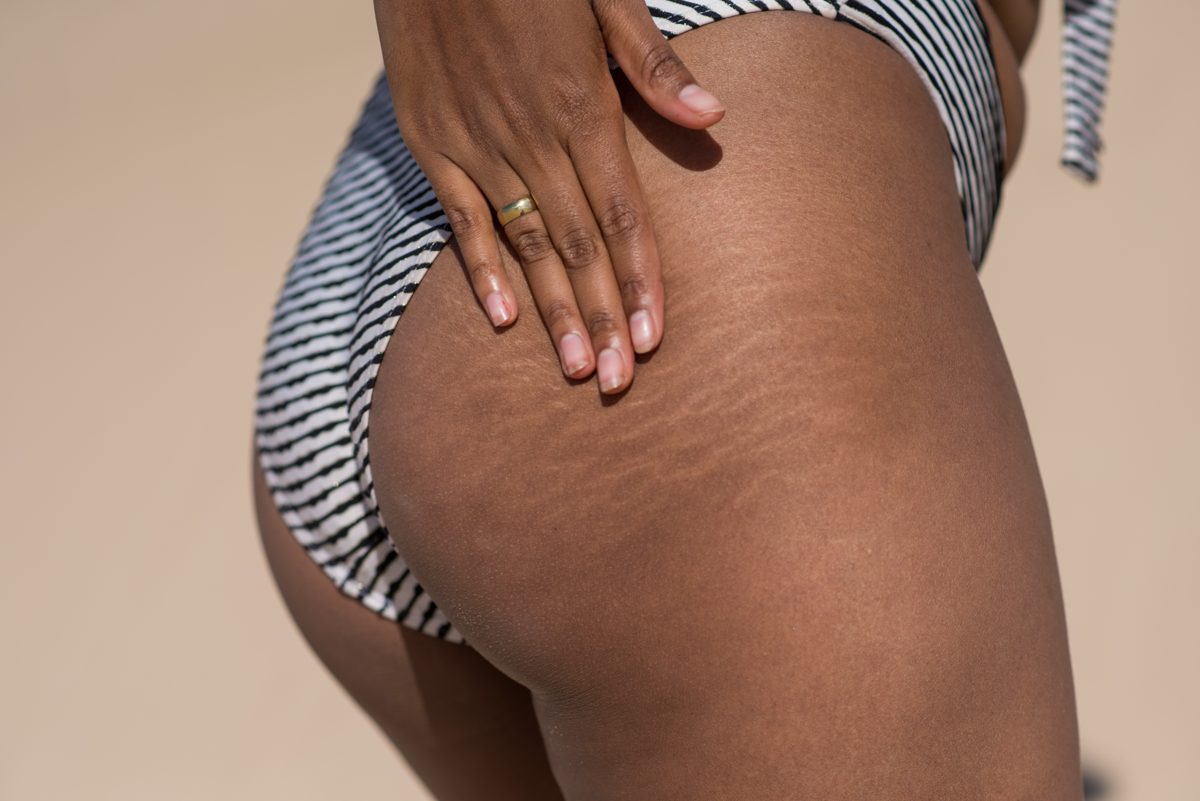
What stretch marks are
Striae distensae form when skin stretches faster than the dermis can adapt, during pregnancy, rapid weight change or growth spurts. The mechanical stress ruptures elastic fibers and degrades collagen, leaving thin linear bands that lack normal skin structure and elasticity. New marks are red or purple, called striae rubra. Mature ones fade to pale and are called striae alba. Our published research supports modest improvement from microneedling, and from vascular laser on red marks only. Emollients are graded Weak: they keep skin supple but two placebo-controlled trials found no effect on the marks themselves. Nothing removes them.
- Also called
- Striae distensae, striae rubra (red or purple), striae alba (white)
- Typical timeline
- Red and purple marks fade to pale over time. Mature white marks are stable and do not resolve on their own.
- Strongest evidence
- Modest. Microneedling has randomized evidence behind it and is graded Moderate. Vascular laser helps the early red phase only and is graded Limited.
- See a doctor if
- You are not sure whether a mark is a stretch mark or a different scar type, especially if it is raised or itchy.
When to see a doctor
- A mark is raised, firm or itchy instead of flat and thin, which points to a hypertrophic scar and not striae.
- The skin over a mark breaks down, opens or bleeds.
- You are not sure whether what you have is a stretch mark or another scar type.
- The marks are affecting your confidence enough that you want a realistic treatment plan.
Treatments for stretch marks
| Treatment | Evidence | Best for | Cost | |
|---|---|---|---|---|
| Microneedling A 2024 systematic review and meta-analysis of 11 studies, six of them randomized, found microneedling improved stretch marks and outperformed non-laser treatments. Results were comparable to laser, and patient satisfaction was higher. The clearest efficacy came from the radiofrequency microneedling subgroup, and most comparisons were against other active treatments rather than placebo, so the size of the effect is uncertain. Microneedling is also significantly more painful than laser. |
Moderate | Texture and the silvery look of mature marks | $$ | Full page → |
| Vascular laser (pulsed dye, KTP) Targets the blood vessels driving the color, so it can fade the redness of new marks. It does not restore lost dermal structure and does not change mature white marks. A 2020 network meta-analysis of 14 randomized trials ranked CO2 fractional laser above other lasers for stretch marks, so vascular laser is not the best supported laser option here. The vascular laser evidence itself rests on a small number of older studies. |
Limited | New red or purple marks only | $$ | Full page → |
| Glycolic acid or TCA resurfacing May modestly improve texture and appearance in some patients. Results are usually partial, and the evidence base behind this is thin. Deep peels are avoided on darker skin. |
Limited | Mature white marks | $$ | Full page → |
| Emollients (cocoa butter, shea butter) Fatty-acid rich emollients provide sustained moisturization that keeps skin supple. Two placebo-controlled randomized trials found no effect on striae, which is why this is graded Weak rather than untested. No emollient prevents or removes striae. |
Weak | Comfort and skin hydration during and after pregnancy | $ | Full page → |
What causes them
Stretch marks are a mechanical failure, not an inflammatory one. When skin stretches faster than the dermis can adapt, through pregnancy, rapid weight gain or an adolescent growth spurt, the stress exceeds the elastic limits of the dermal extracellular matrix. Elastic fibers rupture and collagen is locally degraded, leaving linear atrophic bands with no normal skin appendages and much less elasticity. Between 50% and 90% of women develop stretch marks, most commonly in pregnancy. Our current articles do not cover genetic, hormonal or nutritional risk factors, and this hub makes no claim about them.
How they change over time
Striae rubra (new, red or purple)
The marks are inflamed and highly vascular, which produces the red or purple color. Treatment has the most to work with at this stage, particularly vascular laser aimed at the redness.
Transition
Redness drains as the vascular component settles. The band flattens and thins. Our sources give no reliable timeframe for this phase.
Striae alba (mature, white)
The mark becomes pale, thin and atrophic, with lost elastic structure, and is now stable. Improvement remains possible but partial.
How this differs across skin tones
Our published articles do not address stretch marks by skin tone, and this hub makes no claim they do. Three findings carry across from the rest of the corpus. Microneedling is low-risk across Fitzpatrick I to VI, because it uses no heat. Laser and peel work carries a real risk of post-inflammatory hyperpigmentation in Fitzpatrick IV to VI. Deep peels are generally avoided in darker skin, where dyspigmentation can be permanent. A test patch is the standard first step for any device-based treatment.
What you can do yourself
Worth doing
- Keep skin well moisturized during pregnancy or any period of rapid growth or weight change.
- Treat early if you intend to treat. Red marks respond better than white ones.
- Use sun protection on marks that are exposed, since UV drives darkening in any scar tissue.
- Judge results after a full course, not after one or two sessions. Dermal remodeling is slow.
Not worth doing
- Expecting removal. The achievable outcome is a softer, less visible mark.
- Vitamin E as a fix. It has no reliable benefit for scars and causes contact dermatitis in up to 30% of users.
- Deep peels on darker skin, where hypopigmentation can be permanent.
- Aggressive scrubbing or over-exfoliation, which irritates without changing the underlying dermal damage.
Common questions
No. Our sources support partial improvement, not removal. Microneedling and laser can make marks less visible in texture and color, and results are usually described as modest or partial. Anyone promising erasure is overselling.
Emollients such as cocoa and shea butter keep skin supple and comfortable, and much of that evidence comes from consumer trials, not clinical ones. They are worth using for comfort. They are not a treatment for an established mark.
Not entirely, but expectations should be conservative. Mature striae alba can improve modestly with microneedling, and glycolic or TCA resurfacing may help texture in some patients. Red marks respond better, which is an argument for treating early.
All stretch marks articles
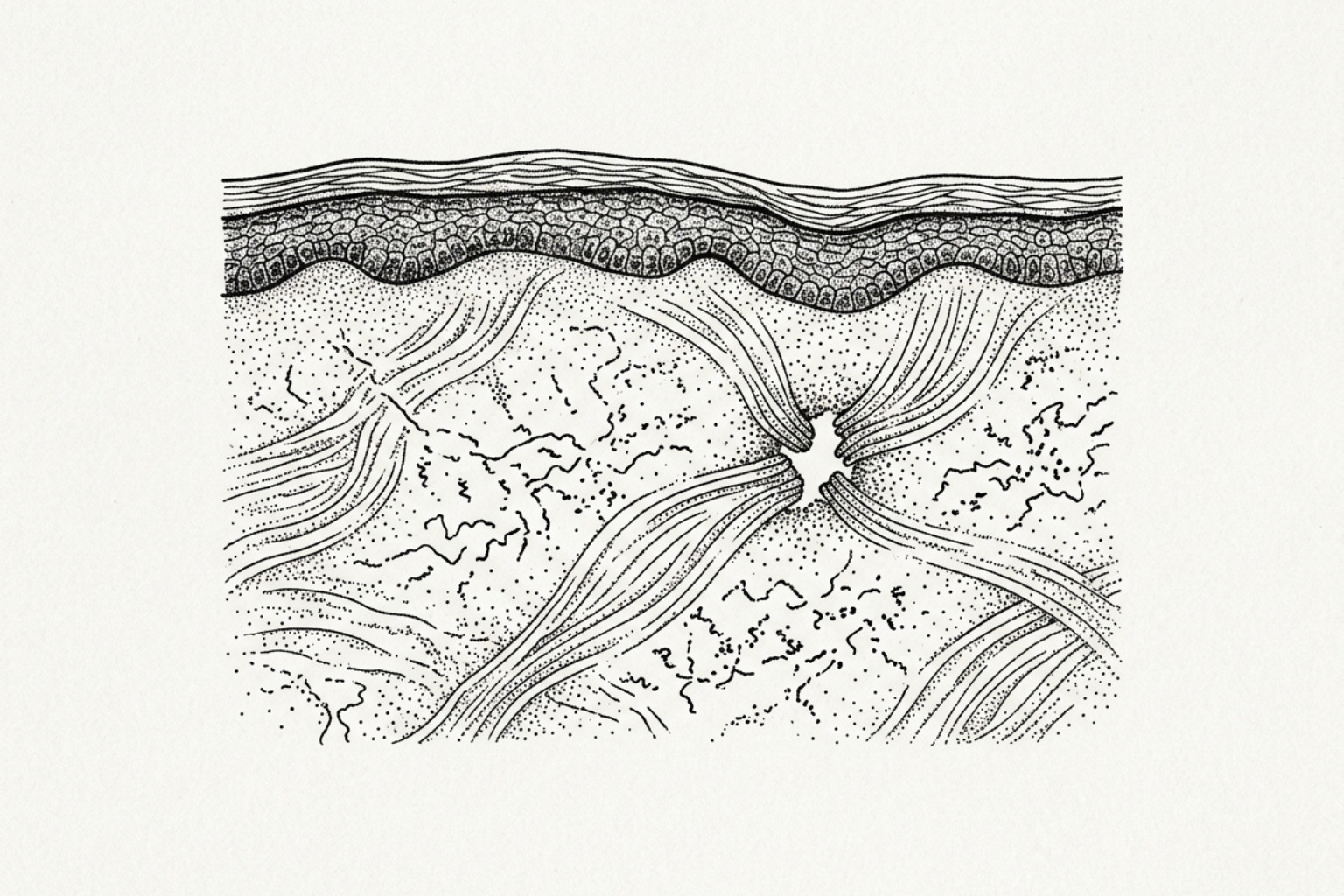
Ways to Reduce the Appearance of Stretch Marks
Stretch marks respond differently by age and skin tone. This guide covers creams, retinoids, microneedling, radiofrequency and lasers, with what each can realistically change and how long it takes.
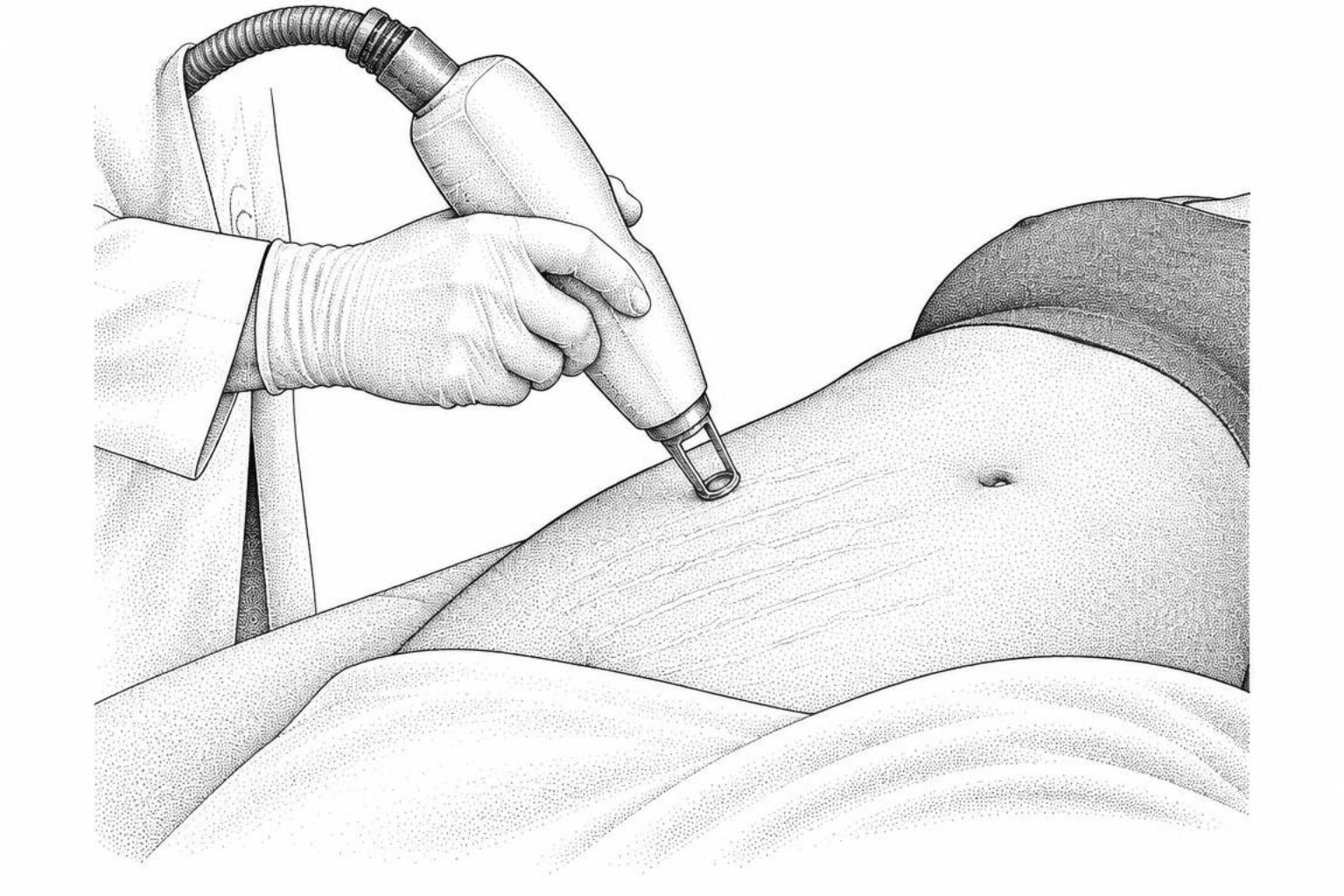
What to Expect During Stretch Mark Laser Procedures
Laser treatment can make stretch marks flatter, smoother and closer to your natural skin tone, though rarely invisible. Here is what sessions, recovery and results usually look like.
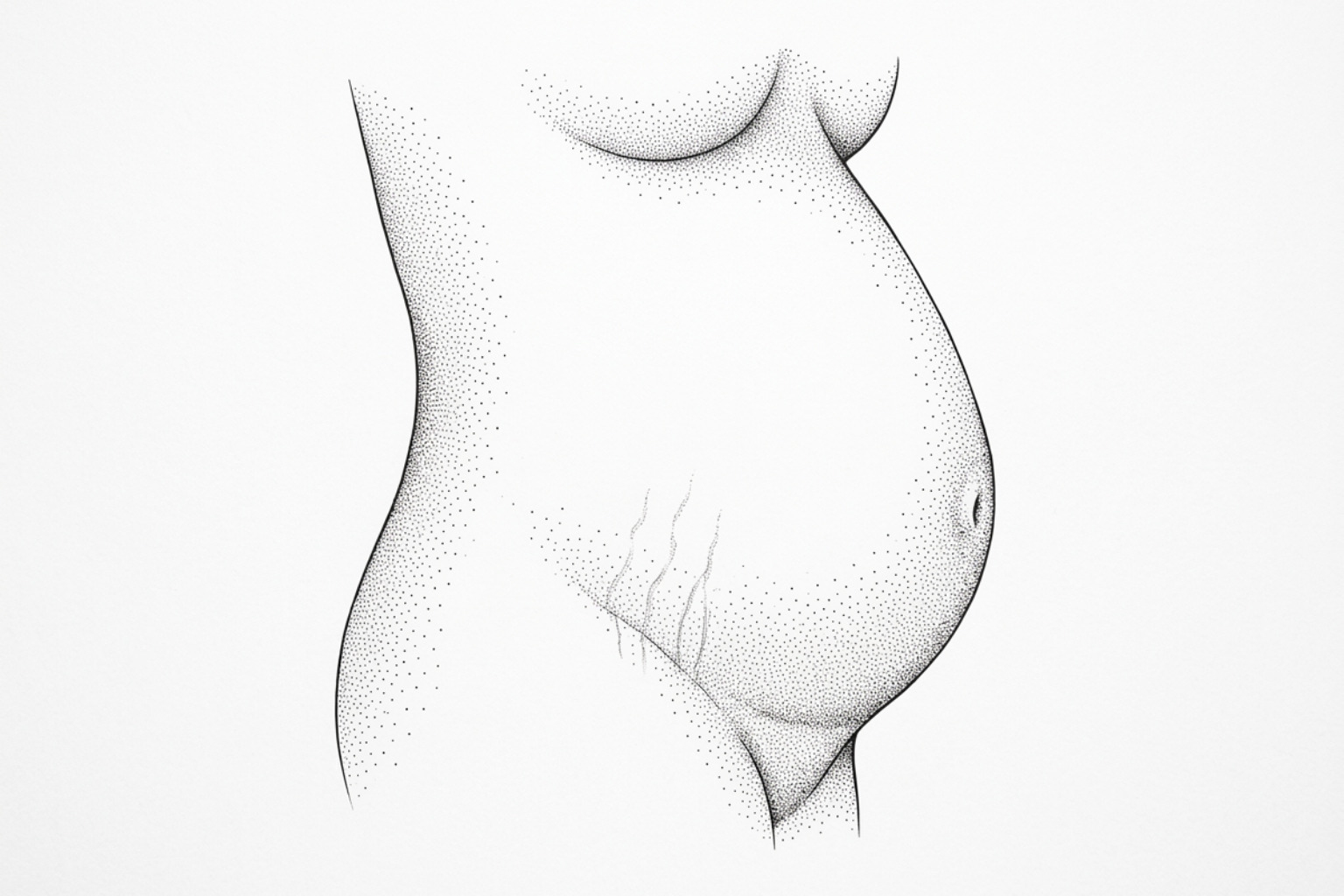
What Expectant Mothers Can Do for Stretch Marks
Stretch marks in pregnancy are common and partly down to genetics. Here is what moisturizers and massage can and cannot do, which products to avoid, and what helps after delivery.
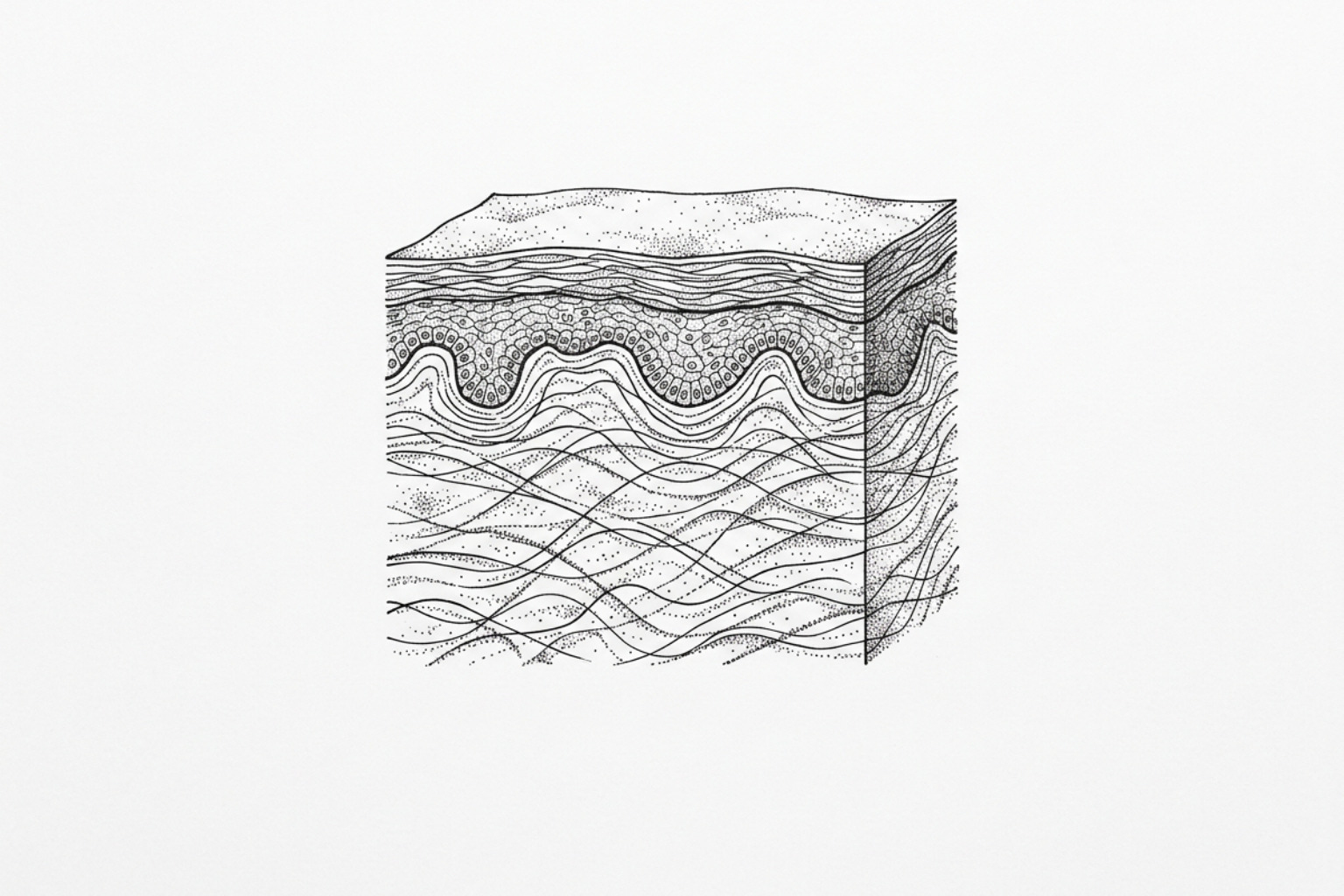
What You Should Know About Stretch Mark Creams
Stretch mark creams work best on early red or purple marks and mostly improve texture on older white ones. Here is what the ingredients do, how to use them and how long to wait.
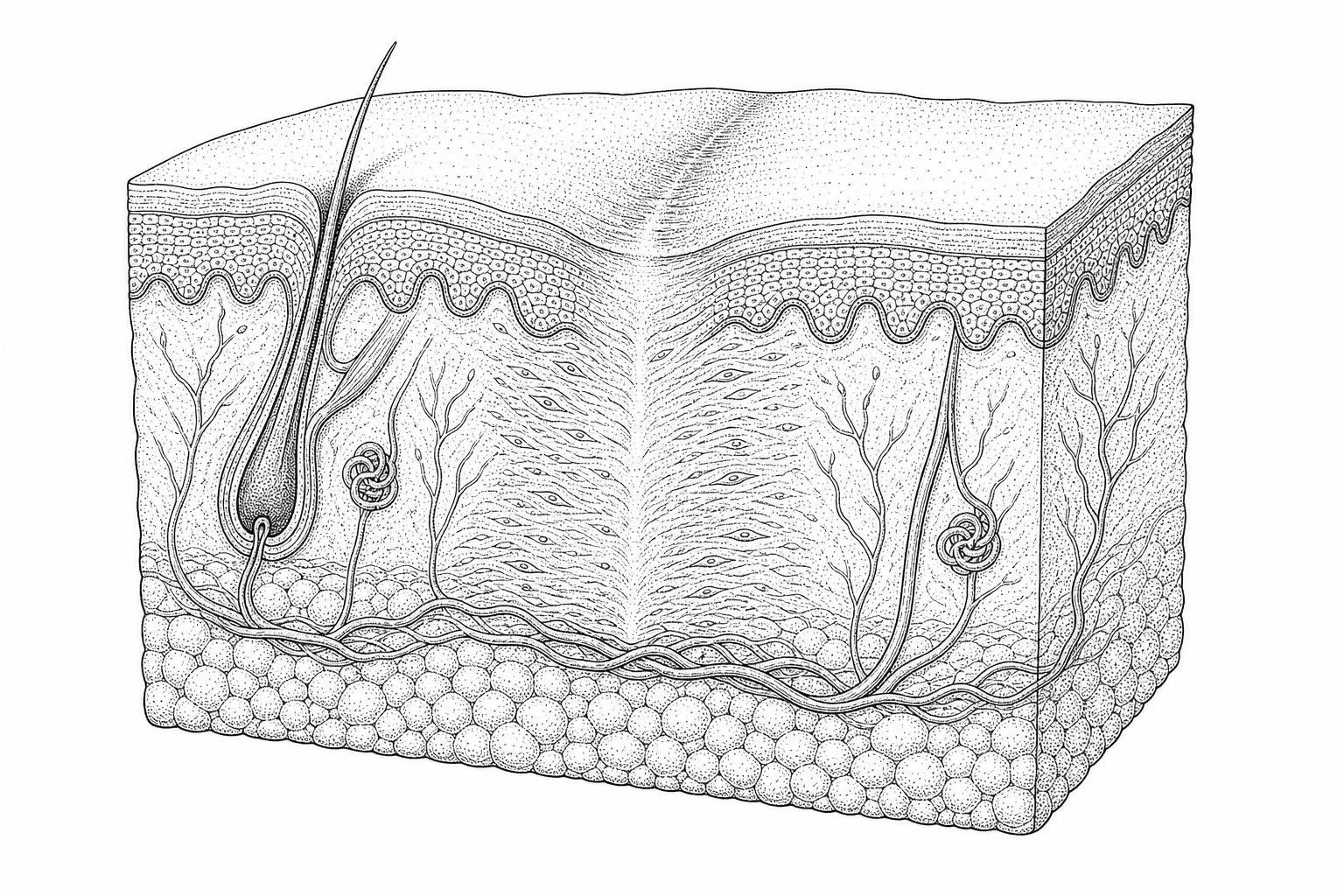
How Scars Form: The Science of Wound Healing
Scar tissue is collagen laid down fast and in parallel — structurally weaker than the basket-weave of normal skin. How the four healing stages work, why keloids and atrophic scars form, and what reduces scarring.

Postpartum Scar Reduction Cream and Stretch Mark Solutions
C-section and stretch mark scars respond to specific topical ingredients. Explore what clinical evidence says about postpartum scar reduction creams and which formulas deliver real results.