Surgical and incision scars
Treatment starts in the first three months. Silicone from closure plus daily sun protection have the strongest evidence, and both still affect the outcome through 12 months.
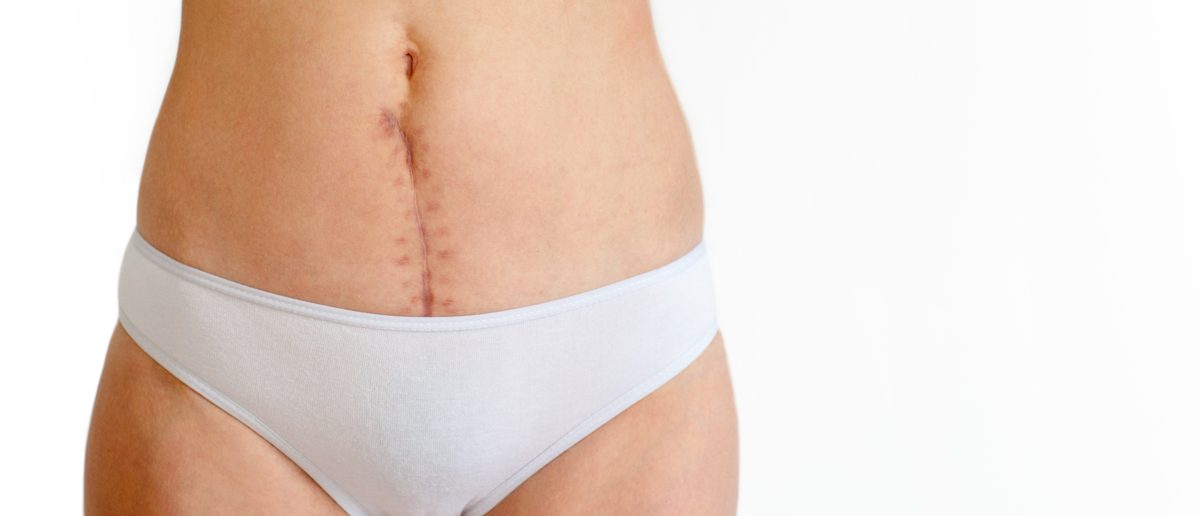
What surgical and incision scars are
A surgical scar fills the gap when an incision cuts through the deep dermis. Most settle into a flat, pale line. The ones that do not follow a few patterns: hypertrophic scars raised but inside the incision, keloids that spread past it, widened scars where tension pulled the edges apart, depressed or tethered scars, and contractures across a joint. Silicone has the strongest evidence. Revision surgery waits until the scar is mature.
- Also called
- Incision scars, post-operative scars, post-surgical scars
- Typical timeline
- A wound has about 50% of normal tensile strength at 6 weeks and about 80% at 3 months. Full maturation takes 12 to 18 months.
- Strongest evidence
- Silicone gel or sheeting, started once the wound is fully closed, plus daily sun protection.
- See a doctor if
- The wound opens, drains pus, or the scar starts growing past the incision line.
When to see a doctor
- The wound edges are pulling apart.
- There is pus, cloudy fluid, spreading redness, or heat that is getting worse.
- The scar is growing beyond the original incision line.
- The scar crosses a joint and is starting to restrict movement, or pain and itch are intractable.
Treatments for surgical and incision scars
| Treatment | Evidence | Best for | Cost | |
|---|---|---|---|---|
| Silicone gel / sheets Reported to reduce height and pigmentation of immature hypertrophic scars by up to 70% over 2 to 3 months. Apply a thin layer twice daily; if it takes longer than 3 to 5 minutes to dry, you used too much. |
Strong | Almost every post-surgical scar, from prevention onward | $ | Full page → |
| Sun protection (SPF 30+) Zinc oxide or titanium dioxide formulas are preferred. Keep it up for 12 to 18 months. UV on a new scar causes darkening that can become permanent. |
Strong | Any scar that will see daylight in its first year | $ | Full page → |
| Laser (pulsed dye for red, fractional CO2 for texture) Reported improvements of 57% to 83% for hypertrophic scars with pulsed dye and 30% to 70% with CO2, usually over 3 to 6 sessions spaced 4 to 8 weeks. Non-ablative runs about $400 to $1,445 per session, ablative about $1,000 to $2,509. Our sources disagree on start timing, from 4 weeks to 6 months. Take that question to your surgeon. |
Moderate | Redness, thickness and texture in scars that are past the early phase | $$$ | Full page → |
| Steroid injections Given every four to six weeks, about $250 to $1,000 per course. Effective, with a meaningful side-effect rate: up to 63% of patients report skin thinning or visible vessels. |
Strong | Raised hypertrophic scars and keloids | $$ | |
| Scar massage Firm circular pressure for 5 to 10 minutes, two or three times a day, starting around three to four weeks. In one reviewed study 90% of surgical scars showed improved appearance or POSAS scores. Low cost and low risk, and results depend on doing it consistently. |
Limited | Pliability, tethering and general softening | $ | Full page → |
| Surgical revision It swaps one scar for another that sits better, so it is worth it mainly when geometry or function is the problem. Rarely considered before 12 to 18 months. Our sources give surgeon fees of about $1,500 to $5,000 and up in one article and $500 to $2,000 for in-office excision in another, before facility and anesthesia. |
Moderate | Widened, tethered or contracted scars, and misaligned scars | $$$$ | Full page → |
What causes them
Tension is the main driver of wide, raised scars. The abdomen, chest and shoulders scar worse than the face for that reason. At the cellular level, a healing incision loses water through the wound, and keratinocytes release interleukin-1, interleukin-8 and COX-2, which push fibroblasts to overproduce collagen. Closure technique affects the outcome, and so do patient factors. Younger skin heals aggressively and can scar thicker. Smoking, diabetes, infection, wound separation and UV exposure all worsen the result. Around 100 million people in the developed world acquire a scar from surgery or injury each year.
How they change over time
Inflammation (days 1 to 5)
The wound is red, swollen and sealed with a fragile clot. Apply only what the surgical team specifies. Plain white petrolatum keeps the surface moist. Scar products start later.
Proliferation (days 5 to 21)
New skin closes the gap at roughly 0.5 to 1 mm a day and collagen is laid down fast but disorganized. Once the wound is fully closed, usually around two weeks, silicone starts. Massage follows at three to four weeks.
Remodeling (day 21 to 12 to 18 months)
The scar reorganizes, flattens and loses color. Sun protection and silicone still affect the outcome during this window. Assess the result, and any case for revision, at the end of it.
How this differs across skin tones
Keloids and hypertrophic scars are more common in darker skin, with keloid incidence reported at 4% to 16% in African, Asian and Hispanic populations. Laser is still on the table, but pigment change is the main risk: about 45.5% of patients with darker skin develop temporary darkening after treatment, and about 90% of those cases resolve within three months. Non-ablative devices are generally preferred, and 1064 nm is described as safe across skin tones. Deep peels are avoided because hypopigmentation can be permanent.
What you can do yourself
Worth doing
- Use plain white petrolatum on the fresh wound. It has essentially no allergy risk, while antibiotic ointments cause contact dermatitis in around 1% of patients.
- Start silicone once the wound is fully closed, usually two weeks, and keep going for at least three months.
- Cover the scar with SPF 30 or higher every day for 12 to 18 months.
- Ask about paper tape or Steri-Strips over the incision. Offloading tension for a few weeks reduces hypertrophic scarring.
Not worth doing
- Putting any scar product on an open, scabbed or draining wound.
- Heavy lifting and stretching across the incision for the first 6 to 8 weeks.
- Vitamin E. The evidence is weak or mixed and it causes contact dermatitis in up to 30% of users.
- Smoking around surgery. Our sources recommend stopping at least four weeks beforehand.
Common questions
Once the wound is fully closed, which is usually two to four weeks. Sutures out, no scabs, no drainage. Applying product to an open wound risks infection and does nothing useful for the scar.
No. No cream, gel or sheet removes a surgical scar; a trace of the incision line remains. Topical care can make the line flatter, paler and less noticeable, and silicone has the strongest evidence behind it.
Rarely before 12 to 18 months. Operating on immature scar tissue risks a larger, thicker result than what you started with. The exception is a scar causing a functional problem now, such as a contracture.
Surgeon fees run roughly $1,500 to $5,000 and up, excluding facility and anesthesia. Most plans do not cover revision done for appearance. Coverage becomes plausible when there is documented functional impairment, chronic pain, or reconstruction after cancer surgery.
All surgical and incision scars articles
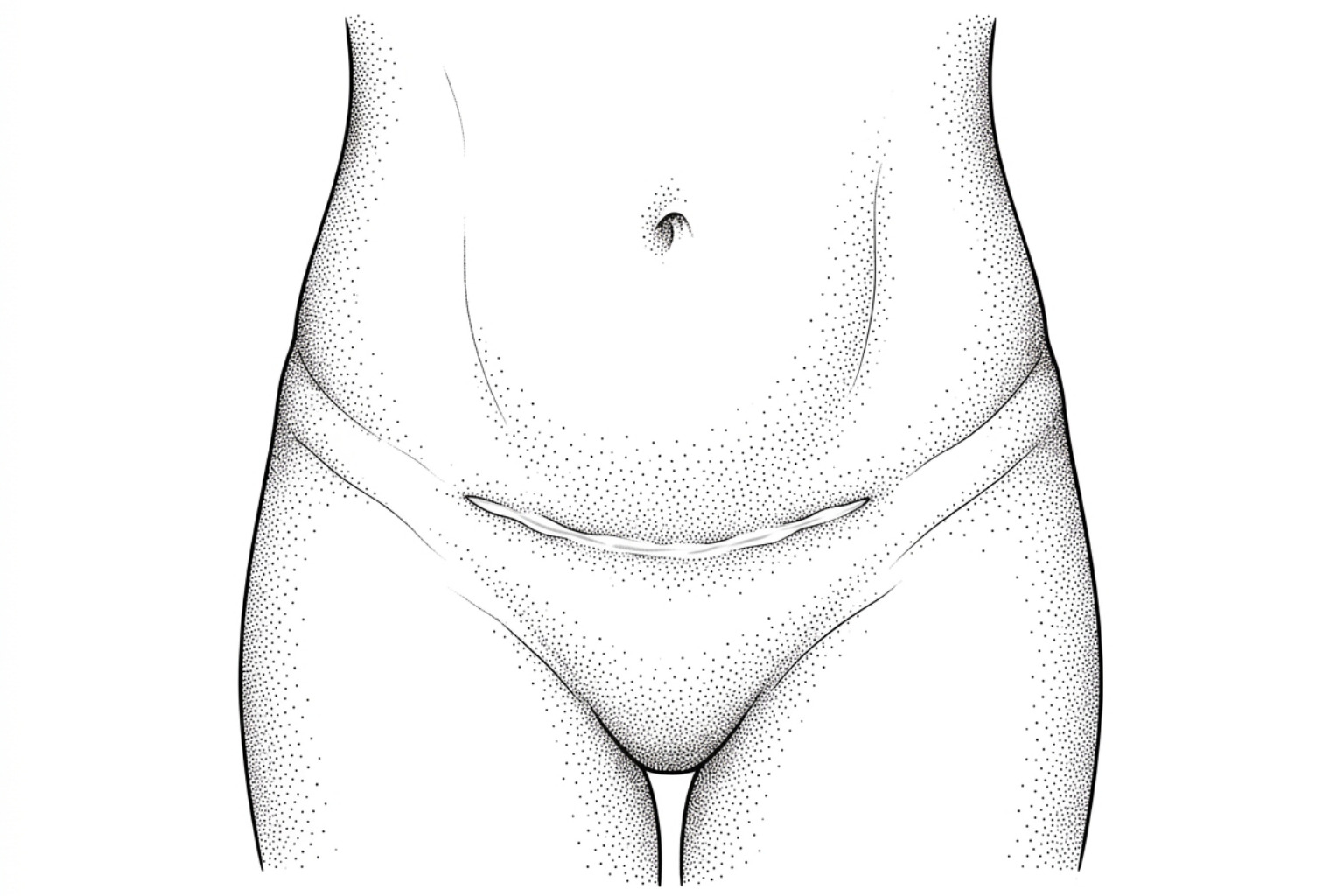
Real C-Section Scar Stages and What to Expect
A C-section scar changes from red and raised to pale and flat over months. This guide shows each healing stage in order, what is normal at each point and when a scar needs a doctor's check.
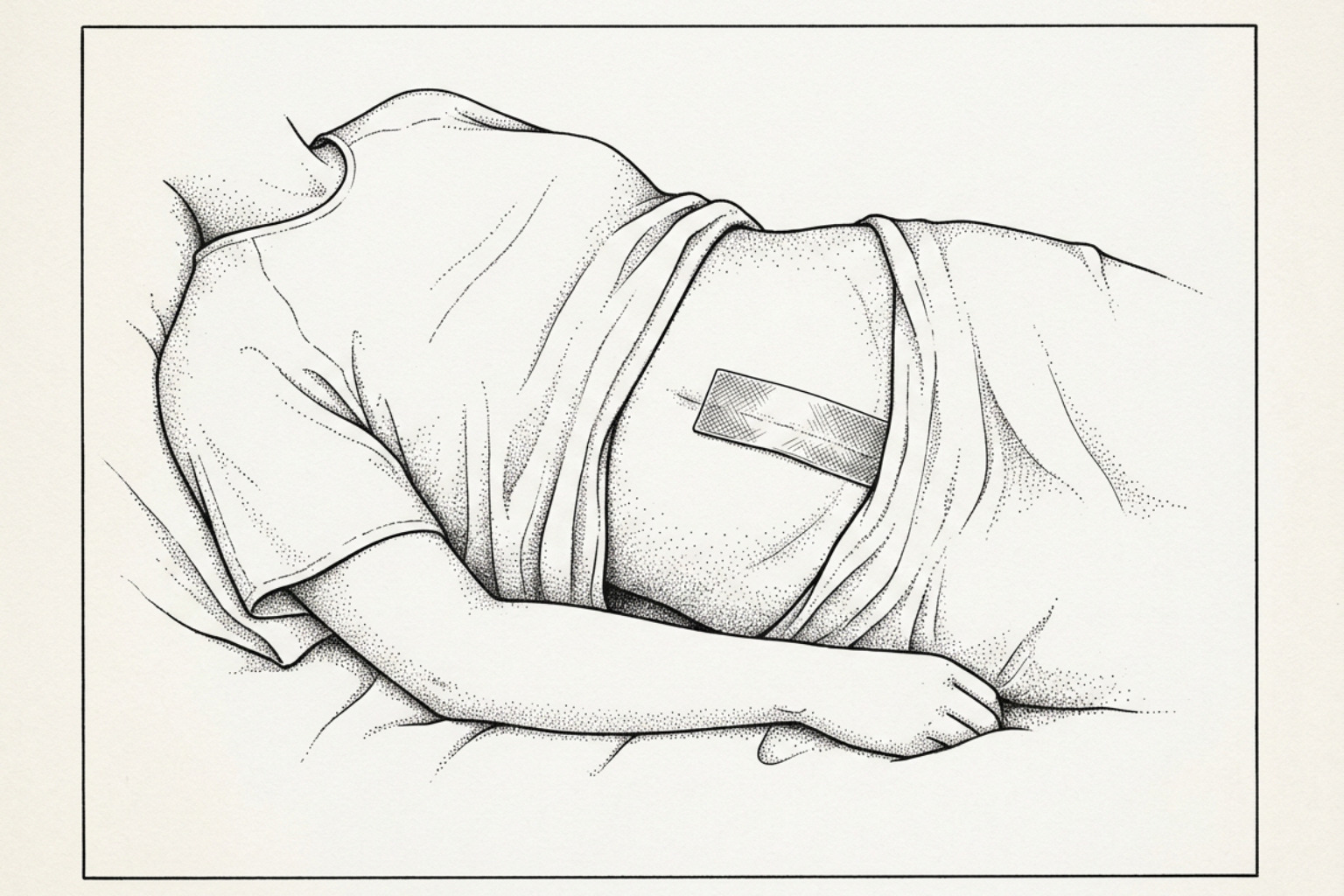
When Should You Start Silicone Scar Treatment?
Silicone sheeting can help a C-section scar heal flatter and softer, but only once the incision is fully closed. Here is when to start, how to build up wear time and when to stop.
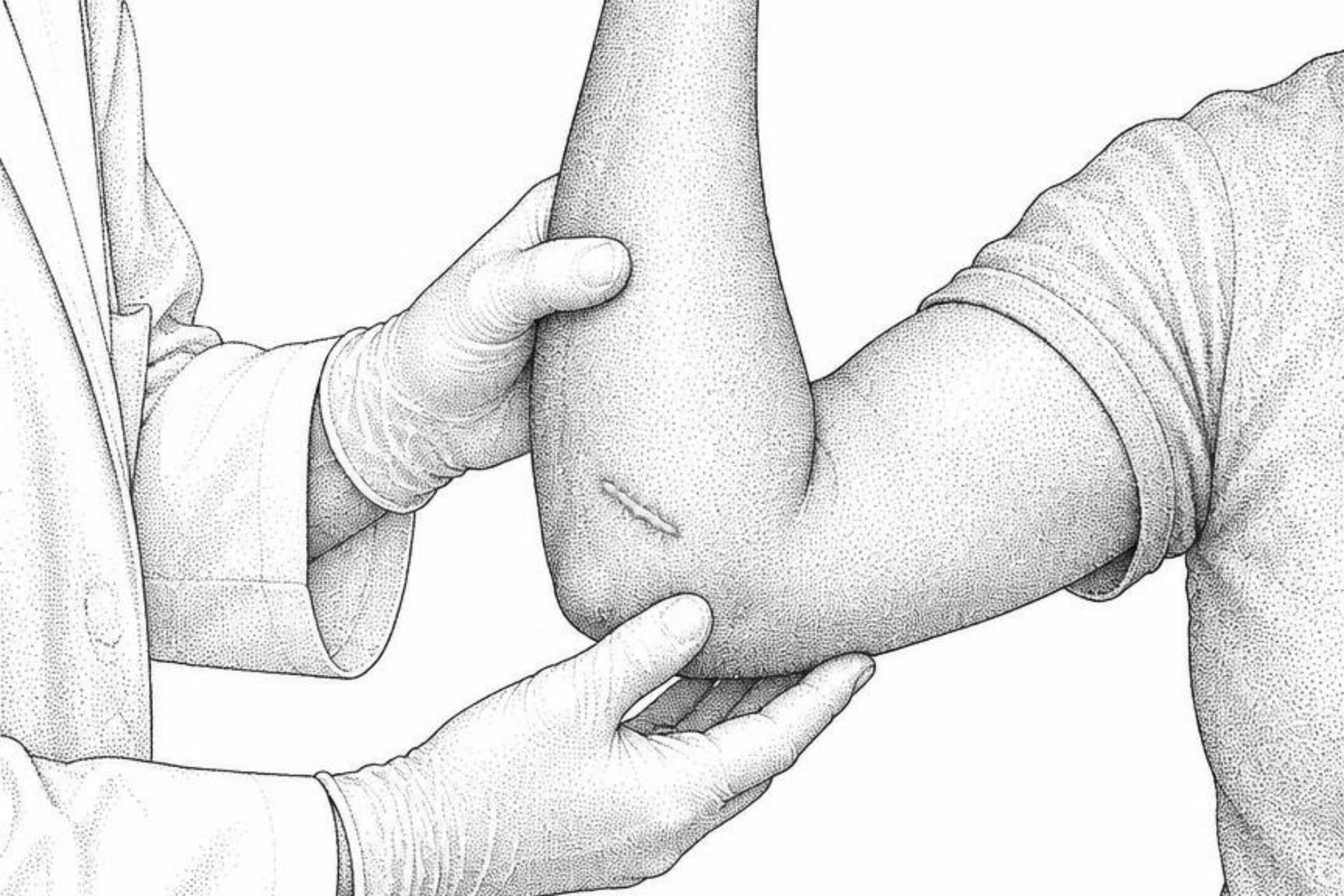
4 Ways Doctors Treat and Remove Contracture Scars
A contracture scar pulls skin tight across a joint and can limit movement. Doctors combine physical therapy, laser, injections and surgical release. Here is how each option works.
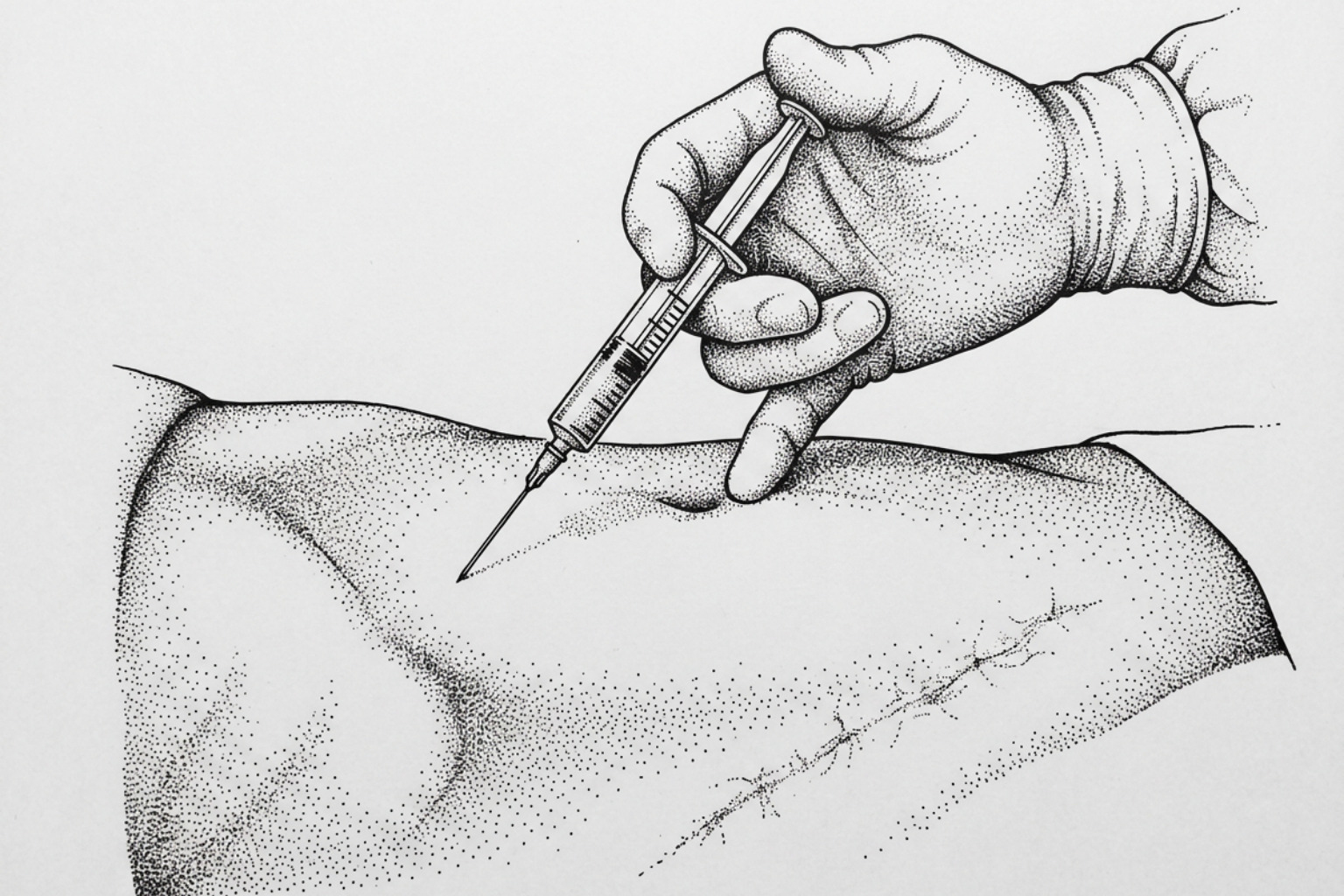
Evidence-Based Guide to Steroid Injections for Surgical and C-Section Scars
Raised surgical and caesarean scars respond well to intralesional steroid injections, but timing and dose matter more than most patients are told. Here is what the evidence supports.
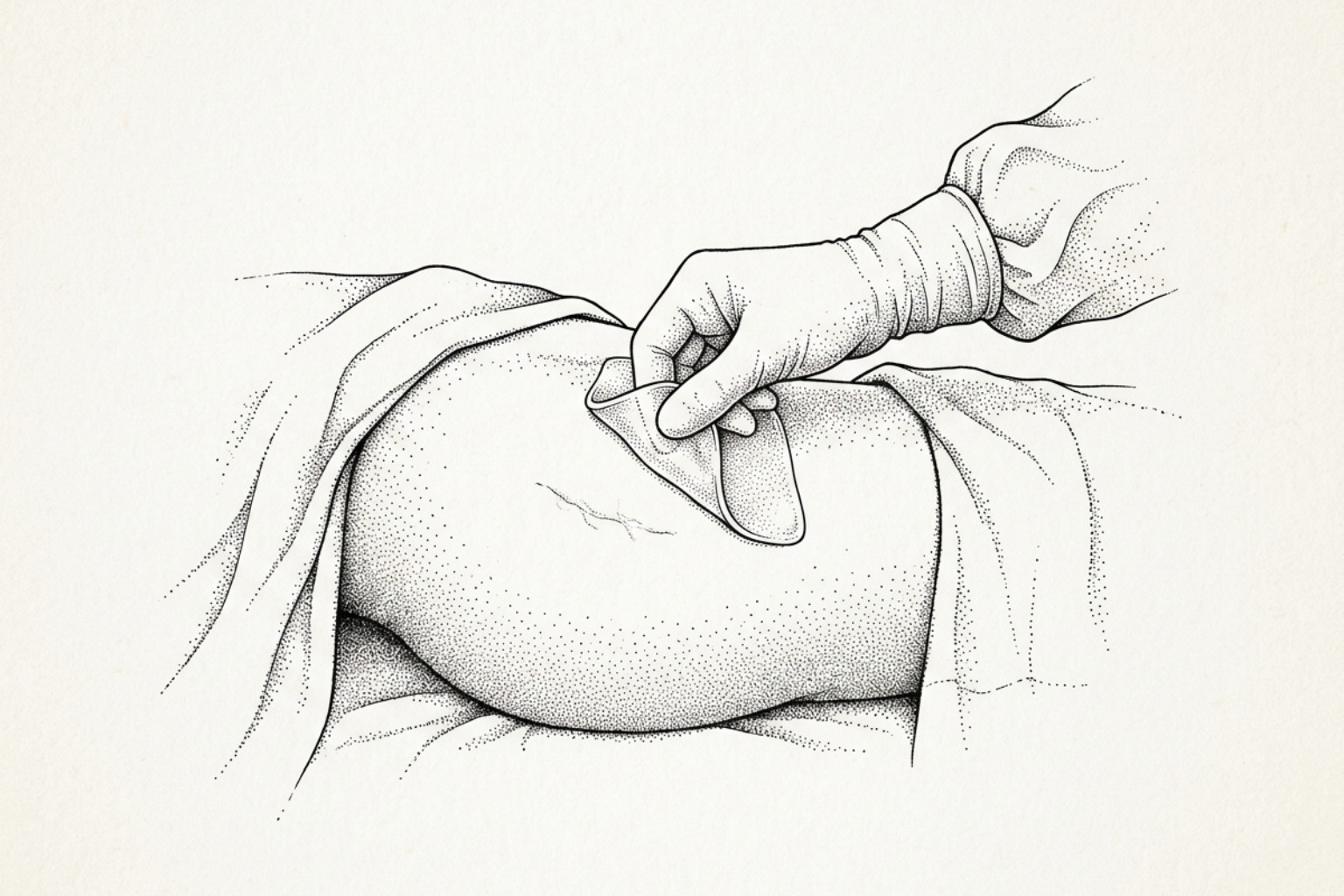
Ultimate Checklist for Minimizing Hip Replacement Scar Appearance
A hip replacement scar takes up to two years to finish fading. Here's what to do at each stage — when to start silicone, how to protect the incision, and which clinic treatments are worth it.
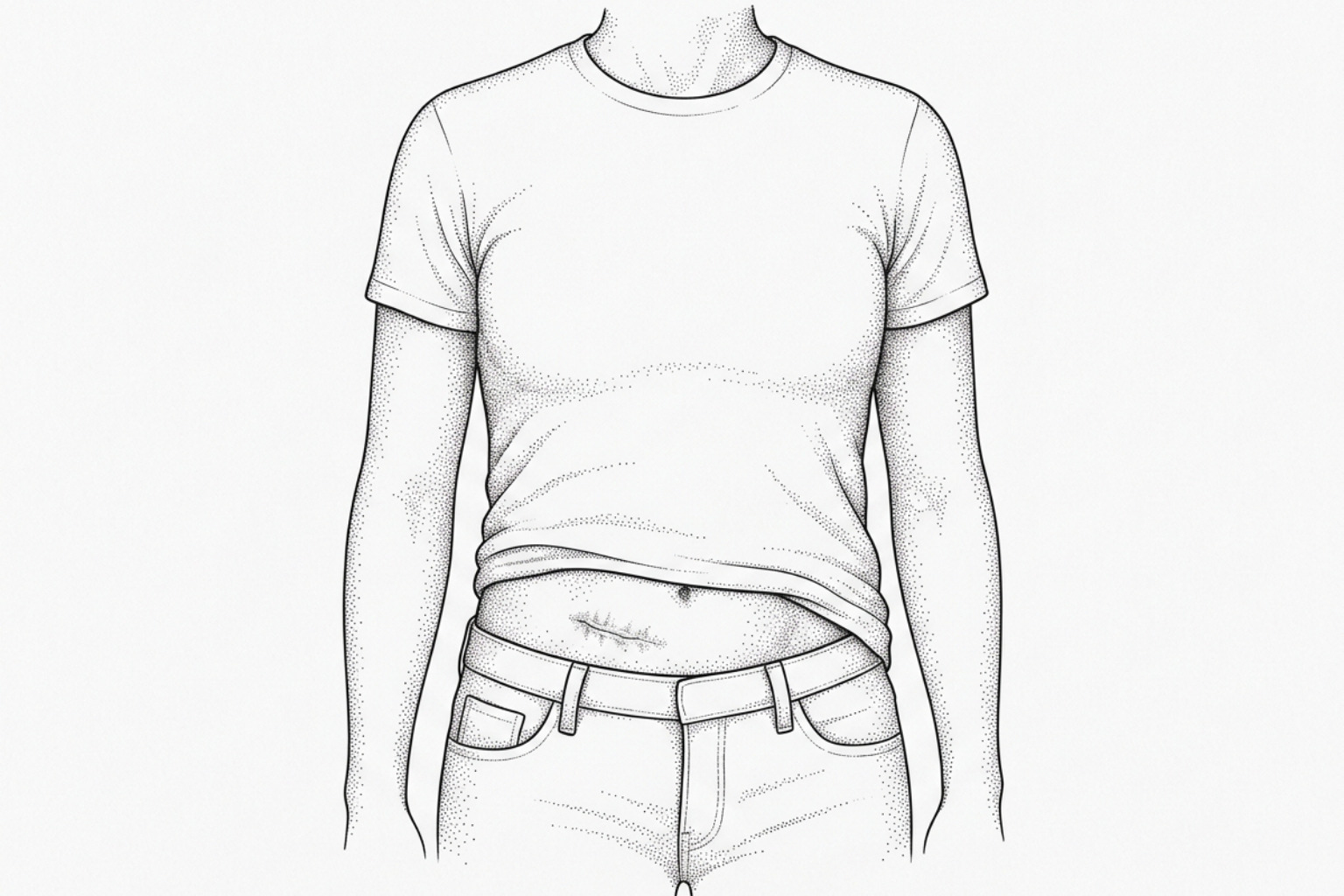
The Complete Guide to Keloid Tummy Tuck Scars
Keloids after abdominoplasty grow beyond the incision line and rarely fade on their own. This guide covers why they form, who is most at risk, and which surgical and non-surgical treatments have evidence behind them.