Acne scars
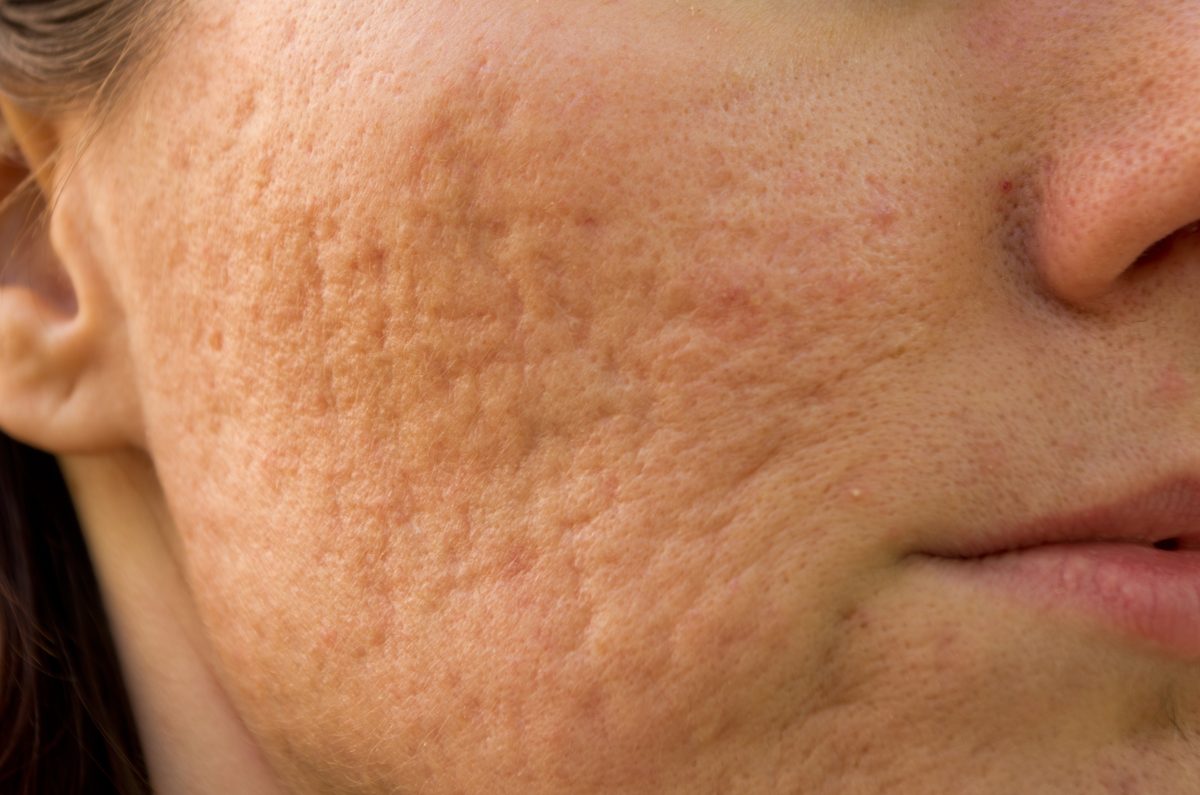
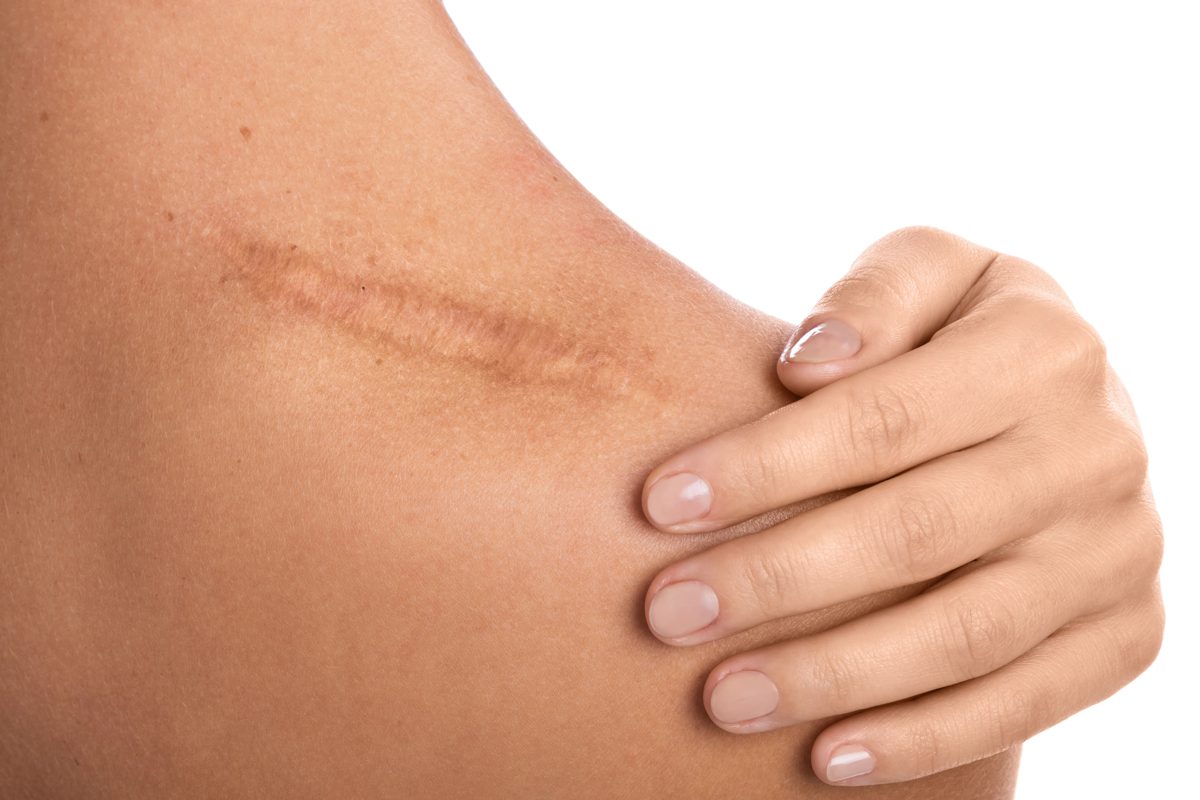
Mostly depressions: ice pick (narrow, under 2 mm), boxcar (sharp-walled, 1.5 to 4 mm) and rolling (over 4 mm, sloped and tethered). Raised acne scars occur too, usually on the chest, shoulders and jawline.
Burn scars
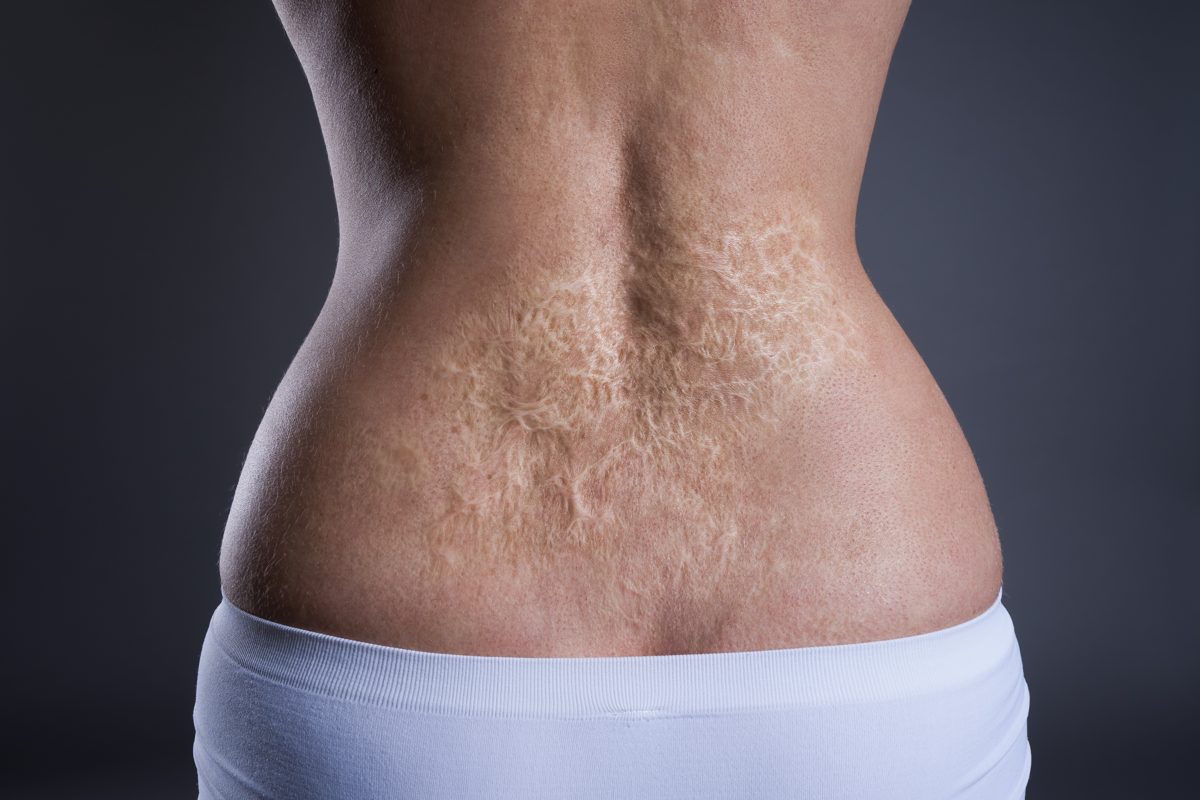
Wide and irregular, often raised, red and tight, with altered pigment and no sweat or oil glands. Can tighten into a contracture across a joint.
C-section scars
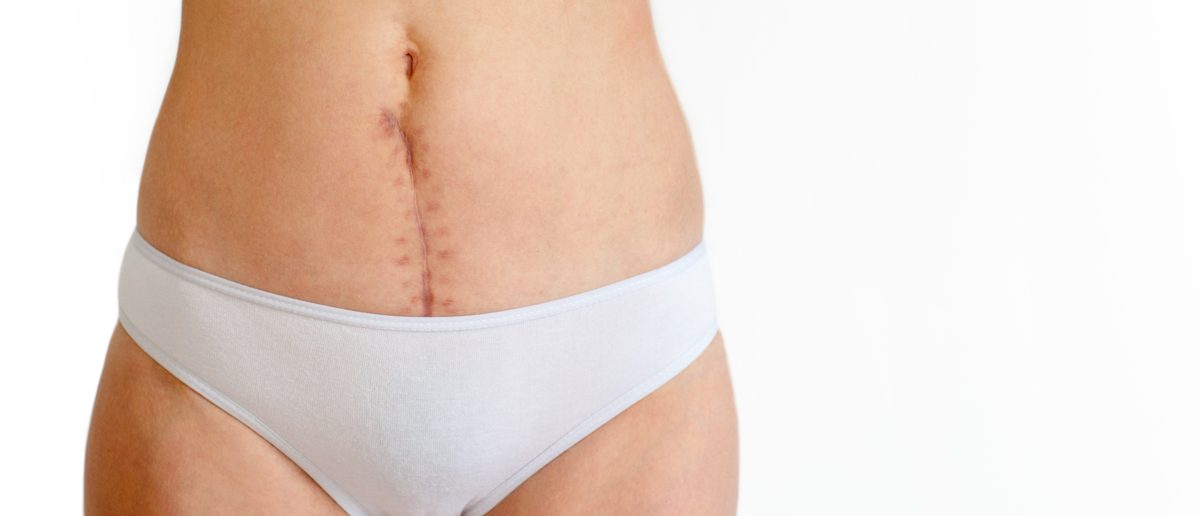
A low transverse line along the bikini line, sometimes with a shelf or overhang where the skin sits tethered under a fold of fat. Vertical incisions are less common and face more tension.
Chickenpox scars
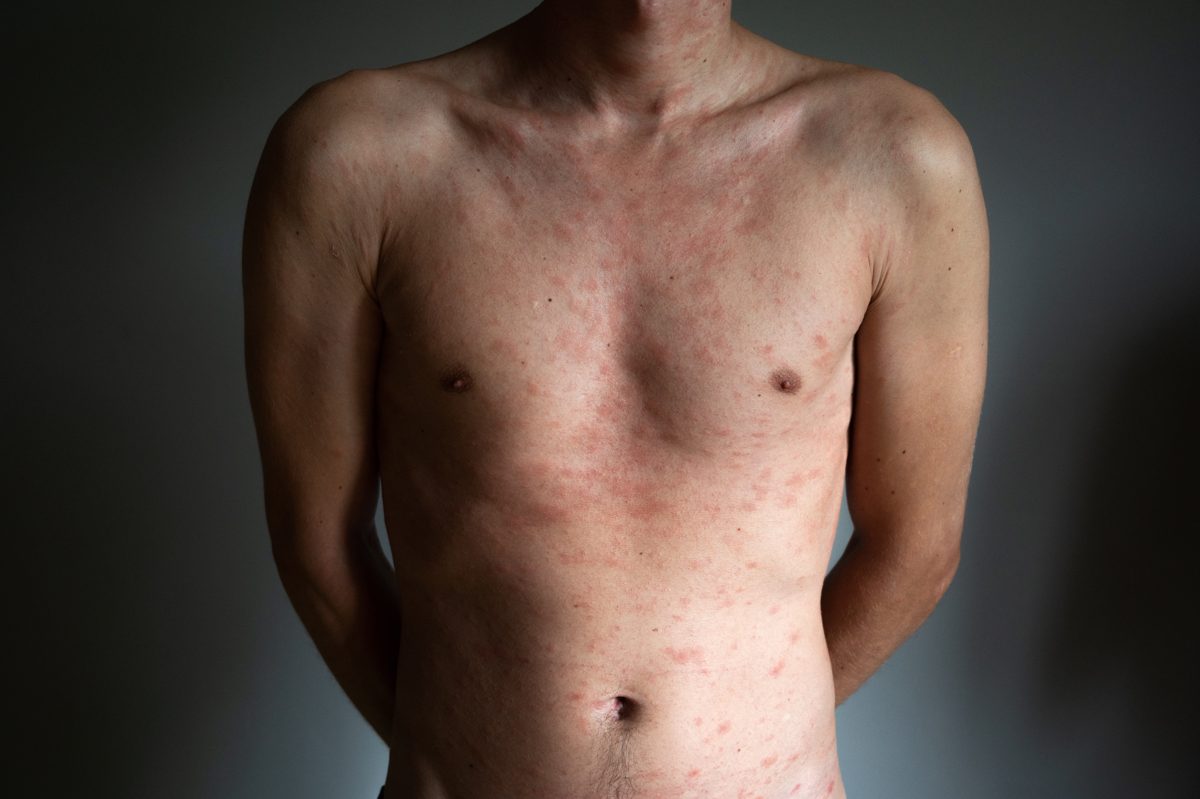
Round, punched-out pits, often 5 to 10 mm across, and more uniform in shape than acne scarring.
Contracture scars
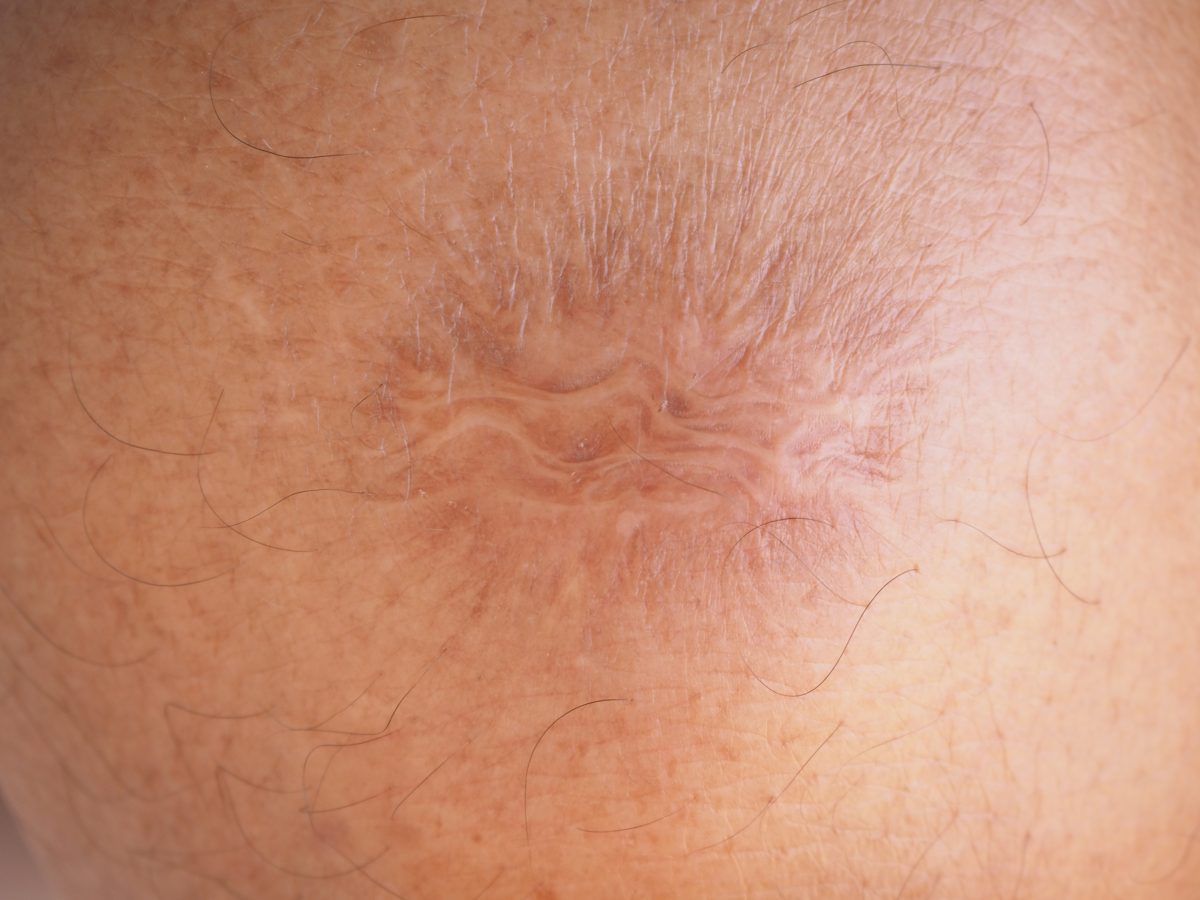
A tight band or sheet of scar across a joint or a wide area, visibly pulling the skin and limiting how far it moves.
Hypertrophic scars
Raised, firm and often red or itchy, but it stays inside the border of the original wound. If it has spread beyond that border it is a keloid.
Keloid scars
Raised, firm and often red or itchy, and it pushes past the border of the original wound into healthy skin. That border is what separates it from a hypertrophic scar.
Stretch marks
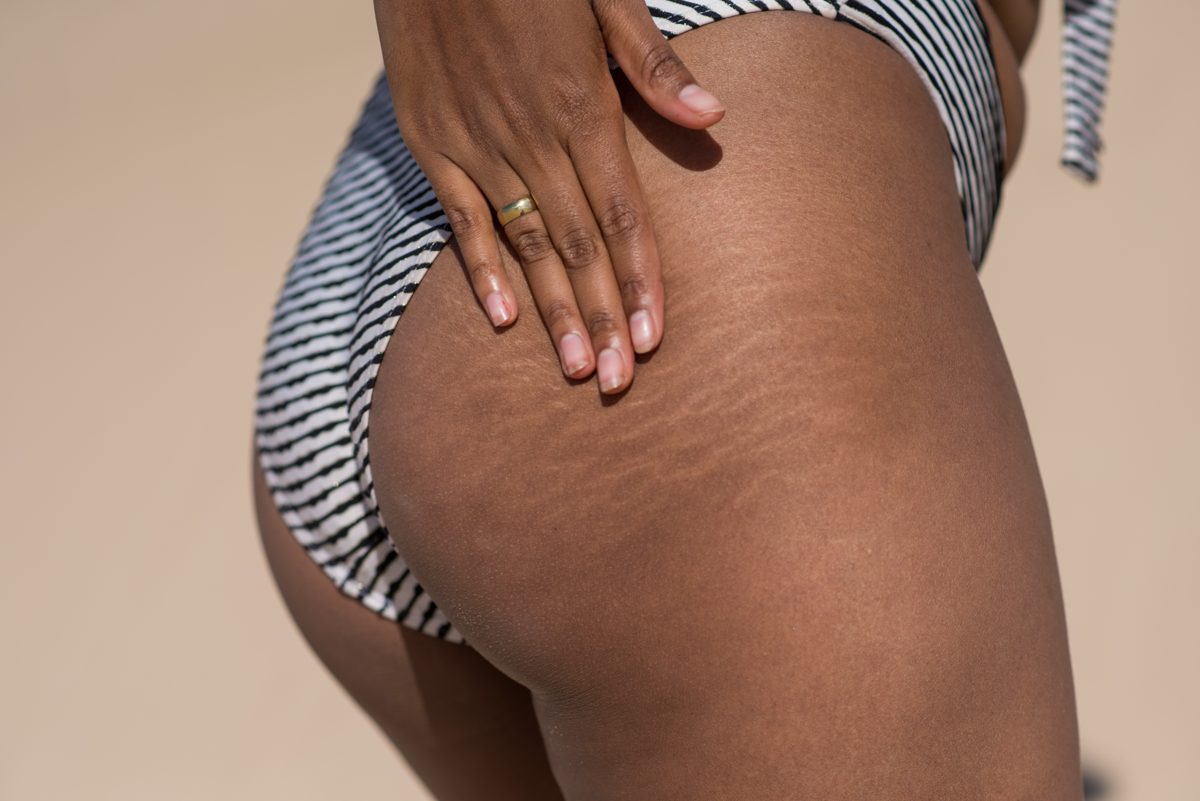
Thin linear bands, red or purple when new (striae rubra), pale and slightly sunken once mature (striae alba).
Surgical and incision scars
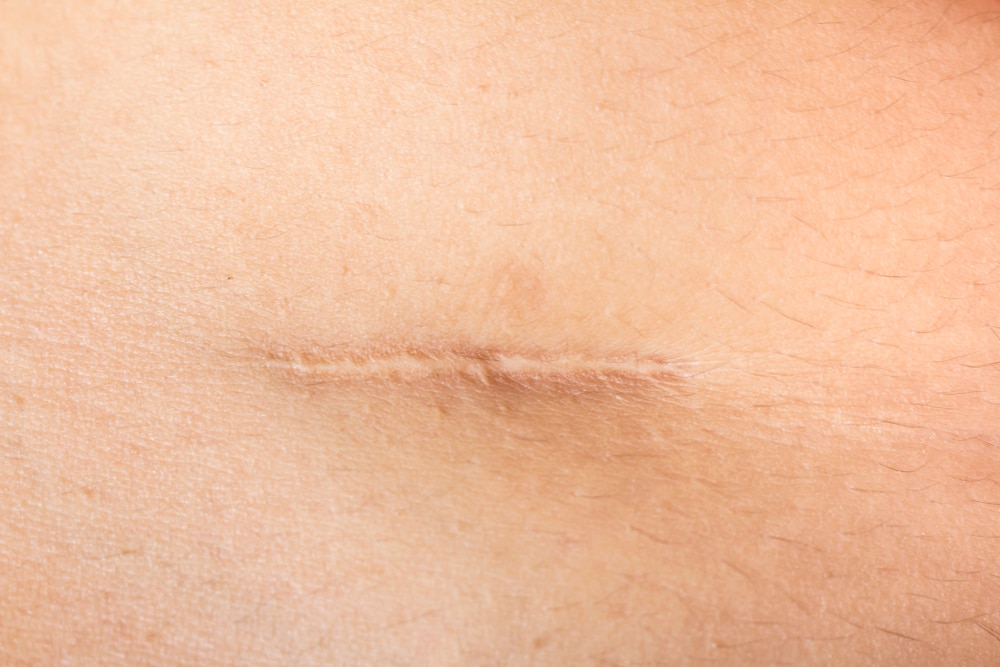
A line, usually flat and pale once mature. The problem versions are raised, widened, depressed, tethered, or spreading past the incision.