How to Protect Healing Skin in 5 Easy-to-Follow Steps

Healing skin needs protection from friction, UV light, and infection. These five evidence-based steps help wounds close cleanly and scar as little as possible.
Why protecting healing skin matters
Knowing how to protect healing skin is central to reducing infection risk, supporting skin barrier recovery, and limiting unnecessary scar formation after a wound, surgical incision, or cosmetic procedure.
A concise evidence-based overview is as follows:
- Clean gently — irrigate with saline or clean tap water for minor wounds; avoid routine use of hydrogen peroxide and alcohol on healing tissue
- Maintain a moist wound environment — apply plain petrolatum if appropriate and cover with a suitable dressing rather than allowing the wound to dry out
- Support systemic healing — adequate protein intake, correction of nutritional deficiency, sleep, and control of diabetes or other chronic illness all influence repair
- Protect from ultraviolet exposure — once the wound is fully epithelialized, use broad-spectrum SPF 30+ and protective clothing to reduce post-inflammatory hyperpigmentation
- Watch for complications — spreading redness, purulent drainage, increasing pain, fever, or wound separation warrant medical review
Skin acts as the body's primary physical and immunologic barrier. When that barrier is disrupted, repair proceeds through four overlapping phases: hemostasis (clot formation), inflammation (immune cell recruitment), proliferation (new tissue formation), and remodeling or maturation (collagen reorganization and scar strengthening). Each phase has different care priorities.
Clinical guidance from wound care and dermatology sources consistently discourages common myths such as repeated application of hydrogen peroxide, leaving wounds open to "air out," or stopping sun protection as soon as the surface looks closed. These practices may delay re-epithelialization, irritate newly formed tissue, or increase pigment change in the developing scar.
The principles outlined below reflect established wound-care practice and broadly accepted clinical guidance. Where evidence is stronger for one wound type than another, that limitation is noted.
Step 1: Clean the wound gently
The first step in wound care is appropriate cleansing. The goal is to reduce surface contamination and remove debris without damaging fragile regenerating tissue.
For minor acute wounds, irrigation with sterile saline is commonly used in clinical settings, and clean tap water is also considered acceptable in many guidelines for uncomplicated wounds. Daily cleansing should be gentle, using water, saline, or a mild cleanser if needed. Harsh scrubbing can disrupt newly formed epithelium.
Hydrogen peroxide and rubbing alcohol are still widely used at home, but routine application to healing wounds is generally discouraged in modern wound care. Experimental data show that hydrogen peroxide can damage cells involved in repair, including fibroblasts, and clinical guidance from dermatology and surgical sources advises against repeated use on healing tissue. Similar caution applies to alcohol-based antiseptics because they are irritating and can impair the moist environment that supports re-epithelialization. The hydrogen peroxide is toxic to fibroblasts link in the original text points to a non-peer-reviewed source, so the claim should be treated as consistent with broader clinical teaching rather than as a primary evidence citation.
Knowing when to apply scar cream after stitches depends on wound closure: topical scar-focused products are generally introduced only after the surface is fully closed and there is no active drainage, though exact timing should follow the treating clinician's instructions.
Caring for skin as it rebuilds
The proliferation phase usually begins within days of injury and may continue for several weeks. During this stage, fibroblasts produce extracellular matrix and collagen, small blood vessels form, granulation tissue fills the wound bed, and keratinocytes migrate across the surface to restore the epidermal barrier.
This tissue is mechanically weak. Clinical practice therefore emphasizes minimizing friction, tension, and repeated trauma. Excessive stretching across a healing incision can contribute to wound separation or a wider scar. This is one reason post-surgery scar care often includes activity modification and external support where clinically appropriate.
Avoiding Irritants and Contact Allergens
Protection of healing skin also includes avoiding unnecessary topical exposures. Topical antibiotics containing neomycin are a recognized cause of allergic contact dermatitis, and postoperative dermatology guidance often favors simple, low-irritancy wound care unless an antibiotic is specifically indicated.
Fragrance-free, low-irritancy products are generally preferred for compromised skin barrier function. For people recovering from aesthetic procedures, a post-procedure body care guide may offer general product-selection ideas, but clinical decisions should rely primarily on clinician instructions and established wound-care guidance rather than consumer-oriented sources.
Step 2: Keep the wound moist
A central principle in contemporary wound care is moist wound healing. Compared with leaving a superficial wound open to dry and form a hard scab, maintaining a controlled moist environment generally supports faster re-epithelialization and may improve comfort.
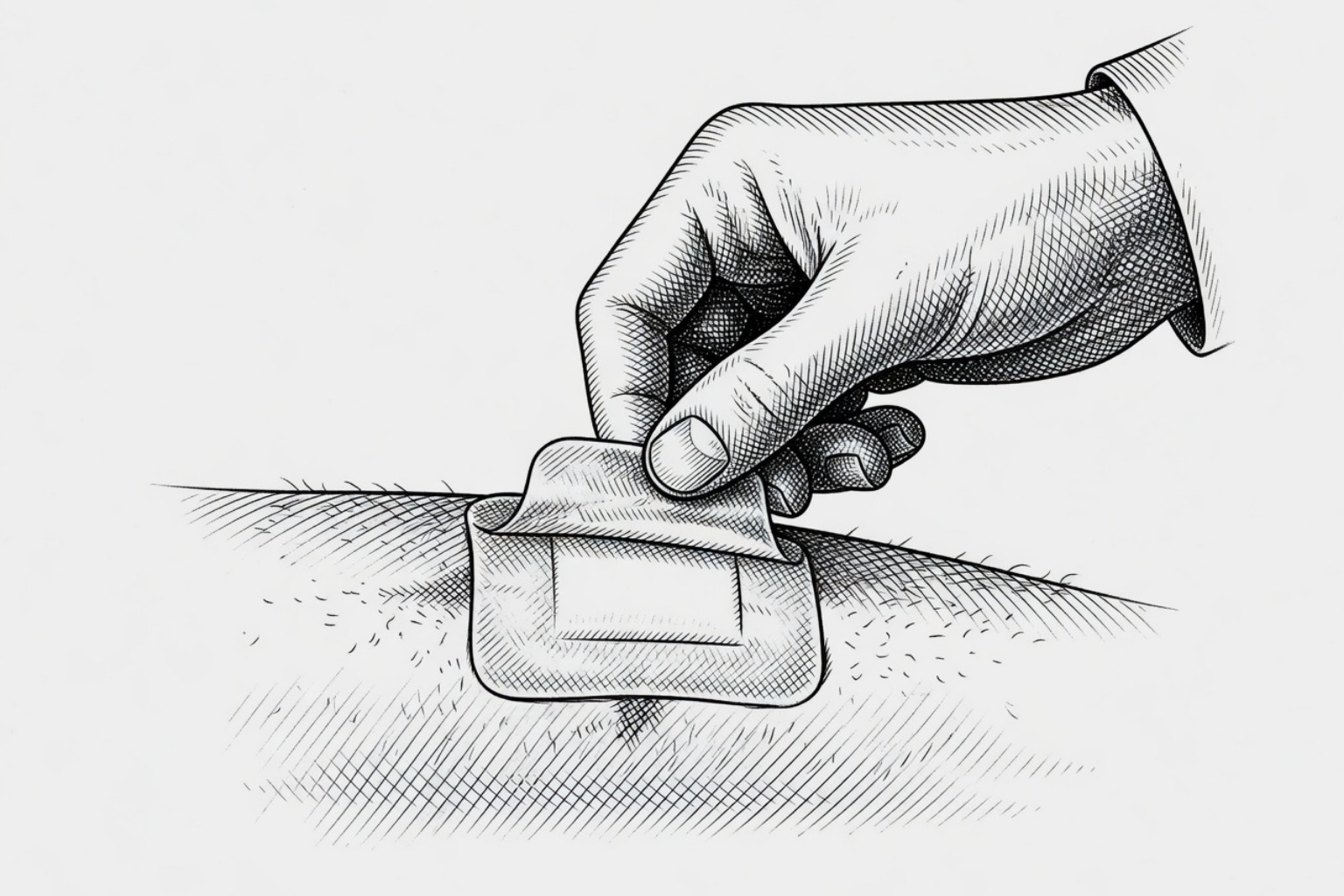
The biological rationale is straightforward: migrating keratinocytes move more efficiently across a hydrated wound surface, while excessive drying increases crust formation and creates a less favorable environment for epidermal closure. This principle is well established in wound-healing research, although the exact magnitude of benefit varies by wound type and dressing method. The claim that moist healing can speed recovery by "up to 50%" is too specific to present without a directly verified source and has therefore been removed.
Plain petrolatum is widely used to reduce transepidermal water loss and support barrier repair in minor clean wounds. For many uncomplicated postoperative wounds, evidence suggests petrolatum performs at least as well as topical antibiotic ointments for healing outcomes while causing fewer allergic reactions.
This is also relevant to skin flaps and grafts, where hydration, temperature stability, and protection from shear are important to tissue survival.
Consistent moisture is one component of scar prevention, although scar outcome also depends on wound depth, location, tension, genetics, skin type, infection, and inflammatory burden.
Dressings and silicone sheets
More complex wounds or procedure sites may benefit from semi-occlusive dressings such as hydrocolloids, foams, or silicone-based materials, depending on exudate level and clinician preference. These dressings are used because they can help maintain hydration, provide a barrier to outside contamination, and reduce friction.
Silicone sheeting and silicone gels are also used after wound closure in scar management. Evidence from systematic reviews suggests silicone may help improve scar thickness, color, and pliability in some patients, particularly for hypertrophic scars, but study quality is mixed and not all trials are high quality. The best scar cream with silicone link should therefore be interpreted in light of this broader evidence base rather than as a product endorsement.
Step 3: Support healing from the inside
Healing is not just an external process; it is a resource-intensive internal one. The body requires specific "building blocks" to synthesize new tissue. If the body is in a state of nutritional deficiency or chronic stress, the healing process will stall, regardless of how well the wound is cared for externally.
| Nutrient | Role in Wound Healing | Clinical Consequence of Deficiency |
|---|---|---|
| Protein | Collagen synthesis & immune cell production | Delayed healing, wound dehiscence |
| Vitamin C | Collagen cross-linking & antioxidant support | Fragile capillaries, "leaky" wounds |
| Zinc | Cell division & protein synthesis | Stalled proliferation phase |
| Vitamin A | Epithelialization & immune response | Increased infection risk |
Glycemic control is another critical factor. Elevated blood sugar levels can impair the function of white blood cells and slow down the inflammatory response, which is why individuals with diabetes often experience chronic, non-healing wounds.
Furthermore, nicotine is a potent vasoconstrictor. It narrows blood vessels, leading to localized hypoxia (lack of oxygen) at the wound site. Research shows that smokers have significantly higher rates of surgical complications and wound infections. For those seeking a natural scar reduction treatment, smoking cessation is perhaps the most effective "natural" intervention available.
Lifestyle habits that affect healing
Beyond nutrition, lifestyle habits play a major role in how to protect healing skin. Sleep deprivation increases cortisol levels, which can suppress the immune response and delay the inflammatory phase of healing. Clinical studies have shown that even a few nights of restricted sleep can measurably slow the rate of skin barrier recovery.
Hydration is equally vital. Dehydrated skin is less elastic and more prone to micro-tears. Ensuring adequate water intake supports the transport of nutrients to the wound site and the removal of metabolic waste. For comprehensive recovery, integrating these habits into a scar care routine provides the internal foundation necessary for the external treatments to succeed.
Step 4: Protect scars from the sun
Once the wound surface has closed, remodeling continues for many months. During this phase, collagen is reorganized, tensile strength gradually increases, and the scar remains biologically active. The new tissue is more vulnerable than intact surrounding skin to ultraviolet-induced dyspigmentation.
Exposure to ultraviolet radiation can worsen post-inflammatory hyperpigmentation, particularly in darker skin tones, and may make a healing scar appear more red or brown for longer. For that reason, dermatology and surgical aftercare guidance commonly recommends sun protection during scar maturation.
Preventing dark spots from sun exposure
Broad-spectrum SPF 30+ sunscreen is generally recommended once the skin is fully epithelialized and no longer open. Protective clothing, shade, and avoidance of intense midday sun are also useful. Mineral filters such as zinc oxide or titanium dioxide are often better tolerated on sensitive healing skin, although comparative evidence showing they are universally superior for all healing wounds is limited.
For patients exploring adjunctive topical options, the best scar reduction cream link should be considered alongside the fact that evidence is strongest for silicone-based scar therapy and consistent sun protection, while evidence for many other over-the-counter ingredients is weaker.
Scar massage and gentle support
As remodeling progresses, some scars become stiff, raised, or adherent to deeper tissue. Scar massage is sometimes recommended in rehabilitation and postoperative care to improve mobility and tissue pliability, particularly where a scar restricts movement. However, the evidence base is variable, and optimal timing, technique, and benefit are not standardized across studies.
Resources such as scar tissue massage therapy and hard scar softening massage may be relevant for background reading, but massage should only begin once the wound is closed and should be guided by the treating clinician when scars are painful, recent, or located over high-tension areas or joints.
Step 5: Watch for signs of infection
The final step in how to protect healing skin is knowing when the healing process has gone off track. While some redness and swelling are normal during the first few days (the inflammatory phase), these symptoms should gradually subside.
Red flags that require medical attention include:
- Spreading Erythema: Redness that expands away from the wound edges.
- Purulent Discharge: Thick, yellow, green, or foul-smelling drainage (pus).
- Localized Heat: The skin around the wound feels significantly hotter than the surrounding area.
- Fever: A body temperature over 101°F (38.4°C) can indicate a systemic infection.
- Increased Pain: Pain that gets worse after the first 48 hours rather than better.
A "chronic wound" is generally defined as any wound that has not started to heal within two weeks or has not completely healed within six weeks. If a wound hits these thresholds, specialized wound care is often necessary to identify underlying issues like poor circulation or biofilm formation.
When to call your doctor
Certain complications are specific to surgical or deeper wounds. Dehiscence is the partial or complete separation of the wound edges. This is a medical emergency that requires immediate professional evaluation. Another common issue is "spitting stitches," where the body attempts to reject absorbable sutures by pushing them to the surface. While often minor, they can create small openings that are susceptible to infection.
If you notice red streaks extending from a wound (lymphangitis) or feel a general sense of systemic malaise (chills, body aches), contact a healthcare provider immediately. As noted in the Post-Procedure Body Care Guide, early intervention is the best way to prevent a minor complication from becoming a major health issue.
Frequently Asked Questions about Skin Protection
Is it better to let a wound "breathe" or keep it covered?
For most minor acute wounds, evidence and clinical practice support keeping the wound protected and appropriately moist rather than leaving it exposed to dry out. A suitable dressing helps maintain a healing environment, reduces friction, and lowers contamination risk. There are exceptions for some wound types, so clinician instructions should take priority.
How long does it take for a surgical incision to fully heal?
Surface closure often occurs within about 10 to 14 days, but this does not mean the tissue has regained full strength. Tensile strength improves gradually over weeks to months, and scar remodeling commonly continues for 12 to 24 months.
Can vitamin E or onion extract be used on a fresh wound?
Strong clinical evidence does not support routine use of topical vitamin E or onion extract on fresh wounds. In some patients, topical vitamin E can cause irritant or allergic reactions, and studies on cosmetic scar benefit have been inconsistent. If a wound is still open, standard wound care such as gentle cleansing, moisture balance, and appropriate dressings has a stronger evidence base than these popular remedies.
Key steps to remember
Protecting healing skin is a marathon, not a sprint. By following these five evidence-based steps—gentle cleansing, maintaining moisture, supporting systemic health, shielding from UV rays, and monitoring for infection—you provide your body with the optimal environment for tissue regeneration.
The goal of wound care is not just to close the gap in the skin, but to restore function and minimize long-term changes to the skin’s appearance. For those unsure of their progress, a professional scar assessment can provide clarity on the current state of healing and the best path forward for long-term skin health.
Works Cited
- MedlinePlus Medical Encyclopedia. "Skin flaps and grafts - self-care." https://medlineplus.gov/ency/patientinstructions/000743.htm
This content is for informational purposes only and does not constitute medical advice. Consult a qualified healthcare professional for diagnosis and treatment.