Zap those deep pimple scars for good
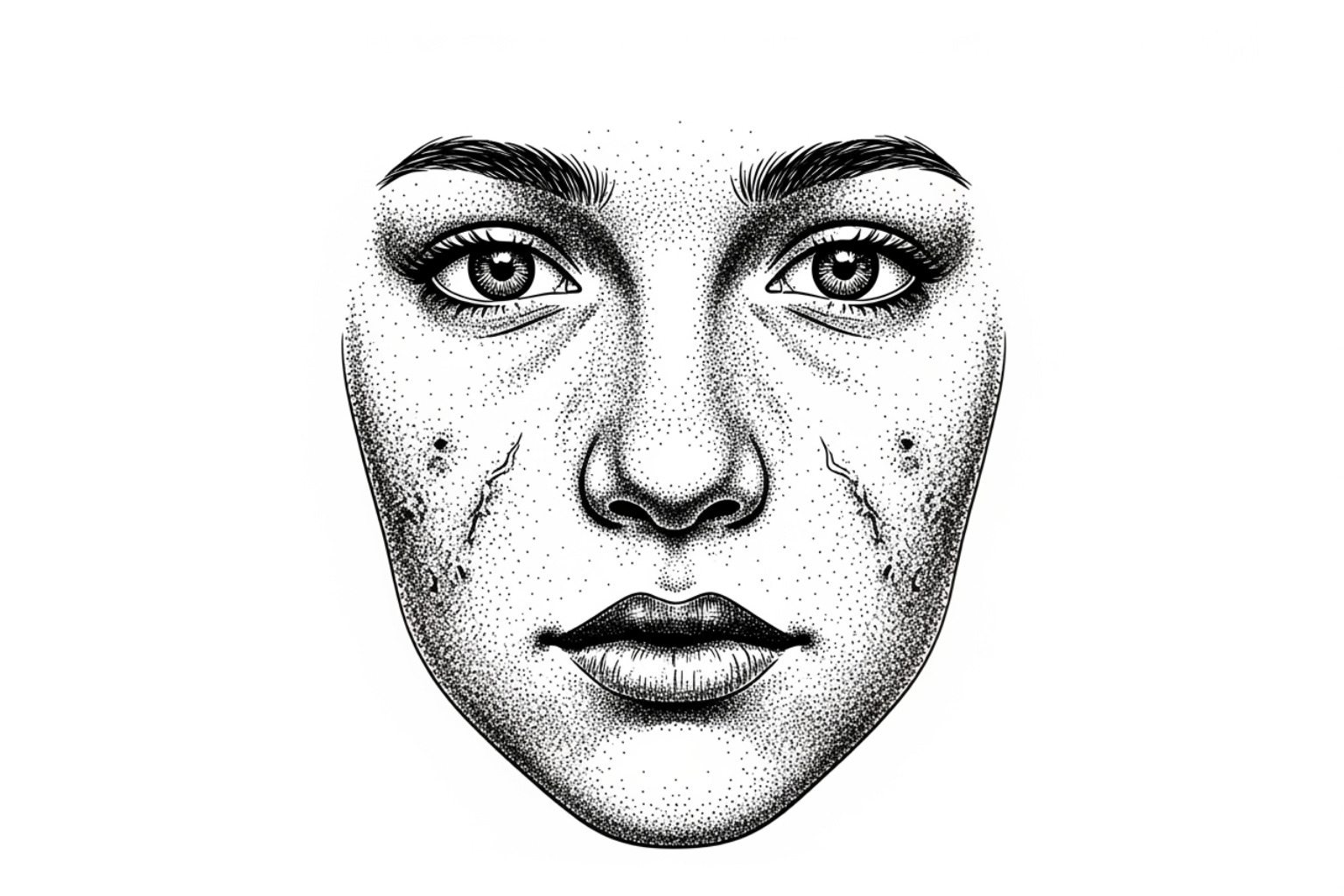
Laser resurfacing is the most studied option for stubborn acne scars, but the right laser depends on scar shape and skin tone. Here is how ablative and non-ablative treatments compare on results, downtime and cost.
How laser treatment works on acne scars
Pimple scar laser treatment is one of the most clinically studied approaches for reducing the visible marks left behind by inflammatory acne. Research published by the National Institutes of Health indicates that up to 95% of people who experience acne develop some degree of residual scarring — a consequence of the skin's inflammatory response disrupting normal collagen production during wound healing.
When a deep pimple resolves, the dermis (the skin's structural layer) may not regenerate perfectly. The result is a textural abnormality — a depression, raised ridge, or discolored patch — that persists long after the breakout clears.
Here is a quick summary of how laser treatment addresses pimple scars:
| Laser Type | Primary Target | Typical Improvement |
|---|---|---|
| Fractional CO2 (ablative) | Deep atrophic scars (rolling, boxcar) | Up to 75% reduction in appearance |
| Er:YAG (ablative) | Surface texture, shallow scars | Moderate-to-significant improvement |
| Nd:YAG 1064nm (non-ablative) | Mild-to-moderate atrophic scars, darker skin | ~86.6% of patients show measurable response |
| Pulsed Dye Laser (PDL) | Red or vascular scars | 57–83% improvement in 1–2 sessions |
| Picosecond lasers | Pigmented scars, darker skin tones | Comparable to fractional lasers with different risk profile |
The key point: lasers do not erase scars. They remodel them. Clinical evidence consistently shows that realistic goals are significant reduction in scar depth, texture, and discoloration — not complete elimination. Most patients achieve 50–90% improvement with a properly selected treatment protocol.
This guide reviews the clinical evidence behind each major laser modality, explains how to match the right technology to a specific scar type, and sets realistic expectations for recovery, costs, and outcomes — as of May 2026.
Acne scar types and which laser fits
Before selecting a pimple scar laser, it is vital to understand the morphology of the tissue. Acne scars are broadly categorized into atrophic (depressed) and hypertrophic (raised) types. Each requires a distinct laser wavelength and energy delivery system. For a broader overview of how light energy interacts with various scar tissues, you may refer to this laser treatment for scars complete guide.
Depressed scars: ice pick, boxcar, rolling
Atrophic scars represent a loss of dermal collagen.
- Ice pick scars are narrow, deep pits that extend into the deep dermis. They are notoriously difficult to treat with lasers alone and often require adjunct therapies like TCA CROSS.
- Boxcar scars are round or oval depressions with sharp, vertical edges.
- Rolling scars are wide depressions that create an undulating, "wave-like" appearance on the skin due to fibrous bands tethering the dermis to the underlying subcutaneous tissue.
Raised scars: hypertrophic and keloid
In some cases, the body overproduces collagen during the healing process, resulting in a raised scar. Hypertrophic scars remain within the boundary of the original wound, while keloids extend beyond it. These respond best to vascular lasers that reduce the blood supply to the scar tissue, often in combination with steroid injections. Detailed protocols for these specific cases are discussed in the guide on laser for keloid scars.
Choosing a laser for depressed scars
For atrophic scarring, the clinical gold standard is the fractional CO2 laser. This technology works by creating thousands of microscopic treatment zones (MTZs) while leaving columns of untreated skin intact. This "fractional" approach triggers a vigorous wound-healing response that stimulates fibroblasts to produce new Type I collagen.
Clinical trials have demonstrated that fractional CO2 lasers can reduce the appearance of acne scars by up to 75%. Recent advancements have introduced a novel 4-step treatment approach using the ultra-pulse fractional CO2 laser, which combines different modes (ablation, deep fractional, and superficial fractional) to target multiple depths of the scar simultaneously. This multi-modal approach has shown a mean improvement of 46% in ECCA (Echelle d’Evaluation Clinique des Cicatrices d’Acné) scores after six sessions. For more on this specific technology, see the section on co2 laser scar removal.
Treating red and dark scar marks
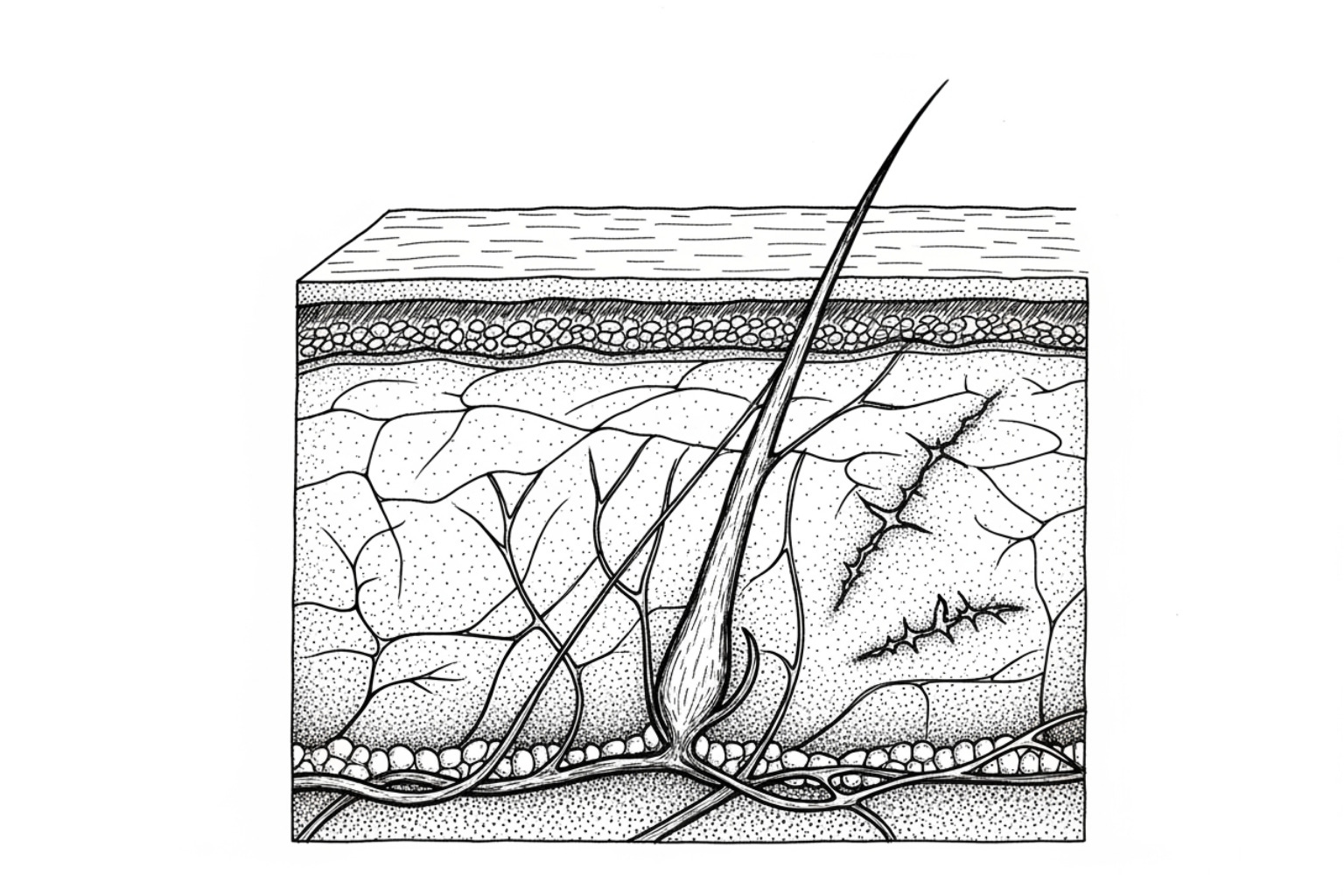
Not all "scars" are textural. Many patients suffer from Post-Inflammatory Erythema (PIE) — persistent redness — or Post-Inflammatory Hyperpigmentation (PIH) — dark spots.
- Vascular Targeting: The Pulsed Dye Laser (PDL) and KTP lasers target oxyhemoglobin in the blood vessels. This effectively "shuts down" the redness associated with early-stage scarring. Research shows a 57% to 83% improvement in erythematous scars after just one or two PDL treatments.
- Pigment Targeting: For dark, pigmented scars, Q-switched or picosecond lasers are utilized to break down melanin without damaging the surrounding tissue. This is a critical component of the red scar fading laser protocols used to achieve an even skin tone.
Ablative vs. non-ablative lasers
The choice between ablative and non-ablative lasers is essentially a trade-off between efficacy and downtime.
Stronger ablative lasers
Ablative lasers, such as CO2 (10,600nm) and Erbium:YAG (2940nm), work by vaporizing the water within the skin cells, effectively removing the outer layers of the skin (the epidermis) and heating the underlying dermis. This leads to immediate collagen contraction and long-term remodeling.
- CO2 Lasers: These are the most powerful and are typically reserved for severe, deep scarring. While highly effective, they require significant downtime (often 7 to 14 days).
- Er:YAG Lasers: These have a higher affinity for water than CO2 lasers, allowing for more precise ablation with less surrounding thermal damage. This often results in faster healing and a lower risk of prolonged redness.
Evidence-based updates on laser therapy for atrophic acne scars suggest that while ablative lasers offer the most dramatic results, they carry a higher risk of side effects like infection or permanent pigment changes, especially in darker skin types. Comparison photos and data on these transformations can be found in the review of co2 laser for surgical scars before and after.
Gentler non-ablative lasers
Non-ablative lasers, such as the 1064nm Nd:YAG or the Fraxel (1550nm), leave the surface of the skin intact. They deliver heat to the dermis to stimulate collagen without "peeling" the skin.
A significant clinical study found that 86.6% of patients showed an excellent-to-good response after six sessions of 1,064nm Nd:YAG laser treatments. Because the skin barrier remains closed, the downtime is minimal — often just a few hours of redness. This makes non-ablative options the preferred choice for patients with busy lifestyles or those seeking laser treatment for surgical scars where the risk of secondary wounding must be minimized. Furthermore, non-ablative technologies are often the safer route when considering laser scar removal for dark skin.
What treatment and recovery look like
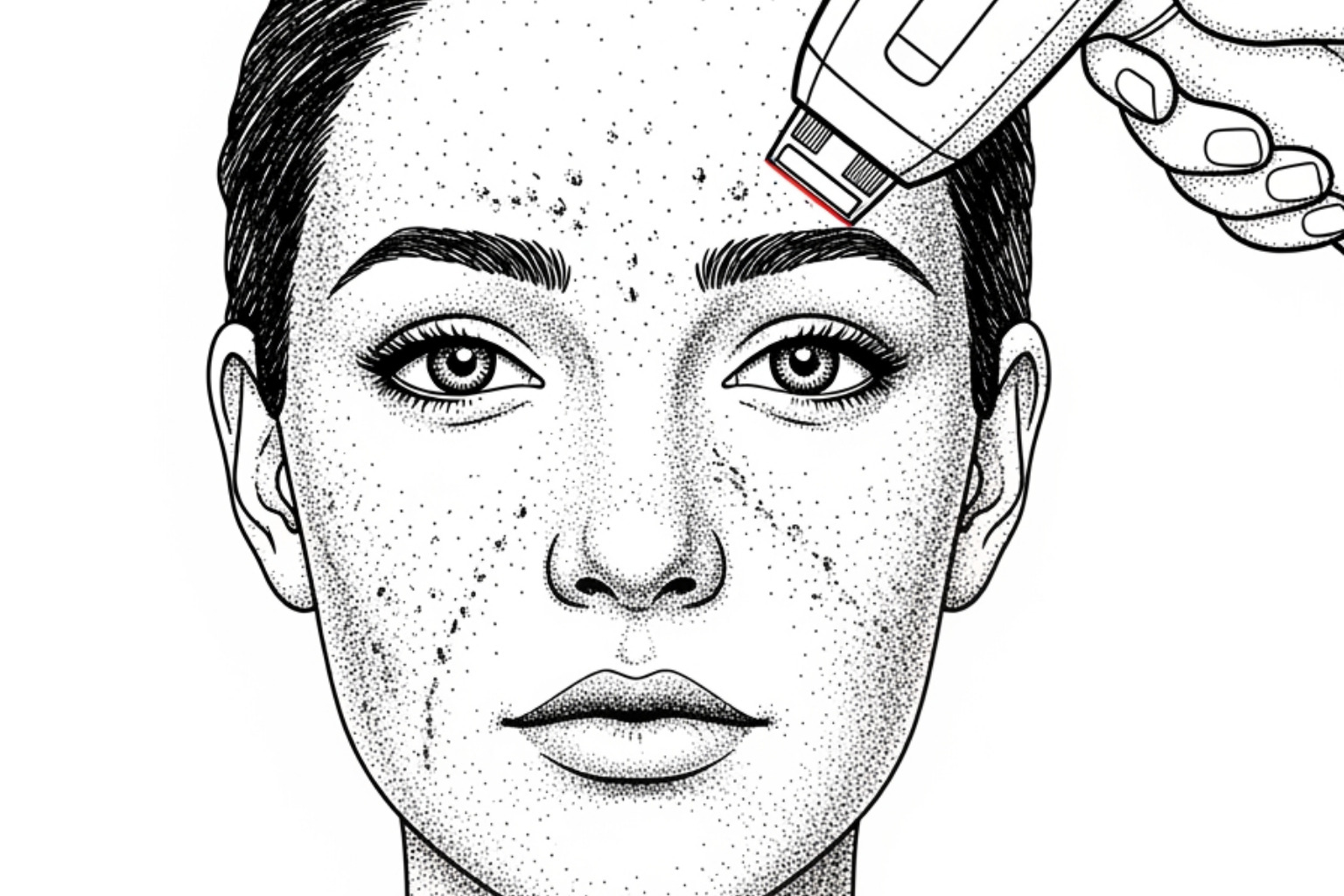
A typical pimple scar laser session lasts between 15 and 30 minutes, depending on the surface area being treated. However, the process begins weeks before the actual appointment.
Pre-Treatment Preparation and Safety
To minimize the risk of complications, clinical guidelines suggest several preparatory steps:
- Retinoid Cessation: Discontinue use of retinoids or glycolic acids 2 to 4 weeks prior to treatment to avoid over-sensitizing the skin.
- Sun Protection: Avoid tanning or significant sun exposure for at least 4 weeks. A tan can interfere with the laser's ability to distinguish between scar tissue and healthy skin, potentially leading to burns.
- Antiviral Prophylaxis: If you have a history of cold sores, a dermatologist may prescribe antiviral medication, as laser energy can trigger an outbreak.
- Smoking Cessation: Smoking impairs blood flow and slows healing. It is recommended to stop smoking at least 2 weeks before and after the procedure.
These safety protocols are standard for most energy-based treatments, including surgical scar laser treatment.
Healing and long-term aftercare
Immediately following the procedure, the skin will feel hot, similar to a severe sunburn.
- Ablative Recovery: Expect 5 to 7 days of peeling and 10 to 21 days for full re-epithelialization (new skin growth).
- Non-Ablative Recovery: Redness typically subsidises within 24 to 48 hours.
Essential aftercare includes cleaning the area 4-5 times a day with a gentle cleanser, followed by the application of an occlusive ointment (like petroleum jelly) to prevent scabbing. Strict sun protection with SPF 30+ is mandatory for several months to protect the vulnerable new skin cells. This level of care is similar to the recovery needed for a c-section scar laser or other significant dermal interventions. For ongoing updates on post-procedure care, check the latest entries under the Tag/Laser Treatment category.
Results, cost, and other treatments
While lasers are highly effective, they are rarely used in isolation for complex scarring. The following table compares lasers with other common dermatological tools:
| Treatment | Mechanism | Best For | Typical Sessions |
|---|---|---|---|
| Laser Resurfacing | Thermal injury/Ablation | Texture and pigment | 3–6 |
| Microneedling | Mechanical injury | Mild texture issues | 3–5 |
| Subcision | Releasing fibrous bands | Deep rolling scars | 1–3 |
| Chemical Peels | Acid-induced exfoliation | Superficial pigment | 3–6 |
| TCA CROSS | High-strength acid focal application | Ice pick scars | 5–6 |
What affects your results
The success of a pimple scar laser protocol depends on several biological and environmental factors:
- Fitzpatrick Skin Type: Darker skin (Types IV-VI) requires more conservative settings and specific wavelengths (like the 1064nm Nd:YAG) to prevent post-inflammatory hyperpigmentation.
- Scar Age: While lasers can improve 30-year-old scars, younger, "immature" scars (under 12 months) may respond more rapidly to remodeling efforts.
- Combination Therapy: Many experts recommend combining subcision (to lift the scar) with laser resurfacing (to smooth the surface) for optimal results.
Cost and insurance
Laser treatments for acne scars are almost universally classified as cosmetic procedures. Consequently, they are rarely covered by health insurance. The average out-of-pocket cost for ablative laser skin resurfacing is approximately $2,000 per session, while non-ablative treatments average around $1,100. Given that most patients require multiple sessions, the total investment can be significant.
Frequently asked questions
Can lasers completely remove acne scars?
No. Lasers cannot restore the skin to its original, pre-acne state. The goal is to make the scars less noticeable by improving texture, tone, and uniformity. Most clinical studies cite an improvement range of 50% to 90%.
Is laser treatment safe for dark skin tones?
Yes, but it requires specific expertise. Historically, lasers posed a high risk of permanent discoloration for patients with more melanin. However, modern 1064nm Nd:YAG and picosecond lasers are designed to bypass the surface pigment and target the deeper dermis safely. For more specific information, see our guide on laser scar removal for dark skin.
How many sessions are typically required?
Most patients require 3 to 6 sessions spaced 4 to 6 weeks apart. While some improvement may be visible after the first session, collagen remodeling is a slow biological process. Final results are typically assessed 6 months after the final treatment.
Can I have laser treatment if I still have active acne?
Generally, no. Laser resurfacing on active acne can spread bacteria and exacerbate inflammation. It is best to control the acne first using medical therapies before beginning the scar revision process.
Key takeaways
Laser technology has transformed the prognosis for those living with acne scars. From the deep remodeling capabilities of fractional CO2 to the pigment-correcting power of the Nd:YAG, there is a clinical solution for almost every scar morphology. However, the "best" laser is not a single device, but rather a tailored protocol that accounts for your skin type, scar depth, and tolerance for downtime.
If you are not yet ready for clinical procedures, certain topical interventions may assist in minor surface refinement. You can explore these options in our review of pimple-scar-removal-cream. To stay updated on the latest clinical trials and skin regeneration research, subscribe to our newsletter or use our scar-assessment tool to help categorize your specific needs.
Works Cited
- "Atrophic acne scar: a novel 4-step treatment approach using the ultra-pulse fractional CO2 laser." Lasers in Medical Science, Springer Nature, 2025.
- "Laser Therapy for Atrophic Acne Scars: A Case and Evidence-based Updates." Practical Dermatology, 2023.
- "Treatment of Post-acne Scarring with Long-pulsed and Q-switched 1,064nm Nd:YAG Laser." Clinical, Cosmetic and Investigational Dermatology, 2021.
- "Fractional CO2 Laser Resurfacing as Monotherapy in the Treatment of Atrophic Facial Acne Scars." Journal of Cutaneous and Aesthetic Surgery, 2014.
- "Resurfacing of Facial Acne Scars With a New Variable-Pulsed Er:YAG Laser in Fitzpatrick Skin Types IV and V." Journal of Cutaneous and Aesthetic Surgery, 2012.
Works Cited
- Layton AM, Henderson CA, Cunliffe WJ. "A clinical evaluation of acne scarring and its incidence." Clinical and Experimental Dermatology, 1994;19(4):303-308.
- Alster TS, McMeekin TO. "Improvement of facial acne scars by the 585 nm flashlamp-pumped pulsed dye laser." Journal of the American Academy of Dermatology, 1996;35(1):79-81.
- Wang Y, et al. "Comparative efficacy and safety of six photoelectric therapies for the atrophic acne scars: A network meta-analysis." Indian Journal of Dermatology, Venereology and Leprology, 2023;89(3):353-362.
- Batool A, et al. "Comparing fractional CO2 laser and needling-based modalities in facial acne scar treatment: a comprehensive systematic review and meta-analysis." Lasers in Medical Science, 2026;41(1).
This content is for informational purposes only and does not constitute medical advice. Consult a qualified healthcare professional for diagnosis and treatment.