Acne Scars
Treatment options and prevention strategies for scars left behind by acne breakouts, including pitted, rolling, and boxcar scars.
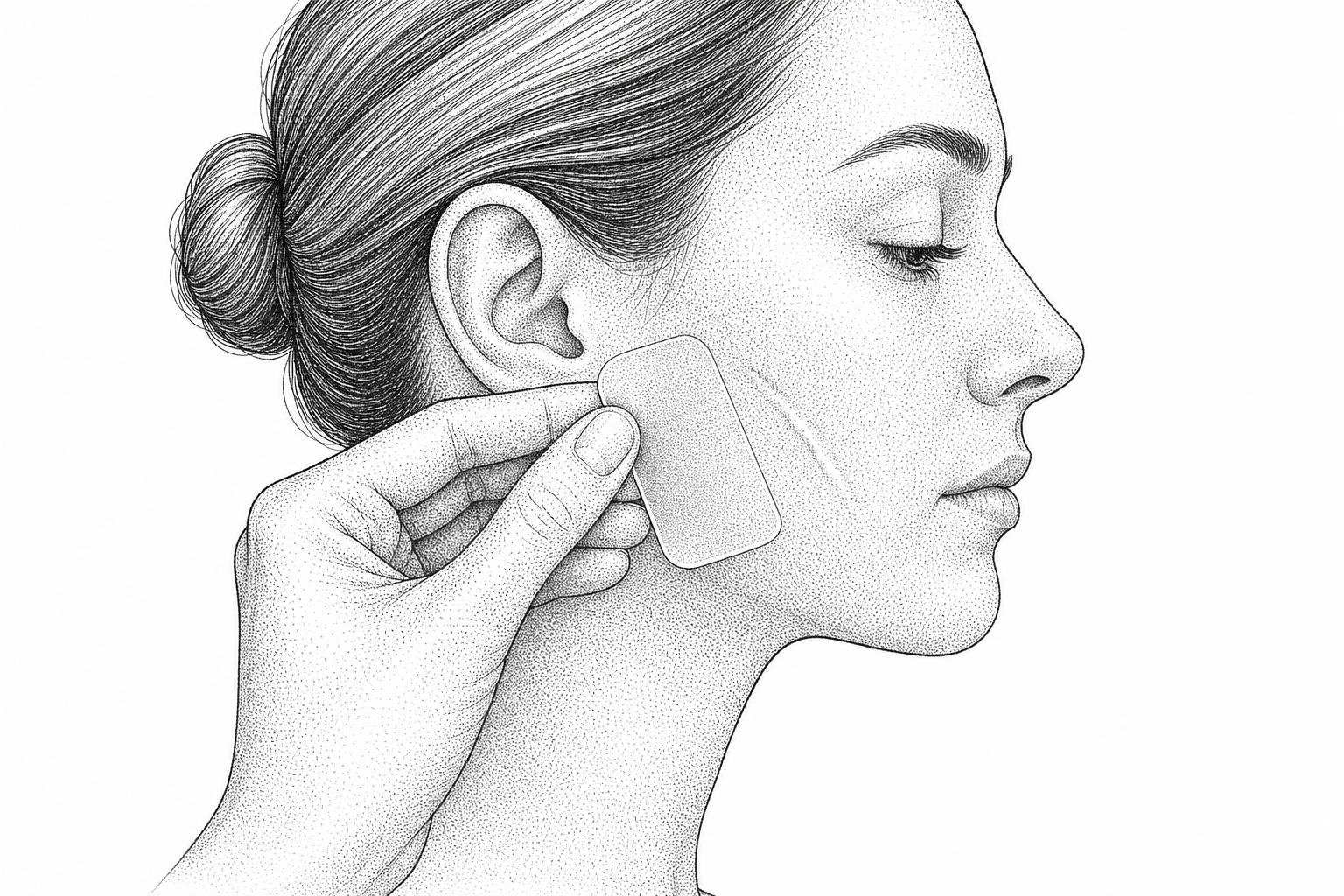
The Ultimate Guide to Restore Skin After Acne
Acne leaves more than scars — a damaged barrier, dark spots, and uneven texture. This 3-phase plan covers barrier repair, pigment fading, and the in-office treatments that rebuild smooth skin.
Best Cream for Pimple Scars: Detailed Guide
Not every acne mark responds to a cream. This guide matches each scar type - dark marks, shallow texture, deep pits, raised scars - to the topical ingredients with real clinical evidence behind them.
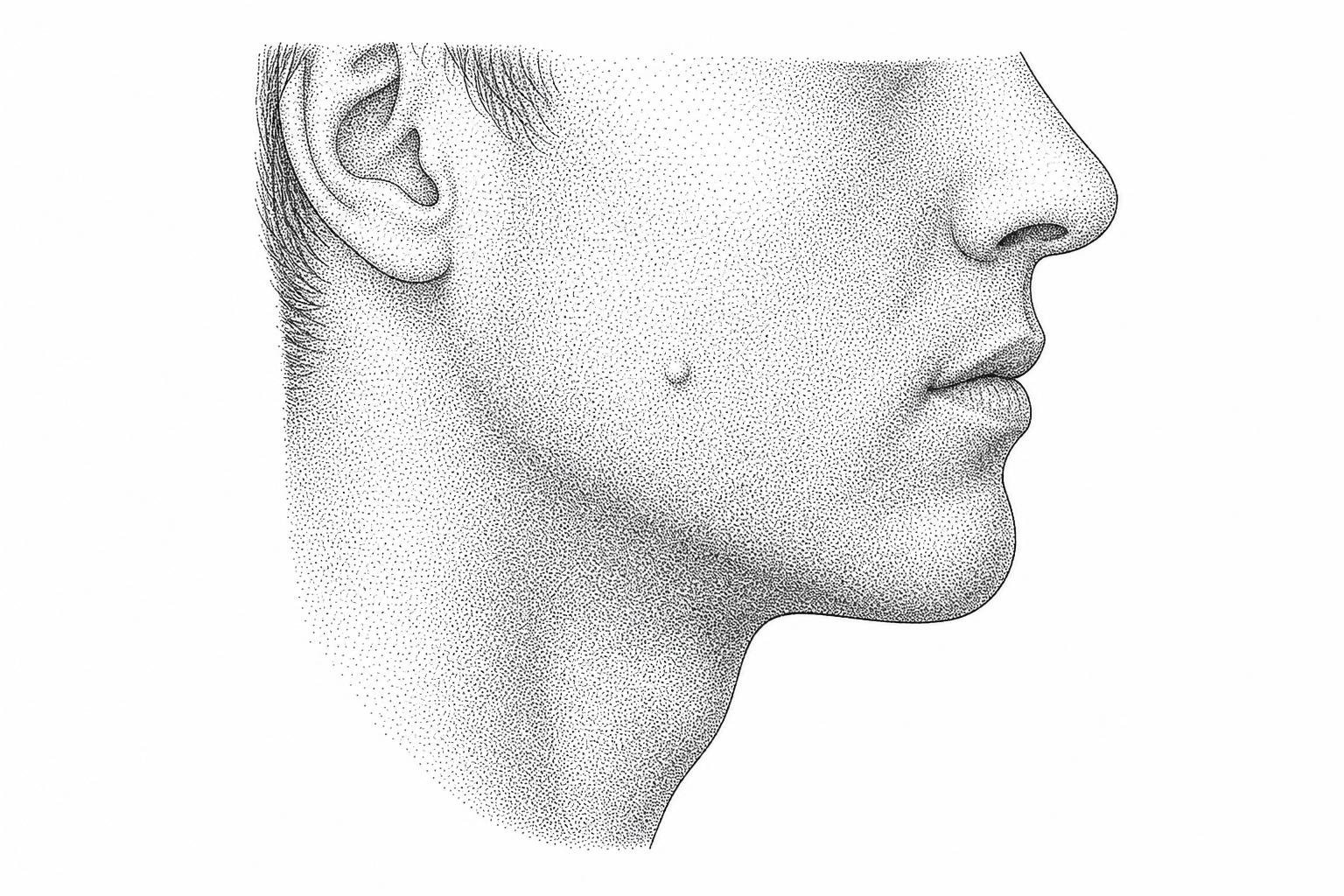
Detailed Guide to Pimple Raised Scar Treatment Options
Raised acne scars come in two forms that behave very differently. Hypertrophic scars may fade slowly on their own; keloids will not. Here is what actually flattens each type, and what to avoid.
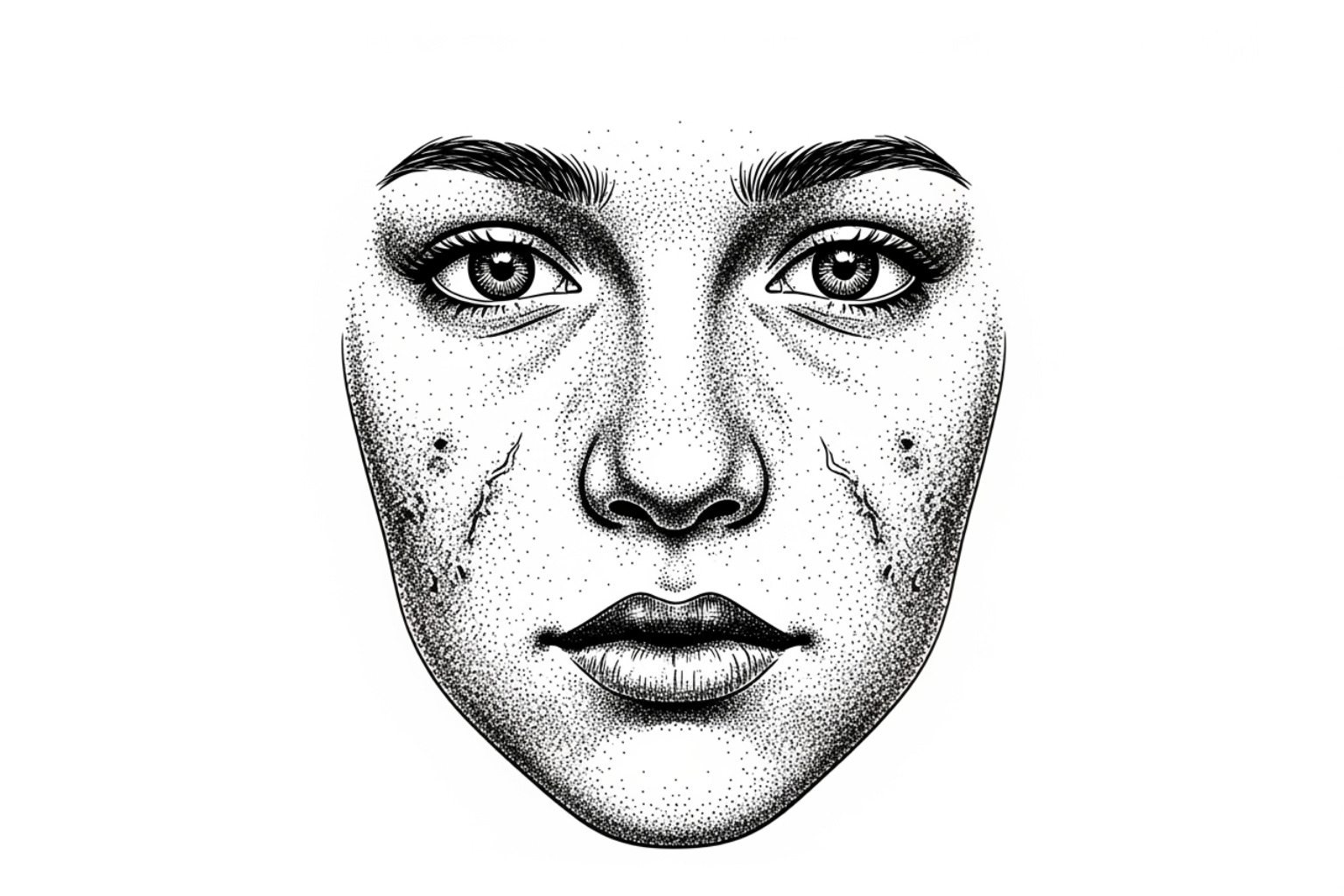
Zap those deep pimple scars for good
Laser resurfacing is the most studied option for stubborn acne scars, but the right laser depends on scar shape and skin tone. Here is how ablative and non-ablative treatments compare on results, downtime and cost.
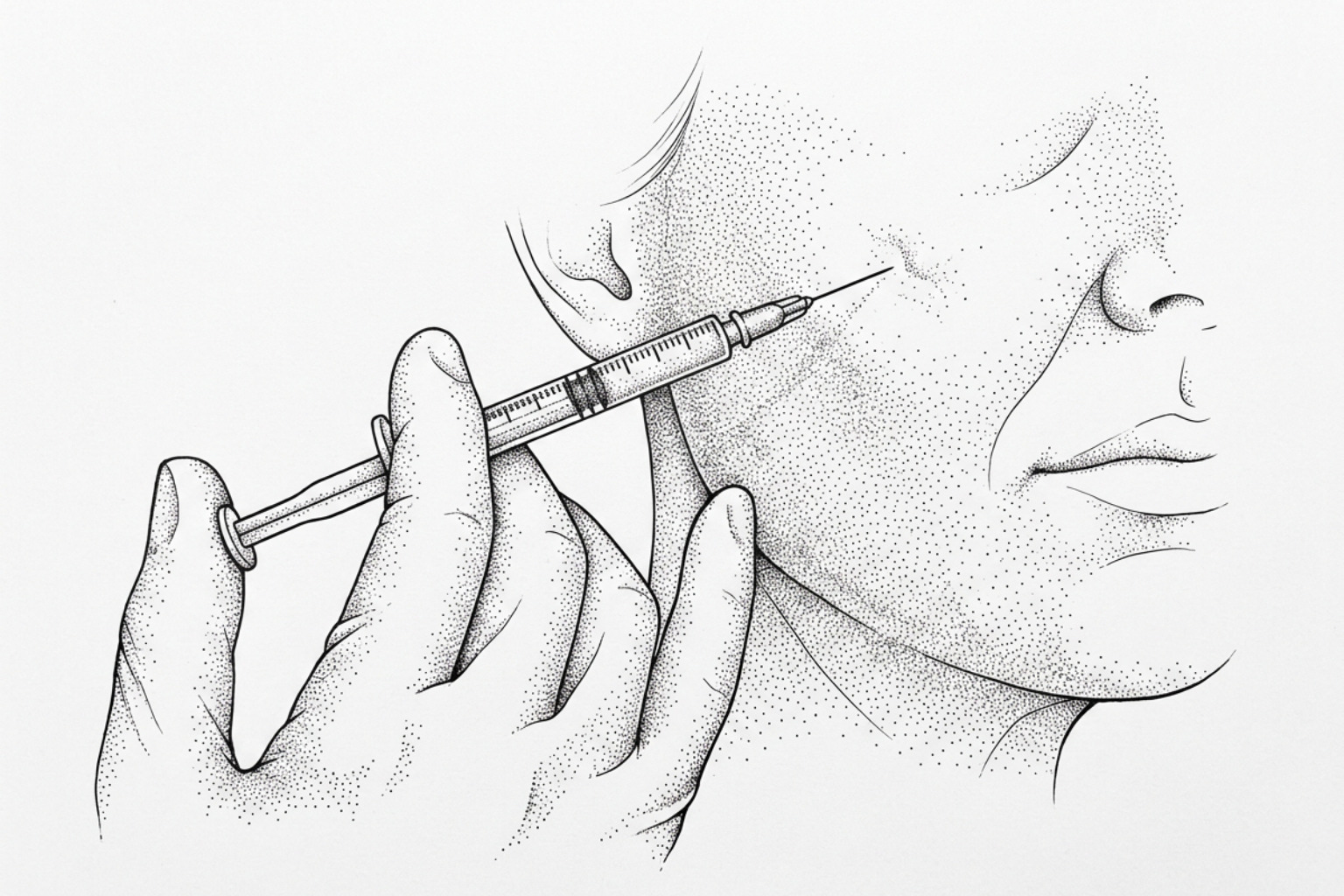
A Comprehensive Guide to Comparing the Best Filler Scar Treatments
Dermal fillers lift depressed acne scars immediately and, with some materials, stimulate new collagen for years. This guide compares hyaluronic acid, PMMA and biostimulatory options on durability, safety and cost.
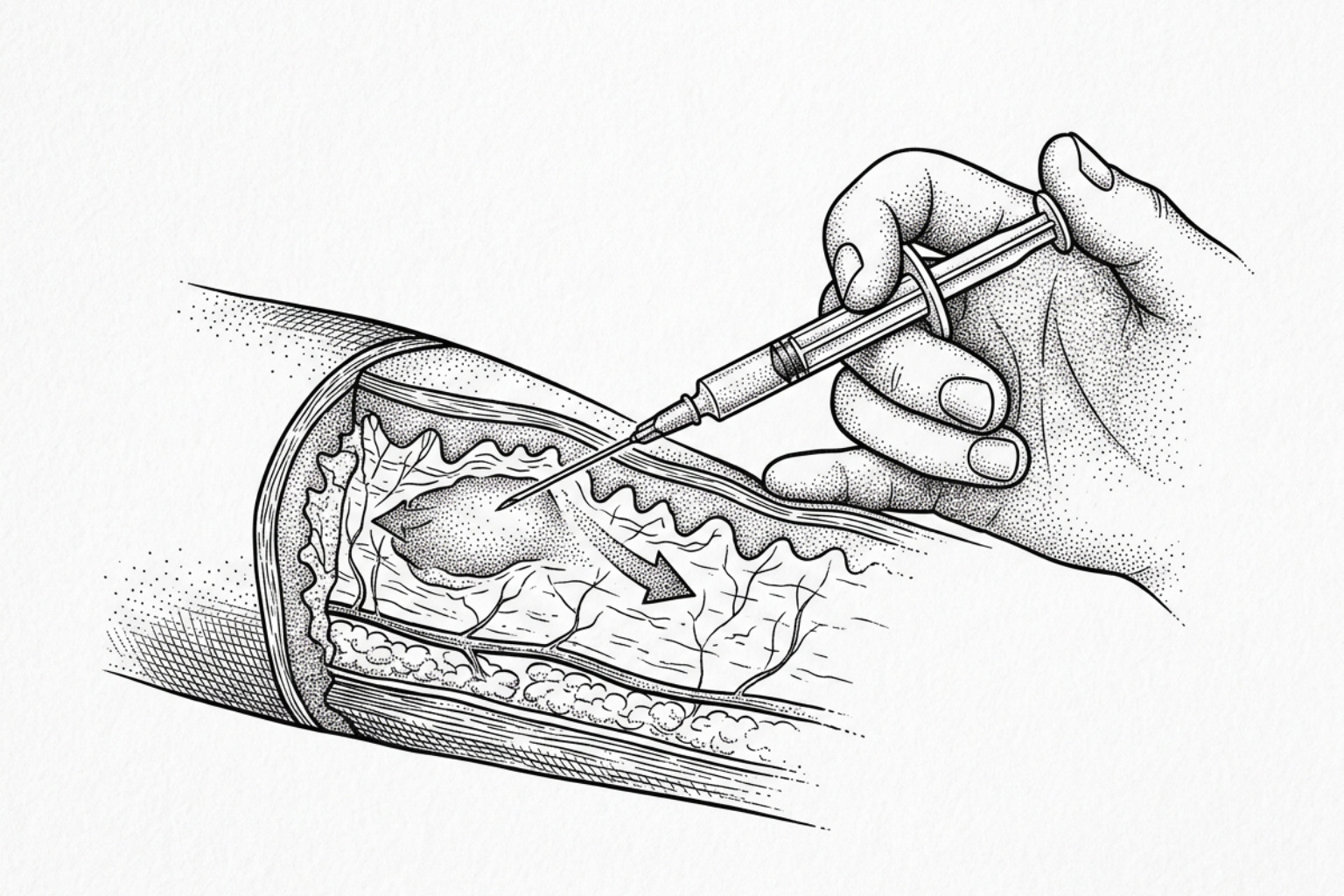
A–Z Guide to Fillers for Scar Treatment
Dermal fillers plump depressed scars almost instantly. Here's how hyaluronic acid, biostimulatory, and permanent fillers compare on results and safety.
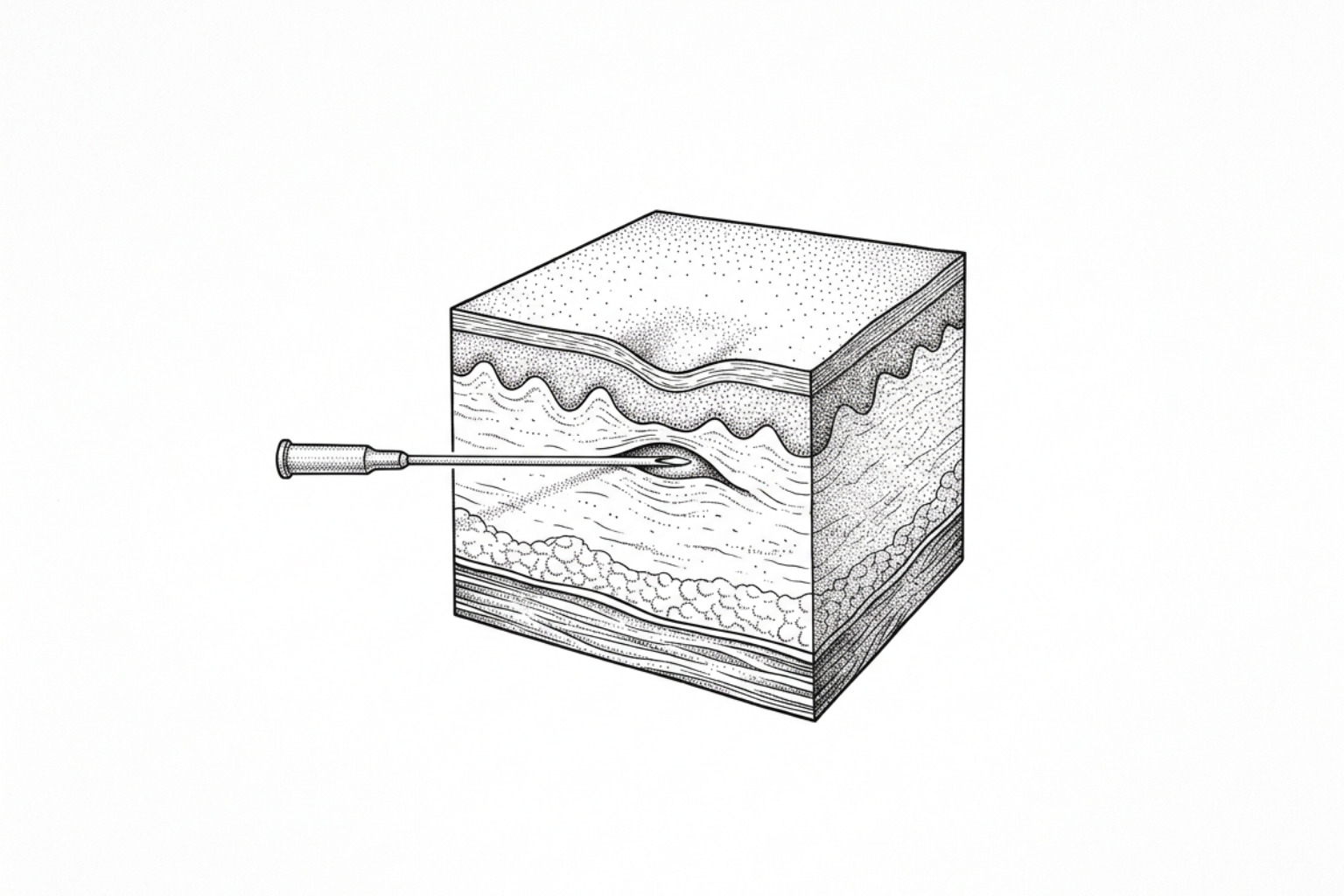
An Essential Guide to Subcision for Scars
Subcision cuts the tethers pulling depressed acne scars downward, letting the skin rebound. Here's how the procedure works, which scars respond, the sharp-needle vs. blunt-cannula debate, and what recovery looks like.
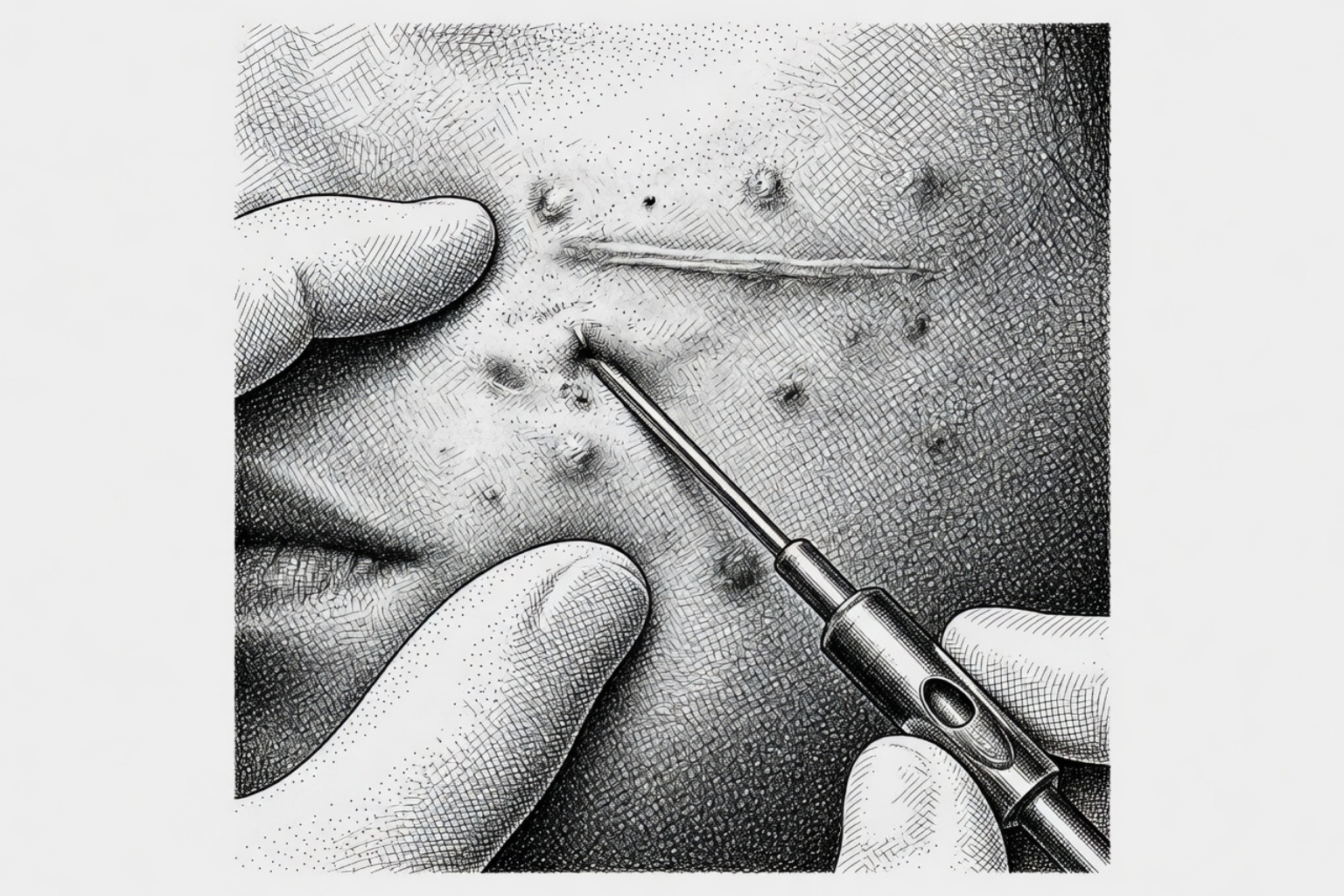
Why Blunt Cannula Subcision is Making Waves in Acne Treatment
Blunt cannula subcision releases the fibrous bands tethering atrophic acne scars, lifting them with less bruising and downtime than traditional Nokor needle methods.
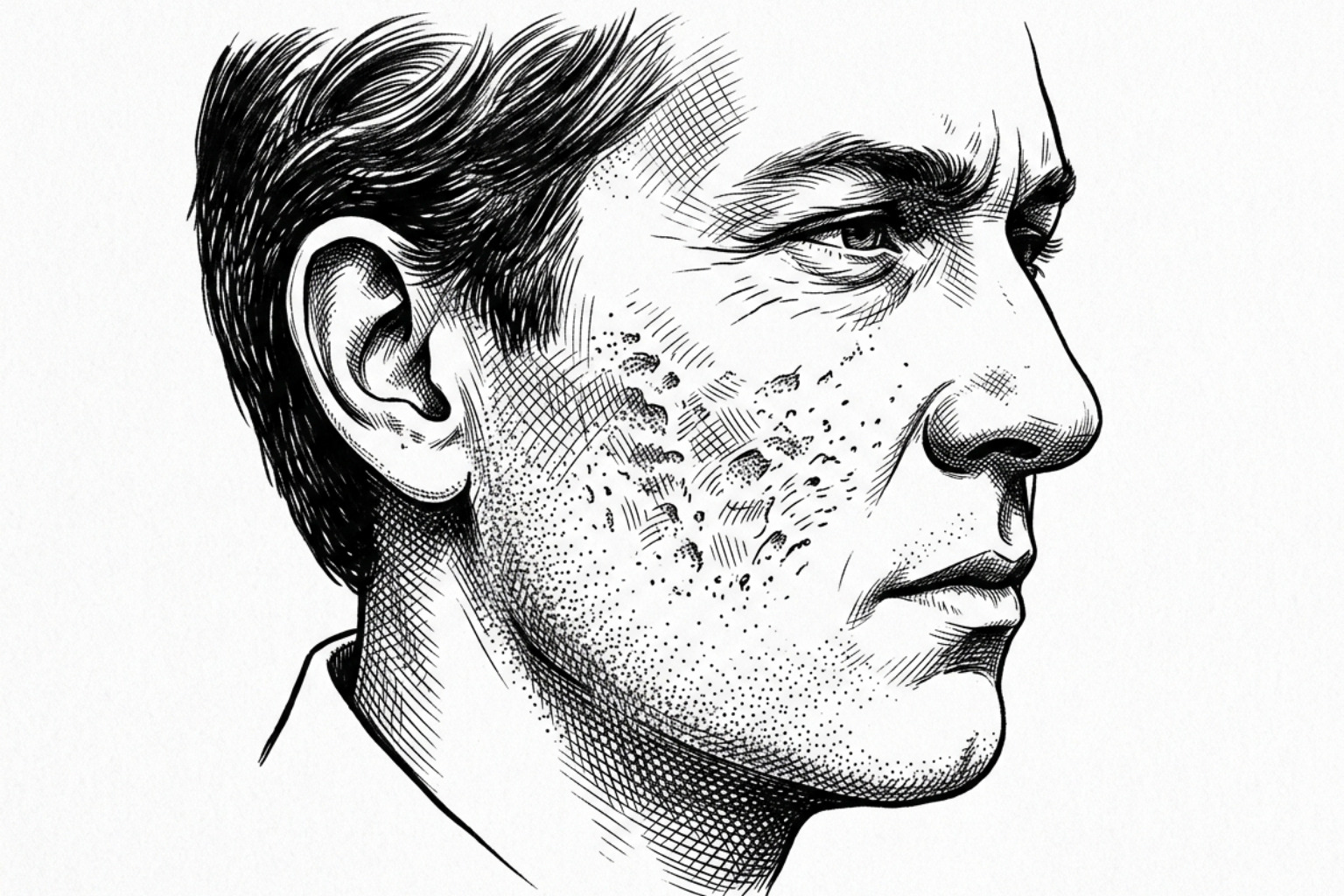
Top-Rated Ice Pick Scar Fillers for a Flawless Finish
Comparing the top injectable fillers for ice pick scars, from temporary hyaluronic acid to semi-permanent PMMA microspheres. See which option fits your skin type, budget, and goals.
The Ultimate Guide to Scar Removal Creams
A dermatologist-reviewed breakdown of scar creams that actually work — silicone, onion extract, retinoids, and botanicals — with clinical evidence and realistic timelines.
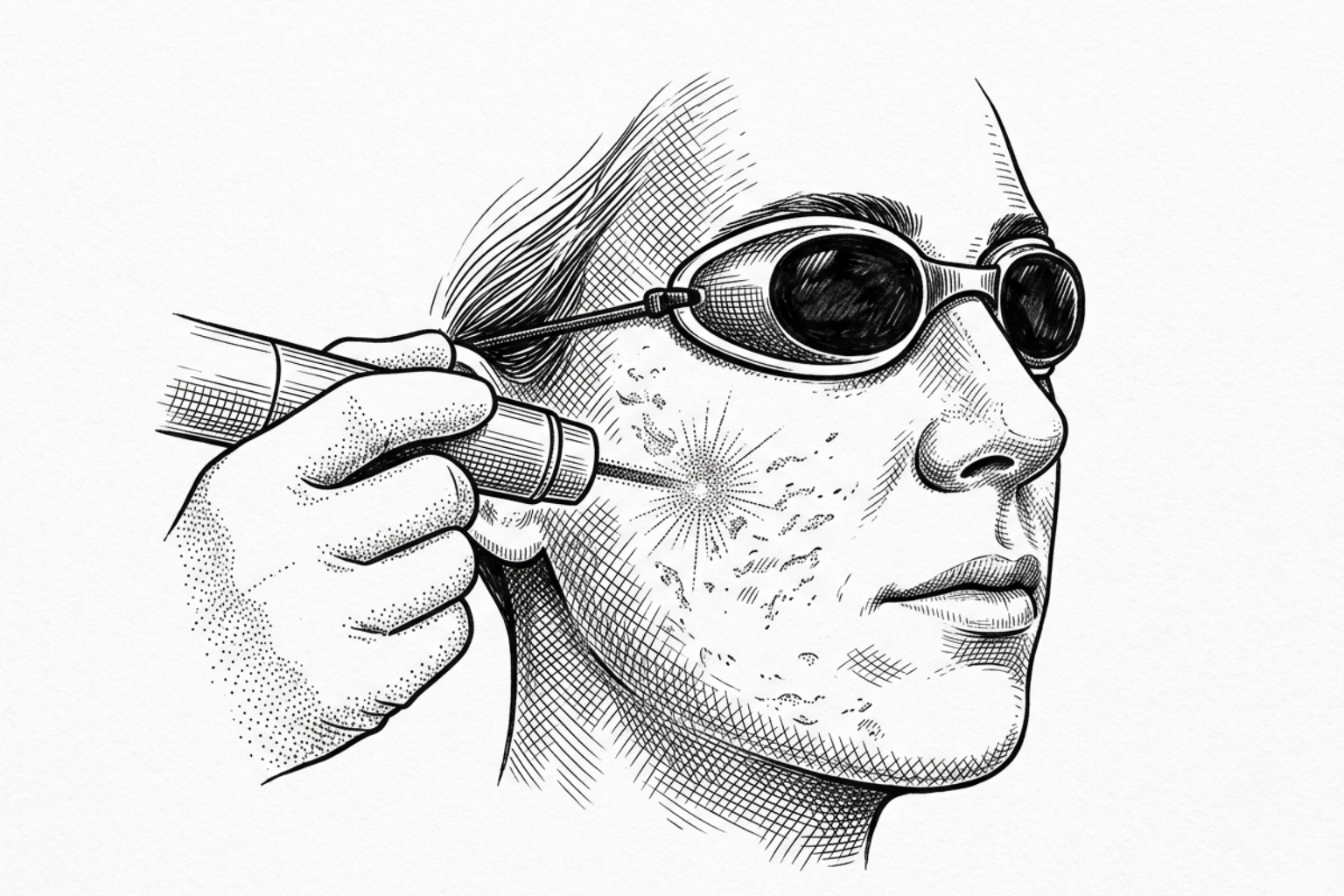
Laser vs RF Scar Reduction Treatment: Which Tech Wins?
A clinical comparison of laser scar reduction modalities — CO2, Erbium, and pulsed dye — with evidence on efficacy, safety across skin tones, and realistic recovery expectations.
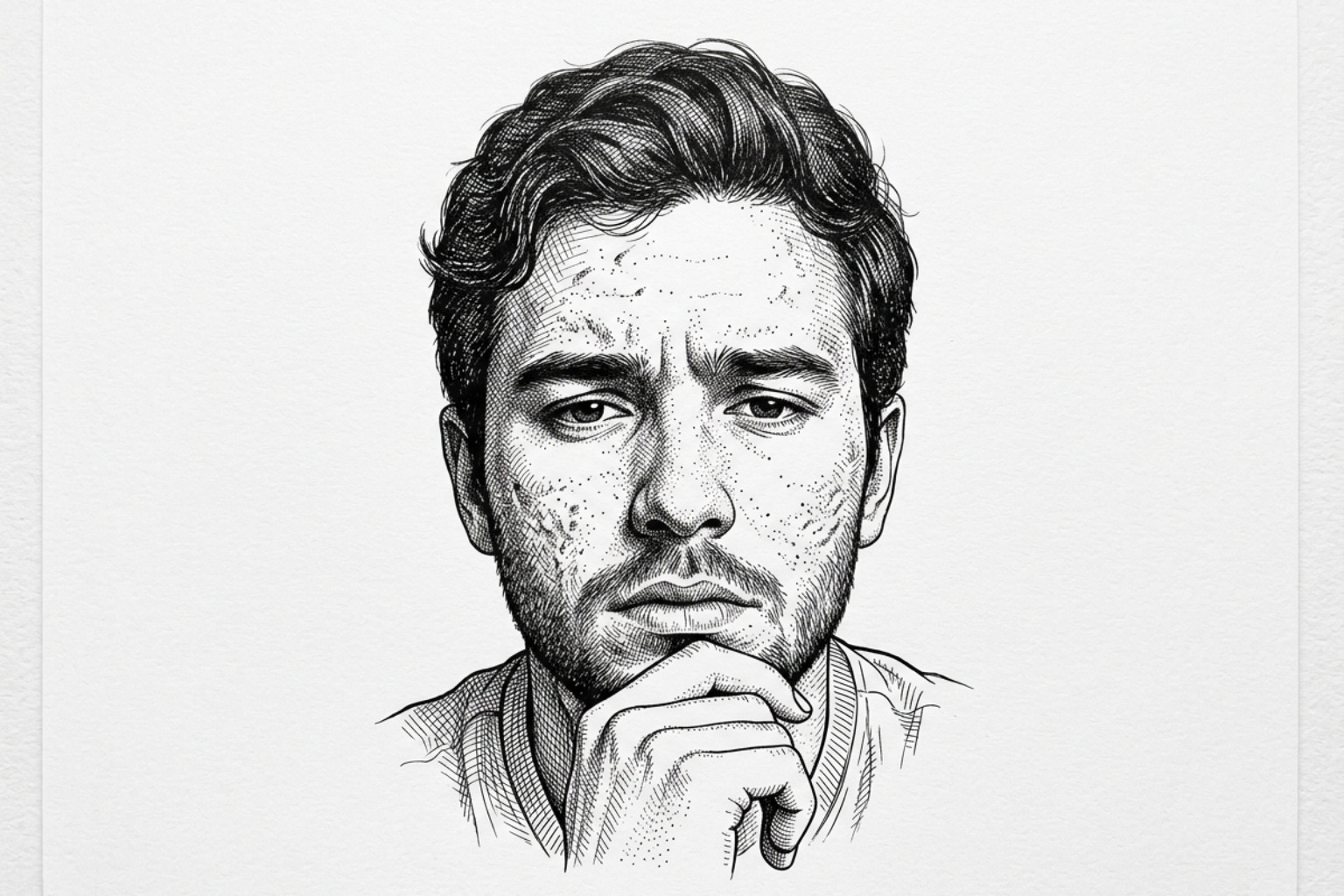
How to Prevent Acne Scarring Before It Starts
Up to 90% of acne patients develop scarring — even from mild breakouts. Evidence-based strategies like early treatment, avoiding picking, retinoids, and daily SPF can significantly cut your risk.