The Ultimate Guide to Restore Skin After Acne
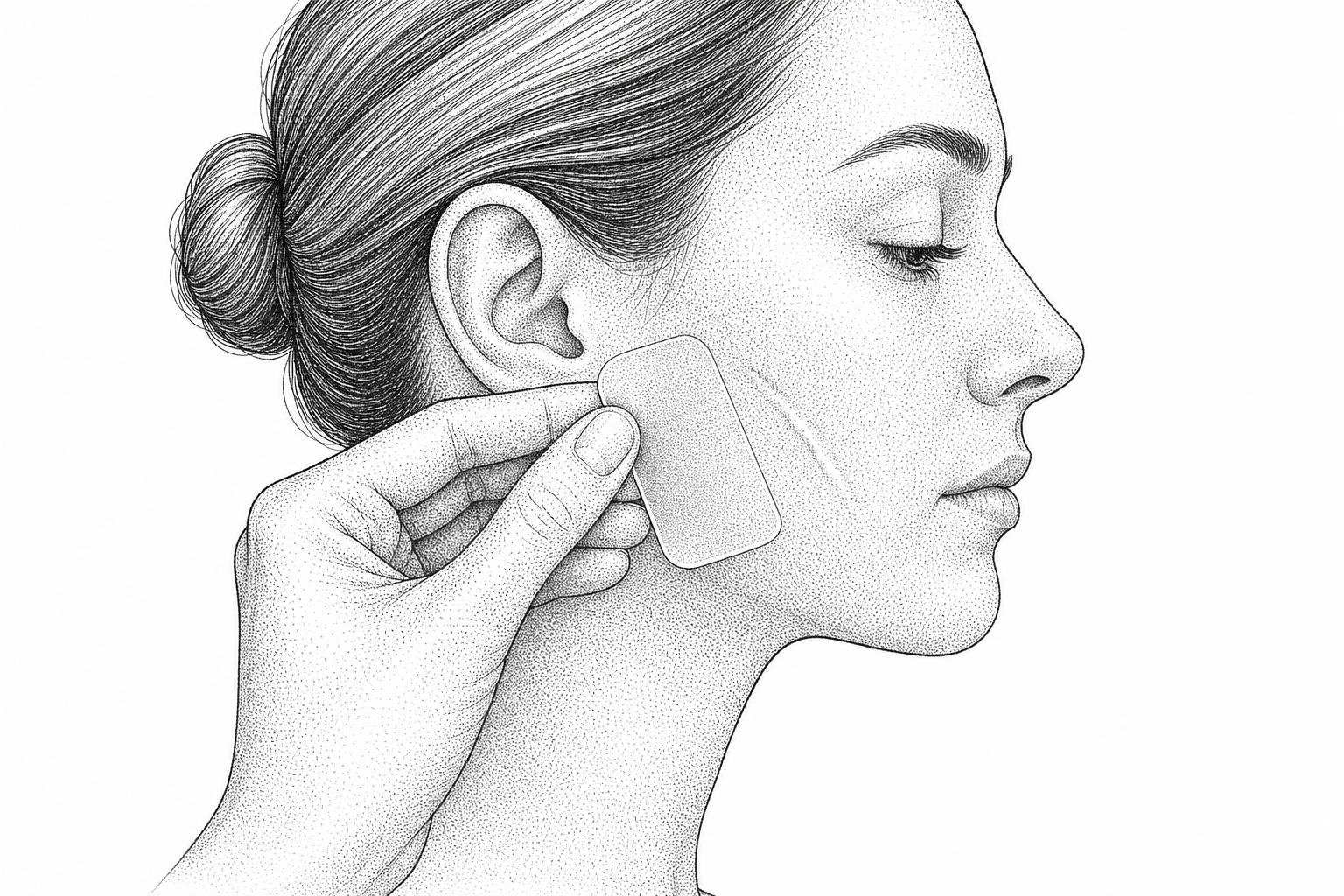
Acne leaves more than scars — a damaged barrier, dark spots, and uneven texture. This 3-phase plan covers barrier repair, pigment fading, and the in-office treatments that rebuild smooth skin.
How post-acne skin recovery works
How to restore skin after acne is rarely a single step — it depends entirely on what the acne left behind. Here is a quick-reference summary to match your situation:
| What You See | What It Is | What Generally Helps |
|---|---|---|
| Red or pink flat marks | Post-inflammatory erythema (PIE) | Time, anti-inflammatories, vascular laser |
| Brown or dark flat marks | Post-inflammatory hyperpigmentation (PIH) | SPF, niacinamide, retinoids, azelaic acid |
| Pitted or indented skin | Atrophic scarring | Microneedling, laser, subcision, fillers |
| Raised, thickened skin | Hypertrophic or keloid scarring | Steroid injections, laser, cryotherapy |
| Dry, reactive, stinging skin | Damaged skin barrier | Ceramide repair, gentle cleansing, pause actives |
Acne is the most common skin condition in the world. Approximately 80% of people between the ages of 11 and 30 experience it — and roughly one in five of those people will develop visible scarring. But the marks acne leaves behind are not all the same.
Some are purely cosmetic discoloration that fades with the right topical routine. Others are structural changes to the dermis — the deeper layer of skin — that require clinical intervention to meaningfully improve.
That distinction matters enormously. Treating a brown flat mark with the same approach as a pitted atrophic scar will not work. Worse, using aggressive active ingredients on a skin barrier that is already damaged from acne treatment can trigger a cycle of inflammation, dryness, and new breakouts that extends recovery by months.
The research is clear on one point: restoring skin after acne is a staged process, not a single product fix. It begins with understanding the biology of what went wrong — and then working with that biology, not against it.
This guide was produced by the Scar Healing Editorial Team, an independent science resource covering wound healing, scar formation, and skin regeneration — the sections ahead move from the underlying tissue damage through to clinical and at-home treatment options, with realistic timelines at each stage.
Quick how to restore skin after acne definitions:
How acne damages your skin
To understand how to restore skin, one must understand how it was damaged. Acne-induced tissue damage is fundamentally a consequence of the inflammatory response. When a hair follicle becomes clogged with excess sebum and shed keratinocytes (the skin sheds approximately 40,000 cells every hour), it creates an anaerobic environment. This environment allows bacteria, specifically Cutibacterium acnes, to proliferate.
As the immune system responds to this bacterial overgrowth, inflammatory mediators cause the follicular wall to swell. If the pressure becomes too high, the follicular wall ruptures, spilling lipids, bacterial proteins, and keratin fragments into the surrounding dermis. This triggers a localized, high-intensity inflammatory cascade.
The body repairs this dermal wound through a multi-phase healing process: inflammation, proliferation, and tissue remodeling. How the skin handles collagen remodeling during this final phase determines whether a permanent scar forms.
When the inflammatory response is prolonged or exceptionally severe, it degrades the surrounding extracellular matrix (ECM), including collagen and elastin fibers.
- Atrophic Scars (Tissue Loss): In 75% to 90% of acne scar cases, the body does not produce enough collagen to replace the destroyed dermal tissue during the healing phase. This results in depressed or pitted scars. Atrophic scars are sub-classified based on their physical geometry:
- Ice Pick Scars: Deep, narrow, V-shaped depressions (< 2 mm wide) that extend into the deep dermis or subcutaneous tissue. They account for 60% to 70% of atrophic scars and are historically the most challenging to treat.
- Boxcar Scars: Round or oval depressions with sharply demarcated, vertical walls (0.1 to 0.5 mm deep). They make up 20% to 30% of atrophic cases.
- Rolling Scars: Broad, undulating depressions (4 to 5 mm wide) with sloped edges. They occur when fibrous bands of collagen tether the epidermis to the deeper subcutaneous tissue, pulling the surface downward. They comprise 15% to 25% of atrophic scars.
- Hypertrophic and Keloid Scars (Tissue Excess): Conversely, if the fibroblasts produce an excess of collagen during the repair process, a raised scar forms. Hypertrophic scars remain within the boundaries of the original blemish and typically appear within 1 to 2 months of clearance. Keloid scars are more aggressive, growing beyond the original borders of the wound, and can appear anywhere from 3 to 12 months after the initial inflammation.
For a comprehensive review of these mechanisms, see the clinical guides on how scars form and how dermatologists perform a clinical scar assessment.
Your step-by-step skin restoration plan
Before attempting to rebuild dermal collagen or fade stubborn pigmentation, the surface of the skin must be stabilized. A common clinical error is immediately applying strong acids or retinoids to skin that has been stripped by aggressive acne treatments.
Acne therapies such as benzoyl peroxide, topical retinoids, and oral isotretinoin (Accutane) are highly effective at clearing blemishes, but they are highly disruptive to the skin barrier. For instance, isotretinoin suppresses sebaceous gland lipid production by up to 90%. Because the skin barrier relies on these lipids for its structural integrity, stopping acne treatment often leaves the skin dry, reactive, and highly vulnerable.
Clinical protocols for post-acne recovery prioritize corneotherapy—the science of repairing and maintaining the stratum corneum (the outermost layer of the skin) to defend the deeper layers. Attempting to treat scars or pigment while the barrier is compromised will only trigger further inflammation, which in turn accelerates pigment production and delays collagen synthesis.
| Characteristic | Post-Inflammatory Erythema (PIE) | Post-Inflammatory Hyperpigmentation (PIH) |
|---|---|---|
| Primary Cause | Dilated, damaged, or inflamed microcapillaries | Excess melanin synthesis triggered by inflammation |
| Visual Appearance | Pink, red, or purplish flat marks | Brown, black, or dark grey flat spots |
| Common Skin Types | More prevalent in Fitzpatrick skin types I–III | More prevalent in Fitzpatrick skin types IV–VI |
| The "Blanch" Test | Temporarily disappears or fades when pressed | Does not change color when pressed |
| Primary Treatments | Vascular lasers (pulsed dye, Nd:YAG), niacinamide | Tyrosinase inhibitors, chemical peels, retinoids |
To understand how to navigate this recovery process, see the pimple marks removal complete guide.
Phase 1: Repair your skin barrier
The stratum corneum is frequently described as a "brick-and-mortar" structure. The "bricks" are corneocytes (dead skin cells packed with keratin), and the "mortar" is a highly organized intercellular lipid matrix consisting of ceramides, cholesterol, and free fatty acids.
When this lipid matrix is depleted, transepidermal water loss (TEWL) increases. This dehydration impairs the skin’s natural enzymatic exfoliation process, leading to a buildup of dead cells, micro-comedones, and a rough texture.
To repair this barrier:
- Switch to a Non-Foaming Cleanser: Avoid harsh sodium lauryl sulfate (SLS) surfactants. Use a gentle, non-foaming cleanser with an acidic pH (4.5 to 5.5) to preserve the skin's natural acid mantle.
- Replenish the Lipid Matrix: Apply a moisturizer formulated with physiological lipids—specifically Ceramides NP, AP, and EOP—ideally in a 3:1:1 molecular ratio with cholesterol and fatty acids.
- Minimize TEWL: In cases of severe dryness, lightweight, non-comedogenic occlusives like squalane can be highly beneficial. However, heavy petrolatum-based ointments should be used with caution on acne-prone skin, as they can trap heat and, in some individuals, promote fungal overgrowth (Malassezia).
- Allow Time for Recovery: Initial barrier improvement (reduced stinging and redness) typically occurs within 2 to 4 weeks, but full structural barrier restoration after intensive acne treatment generally takes 8 to 12 weeks, as documented in clinical reviews of research on the skin barrier in acne.
Phase 2: Fade dark spots with retinoids
Once the skin barrier is stable and no longer stings upon product application, the focus can transition to clearing flat post-acne marks (PIE and PIH).
Fading brown marks (PIH) requires a combination of two mechanisms: inhibiting the enzymatic pathway that creates melanin, and accelerating the cellular turnover that sheds existing pigmented cells.
- Tyrosinase Inhibitors: Tyrosinase is the key enzyme responsible for the first steps of melanin synthesis. Ingredients such as azelaic acid (at clinical strengths of 10% to 20%), topical tranexamic acid (3% to 5%), and stable vitamin C derivatives (10% to 15%) act upstream. They block the chemical signaling pathways between keratinocytes and melanocytes, halting excess pigment production before it reaches the surface. Azelaic acid is particularly valuable as it selectively targets hyperactive melanocytes while calming residual vascular inflammation (PIE).
- Retinoids: Topical retinoids (such as retinol, retinaldehyde, or prescription-strength tretinoin) do not directly inhibit melanin production. Instead, they bind to nuclear receptors in skin cells to normalize and accelerate epidermal cell turnover. This pushes pigmented keratinocytes to the surface to be shed more rapidly. Furthermore, retinoids stimulate fibroblasts in the dermis to synthesize new collagen, helping to smooth out very mild textural irregularities.
- Daily Photoprotection: Ultraviolet (UV) radiation is a potent stimulator of melanocytes. Even minor UV exposure will darken PIH and prolong its clearance timeline. A broad-spectrum sunscreen with an SPF of 30 or higher is the single most critical step in any post-acne protocol. Without daily sunscreen, topical fading agents will show little to no clinical progress.
For detailed application protocols, refer to the research-backed analysis on retinoid cream for scars and advanced post-acne pigment management in the dermatologist acne scar treatment guide.
Comparing in-office treatments
While topical skincare is highly effective for fading surface discoloration (PIH and PIE), clinical consensus shows that at-home topical products cannot repair true structural atrophic or hypertrophic scars. Rebuilding lost dermal tissue or flattening raised collagen bundles requires physical, in-office interventions overseen by a board-certified dermatologist.
A single treatment modality is rarely sufficient. Modern dermatology relies on morphology-driven combination therapies, where different procedures are paired to target the unique structural characteristics of a patient's scars. For a clinical overview of these options, see the Cleveland Clinic's guidelines on how to get rid of acne scars.
Microneedling (collagen induction)
Microneedling, also known as collagen induction therapy, is a minimally invasive procedure designed to treat atrophic scars.
The procedure utilizes a device equipped with sterile, fine needles (typically ranging from 0.5 to 2.0 mm in length) to create thousands of controlled, perpendicular micro-punctures in the epidermis and dermis.
These micro-injuries trigger a localized wound-healing cascade without destroying the epidermis. Platelets release growth factors—including transforming growth factor-beta (TGF-beta) and platelet-derived growth factor (PDGF)—which stimulate fibroblasts to migrate to the site and synthesize new collagen and elastin. Over several months, this new tissue fills in the depressed areas of atrophic scars.
Clinical trials show that microneedling typically requires 4 to 6 sessions spaced 4 to 6 weeks apart for optimal results. A major advantage of microneedling is its safety profile across all skin types; unlike ablative lasers, it carries a very low risk of post-inflammatory hyperpigmentation in darker skin tones (Fitzpatrick types IV–VI).
To read more about the biological mechanisms of this treatment, see the review of microneedling benefits scars.
Subcision and fillers for depressed scars
For rolling scars, which are held down by deep fibrous bands pulling the skin surface inward, surface resurfacing alone is insufficient. The physical restriction beneath the scar must be released.
- Subcision: During this minor surgical procedure, a dermatologist inserts a specialized needle (such as a tri-beveled Nokor needle or a blunt cannula) parallel to the skin surface into the subcutaneous plane. The provider moves the needle back and forth to physically sever the fibrous tethers. This releases the tension, allowing the skin to lift immediately. Learn more about this structural release in the clinical guide to subcision for scars.
- Dermal Fillers: To prevent the severed fibers from reattaching and to instantly restore lost volume, subcision is frequently paired with dermal fillers. Injecting hyaluronic acid (HA) or biostimulatory fillers (such as Poly-L-lactic acid) directly under the released scar plumps the tissue. Most temporary fillers provide structural support for 6 to 18 months, during which the body deposits its own permanent collagen matrix in the space. For a deeper look at this process, see the guide on dermal fillers ice pick scars.
Common questions about recovery
How long do results take?
The timeline for restoring skin after acne is dictated by the rate of epidermal cell turnover and dermal remodeling.
- Surface Discoloration (PIH/PIE): Without treatment, red or brown marks can take 6 to 12 months to fade entirely on their own. With a consistent, targeted topical routine (including sunscreen, tyrosinase inhibitors, and retinoids), visible improvement is typically observed within 4 to 6 weeks, with significant fading occurring by the 8- to 12-week mark.
- Textural and Atrophic Scars: Because collagen synthesis and remodeling is a slow cellular process, physical changes from microneedling, subcision, or laser resurfacing take time. While initial tissue healing occurs within days, true dermal remodeling and the resulting improvement in skin texture continue for up to 9 months following a procedure.
For strategies on optimizing these timelines, read the resource on quick scar fading treatment.
Can a damaged barrier cause breakouts?
A compromised skin barrier is one of the most common triggers for post-treatment acne relapse. When the stratum corneum is damaged and stripped of its essential lipids, several physiological changes occur:
- Compensatory Sebum Overproduction: To compensate for rapid moisture loss (TEWL), the sebaceous glands may increase sebum production, leading to oily yet dehydrated skin.
- Microbiome Disruption: A healthy, slightly acidic skin barrier (pH 4.5–5.5) keeps pathogenic bacteria in check. When the barrier is compromised, the pH rises, creating an environment where Cutibacterium acnes can easily proliferate.
- Bacterial Biofilms: Rough, damaged skin surfaces provide ideal anchor points for bacteria to form protective biofilms. These biofilms make the bacteria highly resistant to standard topical treatments.
Prioritizing barrier health is a foundational preventive measure, as detailed in the guide on tips to prevent acne scars.
What to avoid while skin heals
During the active recovery phase, the primary goal is to minimize inflammation. The skin should not be subjected to ingredients that cause physical or chemical irritation. Avoid:
- Harsh Physical Scrubs: Apricot kernels, sugar scrubs, and stiff cleansing brushes create micro-tears in an already vulnerable stratum corneum.
- High-Concentration Benzoyl Peroxide: Concentrations above 5% can cause significant barrier disruption and oxidize the very lipids holding the outer skin layers together.
- Denatured Alcohol and Synthetic Fragrances: These are common sensitizing agents that can trigger contact dermatitis and worsen vascular redness (PIE).
- Over-Exfoliation: Stacking multiple strong acids (such as glycolic, salicylic, and lactic acids) on the same night as a retinoid will compromise the barrier and delay healing.
For individuals with highly reactive skin, see the dedicated guide on scar removal for sensitive skin.
Key takeaways
Restoring skin after acne is a highly structured, multi-phase process. It requires moving away from aggressive, immediate interventions toward a staged, clinically sound recovery protocol.
The journey begins by restoring the stratum corneum's barrier function, followed by the targeted fading of surface discoloration, and finally, addressing deep structural changes through professional dermatological procedures.
Because every skin type and scar morphology is unique, there is no universal solution. A personalized approach—combining gentle at-home care with targeted clinical treatments—remains the gold standard for achieving healthy, resilient skin.
To explore topical formulations designed to support this final recovery phase, refer to the pimple scar removal cream guide.
Works Cited
- American Academy of Dermatology. "Acne Scars: Consultation and Treatment." American Academy of Dermatology.
- Connolly D, Vu HL, Mariwalla K, Saedi N. "Acne Scarring—Pathogenesis, Evaluation, and Treatment Options." The Journal of Clinical and Aesthetic Dermatology, vol. 10, no. 9, 2017, pp. 12–23.
- Thiboutot D, Del Rosso JQ. "Acne Vulgaris and the Epidermal Barrier." The Journal of Clinical and Aesthetic Dermatology, vol. 6, no. 2, 2013, pp. 18–24.
- Jacob CI, Dover JS, Kaminer MS. "Acne Scarring: A Classification System and Review of Treatment Options." Journal of the American Academy of Dermatology, vol. 45, no. 1, 2001, pp. 109–117.
- Abdel Hay R, Shalaby K, Zaher H, et al. "Interventions for Acne Scars." Cochrane Database of Systematic Reviews, 2016.
This content is for informational purposes only and does not constitute medical advice. Consult a qualified healthcare professional for diagnosis and treatment.