Cheat Sheet to Scar Removal for Sensitive Skin
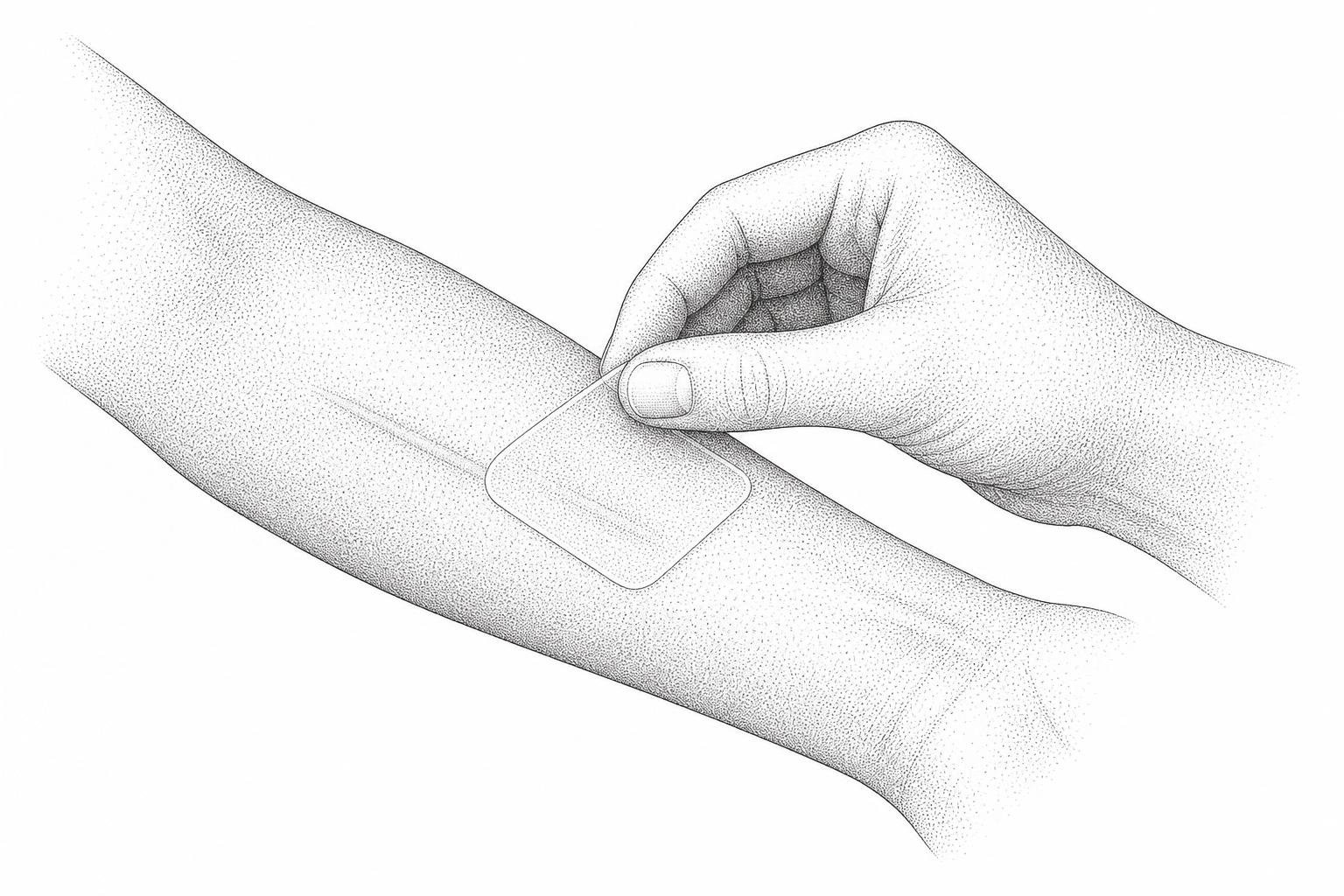
Retinoids and acids that clear scars on resilient skin can leave reactive skin inflamed and darker. This guide covers the silicone, botanical and laser options with evidence behind them, plus how to patch test safely.
Treating scars when skin is sensitive
Scar removal for sensitive skin requires a more careful approach than standard scar treatment — because reactive skin is more likely to respond to treatment with inflammation, hyperpigmentation, or barrier disruption, which can make scarring worse rather than better.
Here is a quick reference for the most evidence-supported options, ranked by suitability for sensitive skin:
| Treatment | Evidence Level | Sensitive Skin Suitability |
|---|---|---|
| Medical-grade silicone gel or sheets | Strong (Level I) | Excellent — fragrance-free, non-irritating |
| Centella Asiatica topicals | Moderate | Good — anti-inflammatory, well-tolerated |
| Onion extract (Allium Cepa) | Moderate | Good — may reduce redness and itching |
| Enzymatic exfoliants (bromelain, papain) | Preliminary | Moderate — gentler than acids |
| Salicylic acid (BHA) | Moderate | Use with caution — can disrupt barrier |
| Fractional laser (Er:YAG, CO2) | Strong | Moderate — requires specialist assessment |
| Fully ablative lasers | Strong | Lower — higher risk of post-inflammatory hyperpigmentation |
Key principle: Sensitive skin has a compromised or hyperreactive skin barrier. Any treatment that causes excessive inflammation can trigger more collagen disruption — and more visible scarring. Gentle, occlusive, and anti-inflammatory approaches consistently perform better in this population.
Scars form as a normal part of wound healing. The body deposits collagen rapidly to close a wound, prioritizing speed over cosmetic precision. For most people, this results in tissue that looks and feels different from surrounding skin. For people with sensitive or reactive skin, the inflammatory phase of healing tends to be more intense — and harder to control — making the choice of scar treatment critically important.
The frustration is real. Persistent acne scars, surgical marks, or injury scars can affect confidence and daily life. But not every scar treatment on the market is safe or effective for reactive skin. Some ingredients that work well on resilient skin — strong chemical exfoliants, synthetic fragrances, certain preservatives — can trigger contact dermatitis or worsen hyperpigmentation in sensitive skin types.
This guide draws on peer-reviewed clinical research to explain what is actually known about scar biology, which topical agents and clinical procedures have meaningful evidence behind them, and how to approach scar care safely when the skin barrier is reactive or compromised.
The Scar Healing Editorial Team has compiled this guide to help readers navigate the clinical evidence clearly — from at-home topical options through to professional laser and injectable treatments.
Why sensitive skin scars differently
To understand why sensitive skin requires a specialized approach to scar management, it is necessary to examine the biological processes of wound healing. Cutaneous wound healing occurs in four overlapping phases: hemostasis, inflammation, proliferation, and tissue remodeling.
During the proliferative phase, specialized cells called fibroblasts migrate to the wound site to synthesize extracellular matrix components, primarily collagen. In normal tissue, collagen fibers are organized in a highly ordered, basket-weave pattern. However, in scar tissue, the collagen fibers align in parallel bundles, which lack the structural elasticity and strength of uninjured skin. In fact, fully remodeled scar tissue only regains about 80% of the tensile strength of healthy skin.
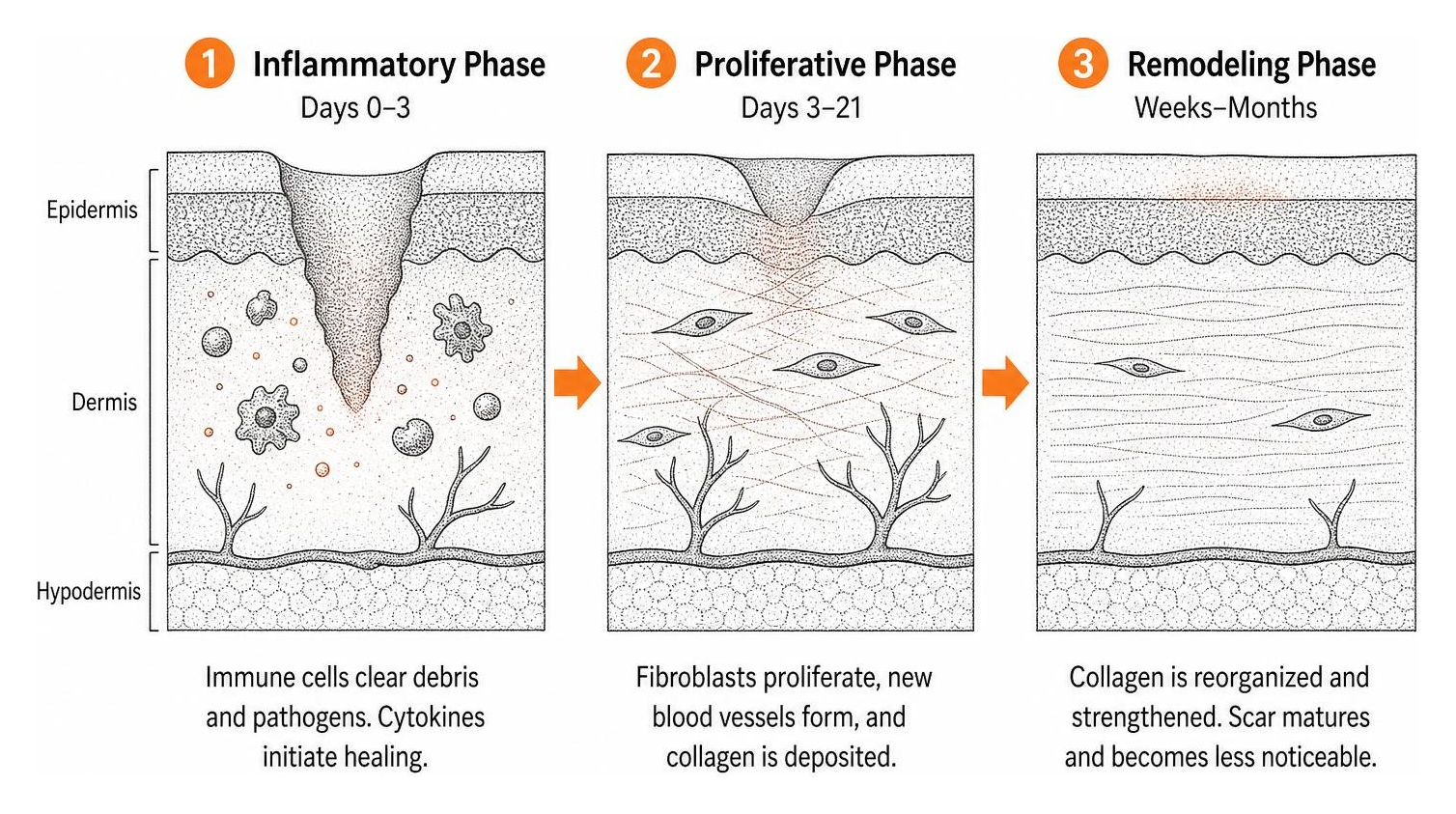
When a wound occurs in individuals with sensitive skin, the inflammatory phase is frequently prolonged or exaggerated. Prolonged inflammation triggers an overproduction of pro-inflammatory cytokines, which signal fibroblasts to continuously deposit collagen. This dysregulated healing cascade increases the risk of abnormal scar formation. A clinical study on scar pathophysiology highlights how abnormal cytokine signaling and persistent inflammation directly contribute to pathological scarring.
Telling scar types apart
The approach to scar removal for sensitive skin must be tailored to the specific type of scar present. Pathological scars are broadly classified into three categories based on their clinical presentation and underlying collagen structure:
- Atrophic Scars: These are depressed or sunken scars that form when there is a net loss of dermal collagen and subcutaneous fat during the healing process. They are most commonly caused by inflammatory acne or varicella infections. Atrophic scars are further categorized into ice pick, boxcar, and rolling scars. As skin ages, the natural loss of collagen and dermal elasticity makes atrophic scars more prominent.
- Hypertrophic Scars: These are raised, red, and firm scars that remain within the boundaries of the original wound. They typically develop within weeks of a surgical incision or physical trauma, particularly in high-tension areas like joints. Hypertrophic scars are characterized by an overproduction of collagen, but they can partially regress over time.
- Keloid Scars: Keloids are benign, fibroproliferative lesions that extend beyond the boundaries of the original injury, invading surrounding healthy tissue. Unlike hypertrophic scars, keloids do not regress spontaneously and can continue to grow over years. There is a strong genetic predisposition to keloids, with higher incidences observed in individuals with darker skin phototypes (African, Hispanic, and Asian heritages).
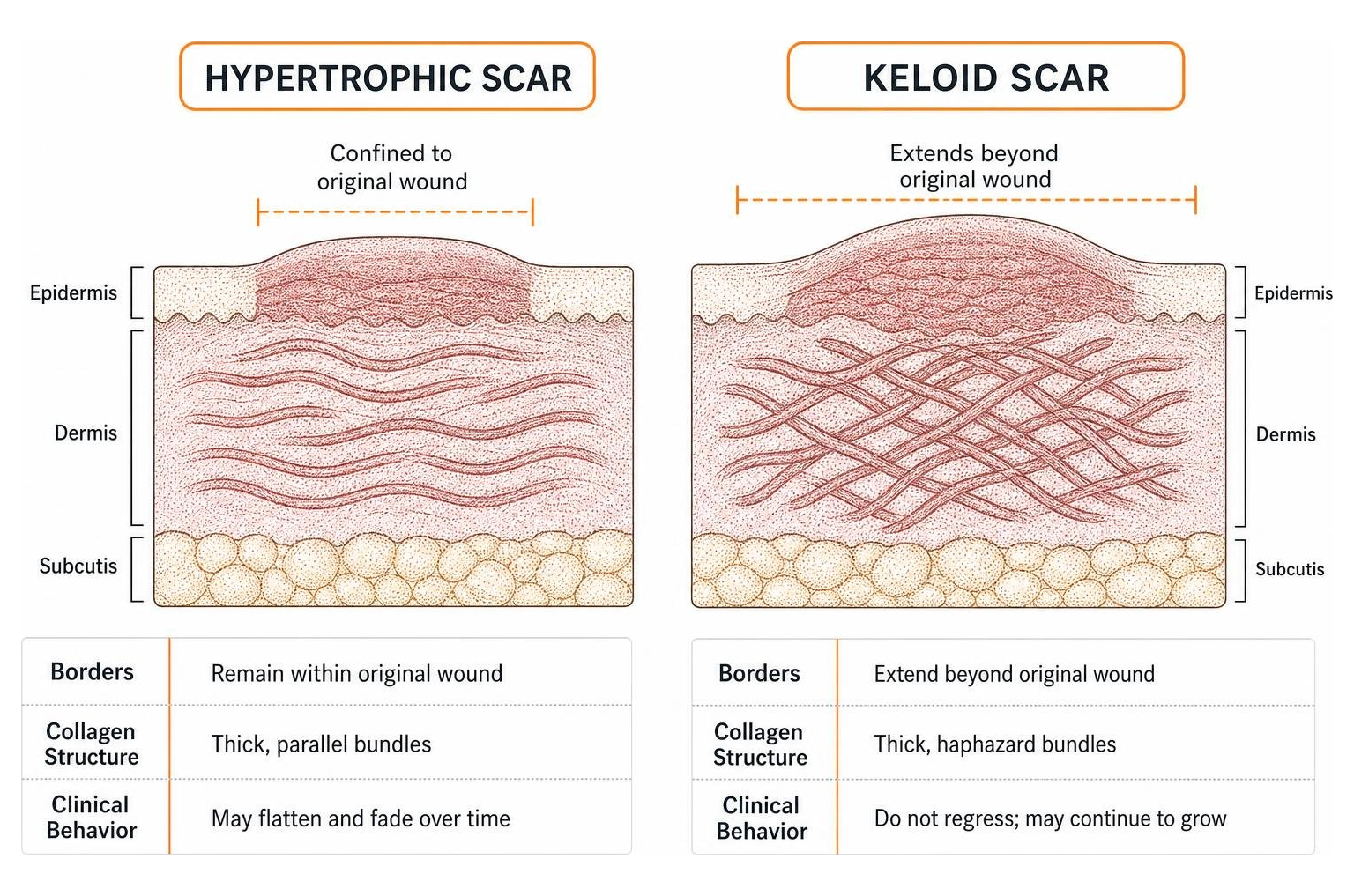
Before beginning any treatment, a comprehensive clinical evaluation is essential to identify the scar type, as hypertrophic scars and keloids require significantly different therapeutic interventions than atrophic scars. For a detailed guide on evaluating these differences, consult our resource on Scar Assessment. For non-invasive options to manage raised lesions, refer to our clinical overview of Non Invasive Keloid Removal.
Why reactive skin needs gentler care
The outermost layer of the skin, the stratum corneum, serves as the primary physical barrier against environmental pathogens and prevents transepidermal water loss (TEWL). Individuals with sensitive skin often have a structurally compromised stratum corneum, characterized by depleted intercellular lipids (such as ceramides and fatty acids) and hyperreactive sensory nerve fibers.
When a reactive skin barrier is subjected to harsh, highly acidic, or heavily fragranced topical treatments, the barrier is further degraded. This leads to an increase in TEWL, which triggers a localized inflammatory response. In the context of a healing scar, this secondary inflammation can restart the wound-healing cascade, prompting fibroblasts to synthesize excess collagen and worsen the scar's appearance.
Furthermore, sensitive skin is highly susceptible to contact dermatitis. Many commercial scar creams contain potential sensitizers, such as synthetic fragrances, parabens, and essential oils, which can cause allergic reactions and subsequent postinflammatory hyperpigmentation (PIH). Therefore, selecting biocompatible, non-irritating agents is paramount. To understand which treatments are clinically viable without causing barrier distress, read our analysis on What Works For Scars.
Creams and gels for sensitive skin
Topical therapies represent the first line of defense in scar management. For sensitive skin, the ideal topical agent must provide clinical efficacy while respecting the delicate nature of the skin barrier.
| Topical Agent | Primary Mechanism of Action | Clinical Indication | Sensitive Skin Profile |
|---|---|---|---|
| Medical-Grade Silicone | Occlusion, hydration, downregulates TGF-beta | Hypertrophic, keloid, and surgical scars | Inert, non-comedogenic, zero risk of chemical irritation |
| Centella Asiatica | Stimulates collagen type I, anti-inflammatory | Atrophic acne scars, early-stage wounds | Soothing, supports barrier repair |
| Allium Cepa (Onion Extract) | Anti-inflammatory, inhibits fibroblast proliferation | Surgical and hypertrophic scars | Mildly exfoliating; can cause transient redness |
| Enzymatic Exfoliants | Gentle proteolysis of dead keratinocytes | Atrophic scars, textural irregularities | Highly tolerated alternative to alpha-hydroxy acids |
For a comprehensive evaluation of current over-the-counter formulations, refer to our Best Scar Removal Creams Guide 2026.
Silicone: the most proven option
Topical silicone remains the undisputed, gold-standard non-invasive therapy for both the prevention and treatment of hypertrophic and keloid scars. It is highly recommended by international clinical consensus panels because of its inert formulation and lack of chemical toxicity, making it exceptionally safe for sensitive skin.
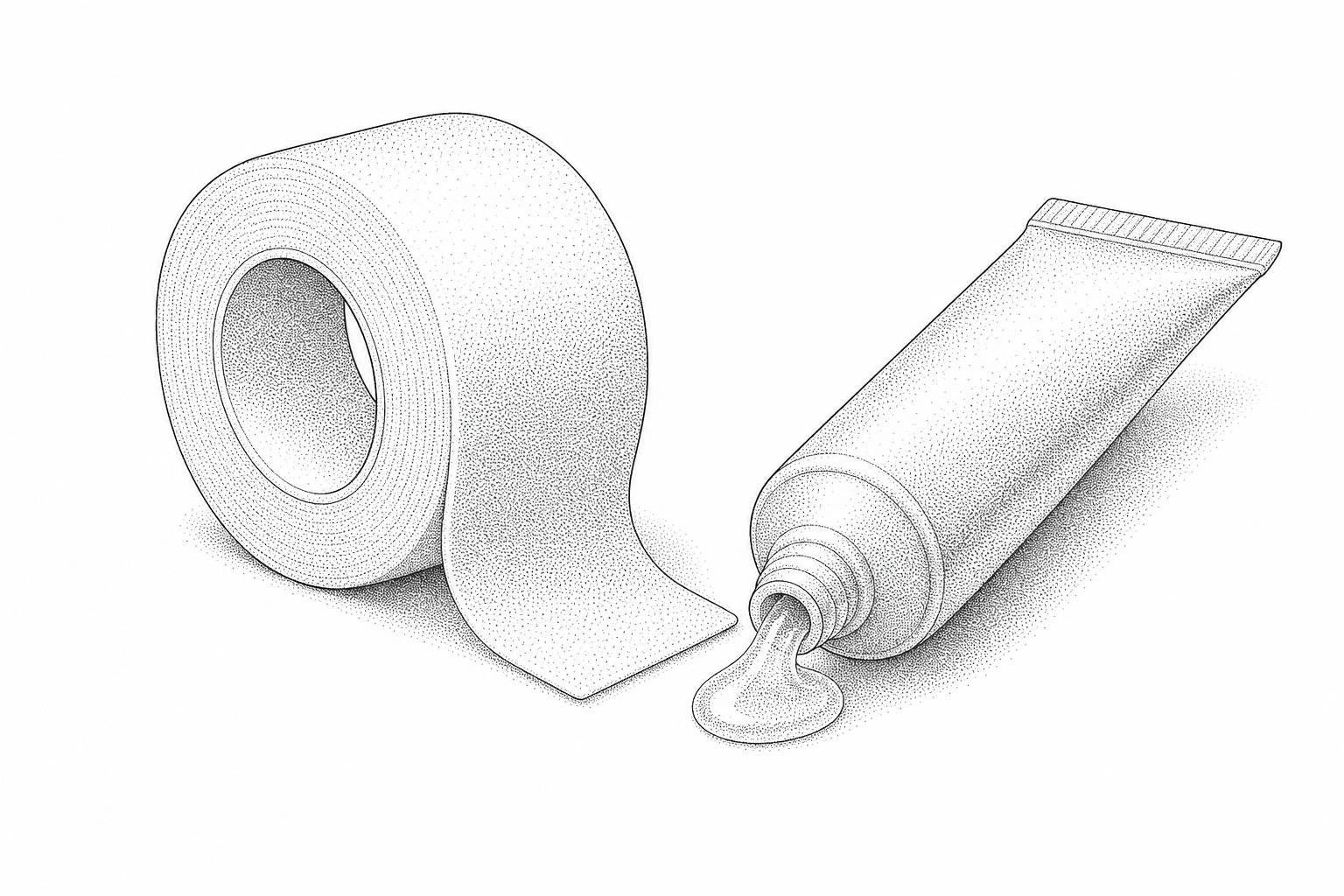
Silicone works primarily through physical mechanisms rather than chemical absorption. It creates a breathable, semi-occlusive barrier over the scar tissue, mimicking the function of a healthy stratum corneum. This "hydration halo" significantly reduces TEWL, signaling to the overlying keratinocytes that the skin barrier is restored.
In response, keratinocytes produce fewer pro-inflammatory cytokines, which in turn downregulates the activity of fibroblasts. This limits the overproduction of collagen and helps flatten and soften raised scars.
A landmark Cochrane review on silicone gel sheeting confirmed that consistent application of silicone sheeting significantly reduces the height and redness of hypertrophic and keloid scars compared to untreated controls. For details on selecting high-quality silicone-based products, see our guide to the Best Scar Cream With Silicone.
Plant extracts: Centella asiatica and Allium cepa
When silicone is not preferred, or when treating atrophic scars, specific botanical extracts offer clinically documented benefits without compromising reactive skin:
- Centella Asiatica (Tiger Grass): Rich in active triterpenoids (such as madecassoside and asiaticoside), Centella Asiatica has been shown to promote wound healing by stimulating type I collagen synthesis and increasing intracellular fibronectin levels. Its potent anti-inflammatory and barrier-supportive properties make it an excellent choice for soothing sensitive skin during the remodeling phase.
- Allium Cepa (Onion Extract): Onion extract exhibits anti-inflammatory and antibacterial properties. It works by inhibiting the production of extracellular matrix components and reducing fibroblast proliferation. Clinical trials indicate that topical onion extract gel can improve scar redness, pliability, and overall appearance, though some individuals with highly reactive skin may experience mild, transient stinging upon application.
For those interested in exploring natural alternatives, scientific evidence regarding plant-based soothing agents can be found in our literature review on Aloe Vera Scar Reduction and our broader guide to Natural Scar Reduction Treatment.
Gentle exfoliants vs. harsh acids
Chemical exfoliation is often utilized to smooth the uneven texture of atrophic scars and fade post-inflammatory hyperpigmentation. However, traditional alpha-hydroxy acids (like glycolic acid) can cause significant irritation, peeling, and barrier disruption in sensitive skin.
Enzymatic exfoliants, such as bromelain (derived from pineapples) and papain (derived from papayas), offer a gentler alternative. These proteolytic enzymes selectively digest dead keratinocytes on the surface of the stratum corneum without penetrating deep into the dermis or disrupting the lipid barrier. This gentle resurfacing helps smooth scar texture and accelerate cell turnover without triggering inflammatory cascades.
When acids are necessary, oil-soluble beta-hydroxy acids like salicylic acid are typically preferred for acne-prone, sensitive skin due to their anti-inflammatory properties, provided they are used in low concentrations. For a deeper understanding of chemical resurfacing risks, read our Chemical Peel Scars Complete Guide. To target localized discoloration safely, explore our research on Old Scar Lightening Serum.
In-office lasers and injectables
When topical treatments do not yield satisfactory results, clinical dermatological procedures may be considered. However, traditional ablative procedures carry a high risk of thermal damage and subsequent PIH in sensitive skin. Modern dermatology has evolved to utilize highly precise, micro-targeted technologies to minimize these risks. For a complete overview of clinical options, consult our Laser Treatment For Scars Complete Guide.
How fractional lasers protect sensitive skin
Traditional CO2 lasers remove the entire surface layer of the skin, requiring extensive downtime and posing significant risks for sensitive skin. In contrast, fractional laser technology treats only a fraction of the skin's surface at a time. It creates microscopic thermal treatment zones (MTZs) that penetrate deep into the dermis while leaving the surrounding tissue intact. This intact tissue facilitates rapid re-epithelialization, reducing recovery time and minimizing the risk of infection or scarring.
For sensitive skin, fractional Erbium:YAG (Er:YAG) lasers (operating at 2940 nm) are often preferred over CO2 lasers. Er:YAG lasers are highly absorbed by water in the skin, allowing for precise, superficial ablation with minimal lateral thermal damage.
Additionally, advanced laser systems incorporate integrated cooling mechanisms, such as a continuous cryogenic or cold-air spray that immediately precedes the laser pulse. This keeps the epidermis at an optimal, cool temperature, preventing the hyperactivation of inflammatory pathways and protecting the skin barrier.
To understand how laser settings are adjusted for different skin types, view our Laser Scar Reduction Guide 2026. For specific precautions regarding darker Fitzpatrick skin types, read our dedicated article on Laser Scar Removal For Dark Skin.
When injectables help fill dents
For deep, pitted atrophic scars (such as rolling or boxcar scars), resurfacing the skin's surface is often insufficient because the underlying dermal volume has been lost. In these cases, regenerative injectables offer a highly effective, non-thermal solution that bypasses the sensitive epidermal barrier entirely.
Dermal fillers, particularly those formulated with hyaluronic acid or biostimulatory agents (such as poly-L-lactic acid), can be precisely injected beneath the scar tissue. This immediately lifts the depressed scar to the level of the surrounding skin.
Over time, biostimulatory injectables encourage the body's natural fibroblasts to synthesize new, organized collagen, providing long-term structural improvement. Because these treatments are targeted beneath the epidermis, they carry a very low risk of triggering surface-level sensitivity or PIH. To compare injectables with other clinical modalities, see our review of the Best Scar Removal Treatment.
Preventing scars and protecting your barrier
The most effective way to manage scars on sensitive skin is to prevent their formation through proper, non-irritating wound care. Once a scar has formed, any active scar treatments must be carefully integrated into a supportive, barrier-repairing skincare routine.
Caring for a fresh wound
According to clinical guidelines from the American Academy of Dermatology (AAD), keeping a healing wound moist and covered is the single most effective way to minimize subsequent scarring. Letting a wound dry out and form a hard scab actually delays healing and increases scar tissue formation.
For sensitive skin, the following preventative routine is recommended:
- Gentle Cleansing: Cleanse the wound daily with lukewarm water and a mild, fragrance-free cleanser. Avoid harsh antiseptic solutions (like hydrogen peroxide or rubbing alcohol), which damage newly forming skin cells.
- Apply Petroleum Jelly: Keep the wound moist by applying a thin layer of plain petroleum jelly. Petroleum jelly is highly biocompatible, hypoallergenic, and does not contain the common sensitizing preservatives found in many over-the-counter antibacterial ointments.
- Non-Adhesive Dressing: Cover the wound with a sterile, non-adhesive gauze pad. Secure it using paper tape rather than standard adhesive bandages, as standard adhesives can cause contact allergies and epidermal stripping upon removal.
To learn more about gentle, evidence-based home healing techniques, read our articles on Face Scar Treatment Home and Home Remedies Scars.
Layering actives and using sunscreen
Once a wound has completely closed and re-epithelialized (typically 2 to 3 weeks post-injury), active scar treatments can begin. However, combining multiple active skincare ingredients requires caution to prevent skin barrier distress.
- Avoid Direct Layering: Do not apply active scar gels containing acids or retinoids at the same time. Instead, use a split routine: apply soothing or silicone-based treatments in the morning, and reserve mild retinoids for evening use. For a detailed look at incorporating retinoids safely, read our analysis on Retinoid Cream For Scars.
- Prioritize Barrier Repair: Ensure your daily routine includes a basic, fragrance-free moisturizer rich in ceramides, cholesterol, and free fatty acids to support stratum corneum integrity.
- Mandatory Sun Protection: UV radiation triggers melanocytes to produce excess melanin, which can permanently darken healing scar tissue (causing PIH). For sensitive skin, always use a broad-spectrum mineral sunscreen with SPF 30 or higher. Mineral sunscreens containing zinc oxide or titanium dioxide are highly recommended because they sit on top of the skin to reflect UV rays, causing significantly less irritation than chemical UV filters.
For guidance on managing post-inflammatory marks alongside active acne, consult our comprehensive resource on Skin Care For Pimples And Dark Spots.
Frequently asked questions
How long does it take to see visible improvements in scars on sensitive skin?
The tissue remodeling phase of wound healing is a slow, physiological process that can continue for up to a full year. When treating scars on sensitive skin, patience and consistency are essential.
With daily application of medical-grade silicone or gentle botanical topicals, initial improvements in scar texture, pliability, and redness are typically observed within 4 to 8 weeks. However, optimal clinical remodeling usually requires 3 to 6 months of continuous, daily therapy. Attempting to accelerate this timeline with aggressive treatments will likely result in barrier irritation and worsened scarring. For more on managing recovery timelines, see our overview of Quick Scar Fading Treatment.
When should a dermatologist be consulted for scar revision?
While mild, superficial scars can often be managed with at-home topical care, certain clinical presentations require the expertise of a board-certified dermatologist:
- Suspected Keloids: If a scar begins to grow beyond the boundaries of the original wound, early intervention with intralesional corticosteroid injections or specialized therapies is critical.
- Joint Contractures: Scars that form over joints and restrict physical movement require professional medical evaluation.
- Deep Dermal Pitting: Severe, atrophic acne scars that do not respond to topicals are best addressed through professional subcision, microneedling, or targeted laser therapies.
To learn more about professional scar correction options, read our Scar Revision Treatment Complete Guide.
What are the primary risks of over-the-counter scar treatments on reactive skin?
The primary risk of utilizing unverified or aggressive over-the-counter scar treatments on reactive skin is the development of contact dermatitis. Many commercial scar products contain botanical extracts, essential oils, or preservatives that are known contact allergens.
Additionally, the popular practice of applying pure vitamin E (tocopherol) directly from a capsule onto a healing scar is not supported by clinical evidence. In fact, clinical studies show that topical vitamin E does not improve scar appearance and can cause allergic contact dermatitis in up to 33% of users. To understand the clinical evidence surrounding this ingredient, read our review on Vitamin E Scar Healing.
Key takeaways
Managing scar removal for sensitive skin requires a careful balance of clinical efficacy and barrier protection. The scientific evidence strongly supports non-invasive, non-irritating modalities — particularly medical-grade silicone, Centella Asiatica, and gentle enzymatic exfoliants — as the safest and most effective options for reactive skin types.
By avoiding harsh chemical irritants, maintaining a moist wound environment, and practicing strict mineral sun protection, individuals with sensitive skin can successfully guide their skin through the natural remodeling process.
For a personalized evaluation of your scar type and to discover evidence-based recovery strategies tailored to your skin's unique sensitivity levels, Access personalized scar assessment tools.
References
- O’Brien, L., & Jones, D.J. "Silicone gel sheeting for preventing and treating hypertrophic and keloid scars." Cochrane Database of Systematic Reviews, no. 9, 2013, CD003826.
- Sidgwick, G.P., McGeorge, D., & Bayat, A. "A comprehensive evidence-based review on the role of topicals and dressings in the management of skin scarring." Archives of Dermatological Research, vol. 307, 2015.
- American Academy of Dermatology. "Proper wound care: How to minimize a scar." American Academy of Dermatology Association.
This content is for informational purposes only and does not constitute medical advice. Consult a qualified healthcare professional for diagnosis and treatment.