8 Natural Remedies for Scar Removal - What the Science Says

Not all home remedies for scars are created equal. This guide rates 8 popular treatments — from silicone gels to aloe vera — by the strength of their clinical evidence.
Do Home Remedies for Scars Actually Work?
Home remedies for scars can reduce the appearance of certain scar types, though no home-based treatment can eliminate a scar entirely. Here is a quick summary of the most evidence-supported options:
| Remedy | Evidence Level | Best For |
|---|---|---|
| Silicone gels/sheets | Strongest clinical evidence | Raised, hypertrophic scars |
| Aloe vera | Moderate (23-trial 2019 review) | Wound healing support |
| Onion extract | Mixed results | Minor scars, early treatment |
| Vitamin E | Insufficient evidence | Limited benefit shown |
| Petroleum jelly | Dermatologist-recommended | Fresh wounds, scab prevention |
| Sunscreen (SPF 30+) | Strong consensus | Preventing UV darkening |
Nearly everyone carries at least one scar. Whether from surgery, acne, a burn, or a childhood injury, scar tissue forms as a natural part of the skin's repair process — and once that collagen-dense tissue is laid down, it behaves differently from the surrounding skin.
The frustration is real. Scars can affect confidence, feel tight or itchy, and resist even months of consistent treatment. That makes the appeal of accessible, low-cost home remedies completely understandable.
But not all remedies are equal. Some have meaningful clinical support. Others are popular but lack reliable human trial data. A few carry genuine risks if used incorrectly.
This article reviews what the science actually says — separating well-supported strategies from those still awaiting stronger evidence — so that readers can make informed decisions about their own skin.
How Scars Form and Heal
Understanding how to address a scar at home requires a basic grasp of dermal repair. When the dermis (the deep layer of skin) is damaged, the body produces collagen fibers to close the wound. This new tissue often has a different texture and appearance than the original skin because the collagen is laid down in a specific directional pattern rather than the "basket-weave" mesh found in healthy skin.
Clinical observations indicate that the environment in which a scar matures determines its final appearance. Factors such as hydration, inflammation levels, and mechanical tension play pivotal roles. Scientific research on scar appearance suggests that while some scars are permanent, their visibility can be modulated by influencing these biological variables during the maturation phase, which can last up to two years as of April 2026.
Silicone Gels and Sheets
Among all home remedies for scars, silicone-based products carry the most significant weight of clinical evidence. Used by medical professionals for over 35 years, silicone works through two primary mechanisms: occlusion and hydration.
By covering the scar, silicone sheets or gels create a "micro-environment" that mimics the skin's natural barrier. This increases the hydration of the stratum corneum (the outermost skin layer), which in turn signals to the underlying fibroblasts to scale back collagen production. For those managing facial marks, more info about face scar treatment home protocols often emphasize silicone as a first-line non-invasive option. Studies consistently show that regular use over several months can flatten raised (hypertrophic) scars and reduce redness.
Onion Extract (Allium Cepa)
Allium cepa, or onion extract, is a common ingredient in over-the-counter scar gels. It contains several bioflavonoids, such as quercetin and kaempferol, which possess anti-inflammatory and antibacterial properties.
However, the clinical data is mixed. Some studies indicate that onion extract can improve the softness and redness of a scar within four weeks of application. Conversely, other research has failed to show a statistically significant difference between onion extract and a simple petroleum-based emollient. According to scientific research on onion extract, while it may provide some benefit for minor scarring or early-stage healing, it is generally considered less effective than silicone for established or thick scars.
Plant-Based Remedies for Scar Healing
The search for affordable home remedies for scars often leads to the pantry or garden. While these substances are accessible, their efficacy varies wildly depending on the specific phytochemicals they contain and how they interact with the extracellular matrix.
| Natural Ingredient | Proposed Mechanism | Evidence Strength |
|---|---|---|
| Aloe Vera | Increases collagen cross-linking | Moderate (Animal & Small Human Trials) |
| Manuka Honey | Osmotic effect/Antibacterial | High for wounds; Low for existing scars |
| Coconut Oil | Fatty acid hydration | Anecdotal/Low |
| Tea Tree Oil | Anti-inflammatory | Low (Risk of irritation) |
Aloe Vera and Medical-Grade Honey
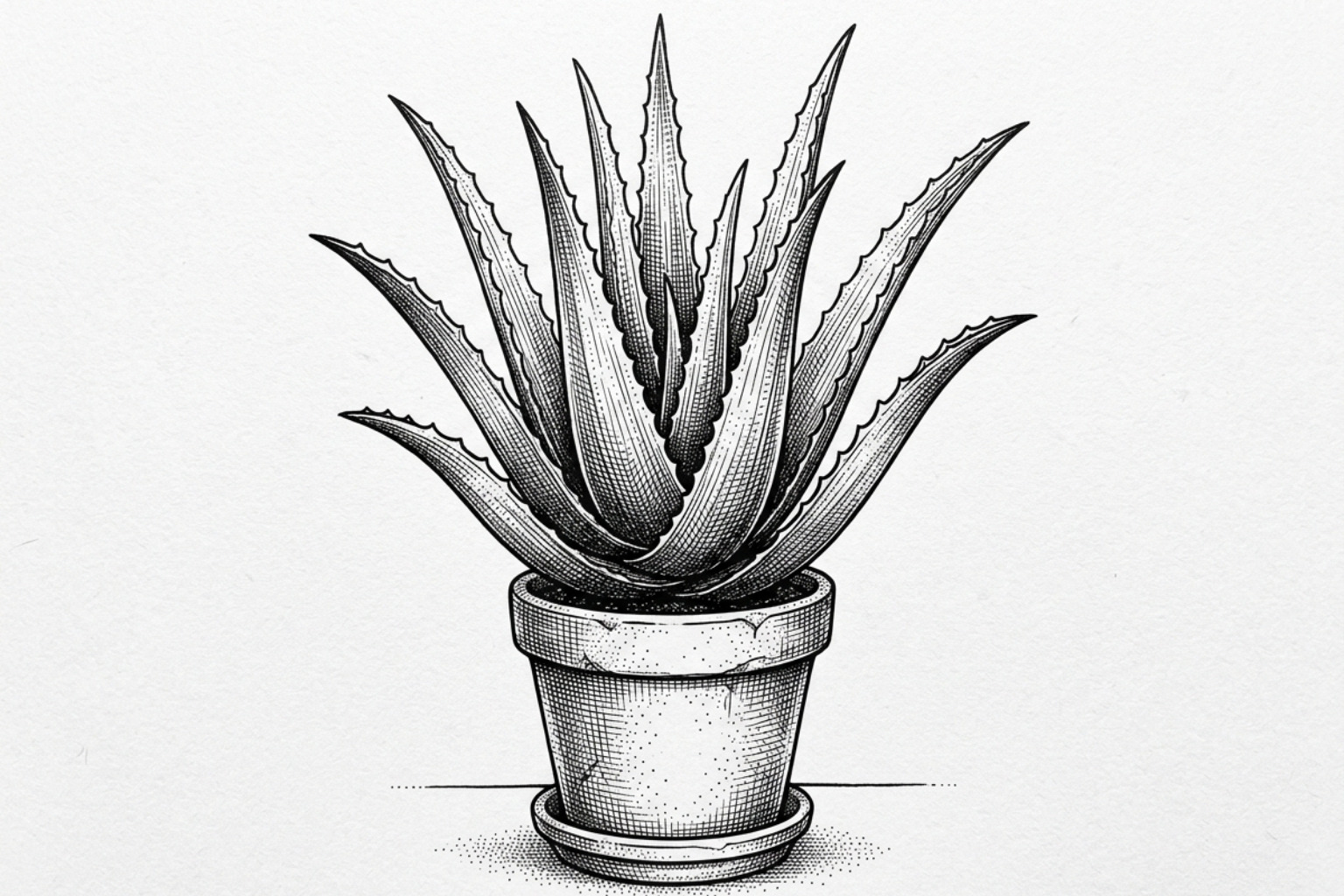
Aloe vera is perhaps the most cited natural remedy for skin repair. A comprehensive 2019 review of 23 clinical trials concluded that aloe vera may improve wound healing and help with scar appearance when used as a complementary method. It works by increasing the collagen content of the wound and changing the collagen composition, potentially leading to a more organized structure. More info about aloe vera scar reduction highlights its role in keeping the tissue supple during the remodeling phase.
Honey, specifically medical-grade Manuka honey, has well-documented benefits for acute wound closure due to its low pH and high sugar content, which draws out moisture and inhibits bacterial growth. However, a 2016 study found no significant evidence that topical honey application improves the appearance of existing scars. Its primary value lies in preventing infection during the initial healing stages, which indirectly leads to a better scar outcome.
Vitamin E and Oil-Based Moisturizers
Vitamin E (tocopherol) is frequently recommended in popular media, yet clinical reviews paint a different picture. A 2016 review of multiple studies concluded that there is insufficient evidence to justify the widespread use of topical Vitamin E for scar reduction. In some trials, Vitamin E actually caused contact dermatitis in up to 33% of participants, potentially worsening the scar's appearance through increased inflammation.
Similarly, oils like coconut oil and shea butter provide excellent hydration, which is beneficial for the skin barrier, but they do not contain specific "scar-fading" compounds. Essential oils like tea tree oil must be approached with caution. While they have anti-inflammatory properties, they are highly concentrated. For those interested in more info about tea tree oil for scars, it is essential to remember that undiluted application can lead to chemical burns or sensitization. Always consult more info about vitamin E scar healing resources before applying concentrated antioxidants to damaged tissue.
Prevention: Wound Care That Minimizes Scarring
The most effective way to "treat" a scar is to manage the wound so effectively that the resulting mark is minimal. Clinical consensus emphasizes that a moist wound heals faster and with less scarring than a wound allowed to "air out" and form a hard scab.
Caring for a fresh wound
When a minor injury occurs, the initial 48 hours are critical. Scientific research on minimizing scars suggests that the presence of a scab actually slows down the migration of new skin cells.
- Cleanliness: Wash the area gently with mild soap and water. Avoid harsh hydrogen peroxide or rubbing alcohol, which can damage healthy tissue and delay healing.
- Moisture: Apply petroleum jelly (Vaseline) to the wound. This prevents the wound from drying out and forming a scab.
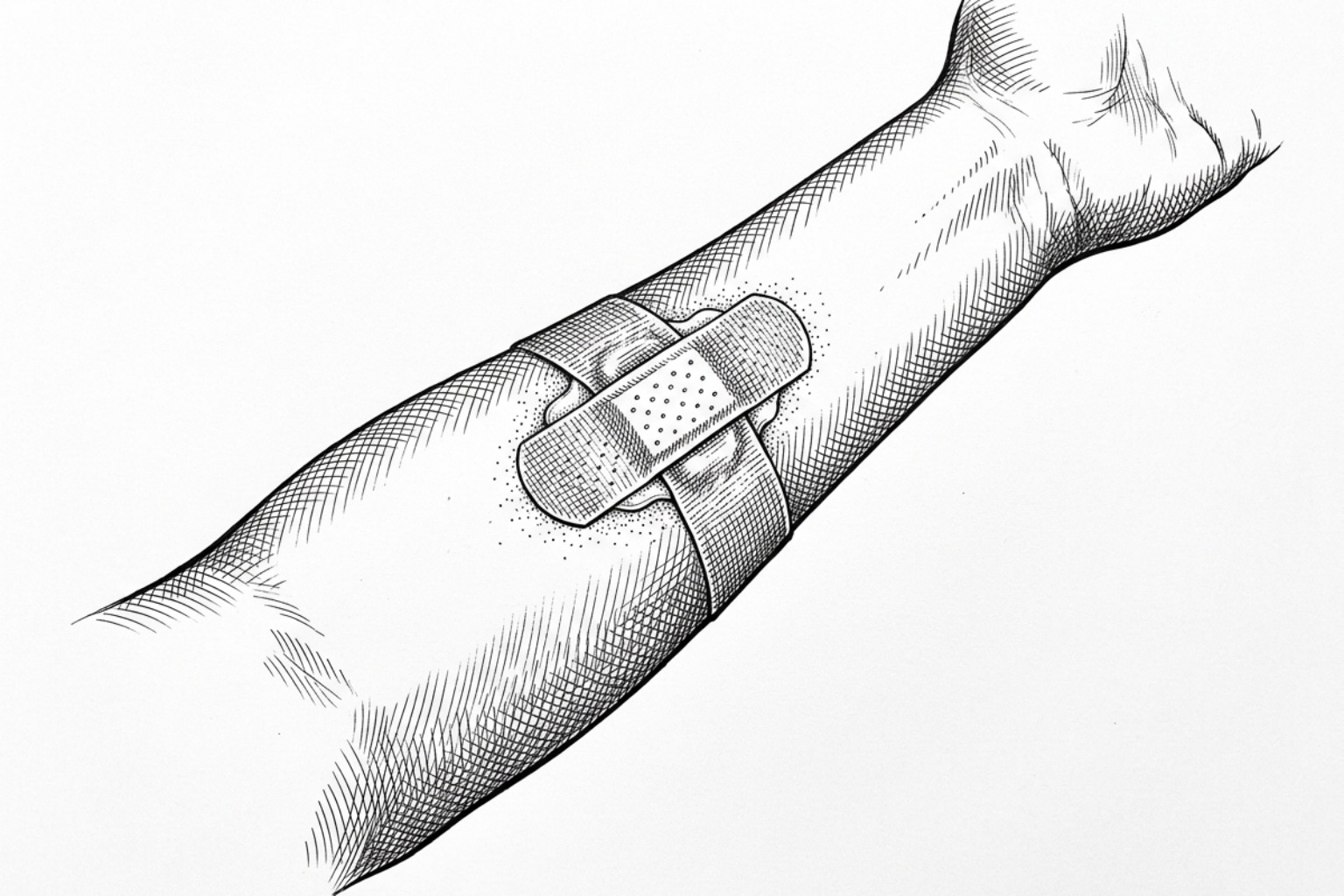
- Protection: Cover the area with an adhesive bandage and change it daily.
According to scientific research on wound care, following these steps for minor cuts and scrapes can make the eventual scar significantly less noticeable.
Sun Protection for Healing Scars
Once a wound has closed and the "new" skin is visible, it is highly susceptible to ultraviolet (UV) radiation. Sunlight triggers melanocytes to produce excess pigment in the healing area, a process known as post-inflammatory hyperpigmentation. This can turn a faint pink scar into a permanent dark brown or purple mark.
Dermatologists agree that broad-spectrum SPF 30+ is the most important "anti-aging" tool for scars. Scientific research on acne scar care recommends applying sunscreen daily for at least six to twelve months after the injury, even on cloudy days, to allow the scar to fade naturally without UV interference.
Massage and Physical Therapy for Scars
Beyond topical applications, physical intervention can help "break up" the dense collagen bundles that characterize many scars. This is particularly useful for scars that feel hard to the touch or those located over joints where they might restrict movement.
Scar Massage Techniques
Manual massage helps by increasing localized blood flow and applying mechanical stress to the collagen fibers. This stress can encourage the fibers to realign in a more flexible, flatter configuration. More info about scar tissue massage therapy suggests that this should only begin once the wound is fully closed and any sutures have been removed.
The technique typically involves using the pads of the fingers to apply firm pressure in circular, vertical, and horizontal motions across the scar for 5 to 10 minutes, several times a day.
How to Soften Hard Scar Tissue
For older or particularly rigid scars, "cross-friction" massage is often employed. This involves moving the skin across the underlying tissue to prevent adhesions. More info about hard scar softening massage indicates that using a simple water-based moisturizer or aqueous cream during this process can reduce friction and prevent skin irritation while allowing for deep, effective pressure.
When Home Remedies Aren't Enough
While home remedies for scars are valuable, they have clear limitations. It is vital to distinguish between a standard flat scar and more complex types:
- Keloid Scars: These grow beyond the boundaries of the original wound and often require professional steroid injections or cryotherapy.
- Contracture Scars: Common after burns, these tighten the skin and can impair movement.
- Atrophic Scars: Sunken scars (often from acne or chickenpox) usually require clinical treatments like microneedling or fillers to "level" the skin.
When to Consult a Professional:
- If the scar is painful, persistently itchy, or growing rapidly.
- If the "scar" appears without a preceding injury (this can be a sign of skin cancer).
- If the scar restricts your range of motion.
- If the scar is causing significant emotional distress.
Common Questions About Home Scar Treatments
How long do home remedies take to show results?
Patience is the most important ingredient in any scar regimen. Skin cells take roughly 28 days to cycle, and collagen remodeling is a much slower process. Most clinical studies on silicone or natural extracts look for results at the 3-month to 6-month mark. If you do not see improvement after six months of consistent use, the remedy is unlikely to work for that specific scar.
Can home remedies completely remove scars?
No. Once the dermis is damaged and replaced by scar tissue, that area will never be identical to the original skin. The goal of home remedies for scars is "improvement," not "erasure." Success is defined as a scar that is flatter, softer, and closer to your natural skin tone.
Which substances should you avoid on scars?
Avoid undiluted lemon or lime juice; the acidity can cause chemical burns, and citrus oils are photosensitizers that can lead to severe blistering when exposed to the sun. Similarly, avoid "scrubbing" scars with abrasive salts or sugars, as this creates micro-tears that trigger more inflammation and potentially more scar tissue.
Key Takeaways
Managing scars at home is a marathon, not a sprint. By focusing on evidence-based methods—primarily silicone, consistent hydration with petroleum jelly, and rigorous sun protection—you can significantly influence how your skin heals. While natural ingredients like aloe vera offer supportive benefits, they should be viewed as secondary to proven mechanical and occlusive treatments. For an objective look at your specific scar type, more info about scar assessment can help you determine if home care is sufficient or if professional intervention is required.
References
- "Scars: Overview." Cleveland Clinic. https://my.clevelandclinic.org/health/diseases/11030-scars?view=print
- "How to reduce the appearance of scars." American Academy of Dermatology. https://www.aad.org/public/diseases/acne/derm-treat/scars/self-care
- Hekmatpou, D., Mehrabi, F., Rahzani, K., & Aminiyan, A. (2019). The Effect of Aloe Vera Clinical Trials on Prevention and Healing of Skin Wound: A Systematic Review. Iranian Journal of Medical Sciences, 44(1), 1-9. https://pubmed.ncbi.nlm.nih.gov/30666070/
- Tanaydin, V., et al. "The Role of Topical Vitamin E in Scar Management: A Systematic Review." Aesthetic Surgery Journal, 2016.
- "Scars: Treatment and Causes." NHS. https://nhs.uk/conditions/scars/treatment
This content is for informational purposes only and does not constitute medical advice. Consult a qualified healthcare professional for diagnosis and treatment.