How to Prevent Acne Scarring Before It Starts
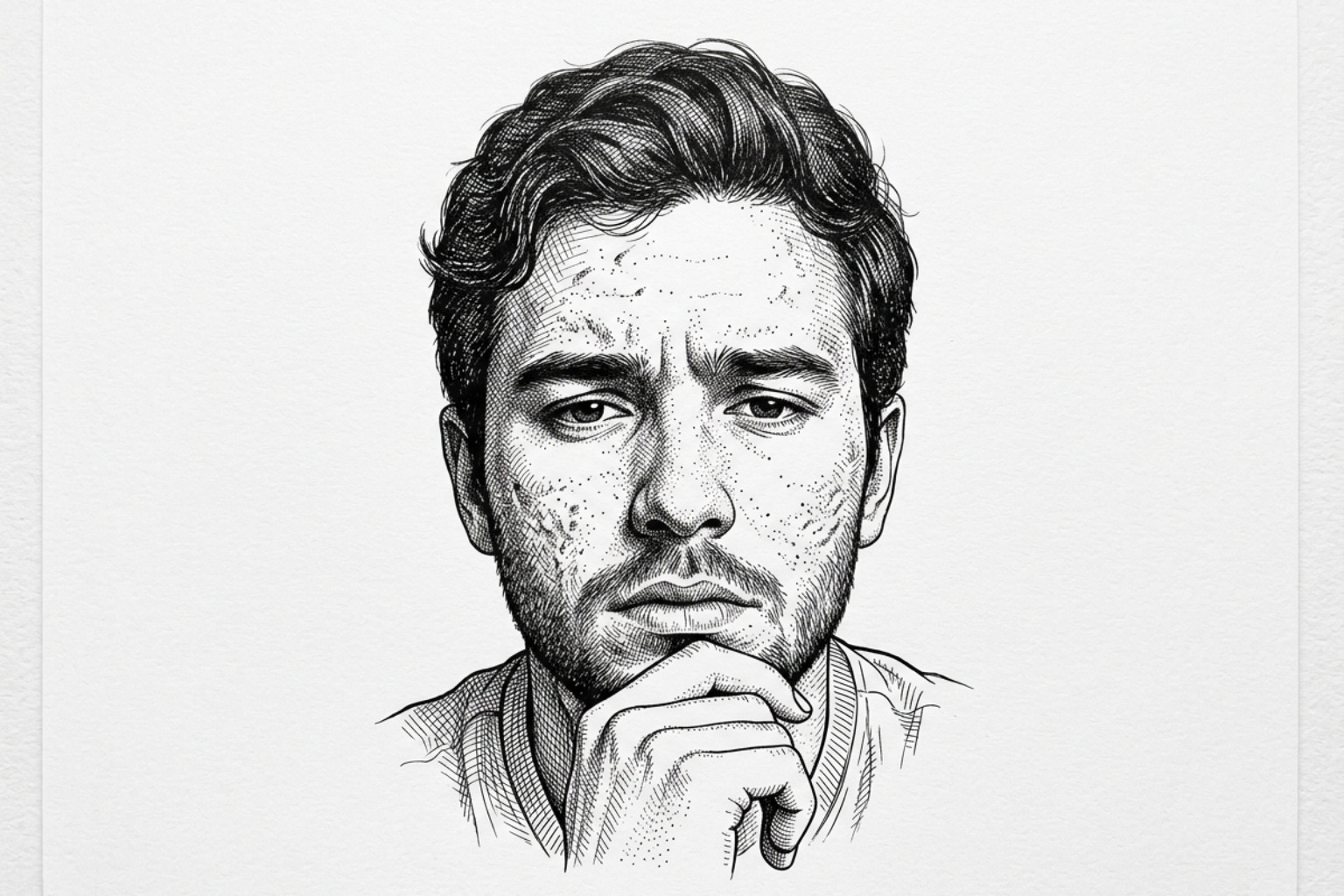
Up to 90% of acne patients develop scarring — even from mild breakouts. Evidence-based strategies like early treatment, avoiding picking, retinoids, and daily SPF can significantly cut your risk.
Why Early Acne Treatment Prevents Scars
The most effective tips to prevent acne scars are:
- Treat acne early — address breakouts as soon as they appear, rather than waiting for them to resolve on their own
- Never pick, pop, or squeeze pimples — mechanical trauma deepens inflammation and dramatically increases scar risk
- Use non-comedogenic, gentle skincare — fragrance-free cleansers and moisturizers reduce pore congestion and irritation
- Apply broad-spectrum SPF 30+ sunscreen daily — UV exposure darkens post-inflammatory marks and slows healing
- Use evidence-supported topicals — ingredients such as retinoids, salicylic acid, and azelaic acid help manage active acne and reduce scarring risk
- See a dermatologist early — especially for deep, painful, or cystic lesions that carry the highest scar risk
Acne scars are far more common than many people realize. Research indicates that between 80 and 90% of acne patients develop atrophic — or depressed, pitted — scars at some point. What makes this figure particularly striking is that scarring is not confined to severe cases: nearly a third of people with acne scars had almost clear or mild acne at the time the damage occurred, and around 40% had only moderate acne.
This matters because it challenges a widespread assumption: that only people with severe acne need to worry about permanent skin damage. In reality, any inflammatory acne lesion carries some risk of leaving a lasting mark.
Acne scars form when the skin's healing response to a breakout goes wrong. When a pore becomes inflamed and its wall breaks down, the body attempts to repair the damage by producing new collagen fibers. If too little collagen is produced, a depressed scar forms. If too much is produced, the result is a raised, hypertrophic or keloid scar. This repair process — and how well or poorly it goes — is influenced by genetics, the severity and duration of inflammation, and critically, by what happens during and after a breakout.
The good news is that scar formation is not inevitable. Evidence supports several proactive strategies that can meaningfully reduce the risk of permanent skin changes. This article examines those strategies through the lens of current clinical research.
Why Acne Scars Form
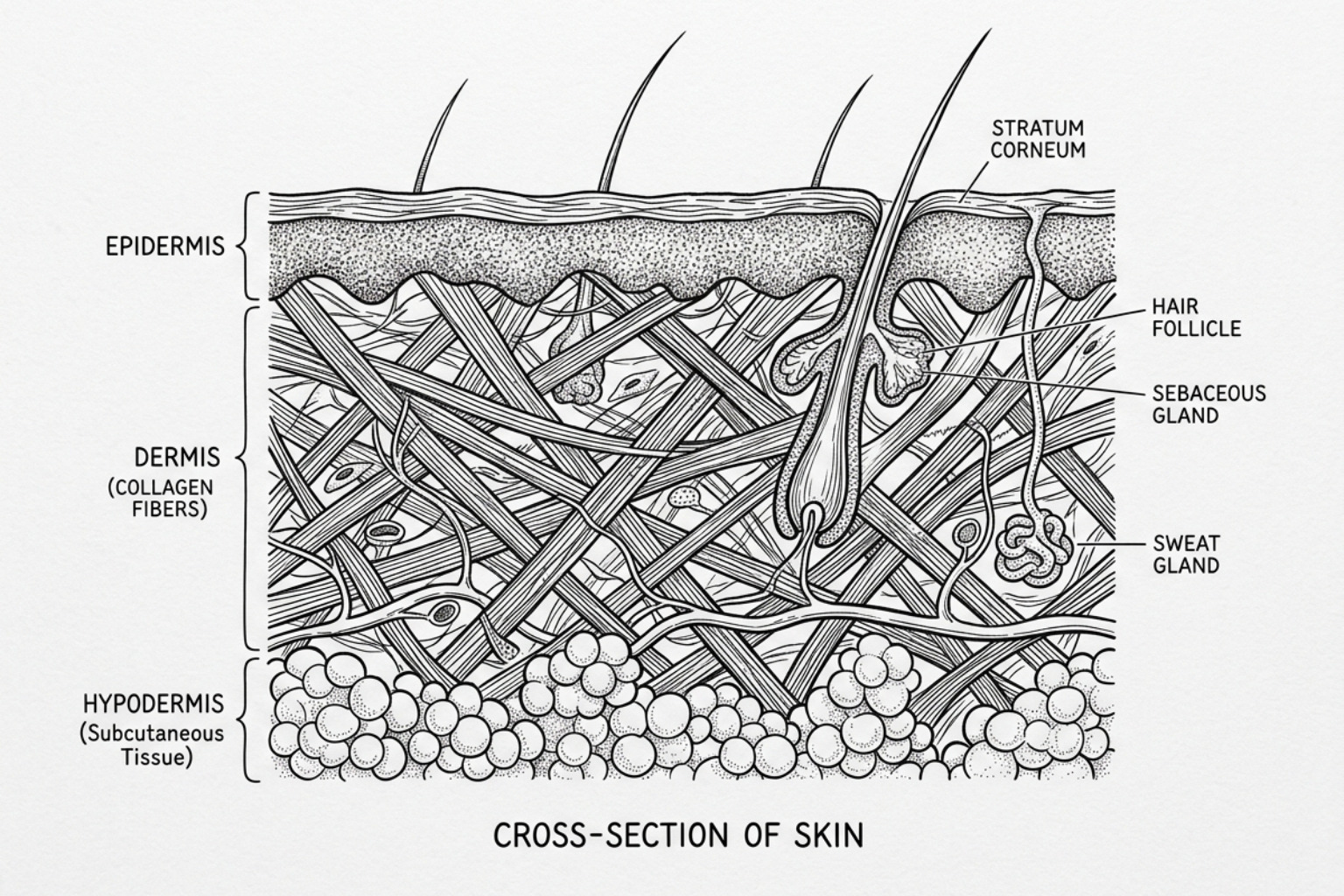
To understand how to prevent permanent marks, I must first look at what happens beneath the surface of the skin. An acne scar is not merely a "spot" that refuses to go away; it is the end result of a complex biological repair process. When a pore becomes clogged with excess sebum and dead skin cells, it creates an anaerobic environment where Cutibacterium acnes (C. acnes) bacteria thrive. This leads to an inflammatory response.
If the inflammation is intense or deep, it can cause the wall of the follicle to rupture. This spillover of bacteria and debris into the surrounding dermis triggers a "repair-and-remodel" phase. During this phase, specialized cells called fibroblasts migrate to the site of injury to synthesize new collagen and other components of the extracellular matrix.
According to Acne Scars: Treatment, Removal, Best, and More, the type of scar that forms depends on the balance of this collagen production. If the body produces too little collagen to fill the void left by the inflammatory damage, the skin sinks, resulting in an atrophic scar. Conversely, if the body overproduces collagen, a raised scar forms. Research into Acne Scars suggests that the duration of the inflammation is a primary driver of risk; the longer a lesion remains inflamed, the higher the likelihood of permanent structural change.
Types of Acne Scars
Dermatologists classify scars based on their physical appearance and the nature of the dermal damage. Understanding these types is essential because prevention strategies often target the specific mechanisms that lead to each.
| Scar Type | Category | Description |
|---|---|---|
| Ice Pick | Atrophic | Narrow (less than 2mm), deep, and pointed; looks like the skin was punctured by a sharp tool. |
| Boxcar | Atrophic | Round or oval depressions with sharp, vertical edges; similar to chickenpox scars. |
| Rolling | Atrophic | Wide depressions (4-5mm) with sloping edges that give the skin an undulating, wavy appearance. |
| Hypertrophic | Hypertrophic | Raised, firm bumps that stay within the boundary of the original acne lesion. |
| Keloid | Hypertrophic | Thick, raised scars that grow beyond the original border of the blemish; common on the chest and back. |
For a deeper dive into these structures, see the Non-Invasive Acne Scars Complete Guide.
What actually prevents acne scars
Clinical consensus highlights that the window for prevention is during the active inflammatory phase of acne. Once a scar has fully matured, it is much more difficult to treat than it was to prevent. Statistics show that 80% to 90% of patients develop atrophic scars, emphasizing that the body more frequently struggles to replace lost tissue than it does to overproduce it.
The primary goal of Acne scars: Overview is to minimize the "inflammatory load" on the skin. Every day that a deep, painful pimple remains active, the risk of collagen degradation increases. Therefore, the most critical of all tips to prevent acne scars is to Reduce Acne Scars Fast by halting the inflammatory process before it destroys the dermal architecture.
Treating breakouts early
Early intervention is not just about aesthetics; it is about managing the skin's microbiome. Bacterial dysbiosis, specifically the overgrowth of certain strains of C. acnes, triggers a cascade of pro-inflammatory cytokines. These chemicals effectively "melt" the surrounding collagen.
Managing cysts and nodules—the deep, painful bumps—is particularly urgent. These lesions are located deep in the dermis, where the most significant structural damage occurs. Clinical guidelines suggest that if an inflammatory lesion does not begin to resolve within a few days of over-the-counter treatment, professional intervention is necessary to prevent a permanent mark. You can find more on managing these early stages in the Pimple Marks Removal Complete Guide.
Creams that help prevent scars
Selecting the right topical agents can significantly alter the trajectory of a breakout. Certain ingredients do double duty: they clear the active infection while simultaneously encouraging healthy tissue remodeling.
- Retinoids (including Adapalene): These vitamin A derivatives are the gold standard. They speed up cell turnover and prevent the formation of microcomedones (the precursors to pimples). A 2017 review indicated that retinoids can make existing scars less noticeable by smoothing texture and reducing discoloration. For more information, read about Retinoid Cream for Scars.
- Salicylic Acid: This beta-hydroxy acid (BHA) is oil-soluble, allowing it to penetrate deep into the pore to dissolve the "glue" holding dead skin cells together. This reduces the swelling and redness that lead to scarring.
- Azelaic Acid: This naturally occurring acid has antimicrobial and anti-inflammatory properties. It is particularly effective at preventing post-inflammatory hyperpigmentation (PIH), the dark spots that linger after a blemish.
- Alpha-Hydroxy Acids (AHAs): Ingredients like lactic and glycolic acid exfoliate the surface, helping to prevent the clogged pores that start the acne cycle.
Using a dedicated Pimple Scar Removal Cream containing these ingredients during the healing phase can provide a protective environment for the skin to repair itself.
Why picking makes scars worse
One of the most frequent pieces of advice given by dermatologists is "don't pick." This is not just a platitude; it is based on the physics of skin trauma. When you squeeze a pimple, you are applying significant pressure to a localized area of already weakened tissue.
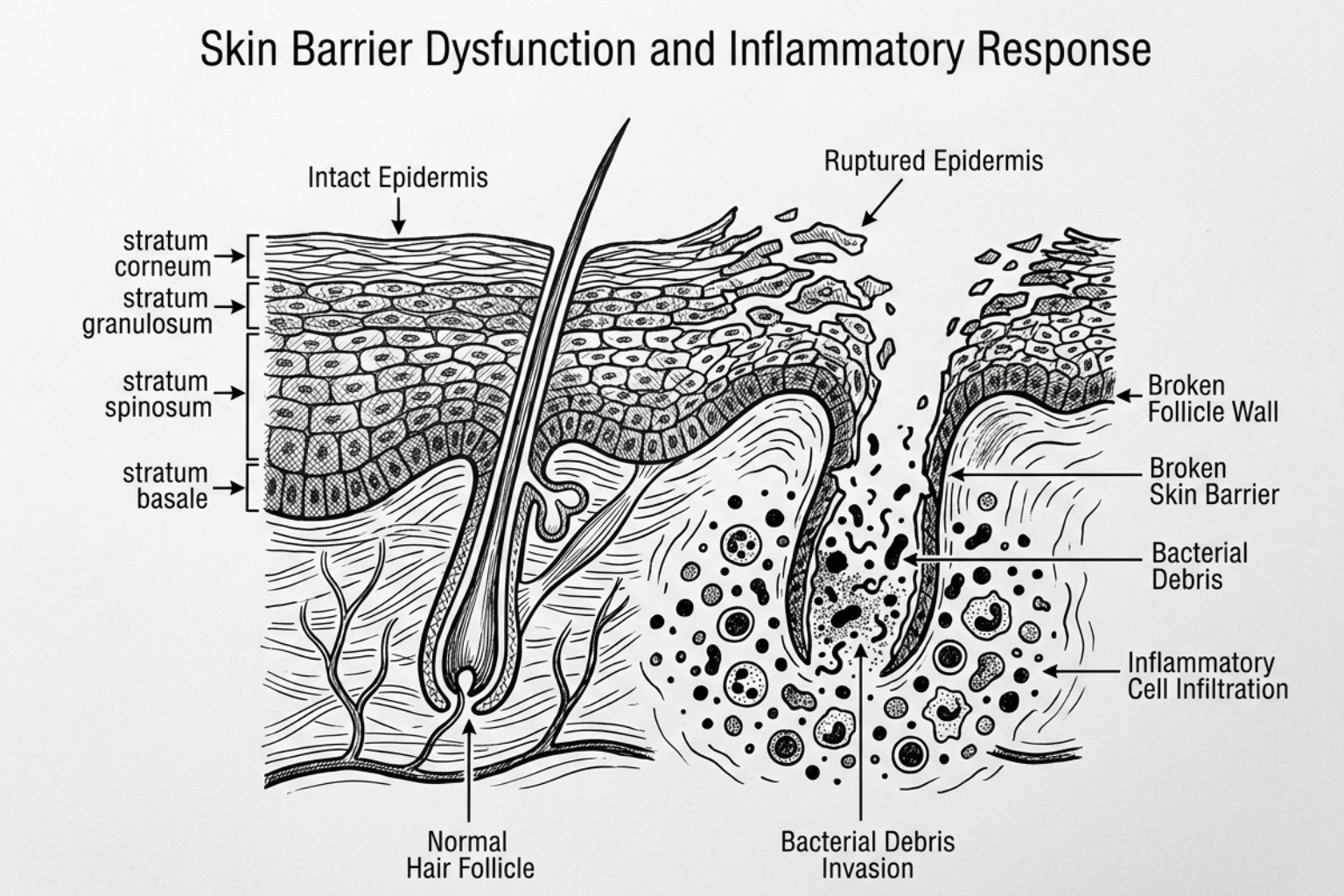
According to Acne Scars And How To Get Rid Of Them, mechanical manipulation often forces the contents of the follicle—bacteria, oil, and debris—deeper into the dermis rather than out through the surface. This causes the follicle wall to rupture at a deeper level, leading to a much larger inflammatory response than the original pimple would have caused. This unnecessary trauma is a leading cause of Scar Treatment needs later in life.
Why Squeezing Increases Dermal Damage
Squeezing a blemish essentially turns a minor localized infection into a significant wound. The resulting "rupture" leads to:
- Deep Inflammation: The immune system must work harder to clear debris from the deep dermis.
- Collagen Degradation: The enzymes released during intense inflammation (matrix metalloproteinases) break down healthy collagen.
- Secondary Infection: Your fingers introduce new bacteria into the open wound, potentially leading to staph infections and more severe tissue loss.
The Pimple Marks Removal Complete Guide notes that "picked" pimples take significantly longer to heal and are much more likely to result in permanent atrophic pits.
Sun protection and skin barrier care
Sun protection is often overlooked in acne management, yet it is a cornerstone of scar prevention. When the skin is healing from an acne lesion, the new tissue is extremely sensitive to ultraviolet (UV) radiation.
Exposure to the sun triggers the production of melanin as a defense mechanism. In the case of healing acne, this results in post-inflammatory hyperpigmentation (PIH). While PIH is not a "true" scar (it doesn't involve structural changes to collagen), it can persist for months or years. Furthermore, UV rays break down the very collagen the body is trying to rebuild, making indented scars appear deeper and more pronounced.
The Acne scars: How to care for your skin after treatment guidelines recommend a broad-spectrum SPF 30+ every single day. This is especially true if you are using retinoids, which increase photosensitivity. For those dealing with lingering redness, Skin Care for Pimples and Dark Spots can help guide your routine.
Non-Comedogenic Skincare Selection
Maintaining the skin barrier is vital. If the skin is too dry, it may overproduce oil to compensate, leading to more breakouts. However, the products used must be "non-comedogenic," meaning they are formulated not to block pores.
- Cleansers: Use gentle, fragrance-free, non-stripping cleansers. Harsh scrubs can cause micro-tears in the skin, increasing inflammation.
- Moisturizers: Even oily skin needs hydration. Look for ingredients like ceramides and hyaluronic acid, which support the barrier without adding excess oil.
- Avoid Irritants: Fragrances and high concentrations of alcohol can further compromise a healing skin barrier.
Proper barrier maintenance is essential, especially if you have recently undergone professional treatments. See the Chemical Peel Scars Complete Guide for more on gentle care.
Risk Assessment and Clinical Consultation
Not everyone is at equal risk for scarring. Understanding your personal risk factors can help you decide when to escalate your care from over-the-counter products to professional medical treatment.
Key risk factors for scarring include:
- Genetics: Having a close blood relative with acne scars is one of the strongest predictors of your own risk.
- Severity: Deep, painful nodules or cysts have the highest probability of leaving marks.
- Duration: The longer you wait to treat inflammatory acne, the higher the risk.
- Smoking: Research suggests that smoking impairs the body's wound-healing response and increases the risk of atrophic scarring.
As noted in Do Acne Scars Go Away? How to Fade Them Fast, early assessment is key. For those prone to raised scars, the Microneedling Acne Keloid Scars Complete Guide provides insight into specialized management.
When to Seek Dermatological Intervention
I recommend seeking professional help if you experience:
- Nodulocystic Acne: Large, hard, painful bumps under the skin.
- Persistent Erythema: Redness that does not fade long after the pimple is gone.
- Rapid Scarring: If you notice new pits or bumps forming after every breakout.
- Psychological Distress: If acne is significantly impacting your self-esteem or social life.
Professional treatments like Laser Treatment are much more effective when performed by a specialist who can tailor the approach to your specific skin type and scar grade.
Common questions about preventing acne scars
Can diet influence the risk of acne scarring?
While more research is needed, some clinical evidence suggests that high-glycemic diets (rich in sugar and refined carbs) may increase systemic inflammation, potentially worsening acne and increasing the risk of scarring. Staying hydrated and eating a balanced, nutrient-dense diet supports overall skin health and the body's ability to repair tissue.
How long does post-inflammatory hyperpigmentation take to fade?
Post-inflammatory hyperpigmentation (PIH) typically fades on its own, but the timeline varies. In light skin, it may take 3 to 6 months. In darker skin tones, where melanin production is more active, it can take 6 to 12 months or longer. Using daily sunscreen and ingredients like azelaic acid or vitamin C can speed up this process.
Are certain skin types more prone to keloid scarring?
Yes. Individuals with darker skin tones (Fitzpatrick scales IV-VI) have a higher genetic predisposition for developing keloid and hypertrophic scars. For these individuals, preventing the initial inflammatory lesion is even more critical, as raised scars can be particularly difficult to treat once they form.
Your acne scar prevention plan
Preventing acne scars is a proactive process that begins the moment a blemish appears. By choosing evidence-based tips to prevent acne scars—such as early treatment, avoiding mechanical trauma, and consistent sun protection—you can significantly reduce the likelihood of permanent dermal damage. Even mild acne can lead to scarring, so do not wait for "severe" symptoms before taking action.
Proactive management is the most effective tool in your skincare arsenal. If you are concerned about your current skin health or notice early signs of scarring, taking a professional approach is the best next step.
Start your professional scar assessment
Works Cited
- "Acne Scars And How To Get Rid Of Them." DermNet NZ. https://dermnetnz.org/topics/acne/acne-scars-how-to-get-rid-of-them
- "Acne scars: How to care for your skin after treatment." American Academy of Dermatology Association. https://www.aad.org/public/diseases/acne/derm-treat/scars/self-care
- "Do Acne Scars Go Away? How to Fade Them Fast." Healthline. https://www.healthline.com/health/beauty-skin-care/do-acne-scars-go-away/
- "Acne Scars: Treatment, Removal, Best, and More." Healthline. https://www.healthline.com/health/acne-scars
- "Acne scars: Overview." American Academy of Dermatology Association. https://www.aad.org/public/diseases/acne/derm-treat/scars
- "Acne Scars: Causes, Diagnosis, Types & Treatment." Cleveland Clinic. https://my.clevelandclinic.org/health/diseases/21222-acne-scars
- "Acne Scarring: Why We Should Act Sooner Rather Than Later." Dermatology and Therapy.
This content is for informational purposes only and does not constitute medical advice. Consult a qualified healthcare professional for diagnosis and treatment.