Scar Treatment
General overview articles exploring a range of treatment options for improving the appearance and texture of scars.
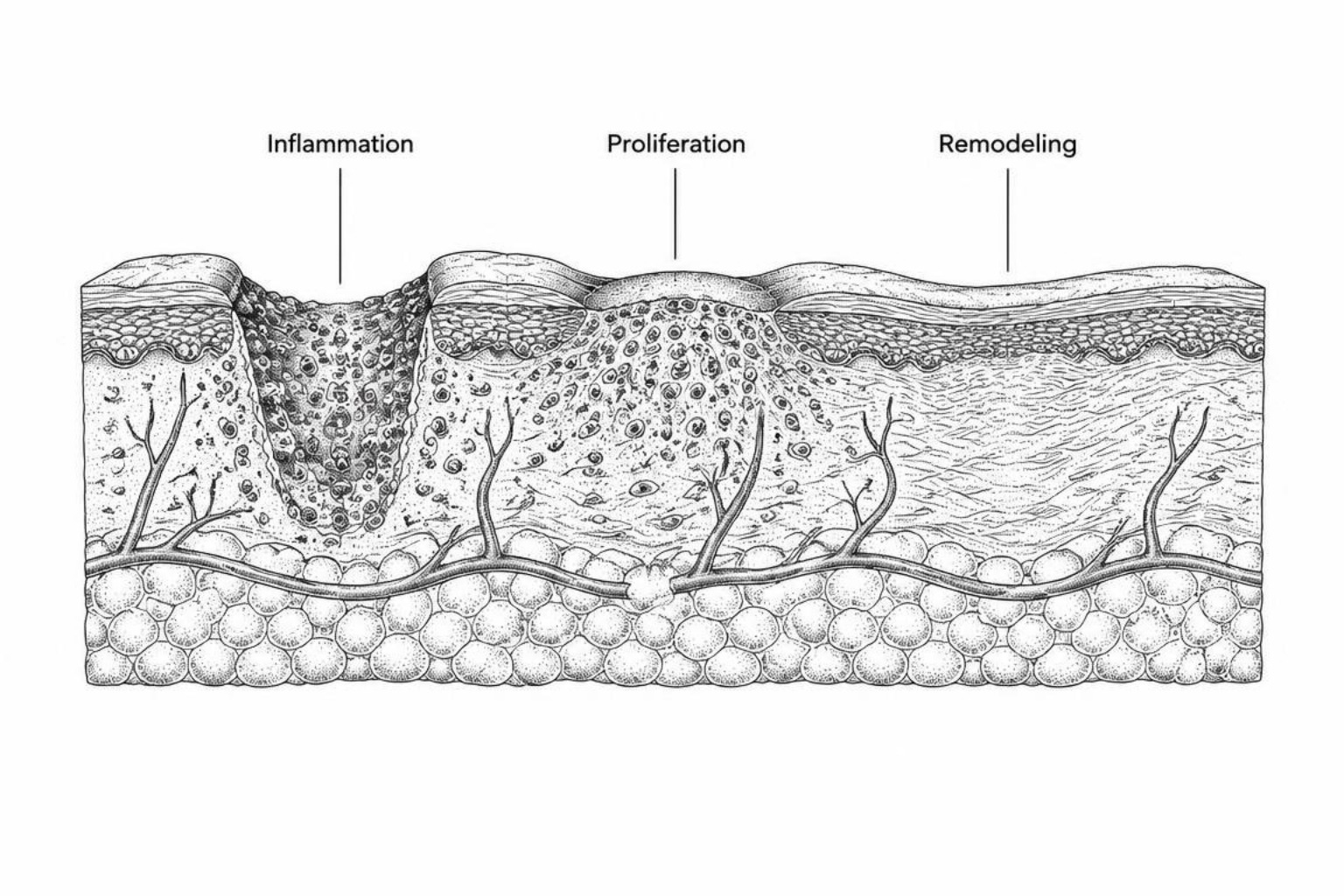
Why Matrix Metalloproteinases Matter in Tissue Repair
Matrix metalloproteinases are the enzymes that break down and rebuild tissue as a wound heals. Too much activity stalls chronic wounds; too little lets scars thicken. How they work and which treatments target them.
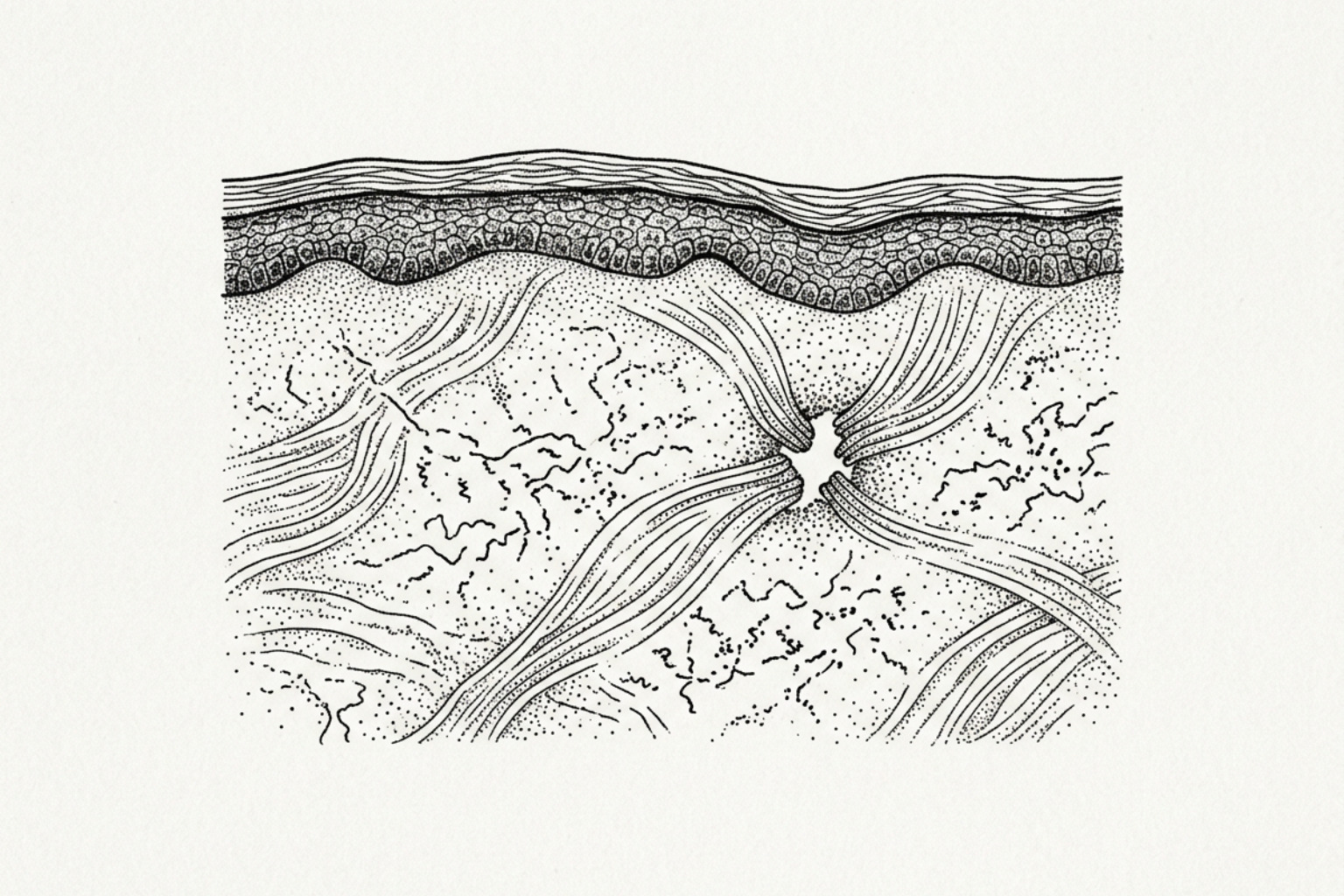
Ways to Reduce the Appearance of Stretch Marks
Stretch marks respond differently by age and skin tone. This guide covers creams, retinoids, microneedling, radiofrequency and lasers, with what each can realistically change and how long it takes.
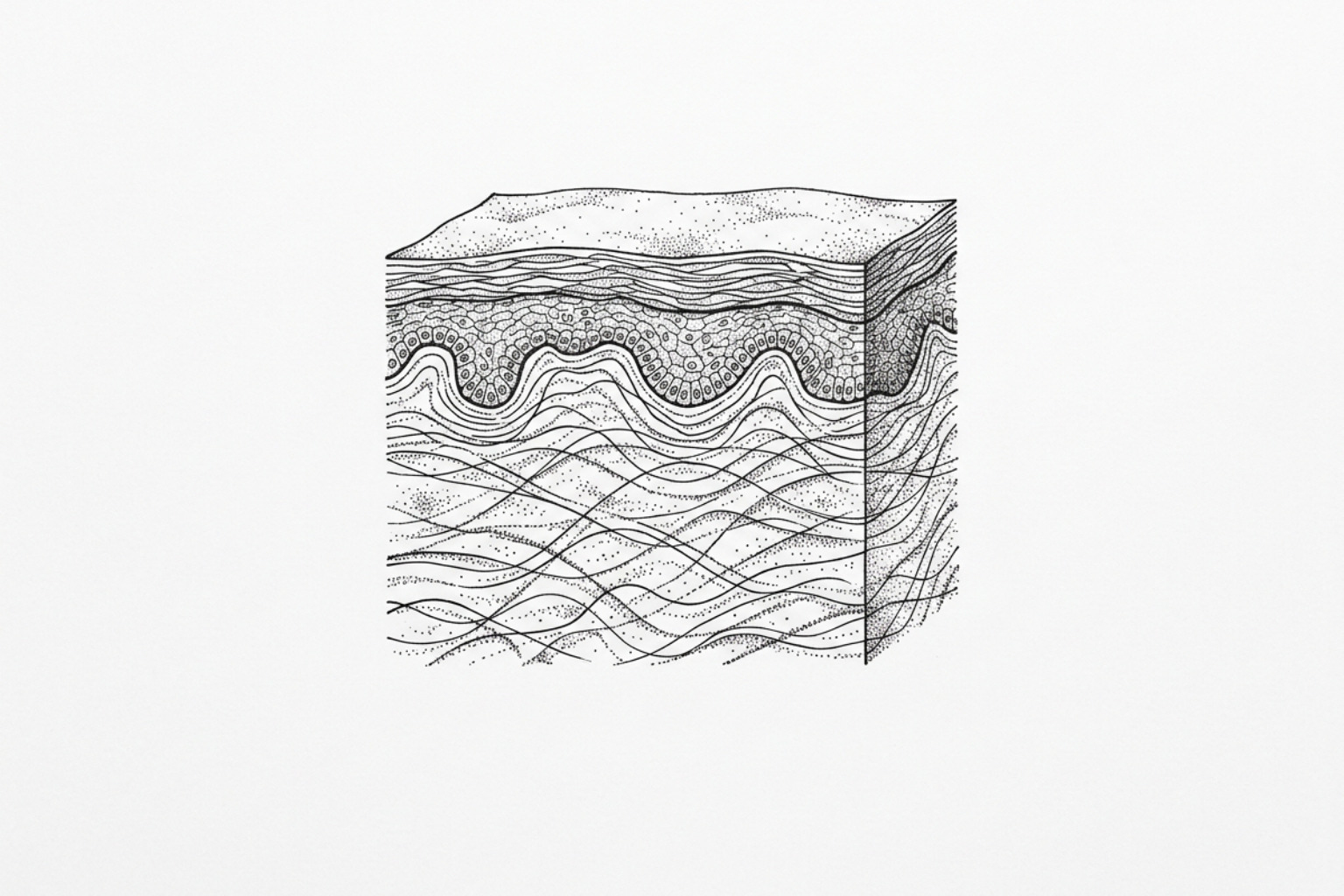
What You Should Know About Stretch Mark Creams
Stretch mark creams work best on early red or purple marks and mostly improve texture on older white ones. Here is what the ingredients do, how to use them and how long to wait.
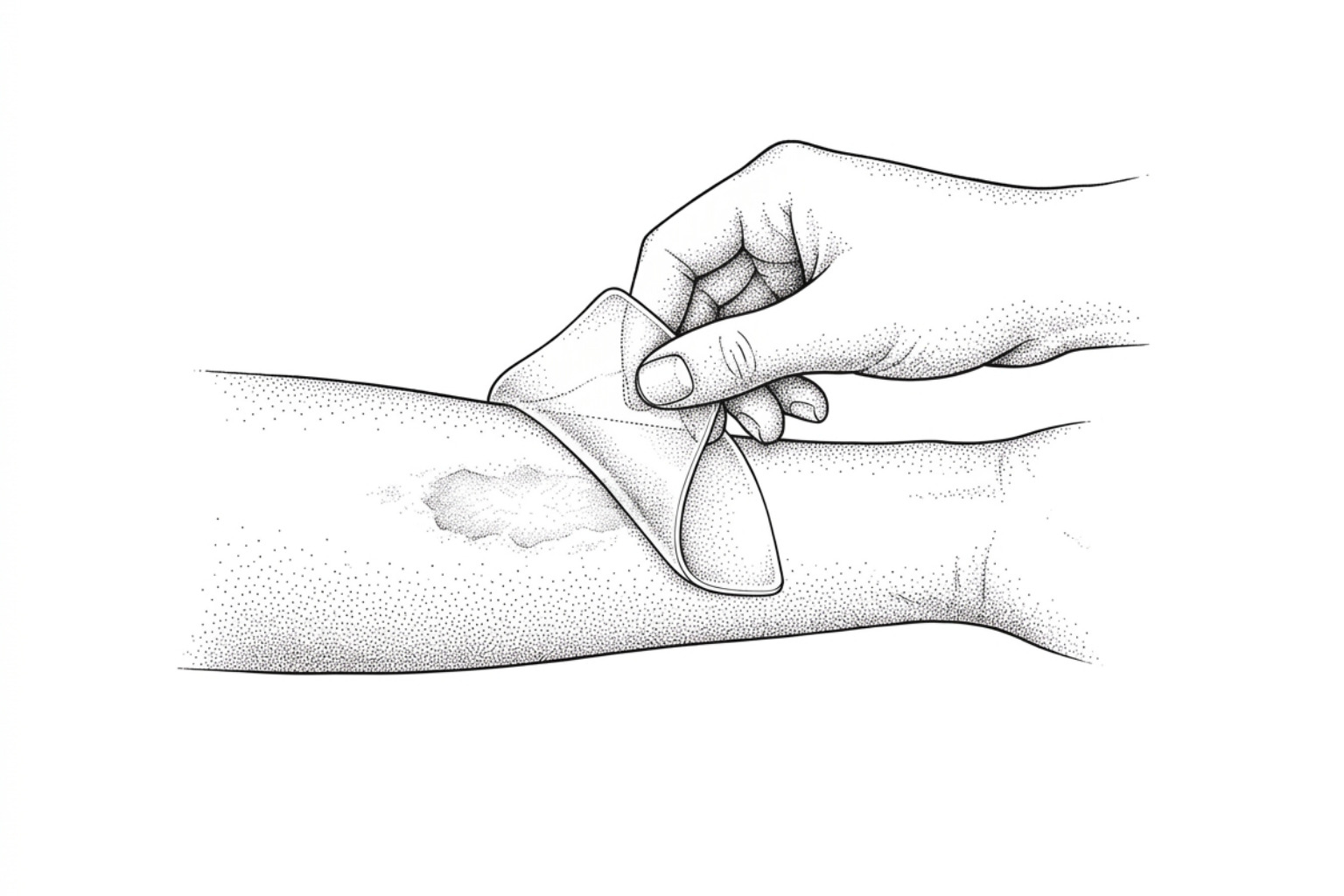
3 Evidence-Based Topical Therapies for Burn Scar Hydration and Texture Control
Silicone sheets, gels and silicone bandages are the standard at-home options for raised burn scars. When to start, how many hours a day they need, how long a course runs, and what the trials show.
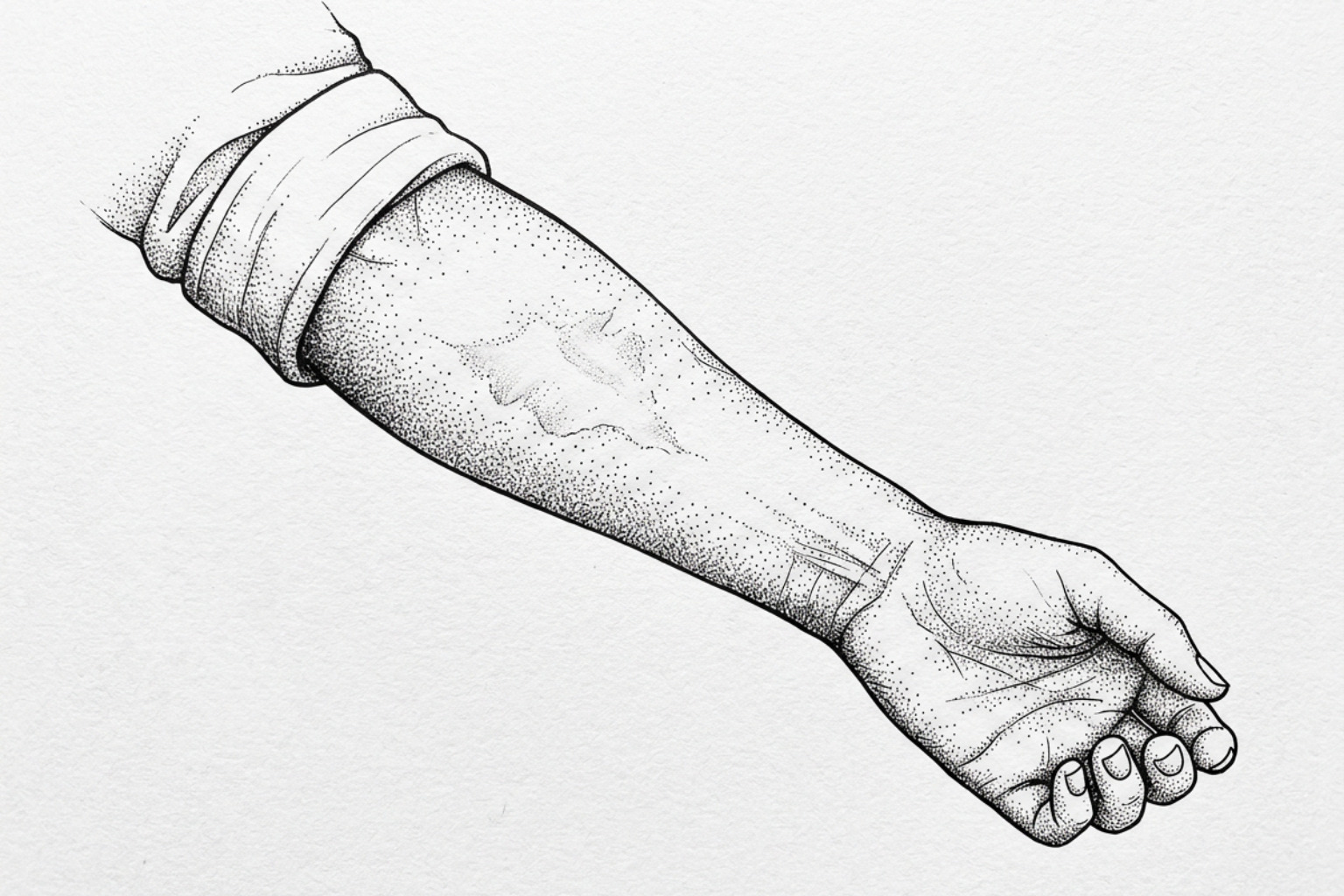
Assess Scar Vascularity and Pliability Throughout the Post-Burn Maturation Phase
Burn scars keep changing long after the wound closes: redder and firmer for the first few months, peaking around six months, then slowly softening over 12 to 24 months. Here is what clinicians watch for and what helps.
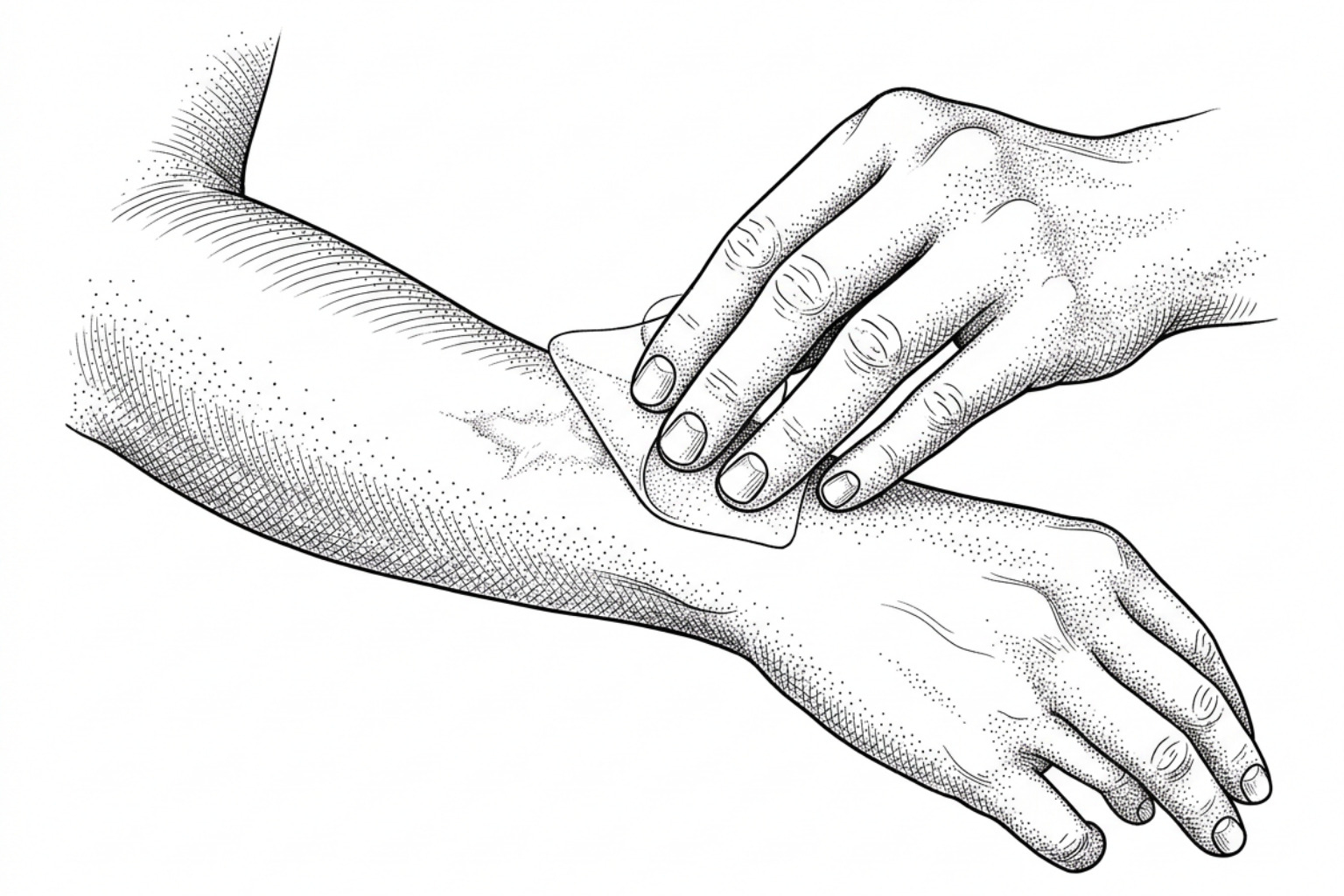
A Clinical Guide to Post-Burn Scar Reduction and Tissue Rehabilitation
No treatment erases a burn scar, but the right sequence reduces thickness, redness, tightness and itch. This guide covers silicone, pressure garments, massage, laser and injections, and when each should start.
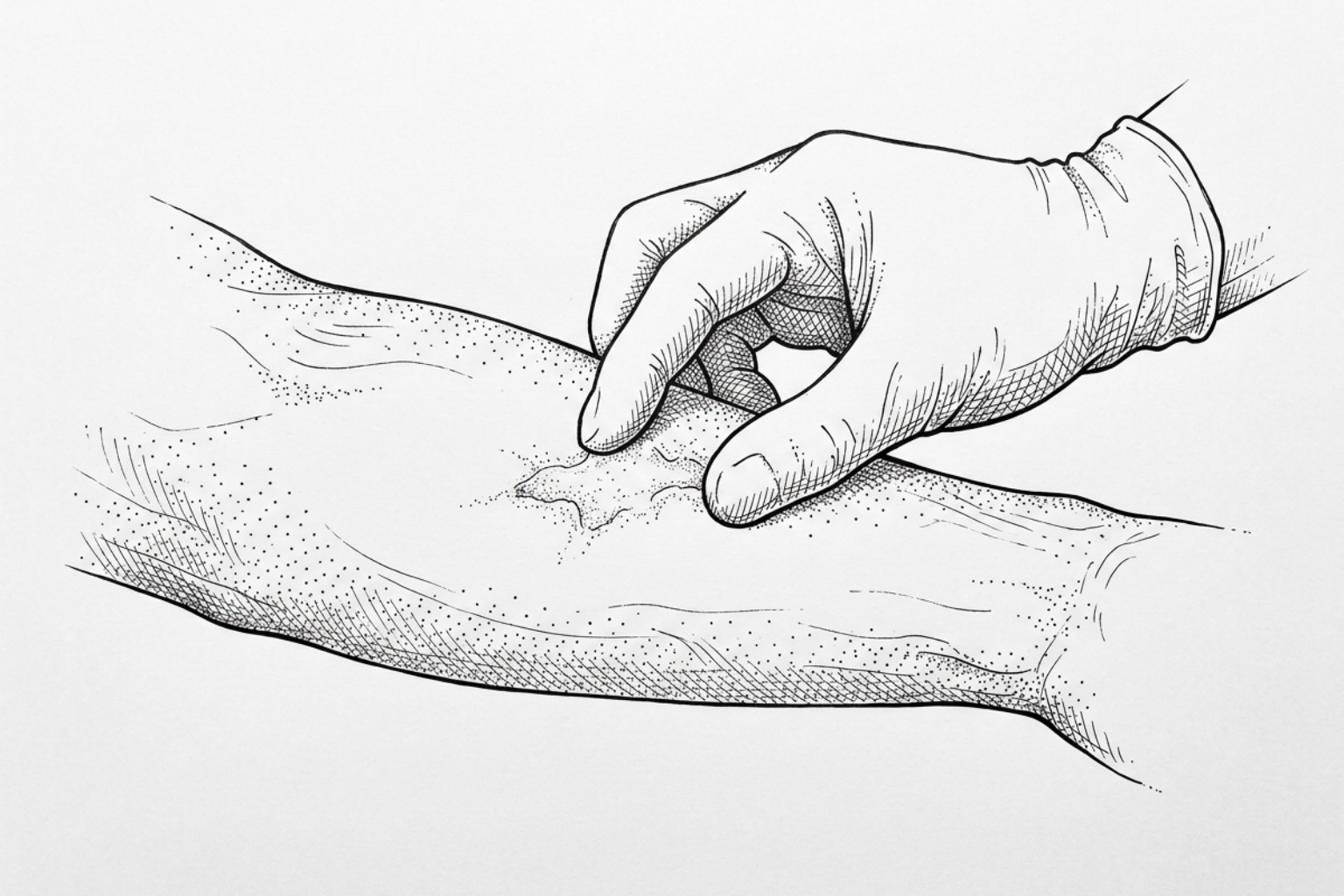
Clinical Measures for Preventing Contractures and Severe Scarring in Burn Wounds
Whether a burn scars depends largely on how fast it closes. Cool the burn, keep it clean and covered, and get deep burns seen early. Once closed, silicone, compression, massage and daily SPF 30+ do the rest.
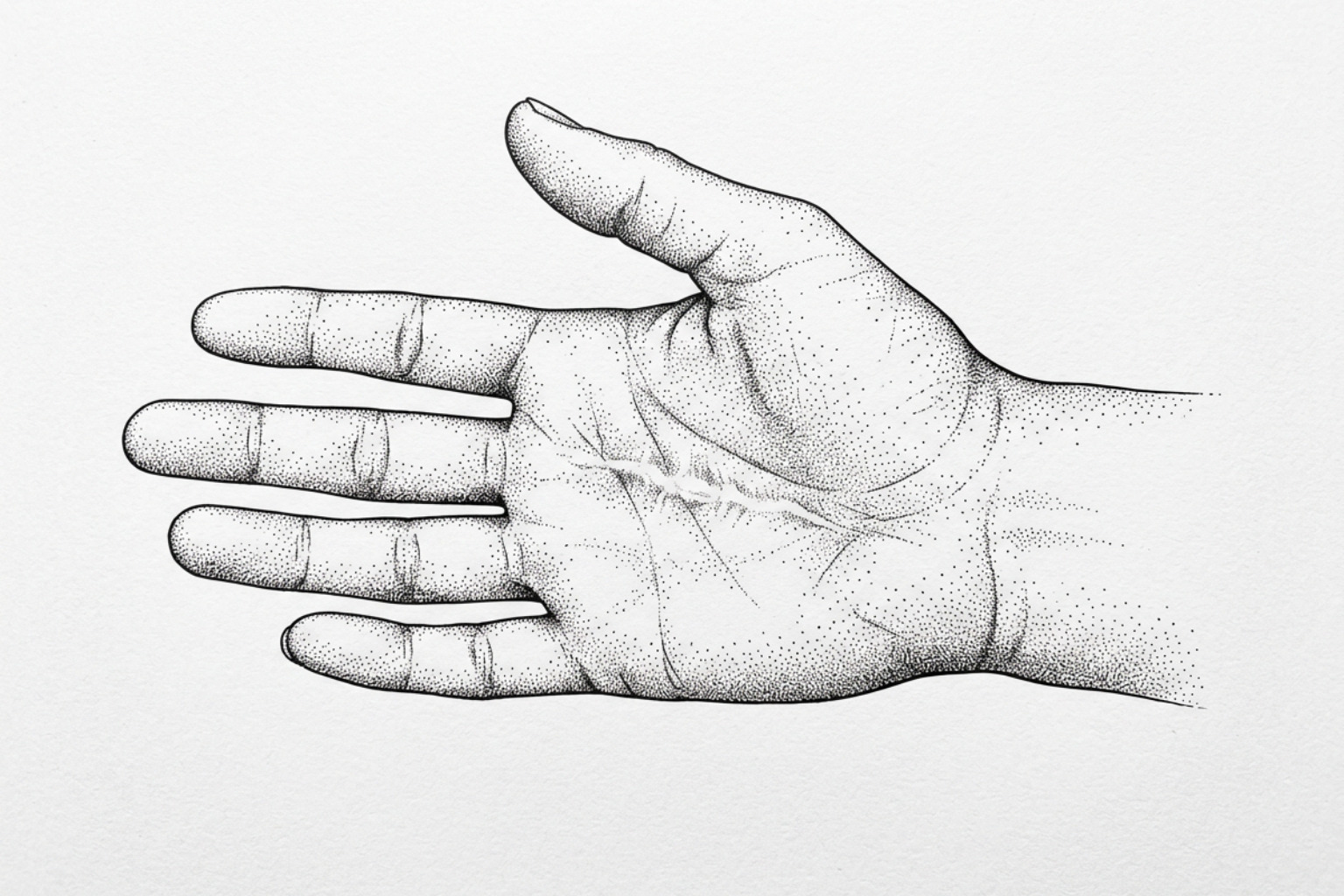
Why Burn Scars on the Hand Get Tight, and What Helps
A tight hand burn scar can limit grip, finger movement and thumb use. Early depth assessment, splinting and hand therapy protect function; laser and surgical release step in when fingers are pulled out of position.
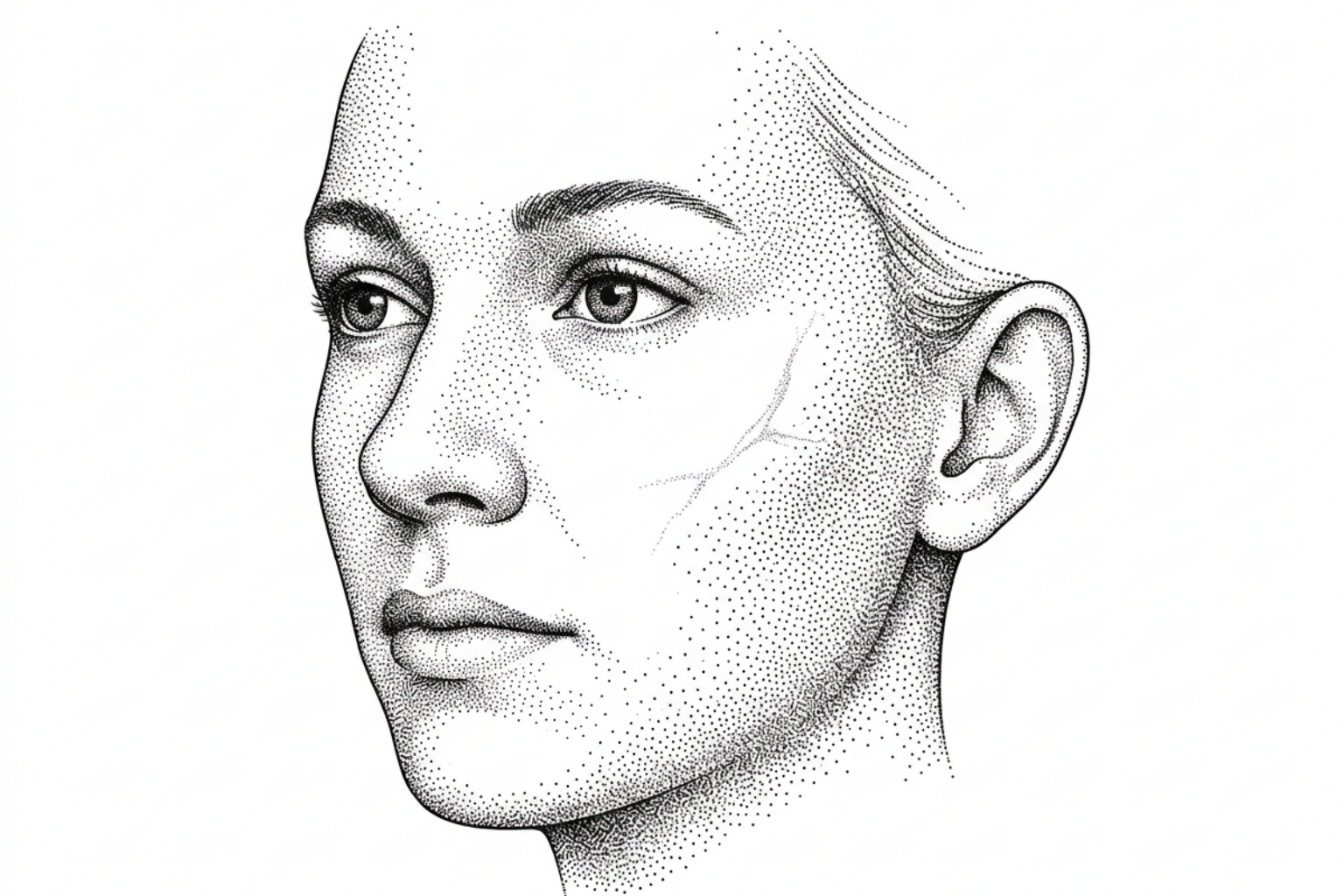
Optimizing Aesthetics and Tissue Elasticity in Post-Burn Facial Scarring
Facial burn scars are treated for function first: eyelids, mouth and nose take priority. This guide covers silicone and pressure therapy, fractional laser, grafts and flaps, and the 12 to 24 month maturation timeline.
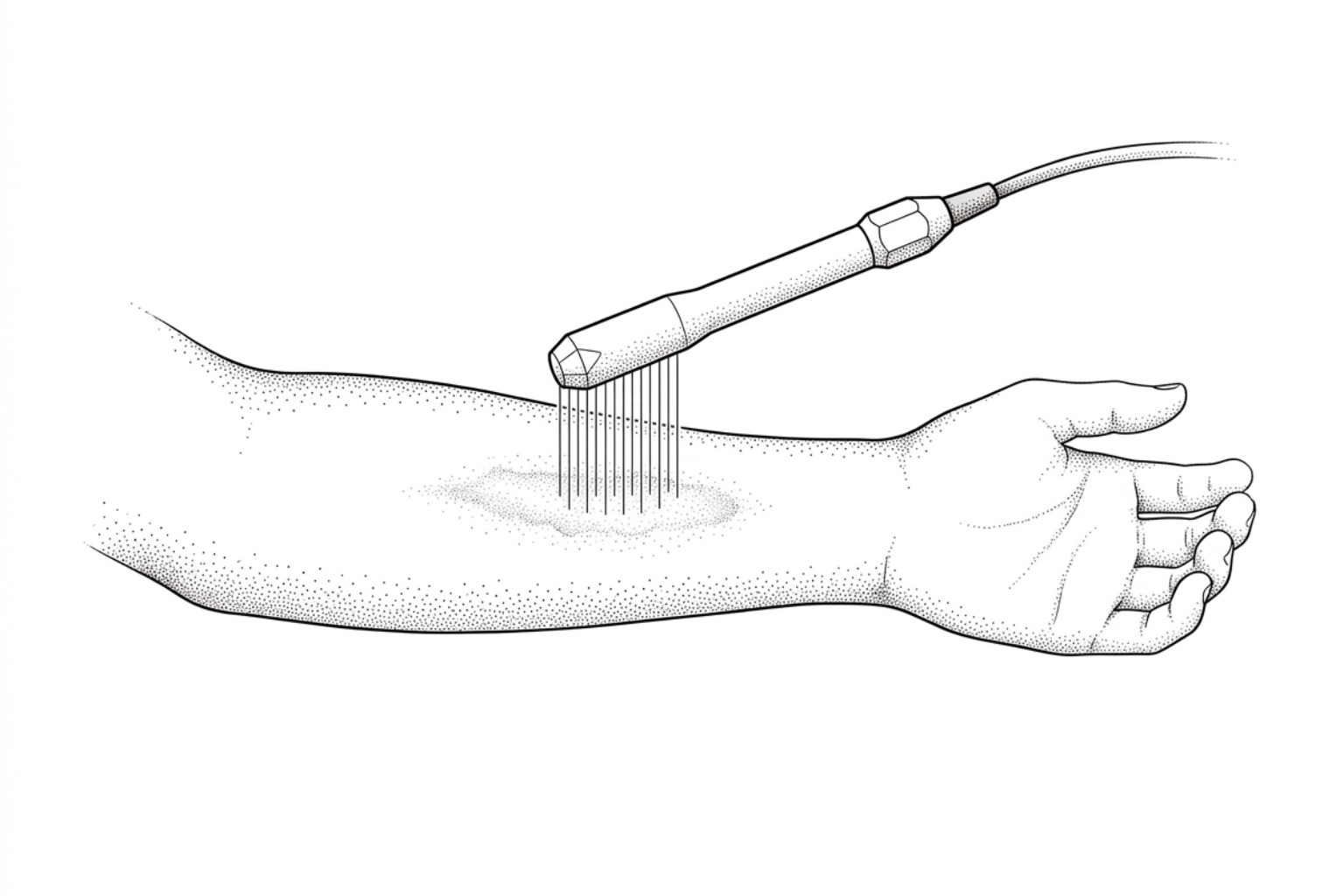
3 Laser Modalities Evaluated for Burn Scar Pliability and Texture Improvement
Three lasers do three different jobs on a burn scar: fractional CO2 releases tight collagen, pulsed dye calms redness, Er:YAG smooths texture. Here is how they compare, how many sessions to expect, and when to start.
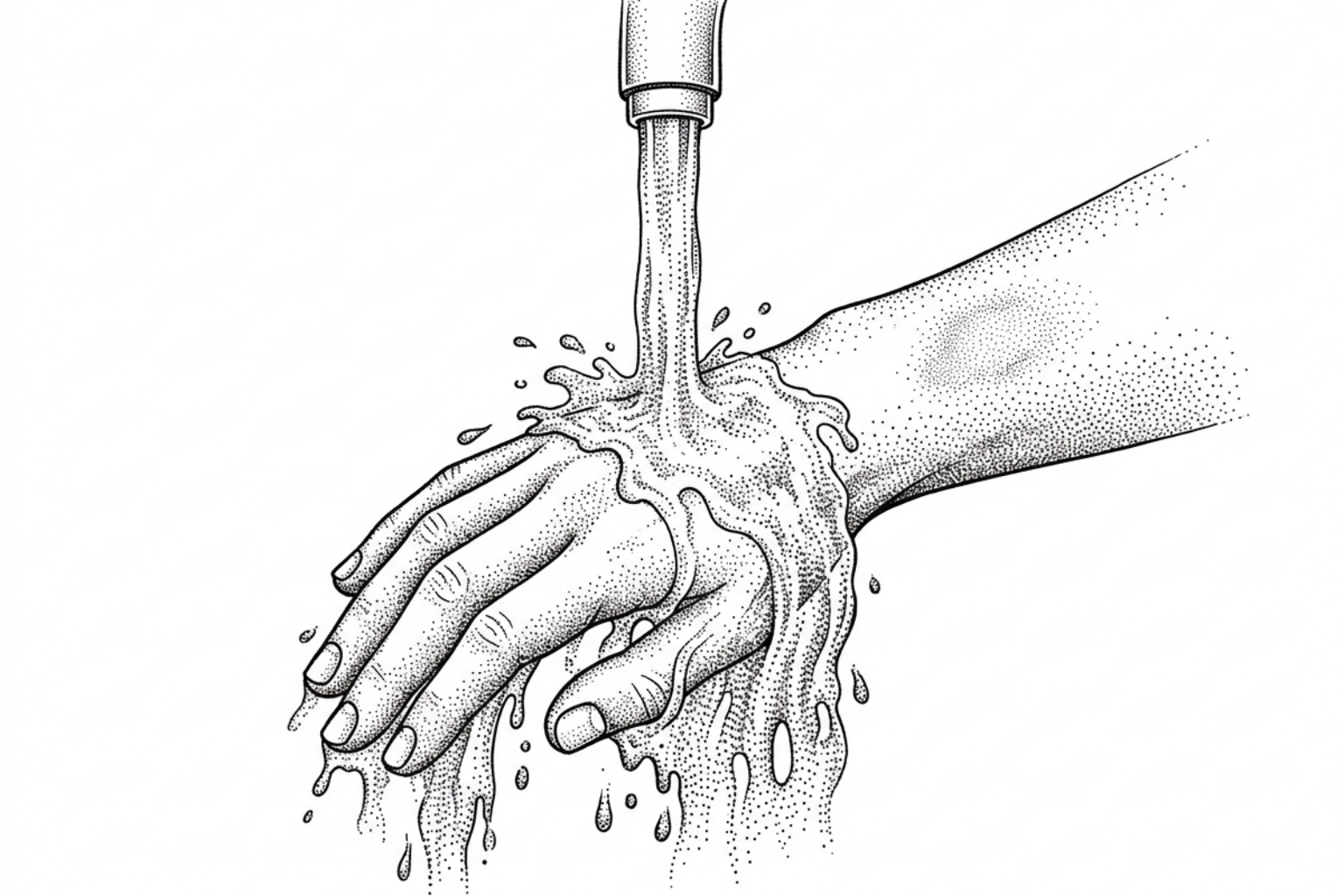
How to Manage Second-Degree Burns to Minimize the Risk of Long-Term Scars
Whether a second-degree burn leaves a scar depends mostly on how fast it closes. Wounds healed within 14 days scar under 10% of the time; past 21 days the risk climbs sharply. Here is what changes that.
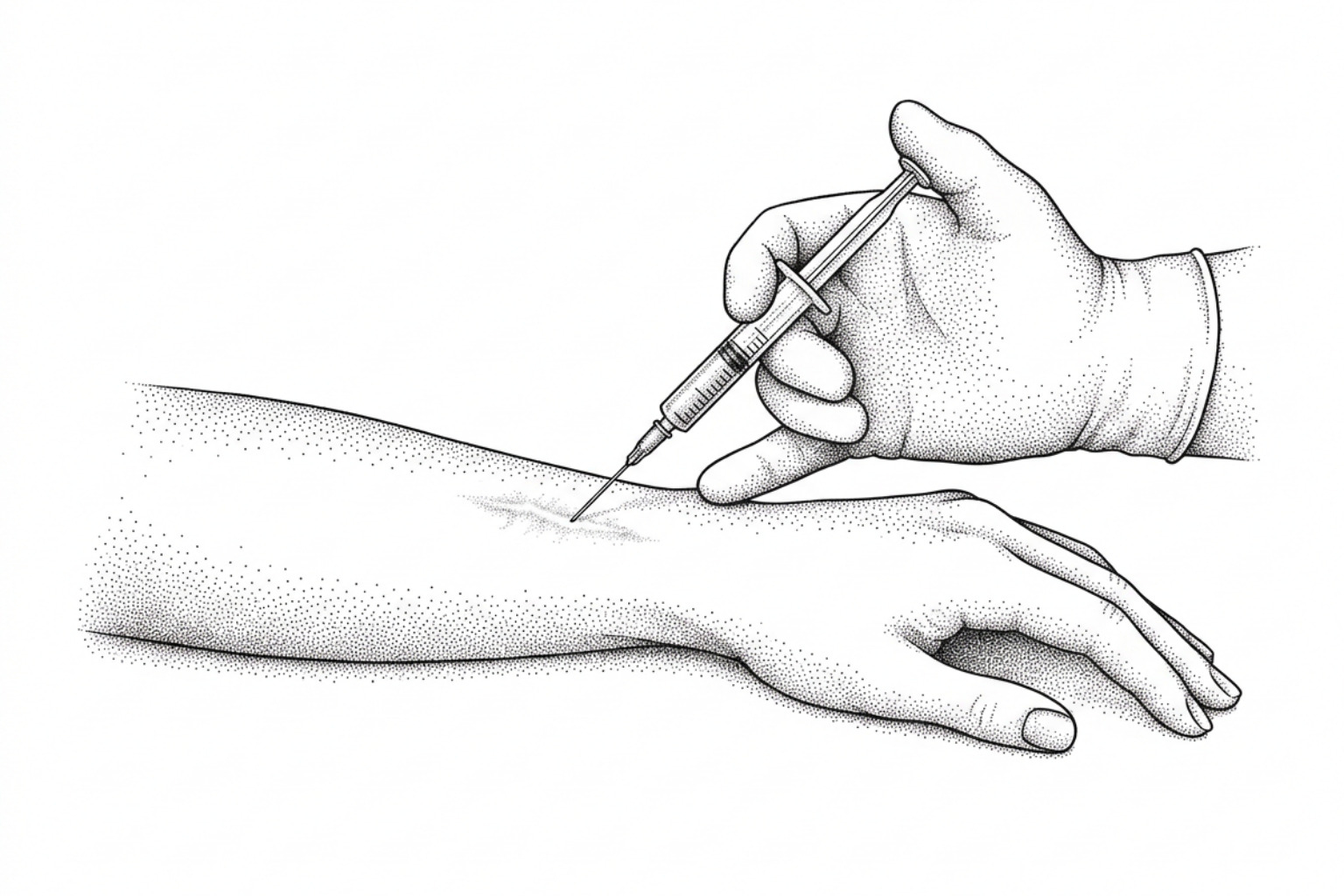
Steroid injection versus silicone and pressure: how clinicians choose.
Steroid injections, silicone sheeting and pressure therapy all flatten raised scars, but they suit different scars and different lives. Here is how clinicians choose between them, and what the trial evidence actually shows.