Efficacy of Corticosteroid Injection Combined with 5-FU for Keloids
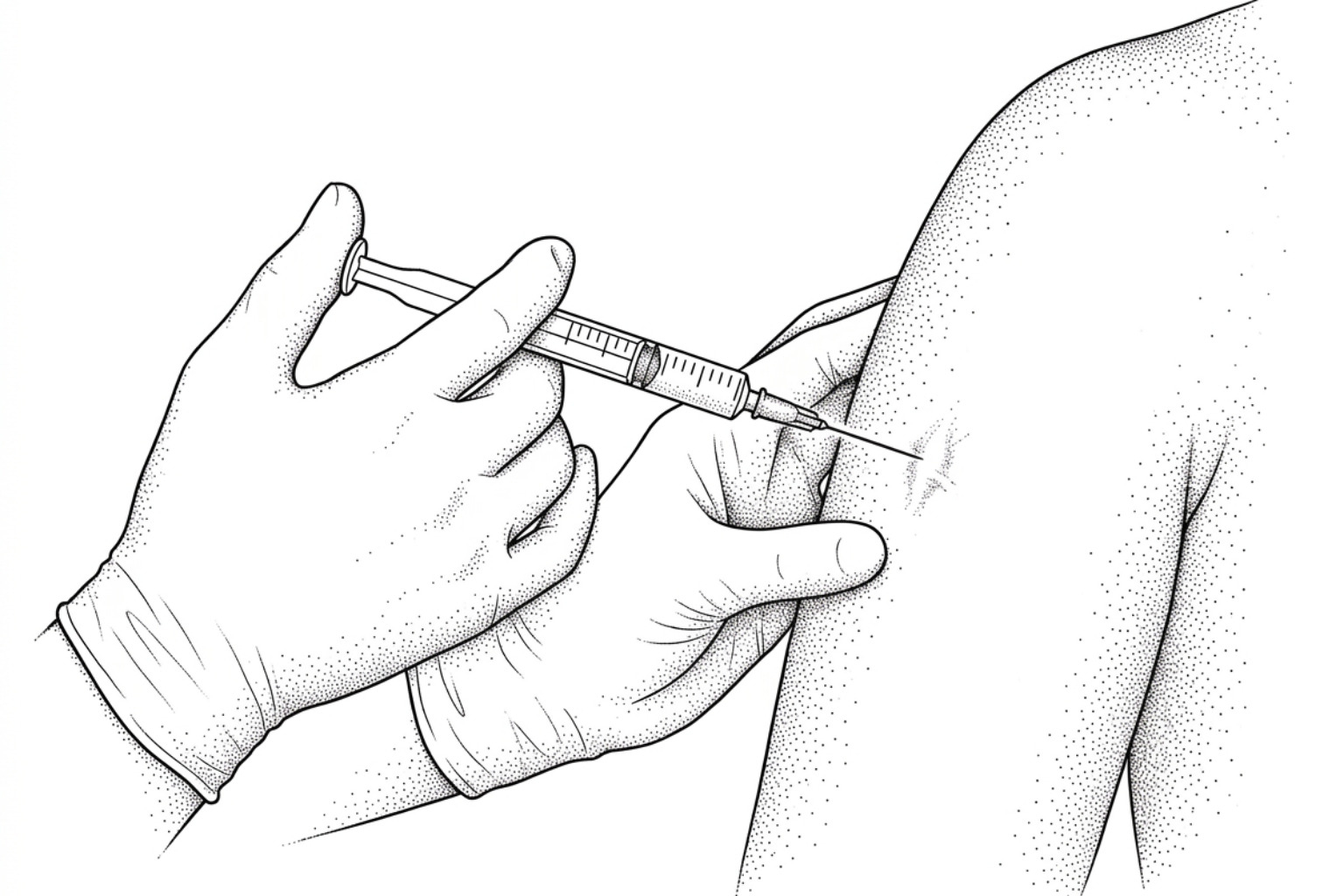
Combining 5-fluorouracil with triamcinolone outperforms steroid alone for keloids in most trials, with fewer atrophy side effects. Here are the ratios, session counts and trade-offs.
Steroid and 5-FU together for keloids
Corticosteroid injection combined with 5-FU is an off-label, clinician-delivered treatment that may flatten keloids and hypertrophic scars more effectively than steroid injections alone. Human clinical trials suggest the combination can reduce scar height, firmness, itching, and pain while allowing a lower steroid exposure, which may reduce the risk of steroid-related skin thinning.
Keloids grow beyond the original wound edge, while hypertrophic scars stay within it. Both involve overactive fibroblasts - the cells that make collagen during healing. Triamcinolone acetonide, a corticosteroid, helps calm inflammation and collagen production. 5-fluorouracil (5-FU) is an antimetabolite medicine that research indicates can limit fibroblast growth and collagen synthesis within scar tissue.
Evidence is promising but protocols differ across studies, including the drug ratio, injection volume, and treatment interval. These injections should be planned and performed by a qualified clinician, especially because ulceration, pigment changes, and skin atrophy can occur.
The Scar Healing Editorial Team explores the evidence behind scar treatments to help readers have better-informed conversations with their clinicians.
Why this combination is used
Fibroproliferative skin disorders represent a persistent clinical challenge in dermatologic practice. Keloid scars, unlike standard surgical marks, demonstrate uncontrolled local growth that invades surrounding healthy tissue, driven by persistent inflammation and excessive deposition of extracellular matrix components. While traditional intralesional steroid injections have long served as a primary intervention for Tag/Keloid Scars, monotherapy often yields high recurrence rates and notable local adverse effects, such as dermal thinning and telangiectasia.
To address these limitations, clinicians increasingly use combination therapy. Pairing an antineoplastic antimetabolite with a traditional glucocorticoid creates a synergistic mechanism designed to arrest cellular proliferation, remodel dense collagen architecture, and suppress severe physical symptoms like pruritus and localized pain.
How the combination works
Abnormal scar formation stems from a prolonged proliferative phase during wound healing. In keloids, dermal fibroblasts remain in a continuous hypermetabolic state, failing to undergo scheduled physiological apoptosis. For a comprehensive overview of initial triggers, see the keloid causes complete guide.
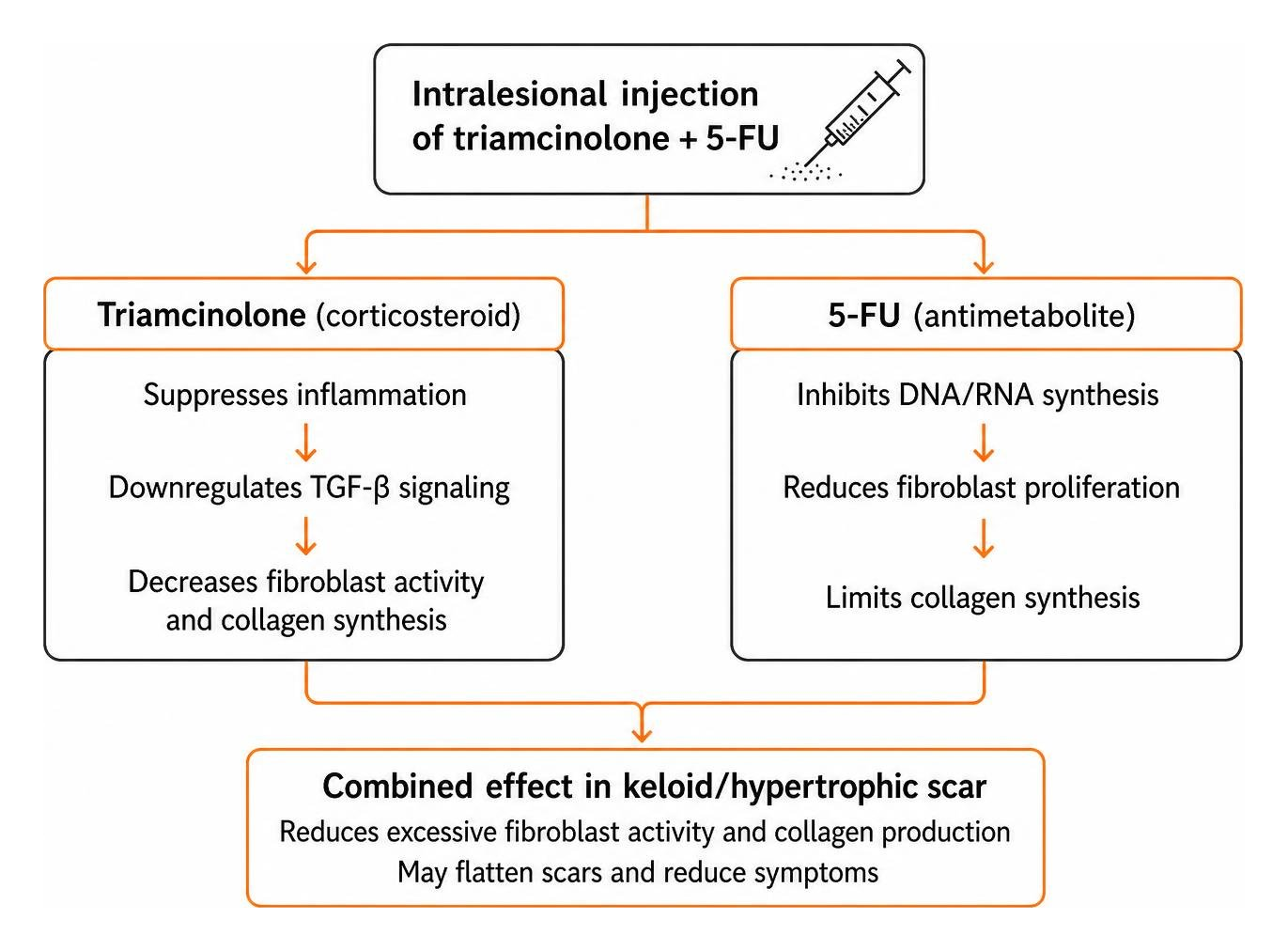
Fibroblasts within excessive scars overexpress receptors for transforming growth factor-beta (TGF-β), leading to exaggerated type I and type III collagen synthesis, microvascular overgrowth, and elevated tissue tension.
What each drug does
The primary therapeutic synergy relies on distinct molecular pathways:
- Fluorouracil (5-FU) Mechanism: As detailed in medical resources discussing the pharmacology of fluorouracil, 5-FU functions as a pyrimidine analog. Intracellularly, it converts to active metabolites that inhibit thymidylate synthase, blocking the synthesis of thymidine necessary for DNA replication. This selective antimetabolite action halts rapidly dividing fibroblasts in the S-phase of the cell cycle, induces programmed cell death (apoptosis) without causing widespread necrosis, and directly downregulates TGF-β1-mediated type I collagen gene expression.
- Triamcinolone Acetonide (TAC) Mechanism: As a synthetic corticosteroid, triamcinolone exerts potent anti-inflammatory and vasoconstrictive effects. It suppresses pro-inflammatory cytokines, decreases local microvascular permeability, inhibits alpha-2-macroglobulin (an endogenous collagenase inhibitor), and promotes collagen degradation.
Why they work better together
When combined, these two agents mutually enhance therapeutic efficacy while mitigating each other's adverse effects:
- Collagen Breakdown: 5-FU arrests the production of new collagen fibril scaffolding, while triamcinolone accelerates the breakdown of existing cross-linked collagen bundles, interrupting abnormal keloid scar formation stages.
- Anti-Angiogenesis: Localized 5-FU delivery downregulates vascular endothelial growth factor (VEGF) and upregulates thrombospondin-1 (an endogenous angiogenesis inhibitor), reducing the hypervascularity that sustains keloid expansion.
- Side Effect Neutralization: 5-FU monotherapy often leads to tissue irritation, localized erythema, and painful superficial ulceration. Adding triamcinolone calms this inflammatory reaction. Conversely, using 5-FU allows clinicians to reduce total steroid exposure, decreasing the incidence of steroid-induced dermal atrophy, fat wasting, and visible telangiectasias.
What the studies show
Clinical trials demonstrate consistent benefits when pairing 5-FU with triamcinolone acetonide for both hypertrophic scars and keloids, as detailed in comprehensive reviews on treatment for keloid scars.
Compared with steroid alone
Data from clinical trials show superior outcomes with combination therapy across standard scoring metrics, including the Vancouver Scar Scale (VSS) and the Patient and Observer Scar Assessment Scale (POSAS):
| Parameter / Metric | Triamcinolone Acetonide (TAC) Alone | TAC Combined with 5-FU |
|---|---|---|
| Good-to-Excellent Improvement (>50% flattening) | 20% to 68% | 55% to 84% (up to 96% in low-dose protocols) |
| Average Lesion Flattening | 50% | 77% |
| Average Size Reduction (Long-term) | 73% (with surgical excision) | 92% (with surgical excision); 81% (nonsurgical) |
| Pruritus and Pain Resolution | Moderate / Variable | >90% to 100% complete relief |
| Tissue Atrophy & Telangiectasia Rate | ~20% to 37% | ~3.3% to 10% |
A landmark retrospective analysis published in peer-reviewed literature on intralesional 5-FU and triamcinolone in keloid management evaluated 94 patients with 102 keloids over a 7-year timeframe. The study observed a 92% scar size reduction in patients receiving surgical excision combined with serial 5-FU/TAC injections, compared to 73% in those treated with excision and steroid monotherapy alone. Even without surgical excision, combination injections yielded an average lesion size reduction of 81%, alongside substantial symptom relief: 92% of patients experienced full resolution of localized pain and 93% reported complete relief from chronic pruritus.
Similarly, in a comparative trial of 40 patients, combination therapy achieved an average lesion flattening of 77% compared to 50% with steroid monotherapy. Another clinical trial tracking 150 patients demonstrated good-to-excellent results in 84% of the combination cohort versus 68% in the steroid-alone group, while simultaneously reducing local complications from 24% to 8%.
One boundary is worth stating. The evidence above concerns both drugs injected directly into the scar. A 2026 retrospective review of 55 patients compared laser-assisted delivery of 5-FU plus triamcinolone against laser-assisted triamcinolone alone in burn hypertrophic scars, and found no significant difference between them. That study uses a different delivery route, a different scar type and a weaker design than the injection trials, so it does not overturn the case for the injected combination. It does mean the advantage should not be assumed to carry across to every way the two drugs can be given.
Compared with bleomycin
Antineoplastic agents represent a cornerstone of modern keloid scar solutions. In head-to-head clinical research evaluating 60 keloids, 50% of lesions treated with a 5-FU and TAC combination achieved an excellent response (defined as 76% to 100% flattening), compared to 76% in cohorts treated with bleomycin plus TAC.
While bleomycin-based protocols may demonstrate higher flattening rates in specific clinical presentations, intralesional 5-FU paired with triamcinolone remains a widely favored first-line combination option. It offers a more accessible safety profile, reduced risk of hyperpigmentation banding, and reliable long-term symptom management.
Dosing and how it is given
Safe administration requires careful consideration of compounding ratios, anatomical depth, and cumulative dosage limits delivered during Tag/Professional Treatment.
Typical mix and dose
Clinical studies utilize distinct compounding ratios based on scar thickness, chronicity, and anatomical location, adhering to established dermatology scar management protocols:
- The 9:1 Formulation (High 5-FU / Low Steroid):
- Mixture: 0.9 mL of 5-FU (50 mg/mL) mixed with 0.1 mL of triamcinolone acetonide (40 mg/mL).
- Resulting Concentrations: 45 mg/mL 5-FU and 4 mg/mL TAC.
- Clinical Rationale: Delivers targeted antimetabolite action while minimizing steroid exposure, substantially lowering the risk of soft-tissue atrophy and telangiectasia.
- The 3:1 / 75%:25% Formulation:
- Mixture: 0.75 mL of 5-FU (50 mg/mL) mixed with 0.25 mL of triamcinolone acetonide (40 mg/mL).
- Resulting Concentrations: 37.5 mg/mL 5-FU and 10 mg/mL TAC.
- Clinical Rationale: Frequently utilized in firm, highly symptomatic, or recurrent keloids requiring stronger anti-inflammatory action.
- The 1:1 Formulation (Balanced):
- Mixture: 1.0 mL of 5-FU (50 mg/mL) mixed with 1.0 mL of triamcinolone acetonide (40 mg/mL).
- Resulting Concentrations: 25 mg/mL 5-FU and 20 mg/mL TAC.
- Clinical Rationale: Often deployed in clinical trial settings using small-volume micro-aliquots (0.125 mL per 0.5 × 0.5 cm² area).
Dosing Ceilings and Volume Limits: Standard intralesional injection volume is calibrated to approximately 0.1 mL per linear centimeter of scar tissue. The total volume per treatment session should be capped at 2.0 mL (keeping total 5-FU under 100 mg per session) to prevent localized tissue necrosis or systemic absorption. Injections are typically repeated at 2- to 4-week intervals across 4 to 8 sessions, depending on clinical response.
Injection technique and newer devices
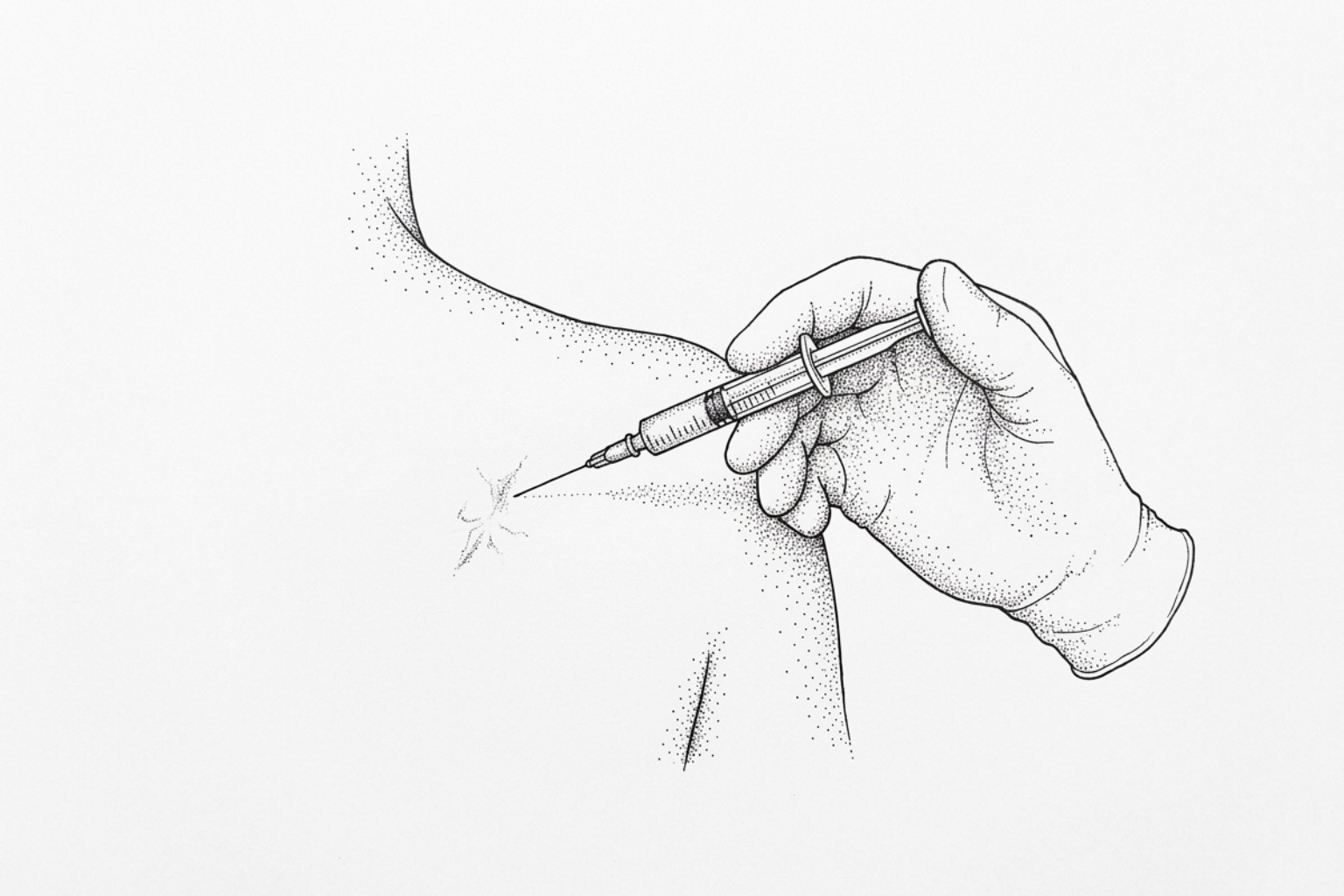
Dense scar tissue presents high mechanical resistance during infiltration. Clinicians generally use 1 mL Luer-lock syringes paired with 27-gauge or 30-gauge needles. In dense keloids, making multiple gentle needle passes can create micro-channels that facilitate even distribution.
The primary clinical endpoint is immediate tissue blanching across the scar tissue. Subcutaneous injection beneath the lesion must be avoided to prevent underlying fat atrophy.
To address procedural discomfort and needle phobia, needle-free delivery systems have emerged. A randomized split-scar trial in hypertrophic scars evaluating pneumatic jet injection of 5-FU and triamcinolone demonstrated that a single needle-free pneumatic jet session achieved a 33% reduction in scar volume and a 37% decrease in surface area at 4 weeks, with drug penetration reaching the reticular dermis. Notably, 90% of patients with previous needle injection experience preferred the pneumatic method due to lower procedural pain (rated 2/10).
Side effects and who it suits
Evaluating anatomical location and baseline patient characteristics helps optimize outcomes while minimizing risks, particularly in sensitive areas discussed in the guide on keloid scar body location risk.
Side effects at the injection site
Intralesional combination therapy is well tolerated locally, though adverse effects can occur:
- Superficial Ulceration: In clinical studies, transient ulceration occurs in approximately 20% to 56% of treated lesions, directly related to the antimetabolite action of 5-FU. These superficial erosions typically resolve within 10 to 14 days with routine wound care and topical antiseptic ointments.
- Dyspigmentation: Post-inflammatory hyperpigmentation or hypopigmentation occurs in roughly 3% to 10% of cases, particularly in darker skin phototypes (Fitzpatrick IV–VI).
- Steroid-Related Sequelae: Because combination regimens use reduced corticosteroid concentrations, the incidence of skin atrophy and telangiectasia is significantly lower (3.3% to 10%) compared to steroid monotherapy (up to 37%).
- Procedural Discomfort: Local burning during infiltration can be managed by pre-treating the area with topical lidocaine/prilocaine cream or incorporating local anesthetic into the protocol.
Absolute and Relative Contraindications: Intralesional 5-FU combinations are contraindicated during pregnancy and lactation. They should not be administered to patients with severe hepatic or renal dysfunction, active local or systemic infections, known bone marrow suppression, or documented dihydropyrimidine dehydrogenase (DPD) deficiency.
Who benefits, and preventing return
Clinical observations indicate that scar duration influences treatment outcomes: keloids present for less than or equal to 5 years demonstrate more rapid and complete flattening than older, fibrotic lesions.
Long-term recurrence remains a primary consideration across all keloid therapies. While standalone 5-FU monotherapy reports recurrence rates of up to 47% at 1-year follow-up, 5-FU/TAC combination therapy demonstrates lower 1-year recurrence rates (approximately 20% to 25%).
To minimize recurrence risk following flattening or surgical excision, clinicians often integrate adjuvant measures into a broader scar revision treatment complete guide. Maintaining multimodal care—such as applying medical-grade silicone gel sheeting, utilizing targeted pressure garments, and scheduling periodic clinical assessments—provides mechanical support and helps preserve tissue architecture.
Common questions
What is the primary advantage of adding 5-FU to triamcinolone acetonide injections?
Combining 5-FU with triamcinolone acetonide provides dual-action therapeutic synergy. 5-FU inhibits cellular proliferation and halts new collagen production at the genetic level, while triamcinolone suppresses inflammation and accelerates the degradation of existing collagen. This combination improves overall scar flattening rates (up to 84% to 96%) while allowing lower steroid doses, which substantially reduces the risk of skin thinning, subcutaneous fat atrophy, and visible telangiectasia.
How many injection sessions are typically required to flatten a keloid?
Most clinical protocols involve an average of 4 to 8 injection sessions spaced 2 to 4 weeks apart. Clinical studies show that substantial scar softening, thickness reduction, and symptom relief often begin after the second or third session, with complete or near-complete flattening typically achieved within 3 to 6 months of consistent treatment.
Does intralesional 5-FU cause systemic chemotherapy side effects?
No. Because 5-FU is administered in small, localized micro-doses directly into dense scar tissue (typically capped below 50 to 100 mg per session), systemic absorption remains minimal. Clinical trials and pharmacokinetic analyses have consistently confirmed that intralesional 5-FU does not cause systemic toxicities such as bone marrow suppression, anemia, leukopenia, gastrointestinal illness, or hair loss.
What this means for your keloid
Intralesional corticosteroid injection combined with 5-fluorouracil is a well-documented, evidence-supported approach for managing challenging hypertrophic scars and keloids. By pairing an antimetabolite with an anti-inflammatory glucocorticoid, this regimen addresses the underlying cellular proliferation and collagen deposition of fibroproliferative tissue while reducing the adverse effects associated with high-dose steroid monotherapy.
Managing excessive scars often benefits from a comprehensive, personalized strategy that combines procedural interventions with consistent topical care. To learn more about assessing scar characteristics, explore the interactive scar assessment tool.
This content is for informational purposes only and does not constitute medical advice. Consult a qualified healthcare professional for diagnosis and treatment.
Works Cited
- Al-Attar A, Mess S, Thomassen JM, et al. “Keloid pathogenesis and treatment.” Plastic and Reconstructive Surgery, 2006.
- Asilian A, Darougheh A, Shariati F. “New combination of triamcinolone, 5-fluorouracil, and pulsed-dye laser for treatment of keloid and hypertrophic scars.” Dermatologic Surgery, 2006.
- Casale J, Patel P. “Fluorouracil.” StatPearls, NCBI Bookshelf, 2024.
- Darougheh A, Asilian A, Shariati F. “Intralesional triamcinolone alone or in combination with 5-fluorouracil for the treatment of keloid and hypertrophic scars.” Clinical and Experimental Dermatology, 2009.
- Davison SP, Dayan JH, Clemens MW, Sonni S. “Efficacy of intralesional 5-fluorouracil and triamcinolone in the treatment of keloids.” Aesthetic Surgery Journal, 2009.
- Erlendsson AM, Rosenberg LK, Lerche CM, et al. “A one-time pneumatic jet-injection of 5-fluorouracil and triamcinolone acetonide for treatment of hypertrophic scars: a blinded randomized controlled trial.” Lasers in Surgery and Medicine, 2022;54(5):663-671.
- Gold MH, McGuire M, Mustoe TA, et al. “Updated international clinical recommendations on scar management: part 2 – algorithmic approach.” Dermatologic Surgery, 2014.
- Khan MA, Bashir MM, Khan FA. “Intralesional triamcinolone alone and in combination with 5-fluorouracil for the treatment of keloid and hypertrophic scars.” Journal of the Pakistan Medical Association, 2014.
- Manuskiatti W, Fitzpatrick RE. “Treatment response of keloidal and hypertrophic sternotomy scars: comparison among intralesional corticosteroid, 5-fluorouracil, and 585-nm flashlamp-pumped pulsed-dye laser treatments.” Archives of Dermatology, 2002.
- Sharma S, Vinay K, Bassi R. “Treatment of small keloids using intralesional 5-fluorouracil and triamcinolone acetonide versus intralesional bleomycin and triamcinolone acetonide.” The Journal of Clinical and Aesthetic Dermatology, 2021.
- Shah VV, Aldahan AS, Mlacker S, et al. “5-Fluorouracil in the treatment of keloids and hypertrophic scars: a comprehensive review of the literature.” Dermatology and Therapy (Heidelberg), 2016.
- Wong JH, Huang JM, Kim EY, et al. “Laser-assisted drug delivery of 5-fluorouracil and triamcinolone vs. triamcinolone monotherapy does not lead to different outcomes in the treatment of burn hypertrophic scars.” Dermatologic Surgery, 2026.
This content is for informational purposes only and does not constitute medical advice. Consult a qualified healthcare professional for diagnosis and treatment.