Scar Treatment
General overview articles exploring a range of treatment options for improving the appearance and texture of scars.
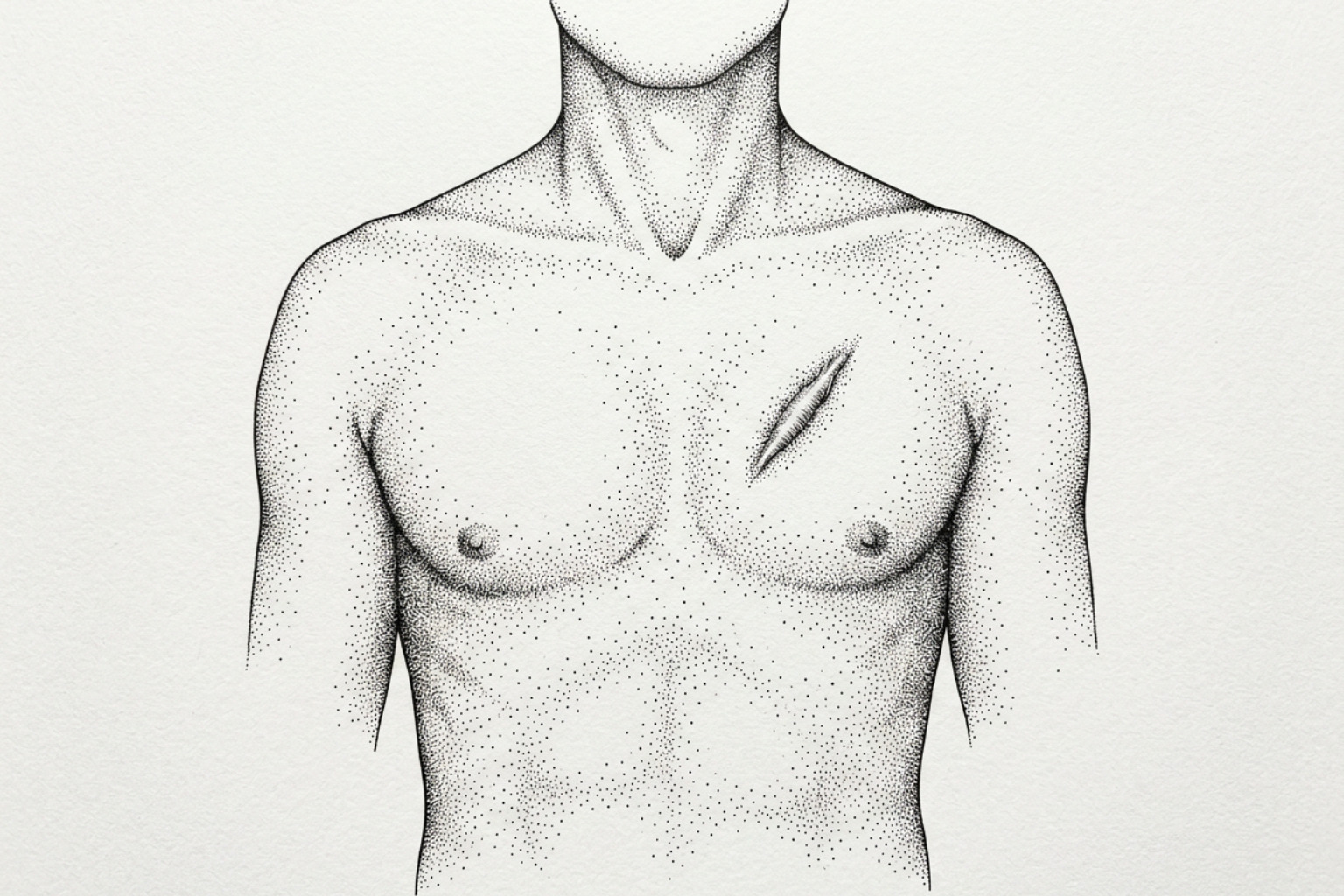
All About Keloid Scar Body Location Risks
Where a keloid forms matters as much as why. Chest and shoulder keloids sit in high-tension skin and recur far more often than earlobe keloids, and that changes which treatment makes sense.
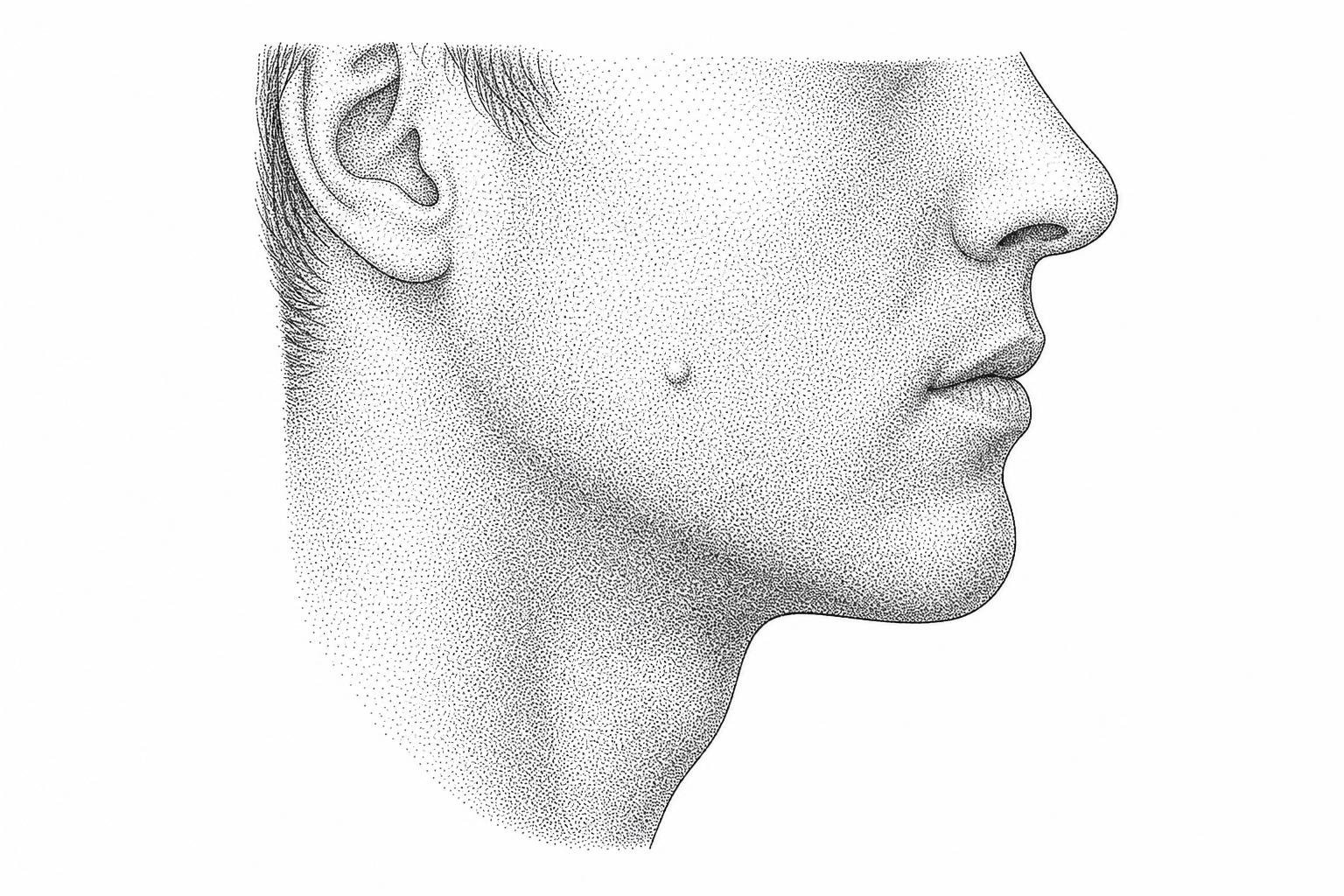
Detailed Guide to Pimple Raised Scar Treatment Options
Raised acne scars come in two forms that behave very differently. Hypertrophic scars may fade slowly on their own; keloids will not. Here is what actually flattens each type, and what to avoid.
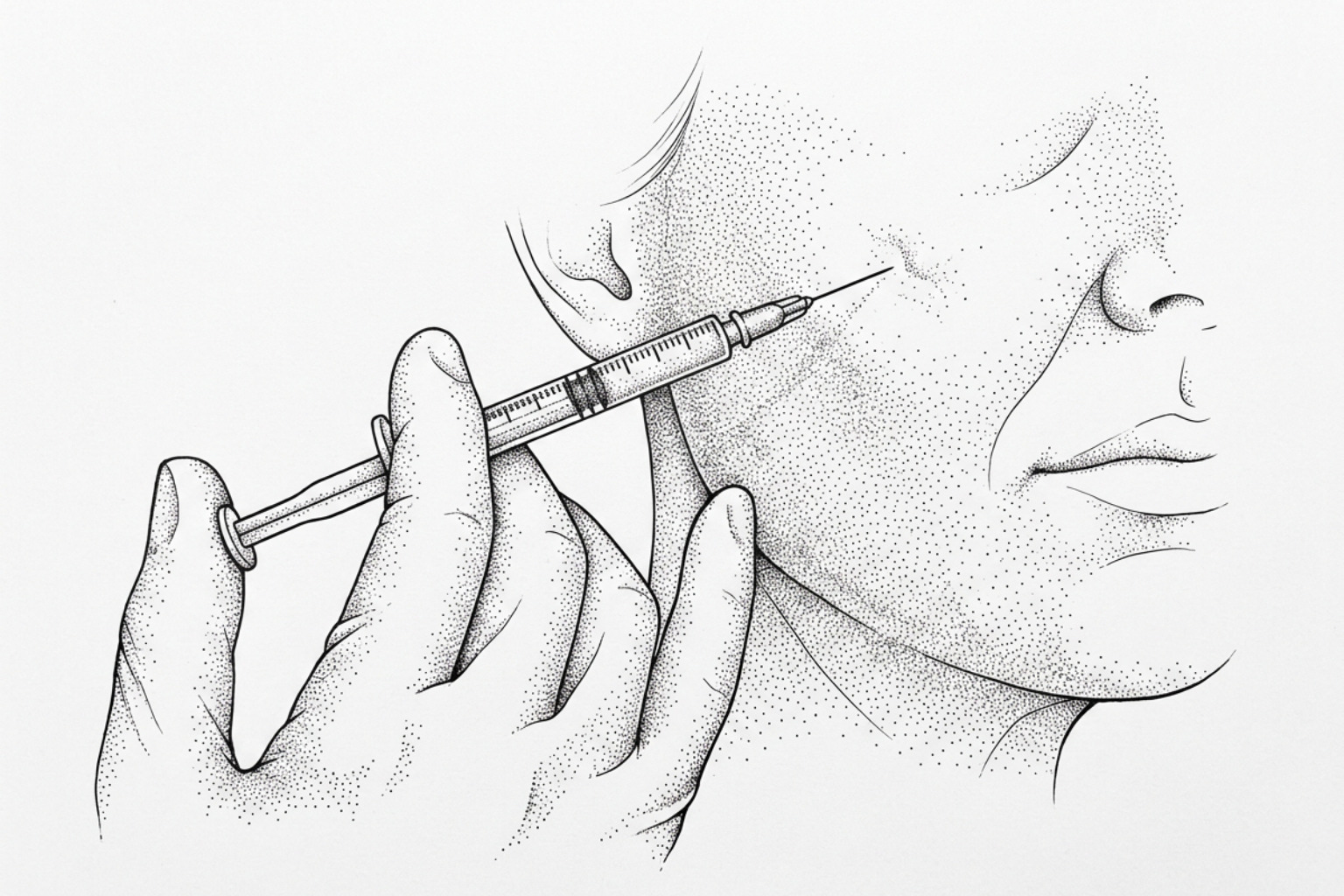
A Comprehensive Guide to Comparing the Best Filler Scar Treatments
Dermal fillers lift depressed acne scars immediately and, with some materials, stimulate new collagen for years. This guide compares hyaluronic acid, PMMA and biostimulatory options on durability, safety and cost.
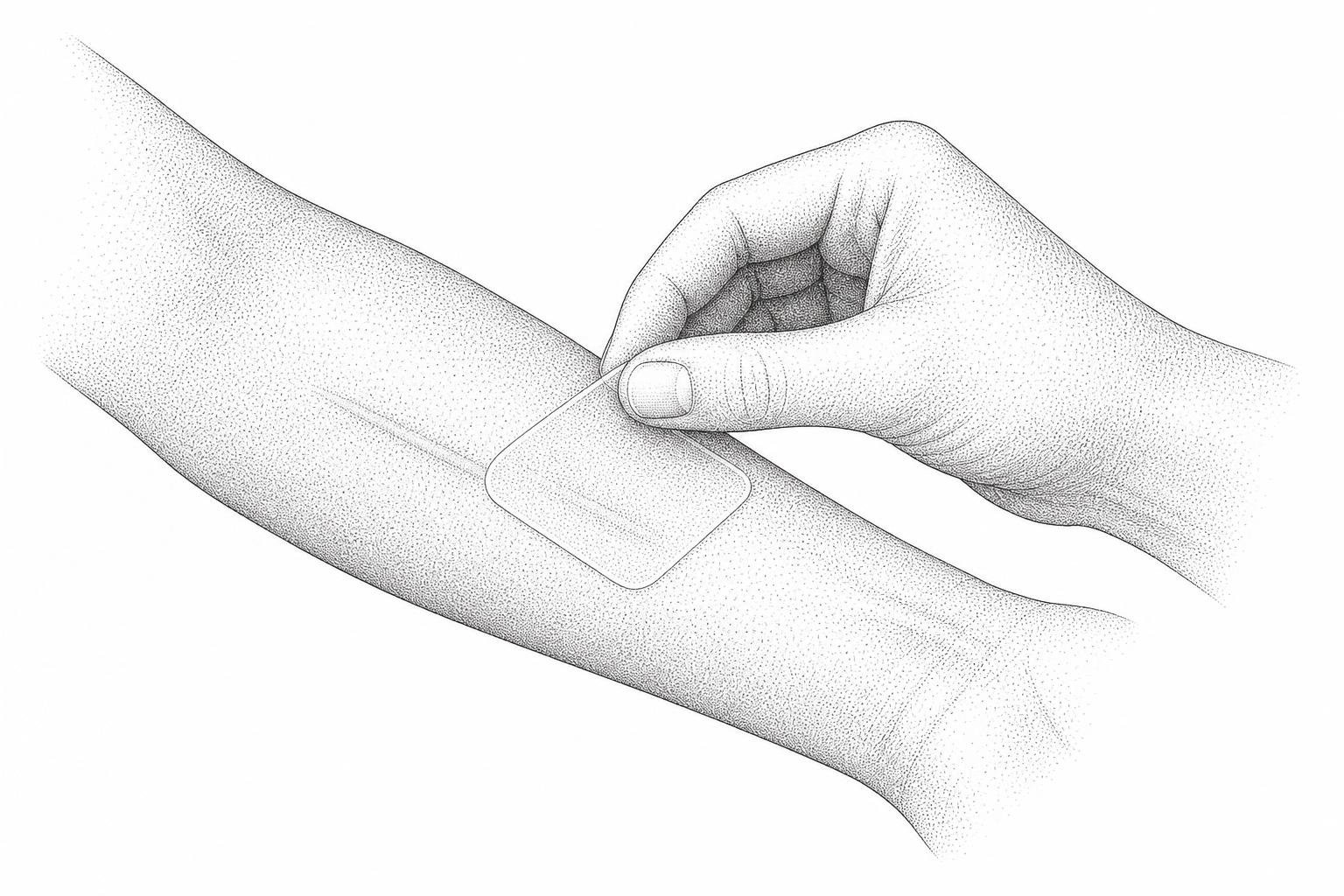
Cheat Sheet to Scar Removal for Sensitive Skin
Retinoids and acids that clear scars on resilient skin can leave reactive skin inflamed and darker. This guide covers the silicone, botanical and laser options with evidence behind them, plus how to patch test safely.
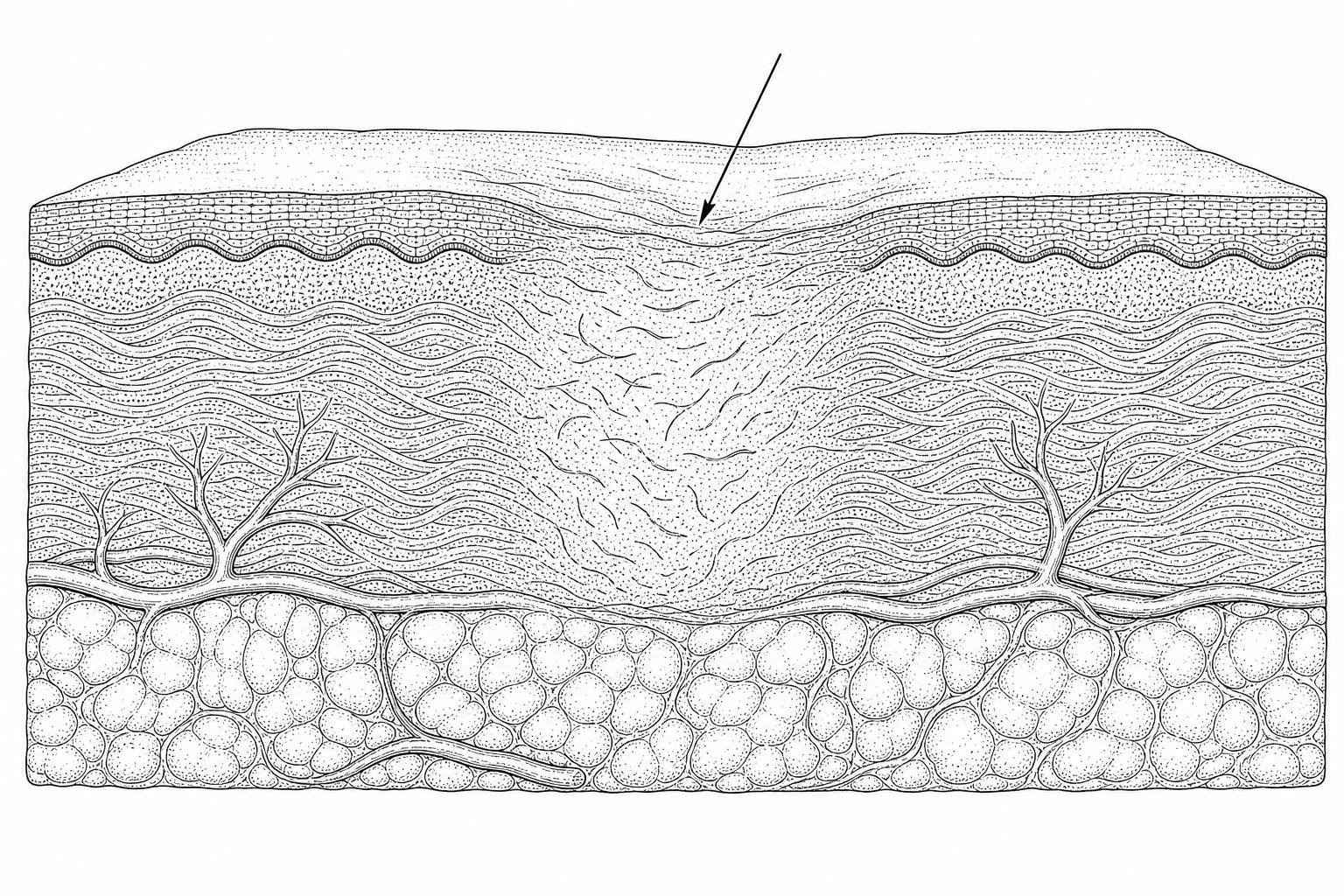
A Practical Guide to Improving Collagen Remodeling in Scars
Scar collagen keeps remodeling for months. Here's how lasers, microneedling, silicone, and simple home care can steer it toward smoother, flatter skin.
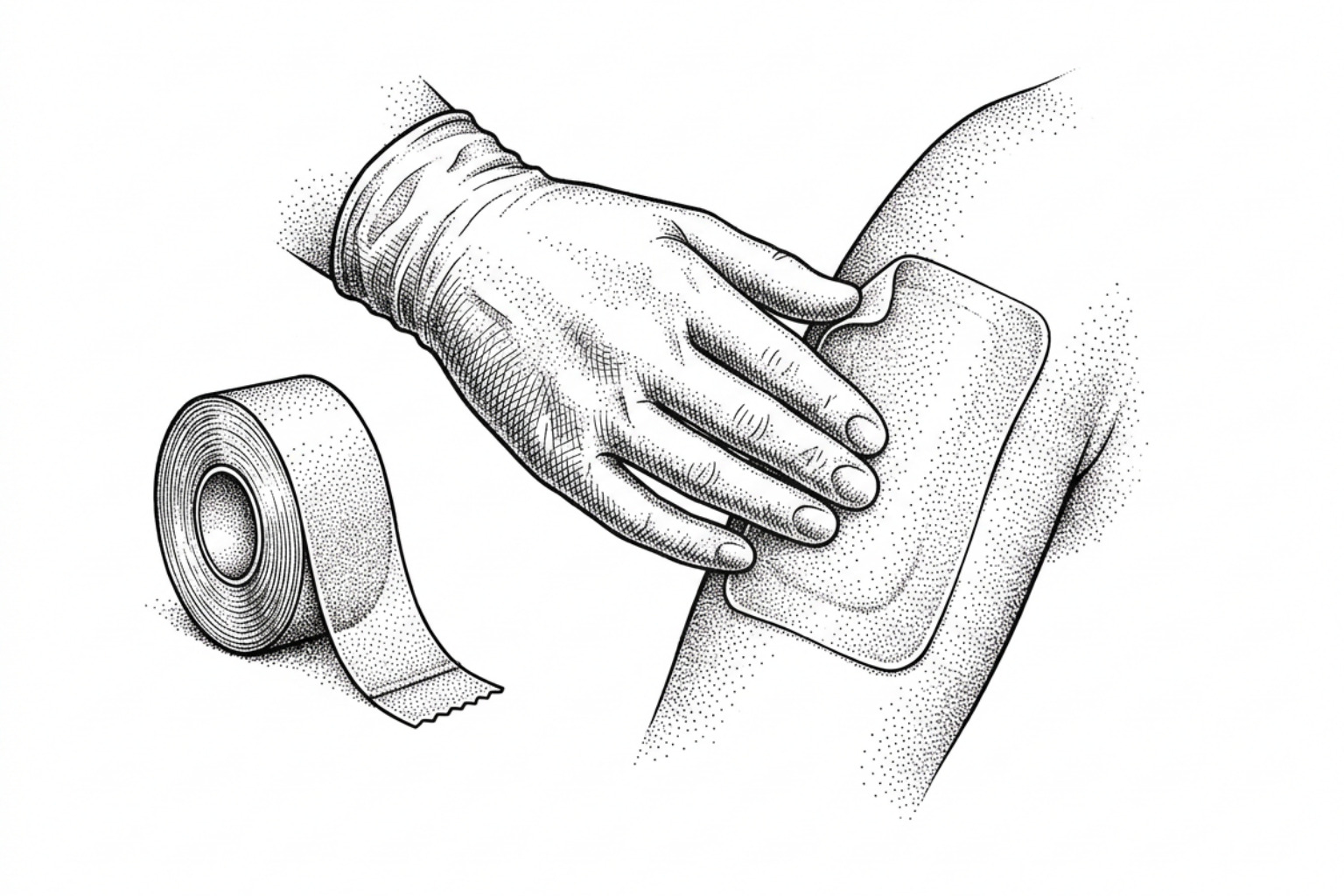
Everything You Need to Know About Keloid Scar Solutions
Keloids are stubborn and prone to recurrence. Here's how silicone, injections, lasers, surgery, and radiation compare, and how to choose the right one.
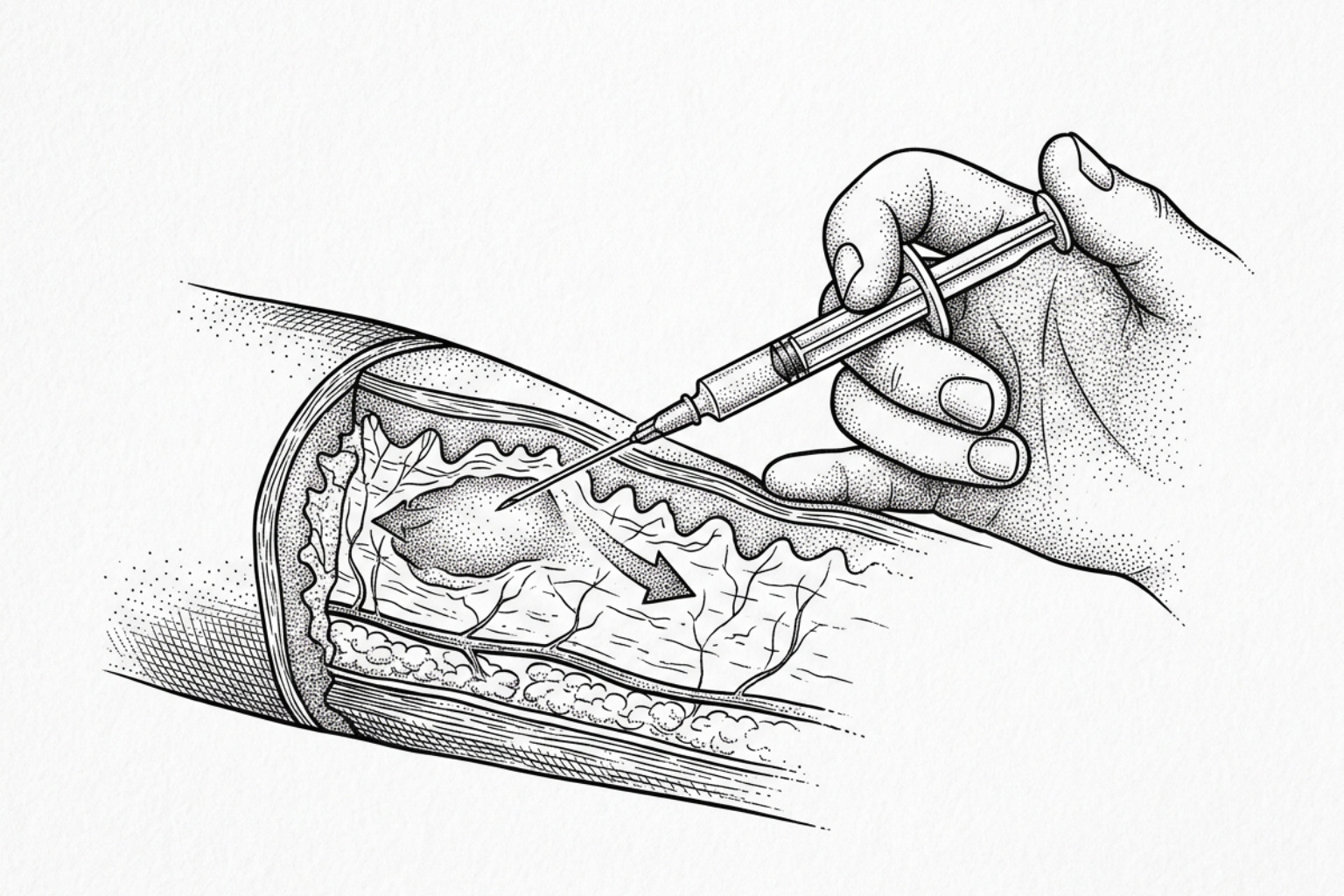
A–Z Guide to Fillers for Scar Treatment
Dermal fillers plump depressed scars almost instantly. Here's how hyaluronic acid, biostimulatory, and permanent fillers compare on results and safety.
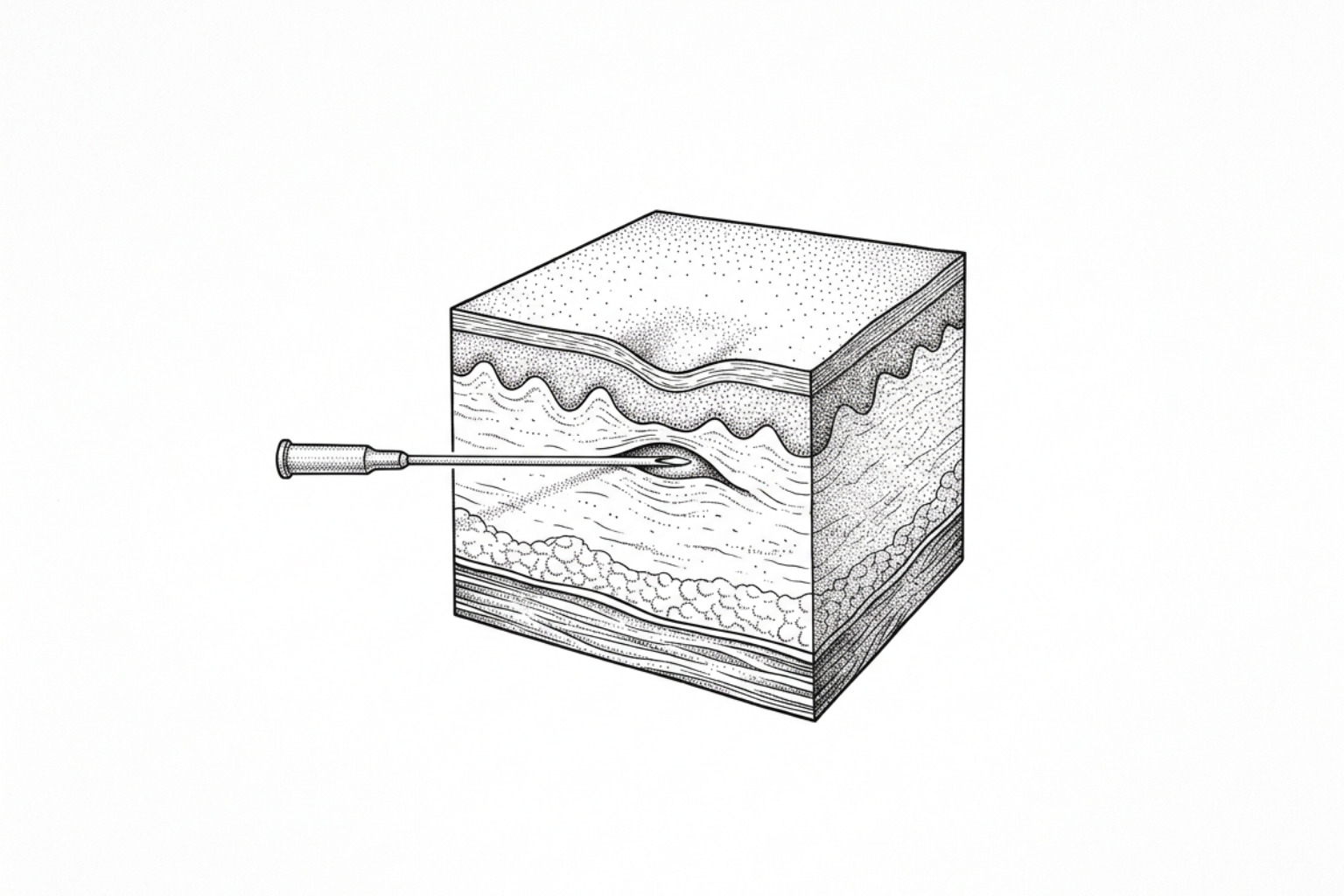
An Essential Guide to Subcision for Scars
Subcision cuts the tethers pulling depressed acne scars downward, letting the skin rebound. Here's how the procedure works, which scars respond, the sharp-needle vs. blunt-cannula debate, and what recovery looks like.
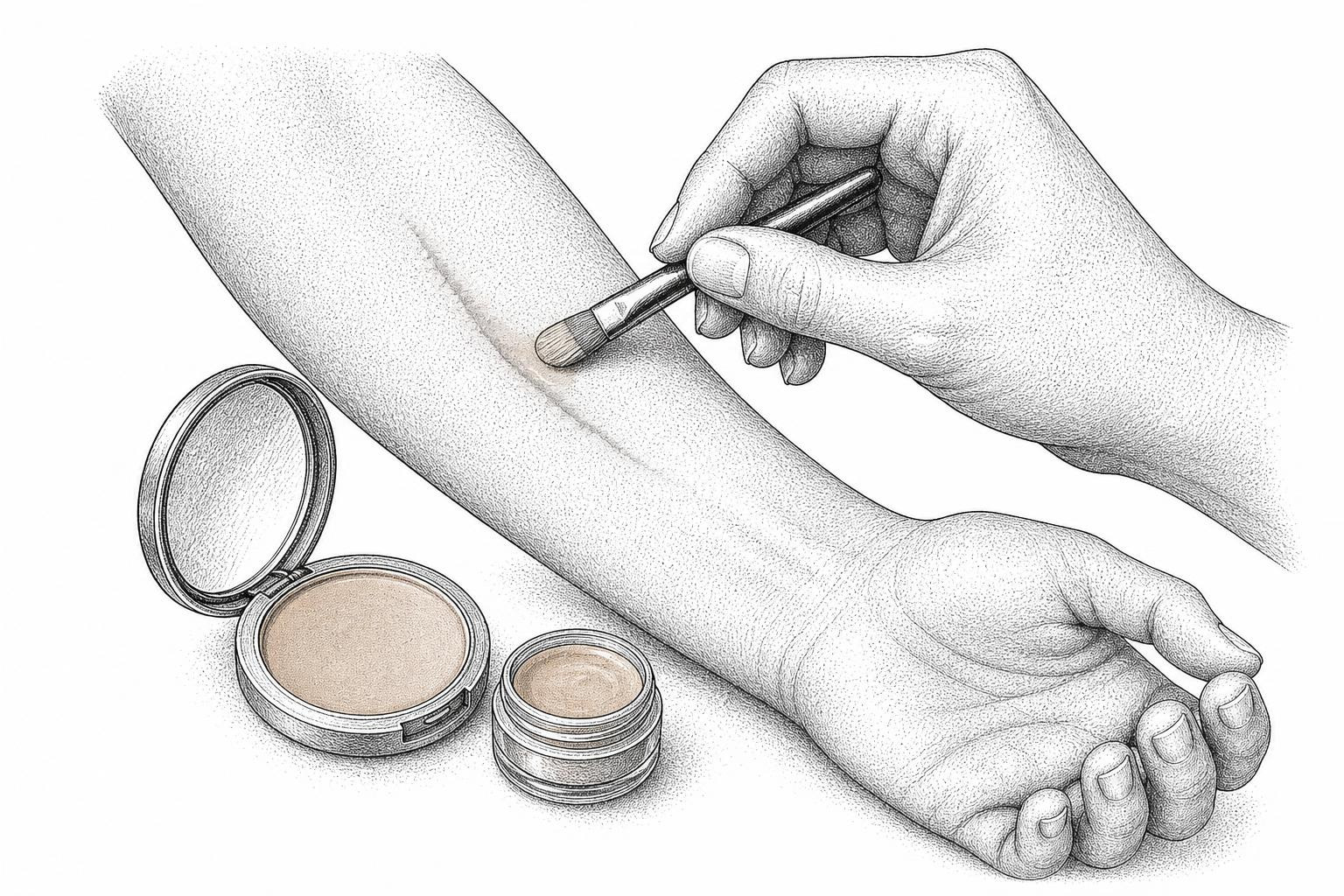
The Complete Guide to Scar Camouflage Makeup
The right camouflage makeup can make a scar disappear in seconds — but it takes color theory, not just concealer. Here's how to neutralize redness and pigment, match your skin tone, and set coverage that lasts.
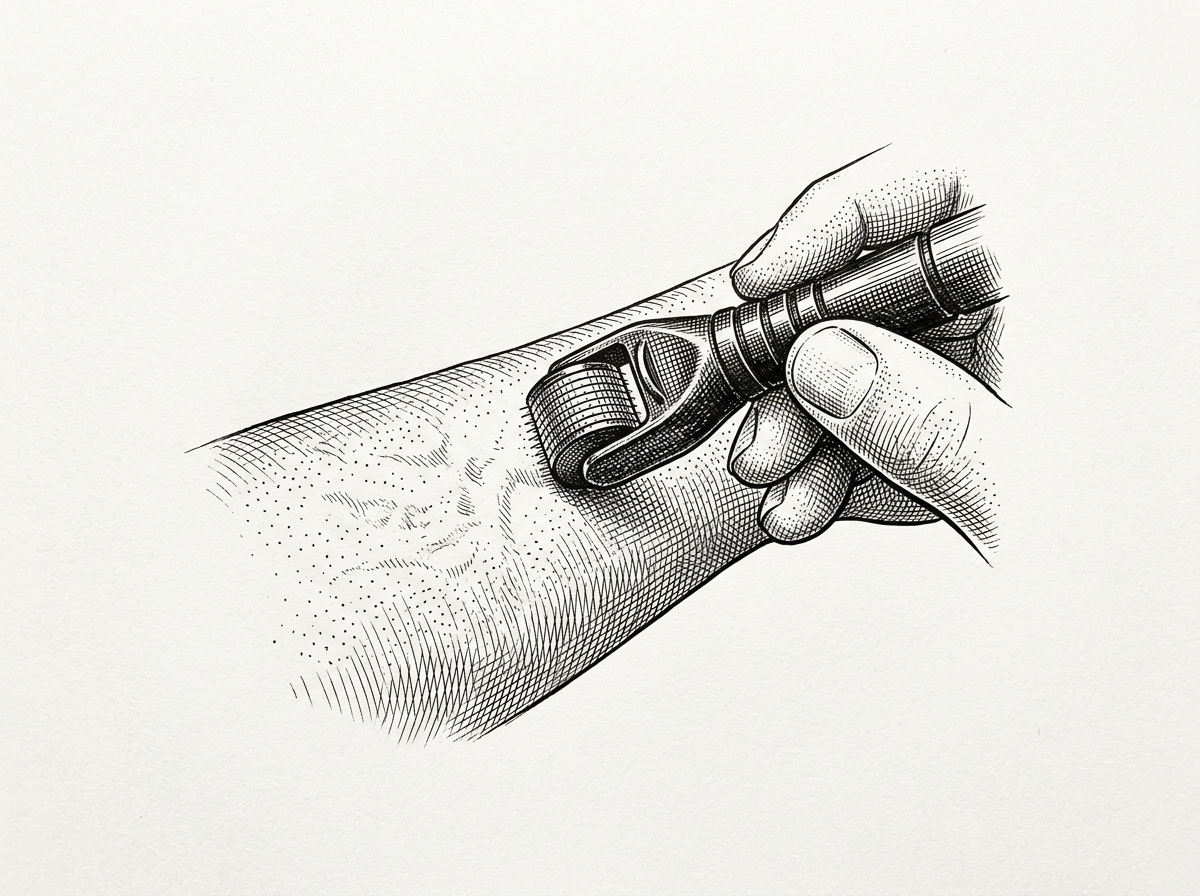
Microneedle Scar Removal: The Ultimate Guide to Smoother Skin
Microneedling uses fine needles to trigger your skin's natural healing response. Learn how this clinically studied procedure works, what results to expect, and whether it's right for your scars.
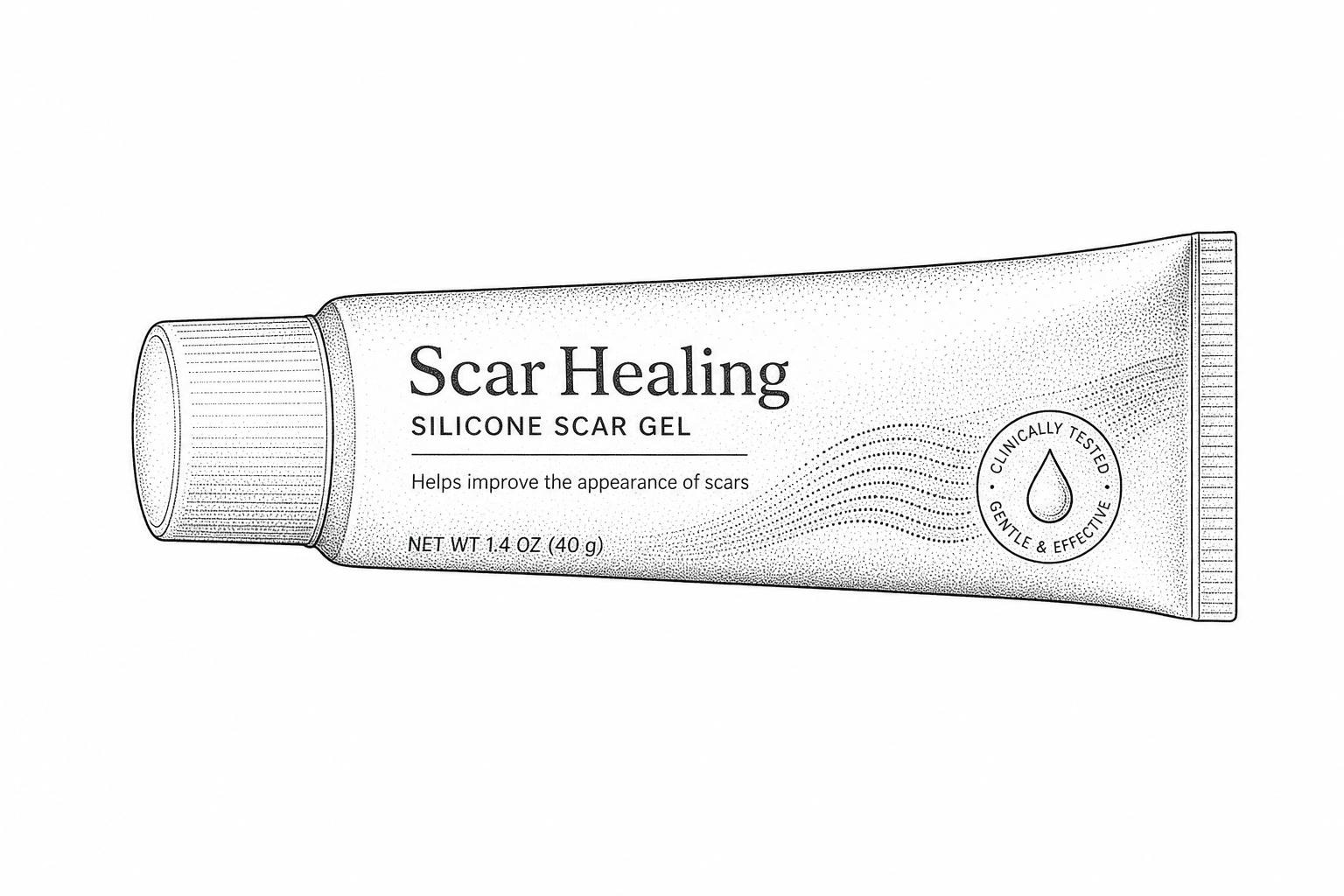
Best Incision Scar Cream: A-Z Guide to Effective Scar Cream
Silicone-based creams have the strongest evidence for fading incision scars — but timing matters as much as the product. When to start, how to apply, and which ingredients are worth paying for.
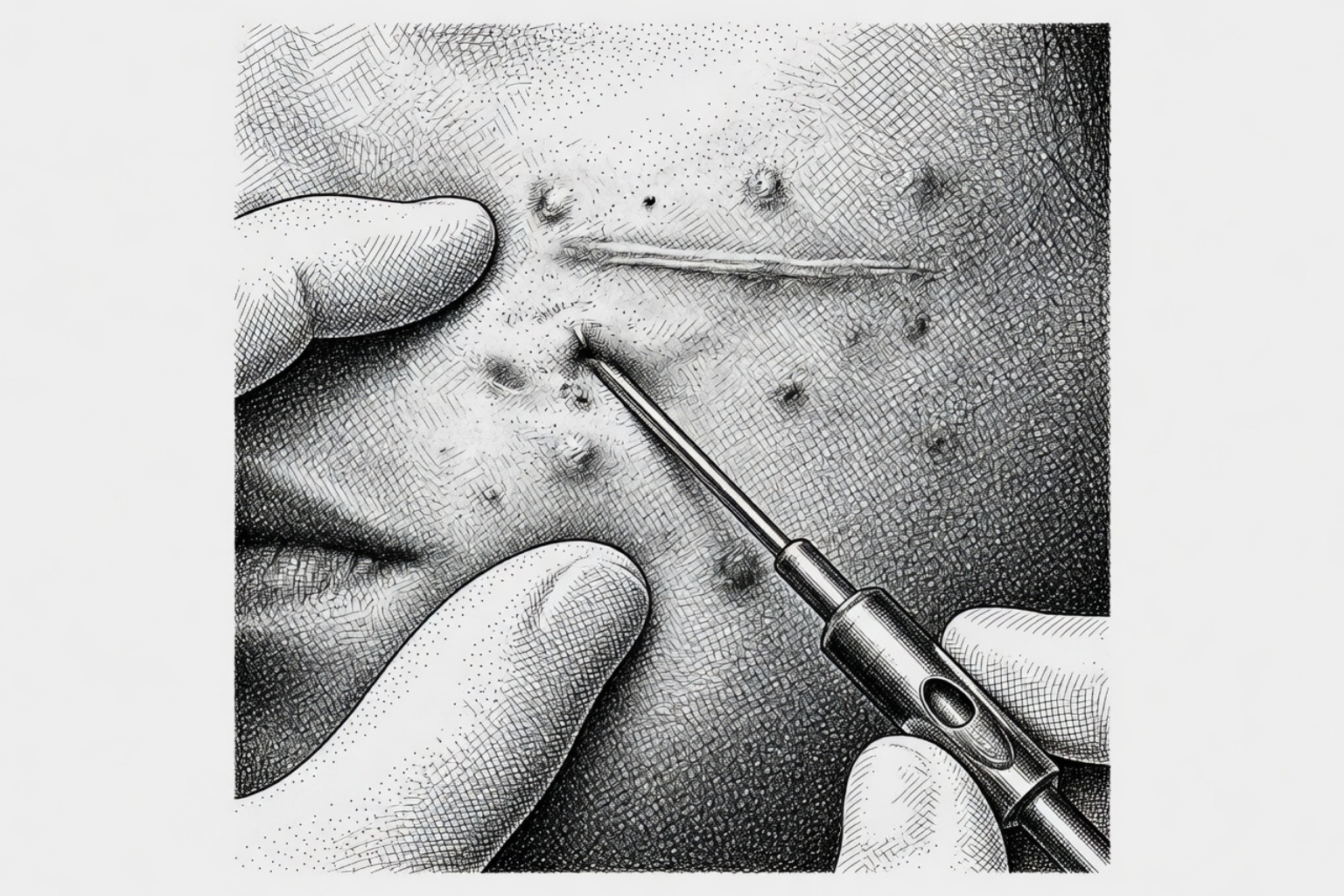
Why Blunt Cannula Subcision is Making Waves in Acne Treatment
Blunt cannula subcision releases the fibrous bands tethering atrophic acne scars, lifting them with less bruising and downtime than traditional Nokor needle methods.