Vitamins for scar healing: What to eat for better skin

Vitamin C, D, zinc, and targeted dietary patterns can meaningfully support scar healing — but not all supplements live up to their marketing claims.
Which vitamins help scars heal
Vitamins for scar healing play a measurable role in how well and how quickly skin repairs itself after injury, surgery, or inflammatory conditions like acne. The key micronutrients supported by current research include:
- Vitamin C - essential for collagen synthesis and antioxidant protection across all wound healing phases
- Vitamin A - supports epithelialization, fibroblast activity, and collagen deposition
- Vitamin D - emerging evidence links deficiency to worse hypertrophic scar properties and increased fibroblast proliferation
- Vitamin E - widely used but clinical evidence for topical application is weak; approximately 1 in 3 users develop contact dermatitis
- B vitamins (B2, B5, B3) - support energy metabolism, tissue repair, and inflammation modulation
- Zinc - acts as a cofactor in collagen synthesis and is critical across all healing phases
- Copper - supports collagen cross-linking and vascularization
- Magnesium - associated with improved antioxidant capacity, particularly in chronic wound patients
Scars are an unavoidable part of the body's repair process. When skin is damaged — whether from a surgical incision, a burn, or years of acne — the body works through a coordinated sequence of biological events: inflammation, tissue rebuilding, and long-term collagen remodeling. That remodeling phase alone can continue for up to two years after the initial injury.
What is often underestimated is how heavily this entire process depends on nutritional status. Patients managing chronic wounds, for example, may face energy demands increased by as much as 50% and protein requirements elevated by up to 250%, according to clinical nutrition research. Even for routine post-surgical recovery, deficiencies in key vitamins and minerals can slow healing, increase infection risk, and contribute to thicker, more visible scarring.
Yet despite a crowded market of vitamin E oils and scar creams making bold promises, the clinical evidence is more nuanced — and in some cases, directly contradicts popular belief. This article reviews what peer-reviewed research actually shows about vitamins and dietary factors in scar healing, so expectations can be grounded in science rather than marketing.
How vitamins help your skin heal
Wound healing is a complex biological process categorized into four overlapping phases: hemostasis, inflammation, proliferation, and remodeling. Each phase has specific metabolic requirements. During hemostasis and inflammation, the body requires vitamins like K and C to manage clotting and immune response. As the body enters the proliferative phase, it begins synthesizing new tissue, a process heavily dependent on protein and energy availability.
Research indicates that patients with chronic wounds or those recovering from major surgery experience a significant spike in metabolic needs. Protein requirements can increase by 250%, as protein is the primary building block for collagen and immune cells. Similarly, energy requirements may rise by 50% to fuel the cellular work of repair. When these demands are not met, the body may prioritize vital organ function over skin repair, leading to delayed healing and poor scar quality. Vitamin E Scar Healing is often discussed in this context, but its role is primarily as an antioxidant rather than a primary building block.
Does vitamin E help surgical scars?
For decades, topical vitamin E has been touted as a "miracle" for fading scars. However, clinical data tells a different story. Vitamin E (alpha-tocopherol) is indeed a powerful fat-soluble antioxidant that protects cell membranes from oxidative stress, but its topical application on surgical wounds is highly controversial.
A landmark study published in the journal Dermatologic Surgery found that topical vitamin E provided no benefit in 90% of the cases studied. Even more concerning, the study reported that nearly 33% of participants (about 1 in 3) developed contact dermatitis—an itchy, red allergic skin reaction—specifically from the vitamin E oil. In many instances, this inflammation actually worsened the appearance of the scar rather than improving it.
While standalone topical use is often discouraged by dermatologists, there is some evidence that vitamin E may be beneficial when used as an adjunct. For example, some studies suggest that applying vitamin E in combination with silicone gel or sheets may improve the appearance of hypertrophic and keloid scars more effectively than silicone alone. This synergy likely stems from the moisturizing properties of the oil combined with the occlusion provided by the silicone. For those seeking the Best Scar Reduction Cream, it is vital to look for formulations that prioritize evidence-based ingredients like silicone over high-concentration vitamin E oils.
Recent Scientific research on food supplementation in scar management suggests that oral intake of vitamin E through a balanced diet (found in nuts, seeds, and leafy greens) is generally more effective and safer for supporting skin health than applying concentrated oils directly to healing incisions.
Which nutrients actually rebuild skin
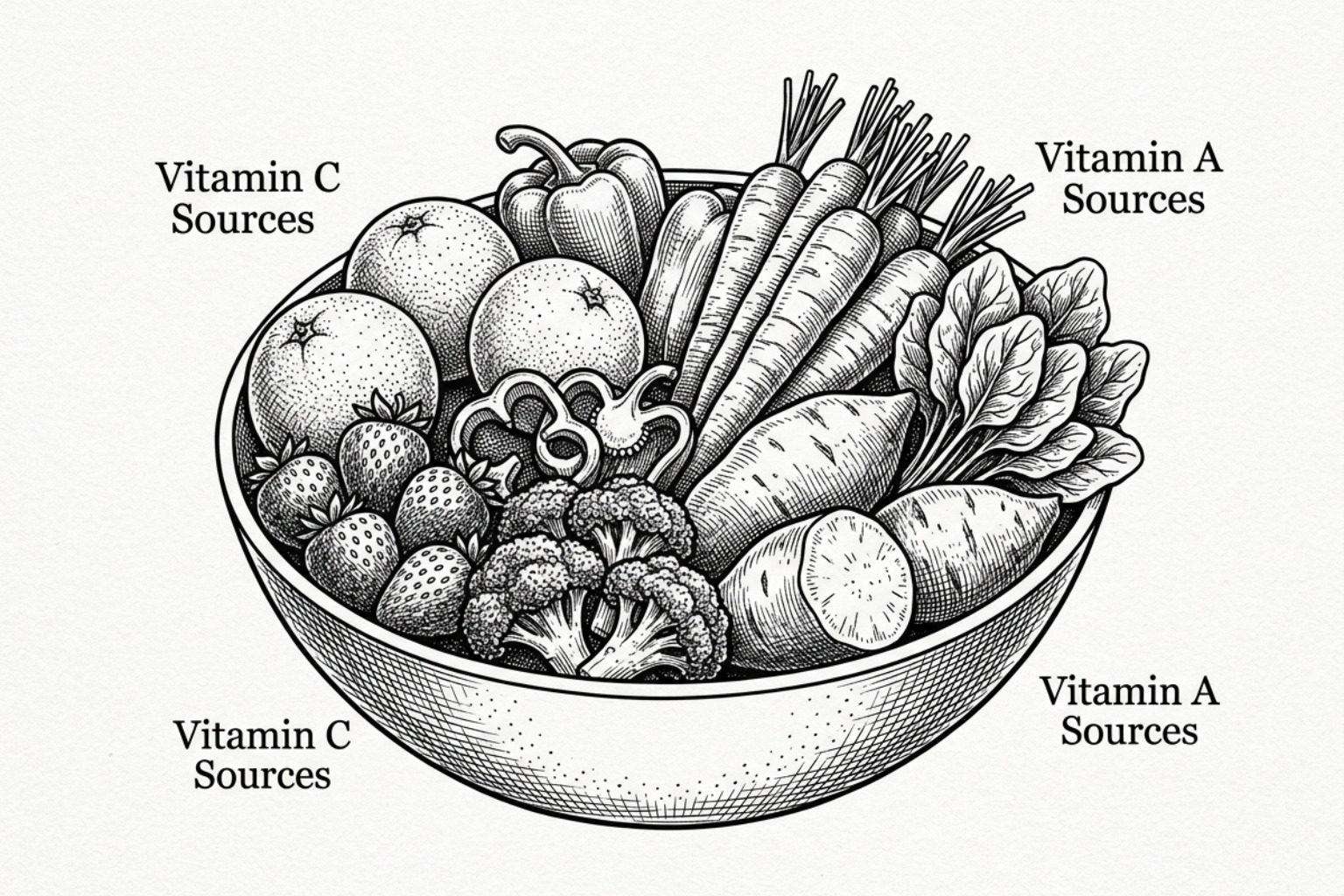
Beyond vitamin E, several other micronutrients play critical roles in the structural integrity of a scar. Proper Post Surgery Scar Care involves ensuring the body has the internal resources to perform epithelialization—the process where new skin cells migrate across a wound—and fibroblast stimulation, where specialized cells produce the collagen "glue" that holds the wound together.
How vitamin C builds collagen
Vitamin C (L-ascorbic acid) is perhaps the most vital of all Vitamins for scar healing. It is a mandatory cofactor for the enzymes responsible for the hydroxylation of pro-collagen. Without sufficient vitamin C, the collagen fibers produced are weak and unstable, leading to fragile scars that may easily reopen.
Furthermore, vitamin C is involved in neutrophil apoptosis (the programmed death of immune cells after they have cleared an infection) and modulates the inflammatory phase. A 2022 systematic review of human trials indicated that vitamin C supplementation led to faster wound closure and stronger scar tissue. While some people use Aloe Vera Scar Reduction methods for soothing, ensuring adequate internal vitamin C levels is the biological foundation of repair.
Vitamin D and skin repair
Vitamin D is gaining significant attention in dermatology for its role in scar maturation. Traditionally known for bone health, vitamin D receptors are found throughout the skin and play a role in regulating the proliferation of fibroblasts—the cells that can go into "overdrive" and create raised keloid or hypertrophic scars.
A study of 486 patients with hypertrophic scars found that a staggering 86.4% were deficient in vitamin D, with blood serum levels significantly lower than the healthy average. Evidence suggests that vitamin D helps temper TGF-β signaling, a biological pathway that, when overactive, leads to excessive collagen buildup.
| Micronutrient | Primary Role in Wound Repair | Clinical Impact of Deficiency |
|---|---|---|
| Vitamin A | Stimulates epithelialization and collagen cross-linking | Delayed wound closure; increased infection risk |
| Vitamin C | Essential for collagen synthesis and antioxidant defense | Weak scar tissue; scurvy-like symptoms in severe cases |
| Vitamin D | Regulates fibroblast proliferation and inflammation | Higher risk of raised (hypertrophic) or keloid scars |
Minerals and diet that affect scarring
While vitamins often get the spotlight, minerals like zinc, copper, and iron are the "workhorses" of tissue repair. Zinc is a cofactor for over 300 enzymes involved in DNA replication and protein synthesis. A deficiency in zinc can completely stall the remodeling phase. Copper is equally important, as it helps with the cross-linking of collagen fibers, giving the scar its tensile strength. Iron is necessary for transporting oxygen to the healing site via hemoglobin; without it, tissue becomes hypoxic (oxygen-starved), and healing slows to a crawl.
Dietary patterns also influence scar quality. A recent scoping review on food supplementation highlighted the importance of fatty acid ratios. Patients with keloids often show a higher intake of omega-6 fatty acids (pro-inflammatory) and a lower intake of omega-3 fatty acids (anti-inflammatory). Shifting this balance toward omega-3s—found in fatty fish and flaxseeds—may help modulate the chronic inflammation associated with problematic scarring.
Interestingly, some clinical observations have noted that a "Solanaceae-free" diet (avoiding nightshades like tomatoes, peppers, and eggplant) may reduce pruritus (itching) in patients with sensitive or active scars. While more human trials are needed, preliminary data suggests this dietary shift can significantly improve comfort during the maturation phase.
Wound care that limits scarring
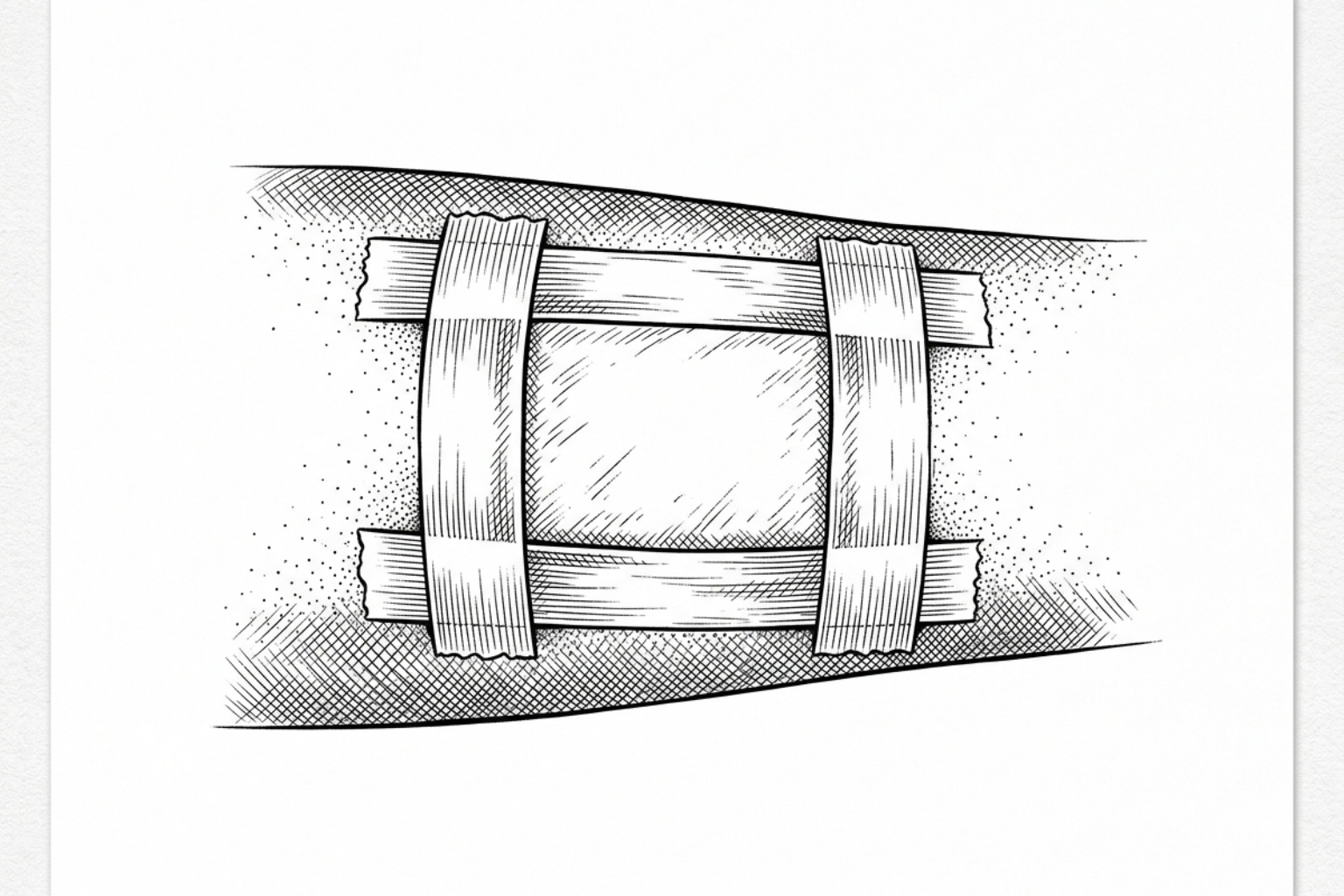
Nutrition provides the internal building blocks, but external care determines the environment in which those blocks are laid. The most effective way to minimize scarring is to keep the wound moist and protected during the initial healing weeks.
The American Academy of Dermatology recommends using petroleum jelly to keep the wound from drying out and forming a hard scab. Scabs actually slow down the migration of new skin cells and can lead to more noticeable scars. Once the skin has closed and stitches are removed, knowing When To Apply Scar Cream After Stitches is essential—usually, this is once the incision is fully epithelialized and no longer scabbing or bleeding.
Sun protection is perhaps the most critical external factor. New scar tissue is highly susceptible to UV damage, which can cause permanent hyperpigmentation (darkening). Clinical guidelines recommend protecting scars from the sun for 6 to 12 months using clothing, bandages, or a broad-spectrum SPF 30+ sunscreen.
In-office options for older scars
If a scar has already matured and remains thick, red, or painful, vitamins alone may not be enough. In these cases, advanced dermatological treatments are necessary:
- laser resurfacing: Uses focused light to remove outer layers of skin or stimulate collagen remodeling in deeper layers.
- Corticosteroid Injections: Often used for keloids and hypertrophic scars to reduce inflammation and flatten the tissue.
- Cryotherapy: Freezing the scar tissue with liquid nitrogen to reduce its size.
- Surgical Revision: Removing the old scar and re-closing the wound with advanced techniques to create a thinner, less noticeable line.
- Scar Tissue Massage Therapy: Gentle Scar Tissue Massage Therapy can help break up restrictive collagen bands and improve the flexibility of the tissue.
What to know before starting supplements
Vitamin E: pills vs. creams
Evidence suggests that oral vitamin E obtained through a balanced diet is safer and more effective for overall skin health than topical application. Because topical vitamin E carries a high risk of contact dermatitis (up to 33%), most clinical experts recommend focusing on oral intake or using vitamin E only when blended into a stable, multi-ingredient scar product.
Foods and keloid itching
Some preliminary research and patient reports suggest that a Solanaceae-free (nightshade-free) diet may help reduce the intensity of scar pruritus. Additionally, increasing the ratio of omega-3 to omega-6 fatty acids may help lower the systemic inflammation that contributes to keloid discomfort.
Duration of Post-Surgical Nutritional Support
Since the remodeling phase of a scar can last between 12 and 18 months (and sometimes up to two years), maintaining an optimized diet is beneficial throughout the first year of recovery. Most experts recommend high-intensity nutritional support (increased protein and vitamins A and C) for at least the first 3 months post-surgery.
Putting Your Scar Nutrition Plan Together
The journey from a fresh wound to a faded scar is a marathon, not a sprint. While the market is flooded with quick-fix topical oils, the science of Vitamins for scar healing emphasizes a more holistic approach. Ensuring adequate levels of vitamins A, C, and D, alongside minerals like zinc and iron, provides the biological foundation for healthy tissue remodeling.
Before starting any high-dose supplementation, it is essential to consult with a healthcare provider, especially if you are preparing for surgery. To understand your specific needs, you can Assess your scar for personalized recommendations and work with a professional to develop a comprehensive healing plan that combines nutrition, proper wound care, and evidence-based topical treatments.
This content is for informational purposes only and does not constitute medical advice. Consult a qualified healthcare professional for diagnosis and treatment.
Works Cited
- Baumann, L. S., & Spencer, J. (1999). The effects of topical vitamin E on the cosmetic appearance of scars. Dermatologic Surgery, 25(4), 311–315. https://pubmed.ncbi.nlm.nih.gov/10417589/
- Demarbaix, T., et al. (2024). Possible benefits of food supplementation or diet in scar management: A scoping review. Scars, Burns & Healing, 10, 20595131241282105. https://pubmed.ncbi.nlm.nih.gov/39280762/
- Lin, P. H., Sermersheim, M., Li, H., Lee, P. H. U., Steinberg, S. M., & Ma, J. (2017). Zinc in Wound Healing Modulation. Nutrients, 10(1), 16. https://pubmed.ncbi.nlm.nih.gov/29295546/
- Molnar, J. A., Underdown, M. J., & Clark, W. A. (2014). Nutrition and Chronic Wounds. Advances in Wound Care, 3(11), 663–681. https://pubmed.ncbi.nlm.nih.gov/25371850/
- Cho YS, et al. "The Association Between Postburn Vitamin D Deficiency and the Biomechanical Properties of Hypertrophic Scars." Journal of Burn Care & Research, 2019;40(4):432-436.