Scar Care
Practical tips and routines for ongoing scar management, including moisturizing, massage, and daily care strategies.
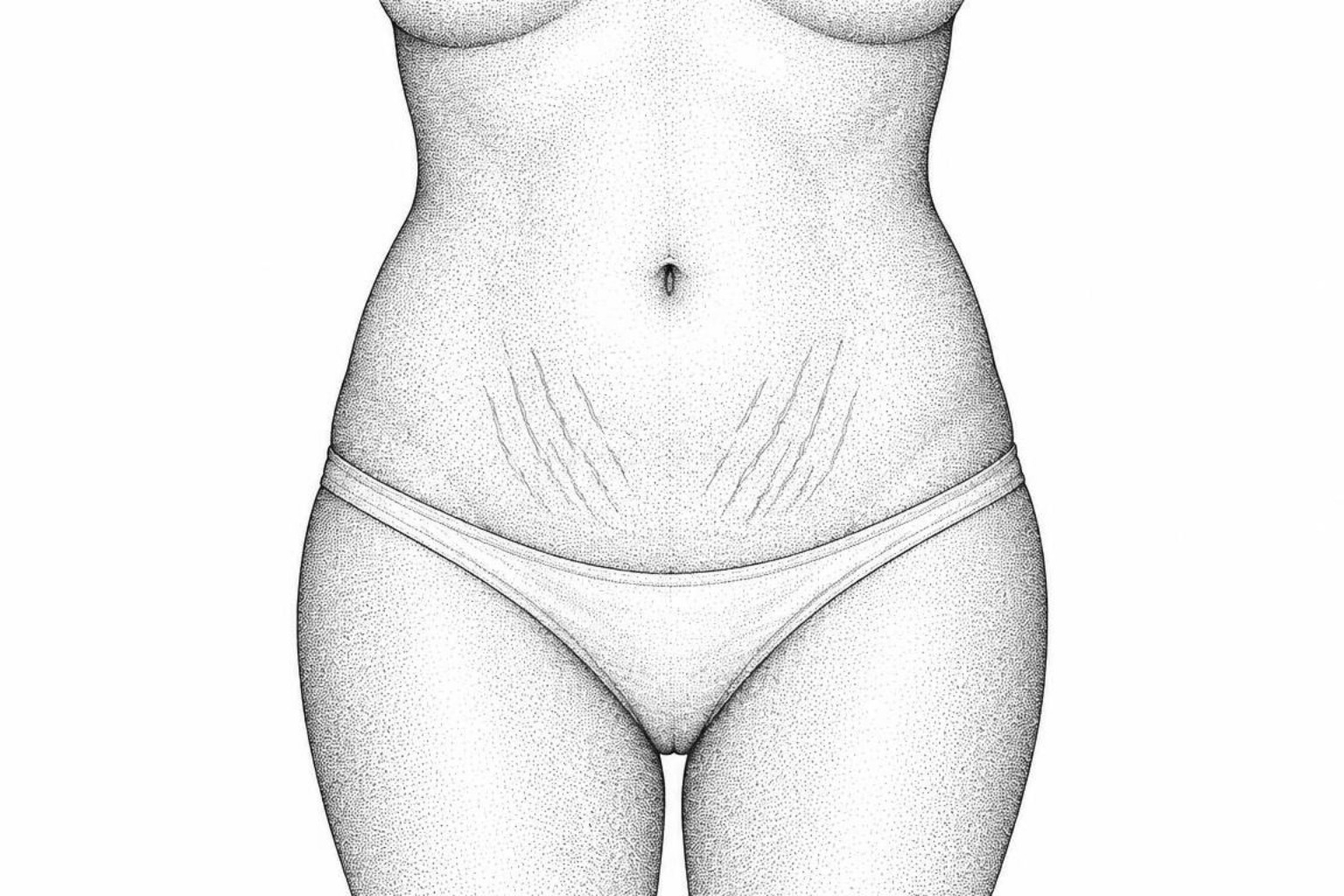
Abdomen Stretch Marks: Causes, Care, and Prevention
Abdomen stretch marks come from pregnancy, rapid weight change, growth spurts or cortisol. Here is why they start red and fade to white, what creams and in-office treatments can realistically do, and when to see a doctor.
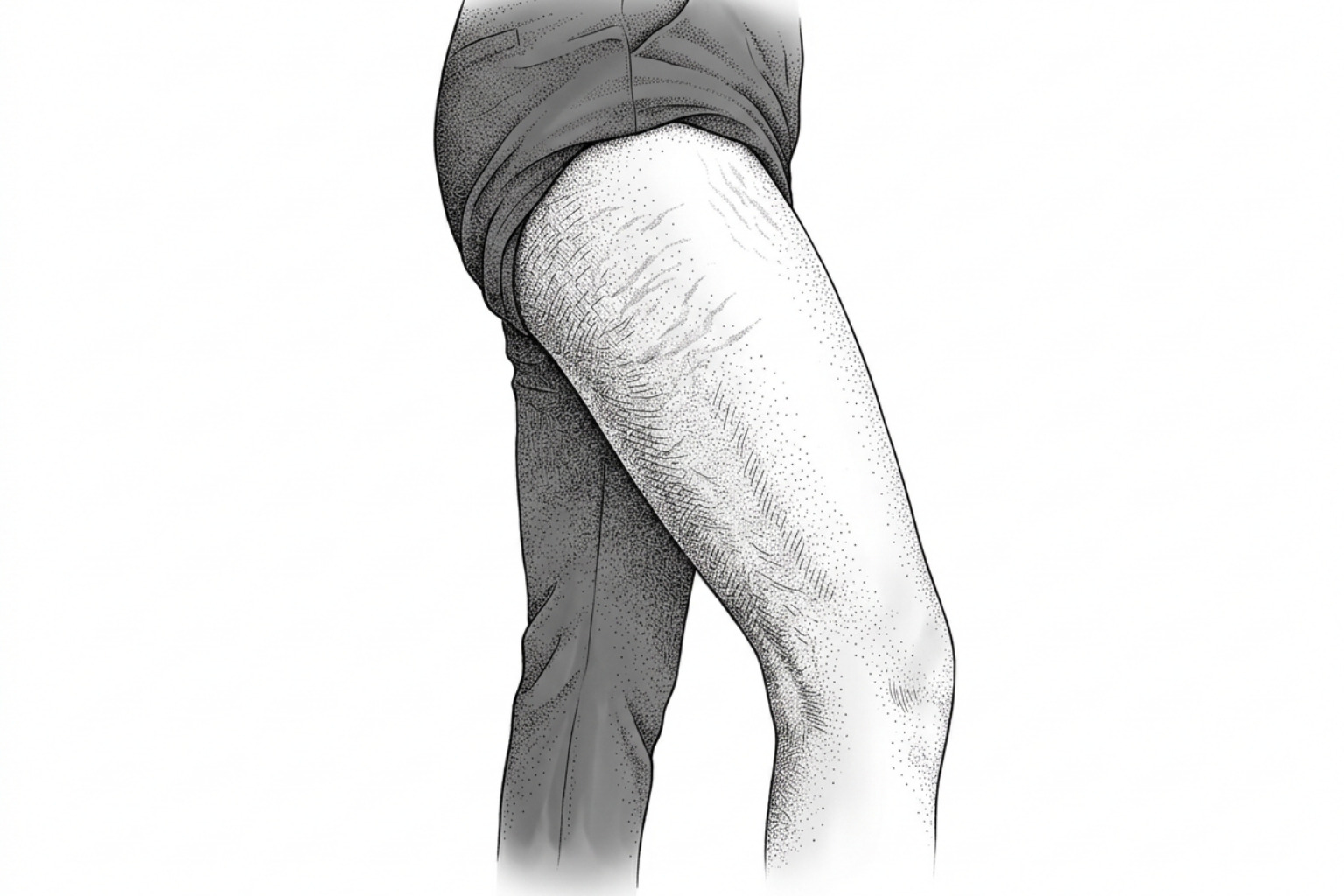
Inner Thigh Stretch Marks: Why They Form and Daily Care
Inner thigh stretch marks come from fast growth, weight change, pregnancy or hormones. Here's why they start red and fade to white, how they differ from cellulite, and what daily care can realistically change.
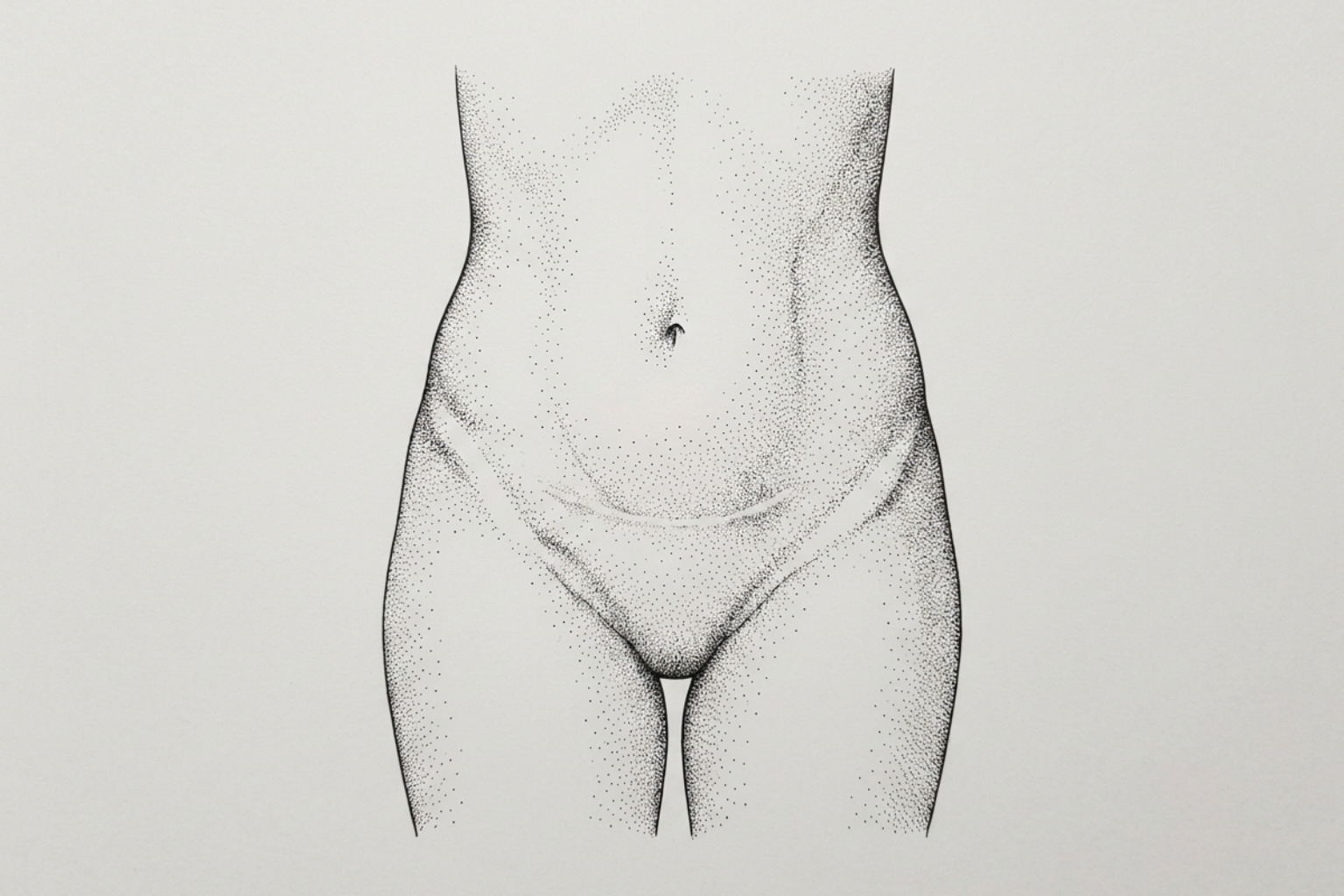
Do Doctors Cut Through the Same C-Section Scar?
Surgeons usually reopen the same low scar for a repeat C-section. What that means for the scar you see, for adhesions and placenta problems inside, and for recovery, spacing pregnancies and VBAC.
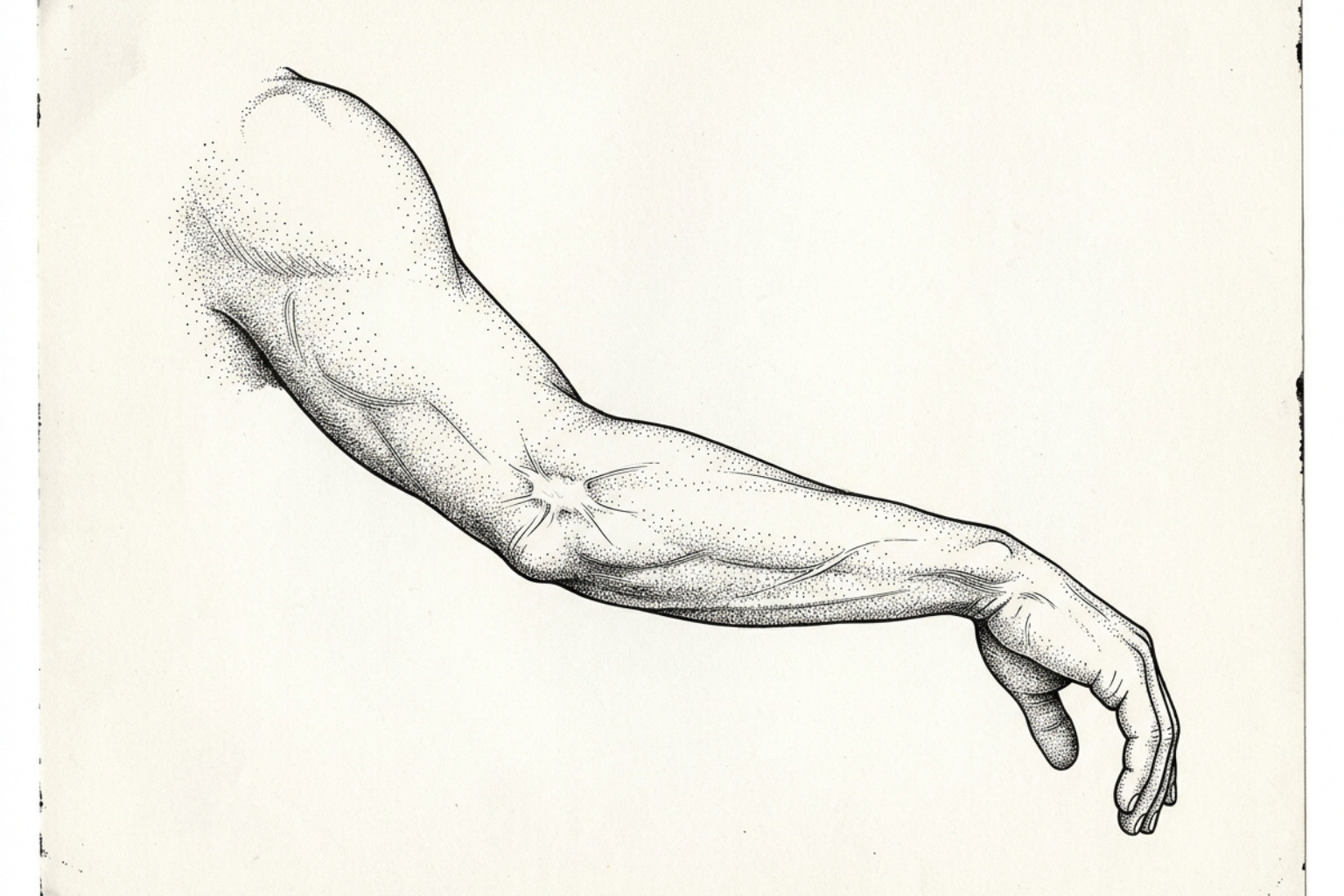
Soothe Tight Burn Scars: Practical At-Home Steps
A tight burn scar that crosses a joint needs early, gentle care. How daily massage, stretching, silicone and moisturizers help, which home remedies to avoid, and when a contracture needs medical treatment.
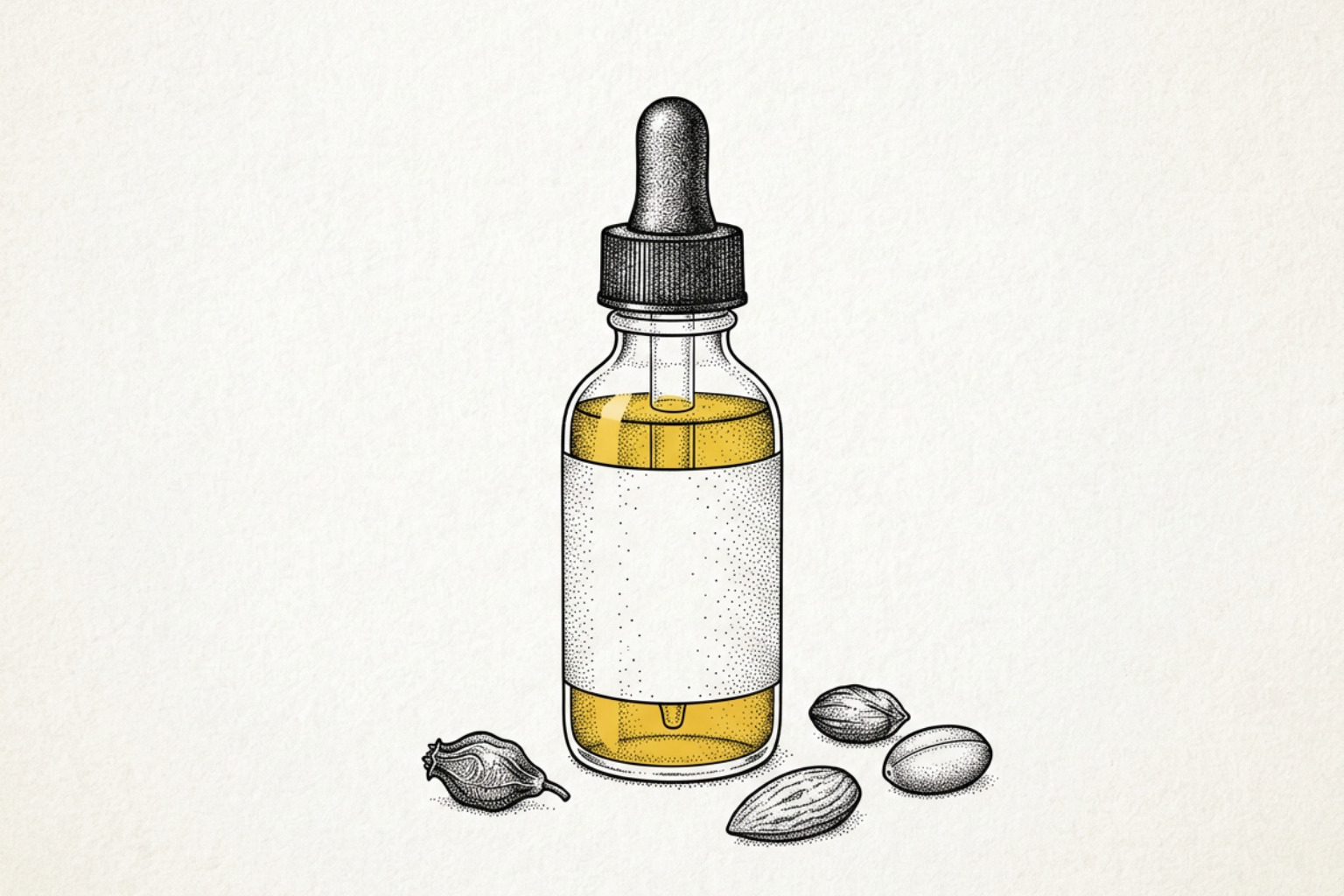
Using Natural Oils for Gentle Stretch Mark Care
Plant oils can keep stretching skin soft and may help newer red stretch marks look better, but none erase them. Which oils have evidence, which ingredients to avoid in pregnancy, and how to apply oils for best results.
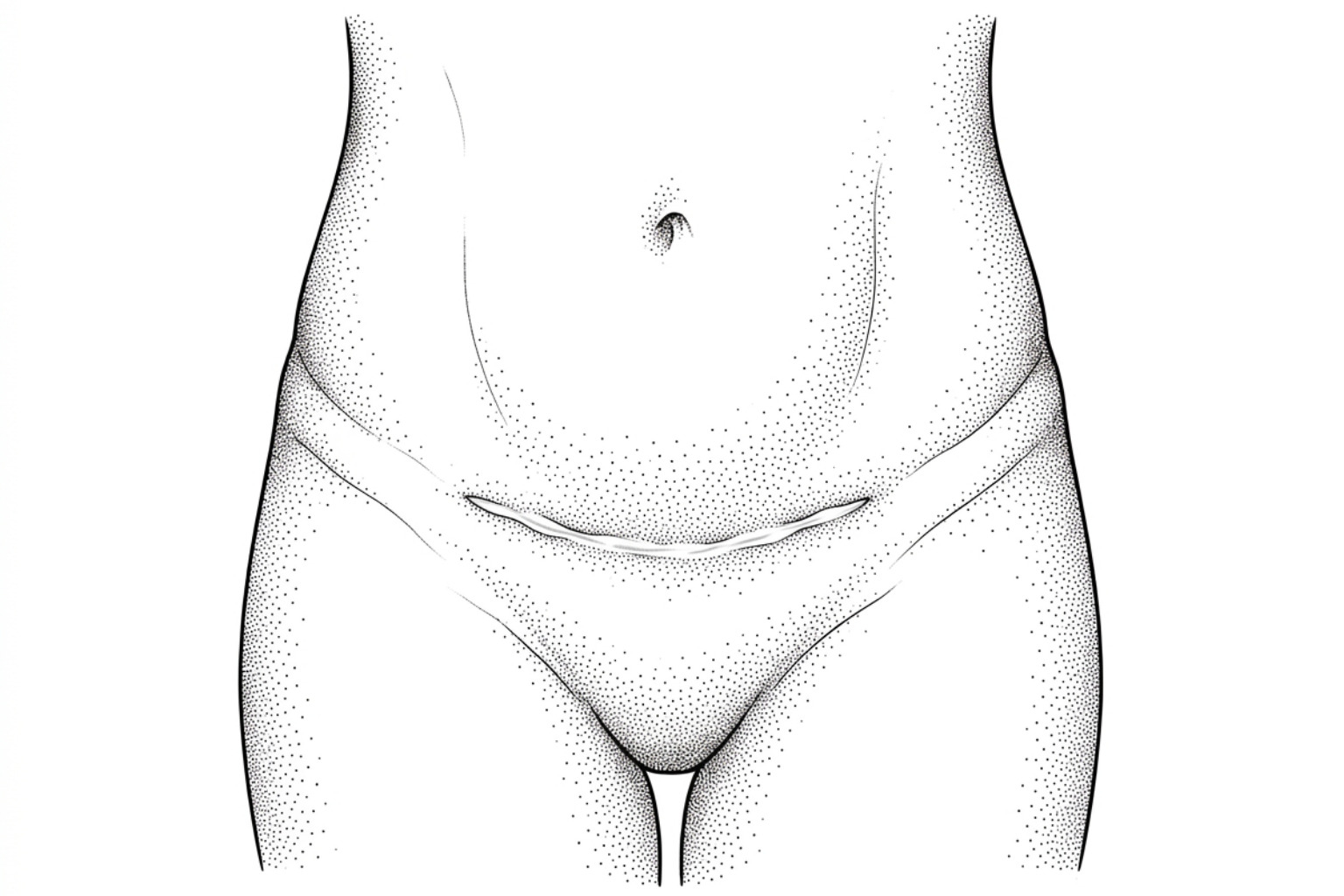
Real C-Section Scar Stages and What to Expect
A C-section scar changes from red and raised to pale and flat over months. This guide shows each healing stage in order, what is normal at each point and when a scar needs a doctor's check.
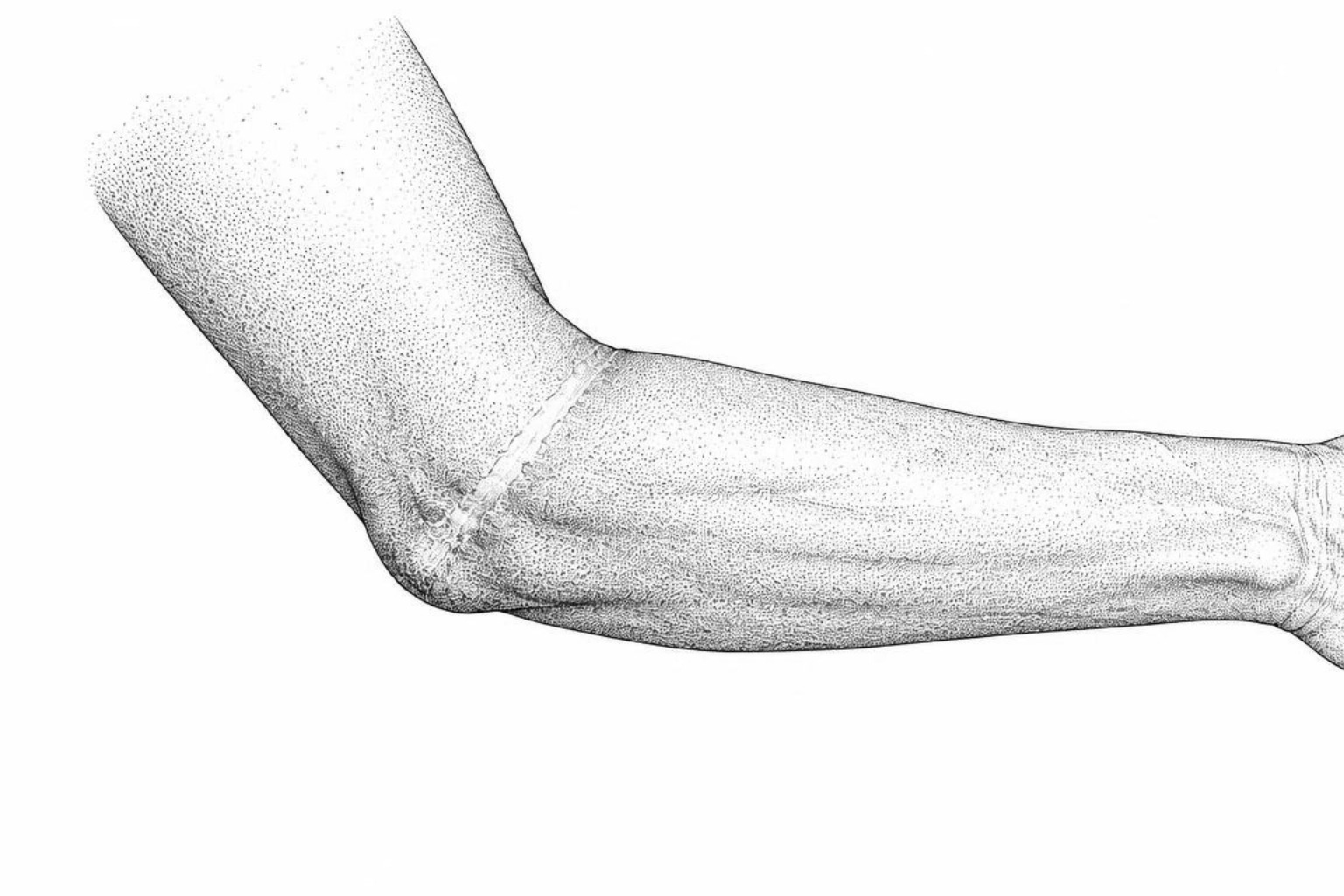
3 Reasons Contracture Scars Need Medical Support
Contracture scars tighten over time and can limit joint movement. This guide explains why they persist, which early steps slow them and when splinting, laser or surgery becomes necessary.
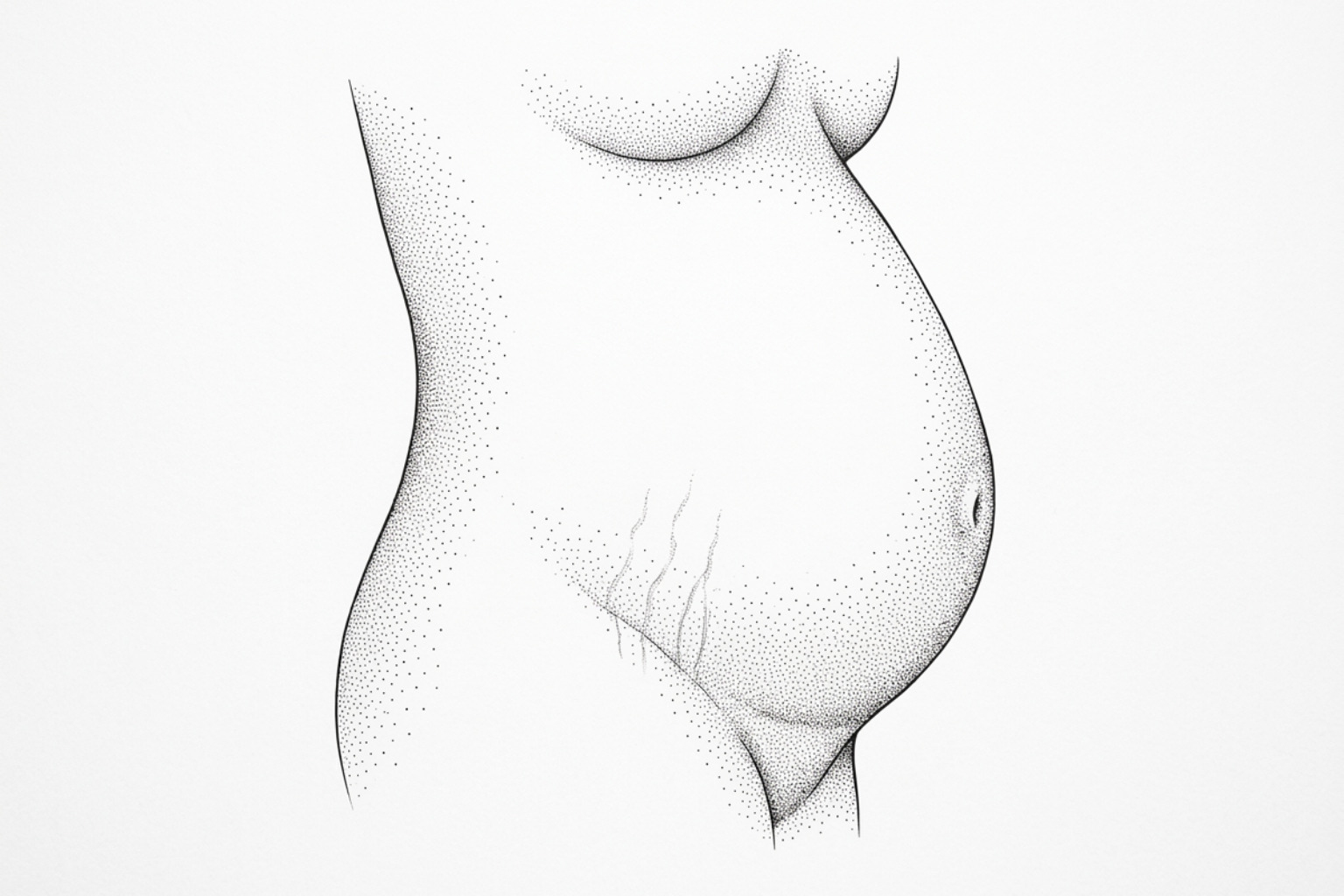
What Expectant Mothers Can Do for Stretch Marks
Stretch marks in pregnancy are common and partly down to genetics. Here is what moisturizers and massage can and cannot do, which products to avoid, and what helps after delivery.
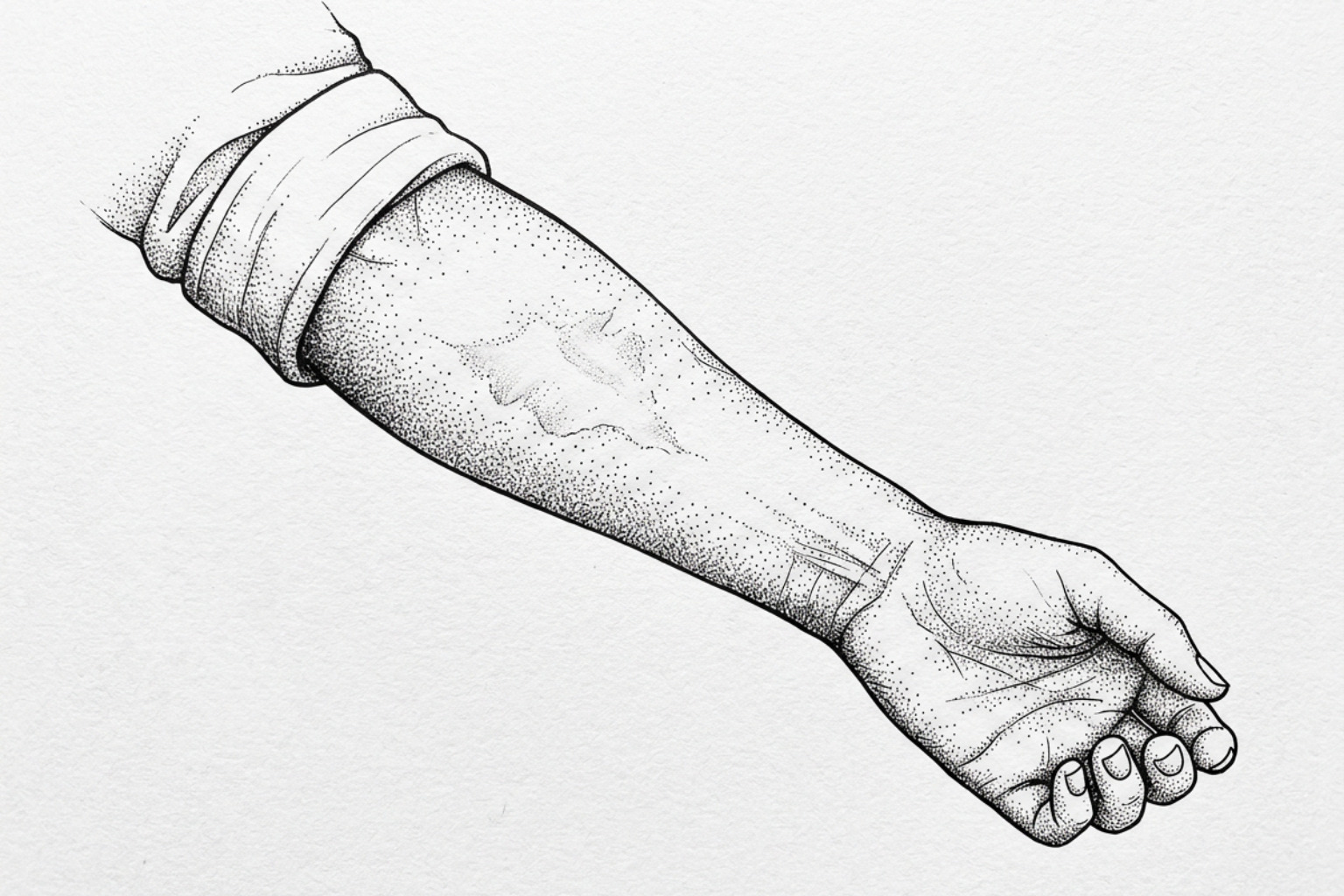
Assess Scar Vascularity and Pliability Throughout the Post-Burn Maturation Phase
Burn scars keep changing long after the wound closes: redder and firmer for the first few months, peaking around six months, then slowly softening over 12 to 24 months. Here is what clinicians watch for and what helps.
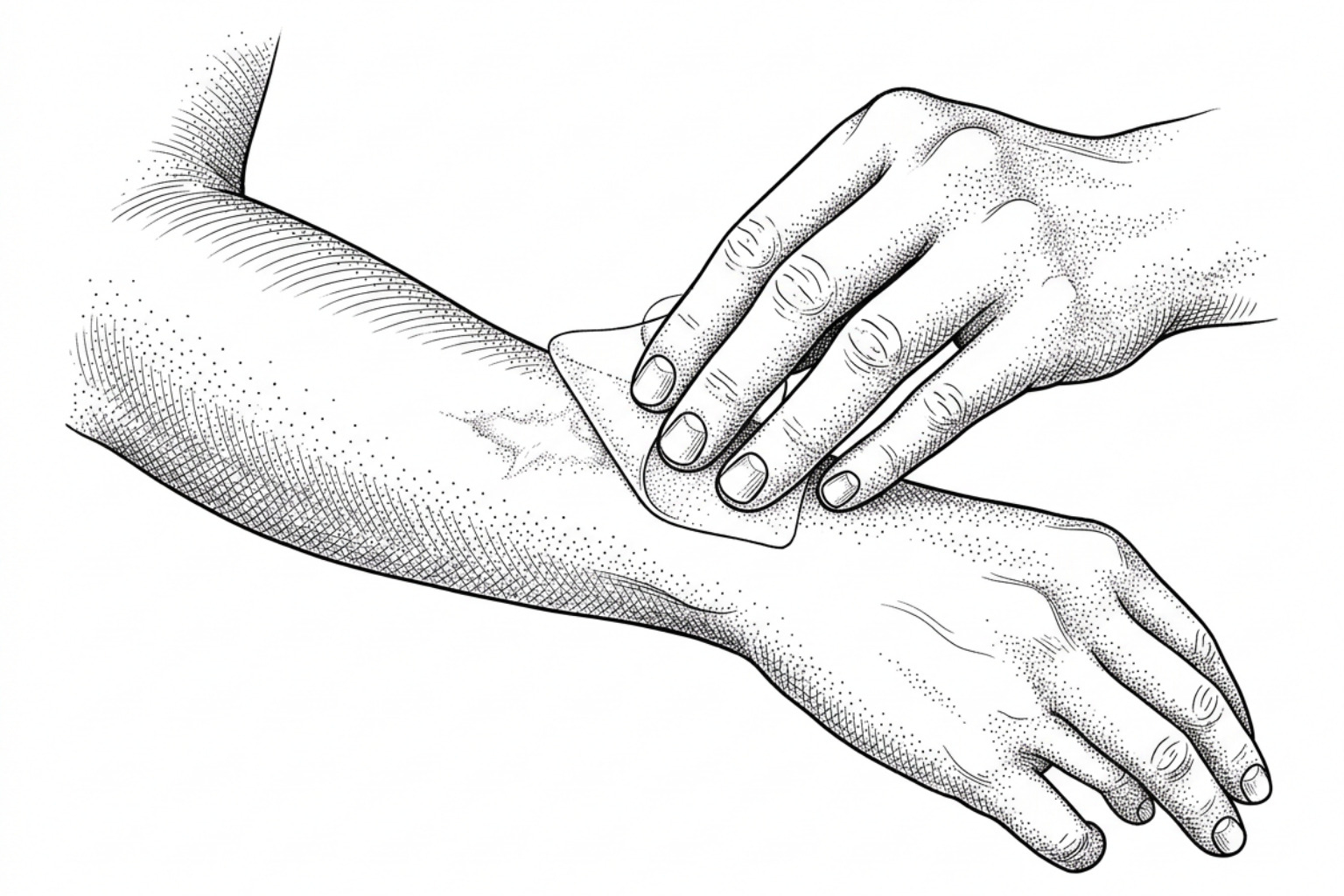
A Clinical Guide to Post-Burn Scar Reduction and Tissue Rehabilitation
No treatment erases a burn scar, but the right sequence reduces thickness, redness, tightness and itch. This guide covers silicone, pressure garments, massage, laser and injections, and when each should start.
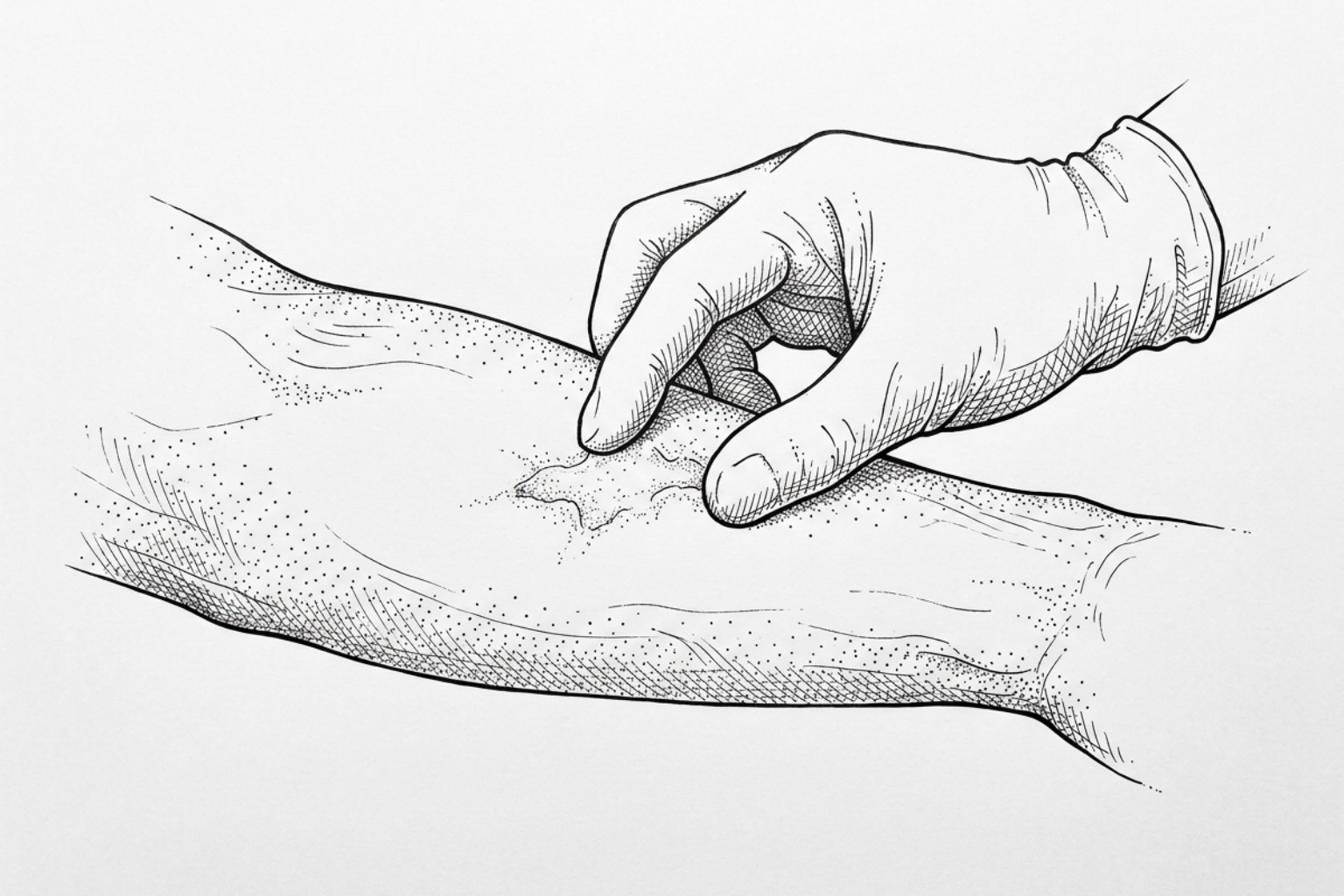
Clinical Measures for Preventing Contractures and Severe Scarring in Burn Wounds
Whether a burn scars depends largely on how fast it closes. Cool the burn, keep it clean and covered, and get deep burns seen early. Once closed, silicone, compression, massage and daily SPF 30+ do the rest.
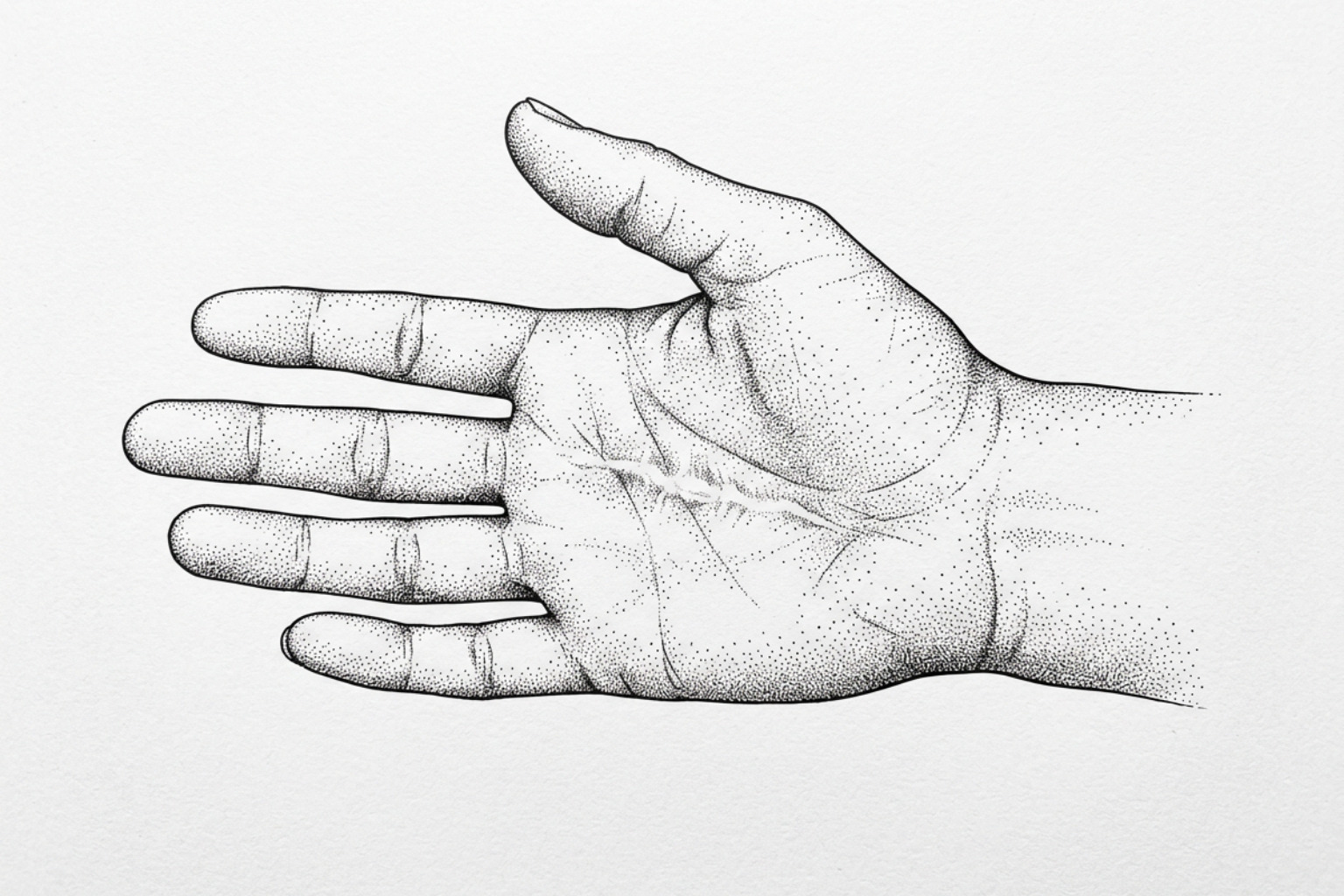
Why Burn Scars on the Hand Get Tight, and What Helps
A tight hand burn scar can limit grip, finger movement and thumb use. Early depth assessment, splinting and hand therapy protect function; laser and surgical release step in when fingers are pulled out of position.