Abdomen Stretch Marks: Causes, Care, and Prevention
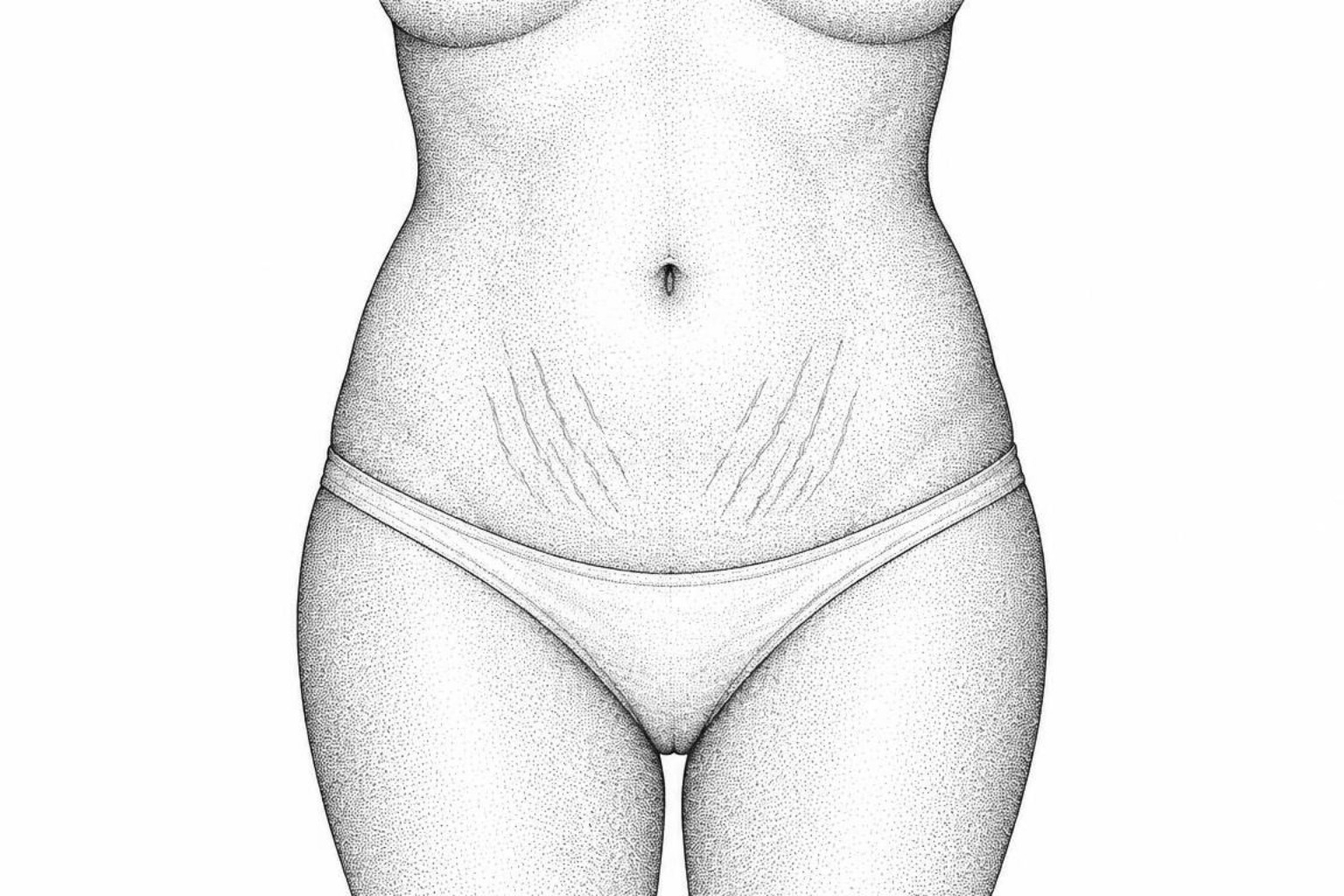
Abdomen stretch marks come from pregnancy, rapid weight change, growth spurts or cortisol. Here is why they start red and fade to white, what creams and in-office treatments can realistically do, and when to see a doctor.
Ways to fade abdomen stretch marks
Abdominal stretch marks are small dermal scars that usually fade, though they may not disappear completely. To reduce their appearance, avoid rapid weight changes when possible and ask a dermatologist about treatment while the marks are still new.
The lines form when the skin expands or shrinks quickly and the supporting fibers beneath it change. New marks may look pink, red, purple, or dark; many become lighter over 6 to 12 months. Moisturizer can ease dryness or itching, but it cannot erase the marks. Treatment options depend on their age. Seek medical care if wide purple marks appear suddenly or alongside a puffy face or unusual weight gain.
The Scar Healing Editorial Team focuses on practical care and realistic expectations.
Clinical management frequently addresses pregnancy and stretch marks or incorporates a targeted stretch marks treatment cream during early scar maturation.
Why stretch marks form on the abdomen
Human skin possesses high tensile strength, yet rapid mechanical expansion can exceed its structural tolerance. The dermis, which serves as the middle layer of the skin, contains a dense network of collagen and elastin fibers that provide firmness and elasticity. When abdominal tissue expands quickly, these structural proteins rupture, creating localized microscopic tears. Mast cells and macrophages release elastases that further break down elastic fibers, transforming the affected tissue into a linear scar.
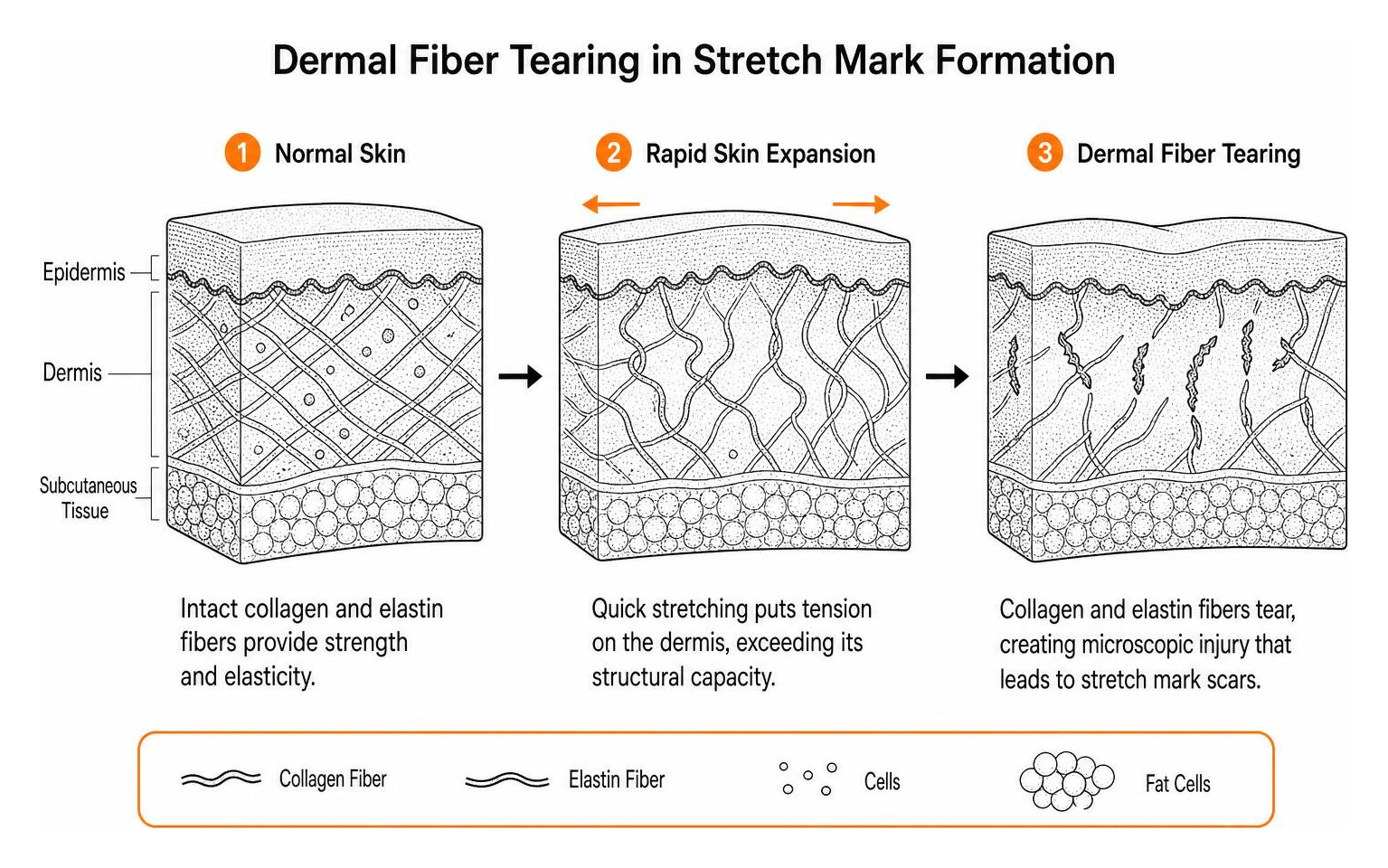
Several physiological events trigger this rapid expansion:
- Pregnancy: Expectant mothers frequently experience significant mechanical tension across the stomach. The growing fetus and expanding uterus stretch the lower abdominal wall, making pregnancy-related stretch marks common during the second and third trimesters. A clinical overview published in StatPearls notes that striae gravidarum develops in 43% to 88% of pregnancies, with higher occurrences documented in younger mothers and those with greater gestational weight gain.
- Rapid Weight Fluctuations: Sudden increases in adipose tissue place intense directional stress on the dermis. The StatPearls overview reports that approximately 43% of individuals with obesity develop striae distensae due to sustained skin distension across the abdominal region.
- Adolescent Growth Spurts: During puberty, rapid skeletal and soft-tissue growth affects between 6% and 86% of adolescents, according to the StatPearls clinical overview. Rapid height increases and hormonal shifts often manifest as horizontal or vertical streaks along the abdomen and hips.
- Elevated Cortisol Levels: The adrenal hormone cortisol directly influences skin architecture. Elevated systemic cortisol reduces the activity of fibroblasts, the specialized cells responsible for synthesizing new collagen and elastin. This reduction weakens dermal integrity, predisposing the skin to tearing under minimal physical tension.
- Corticosteroid Use and Medical Conditions: Prolonged systemic or high-potency topical corticosteroid use induces skin atrophy. Furthermore, as described in the Mayo Clinic symptoms and causes of stretch marks overview, endocrine disorders like Cushing syndrome generate excessive cortisol, leading to wide, pronounced purple abdominal striae. Genetic conditions affecting connective tissue, such as Marfan syndrome and Ehlers-Danlos syndrome, also heighten susceptibility.
Red vs. white stretch marks
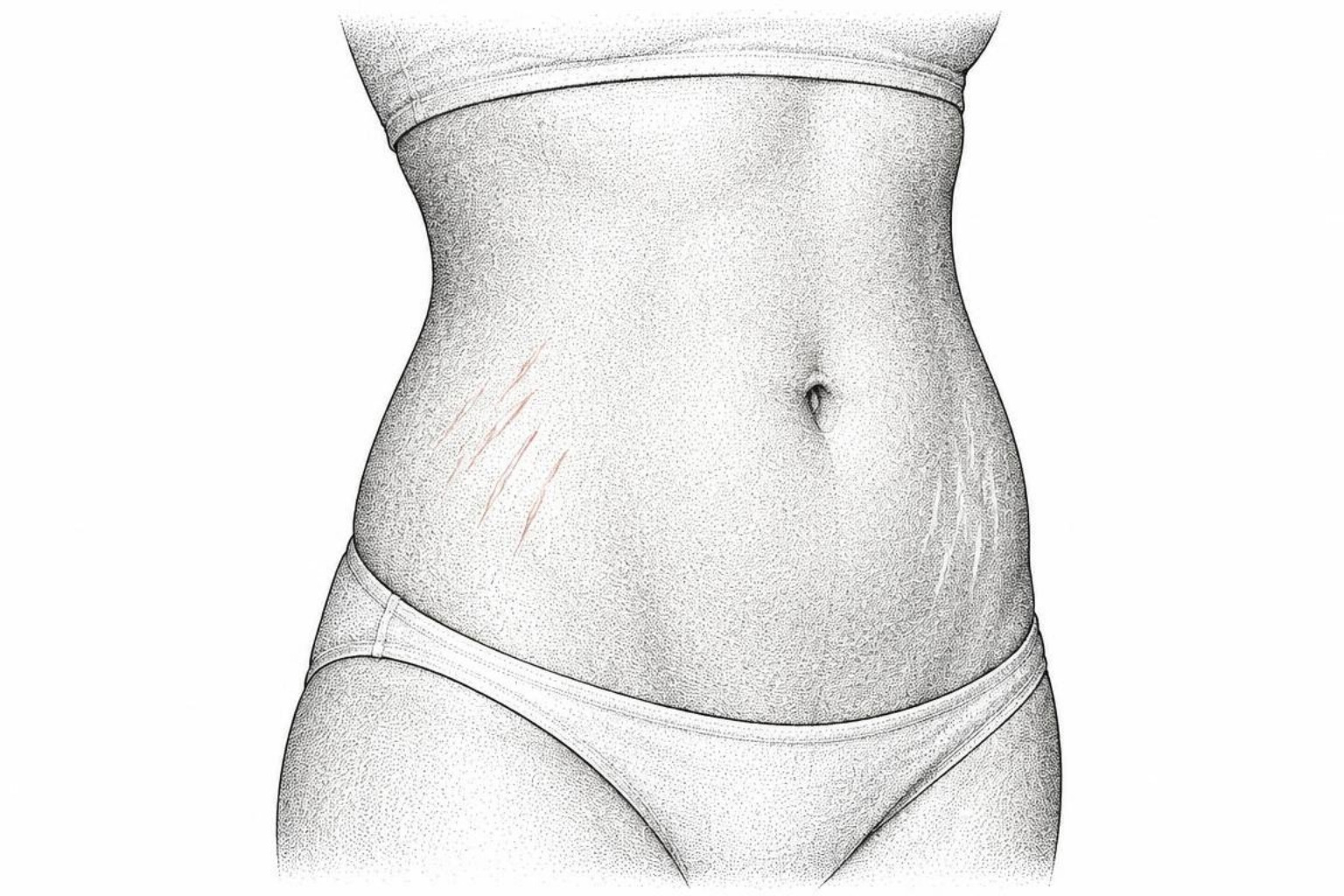
Stretch marks evolve through distinct biological stages over time, transitioning from active vascular lesions to mature atrophic scars.
| Characteristic | Early Stage: Striae Rubrae | Mature Stage: Striae Albae |
|---|---|---|
| Typical Duration | Initial 3 to 12 months | Permanent scar tissue (12+ months) |
| Visual Appearance | Red, pink, violaceous, or purple lines | Silvery-white, pale, or hypopigmented streaks |
| Surface Texture | Flat to slightly raised, inflamed | Indented, depressed, slightly crinkled, or atrophic |
| Vascularity | High blood flow with dilated capillaries | Avascular; minimal active microcirculation |
| Sensory Symptoms | Frequent mild itching, tightness, or irritation | Asymptomatic; no active itching or inflammation |
| Treatment Responsiveness | Elevated response to topical agents and light devices | Requires collagen-stimulating in-office procedures |
What early stretch marks look like
The earliest manifestation of abdominal skin tearing is known medically as striae rubrae. This phase represents an acute inflammatory response within the deep dermis. As dermal fibers separate, underlying blood vessels dilate and become visible through the thinning epidermal layer. This vascular engorgement gives the marks their distinctive erythematous, pink, or purple hue.
During this initial window, which typically persists for roughly three to six months, individuals often report localized pruritus (itching) or mild skin tenderness. The presence of active blood flow makes this stage the most receptive to non-invasive interventions, as cellular repair pathways remain fully active.
What older stretch marks look like
Over several months to years, striae rubrae gradually transition into striae albae. In this chronic phase, local inflammation resolves, dilated capillaries regress, and melanocyte activity within the scar decreases. This progression leaves behind hypopigmented, pale, or silvery-white streaks across the abdominal wall.
Mature marks present as atrophic depressions where the skin surface appears thin, finely crinkled, or crepe-like. Because the tissue is avascular and dense scar collagen has replaced normal elastin networks, mature abdominal striae present a greater therapeutic challenge, requiring modalities that mechanically or thermally stimulate new dermal remodeling.
Treatment options for abdomen stretch marks
Managing abdominal striae involves realistic goals, as complete eradication of dermal scar tissue is rarely achieved. Therapeutic approaches aim to stimulate neocollagenesis (new collagen production), restore dermal thickness, and blend skin pigmentation. An overview of available modalities is cataloged in the comprehensive stretch marks treatment guide.
Creams and active ingredients
Topical formulations serve as the initial approach for early-stage striae, focusing on cellular turnover and dermal hydration:
- Tretinoin Cream: Topical retinoids increase collagen production and accelerate epidermal turnover. In a randomized trial of 22 patients, application of 0.1% tretinoin cream daily for 24 weeks produced a significant reduction in the length and width of early-stage striae rubrae compared to a vehicle placebo. Tretinoin is strictly contraindicated during pregnancy and breastfeeding due to potential teratogenic risks.
- Hyaluronic Acid: High-molecular and low-molecular hyaluronic acid formulations draw moisture into the extracellular matrix, plumping dehydrated dermal tissue and supporting structural integrity.
- Centella Asiatica: Extracts from this medicinal plant contain madecassoside and asiaticoside, triterpenoids that stimulate type I collagen synthesis in fibroblast cultures.
- Prescription Retinoids and Emollients: Using targeted topical stretch mark treatment creams supports the epidermal moisture barrier, relieving the surface tension and itching associated with active stretching.
In-office procedures
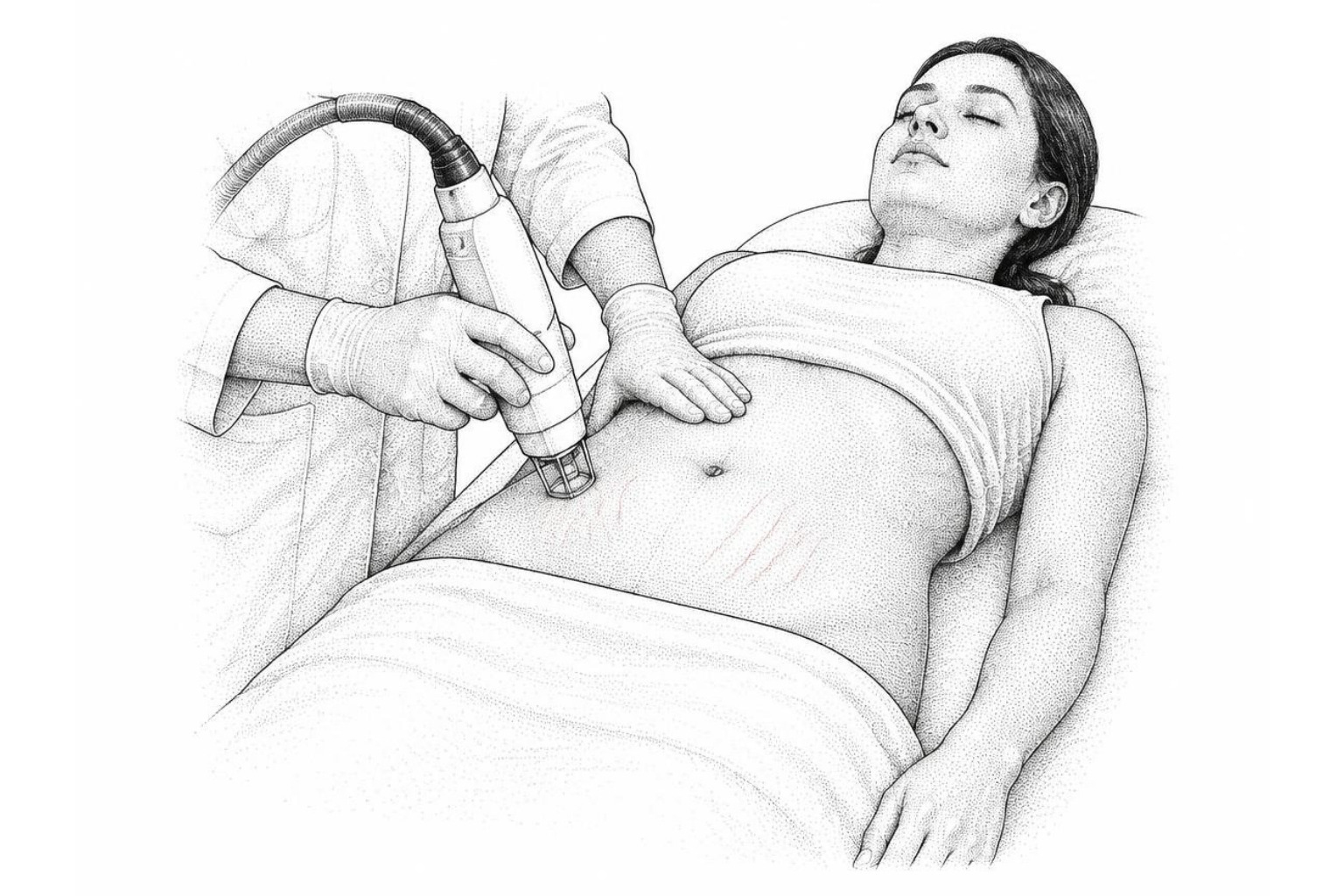
For mature striae albae or pronounced striae rubrae that show minimal response to topicals, dermatologists utilize energy-based devices and mechanical collagen induction:
- Fractional Laser Resurfacing: Non-ablative and ablative fractional lasers create microscopic thermal injury zones in the dermis, prompting rapid wound healing and organized collagen synthesis. In a clinical trial of 20 patients, non-ablative fractional laser therapy improved the appearance and depth of striae by 50% to 75% across multiple treatment sessions. Patients interested in light-based therapies can explore laser stretch mark removal for detailed procedural protocols.
- Pulsed Dye Laser (PDL): Operating at a wavelength of 585 to 595 nm, PDL targets oxygenated hemoglobin inside dilated blood vessels, making it suitable for reducing the vivid redness of early striae rubrae.
- Microneedling (Collagen Induction Therapy): Automated microneedling devices puncture the stratum corneum with fine, sterile needles, creating controlled micro-injuries that trigger growth factor release without generating heat. This makes microneedling safer for individuals with darker skin tones who carry a higher risk of post-inflammatory hyperpigmentation from lasers.
- Radiofrequency (RF) and RF Microneedling: Radiofrequency energy delivers uniform thermal energy into the deep reticular dermis at depths reaching 3.5 mm. Heating dermal tissue to approximately 40–45°C contracts existing collagen fibers and induces long-term neocollagenesis.
- Chemical Peels: Medium-depth chemical peels utilizing glycolic acid or trichloroacetic acid (TCA) promote epidermal exfoliation and dermal regeneration, often used in combination with topical regimens.
Radiofrequency microneedling carries additional risk. In October 2025 the US Food and Drug Administration issued a safety communication on radiofrequency microneedling following reports of burns, scarring, fat loss, disfigurement and nerve damage. A 2026 analysis of the FDA's device-reporting database counted 86 reports covering 145 adverse events between 2020 and 2025 (MAUDE database analysis, Dermatologic Surgery 2026). Those are voluntary reports, not an incidence rate. RF microneedling can be appropriate, but it is not a low-risk convenience upgrade, and it is worth discussing with a qualified practitioner rather than choosing on the strength of marketing.
How to help prevent stretch marks
While genetic factors and severe mechanical tension cannot always be countered, specific daily habits optimize skin suppleness and resilience:
- Maintain Steady Weight Adjustments: Rapid weight gain or aggressive bulking cycles stretch connective tissue beyond its elastic limit. Aim for gradual, consistent dietary and fitness adjustments to allow dermal fibers time to accommodate body changes.
- Optimize Micronutrient Nutrition: Collagen synthesis relies on vital dietary cofactors. Ensure adequate daily intake of vitamin C (essential for prolyl and lysyl hydroxylase enzymes), zinc (critical for DNA synthesis and cellular repair), and dietary protein containing proline and glycine.
- Maintain Internal Hydration: Drinking sufficient water preserves skin turgor and dermal matrix volume, preventing brittle, easily damaged skin fibers.
- Perform Gentle Emollient Massages: Massaging the abdomen with rich emollient oils or ceramide-based creams stimulates microcirculation and improves skin pliability. A randomized study of 100 pregnant women noted that regular skin massage with emollients reduced the overall severity of striae, primarily through improved tissue hydration and tactile elasticity.
Common questions
Will abdomen stretch marks go away on their own?
Abdominal stretch marks do not disappear completely on their own because they represent permanent microscopic tears within the reticular dermis. However, their appearance changes naturally over time. Over a period of 6 to 12 months, acute red and purple discoloration fades as dermal vascularity normalizes, eventually softening into pale, faint lines that blend more closely with the surrounding skin tone.
Can you prevent stretch marks in pregnancy?
Stretch marks cannot be prevented with certainty during pregnancy. Dermal resilience is heavily governed by genetic predisposition, maternal age, baseline skin elasticity, and hormonal influences such as relaxin and estrogen fluctuations. While maintaining controlled gestational weight gain and applying hydrating emollients improves skin suppleness, the StatPearls clinical overview reports that up to 90% of pregnant women will develop some degree of striae gravidarum across the abdomen and breasts.
When should you see a dermatologist?
Consult a healthcare provider or board-certified dermatologist if broad, dark purple or violaceous stretch marks (measuring greater than one centimeter across) develop without obvious weight changes or pregnancy. Rapid emergence of broad marks accompanied by central weight gain, muscle weakness, easy bruising, or facial swelling requires formal medical evaluation to rule out endocrine conditions like Cushing syndrome or adverse effects from corticosteroid medications.
The bottom line
Abdominal stretch marks reflect periods of rapid physiological growth, hormonal change, and physical adaptation. Managing these marks relies on understanding their developmental stages and implementing appropriate interventions early in the healing process. While mature striae albae represent permanent dermal remodeling, modern dermatological therapies, consistent hydration, and balanced skincare support noticeable cosmetic improvement and tissue resilience.
For guidance tailored to a specific scar pattern and skin history, complete a personalized stretch mark evaluation to plan the next steps.
Works Cited
- Mikes BA, Oakley AM, Patel BC. “Striae Distensae.” StatPearls, StatPearls Publishing, 2025.
- Mayo Clinic Staff. “Stretch marks: Symptoms and causes.” Mayo Clinic, 2023.
- Kang S, Kim KJ, Griffiths CE, et al. “Topical tretinoin (retinoic acid) improves early stretch marks.” Archives of Dermatology, 1996.
- U.S. Food and Drug Administration. “Potential Risks with Certain Uses of Radiofrequency (RF) Microneedling – FDA Safety Communication.” FDA, 2025.
- Camacho-Hubbard I, Ibrahimi OA, Mariwalla K, Munavalli G. “Safety Considerations and Complications With Radiofrequency Microneedling: A Cross-Sectional Analysis of the US FDA MAUDE Database.” Dermatologic Surgery, 2026.
This content is for informational purposes only and does not constitute medical advice. Consult a qualified healthcare professional for diagnosis and treatment.