Stretch Marks
Articles on stretch marks (striae) — why they form, how they differ from scars, and which topical and clinical treatments have evidence behind them.
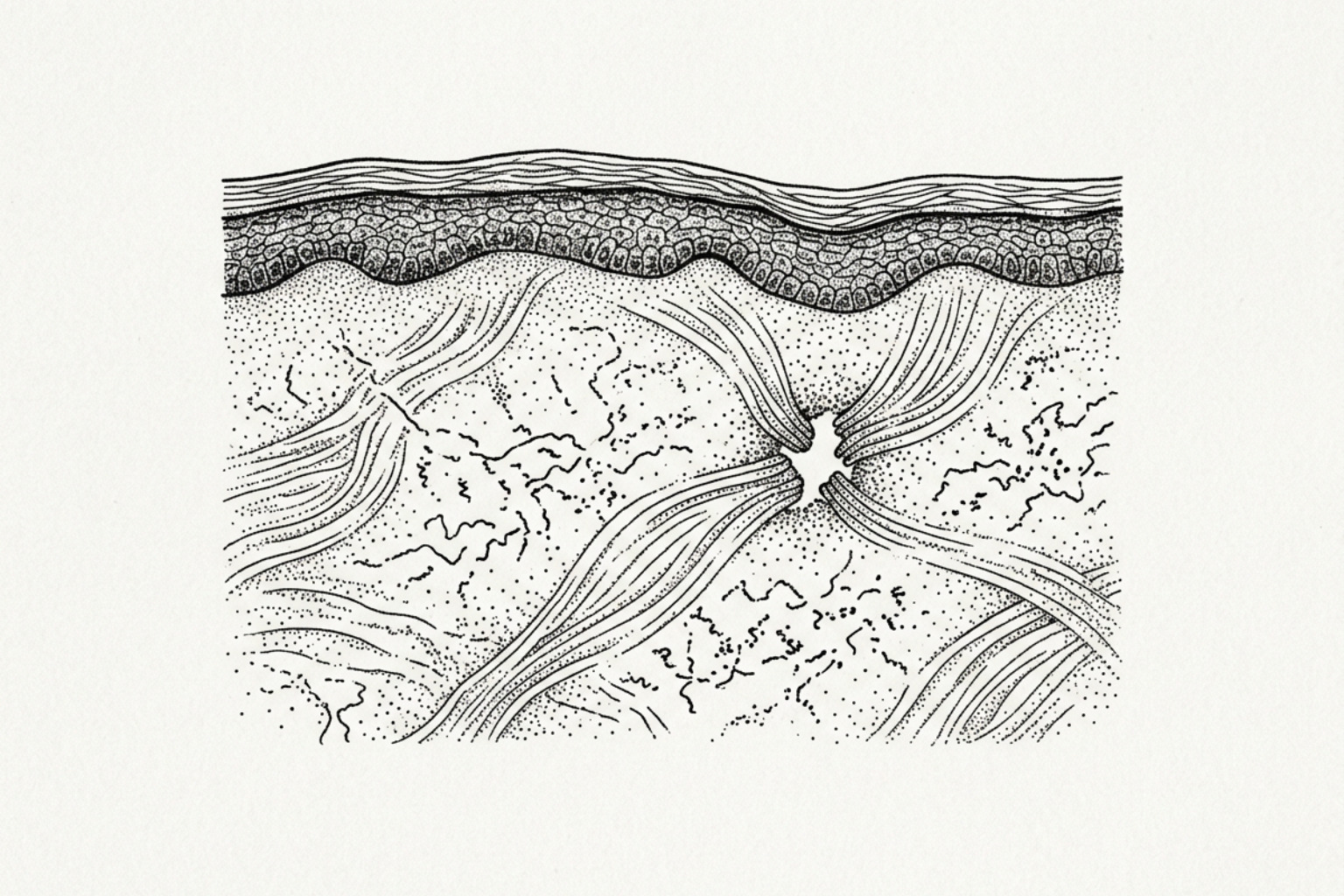
Ways to Reduce the Appearance of Stretch Marks
Stretch marks respond differently by age and skin tone. This guide covers creams, retinoids, microneedling, radiofrequency and lasers, with what each can realistically change and how long it takes.
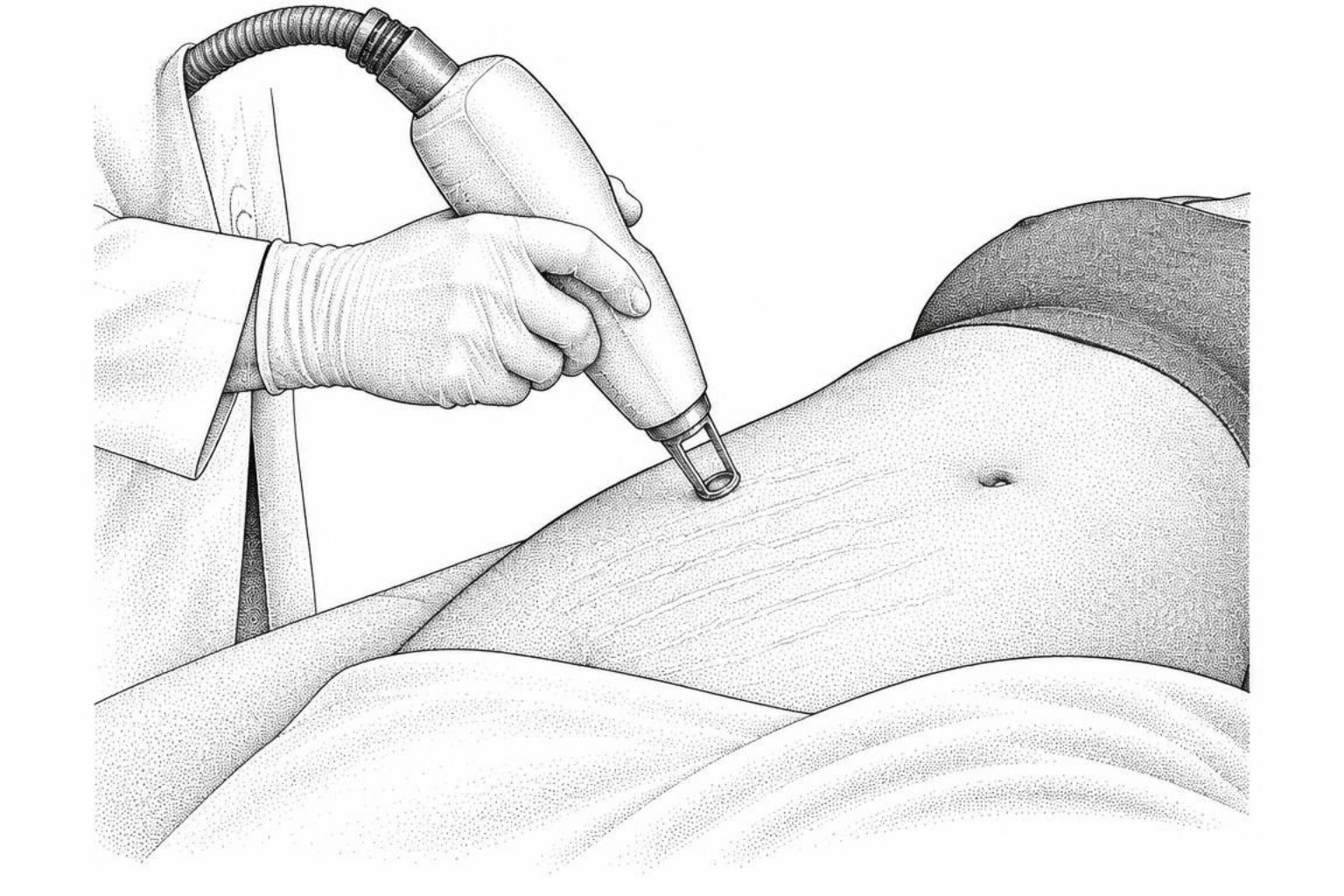
What to Expect During Stretch Mark Laser Procedures
Laser treatment can make stretch marks flatter, smoother and closer to your natural skin tone, though rarely invisible. Here is what sessions, recovery and results usually look like.
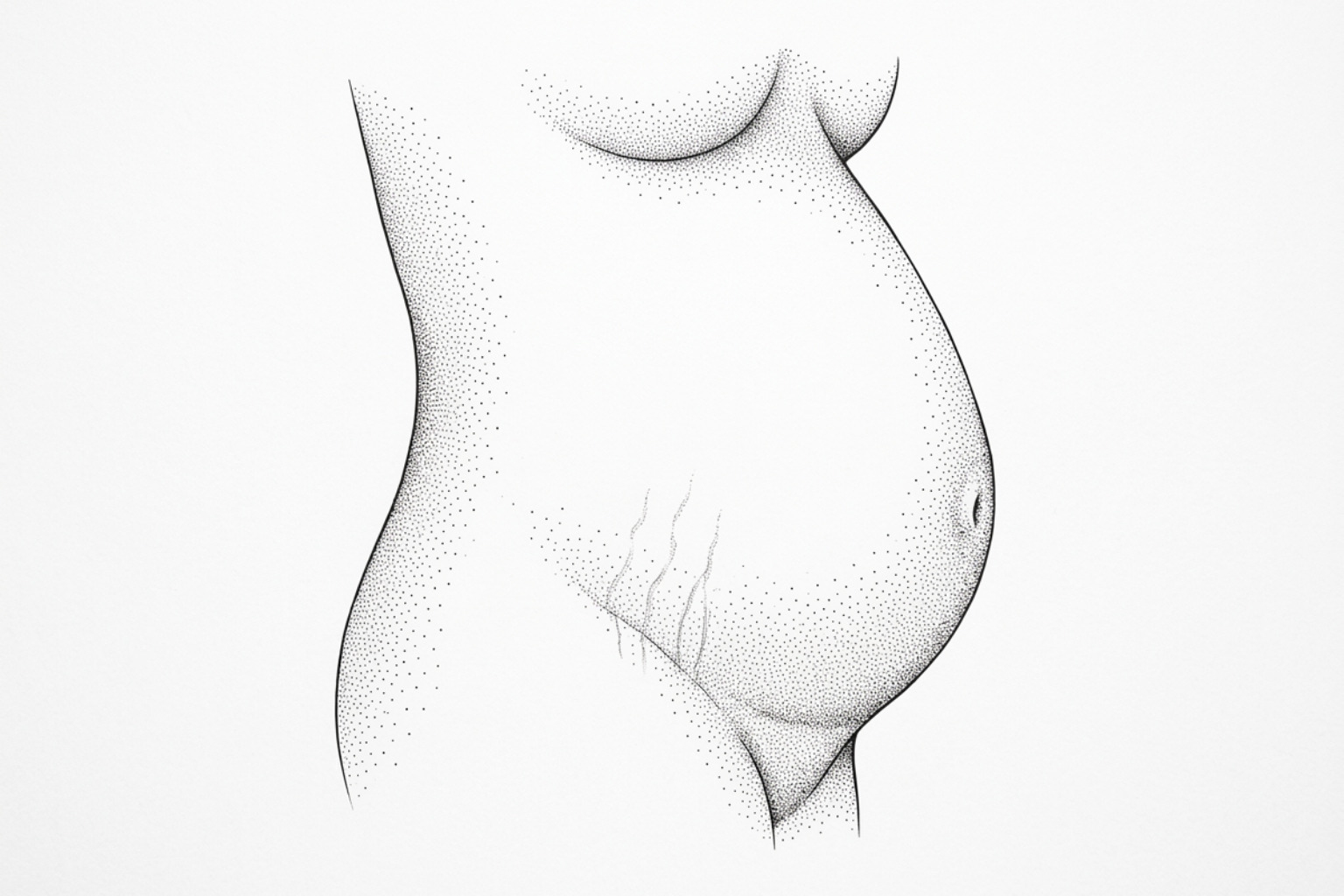
What Expectant Mothers Can Do for Stretch Marks
Stretch marks in pregnancy are common and partly down to genetics. Here is what moisturizers and massage can and cannot do, which products to avoid, and what helps after delivery.
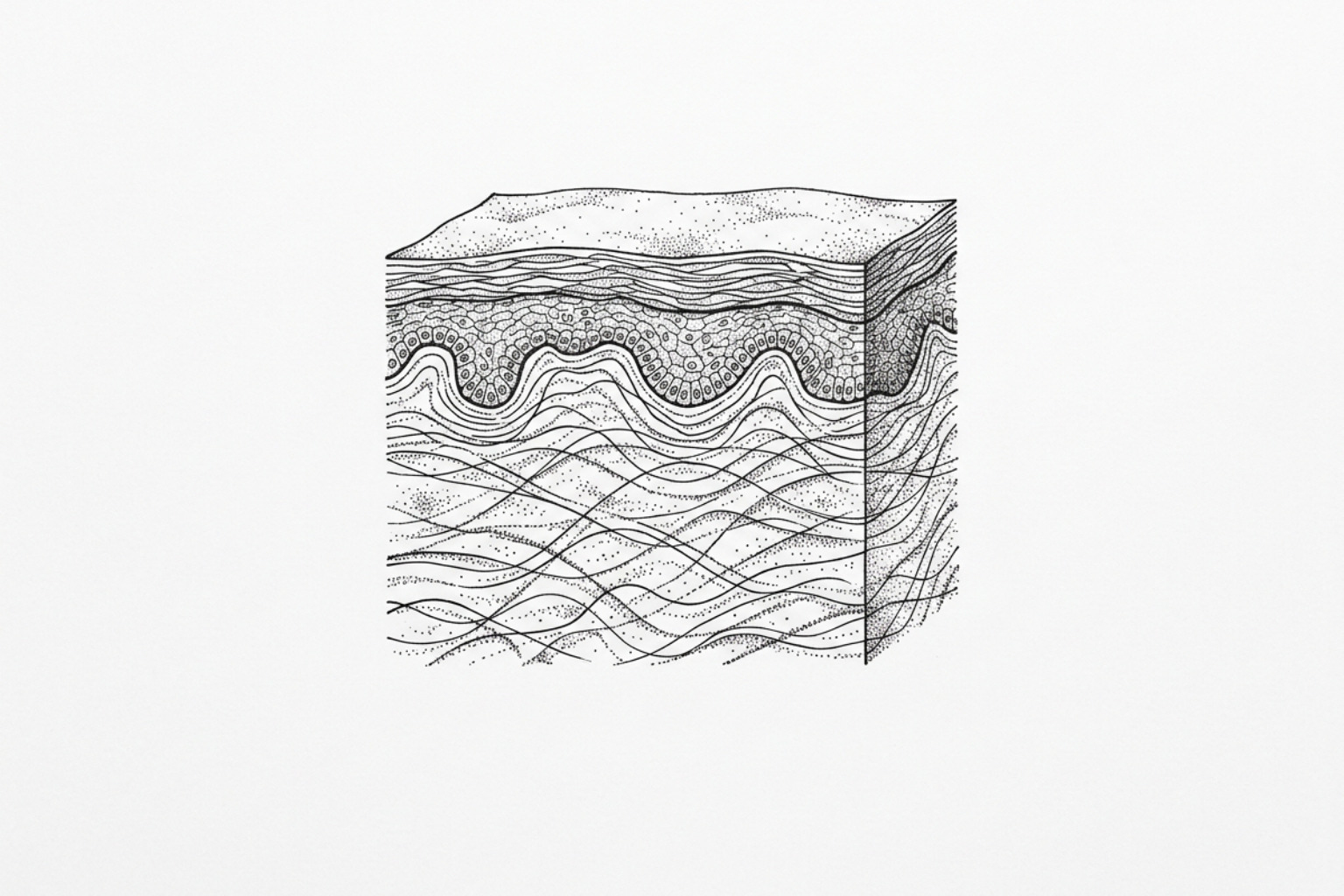
What You Should Know About Stretch Mark Creams
Stretch mark creams work best on early red or purple marks and mostly improve texture on older white ones. Here is what the ingredients do, how to use them and how long to wait.
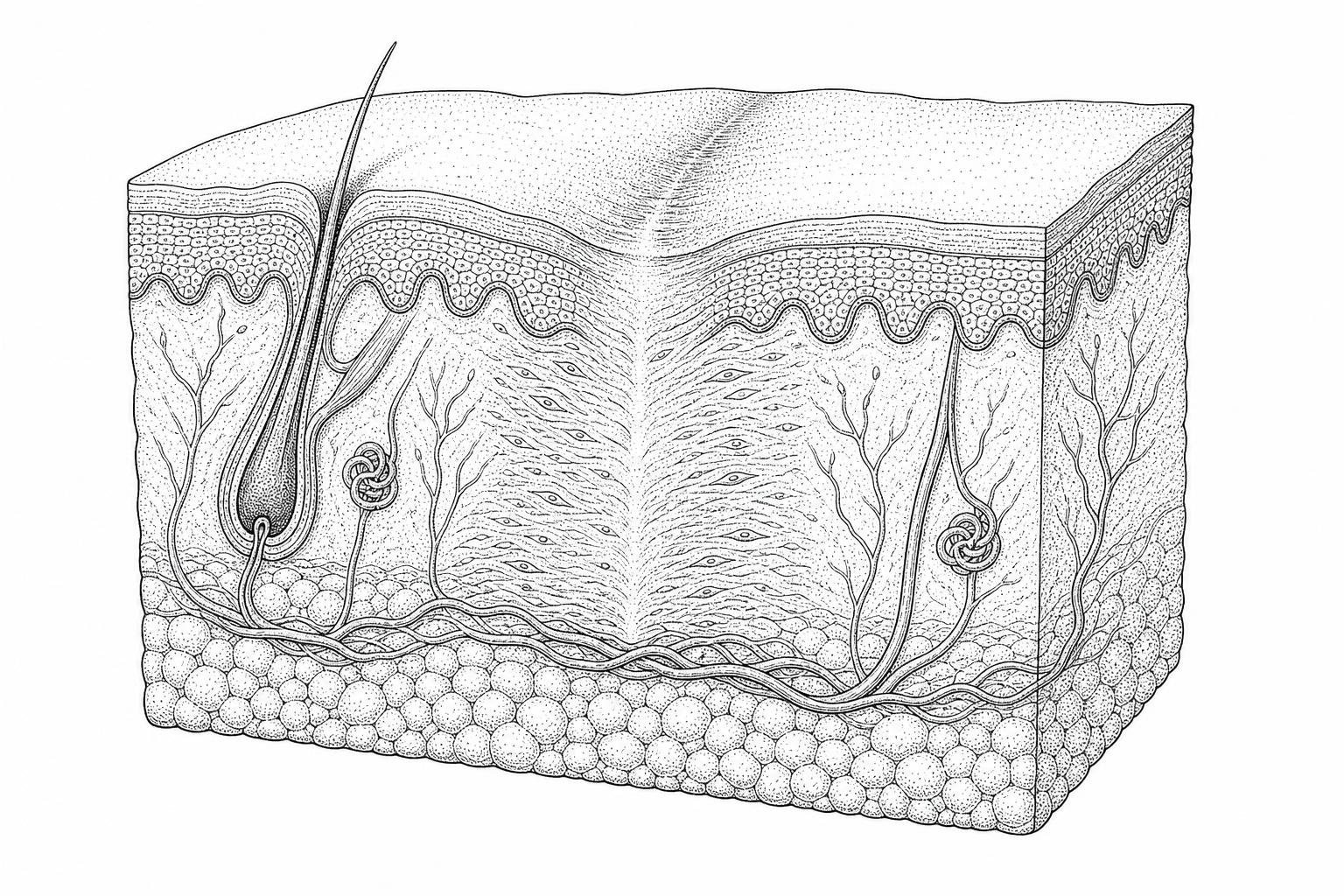
How Scars Form: The Science of Wound Healing
Scar tissue is collagen laid down fast and in parallel — structurally weaker than the basket-weave of normal skin. How the four healing stages work, why keloids and atrophic scars form, and what reduces scarring.

Postpartum Scar Reduction Cream and Stretch Mark Solutions
C-section and stretch mark scars respond to specific topical ingredients. Explore what clinical evidence says about postpartum scar reduction creams and which formulas deliver real results.