Laser vs RF Scar Reduction Treatment: Which Tech Wins?
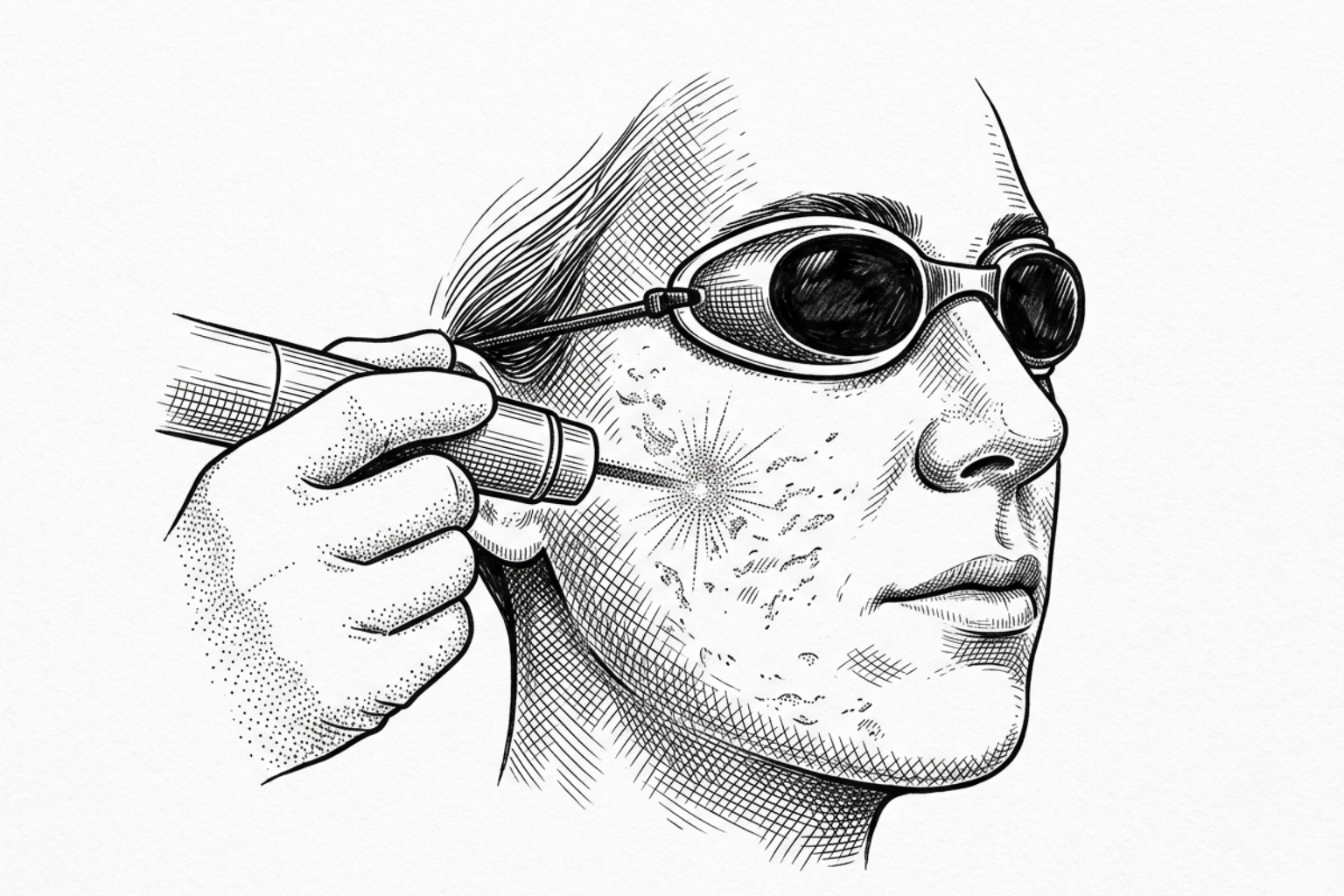
A clinical comparison of laser scar reduction modalities — CO2, Erbium, and pulsed dye — with evidence on efficacy, safety across skin tones, and realistic recovery expectations.
What Laser Scar Treatment Can and Can't Do
Laser scar reduction treatment is one of the most clinically studied approaches for improving the appearance of persistent scars — whether from acne, surgery, burns, or injury.
Before diving into the full guide, here is a quick clinical summary:
| Question | Clinical Answer |
|---|---|
| Does it remove scars completely? | No — it makes scars significantly less noticeable, but histological traces remain |
| Which scar types respond best? | Atrophic acne scars, hypertrophic scars, surgical scars, burn scars |
| How many sessions are needed? | Typically 3–6 sessions, spaced 4–6 weeks apart |
| How much improvement is realistic? | Clinical studies report 50–83% improvement depending on laser type and scar |
| Who performs the procedure? | Board-certified dermatologists or plastic surgeons specializing in laser procedures |
| Is it covered by insurance? | Rarely — most cases are classified as elective cosmetic treatment |
Scars form when the body repairs damaged skin by producing collagen in a disorganized pattern. That irregular collagen structure is what creates the uneven texture, raised surface, or depressed appearance that many people find distressing — and that topical creams alone rarely resolve.
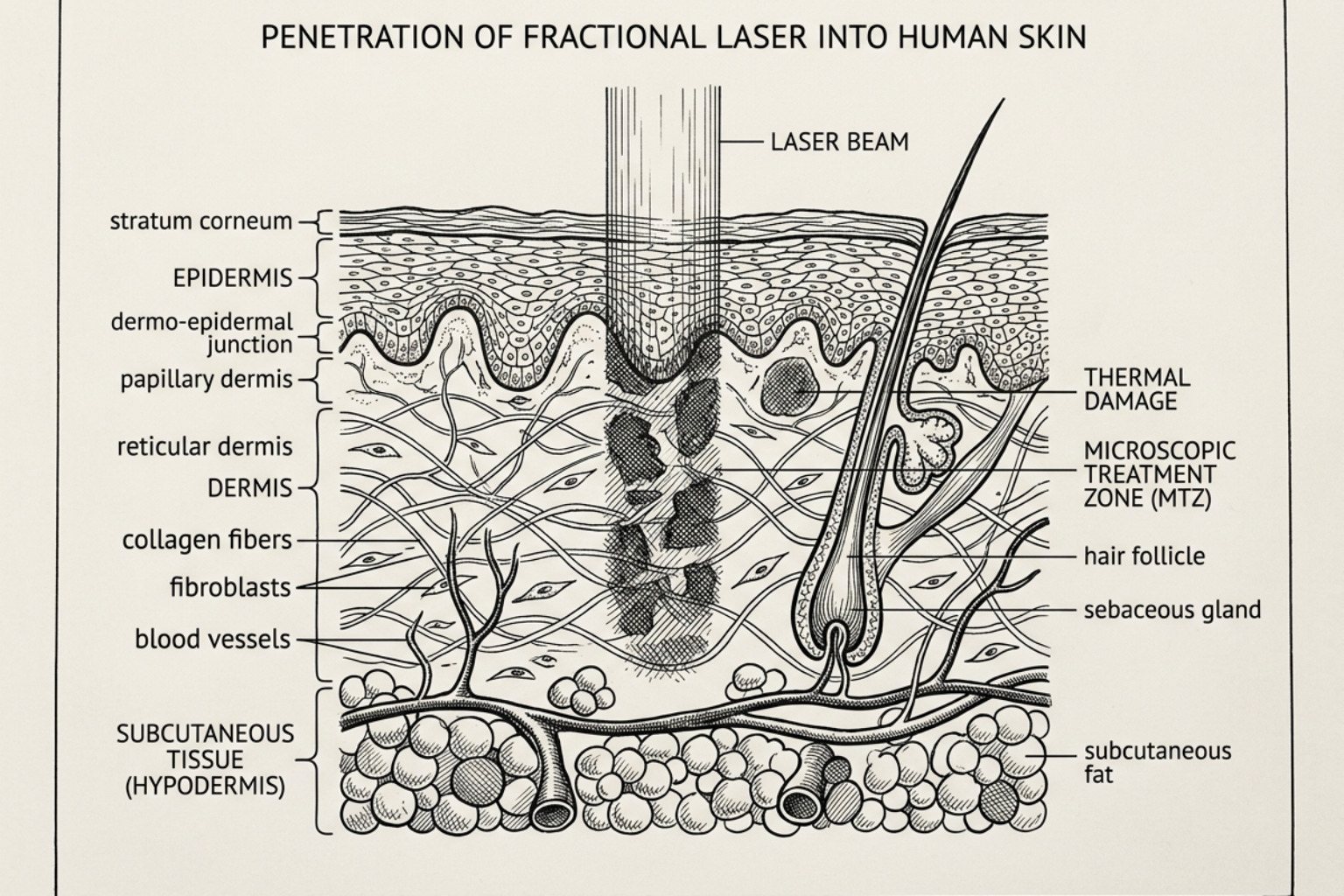
Laser technology works differently. Instead of sitting on the skin's surface, laser energy penetrates into the dermis — the deeper skin layer — where it can directly trigger biological changes in how collagen is organized and produced.
But not all lasers work the same way. And not all scars respond to the same laser.
The evidence base for laser scar revision has grown substantially. Clinical research shows that no single laser consistently works for all scar types — which means effective treatment depends on accurately matching the laser modality to the specific characteristics of each scar.
This guide breaks down the science, the clinical evidence, and the realistic outcomes — so patients and caregivers can approach these decisions with accurate expectations.
Easy laser scar reduction treatment glossary:
- best scar reduction cream
- hypertrophic scar reduction cream
- when to start scar treatment after surgery
How Lasers Trigger Skin Remodeling
To understand how a laser scar reduction treatment works, one must look beneath the surface at the cellular level. The primary principle governing this technology is selective photothermolysis. This process involves using specific wavelengths of light that are absorbed by "chromophores" in the skin—typically water, melanin, or hemoglobin.
When the laser light is absorbed, it converts into thermal energy (heat). In the context of co2 laser scar removal, the 10,600 nm wavelength is highly absorbed by water within the skin cells. This creates controlled thermal damage that serves as a "reset button" for the wound healing cascade.
How fractional lasers work
Modern dermatology relies heavily on fractional technology. Unlike older "fully ablative" lasers that removed the entire surface of the skin, fractional lasers create Microscopic Treatment Zones (MTZs). These are tiny, deep columns of thermal injury surrounded by islands of healthy, untreated tissue.
This mosaic-like pattern is critical for safety and speed. Because the healthy tissue remains intact between the MTZs, keratinocytes (skin cells) can migrate quickly to bridge the gaps. Research published in An Overview of the Mechanisms of Fractional CO2 Laser in Scar Treatment indicates that re-epithelialization—the closing of the skin surface—can often be completed within 24 hours post-treatment.
Collagen and Enzyme Activity After Treatment
The true magic happens in the weeks following the procedure. The heat shock proteins (specifically HSP70 and HSP47) triggered by the laser stimulate fibroblasts to produce new, organized collagen.
Clinical observations show a fascinating biphasic response:
- Early Phase: There is an upregulation of Matrix Metalloproteinases (MMPs), specifically MMP-1, 3, and 9. These enzymes act like a biological "cleanup crew," breaking down the stiff, irregular Type I collagen found in scars.
- Remodeling Phase: Over the following months, the body produces a more balanced ratio of Type I and Type III collagen.
Furthermore, the downregulation of MMP-12 helps preserve elastic fibers, which explains why treated scars often feel softer and more pliable.
Comparing Lasers for Different Scar Types
Selecting the right device is the most important factor in the success of a laser scar reduction treatment. Wavelength specificity determines how deep the energy travels and what it targets.
| Laser Type | Primary Target | Best For | Typical Recovery |
|---|---|---|---|
| Ablative CO2 | Water | Deep atrophic scars, severe texture issues | 7–14 days |
| Erbium (Er:YAG) | Water | Superficial to moderate scars, darker skin types | 5–7 days |
| Pulsed Dye (PDL) | Hemoglobin | Red, inflamed, or hypertrophic scars | 1–3 days |
| Non-Ablative Fractional | Water (Dermal) | Mild scarring, minimal downtime needs | 0–2 days |
According to the Cleveland Clinic, Erbium lasers often cause fewer side effects than CO2 lasers because they are more precisely absorbed by water, limiting the "collateral" heat damage to surrounding tissue.
Laser Treatment for Depressed Acne Scars
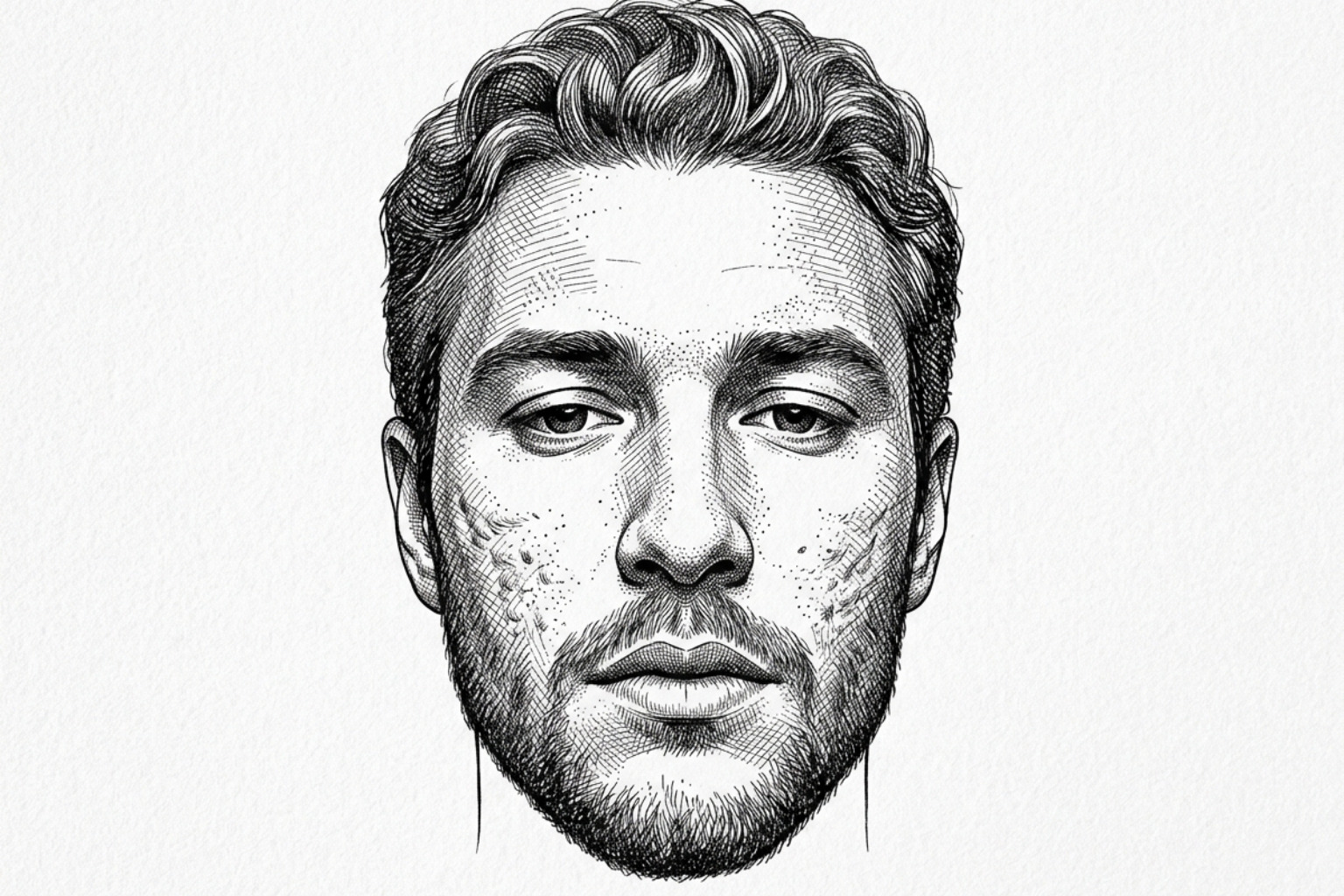
Atrophic scars—those "pitted" or depressed marks—are common in up to 80% of individuals who have experienced acne vulgaris. These are categorized as ice pick, boxcar, or rolling scars.
For these types, fractional CO2 is often considered the gold standard. By drilling deep MTZs, it forces the skin to fill in the depressions from the bottom up. A study on co2 laser for surgical scars before and after results suggests that hybrid modalities—combining ablative and non-ablative wavelengths—may provide faster visible improvements, sometimes appearing as early as 7–8 weeks post-treatment.
Laser settings for raised scars
Hypertrophic and keloid scars are characterized by an overproduction of collagen and increased blood vessel density. This is why they often appear red, raised, and itchy.
The red scar fading laser of choice is usually the Pulsed Dye Laser (PDL). Using a 595-nm wavelength, it targets the hemoglobin in the blood vessels. By reducing the blood supply to the scar, the PDL helps "starve" the overactive fibroblasts, leading to a flatter, less red, and significantly less itchy scar. Clinical data from StatPearls shows a 57% to 83% improvement in hypertrophic scars after just one or two PDL sessions. For thicker keloid scars, dermatologists often combine PDL with corticosteroid injections for optimal flattening. For raised scars that don't respond well to laser alone, microneedling offers a complementary approach with lower pigmentation risk.
How long laser results last
One must approach laser scar reduction treatment with a "marathon, not a sprint" mindset. While some redness might fade quickly, the remodeling of collagen is a slow biological process.
What makes treatment work
Several variables dictate how well a patient will respond:
- Scar Age: While "mature" white scars can be treated, "immature" scars (those still in the remodeling phase) often respond more dynamically to early intervention.
- Anatomical Location: Scars on the face generally heal faster and more predictably than scars on the chest or back due to the higher density of oil glands and blood supply.
- Provider Expertise: The settings for fluence (energy), density, and pulse duration must be customized. There are no "one-size-fits-all" settings in laser scar revision.
Expectations vs. Actual Skin Changes
It is a common misconception that lasers "erase" scars. As noted by WebMD, laser treatment effectively replaces a prominent, disorganized scar with a much smaller, flatter, and more camouflage-friendly scar.
In clinical terms, a 50% to 75% improvement is considered a highly successful outcome. The goal is texture uniformity and pigment normalization so that the scar no longer draws the eye or restricts movement.
Who Is a Good Candidate and Safety Risks
Safety is paramount, particularly for patients with darker skin tones. In Fitzpatrick skin types IV through VI, the risk of Post-Inflammatory Hyperpigmentation (PIH) is significantly higher. Clinical studies have shown that up to 45.5% of patients with darker skin types may experience transient darkening after laser treatment.
To mitigate this, expert providers often use:
- Pre-treatment Hydroquinone: A skin-lightening agent used for 4 weeks prior to the laser to "quiet" the pigment-producing cells.
- Non-Ablative Modalities: Lasers like the 1550-nm Er:Glass, which leave the skin surface intact, are generally safer for melanin-rich skin.
Preparation and Numbing Options
Preparation begins weeks before the actual appointment. Patients are typically advised to:
- Avoid Sun Exposure: A tan is a contraindication for most laser treatments, as it increases the risk of burns.
- Stop Smoking: Smoking restricts blood flow and significantly slows the healing process.
- Antiviral Prophylaxis: If a patient has a history of cold sores, the laser can trigger an outbreak. Starting antiviral medication two days before treatment is standard protocol.
During the procedure, topical lidocaine is applied for 30–60 minutes. For deeper treatments, such as c-section scar laser revision or extensive surgical scar laser treatment, local infiltration (injections) may be used to ensure patient comfort.
Handling side effects
While rare when performed by experts, complications can occur:
- Milia: Small white bumps that appear as the skin heals; these are usually easily treated with simple exfoliation or clinical extraction.
- Infection: Prevented by strict adherence to post-care cleaning with saline or diluted vinegar washes.
- Erythema: Prolonged redness is common, especially in fair-skinned individuals, and can last from several weeks to several months.
What Laser Scar Treatment Means for Your Recovery
The evolution of laser scar reduction treatment has moved us away from "trying to fix" scars toward "scientifically remodeling" them. By leveraging the body's own wound-healing mechanisms through selective thermal injury, modern lasers offer a level of improvement that was previously impossible.
Whether you are seeking laser treatment for scars to improve functionality or for aesthetic confidence, the key is a thorough scar assessment by a qualified professional. In the landscape of April 2026, we have more tools than ever to ensure that a scar is a part of your history, but not the focus of your future.
Lasting Skin Changes After Laser Treatment
Clinical evidence indicates that while lasers significantly improve texture, height, and color, they replace a prominent scar with a less noticeable one rather than achieving 100% histological removal. The underlying "blueprint" of the scar remains in the deep dermal tissue.
How Many Sessions and How Long to Wait
Most clinical protocols suggest 3 to 6 sessions spaced 4 to 6 weeks apart, with final remodeling results appearing 6 to 12 months after the final treatment. This timeline allows for the full cycle of collagen maturation.
Cost and insurance
In April 2026, most laser scar procedures are classified as elective cosmetic treatments and are not covered by insurance. Exceptions may occur if the scar causes documented functional impairment (such as restricting joint movement) or significant chronic pain.
Works Cited
- "Laser Revision of Scars." StatPearls, NCBI Bookshelf, 2024.
- "An Overview of the Mechanisms of Fractional CO2 Laser in Scar Treatment." PMC, 2025.
- "Laser Skin Resurfacing: Lasers Types, Skin Conditions, What to Expect." Cleveland Clinic, 2024.
- "Laser Treatment for Scars: Pros, Cons, and Risks." WebMD, 2024.
This content is for informational purposes only and does not constitute medical advice. Consult a qualified healthcare professional for diagnosis and treatment.