Scar Prevention
Proactive strategies and evidence-based practices to reduce the risk of scar formation — covering early acne treatment, sun protection, wound care, and lifestyle factors that influence healing outcomes.
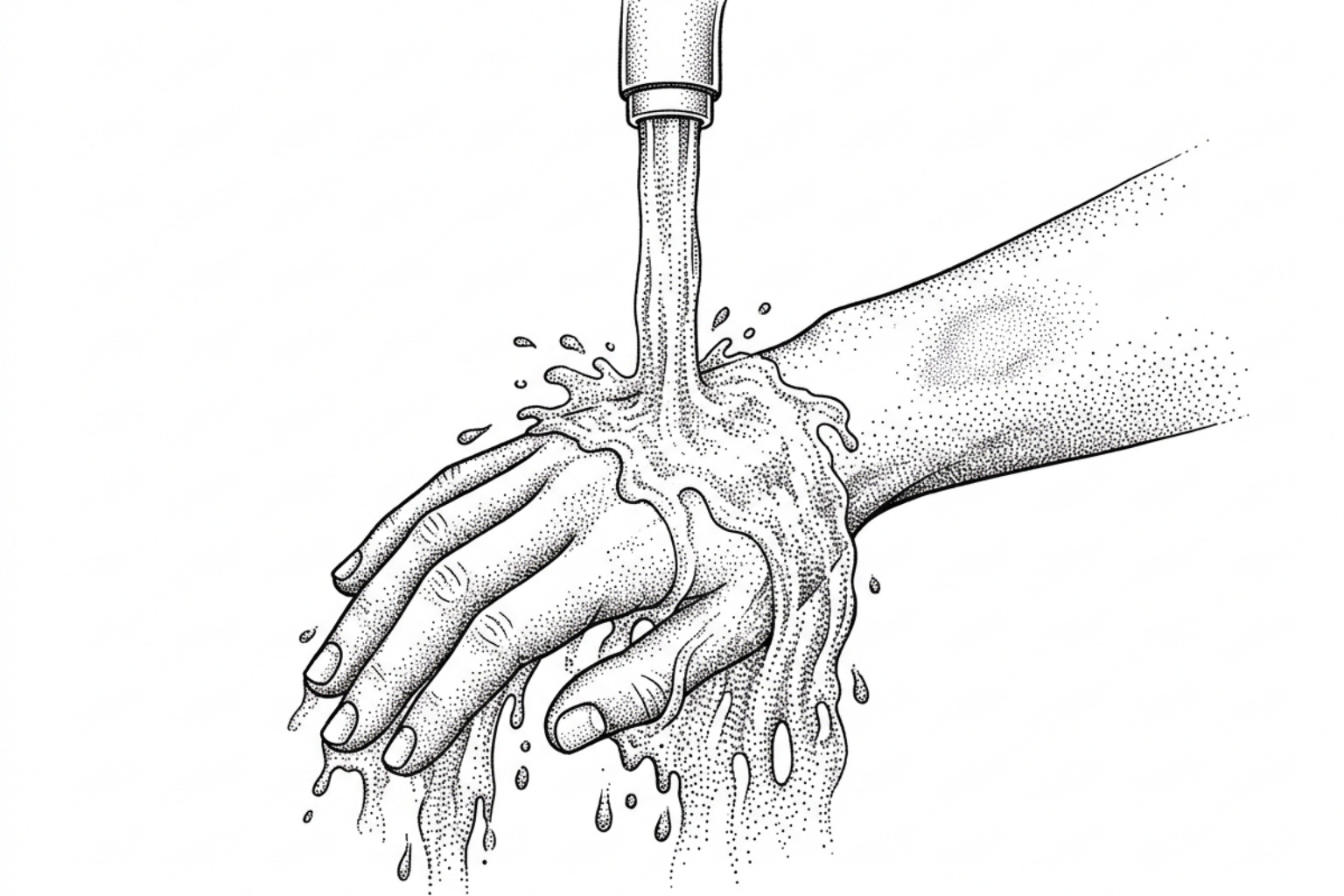
How to Manage Second-Degree Burns to Minimize the Risk of Long-Term Scars
Whether a second-degree burn leaves a scar depends mostly on how fast it closes. Wounds healed within 14 days scar under 10% of the time; past 21 days the risk climbs sharply. Here is what changes that.
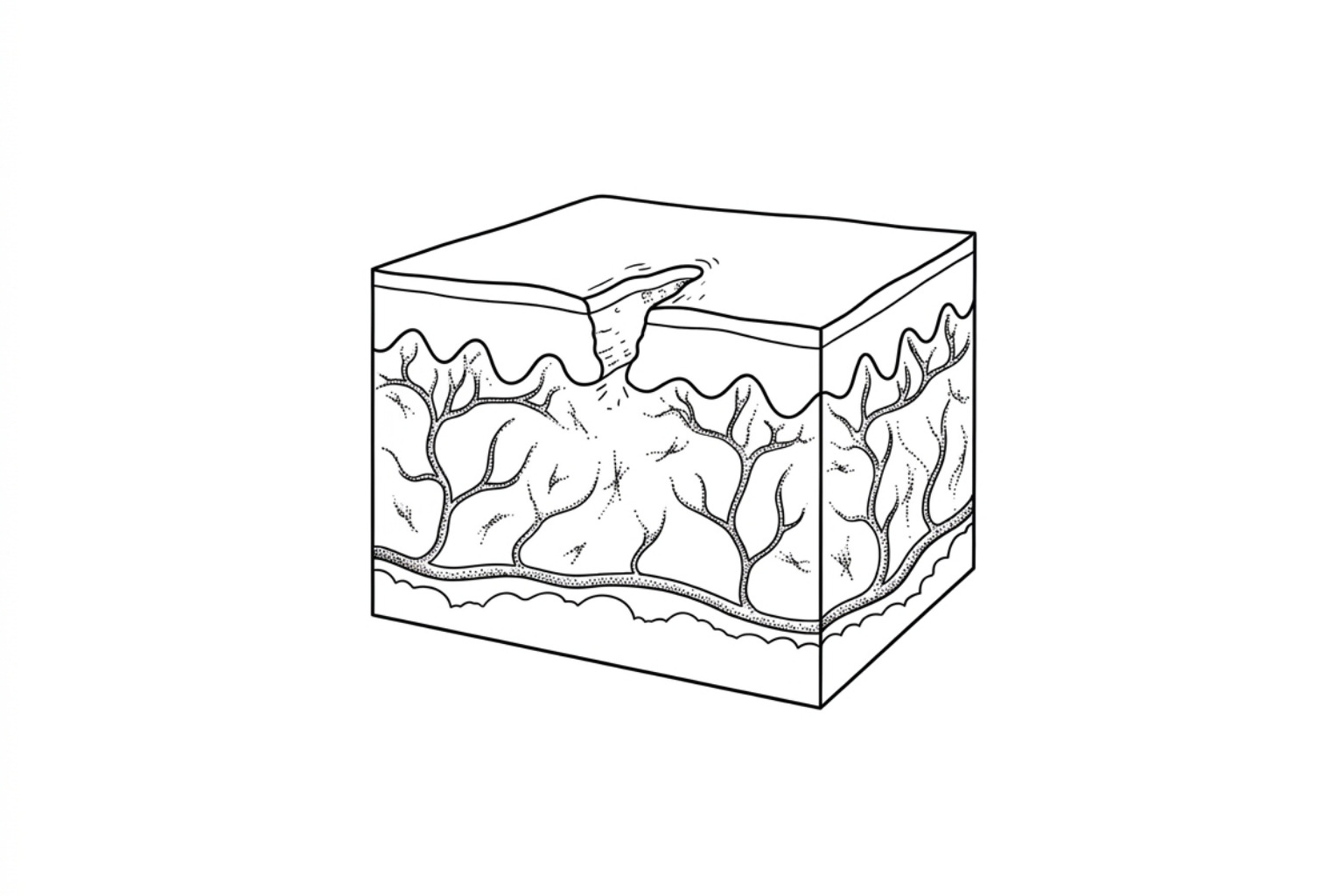
Protein’s Role in Wound Healing: An Essential Guide
Your protein needs can nearly double while a wound heals. Here's how much to aim for by wound type, which amino acids and cofactors matter most, and how to hit your target when appetite is low.
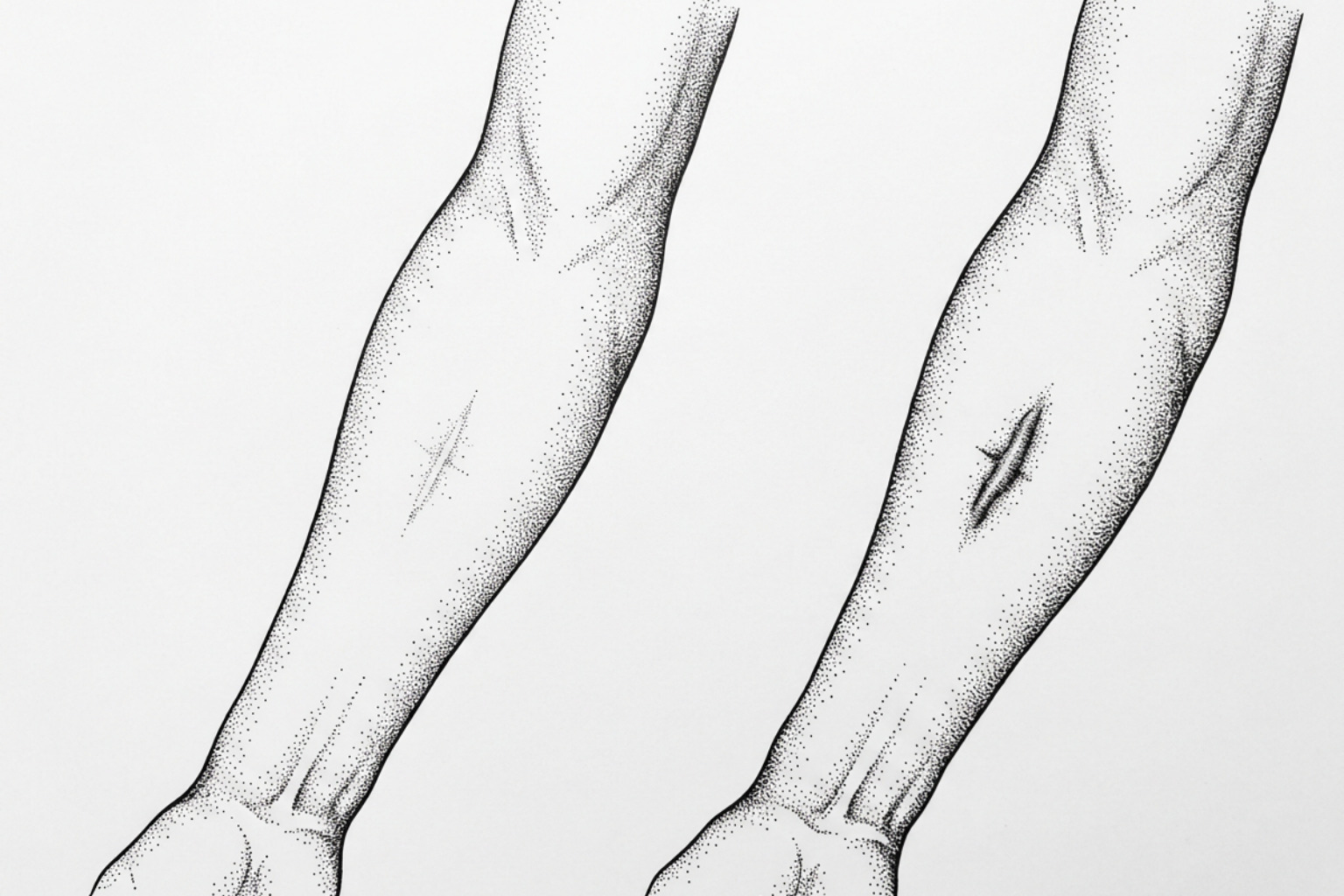
A Practical Guide to Why Two People Scar Differently: Formation Factors
Two people can get the same cut and end up with very different scars. Genetics, fibroblast behaviour, skin tone and the tension across the wound all play a part — and some of those factors you can influence.
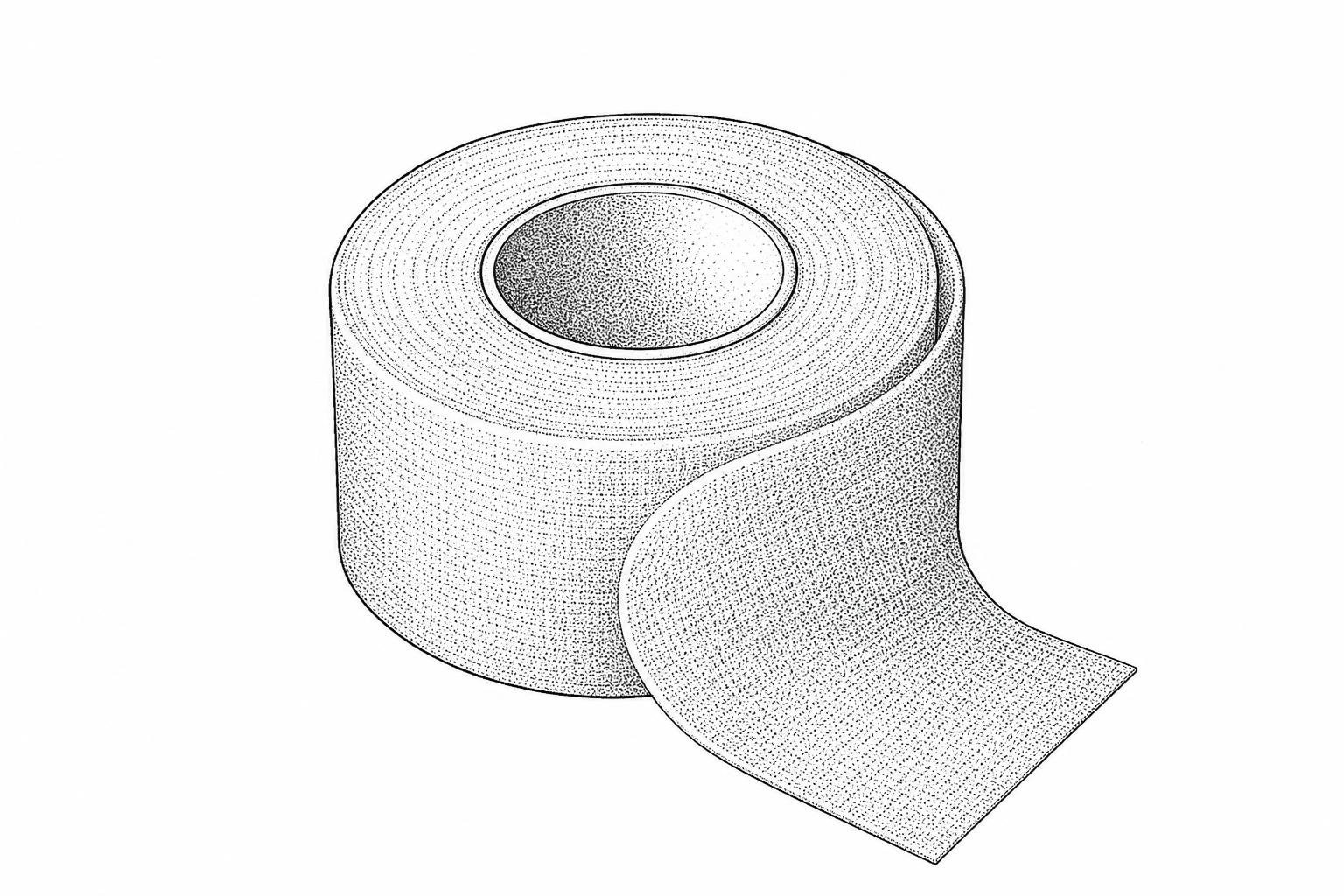
A Comprehensive Guide to Effective Keloid Scar Treatments
Keloids rarely go away on their own, and surgery without follow-up treatment often sees them return larger. Compare steroid injections, silicone sheeting, laser therapy, and surgery with radiation.
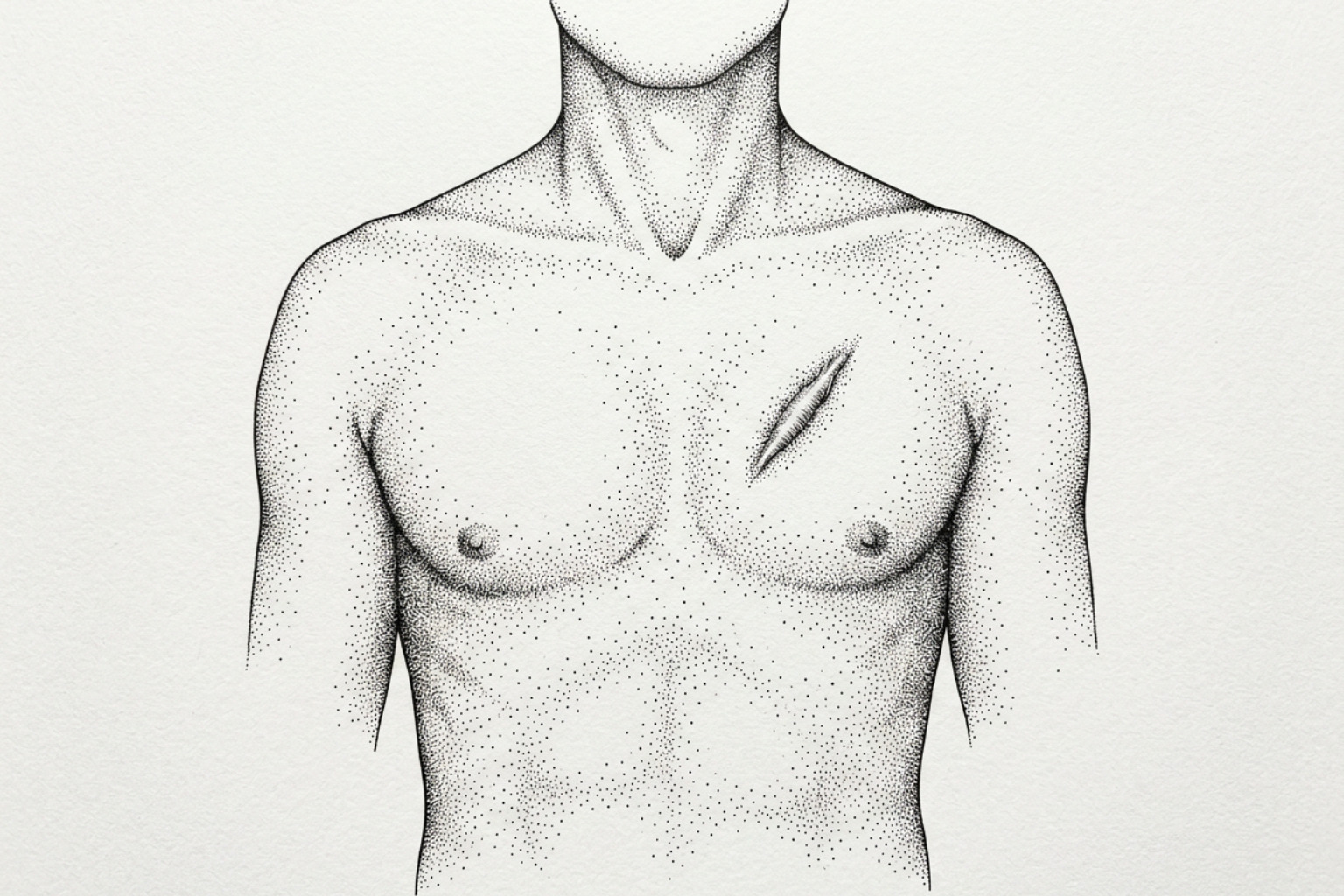
All About Keloid Scar Body Location Risks
Where a keloid forms matters as much as why. Chest and shoulder keloids sit in high-tension skin and recur far more often than earlobe keloids, and that changes which treatment makes sense.
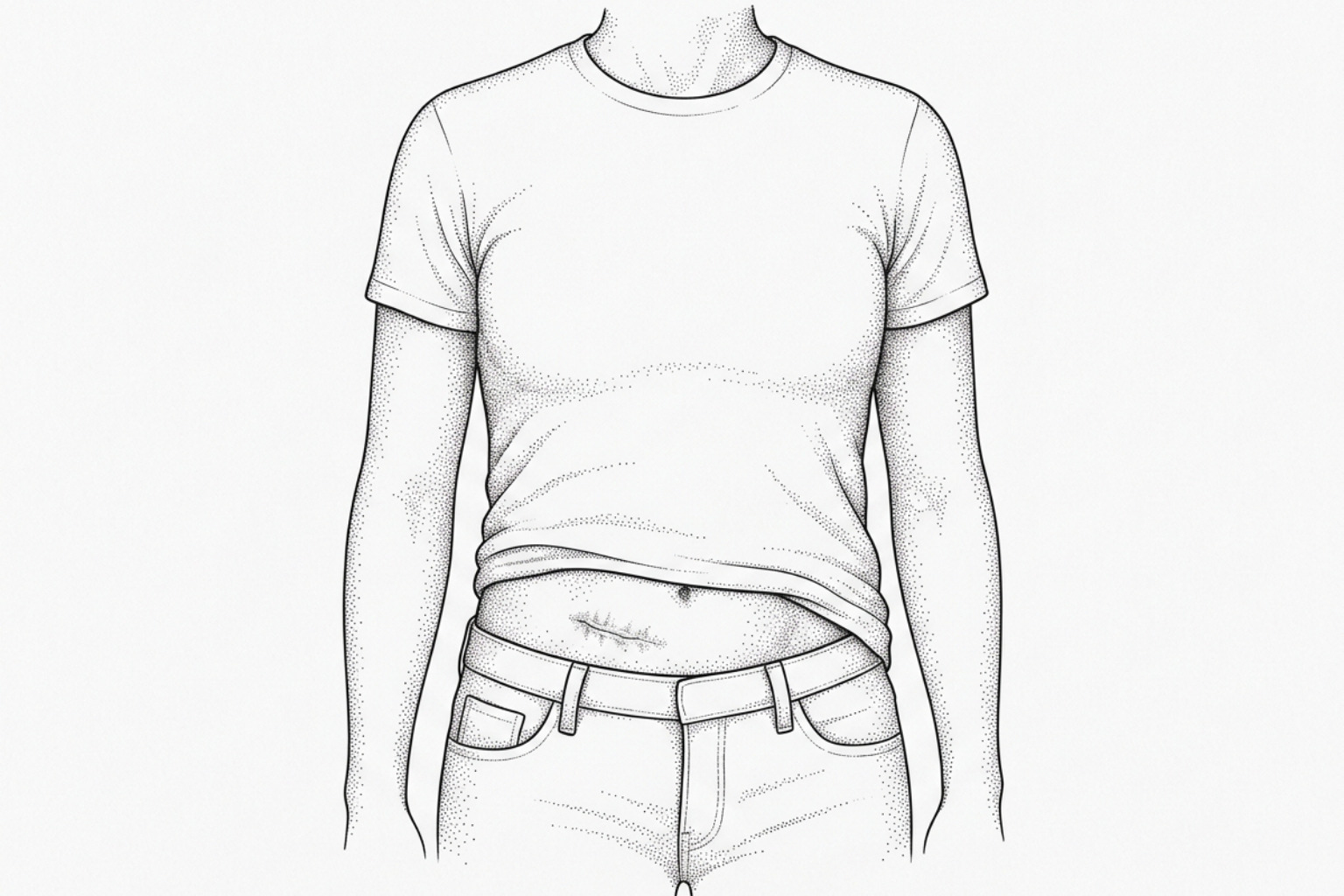
The Complete Guide to Keloid Tummy Tuck Scars
Keloids after abdominoplasty grow beyond the incision line and rarely fade on their own. This guide covers why they form, who is most at risk, and which surgical and non-surgical treatments have evidence behind them.
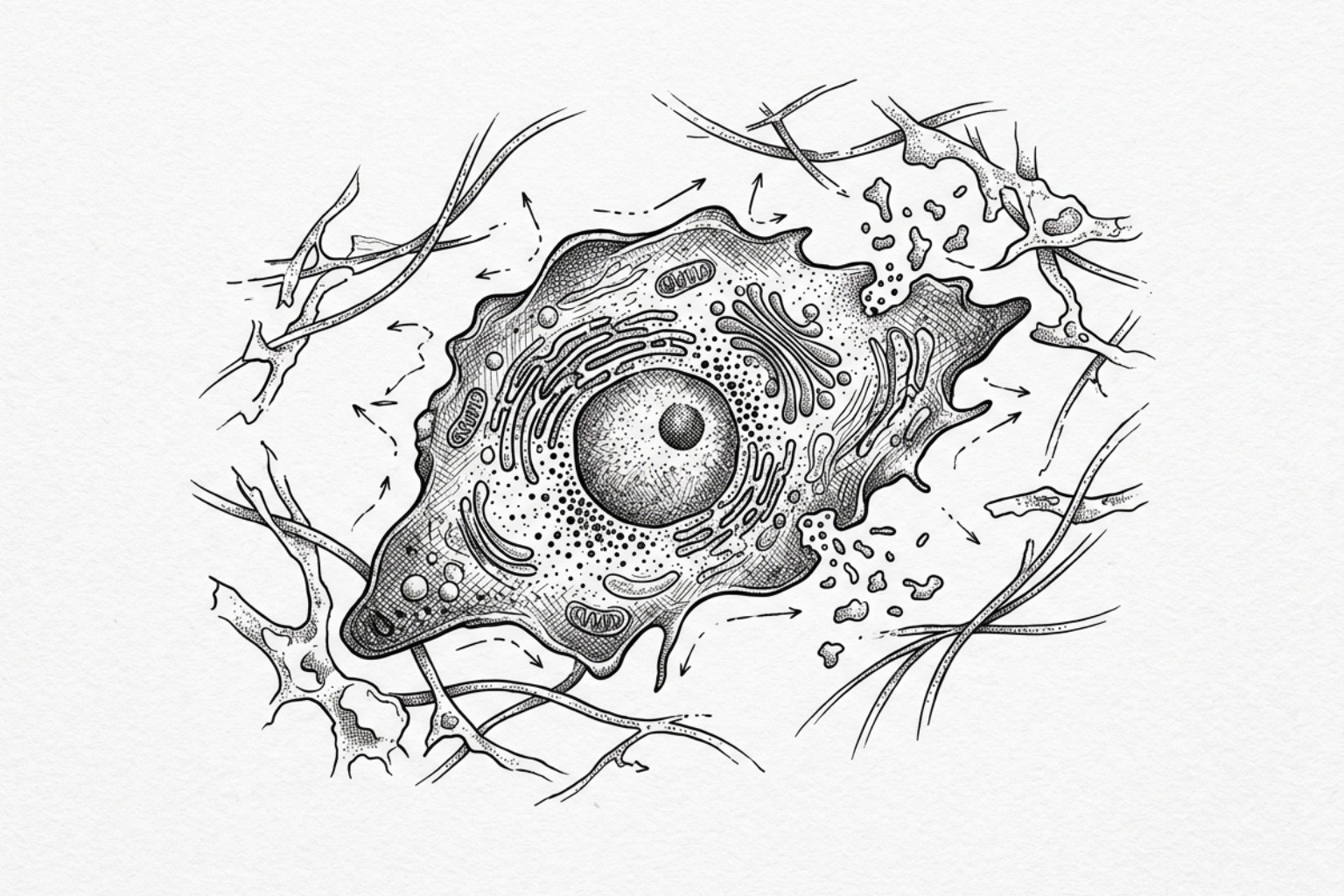
Why Your Skin Can't Keep Up: The Science of Fibroblast Dysfunction in Diabetes
In diabetes, the skin's repair cells lose the ability to move, sense oxygen, and rebuild tissue. Here's the science behind slow-healing wounds and diabetic foot ulcers — and the therapies aiming to reverse it.
Post-Surgery Keloid Prevention: Your Shopping List for Smooth Skin
Keloids are hard to remove once formed, so prevention is the priority. Here's the evidence on silicone gels, onion extract, timing, and who needs extra protection after surgery.

How to Protect Healing Skin in 5 Easy-to-Follow Steps
Healing skin needs protection from friction, UV light, and infection. These five evidence-based steps help wounds close cleanly and scar as little as possible.
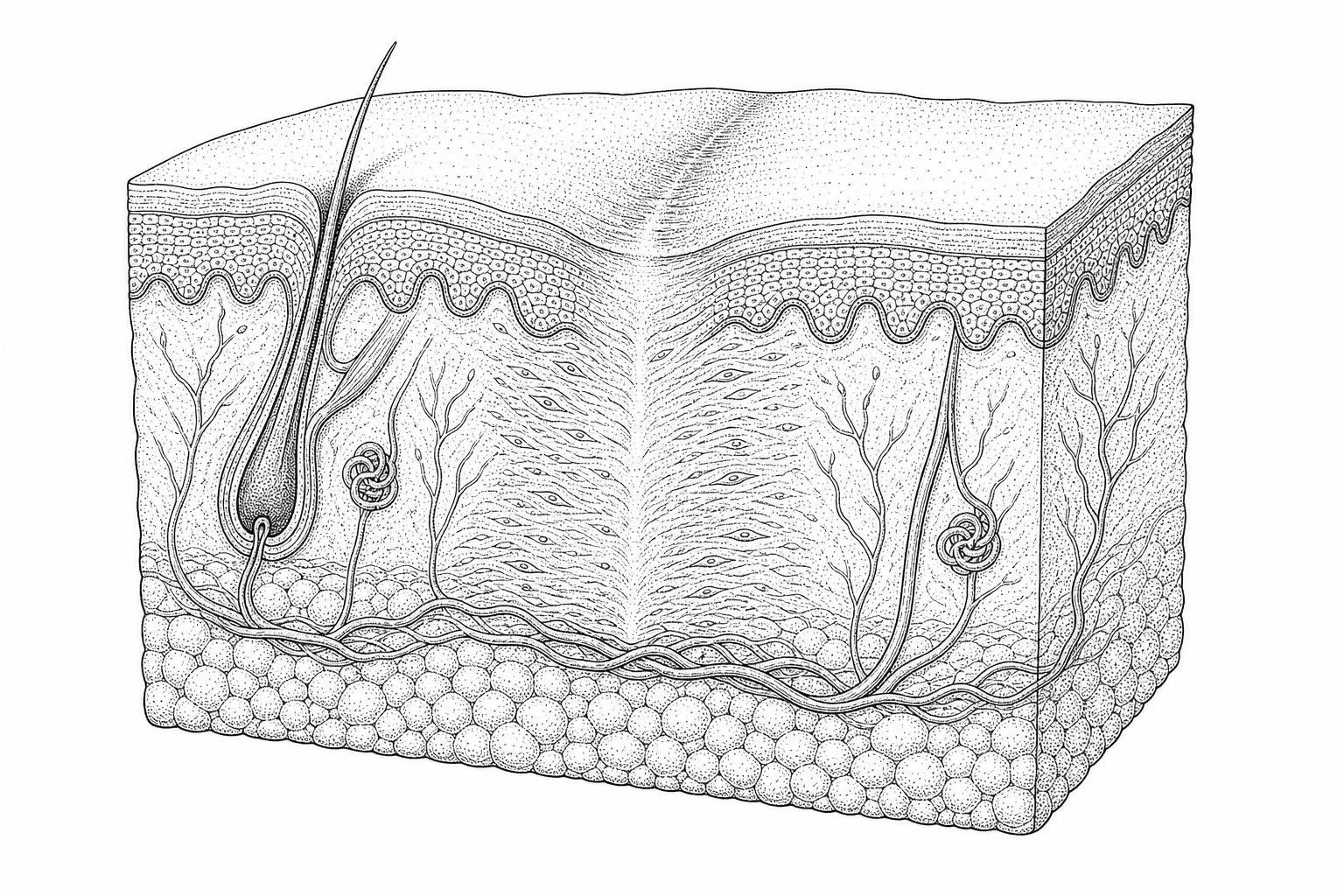
How Scars Form: The Science of Wound Healing
Scar tissue is collagen laid down fast and in parallel — structurally weaker than the basket-weave of normal skin. How the four healing stages work, why keloids and atrophic scars form, and what reduces scarring.
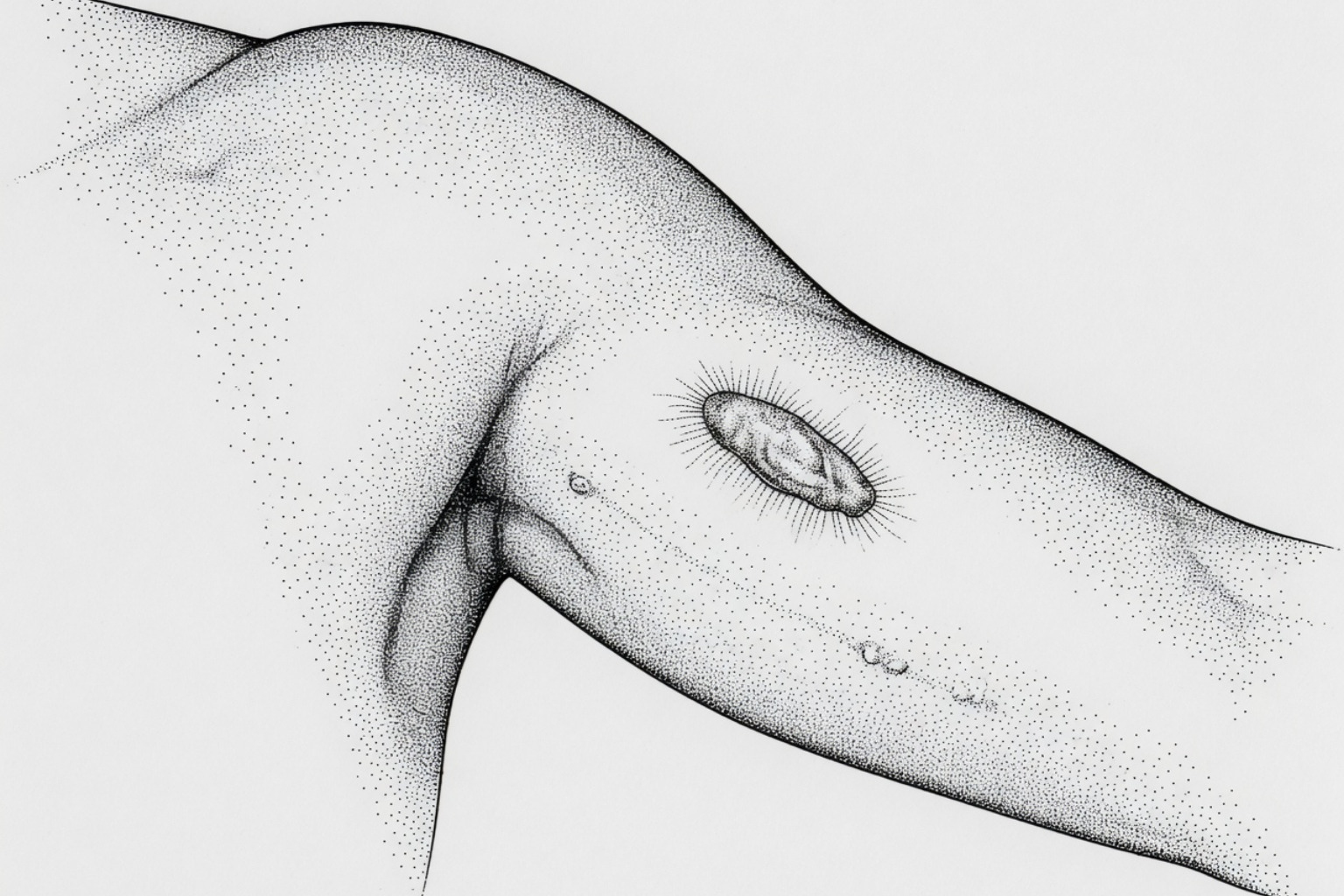
Why Your Body Overreacts to Tiny Scratches
Keloids form when wound healing won't switch off — collagen keeps building long after a cut has closed. Here's what drives that overreaction, who's most at risk, and the treatments with real evidence behind them.
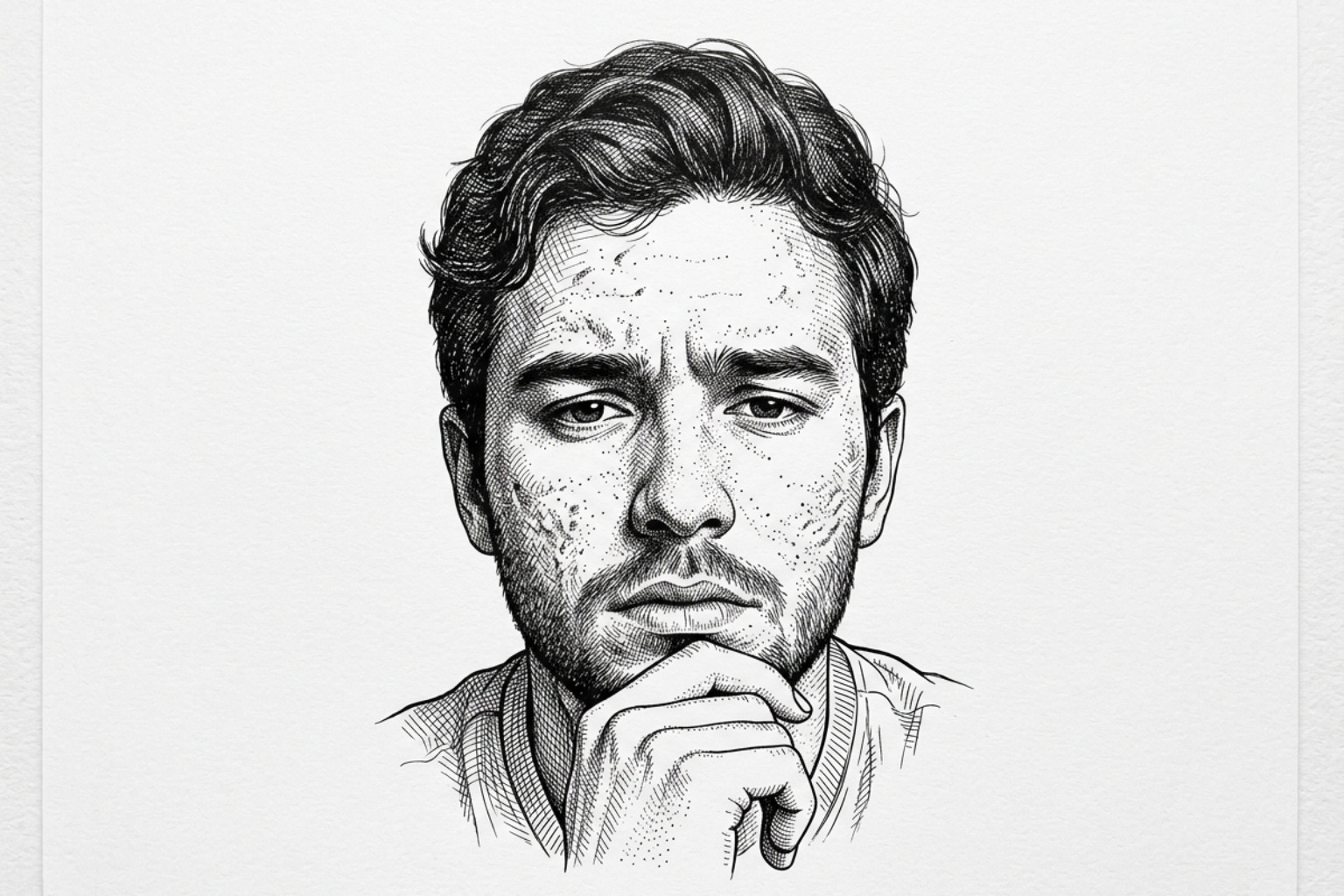
How to Prevent Acne Scarring Before It Starts
Up to 90% of acne patients develop scarring — even from mild breakouts. Evidence-based strategies like early treatment, avoiding picking, retinoids, and daily SPF can significantly cut your risk.