Protein’s Role in Wound Healing: An Essential Guide
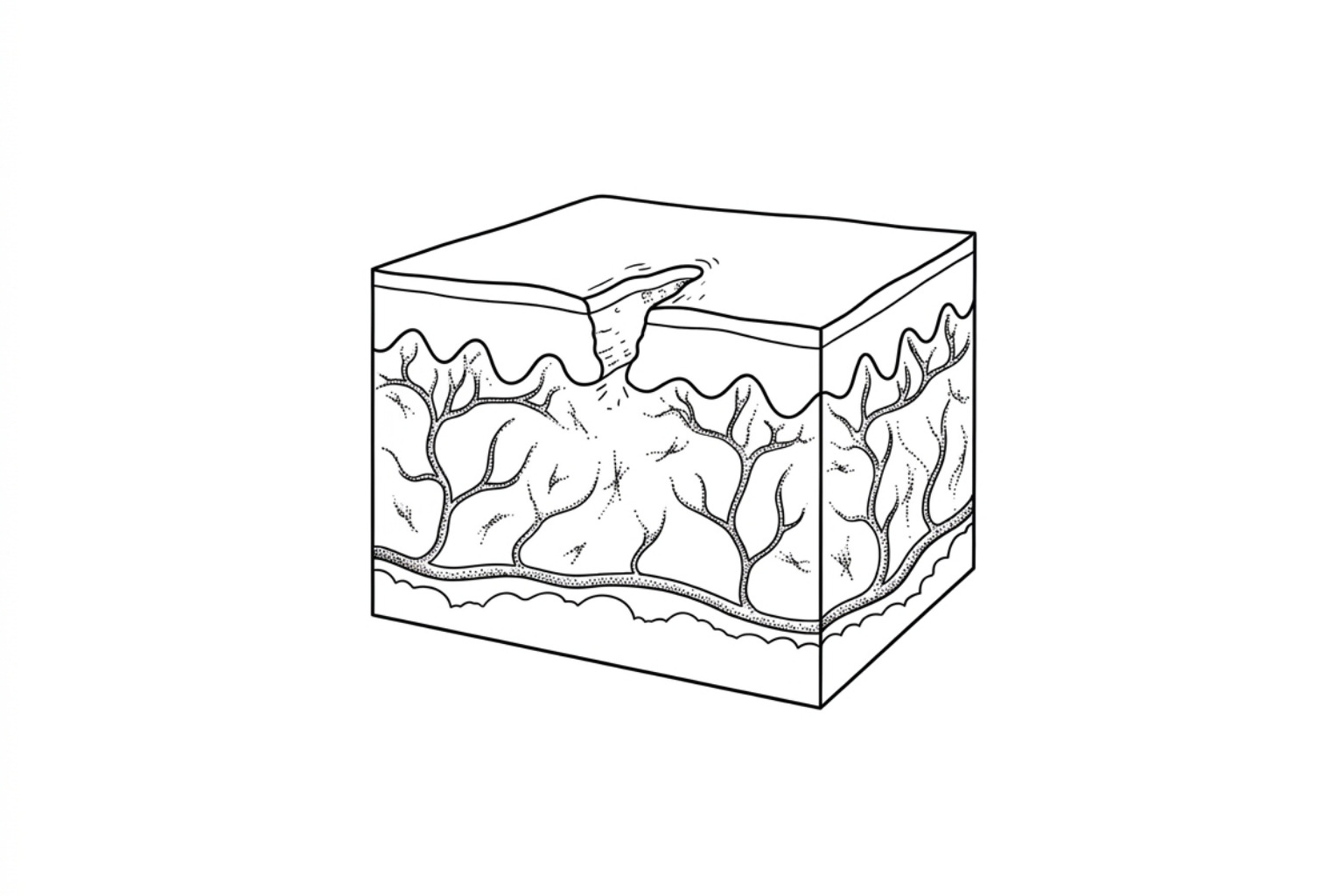
Your protein needs can nearly double while a wound heals. Here's how much to aim for by wound type, which amino acids and cofactors matter most, and how to hit your target when appetite is low.
Why protein matters for wound healing
How does dietary protein directly impact wound healing and skin recovery? Protein in wound healing supplies amino acids, the building blocks the body uses to repair damaged skin and tissue. Research indicates that adequate protein supports immune defenses, new blood-vessel growth, healthy granulation tissue, and collagen production during the repair process.
When protein intake is too low, collagen synthesis may slow and the inflammatory phase may last longer. This can make a wound slower to close and may affect the quality of later skin remodeling.
For most people with a healing wound, clinical guidance commonly suggests a higher intake than the usual adult baseline: often about 1.2 to 1.5 grams of protein per kilogram of body weight per day. Needs can be higher with large, draining, chronic, or severe wounds, but a clinician should set the target for anyone with kidney disease, diabetes, or other medical conditions.
Protein is not a stand-alone fix. Evidence suggests it works alongside enough total calories, fluids, vitamin C, zinc, and appropriate medical wound care. Nutrition can support tissue repair, but it cannot replace infection treatment, blood-sugar management, pressure relief, or professional care for a wound that is not improving.
The Scar Healing Editorial Team explains how protein fits into skin repair, scar formation, and realistic healing expectations in the sections ahead.
How protein supports the four healing phases
Skin repair requires a well-orchestrated sequence of biological activities. Following an injury, the body immediately initiates a four-phase cascade: hemostasis, inflammation, proliferation, and tissue remodeling. Protein in wound healing serves as both structural building material and enzymatic fuel across every single phase of this process.

Immediately after injury, hemostasis begins as blood platelets aggregate to form a clot, relying on protein structures like fibrin to seal damaged blood vessels. During the inflammatory phase, immune cells such as neutrophils and macrophages migrate into the wound bed to clear debris and patogen threats. These immune cells require amino acids to manufacture defense enzymes, antibodies, and signaling cytokines.
During the proliferative phase, the wound bed fills with newly constructed tissue known as granulation tissue. Granulation tissue is rich in fibroblasts, new microcapillaries, and extracellular matrix proteins. Clinical literature, such as a Clinical study on high-quality dietary protein in wound healing, emphasizes that dietary protein directly supplies the foundational elements required to construct this healthy, beefy-red tissue. Without adequate protein, granulation tissue may appear pale, fragile, or fail to form altogether, stalling the wound between inflammation and tissue assembly. To understand how initial tissue assembly influences long-term skin appearance, readers can explore How Scars Form.
How your cells use protein to heal
At the cellular level, dietary protein is broken down into constituent amino acids, which are reassembled through translation pathways. Studies on Protein Synthesis Wound Healing demonstrate that these amino acids regulate several cellular activities:
- Fibroblast Proliferation and Migration: Fibroblasts are the primary cells responsible for constructing the extracellular matrix. They require continuous protein synthesis to multiply, migrate into the wound, and deposit structural collagen.
- Angiogenesis: The formation of new capillary blood vessels (angiogenesis) relies on vascular endothelial growth factors and structural proteins to build microvascular walls, ensuring oxygen and nutrients reach healing tissues.
- Immune Defense Function: Immunoglobulins, phagocytic enzymes, and complement proteins are constructed entirely from amino acids. Deficiencies compromise the wound's ability to resist microbial colonization.
- Extracellular Matrix (ECM) Assembly: Fibronectin, vitronectin, laminin, and proteoglycans form the scaffolding upon which new epithelial cells travel to close the skin defect.
The amino acids that matter most
While all twenty standard amino acids contribute to recovery, specific conditionally essential amino acids play magnified roles during severe tissue stress:
- L-Arginine: Serves as the preeminent precursor for nitric oxide, a molecule that promotes microvascular vasodilation and tissue perfusion. Research indicates L-arginine enhances T-cell immune functionality and stimulates collagen deposition within the wound bed.
- L-Glutamine: Functions as the primary fuel source for rapidly dividing cells, particularly lymphocytes and intestinal enterocytes. Glutamine supports systemic immune function and protects against nitrogen loss during hypermetabolic stress.
- Proline and Hydroxyproline: Proline acts as a critical precursor for collagen synthesis. Within the endoplasmic reticulum, proline residues undergo hydroxylation—a process requiring Vitamin C—to yield hydroxyproline, which stabilizes the characteristic collagen triple-helix architecture.
- Glycine: Makes up approximately one-third of the amino acid residues in mature collagen molecules, granting the structural flexibility needed for strong tensile alignment.
How much protein you need to heal
Standard dietary guidelines for healthy, sedentary adults set the Recommended Dietary Allowance (RDA) at approximately 0.8 grams of protein per kilogram of body weight daily. However, clinical consensus confirms that tissue injury creates a hypermetabolic, catabolic state that significantly escalates protein requirements.
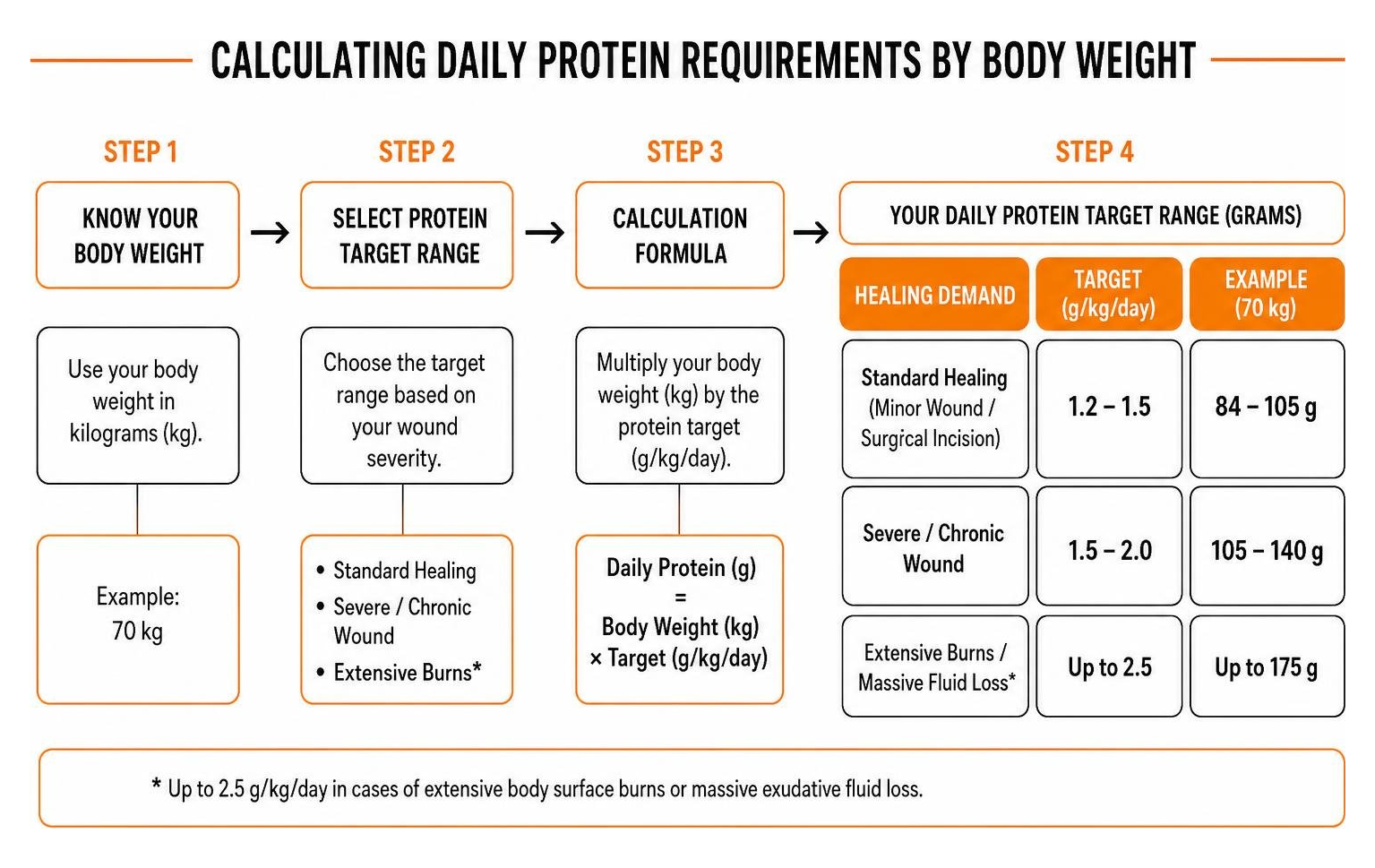
To calculate baseline target ranges for an uncomplicated surgical incision or minor wound:
- Standard Healing Demand: 1.2 to 1.5 grams of protein per kilogram of body weight per day.
- Severe or Chronic Wound Demand: 1.5 to 2.0 grams of protein per kilogram of body weight per day (and up to 2.5 g/kg/day in cases of extensive body surface burns or massive exudative fluid loss).
To put these figures into practical terms, consider a person weighing 70 kilograms (154 pounds):
- Standard adult RDA (0.8 g/kg): 56 grams per day.
- Moderate wound healing target (1.2–1.5 g/kg): 84 to 105 grams per day.
- Severe or chronic wound target (1.5–2.0 g/kg): 105 to 140 grams per day.
Protein needs by wound type
Protein demand scales directly with the depth, surface area, and fluid drainage (exudate) of the wound.
- Surgical Incisions: Uncomplicated post-operative recovery typically requires 1.2 to 1.5 g/kg/day to facilitate primary intention closure and initial scar tensile strength.
- Pressure Injuries (Bedsores): Stage 3 and 4 pressure injuries involve extensive full-thickness tissue loss. Protein loss through open exudate can exceed several grams daily, raising targets to 1.5–2.0 g/kg/day.
- Severe Burns: Thermal injuries trigger extreme hypermetabolism. Protein catabolism spikes dramatically, requiring up to 2.0–2.5 g/kg/day alongside high caloric density to prevent severe lean muscle mass depletion.
- Chronic Venous and Arterial Ulcers: Persistent low-grade inflammation in non-healing leg ulcers continuously degrades structural matrix proteins, maintaining elevated daily intake needs of 1.25 to 1.5 g/kg/day.
If you have diabetes or kidney disease
Managing dietary protein requires tailored clinical oversight when underlying chronic diseases are present.
- Diabetic Foot Ulcers: Impaired vascular delivery and localized cellular dysfunction complicate recovery in diabetic individuals. Readers can review Fibroblast Dysfunction Diabetes to understand how elevated blood glucose alters cellular repair pathways. While protein intake should be elevated (1.2–1.5 g/kg/day) to encourage granulation, total caloric intake must balance tight glycemic control, as hyperglycemia impairs leukocyte phagocytosis and delays wound closure.
- Renal Impairment (Kidney Disease): Patients with pre-existing stage 3–5 chronic kidney disease (CKD) who are not on dialysis face increased risks of uremic toxicity from high-protein diets. In these individuals, protein target increases must be carefully evaluated by a nephrologist or clinical dietitian to weigh the benefits of tissue repair against the risks of metabolic overload. For patients undergoing active hemodialysis, protein requirements actually remain high (1.2–1.5 g/kg/day) due to amino acid losses during dialysis sessions.
Choosing high-quality protein sources
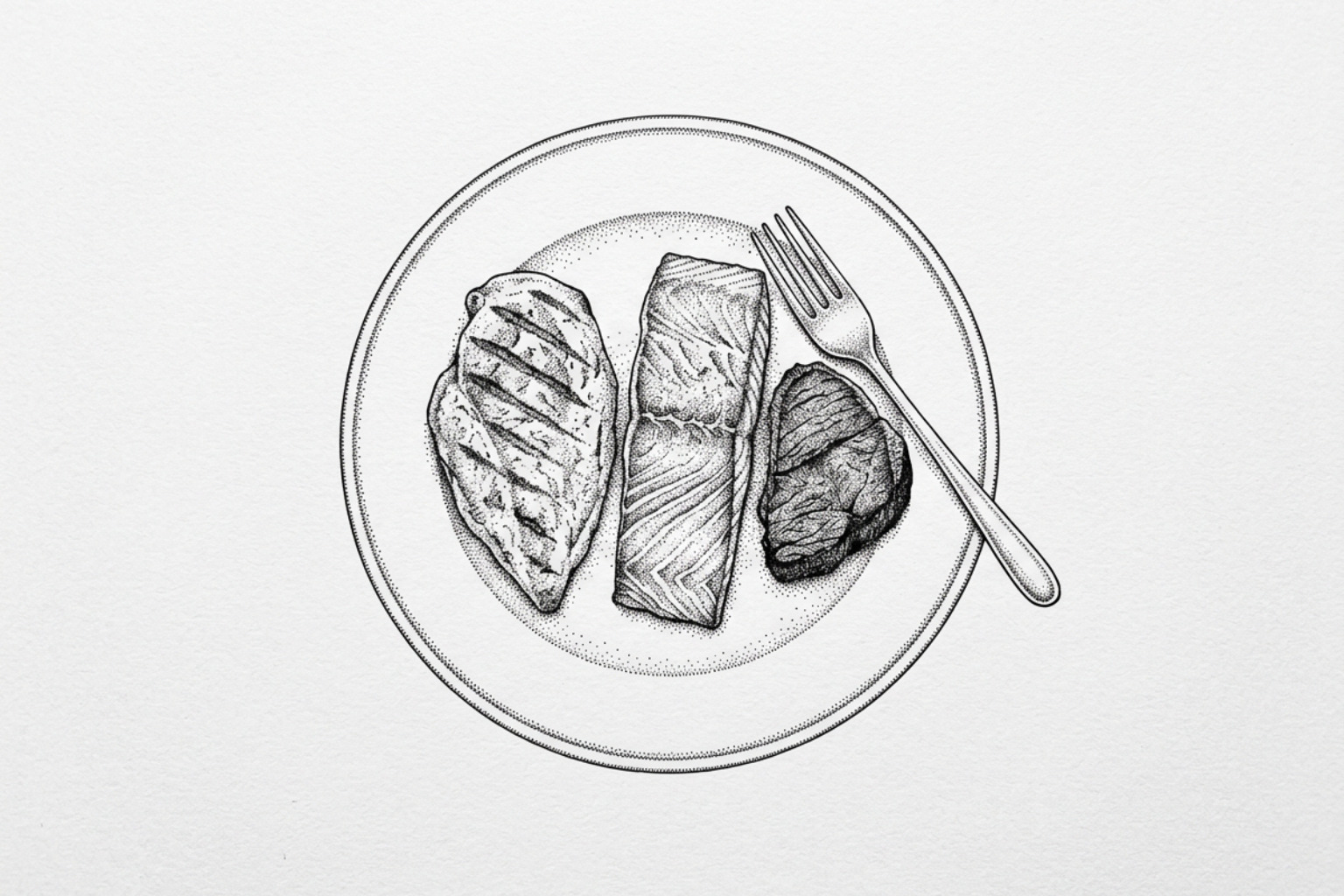
Meeting elevated intake targets requires selecting high-quality proteins characterized by high biological value and complete amino acid profiles. Protein quality is frequently measured by the Digestible Indispensable Amino Acid Score (DIAAS). Animal-derived proteins typically score higher on digestible indispensable amino scales, but thoughtful combinations of plant-based proteins can supply all necessary building blocks.
| Food Category | Specific Example | Serving Size | Approximate Protein (g) |
|---|---|---|---|
| Poultry & Lean Meat | Skinless Chicken Breast | 3 oz (85 g) | 26 g |
| Poultry & Lean Meat | Lean Ground Beef (90/10) | 3 oz (85 g) | 22 g |
| Seafood | Wild Salmon Fillet | 3 oz (85 g) | 21 g |
| Seafood | Drained Canned Tuna | 3 oz (85 g) | 20 g |
| Dairy & Eggs | Low-Fat Cottage Cheese | 1/2 cup (115 g) | 13 g |
| Dairy & Eggs | Greek Yogurt (Plain, Low-Fat) | 6 oz (170 g) | 15–17 g |
| Dairy & Eggs | Whole Egg | 1 large | 6 g |
| Plant Proteins | Firm Tofu | 1 cup (252 g) | 18 g |
| Plant Proteins | Cooked Black Beans or Lentils | 1 cup (198 g) | 15–18 g |
| Nuts & Seeds | Roasted Peanuts or Almonds | 1/2 cup (70 g) | 15–21 g |
Vitamins and minerals collagen needs
Dietary protein cannot synthesize mature collagen in isolation. It relies on specific enzymatic cofactors:
- Vitamin C (Ascorbic Acid): Essential for the hydroxylation of proline and lysine residues. Without Vitamin C, newly synthesized peptide chains cannot form cross-linked, stable collagen triple-helices, leading to weak tissue structure. Further insights are available in the Best Vitamins for Scar Healing Guide.
- Zinc: Serves as a vital structural cofactor for RNA and DNA polymerases, as well as matrix metalloproteinases (MMPs) involved in scar remodeling. Zinc deficiencies impair cell division and granulation assembly.
- Copper: Required by the enzyme lysyl oxidase, which forms covalent cross-links between adjacent collagen fibers, granting final tensile strength to healing skin.
- Caloric Adequacy: If total energy intake (calories from carbohydrates and healthy fats) is insufficient, the liver will catabolize dietary and structural protein for basic glucose energy production rather than utilizing it for tissue repair. Clinicians generally target 30 to 35 kcal/kg of body weight daily during active wound repair.
What to do if eating enough is hard
Patients recovering from major surgery, severe trauma, or acute illness frequently experience reduced appetite, early satiety, or nausea, making large protein meals difficult to consume.
- Small, Frequent Meals: Spreading food intake across 5 to 6 small meals or snacks every 3 to 4 hours ensures a continuous circulating pool of amino acids without overwhelming digestion.
- Oral Nutritional Supplements (ONS): Specialized high-protein liquid supplements or medical foods fortified with L-arginine, L-glutamine, and beta-hydroxy-beta-methylbutyrate (HMB) can help bridge gaps when solid food intake falls short.
- Nutrient-Dense Additions: Incorporating skim milk powder, clear whey protein isolates, nut butters, or eggs into soups, smoothies, and hot cereals increases protein density without significantly expanding meal volume.
Protein-based dressings and bioactive peptides
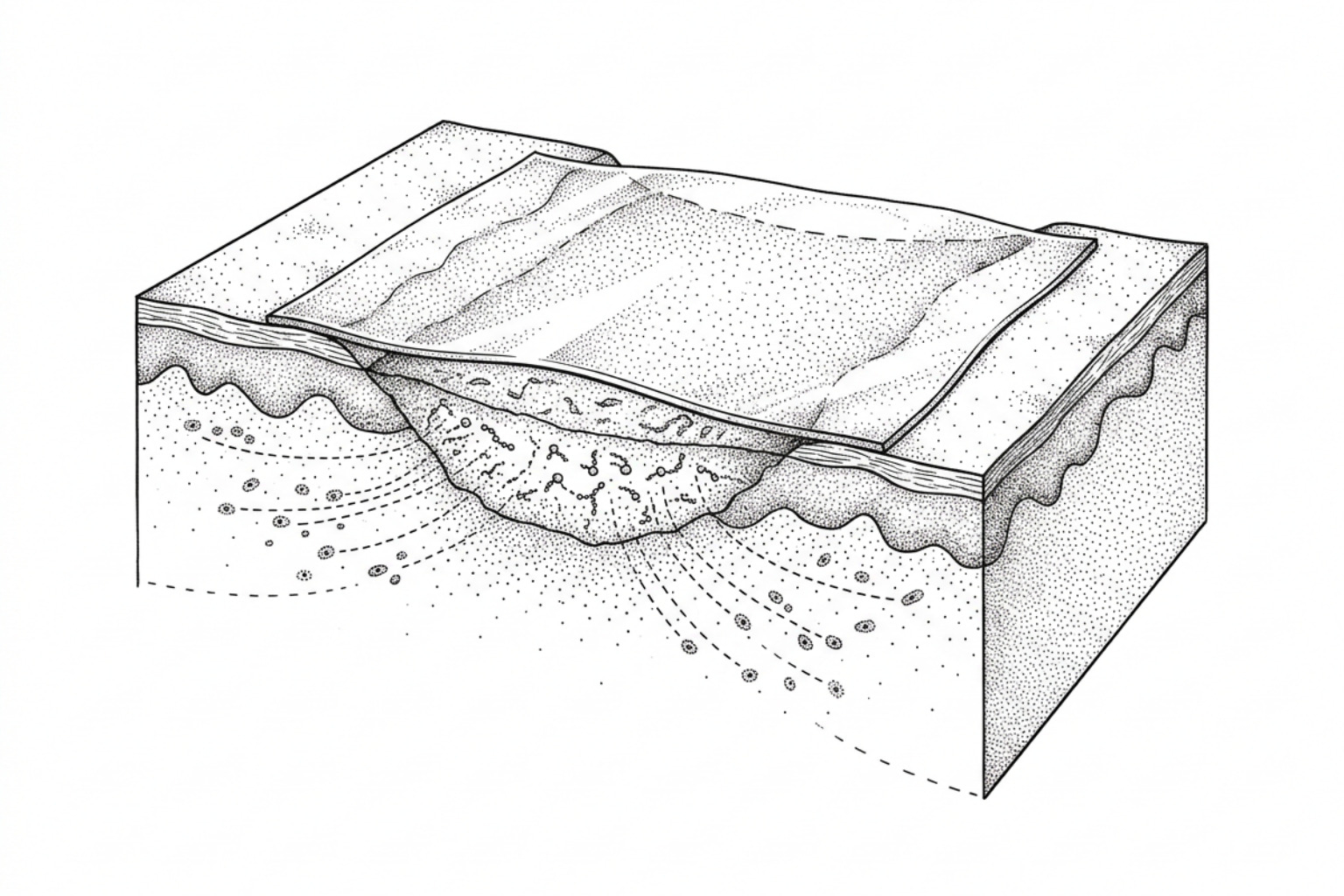
Beyond oral nutrition, modern clinical wound management increasingly explores engineered biomaterial dressings constructed directly from bioactive proteins and peptide complexes. A comprehensive 2024 review Study on bioactive animal proteins and peptides in tissue repair details how bio-extracted peptides—derived from marine collagen, silk fibroin, or insect proteins—can stimulate rapid re-epithelialization when applied topically. However, current evidence for these bioactive peptides remains preliminary, derived primarily from in-vitro cell cultures and small animal rodent models rather than extensive human clinical trials. While these preclinical studies demonstrate low immunogenicity and cellular migration across wound beds, human clinical trial data regarding optimal dosage and long-term safety remain limited.
Simultaneously, a 2024 scientific review on Trends in protein derived materials for wound care applications highlights advanced fabrication technologies like electrospinning, hydrogel cross-linking, and 3D bioprinting. These engineered protein scaffolds transform keratin, gelatin, and collagen into structural matrices that mimic native dermal tissue. Preclinical in-vitro assays and laboratory animal models indicate these scaffolds facilitate cell infiltration while maintaining a moist wound interface, though large-scale randomized human clinical trials are still required to confirm comparative clinical efficacy.
How collagen rebuilds skin during remodeling
The final remodeling phase of healing can continue for 12 to 24 months post-injury. During this period, the disorganized Type III collagen initially deposited in the wound bed is slowly degraded by matrix metalloproteinases and replaced by organized, stronger Type I collagen bundles.
Systemic amino acid availability plays a direct role in maintaining this enzyme equilibrium. Adequate protein nutrition ensures the body has the metabolic reserves required for ongoing collagen turnover. When balanced with appropriate mechanical care, optimal nutrition helps scar tissue align parallel to skin tension lines, improving overall pliability and cosmetic outcomes. Patients seeking to optimize this phase can learn more about clinical techniques in How to Improve Collagen Remodeling in Scars and protective measures outlined in How to Protect Healing Skin.
Common questions about protein and healing
Can you eat too much protein?
In individuals with healthy, unimpaired kidney function, temporary dietary protein elevations (up to 2.0 g/kg/day) to support wound healing are generally well-tolerated and safe. However, consuming excessive amounts far beyond clinical guidance does not accelerate repair and can place unnecessary demands on renal filtration. High protein intake also increases urea production, which raises systemic fluid requirements; individuals boosting protein consumption must increase fluid intake concurrently to maintain proper hydration and metabolic equilibrium.
Signs you're not getting enough protein
Inadequate protein intake forces the body into a negative nitrogen balance, compelling it to break down existing skeletal muscle tissue (sarcopenia) to supply essential amino acids to the wound site. Clinical literature demonstrates that losing just 10% of lean body mass impairs baseline immune function, a 20% loss significantly slows wound closure, and a 30% depletion can halt wound healing entirely while predisposing the individual to new pressure injuries and secondary skin breakdown.
When to start extra protein before surgery
Nutritional support is most effective when addressed before tissue injury occurs. Whenever possible, optimizing protein intake should begin 1 to 2 weeks prior to elective surgical procedures to build systemic protein reserves. Following acute surgery or unexpected trauma, high-protein nutrition should resume as soon as the patient is cleared for oral intake or enteral feeding, supporting immediate hemostasis and inflammatory transitions. Patients can coordinate nutritional adjustments alongside topical scar care strategies detailed in When to Start Scar Treatment After Surgery.
Key takeaways for eating to heal
Protein in wound healing acts as a foundational biological driver, supplying the required amino acid substrates for cell multiplication, immune defense, capillary sprouting, and structural collagen assembly. From the initial inflammatory response to long-term scar maturation, keeping protein intake matched to wound severity helps prevent stalled recovery and supports resilient tissue repair.
Achieving optimal outcomes requires a holistic strategy: combining calculated daily protein targets with sufficient total calories, essential micronutrient cofactors, adequate hydration, and direct medical care under the guidance of a qualified clinical team. For further technical details regarding metabolic pathways, readers can explore the Comprehensive Guide to Protein Synthesis in Wound Healing.
This content is for informational purposes only and does not constitute medical advice. Consult a qualified healthcare professional for diagnosis and treatment.
Works Cited
- Chow, O., & Barbul, A. (2014). Immunonutrition: Role in Wound Healing and Tissue Regeneration. Advances in Wound Care, 3(1), 46–53.
- Demling, R. H. (2009). Nutrition, anabolism, and the wound healing process: An overview. Eplasty, 9, e9.
- Efron, D. T., & Barbul, A. (1998). Modulation of inflammation and immunity by arginine supplements. Current Opinion in Clinical Nutrition and Metabolic Care, 1(6), 531–538.
- Zubair, M., et al. (2024). Trends in protein derived materials for wound care applications. Biomaterials Science, 13(1), 130–160.
- Kaiser, M. J., et al. (2010). Frequency of malnutrition in older adults: A multinational perspective using the Mini Nutritional Assessment. Journal of the American Geriatrics Society, 58(9), 1734–1738.
- Chu, A. S., Delmore, B., & Chiu, E. S. (2024). High-Quality Dietary Protein: The Key to Healthy Granulation Tissue. Advances in Skin & Wound Care, 37(10), 520–527.
- Posthauer, M. E., et al. (2015). The role of nutrition for pressure ulcer management: National Pressure Ulcer Advisory Panel, European Pressure Ulcer Advisory Panel, and Pan Pacific Pressure Injury Alliance white paper. Advances in Skin & Wound Care, 28(4), 175–188.
- Fan, X., et al. (2024). The Promoting Effect of Animal Bioactive Proteins and Peptide Components on Wound Healing: A Review. International Journal of Molecular Sciences, 25(23), 12561.