Contracture Scars
Contracture scars form when healing skin tightens and shortens, most often after burns or wounds that cross a joint, and can limit movement. These articles cover why contractures develop, how to keep them from forming, and the treatments that release them, from splinting and pressure therapy to laser and surgical release.
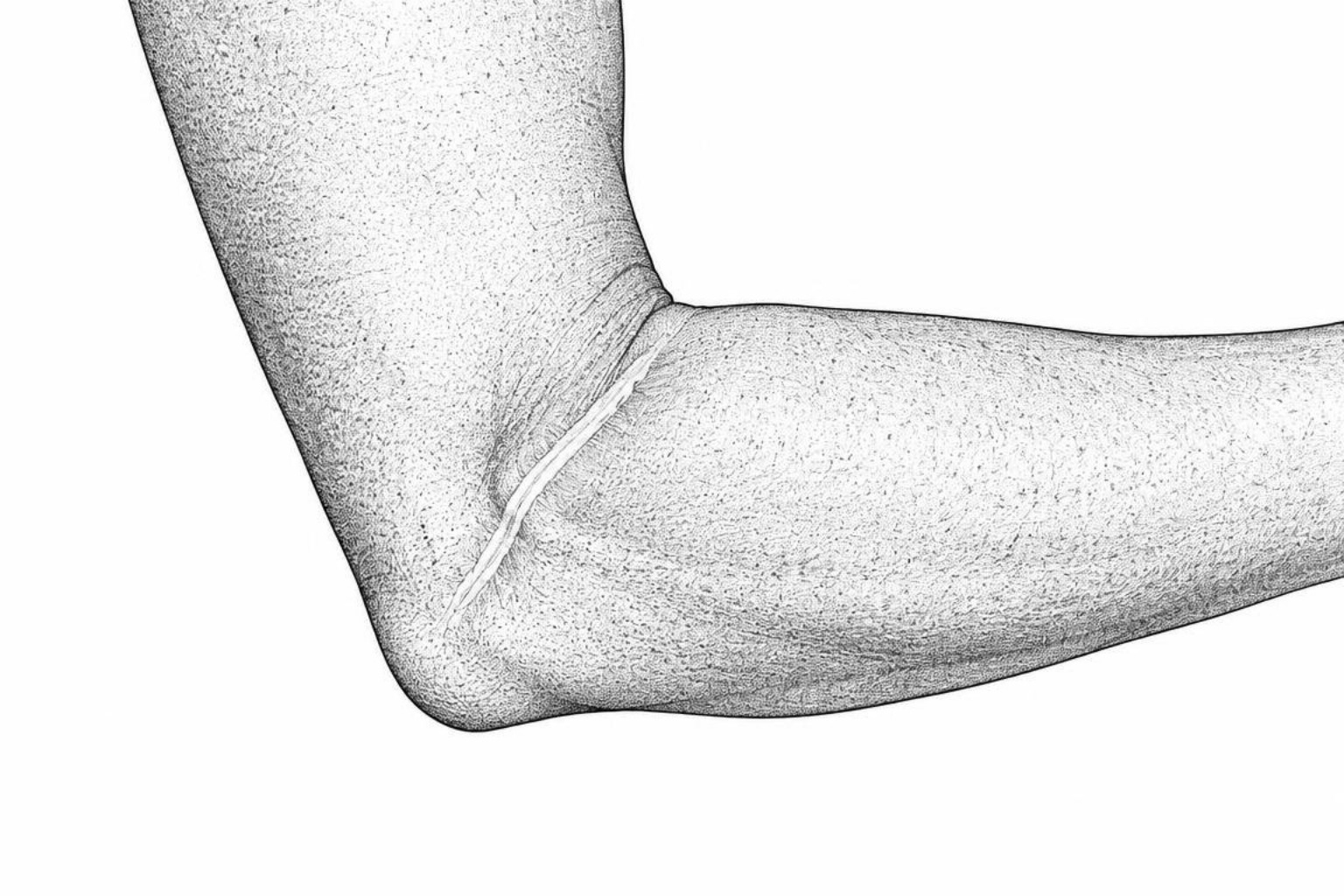
Why Skin Tightens: The Science of Contracture Scars
Deep burns, tissue loss and long immobilization can leave scar tissue that keeps contracting. This guide covers how contractures form, who is at risk, which joints are hit hardest and what limits them.
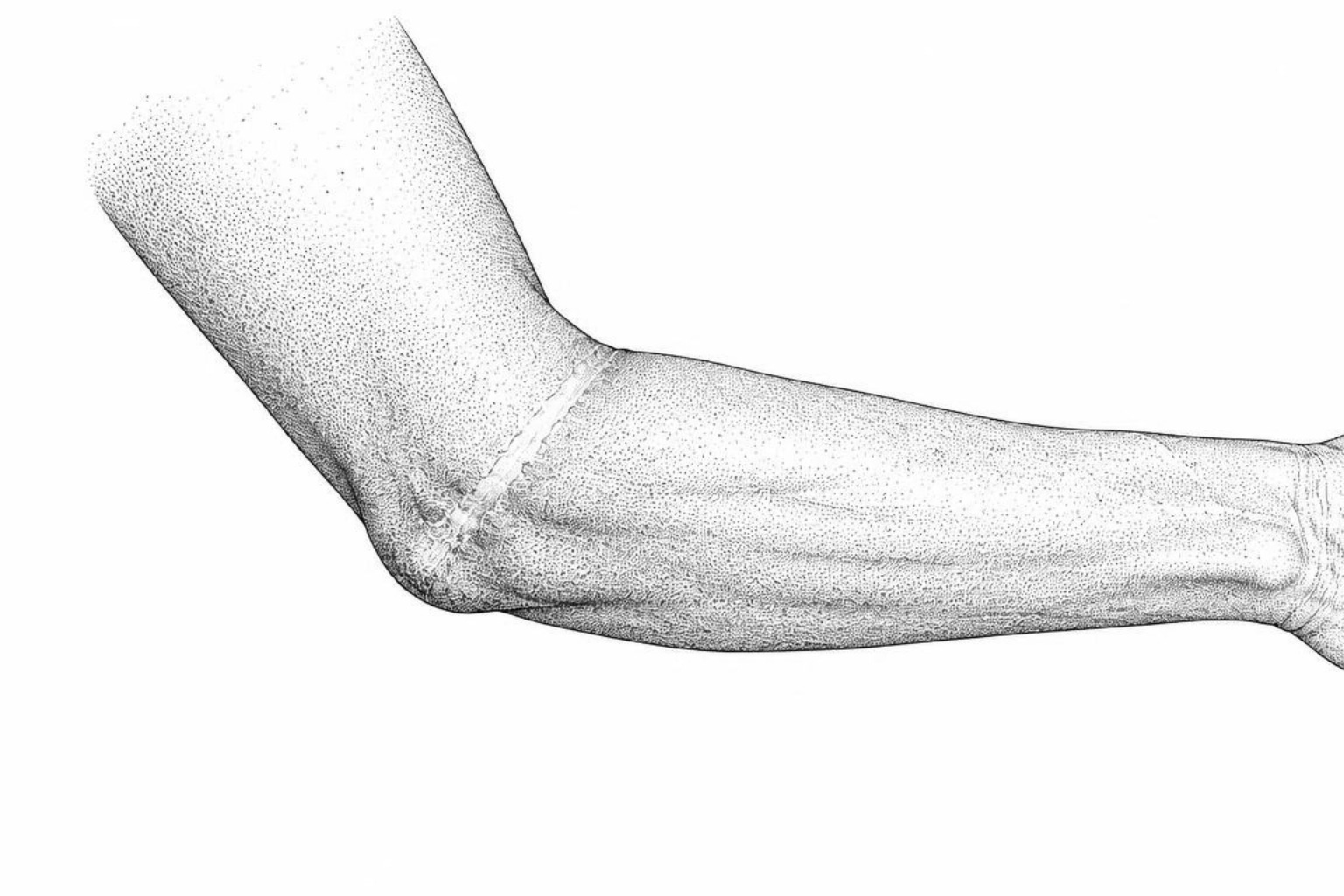
3 Reasons Contracture Scars Need Medical Support
Contracture scars tighten over time and can limit joint movement. This guide explains why they persist, which early steps slow them and when splinting, laser or surgery becomes necessary.
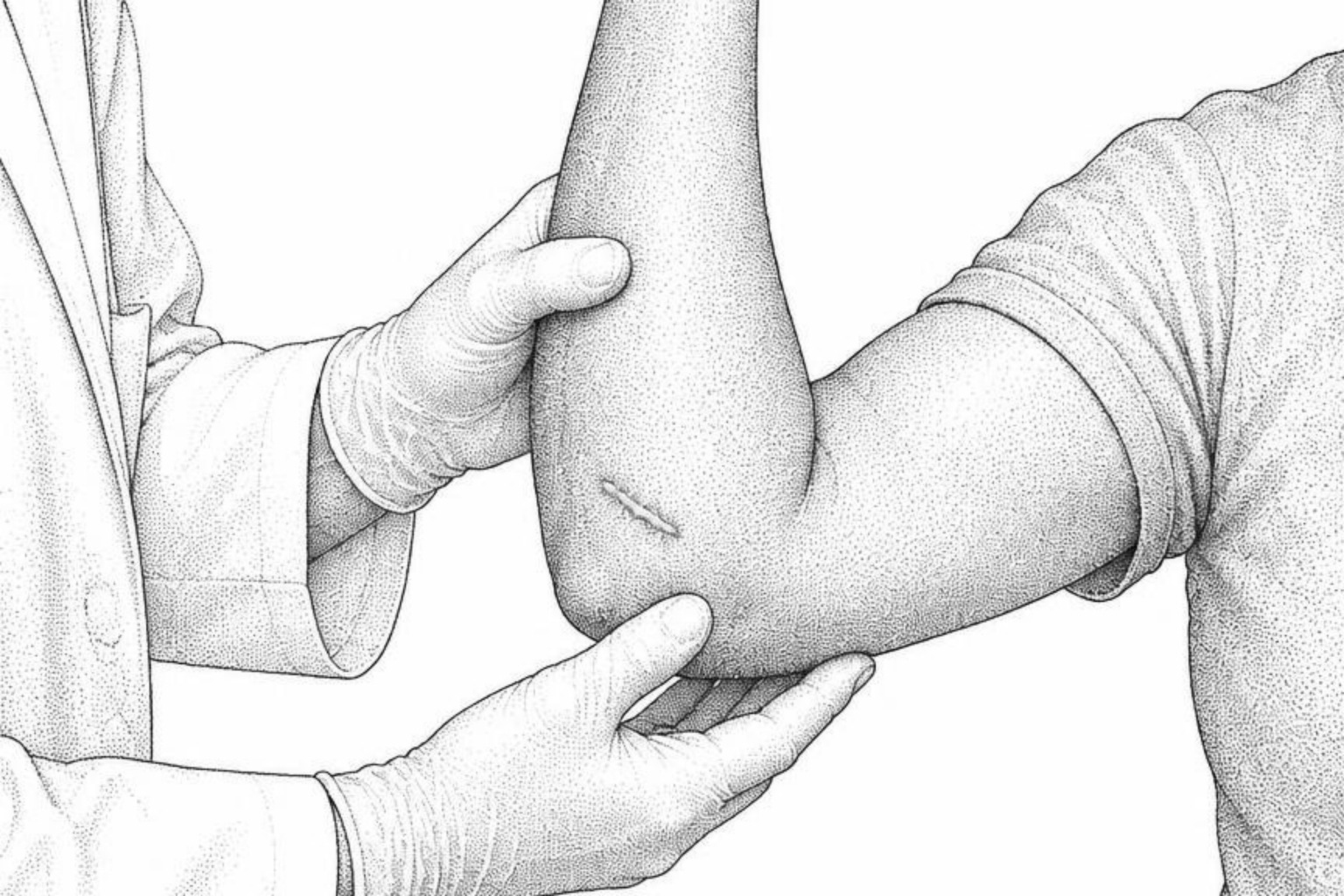
4 Ways Doctors Treat and Remove Contracture Scars
A contracture scar pulls skin tight across a joint and can limit movement. Doctors combine physical therapy, laser, injections and surgical release. Here is how each option works.
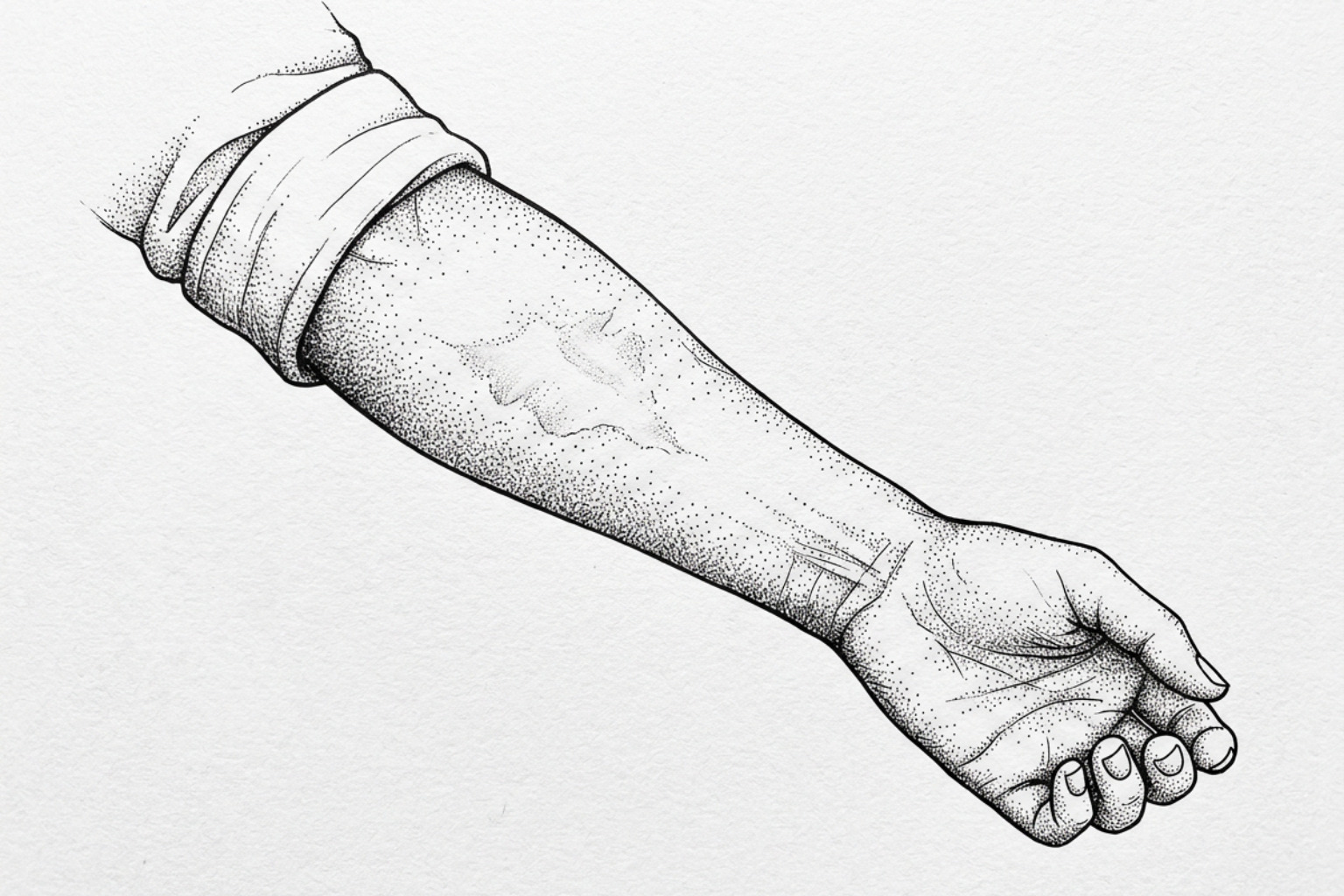
Assess Scar Vascularity and Pliability Throughout the Post-Burn Maturation Phase
Burn scars keep changing long after the wound closes: redder and firmer for the first few months, peaking around six months, then slowly softening over 12 to 24 months. Here is what clinicians watch for and what helps.
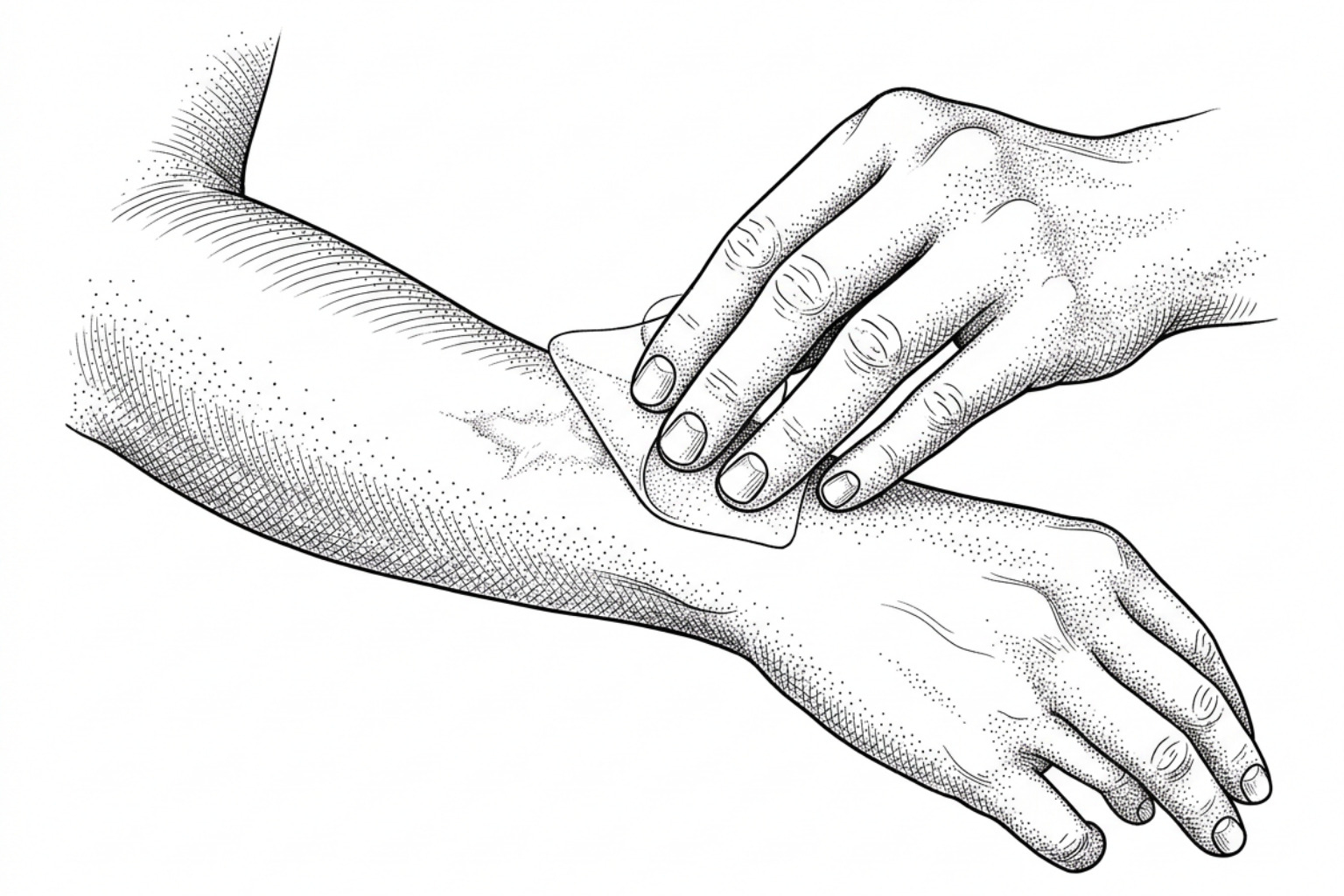
A Clinical Guide to Post-Burn Scar Reduction and Tissue Rehabilitation
No treatment erases a burn scar, but the right sequence reduces thickness, redness, tightness and itch. This guide covers silicone, pressure garments, massage, laser and injections, and when each should start.
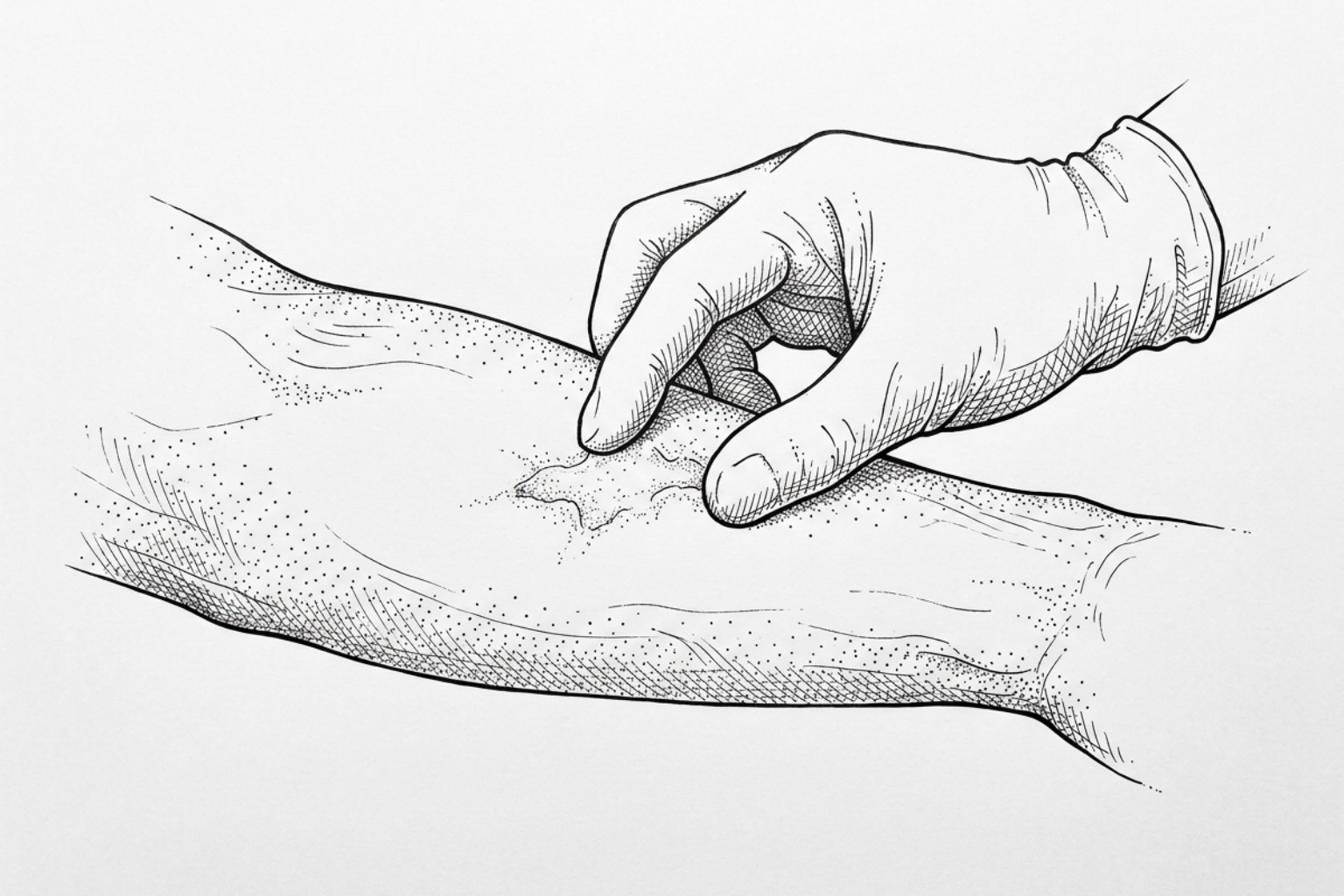
Clinical Measures for Preventing Contractures and Severe Scarring in Burn Wounds
Whether a burn scars depends largely on how fast it closes. Cool the burn, keep it clean and covered, and get deep burns seen early. Once closed, silicone, compression, massage and daily SPF 30+ do the rest.
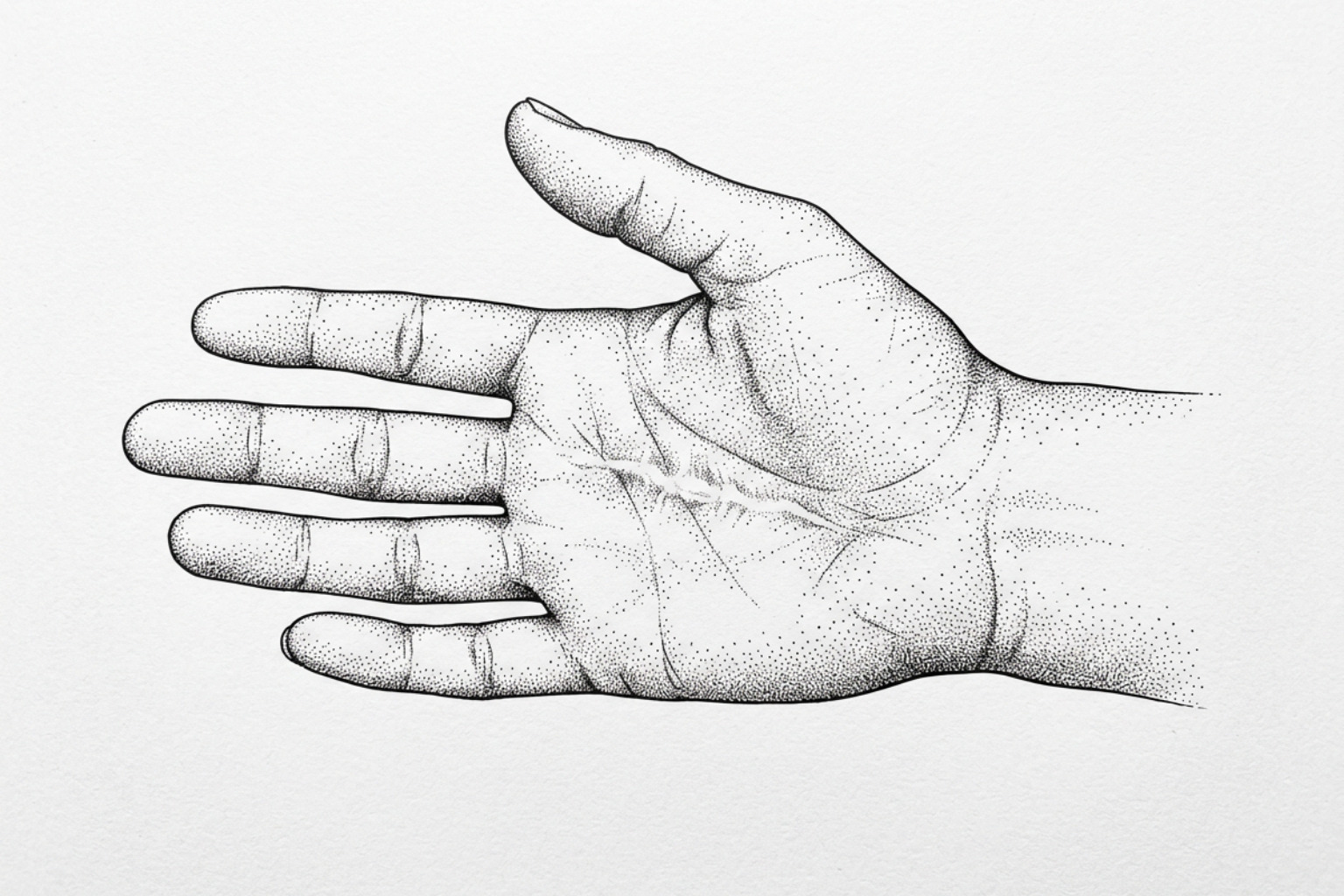
Why Burn Scars on the Hand Get Tight, and What Helps
A tight hand burn scar can limit grip, finger movement and thumb use. Early depth assessment, splinting and hand therapy protect function; laser and surgical release step in when fingers are pulled out of position.
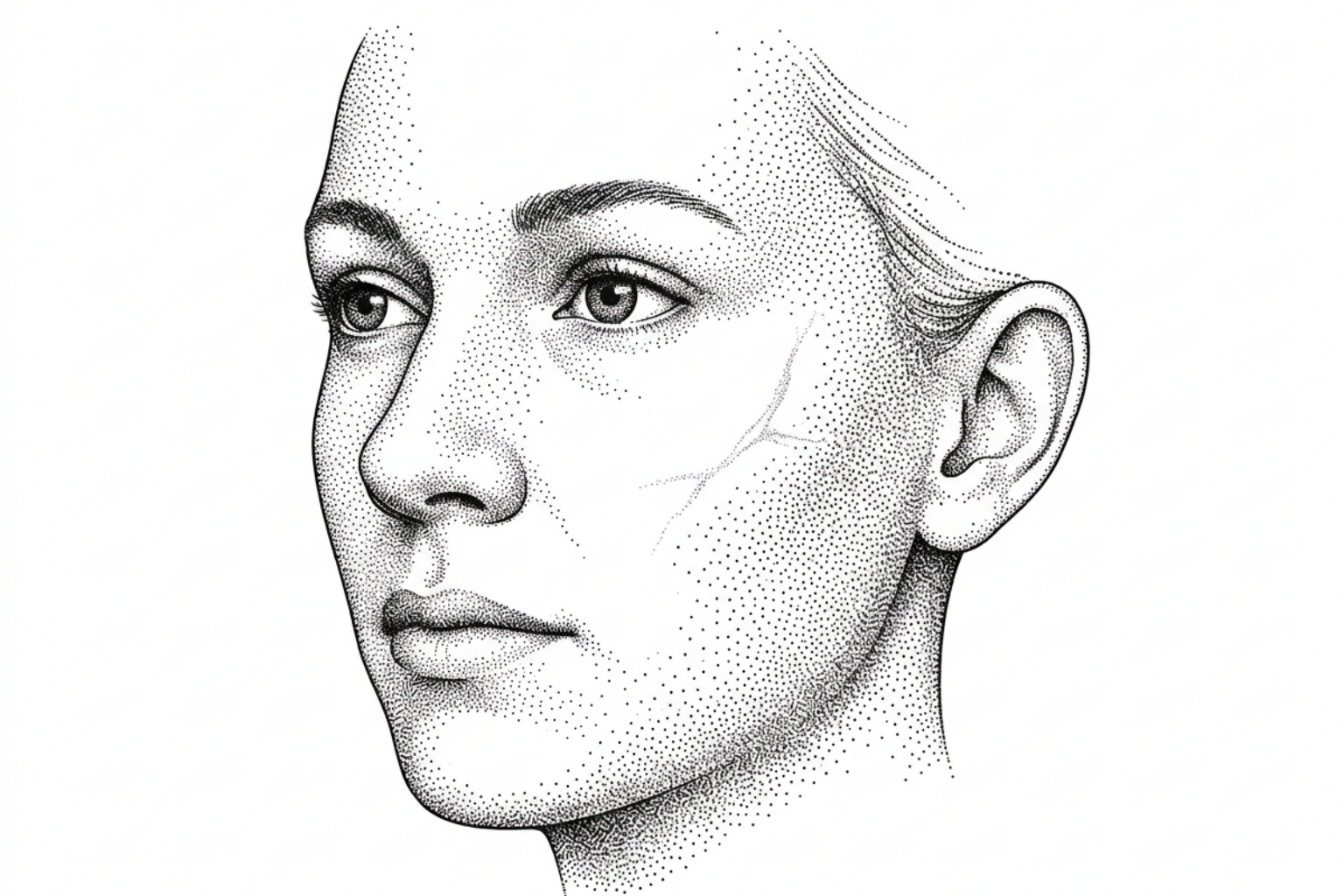
Optimizing Aesthetics and Tissue Elasticity in Post-Burn Facial Scarring
Facial burn scars are treated for function first: eyelids, mouth and nose take priority. This guide covers silicone and pressure therapy, fractional laser, grafts and flaps, and the 12 to 24 month maturation timeline.
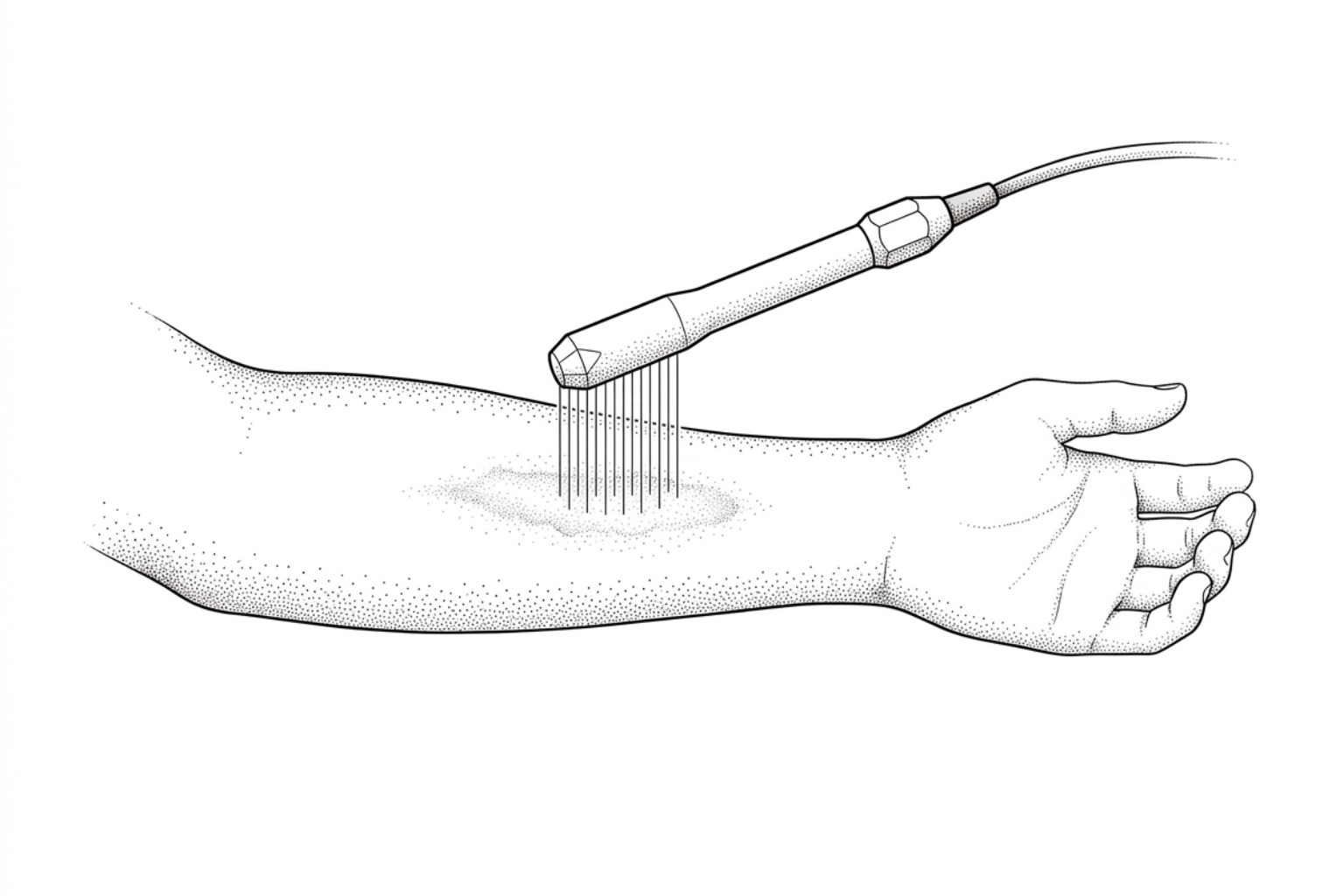
3 Laser Modalities Evaluated for Burn Scar Pliability and Texture Improvement
Three lasers do three different jobs on a burn scar: fractional CO2 releases tight collagen, pulsed dye calms redness, Er:YAG smooths texture. Here is how they compare, how many sessions to expect, and when to start.
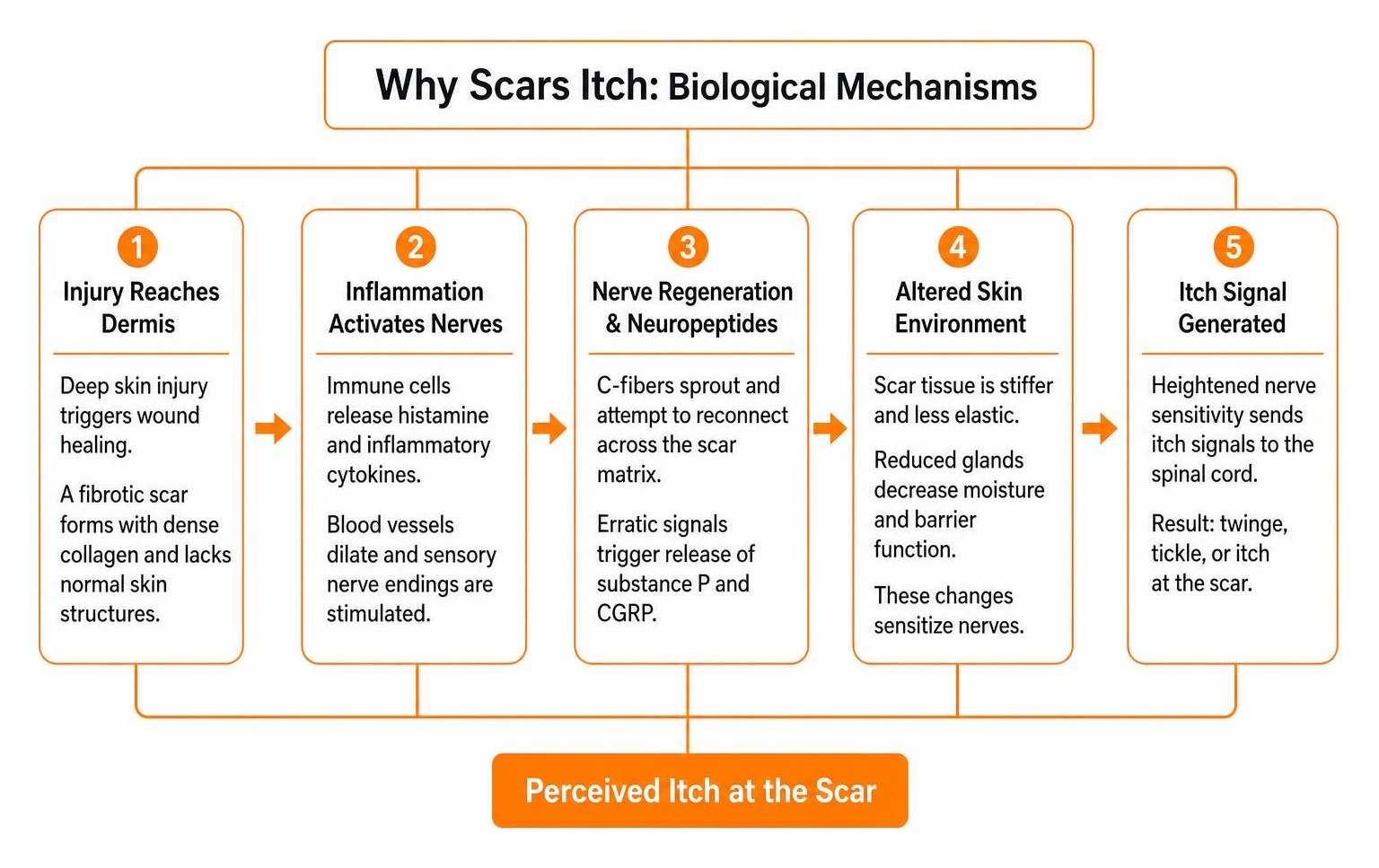
A Comprehensive Guide to Why Scars Itch: Mechanisms and Evidence
An itchy scar is usually a sign of nerves regrowing and skin that has lost its ability to hold moisture. Here is what drives scar itch, which remedies hold up to evidence, and the warning signs worth a doctor's visit.
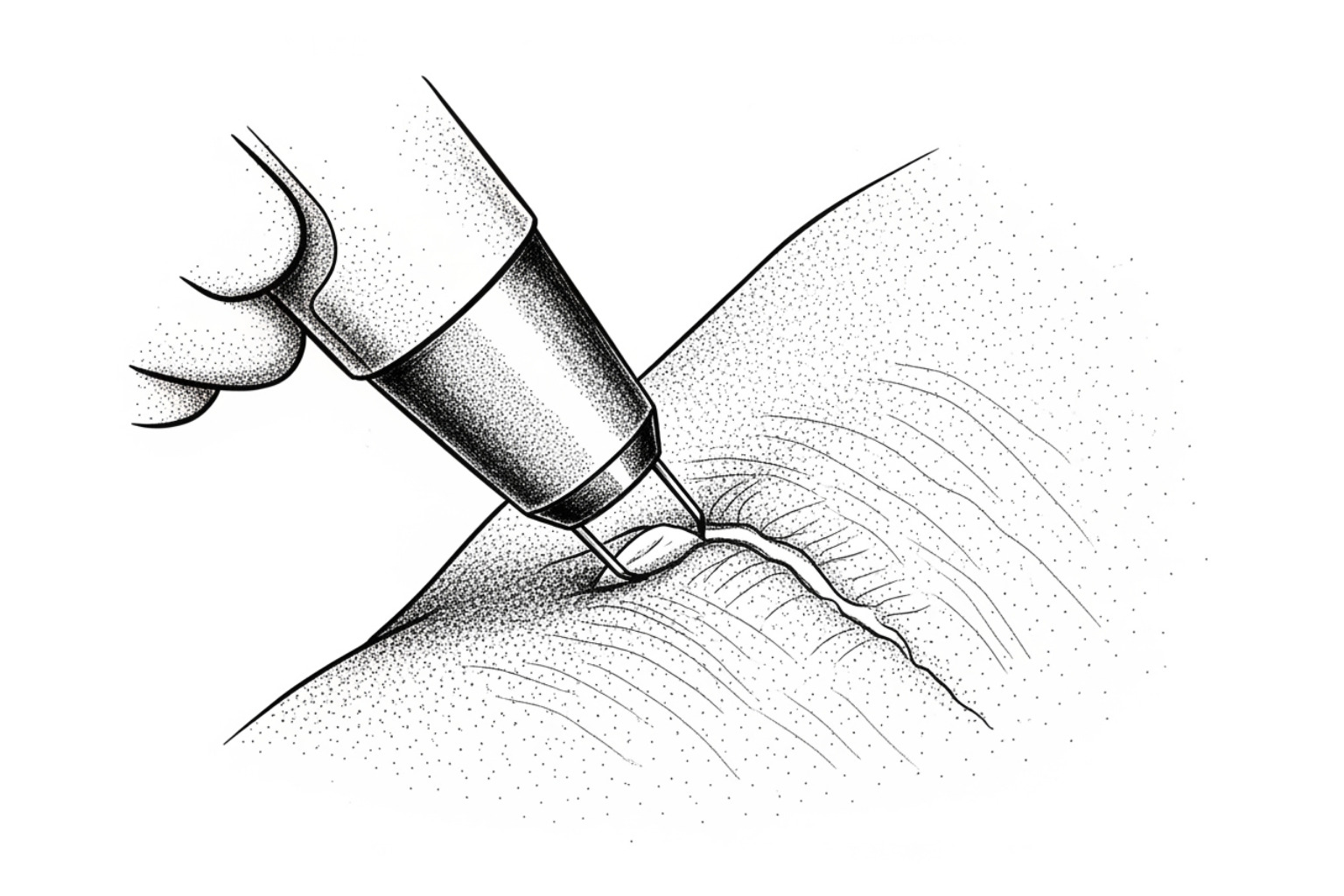
In-Depth Guide to Burn Scar Laser Treatment
Laser can soften a burn scar's thickness, calm its redness and ease itch, but the right device and the right timing matter. Here is how fractional CO2, pulsed dye and Er:YAG compare, and what a course of treatment involves.
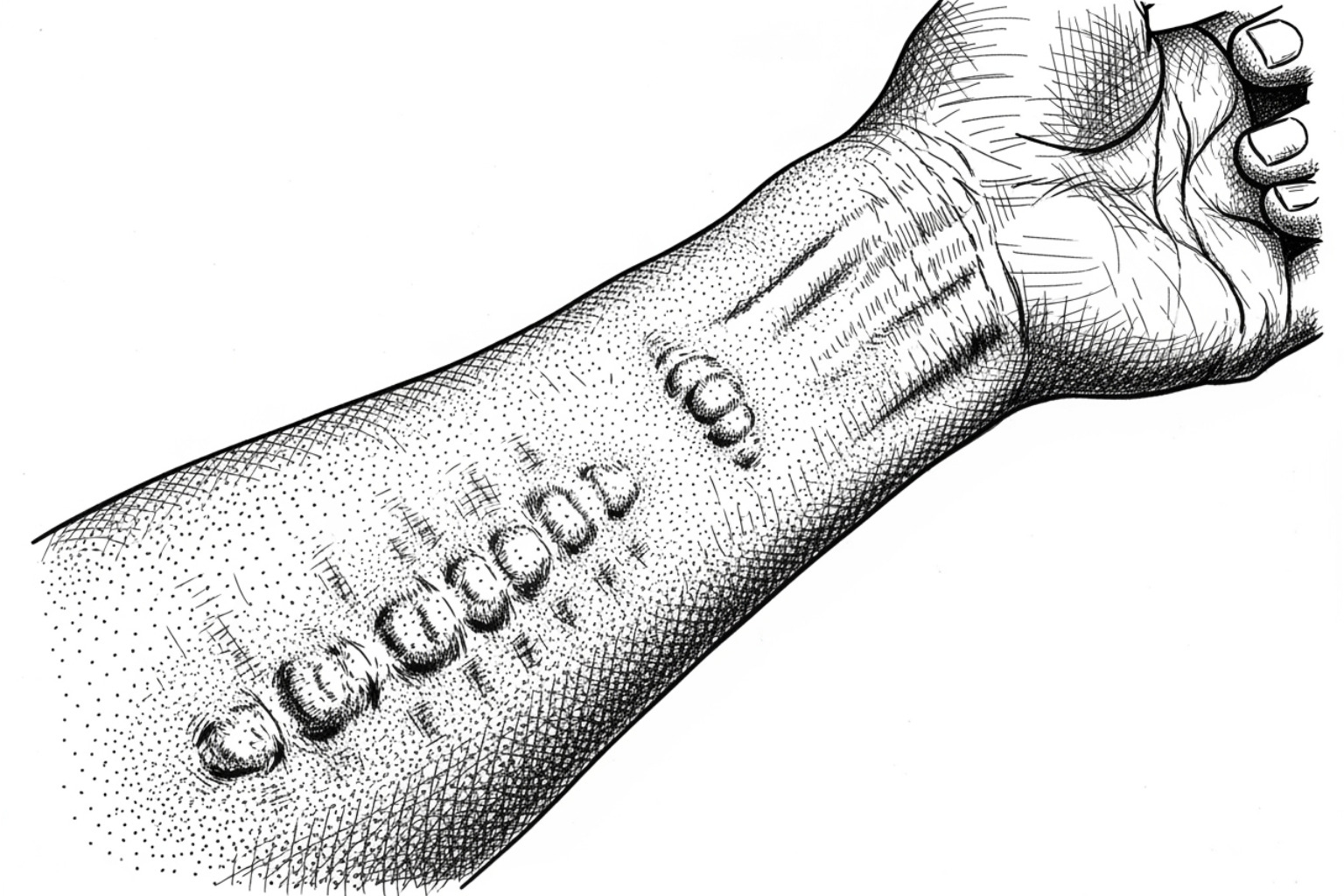
The Definitive Guide to Best Burn Scar Treatments
Evidence-based guide to the most effective burn scar treatments, from silicone sheets and pressure garments to laser therapy and surgical revision.