Keloid Scars
Information on keloid scars — raised, thickened scars that grow beyond the original wound — and how to treat and prevent them.
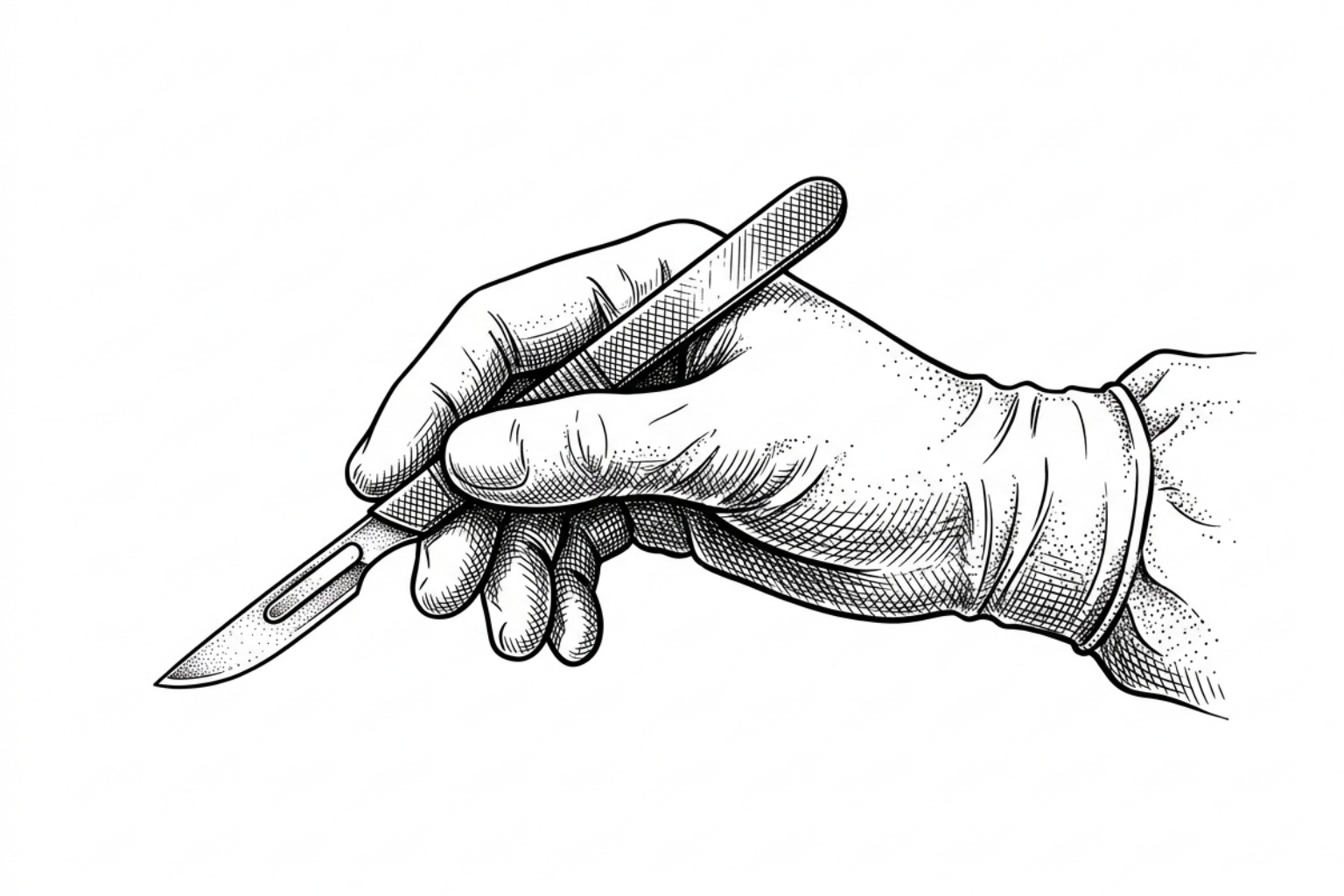
The Great Debate of Scar Gels vs Creams in Modern Protocols
Dermatology protocols favor silicone gels and sheets as first-line scar treatment. This guide compares clinical evidence for gels, sheets, lasers, and injections across every healing stage.
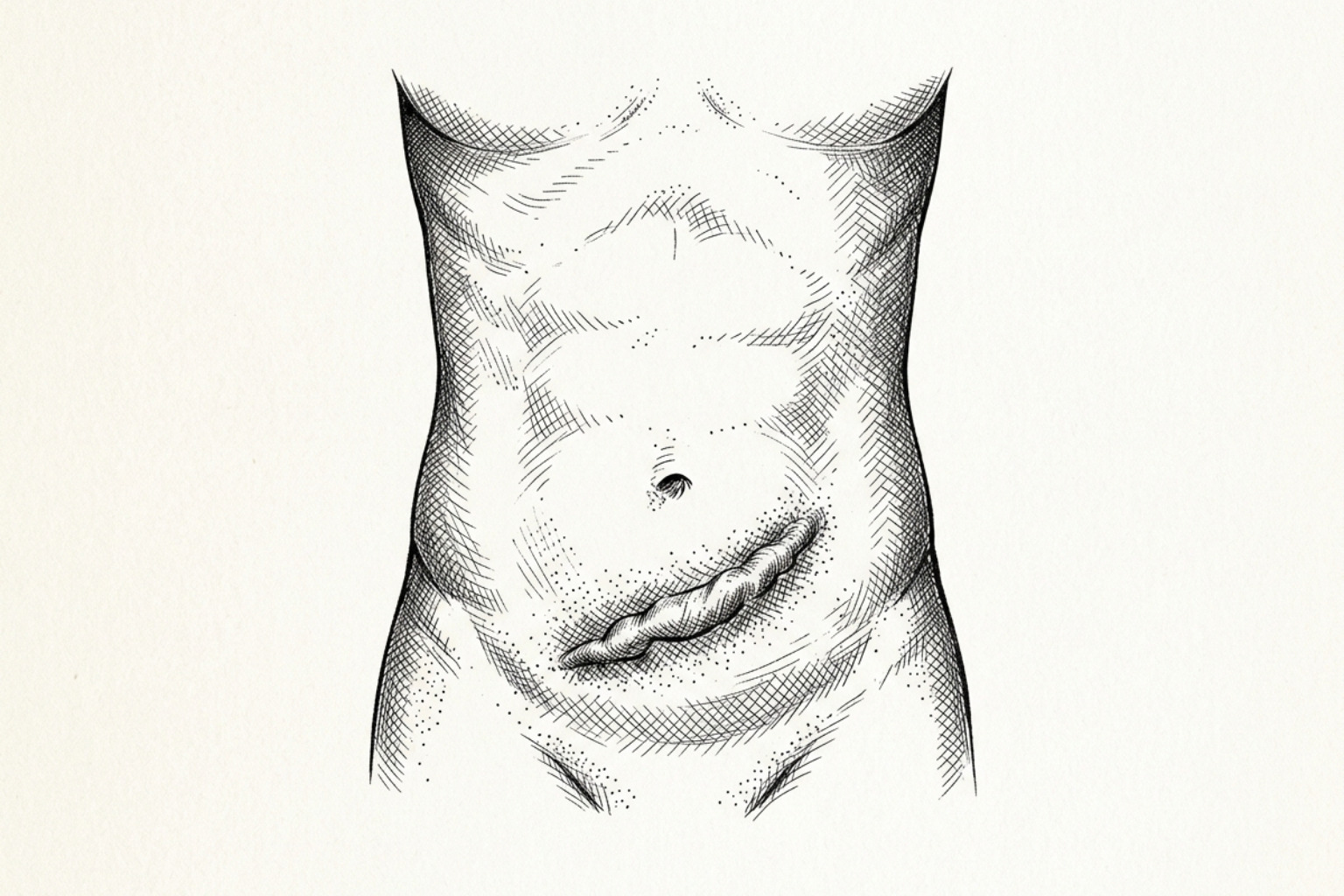
How to Say Goodbye to Stubborn Abdominal Keloids
Abdominal keloids are notoriously stubborn, but combination therapies — silicone, steroid injections, and surgery with adjuvant radiation — can achieve lasting reduction.
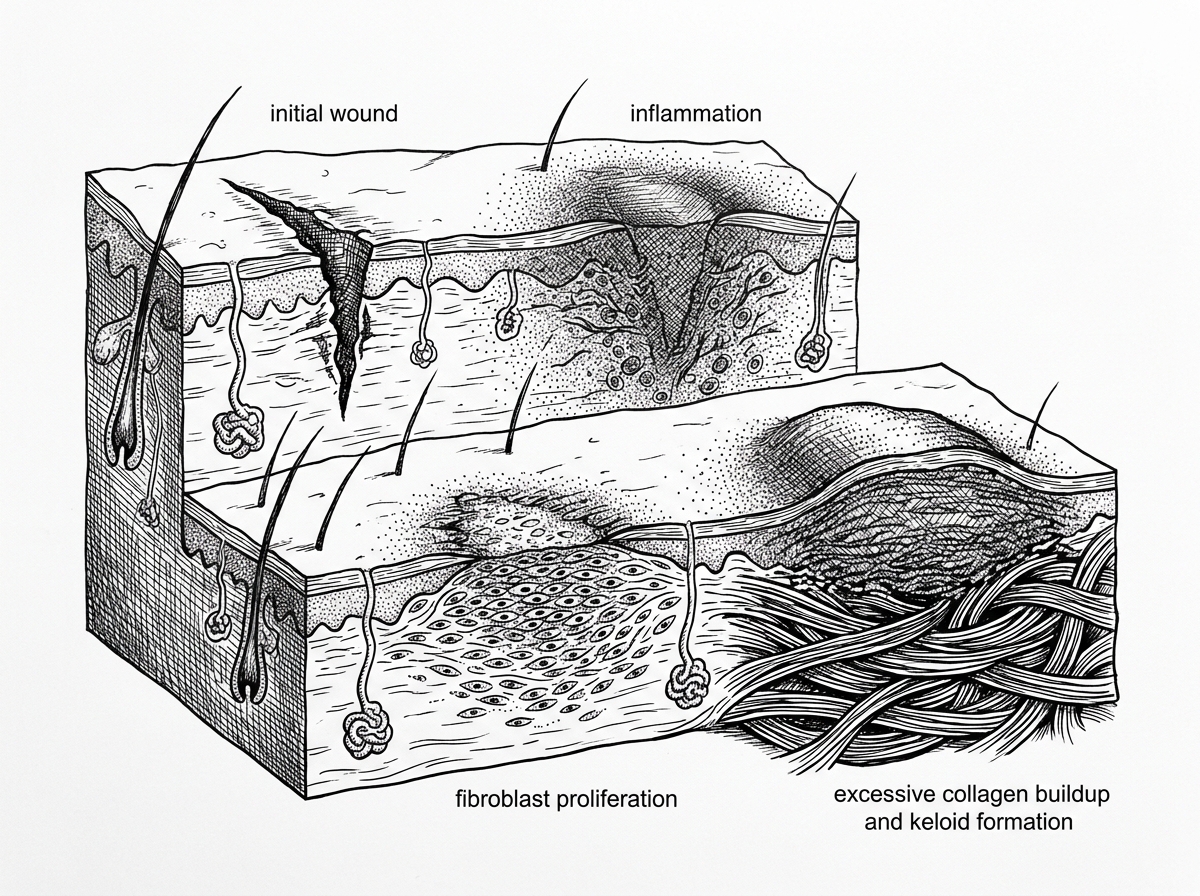
The Biological Roadmap of Your Healing Scars
Keloid scars develop through predictable biological stages — but in predisposed individuals, each stage goes wrong in specific ways. Discover the science behind keloid formation and what it means for treatment.
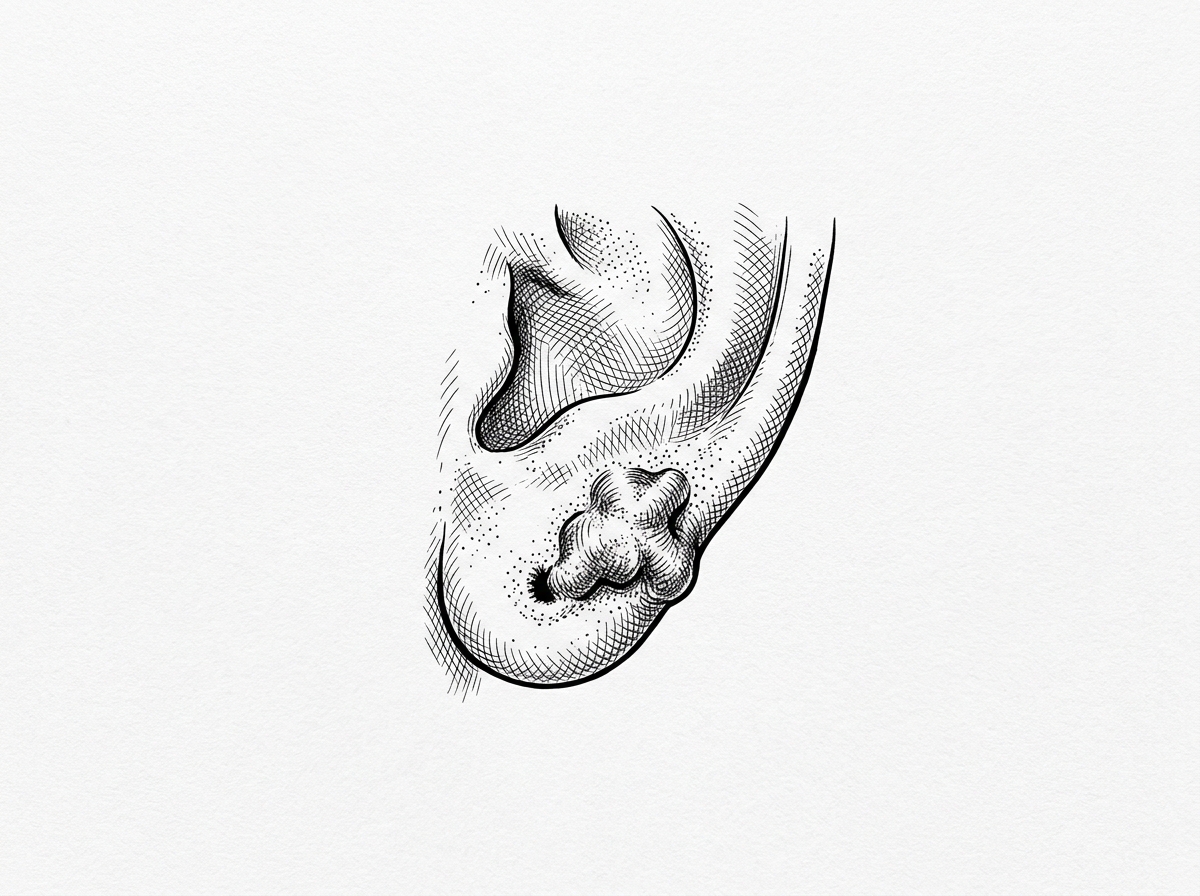
Piercing Problems: Non-Surgical Ways to Kiss Your Keloids Goodbye
Keloids can be treated without going under the knife. Explore evidence-based non-surgical options including silicone therapy, corticosteroid injections, and cryotherapy for piercing-related keloids.

Silicone Gel for Hypertrophic Scars: What the Evidence Says
Raised keloid and hypertrophic scars keep growing beyond the wound edge. Learn evidence-based strategies to stop their growth using silicone, injections, and other proven therapies.

Say Goodbye to Keloids Without the Surgery
Surgery isn't the only option for keloids. Explore non-invasive treatments like silicone sheets, corticosteroid injections, and cryotherapy that can reduce keloid size and symptoms.

Acne Keloid Scars: Should You Microneedle or Move On?
Microneedling can help some acne scars, but keloids are a different story. Learn when microneedling is safe for acne keloid scars and when alternative treatments are the smarter choice.

Laser for Keloid Scars: Can You Really Flatten Them?
Keloid scars are notoriously hard to treat, but laser therapy can reduce their size, redness, and firmness. Here's what the evidence shows about using lasers on keloids.