The Lowdown on C-Section Revision
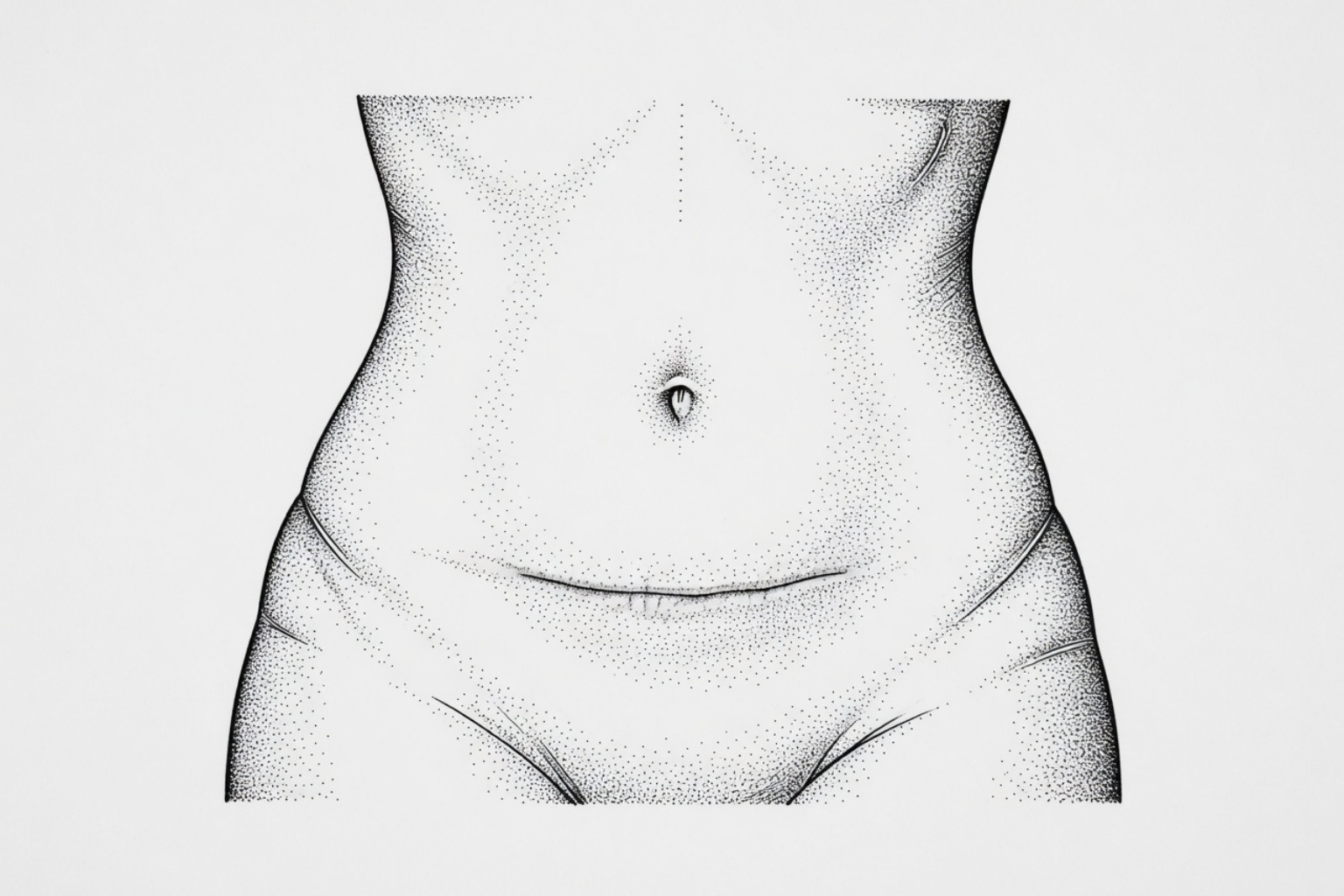
A complete walkthrough of C-section scar revision methods, from surgical re-closure and Z-plasty to fractional laser resurfacing, with recovery timelines and realistic expectations.
What Is C-Section Revision and Who Should Consider It?
C-section revision is a clinical procedure — surgical or non-surgical — designed to improve the appearance or function of a scar left behind after a Cesarean delivery.
Here is a quick overview of what it involves:
| Aspect | Key Facts |
|---|---|
| Who it's for | People with painful, raised, indented, or functionally limiting C-section scars |
| When to consider it | At least 6-12 months postpartum, once the scar has fully matured |
| Main approaches | Surgical excision, laser therapy, steroid injections, microneedling |
| Recovery time | 1-2 weeks for initial healing; full scar maturation up to 1-2 years |
| Insurance coverage | Possible if the scar causes chronic pain or functional impairment |
C-sections account for roughly 30% of all deliveries in the United States, according to CDC data. That means millions of women each year are left with an abdominal scar that can vary enormously in how it heals.
Some scars settle flat and fade quietly. Others become raised, thickened, or tethered — pulling at the skin, causing discomfort, or forming an overhanging "pooch" of tissue above the incision line.
The emotional dimension matters too. A scar that affects body confidence or causes daily physical discomfort is a legitimate clinical concern, not a superficial one.
Understanding the biology of how C-section scars form — and what evidence-based options exist for improving them — is the foundation of any informed decision about revision.
Simple c section revision glossary:
How Much Does C-Section Scar Revision Cost?
C-section scar revision is almost always classed as cosmetic, so most health plans do not cover it unless the scar causes documented functional problems such as chronic pain, tethering, or a skin fold that will not heal. Out-of-pocket cost depends heavily on the technique and whether it is combined with a body-contouring procedure. The ranges below reflect published U.S. pricing; surgical figures are typically surgeon’s fees and may exclude anesthesia and facility costs.
| Approach | Typical U.S. cost | Notes |
|---|---|---|
| In-office surgical scar revision (excision) | ~$500–$2,000 | ASPS national average surgeon’s fee for scar revision is ~$1,950; excludes anesthesia/facility |
| Full C-section scar revision (surgeon + anesthesia + facility) | ~$2,000–$5,000 | Varies by geography, scar size, and technique |
| Laser resurfacing (non-surgical) | ~$200–$3,400 per session | Fractional CO2 typically $750–$2,500/session; usually 3–6 sessions |
| Combined with mini tummy tuck | ~$6,000 | Addresses lower-abdominal skin laxity at the same time |
| Combined with full abdominoplasty | ~$8,000–$15,000+ | Cosmetic; national average abdominoplasty surgeon’s fee ~$8,174 (ASPS) |
For most people whose only concern is the appearance of the scar itself, an in-office revision or a course of laser resurfacing is the lower-cost path. Combining revision with a tummy tuck raises the price substantially but addresses post-pregnancy skin laxity in a single recovery. Always confirm exactly what a quoted price includes — surgeon’s fee, anesthesia, and facility fees are often billed separately.
When revision is worth considering
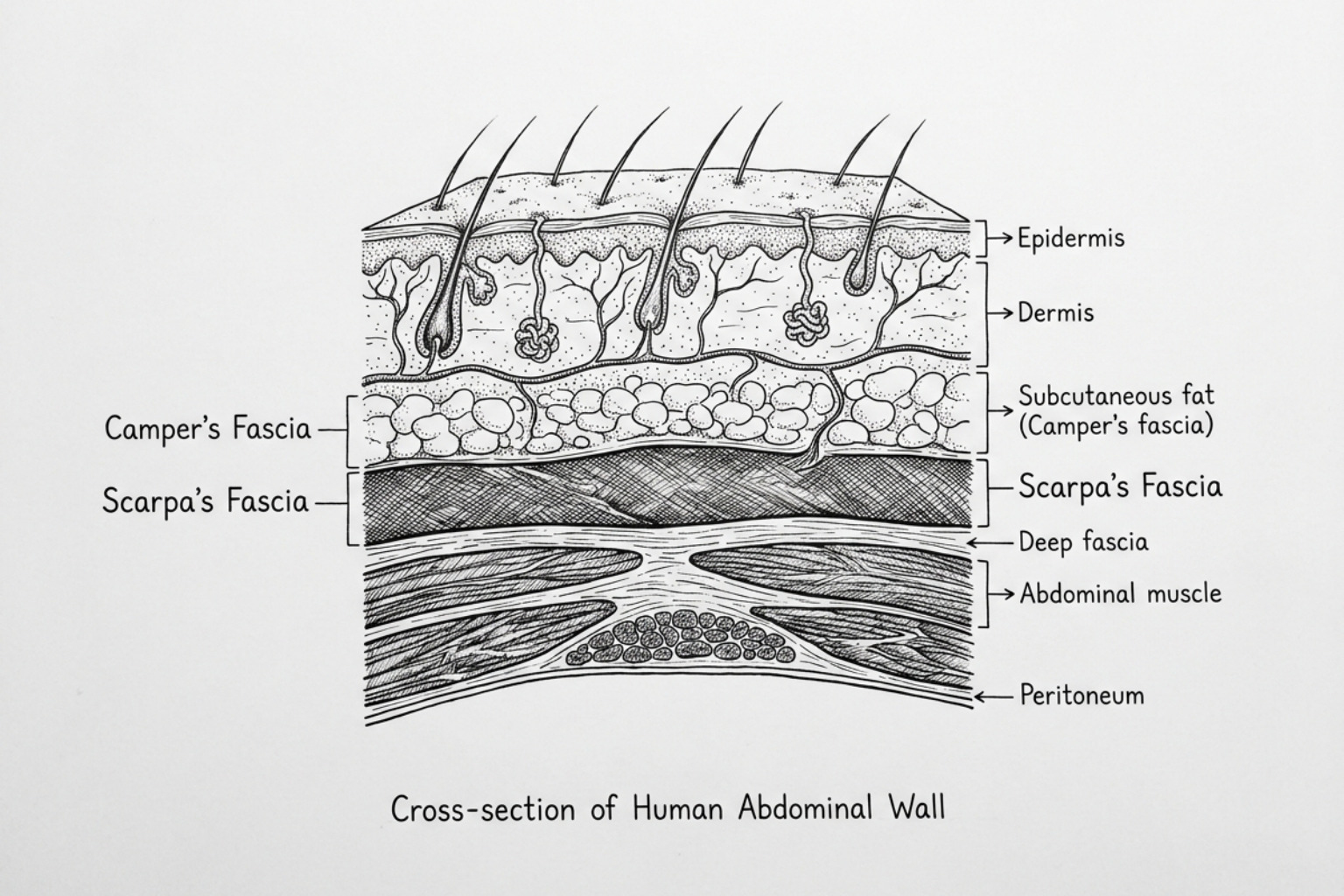
When a Cesarean section is performed, the surgeon must navigate multiple layers of tissue, including the skin, subcutaneous fat, and the abdominal wall. The way these layers are re-approximated during the initial surgery significantly influences the final appearance of the scar. Clinical indications for c section revision generally fall into two categories: aesthetic dissatisfaction and functional impairment.
Aesthetic Concerns and the "Pooch" Effect
One of the most common reasons for seeking revision is an indented or "tethered" scar. This often occurs due to the healing of Scarpa’s fascia, a dense layer of connective tissue within the abdominal wall. If this fascia is not precisely aligned during closure, it can adhere to the underlying muscle or the overlying skin. This creates a "step-off" or shelf-like appearance, where a fold of skin and fat hangs over the scar line, often referred to as a "C-section pooch."
Other aesthetic concerns include:
- Hypertrophic Scarring: Thick, raised, or red tissue that remains within the boundaries of the original incision.
- Keloid Formation: Overgrowth of scar tissue that extends beyond the original wound, more common in individuals with darker skin tones.
- Asymmetry: An uneven or slanted scar line resulting from the speed often required during emergency procedures.
Ongoing pain and pulling
Beyond aesthetics, many seek c section revision to address physical symptoms. According to the Cleveland Clinic, surgical scars can lead to several long-term complications.
Nerve Entrapment and Adhesions As scar tissue matures, it can trap small cutaneous nerves, leading to chronic pain, "electric shock" sensations, or localized numbness. Internally, adhesions (bands of fibrous tissue) can form between the abdominal wall and pelvic organs. These adhesions may cause a pulling sensation during exercise or even impact bowel and bladder function.
Irritation and Hygiene Deeply indented scars can create a skin fold that traps moisture, leading to chronic itchy scar relief, fungal infections, or dermatitis. In these cases, revision is often considered medically necessary to maintain skin integrity.
To understand the current state of a scar, a professional scar assessment is the first step in determining whether the issue is purely superficial or involves deeper abdominal scars tissue.
Surgical vs. non-surgical C-section revision
Modern medicine offers a spectrum of interventions ranging from non-invasive energy-based therapies to comprehensive surgical remodeling. The choice of technique depends on the scar’s maturity, thickness, and the presence of excess skin.
Surgical Excision and Layered Closure
Surgical c section revision remains the gold standard for correcting indented or tethered scars. The procedure involves:
- Excision: The old scar tissue is surgically removed.
- Release of Adhesions: If the scar is tethered to the fascia, the surgeon carefully separates the skin from the underlying muscle.
- Layered Re-approximation: This is the most critical step. The surgeon uses advanced suturing techniques to close the wound in layers, ensuring that the Scarpa’s fascia, fat, and skin are perfectly aligned. This reduces tension on the surface, which is the primary driver of thick scar formation.
Z-Plasty and W-Plasty
For scars that are under high tension or run against the natural tension lines of the skin, surgeons may use geometric techniques like Z-plasty. By creating small triangular flaps, the surgeon can redirect the scar, making it less visible and more flexible. This is particularly useful for improving mobility in cases where the scar feels "tight."
Laser Therapy and Energy Devices
For patients who wish to avoid further surgery, laser treatment for surgical scars offers a powerful alternative.
- CO2 Lasers: Use ablative energy to vaporize columns of tissue, triggering a massive collagen remodeling response. This is highly effective for smoothing texture and flattening raised scars.
- Vbeam (Pulsed Dye Laser): Targets the blood vessels within the scar. It is the preferred method for red scar fading.
- Fractional Non-Ablative Lasers: These require less downtime and are often used for dark scar removal methods or minor texture adjustments.
Injectables and Subcision
- Steroid Injections: Corticosteroids like triamcinolone can be injected directly into hypertrophic scars to break down excess collagen and flatten the tissue.
- Subcision: A needle is used to break the fibrous bands tethering the scar to deeper tissue. Research on subcision after one session shows it can significantly lift indented scars.
How Do C-Section Revision Options Compare?
| Technique | Best For | Recovery Time |
|---|---|---|
| Surgical Excision | Indented, wide, or tethered scars | 1-2 weeks |
| CO2 Laser | Surface texture and minor thickening | 5-7 days |
| Steroid Injections | Raised, itchy, or red hypertrophic scars | None |
| Microneedling | Minor texture issues and pigment | 1-2 days |
For a deeper dive into these options, consult the surgical scar revision complete guide.
Patient Candidacy for c section revision
Not every postpartum individual is an immediate candidate for c section revision. Clinical guidelines emphasize several prerequisites to ensure safety and the longevity of results.
The 6-12 Month Wait Biological scar maturation is a slow process. In the first few months, a scar may appear red and lumpy but naturally flatten over time. Most surgeons require a minimum wait of 6 months, and ideally 12 months, before intervening. This ensures the tissue has regained its strength and the inflammatory phase of healing has subsided.
Nicotine and Vascular Health Nicotine is a potent vasoconstrictor that severely impairs wound healing. Clinical protocols typically require patients to be nicotine-free for at least 6 weeks before and after surgery. Failure to do so significantly increases the risk of skin necrosis (tissue death) and wound dehiscence (the wound opening back up).
Future Pregnancy Considerations According to the Mayo Clinic, repeat C-sections increase the risk of adhesions and placenta complications. If a patient plans to have more children in the near future, surgical revision is generally discouraged. The next C-section will likely use the same incision line, effectively "resetting" the scar. However, non-invasive options like postpartum scar reduction cream or light laser therapy may still be appropriate.
Recovery timeline: what to expect
Recovery from c section revision is often described as significantly easier than the original C-section because the abdominal muscles and uterus are not being incised. However, the skin still requires a structured protocol to heal optimally.
The Phases of Healing
- Inflammatory Phase (Days 1–5): The body sends white blood cells to the area. Some swelling and redness are expected.
- Proliferative Phase (Weeks 1–6): New collagen is laid down. This is the "fragile" stage where avoiding heavy lifting is crucial. Guidelines generally advise against lifting more than 15 pounds for the first 4 weeks to prevent the scar from stretching.
- Remodeling Phase (Months 3–24): This is the longest phase. The body replaces disorganized collagen with a more structured matrix. The scar will gradually change from red or purple to a pale, silvery white.
Aftercare for the best results
Clinical outcomes are often improved when surgery is combined with post-surgery scar care.
- Silicone Therapy: Medical-grade silicone is the only topical treatment with a high level of clinical evidence for scar reduction. Using a hypertrophic scar silicone gel or sheets helps hydrate the tissue and normalize collagen production.
- Scar Tissue Massage: Once the wound is fully closed (usually around week 3-4), scar tissue massage therapy can help break up internal adhesions and improve the flexibility of the abdominal wall.
- Sun Protection: UV exposure can cause permanent hyperpigmentation in a healing scar. Keeping the area covered or using high-SPF sunscreen is mandatory for at least one year.
Long-Term Results of c section revision
While c section revision can dramatically improve the contour and color of the abdomen, it is important to maintain realistic expectations. A surgical revision replaces one scar with a new, more meticulously created scar; it does not eliminate the mark entirely.
Over 12-24 months, the refined scar should blend more seamlessly with the surrounding skin. Results are generally permanent, provided the patient maintains a stable weight. Significant weight gain or subsequent pregnancies can stretch the new scar tissue, potentially causing it to widen or become hypertrophic again.
Scar revision vs. tummy tuck
For many women, the concern isn't just the scar itself, but the overall appearance of the lower abdomen. It is important to distinguish between a simple revision and more extensive body contouring procedures.
Scar Revision
- Scope: Only the scar and immediately adjacent tissue.
- Anesthesia: Often performed under local anesthesia or light sedation.
- Goal: Improve the line of the incision.
Mini Tummy Tuck
- Scope: Removes the old scar and a small "ellipse" of excess skin in the lower abdomen.
- Goal: Addresses the "pooch" and mild skin laxity below the belly button.
- Consideration: Does not address muscle separation (diastasis recti).
Full Abdominoplasty (Tummy Tuck)
- Scope: Removes the C-section scar entirely, tightens the abdominal muscles from the pubic bone to the ribs, and removes excess skin from the entire midsection.
- Anesthesia: Requires general anesthesia.
- Goal: Total abdominal rejuvenation.
According to the Royal College of Obstetricians and Gynaecologists (RCOG), the choice between these procedures should be made in consultation with a board-certified plastic surgeon who can assess skin elasticity and muscle tone. For more information on these choices, see our guide on abdomen scar reduction methods.
Frequently Asked Questions about C-Section Revision
Is the procedure covered by insurance?
In the majority of cases, c section revision is considered a cosmetic procedure and is not covered by insurance. However, there are exceptions. If the scar is causing documented chronic pain, recurrent infections in the skin fold, or is associated with a ventral hernia, a portion of the surgical costs may be covered. It is essential to have a clinical record of these issues before applying for coverage.
How does having multiple C-sections impact revision?
Each repeat C-section involves cutting through previous scar tissue, which can lead to increasingly thick adhesions. Research suggests that the risk of complications like placenta accreta increases with each surgery. If you are having a repeat C-section, many obstetricians are willing to excise the old, thickened scar tissue during the closure of the new procedure to help it heal more cleanly. This is often the most efficient time for a "revision."
Can I use non-invasive methods instead of surgery?
Yes. If the concern is primarily texture or color rather than an indentation or a skin fold, non-invasive methods are highly effective. Microneedling for scar reduction can help blend the scar with surrounding skin, while retinoid cream for scars can assist in cell turnover and pigment correction. These options carry significantly less risk and downtime than surgery.
Conclusion
C-section scar revision offers a clinical pathway to resolve both aesthetic dissatisfaction and physical discomfort. Whether through surgical re-approximation of the Scarpa’s fascia or advanced laser resurfacing, modern dermatology provides diverse options for postpartum recovery. The decision to pursue revision is a personal one, but it should be rooted in an understanding of tissue biology and realistic healing timelines. For those seeking an objective evaluation of their healing progress, Scar Healing provides comprehensive resources to guide the journey toward skin regeneration.
Perform a professional scar assessment
Works Cited
- American College of Obstetricians and Gynecologists (ACOG). "Cesarean Birth (C-Section) FAQ." 2024. https://www.acog.org/womens-health/faqs/cesarean-birth
- Mayo Clinic. "C-section: Risks, Results, and Recovery." 2025. https://www.mayoclinic.org/tests-procedures/c-section/about/pac-20393655
- Cleveland Clinic. "Cesarean Section Procedure Overview." 2024. https://my.clevelandclinic.org/health/treatments/7246-cesarean-birth-c-section
- Royal College of Obstetricians and Gynaecologists (RCOG). "Birth after previous caesarean." 2023. https://www.rcog.org.uk/for-the-public/browse-our-patient-information/birth-after-previous-caesarean/
This content is for informational purposes only and does not constitute medical advice. Consult a qualified healthcare professional for diagnosis and treatment.