The First Cut is the Deepest: Real Results After One Subcision
Subcision can lift depressed acne scars after just one session — but results vary. Learn what clinical evidence shows about realistic outcomes, recovery timelines, and when repeat sessions are needed.
What to Realistically Expect from Subcision After One Session
Subcision after one session can produce measurable improvements in rolling and tethered boxcar acne scars — but understanding what those improvements look like, and when they appear, helps set realistic expectations.
Here is a quick summary of what the clinical evidence shows:
| Question | Evidence-Based Answer |
|---|---|
| How much improvement after one session? | Typically 10-50% improvement in rolling and boxcar scars |
| When do results appear? | Initial changes within weeks; full collagen remodeling takes 2-4 months, up to 1 year |
| How long is recovery? | 1-2 days downtime; bruising resolves in 7-10 days |
| Is one session enough? | Most patients need 2-3 sessions; some achieve satisfactory results in one |
| Are results permanent? | The released fibrous bands do not reform, but scar severity may warrant further treatment |
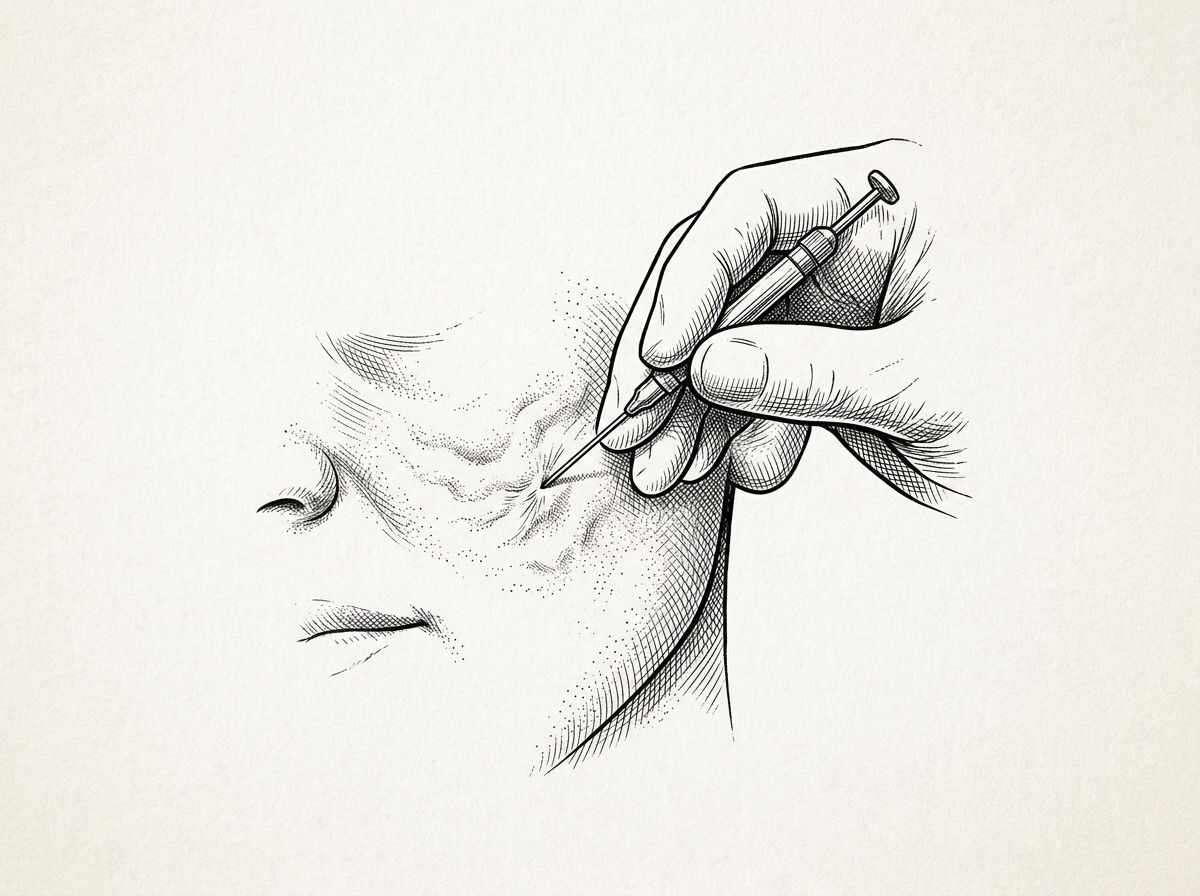
Subcision — formally called subcutaneous incisionless surgery — works by breaking the fibrous bands that anchor depressed scars to deeper tissue layers. This mechanical release, combined with the wound-healing response it triggers, gradually lifts the skin surface and stimulates new collagen formation.
For many people living with persistent rolling acne scars, the frustration is real. Creams, serums, and even some laser treatments often fail to address the root cause: those fibrous tethers pulling the skin downward. Subcision targets that root cause directly.
But how much can one session actually do?
The answer depends on scar type, depth, skin characteristics, and the technique used — all of which are explored in detail below.
This content is for informational purposes only and does not constitute medical advice. Consult a qualified healthcare professional for diagnosis and treatment.
How subcision works on acne scars
To understand why subcision after one session yields specific results, it is necessary to examine the biological architecture of an atrophic scar. Atrophic scars, particularly the "rolling" variety, are often held in their depressed state by abnormal vertical strands of collagen known as fibrous tethers.
Subcision, a term coined by Orentreich and Orentreich in 1995, is a minor surgical procedure designed to address these tethers. Unlike surface-level treatments, subcision operates in the dermal and subcutaneous layers. By inserting a specialized needle or cannula parallel to the skin surface, a clinician can manually sever these bands. This process is documented extensively in clinical literature, such as the foundational research on Acne Scar Subcision.
Before undergoing the procedure, a thorough scar assessment is vital. Not all scars respond to subcision; it is specifically indicated for those that are "tethered." A simple clinical test involves stretching the skin or smiling; if the scar remains depressed during these movements, it is likely anchored to the underlying tissue and may benefit from surgical release.
How subcision releases sunken scars
The primary goal of the first session is the mechanical disruption of the vertical strands that pull the epidermis toward the subcutaneous fat. Rolling scars, which present as gentle undulations in the skin, are the prime candidates for this technique. Boxcar scars can also be improved if they are tethered, though they often require combination therapy for the best results.
During the procedure, as the needle moves in a fanning motion, clinicians and sometimes patients may hear a subtle "snapping" or "popping" sound. This is the audible confirmation of the fibrotic bands being transected. Once released, the skin is no longer under downward tension, allowing the depression to lift toward the level of the surrounding healthy skin.
How the skin lifts and rebuilds
Beyond the immediate mechanical lift, subcision initiates a biological cascade known as percutaneous collagen induction. The controlled trauma of the needle stimulates fibroblasts — the cells responsible for skin structure — to produce new Type I and Type III collagen.
Furthermore, the procedure intentionally allows for a small, controlled hematoma (a localized collection of blood) to form beneath the scar. Research indicates that this blood clot serves as a biological "spacer," preventing the released scar from re-attaching to the deeper tissues while it heals. Over time, the body replaces this spacer with new connective tissue, leading to permanent dermal thickening. Detailed procedural overviews can be found through resources like DermNet NZ on Subcision.
What one session achieves
The question most patients ask is: "What will I see after just one appointment?" Clinical data suggests that while a single session is rarely the end of the journey, it provides a significant foundation.
Studies show that subcision after one session typically results in a 10% to 50% improvement in the appearance of rolling and boxcar scars. In a small study of eight patients using cannula subcision, the average number of scars was reduced from 24.8 to 12.8 after treatment, representing a nearly 50% reduction in scar density.
Realistic results after one session
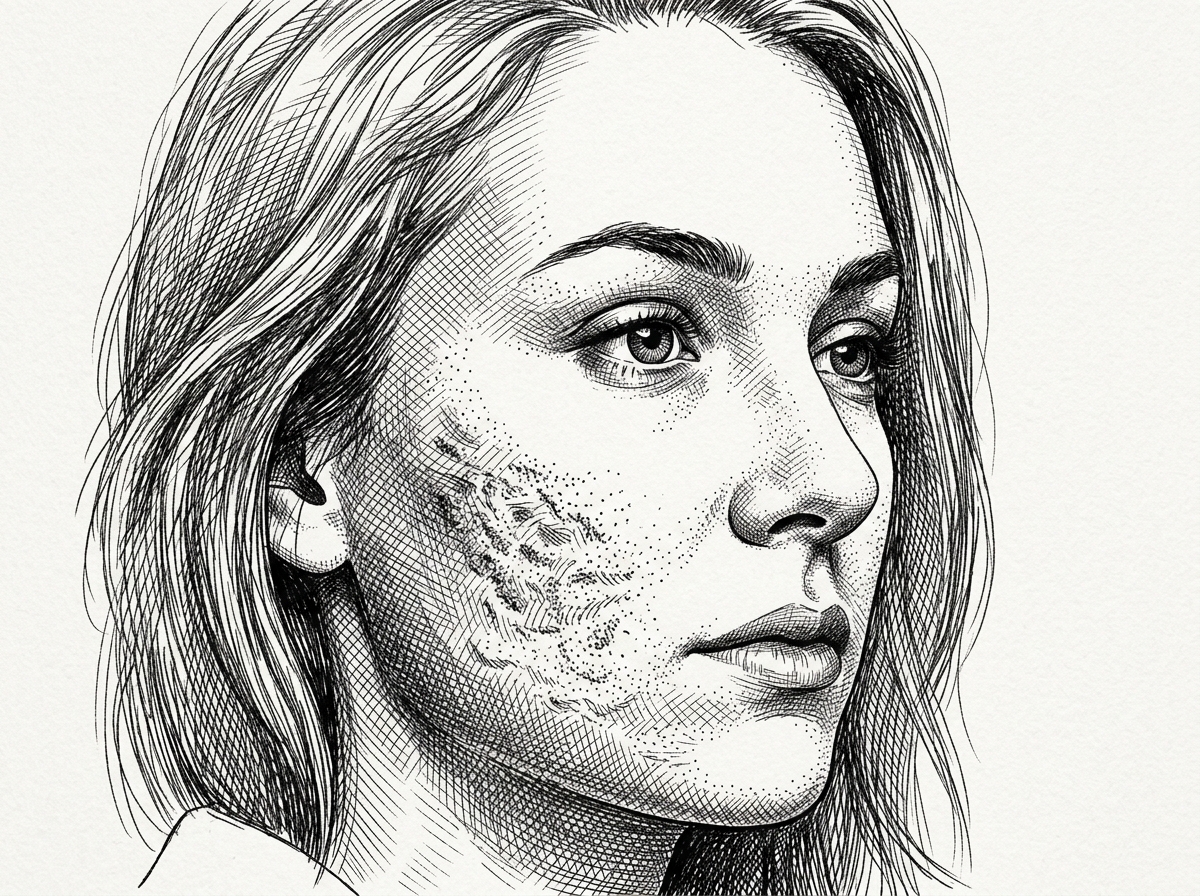
While a 50% improvement sounds substantial, it is important to distinguish between "improvement" and "clearance." Most patients see a softening of the scar edges and a shallower depth. According to a review of clinical trials for subcision, patient satisfaction is remarkably high even after limited sessions. In one study involving 114 patients, 90% were satisfied with their results when subcision was combined with other modalities in a single comprehensive session.
However, the "lifting" effect seen immediately after the procedure is often due to temporary swelling (edema). As this swelling subsides over the first week, the scars may appear to "return." This is a normal part of the process; the true, permanent lift occurs later as collagen matures.
What affects your results
Several variables dictate the success of the first session:
- Scar Type: Rolling scars respond best. Ice-pick scars, which are narrow and deep, generally do not respond to subcision alone.
- Tool Choice: The Nokor needle is a traditional sharp-edged tool effective for tough tethers but carries a higher risk of bruising. Blunt cannulas are often preferred for larger areas as they reduce the risk of nerve and vessel injury.
- Tumescent Anesthesia: The use of high-volume local anesthesia can "inflate" the treatment area, making it easier to maneuver the tool and reducing immediate bleeding.
- Skin Health: Patients who do not smoke and maintain a nutrient-rich diet generally experience more robust collagen synthesis. For those recovering from more intensive surgical approaches, following post-surgery scar care protocols is essential for protecting the newly treated tissue.
Recovery timeline and side effects
Recovery from subcision is relatively quick, but the visual side effects can be striking. Because the procedure involves breaking internal tissues and vessels, bruising is almost universal.
Immediate Post-Procedure Phase (Days 1-3)
In the first 24 to 72 hours, patients should expect:
- Swelling (Edema): This is often significant and can make the skin look temporarily "perfect" by filling in all depressions.
- Bruising (Ecchymosis): Bruising may appear purple or even black, especially if a Nokor needle was used. Research in the Journal of Cosmetic Dermatology notes that bruising occurred in 50% of patients in certain needle-based trials.
- Tenderness: The treated area will feel sore, similar to a deep bruise.
Downtime is typically 1-2 days, meaning most people can return to work shortly after, provided they are comfortable with the visible bruising or can use camouflage makeup (usually allowed after 48-72 hours).
Days 4 to 14: bruising and early healing
By the end of the first week, the swelling usually subsides. Between days 7 and 14, the bruising will transition through yellow and green hues before fading.
Some patients may feel small, firm lumps under the skin. These are often subcutaneous nodules or small areas of organized hematoma. In most cases, these are not permanent and will soften over 2 to 4 weeks as the tissue remodels. During this phase, using a high-quality scar reduction cream can help support the skin barrier, though it won't reach the deep subcised layers.
Aftercare and follow-up treatments
While subcision is powerful as a standalone treatment, clinical consensus suggests that it works best as part of a multi-modal approach. Because subcision addresses the deep tethers, it leaves the surface texture and pigment issues untouched.
When to add other treatments
To maximize the results of subcision after one session, clinicians often suggest:
- Dermal Fillers: Injecting a filler (like hyaluronic acid) immediately after subcision can provide an instant lift and act as a physical barrier to prevent the scar from re-tethering.
- Microneedling: This can be performed several weeks later to address surface irregularities. Evidence on microneedling for scar reduction suggests it complements subcision by stimulating superficial collagen.
- Lasers: Fractional CO2 lasers are often used 3 to 4 weeks after subcision. While subcision lifts the "floor" of the scar, CO2 laser scar removal smooths the "walls" and improves overall texture.
- TCA CROSS: For patients with mixed scar types, TCA CROSS can be used on ice-pick scars during the same or subsequent sessions.
Essential Aftercare Steps for Enhanced Healing
Proper aftercare is crucial to minimize complications like infection or post-inflammatory hyperpigmentation (PIH).
- Manual Pressure: Immediately after the procedure, applying firm pressure for 5-10 minutes reduces the size of the hematoma.
- Ice: Use ice packs intermittently for the first 24-48 hours to manage swelling.
- Sun Protection: The treated area is highly susceptible to PIH while bruised. Strict photoprotection is mandatory.
- Avoid Vigorous Exercise: High-intensity workouts increase blood flow to the face and can exacerbate bruising or lead to fresh bleeding in the first 48 hours. For more on managing skin after light-based treatments, see our guide on laser treatment for scars.
Is one session enough?
The results of subcision are generally considered permanent because the fibrous bands, once severed, do not typically grow back in the same vertical orientation. However, the skin continues to age, and the initial "lift" may settle slightly as the initial collagen (Type III) is replaced by more stable Type I collagen.
Whether you need more sessions
While some patients with mild scarring are satisfied with subcision after one session, the average patient requires 2 to 3 sessions to achieve optimal results. These are usually spaced 4 to 6 weeks apart to allow the inflammatory phase of healing to complete. Severe scarring may require up to six sessions.
If a patient chooses to combine treatments, such as microneedle scar removal, the cumulative effect often reduces the total number of subcision sessions needed.
What to do if results disappoint
If results after the first session seem negligible, several factors might be at play:
- Incomplete Release: The tethers may have been too thick or numerous for a single pass.
- Re-tethering: Without a spacer (like filler or blood), the scar may have fused back to the underlying tissue.
- Wrong Scar Type: If the scars are primarily boxcar or ice-pick without tethering, subcision will have limited impact.
In these cases, a clinical re-evaluation is necessary. Suction after subcision has now been tested against a sham. A 2026 randomized split-face trial in 27 patients gave one side ten suction sessions over two weeks and the other sham pressure: both sides improved, and no significant difference was found between them on any objective measure, including scar counts and Goodman-Baron scores. Physicians and patients both rated the suction side as more improved. So it is worth discussing with a clinician rather than counting on. Source: Diab et al., 2026.
Frequently Asked Questions about Subcision
How long does bruising and swelling typically last after a single subcision treatment?
Swelling usually peaks at 48 hours and subsides within 5 to 7 days. Bruising is more persistent, typically lasting 7 to 10 days, though it can be easily covered with concealer after the first few days.
When can I expect to see the full results from one subcision session?
You will see an immediate lift from the swelling, but this is temporary. True results from collagen remodeling begin to appear at the 4-week mark and continue to improve for 3 to 6 months. Some studies show continued improvement for up to one year.
Are the results from a single subcision session permanent?
Yes, the mechanical release of the fibrous bands is permanent. However, because acne scarring is often deep and complex, "permanence" does not always mean "100% smooth skin." It means the specific tethers addressed will not pull the skin back down.
Conclusion
Subcision remains one of the few treatments capable of addressing the structural root of depressed acne scars. While subcision after one session can offer a visible 10-50% improvement and high patient satisfaction, it is best viewed as the first step in a comprehensive skin regeneration plan. By combining this mechanical release with diligent aftercare and complementary therapies like lasers or fillers, patients can achieve significant, long-lasting changes in skin texture.
To determine if your scars are suitable for this procedure, consider seeking a professional scar assessment to map out a personalized treatment path.
This content is for informational purposes only and does not constitute medical advice. Consult a qualified healthcare professional for diagnosis and treatment.
Works Cited
- Alam, M., et al. (2005). Subcision for acne scarring: technique and outcomes in 40 patients. Dermatologic Surgery, 31(3), 310–317. https://pubmed.ncbi.nlm.nih.gov/15841633/
- Vempati, A., et al. (2023). Subcision for Atrophic Acne Scarring: A Comprehensive Review of Surgical Instruments and Combinatorial Treatments. Clinical, Cosmetic and Investigational Dermatology, 16, 125-134. https://pubmed.ncbi.nlm.nih.gov/36698445/
- Connolly, D., Vu, H. L., Mariwalla, K., & Saedi, N. (2017). Acne Scarring — Pathogenesis, Evaluation, and Treatment Options. Journal of Clinical and Aesthetic Dermatology, 10(9), 12–23. https://pmc.ncbi.nlm.nih.gov/articles/PMC5749614/
- Goodman, G. J. (2000). Postacne scarring: a review of its pathophysiology and treatment. Dermatologic Surgery, 26(9), 857–871. https://pubmed.ncbi.nlm.nih.gov/10971560/
- Gozali, M. V., & Zhou, B. (2015). Effective Treatments of Atrophic Acne Scars. Journal of Clinical and Aesthetic Dermatology, 8(5), 33–40. https://pmc.ncbi.nlm.nih.gov/articles/PMC4445894/