The Science Behind Home Remedies for Pimples and Dark Spots
Home remedies for pimples and dark spots are widely popular, but which ones have clinical backing? Discover what the evidence says about natural treatments for post-acne marks.
What the Evidence Says About Home Remedies for Pimples and Dark Spots
Home remedies for pimples and dark spots are among the most searched skincare topics — and for good reason. Pimples affect nearly everyone at some point in their lives, and the dark marks they leave behind, clinically termed post-inflammatory hyperpigmentation (PIH), can linger for months or even years.
Before going deeper, here is a quick reference summary of the most evidence-supported home remedies:
| Concern | Remedy | Evidence Level |
|---|---|---|
| Active pimples | Tea tree oil (diluted 1:9 with water) | Moderate — human clinical trials |
| Active pimples | Green tea extract | Moderate — 79% fewer non-inflammatory and 89% fewer inflammatory lesions at 8 weeks, on 1% EGCG |
| Active pimples | Jojoba oil clay mask | Moderate — 54% improvement after 6 weeks |
| Dark spots (PIH) | Vitamin C (topical) | Moderate — inhibits melanin synthesis |
| Dark spots (PIH) | Aloe vera gel | Preliminary — anti-inflammatory properties observed |
| Dark spots (PIH) | Niacinamide 2–5% | Moderate — reduces uneven tone, supports skin barrier |
| Both | Broad-spectrum SPF 30+ sunscreen | Strong — prevents UV from worsening PIH |
Note: Evidence strength refers to available human clinical data, not anecdotal reports.
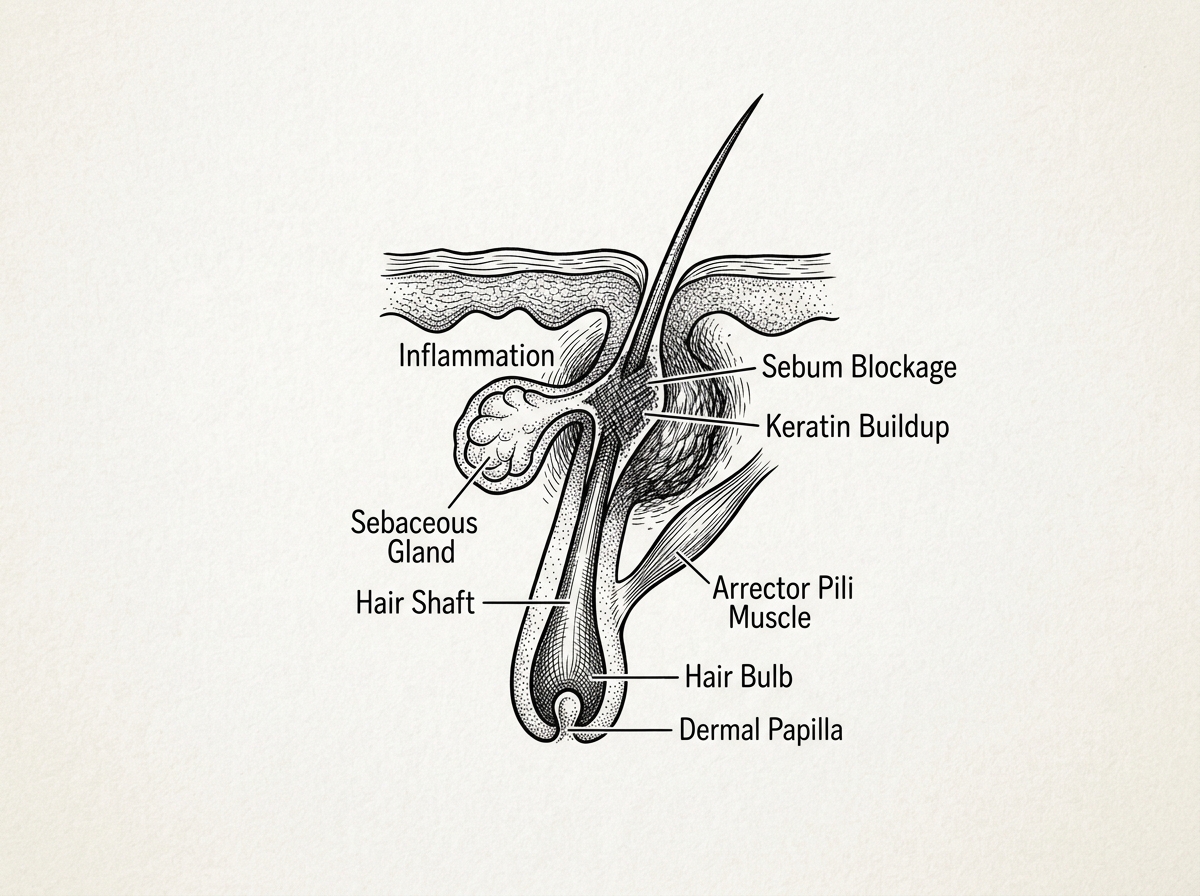
Pimples form when excess sebum, dead skin cells, and bacteria clog hair follicles. When the immune system responds to that clog, inflammation occurs. It is that inflammation — not the pimple itself — that often triggers the skin to overproduce melanin (the pigment responsible for skin color) during the healing process, leaving a flat dark mark where the pimple once was.
This process is well-documented. Over 65% of African Americans report symptoms of PIH, and the condition is disproportionately common in people with darker skin tones due to higher baseline melanin activity in the skin.
The frustrating part? Without the right approach, those marks can persist far longer than the original pimple ever did.
The good news is that a growing body of research supports several accessible, low-cost interventions — from botanical extracts to dietary adjustments — that may help both clear pimples and fade the dark spots they leave behind. The key word is may: most home remedies show promising but preliminary results, and realistic expectations matter.
This article reviews what the science actually says, so the approach taken can be informed, safe, and effective.
What Causes Acne and Dark Marks
To effectively use home remedies for pimples and dark spots, it is necessary to understand the biological machinery at work. While many people use the terms "acne" and "pimples" interchangeably, they represent different clinical concepts. Acne is the chronic inflammatory disease; pimples are the individual symptoms of that disease.
The cycle begins within the sebaceous glands. These microscopic glands are attached to hair follicles and produce sebum, an oily substance intended to lubricate the skin. However, when the body produces an excess of the male hormone testosterone—which occurs in both men and women, particularly during puberty or hormonal shifts—sebum production goes into overdrive.
When this excess oil mixes with dead skin cells, it creates a "plug" in the follicle, a process called hyperkeratinization. This oxygen-poor environment is the perfect breeding ground for Cutibacterium acnes (formerly P. acnes), a bacterium that triggers an immune response, leading to the redness and swelling we recognize as a pimple.
The dark spots that follow are a separate biological event called Post-Inflammatory Hyperpigmentation (PIH). During the inflammatory phase of a pimple, the skin’s melanocytes (pigment-producing cells) are stimulated. These cells produce melanosomes, which are then transferred to the surrounding skin cells (keratinocytes).
If the inflammation is superficial, the resulting dark spot is "epidermal" and typically takes 6 to 12 months to fade. However, if the inflammation is deep or if the pimple is aggressively squeezed, the pigment can drop into the deeper layer of skin, the dermis. Dermal PIH is much more stubborn and may persist for years without professional intervention.
Do Home Remedies Work for Dark Spots
When searching for home remedies for pimples and dark spots, it is important to distinguish between "kitchen myths" and ingredients with actual clinical backing. Several natural substances have demonstrated the ability to modulate the factors that cause acne: bacteria, oil production, and inflammation.
Tea Tree Oil
Tea tree oil is perhaps the most well-researched botanical for acne. A 2019 study on tea tree oil compared it to benzoyl peroxide, a gold-standard acne medication. The study found that while tea tree oil took slightly longer to work, participants experienced significantly less dryness and irritation. It possesses potent antimicrobial properties that help neutralize acne-causing bacteria. For those concerned about the marks left behind, research into Tea Tree Oil Scars suggests its anti-inflammatory nature may reduce the severity of the initial lesion, minimizing subsequent PIH.
Green Tea
Topical application of green tea extract has shown remarkable results in clinical settings. The polyphenols in green tea, specifically epigallocatechin-3-gallate (EGCG), are both antioxidant and anti-inflammatory. A 2016 review reports a trial of 1% EGCG in which non-inflammatory lesions fell by 79% and inflammatory lesions by 89% against baseline after eight weeks. The 79% covers whiteheads and blackheads; the 89% covers papules, pustules and nodules. Both are about active acne, not the marks it leaves behind. See the review of tea polyphenols in acne for the underlying trials.
Jojoba Oil and Clay
While it may seem counterintuitive to put oil on acne-prone skin, jojoba oil is chemically similar to human sebum. In a 2012 study on clay masks, researchers gave 133 people clay face masks containing jojoba oil. After six weeks of use (2–3 times per week), participants reported a 54% improvement in their acne. The clay helps draw out excess oil, while the jojoba oil prevents the skin from overcompensating with more sebum production.
Plant extracts for pimples and dark spots
Beyond treating active inflammation, botanical extracts are often used to support skin regeneration and fade lingering marks.
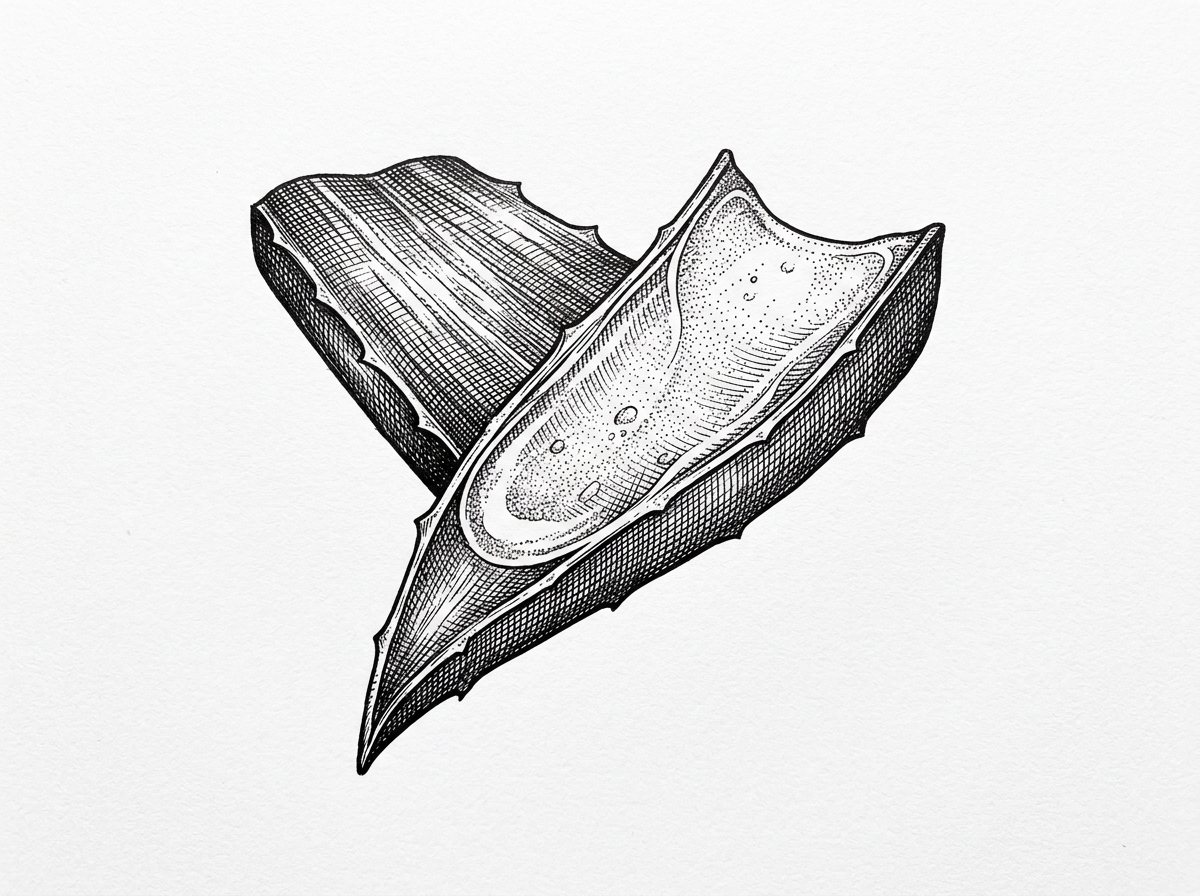
- Aloe Vera: This plant contains salicylic acid and sulfur, both of which are used extensively in acne treatments. A 2021 study on aloe efficacy found that when combined with other therapies, aloe vera significantly reduced the number of bumps and dry skin patches. Its ability to soothe the skin makes it a popular choice for Aloe Vera Scar Reduction.
- Honey: Clinical interest in honey stems from its antimicrobial and wound-healing properties. While a 2016 review of honey noted that it can block the growth of C. acnes in a laboratory setting, the evidence for it as a standalone acne treatment in humans remains limited. It is best used as a soothing mask rather than a primary treatment.
Using home remedies safely
"Natural" does not always mean "safe." The skin barrier is a delicate ecosystem, and many DIY treatments can cause more harm than good if used incorrectly.
Patch Testing Before applying any new remedy to the face, a patch test is mandatory. Apply a small amount of the substance to the inner forearm and wait 24 hours to check for redness, itching, or blistering.
Dilution Ratios Essential oils like tea tree oil are highly concentrated. They should never be applied undiluted. A safe ratio is typically 1 part essential oil to 9 parts water or a non-comedogenic carrier oil.
The Danger of Citric Acid Using undiluted lemon juice is a common "hack" for dark spots due to its Vitamin C content. However, the high acidity can cause "phytophotodermatitis"—a chemical burn that occurs when the skin is exposed to sunlight after contact with certain plant compounds. This can lead to even worse dark spots than the ones being treated.
Avoid Popping The most important "home remedy" is actually an omission: do not pop pimples. Popping pimples and tissue trauma pushes bacteria and debris deeper into the dermis, significantly increasing the risk of permanent scarring and deep-seated PIH.
Mercury Risks A serious concern in the unregulated market of skin-lightening products is mercury contamination. One study tested 549 products and found that 12% contained mercury, which can lead to kidney damage and neurological issues. Always source ingredients from reputable suppliers. For safer alternatives, consider established Vitamin E Scar Healing methods that focus on moisture and barrier repair.
Why Sun Protection Matters for Dark Marks
If there is one non-negotiable step in treating home remedies for pimples and dark spots, it is sun protection. Ultraviolet (UV) radiation is the primary catalyst for melanin production. When the sun hits a post-acne mark, it darkens the pigment and makes the spot much harder to fade.
Research highlights the sunscreen importance in PIH, noting that dark spots may reappear or fail to improve if sunscreen is not used daily. A broad-spectrum SPF 30+ is the standard recommendation.
Brightening ingredients with evidence
Several ingredients often found in the pantry or at the local health store can act as tyrosinase inhibitors—substances that block the enzyme responsible for melanin production.
- Vitamin C: Clinical studies show that Vitamin C is an effective depigmenting agent that decreases melanin formation. It is best used in the morning under sunscreen to provide antioxidant protection.
- Licorice Root: Contains liquiritin, which helps disperse existing melanin and prevent new spots from forming.
- Niacinamide (Vitamin B3): Often found in concentrations of 2–5%, niacinamide prevents the transfer of pigment to skin cells and strengthens the skin barrier.
For those with persistent marks, understanding Dark Scar Removal Methods often involves a combination of these brightening agents and consistent photoprotection.
How Diet and Lifestyle Affect Breakouts
The skin is an organ that responds to internal physiological states. Evidence suggests that diet and stress play a significant role in the frequency and severity of breakouts.
The Glycemic Connection
High-glycemic foods (white bread, sugary sodas, processed snacks) cause a rapid spike in blood sugar. This triggers the release of insulin and a hormone called Insulin-like Growth Factor-1 (IGF-1). High levels of IGF-1 are directly linked to increased sebum production and acne. A 2018 study on low-glycemic diets found that participants who switched to a low-glycemic diet saw a significant reduction in IGF-1 levels and acne severity within just two weeks.
| High-Glycemic (Avoid/Limit) | Low-Glycemic (Prefer) |
|---|---|
| White bread and pasta | Whole grains (oats, quinoa) |
| Sugary cereals | Legumes (lentils, chickpeas) |
| Watermelon and pineapple | Berries and apples |
| Potato chips | Leafy green vegetables |
Dairy and Hormones
Some research suggests a link between dairy consumption (particularly skim milk) and acne. This may be due to the hormones found in milk that stimulate the skin's oil glands. If acne is persistent, a trial period of reducing dairy may provide insight into individual triggers.
Stress and Sleep
Stress does not "cause" acne in the traditional sense, but it makes it worse. Stress triggers the release of cortisol and other neuroendocrine factors that increase inflammation. 2024 research on neuroendocrine-immune interaction shows that stress can delay the skin's healing process, making dark spots last longer. Aiming for 7–9 hours of sleep and 150 minutes of weekly exercise can help regulate these hormonal responses.
Frequently Asked Questions about DIY Skin Treatments
How long do dark spots typically take to fade?
Patience is the most difficult part of the process. Research indicates that 6–12 months for epidermal PIH is the standard window for significant improvement. Dermal PIH, which is deeper, can take years. Consistent use of sunscreen and brightening agents can accelerate this, but there are no overnight "cures." If the marks are textured (raised or pitted), they are likely scars rather than just dark spots, and you may need to look into ways to Reduce Acne Scars Fast.
Why is hyperpigmentation more prevalent in darker skin tones?
People with skin of color have more active melanocytes. When the skin is injured by a pimple, these cells respond more vigorously, producing more pigment than lighter skin tones would. This is why over 65% of African Americans experience PIH. It is a reactive protection mechanism of the skin that, unfortunately, results in long-lasting marks.
When is professional dermatological intervention necessary?
Home remedies have limitations. You should see a dermatologist if you experience:
- Cystic Acne: Deep, painful lumps that rarely come to a head. These carry a high risk of permanent scarring and keloids.
- Failure of OTC/Home Treatments: If there is no improvement after 6 to 8 weeks of consistent care.
- Psychosocial Impact: If your skin is causing significant anxiety, depression, or withdrawal from social activities.
- Rapid Spreading: If the acne or dark spots are spreading quickly across large areas of the body.
What actually works at home
Managing home remedies for pimples and dark spots requires a two-pronged approach: calming the active inflammation of the pimple and inhibiting the overproduction of pigment that follows. Science-backed ingredients like tea tree oil, green tea, and Vitamin C offer promising results, provided they are used safely and consistently.
However, the foundation of any spot-free journey is not a "miracle" ingredient, but rather the daily habit of sun protection and the restraint to avoid picking at the skin. By understanding the pathophysiology of your skin and maintaining realistic expectations, you can navigate the path to a clearer complexion with confidence.
For more evidence-based guides on skin regeneration and wound care, Subscribe for more research-backed skin science.
This content is for informational purposes only and does not constitute medical advice. Consult a qualified healthcare professional for diagnosis and treatment.
Works Cited
- Bae, J. Y., et al. (2016). Evaluation of anti-microbial activities of ZnO, citric acid and a mixture of both against Propionibacterium acnes. International Journal of Cosmetic Science, 38(6), 550–556. https://pubmed.ncbi.nlm.nih.gov/26940755/
- Zaenglein, A. L., et al. (2016). Guidelines of care for the management of acne vulgaris. Journal of the American Academy of Dermatology, 74(5), 945–973.e33. https://pubmed.ncbi.nlm.nih.gov/26897386/
- Fabbrocini, G., et al. (2010). Acne Scars: Pathogenesis, Classification and Treatment. Dermatology Research and Practice, 2010, 893080. https://pmc.ncbi.nlm.nih.gov/articles/PMC2958495/
- Davis, E. C., & Callender, V. D. (2010). Postinflammatory Hyperpigmentation: A Review. Journal of Clinical and Aesthetic Dermatology, 3(7), 20–31. https://pmc.ncbi.nlm.nih.gov/articles/PMC2921758/
- Surjushe, A., Vasani, R., & Saple, D. G. (2008). Aloe vera: a short review. Indian Journal of Dermatology, 53(4), 163–166. https://pmc.ncbi.nlm.nih.gov/articles/PMC2763764/