Scar Science
Deep dives into the biology and science behind scar formation, tissue remodeling, and how the skin heals after injury.
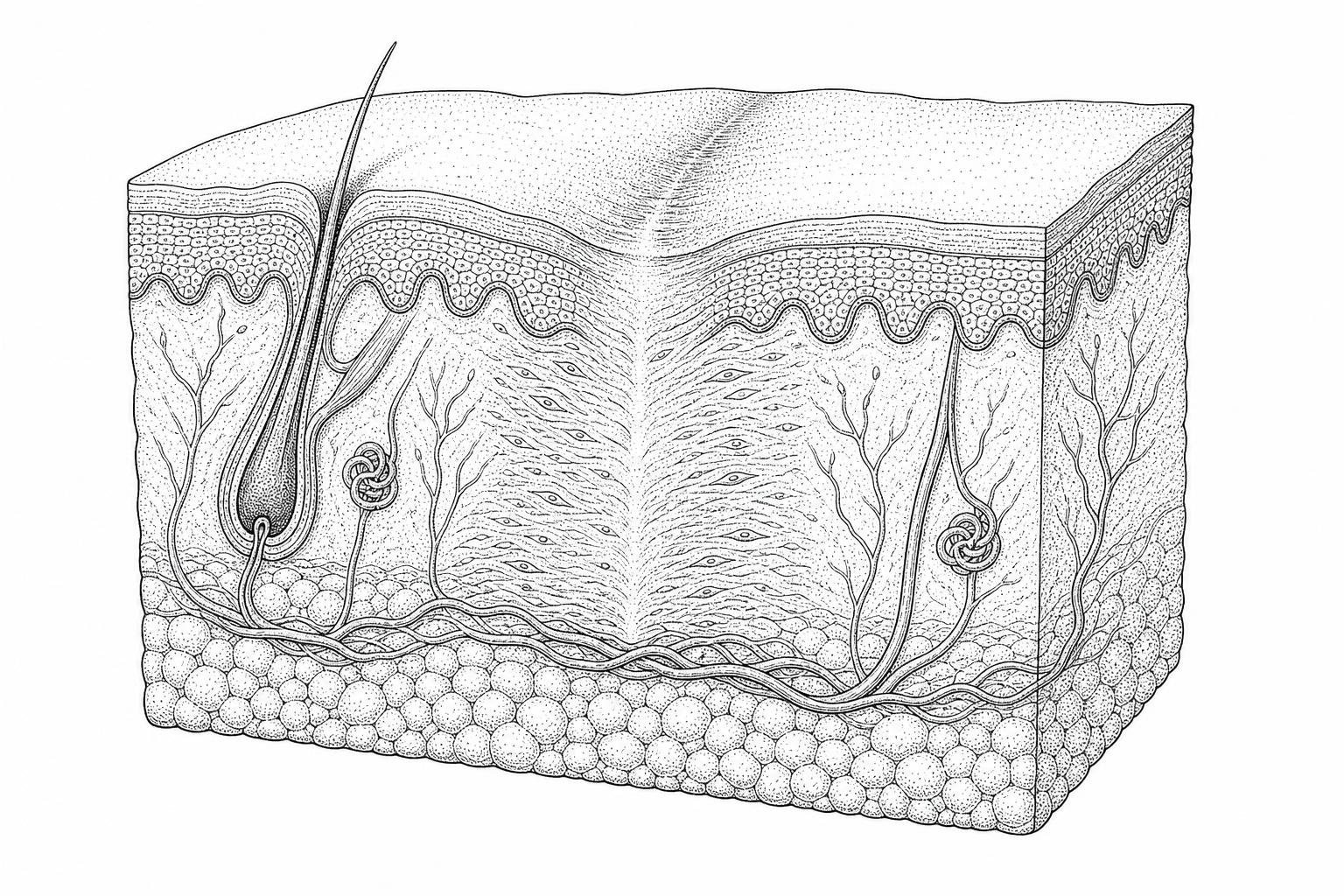
How Scars Form: The Science of Wound Healing
Scar tissue is collagen laid down fast and in parallel — structurally weaker than the basket-weave of normal skin. How the four healing stages work, why keloids and atrophic scars form, and what reduces scarring.
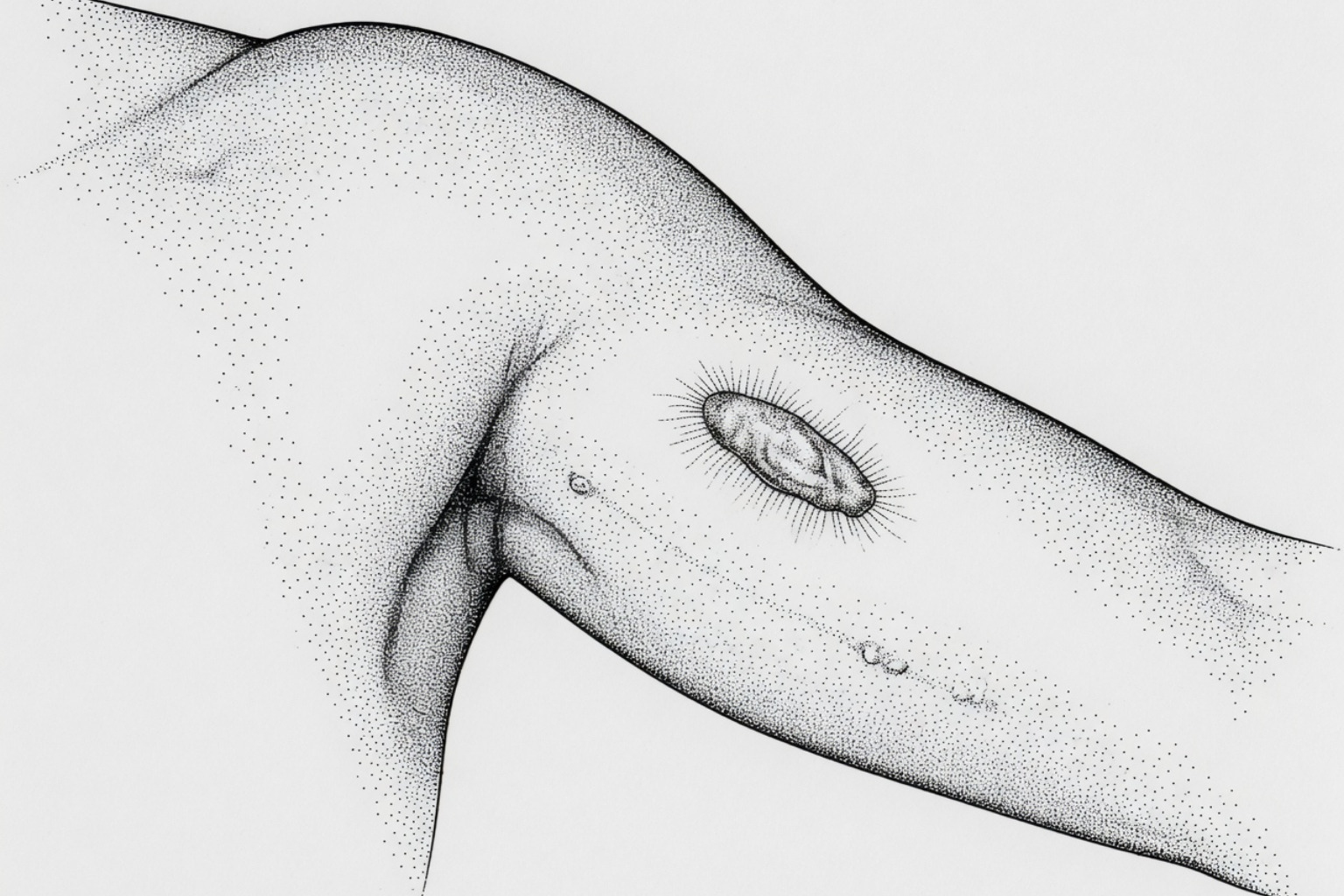
Why Your Body Overreacts to Tiny Scratches
Keloids form when wound healing won't switch off — collagen keeps building long after a cut has closed. Here's what drives that overreaction, who's most at risk, and the treatments with real evidence behind them.
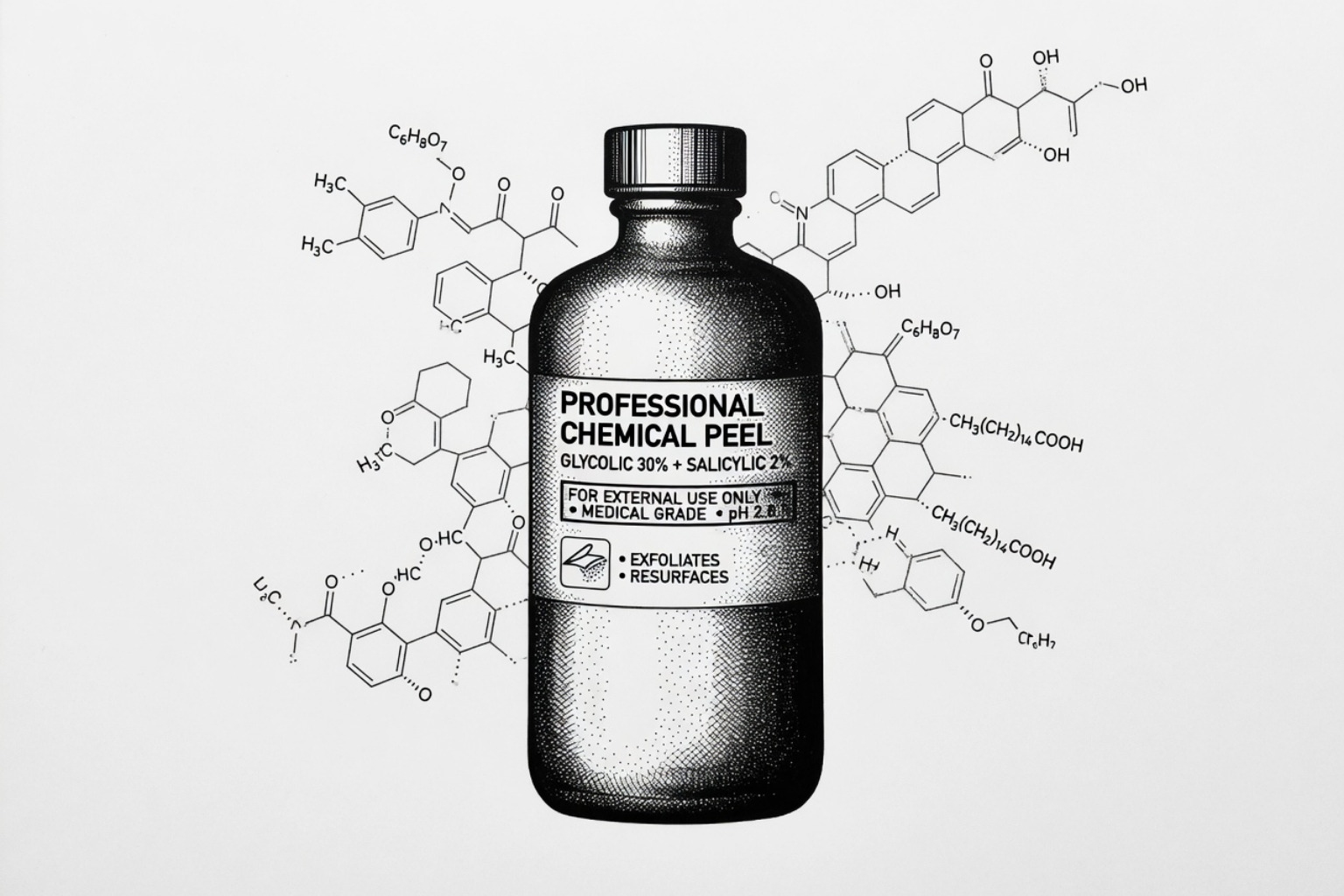
The Best Chemical Peel for Body Scars: A Complete List
Comparing TCA, glycolic, and mandelic acid peels for body scars. Each acid matched by Fitzpatrick skin type, scar depth, and body region to help you find the safest, most effective option.
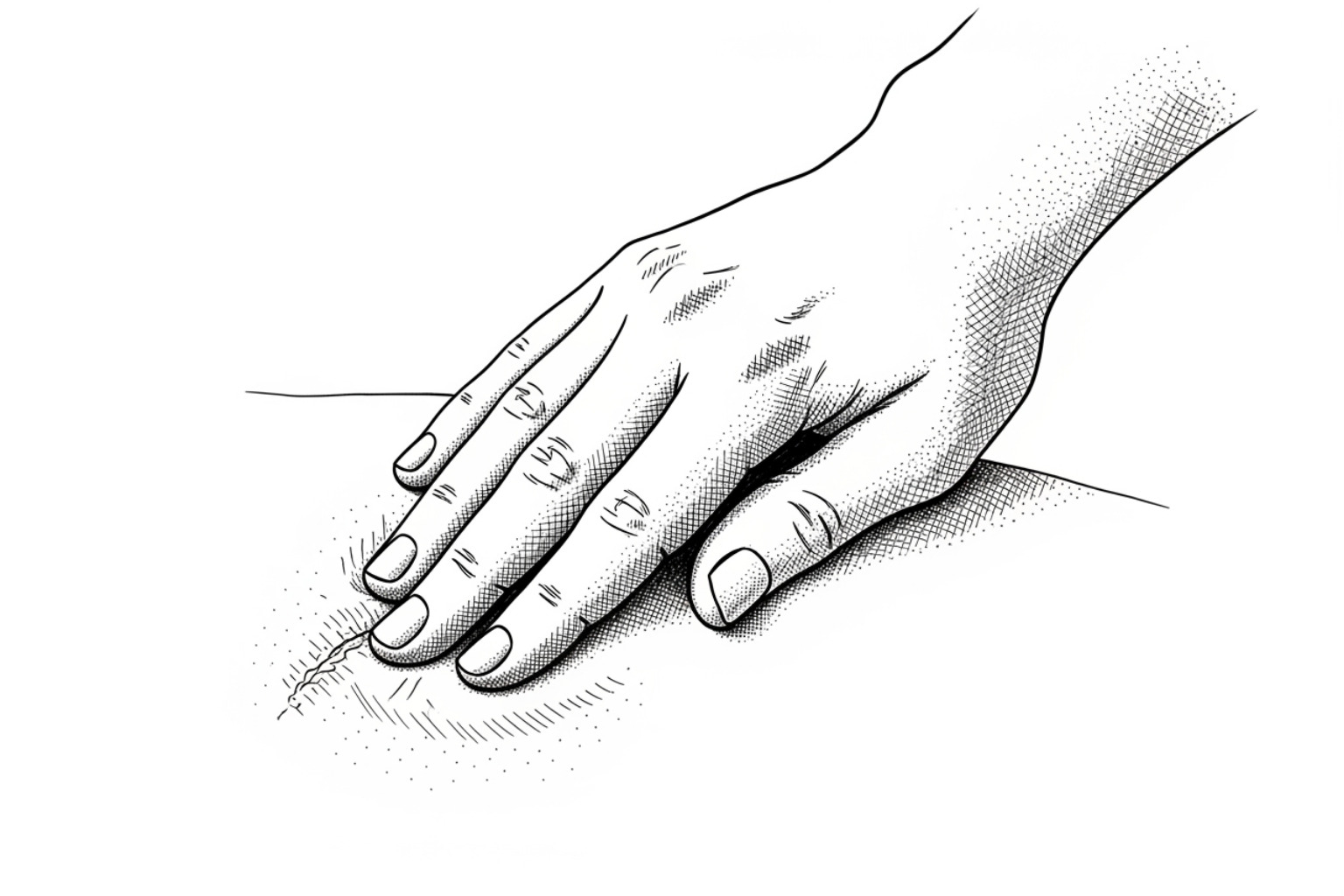
How to Master Scar Tissue Massage Techniques
Learn exactly when and how to massage scar tissue after surgery. This guide covers evidence-based pressure techniques, optimal timing windows, and warning signs that mean you should stop.
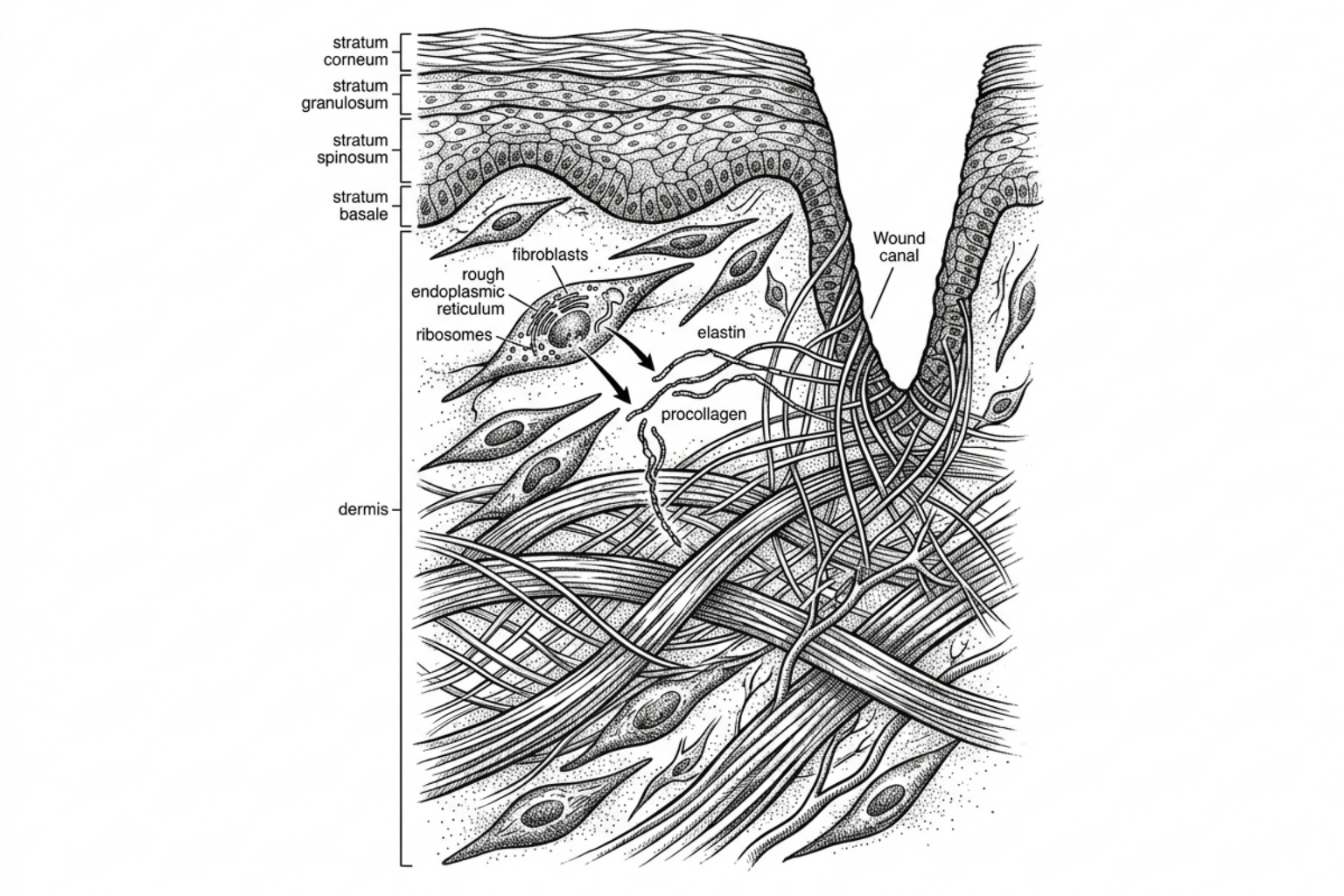
The Science of Skin Repair: Protein Synthesis Explained
How protein synthesis powers wound healing — from collagen production and amino acid requirements to nutrition strategies that support faster skin repair and scar recovery.
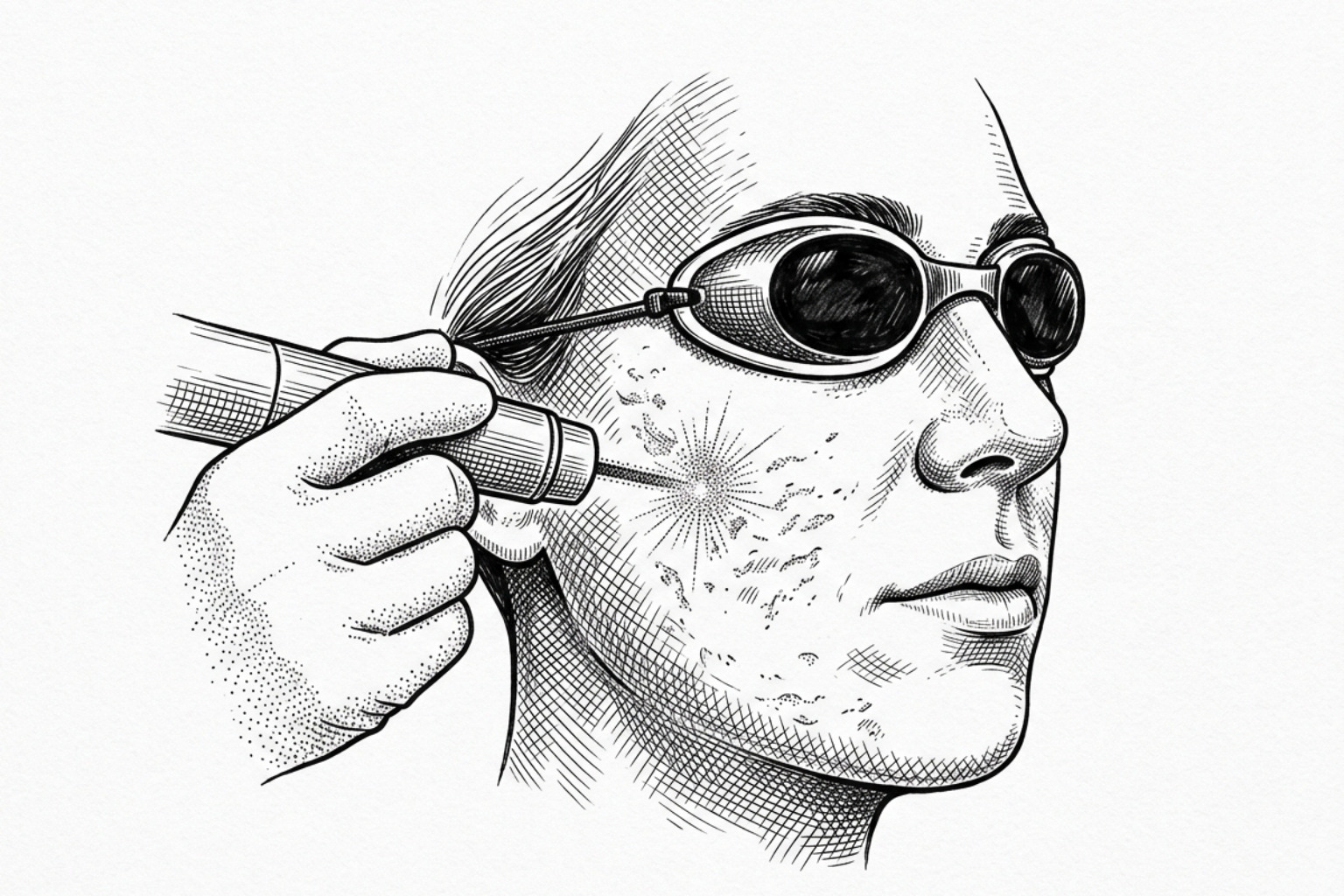
Laser vs RF Scar Reduction Treatment: Which Tech Wins?
A clinical comparison of laser scar reduction modalities — CO2, Erbium, and pulsed dye — with evidence on efficacy, safety across skin tones, and realistic recovery expectations.
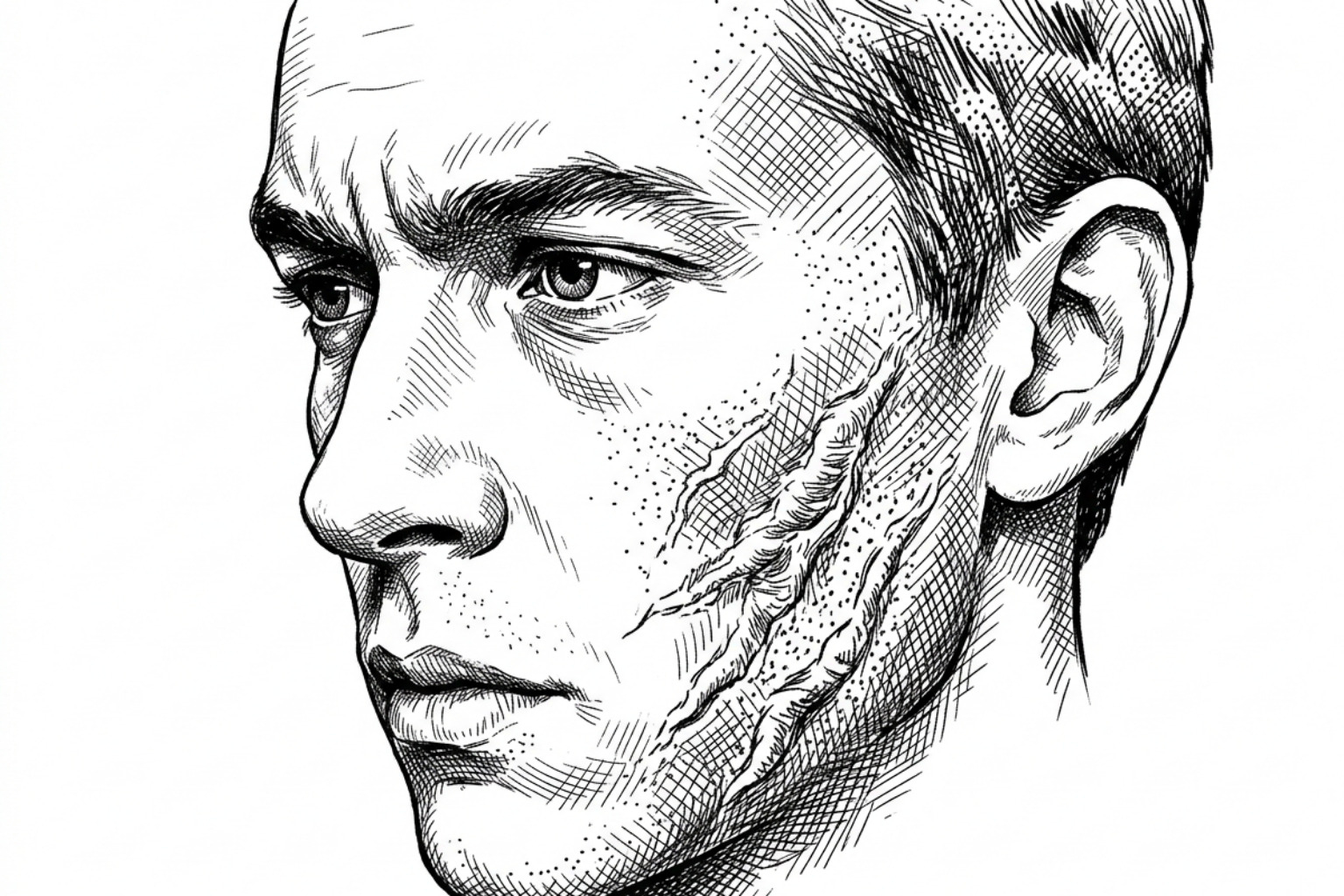
The Ultimate Guide to Hypertrophic Scar Flattening and Microneedling
A clinical review of microneedling for hypertrophic scar flattening — covering needle-depth protocols, Vancouver Scar Scale outcomes, radiofrequency adjuncts, and safety across all skin tones.

The Great Debate of Scar Gels vs Creams in Modern Protocols
Dermatology protocols favor silicone gels and sheets as first-line scar treatment. This guide compares clinical evidence for gels, sheets, lasers, and injections across every healing stage.
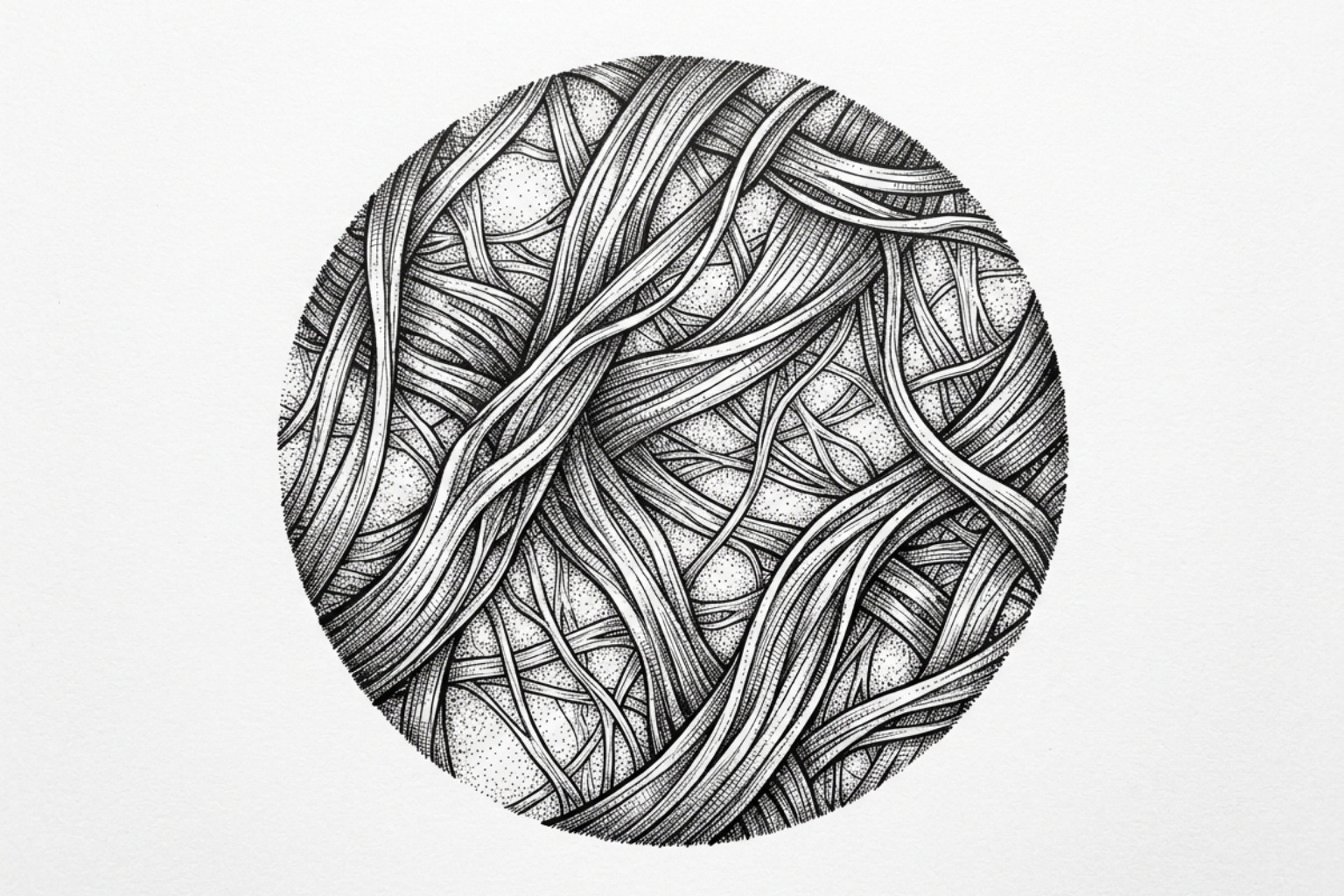
What Works for Scars: The Science of Smooth Skin
From silicone gels to fractional lasers, this guide ranks every major scar treatment by clinical evidence — and tells you which ones to skip.
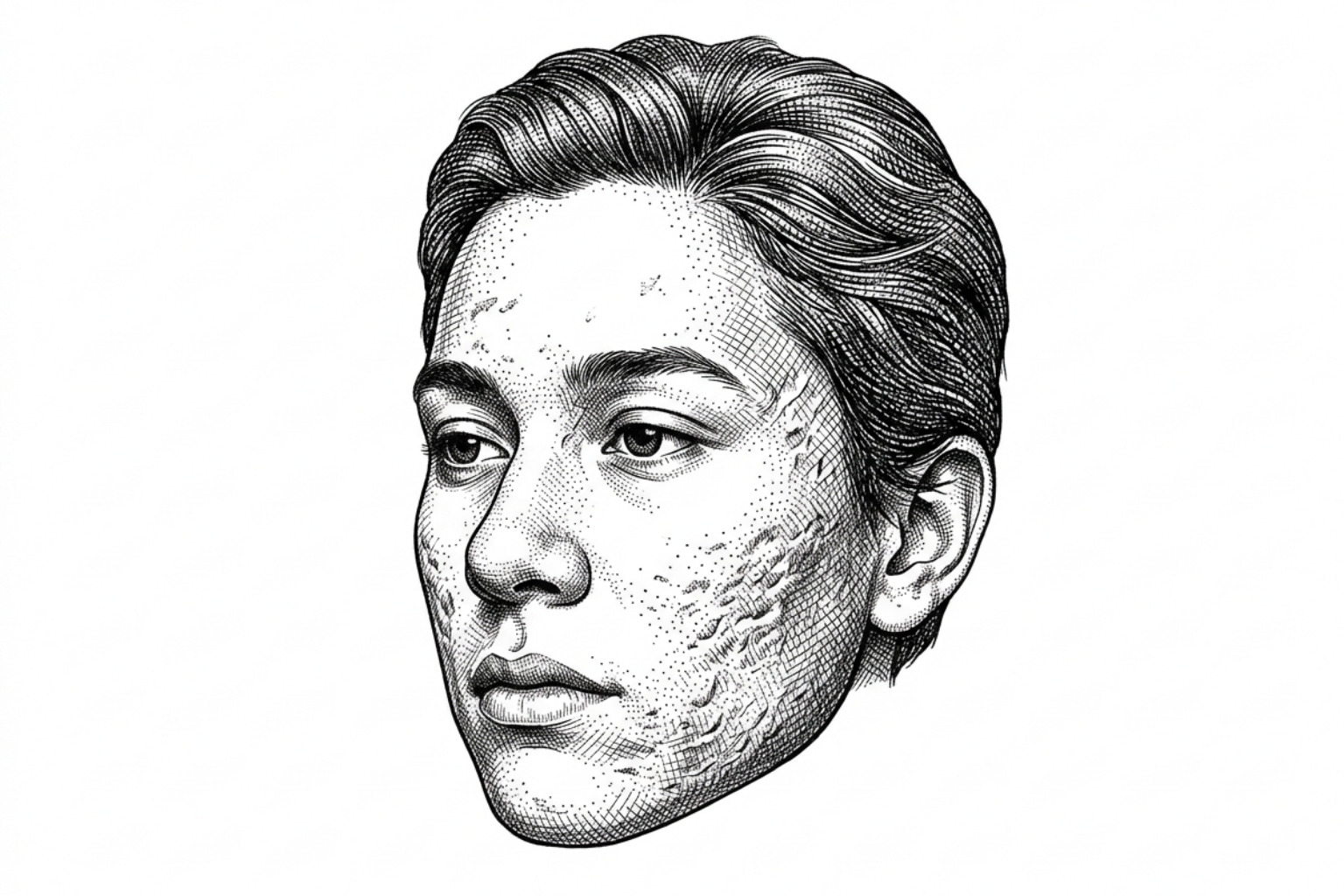
Vitamins for scar healing: What to eat for better skin
Vitamin C, D, zinc, and targeted dietary patterns can meaningfully support scar healing — but not all supplements live up to their marketing claims.

Finding the Best Scar Removal Treatment for Your Unique Needs
The best scar removal treatment depends on scar type, age, and skin tone. Explore clinically supported options ranked by effectiveness for different scar categories.

The Best Scar Creams with Silicone for Every Skin Type
Silicone-based scar creams are among the most studied topical treatments in dermatology. Learn what the clinical evidence says about choosing the right silicone formula for your skin type.