Professional Treatment
Clinical and dermatologist-administered treatments for scars, including in-office procedures and medically supervised therapies.
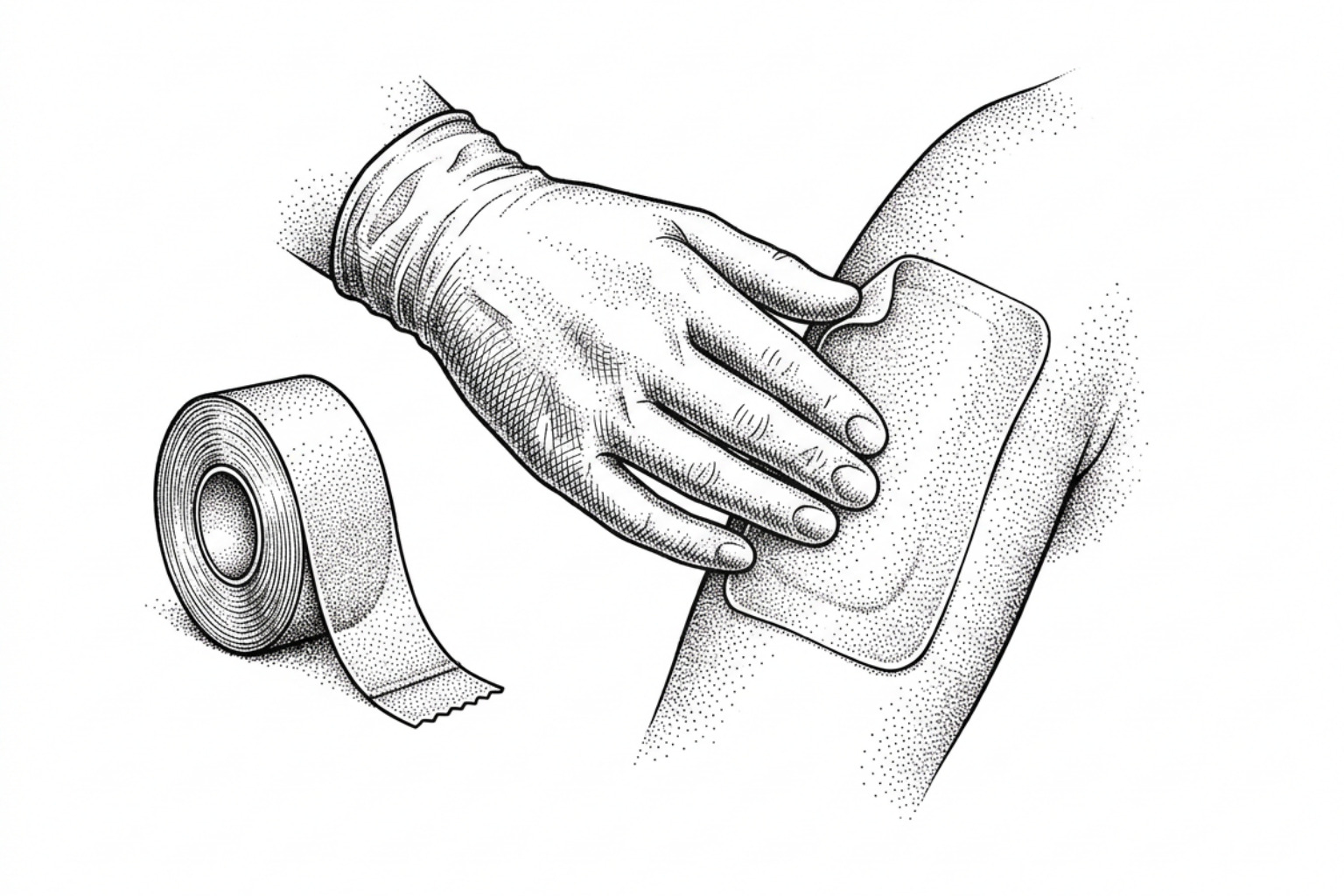
Everything You Need to Know About Keloid Scar Solutions
Keloids are stubborn and prone to recurrence. Here's how silicone, injections, lasers, surgery, and radiation compare, and how to choose the right one.
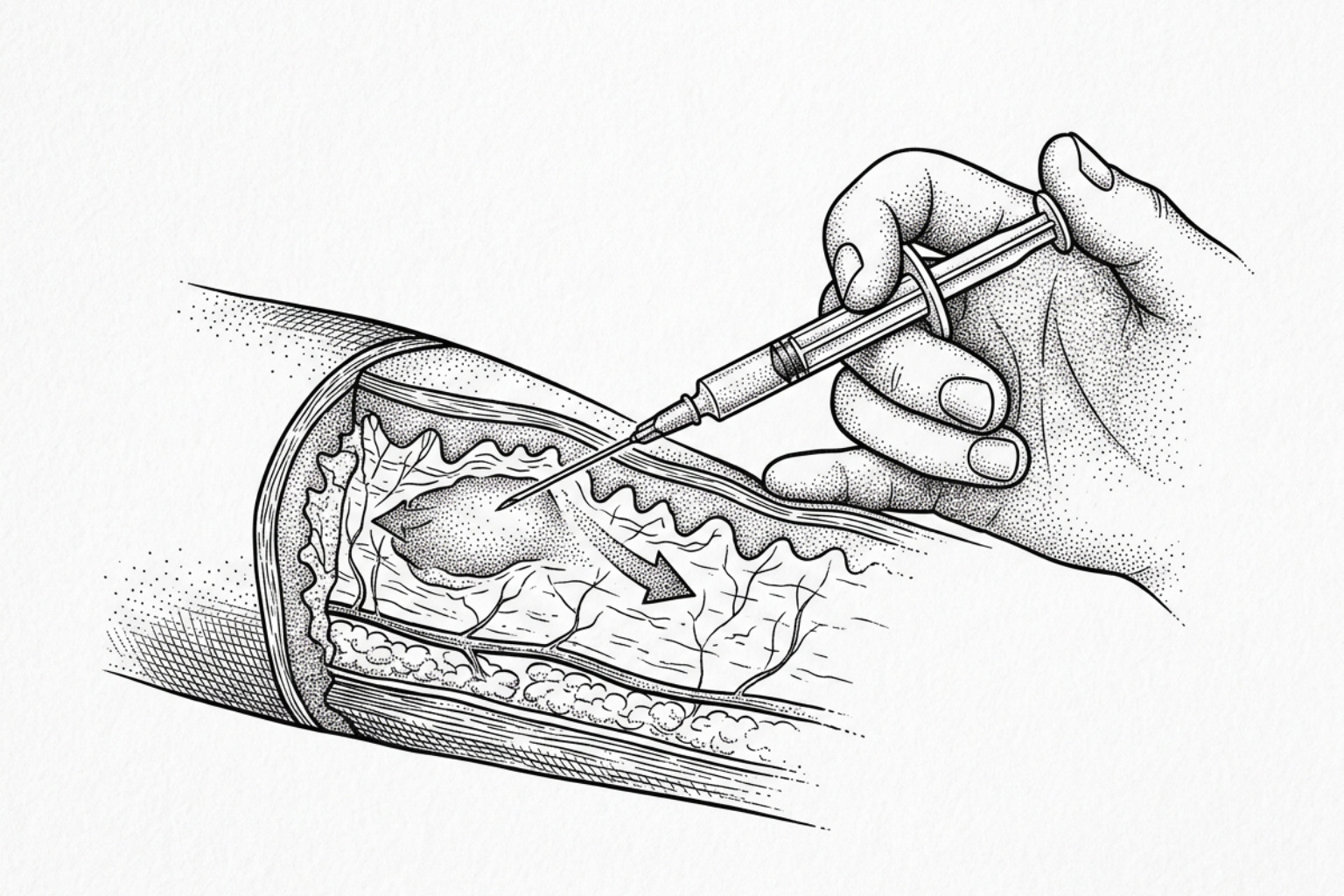
A–Z Guide to Fillers for Scar Treatment
Dermal fillers plump depressed scars almost instantly. Here's how hyaluronic acid, biostimulatory, and permanent fillers compare on results and safety.
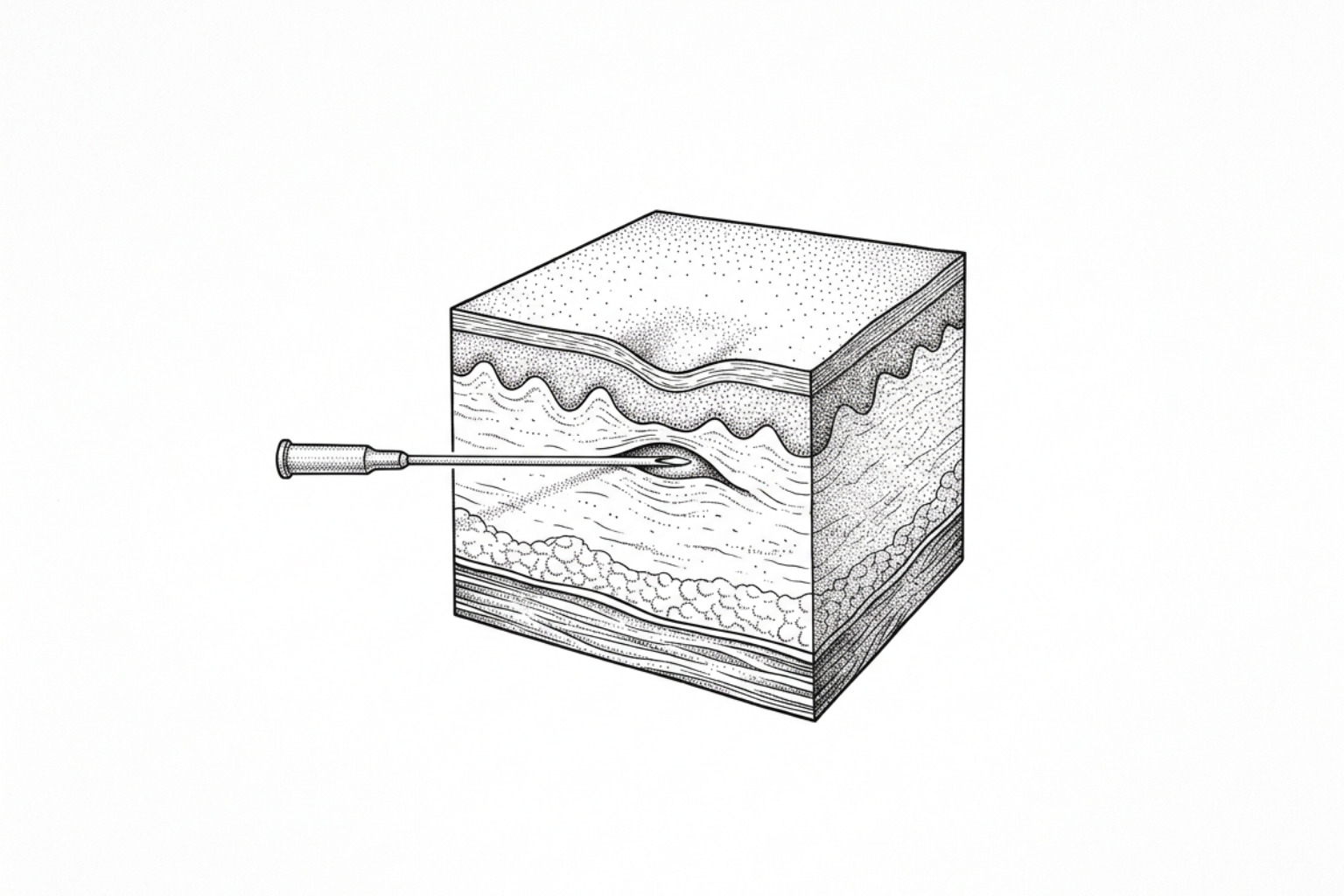
An Essential Guide to Subcision for Scars
Subcision cuts the tethers pulling depressed acne scars downward, letting the skin rebound. Here's how the procedure works, which scars respond, the sharp-needle vs. blunt-cannula debate, and what recovery looks like.
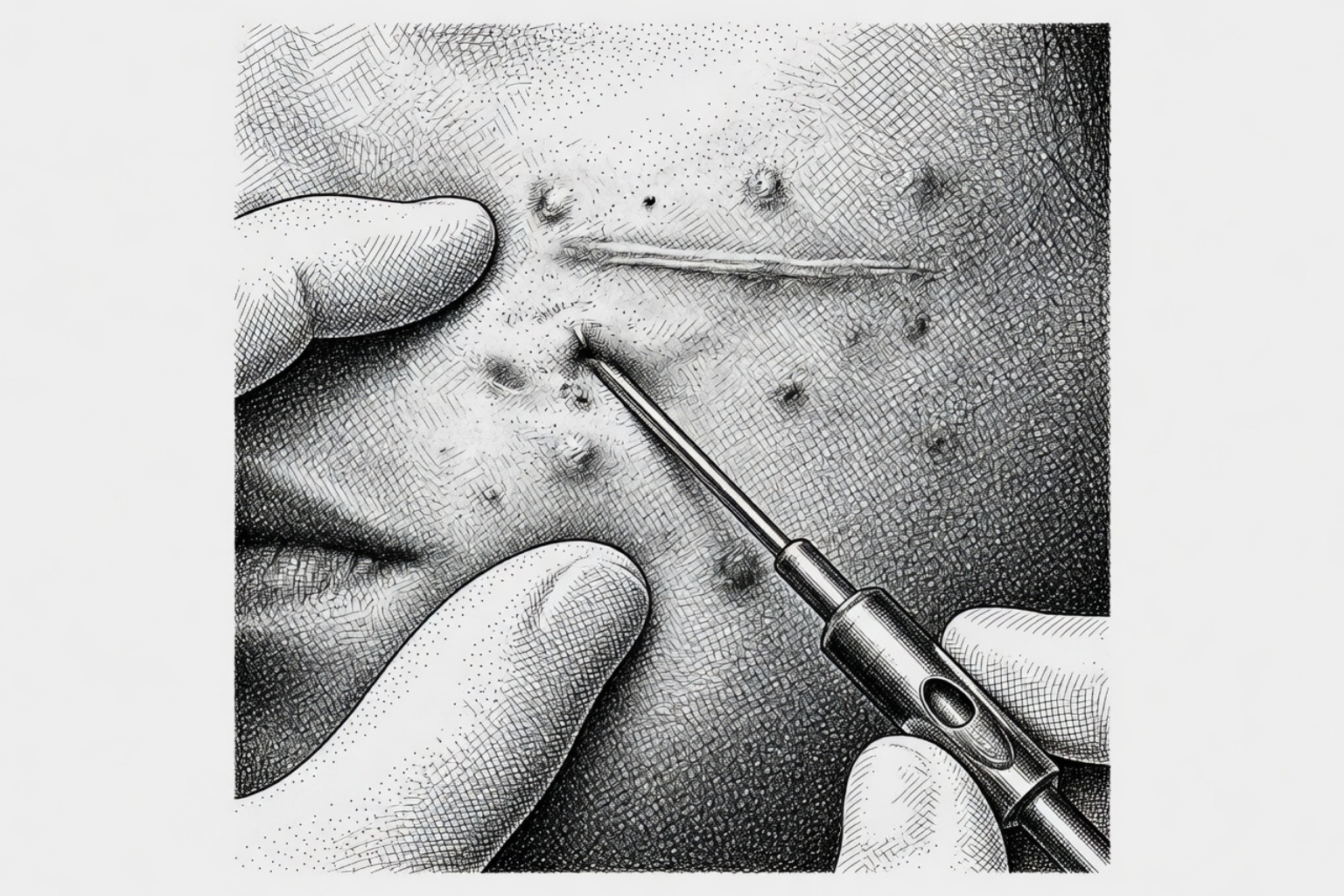
Why Blunt Cannula Subcision is Making Waves in Acne Treatment
Blunt cannula subcision releases the fibrous bands tethering atrophic acne scars, lifting them with less bruising and downtime than traditional Nokor needle methods.
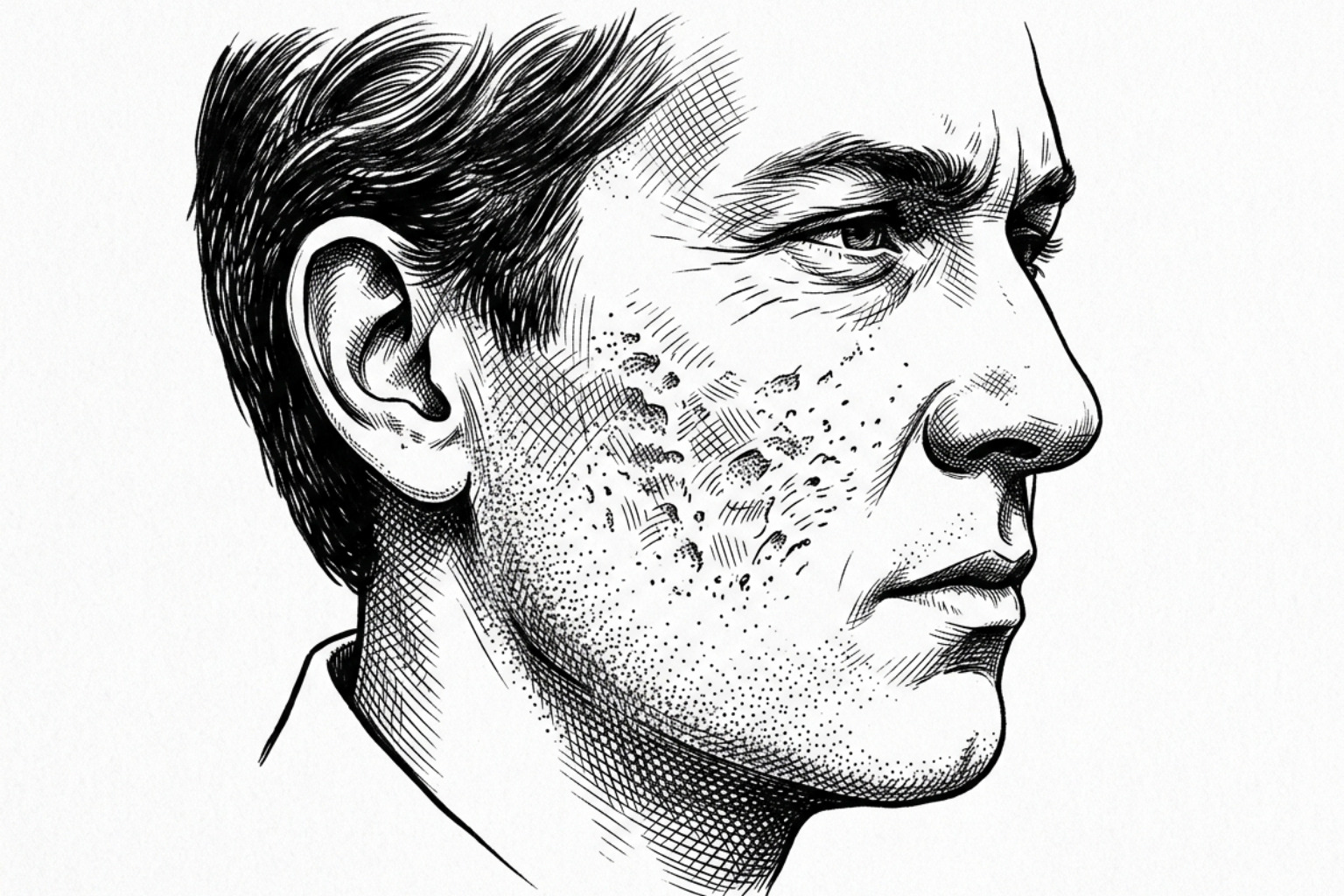
Top-Rated Ice Pick Scar Fillers for a Flawless Finish
Comparing the top injectable fillers for ice pick scars, from temporary hyaluronic acid to semi-permanent PMMA microspheres. See which option fits your skin type, budget, and goals.
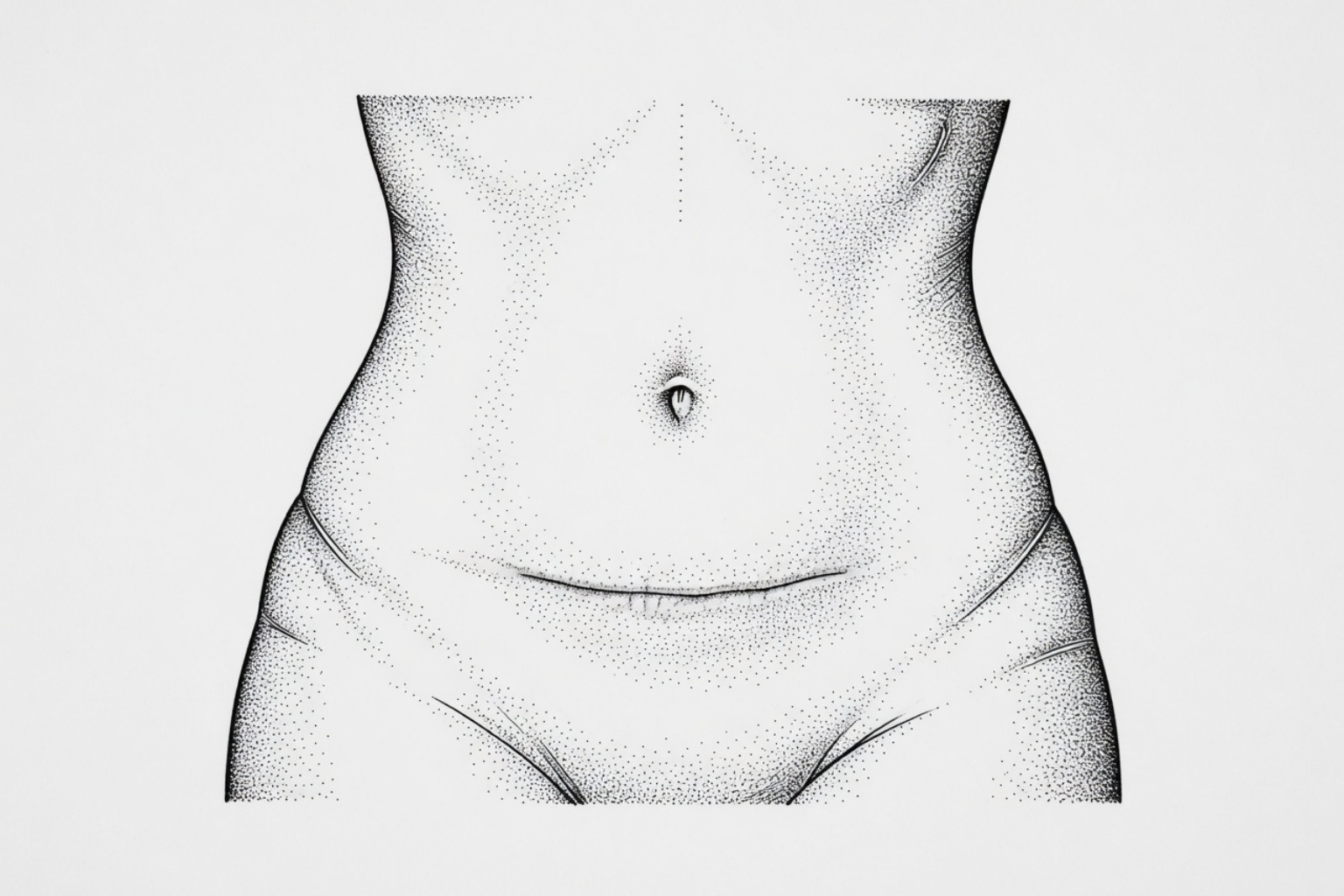
The Lowdown on C-Section Revision
A complete walkthrough of C-section scar revision methods, from surgical re-closure and Z-plasty to fractional laser resurfacing, with recovery timelines and realistic expectations.
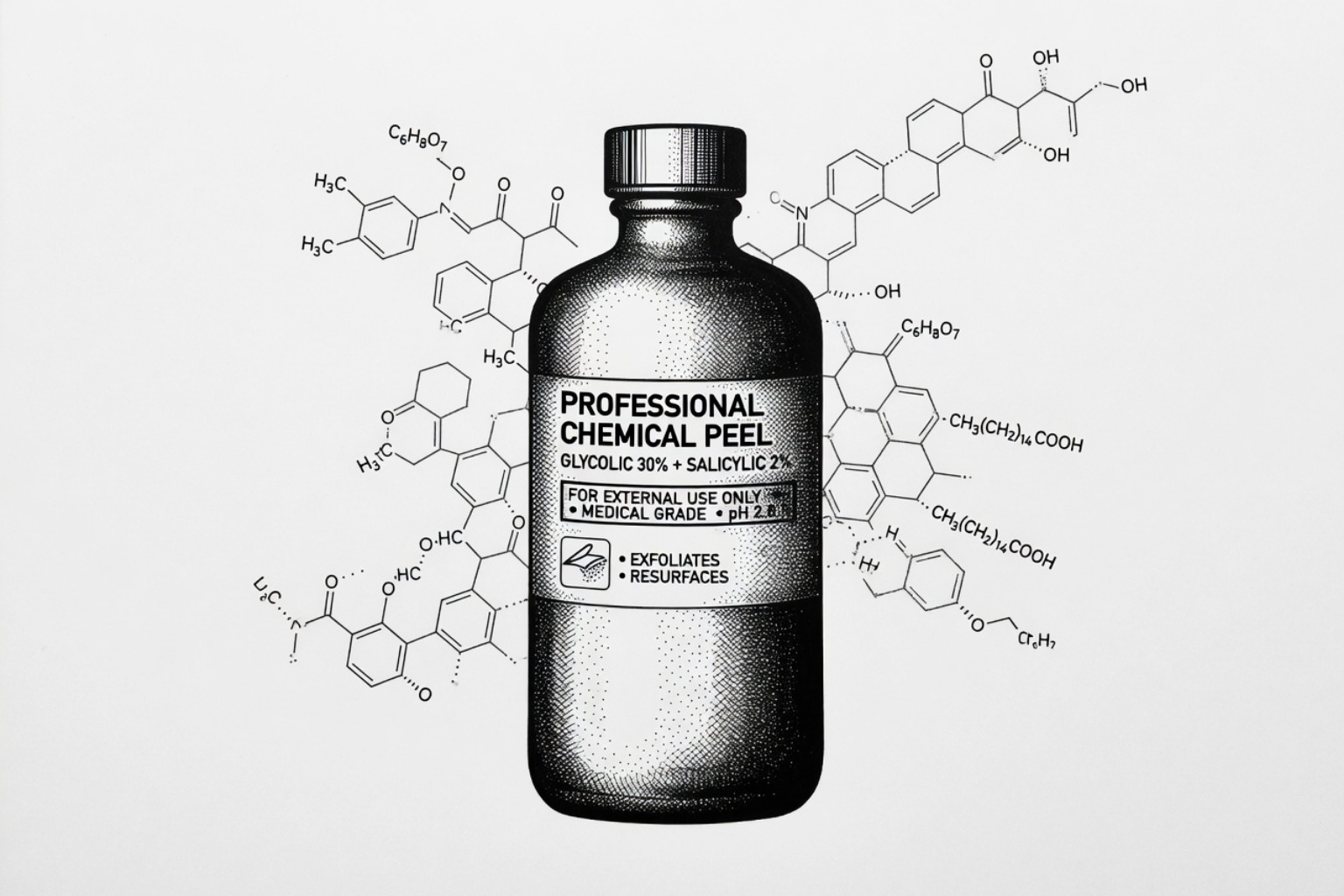
The Best Chemical Peel for Body Scars: A Complete List
Comparing TCA, glycolic, and mandelic acid peels for body scars. Each acid matched by Fitzpatrick skin type, scar depth, and body region to help you find the safest, most effective option.
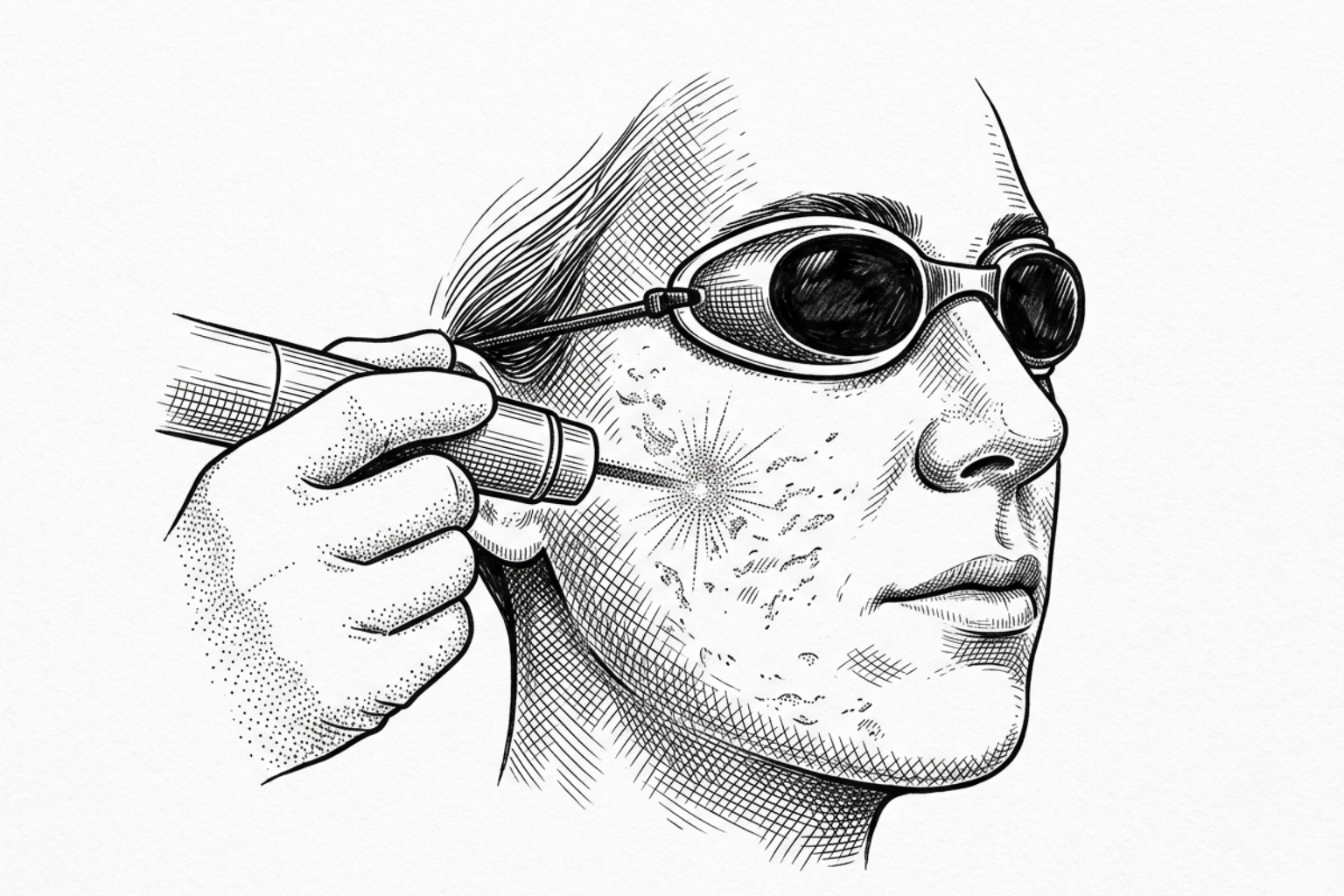
Laser vs RF Scar Reduction Treatment: Which Tech Wins?
A clinical comparison of laser scar reduction modalities — CO2, Erbium, and pulsed dye — with evidence on efficacy, safety across skin tones, and realistic recovery expectations.
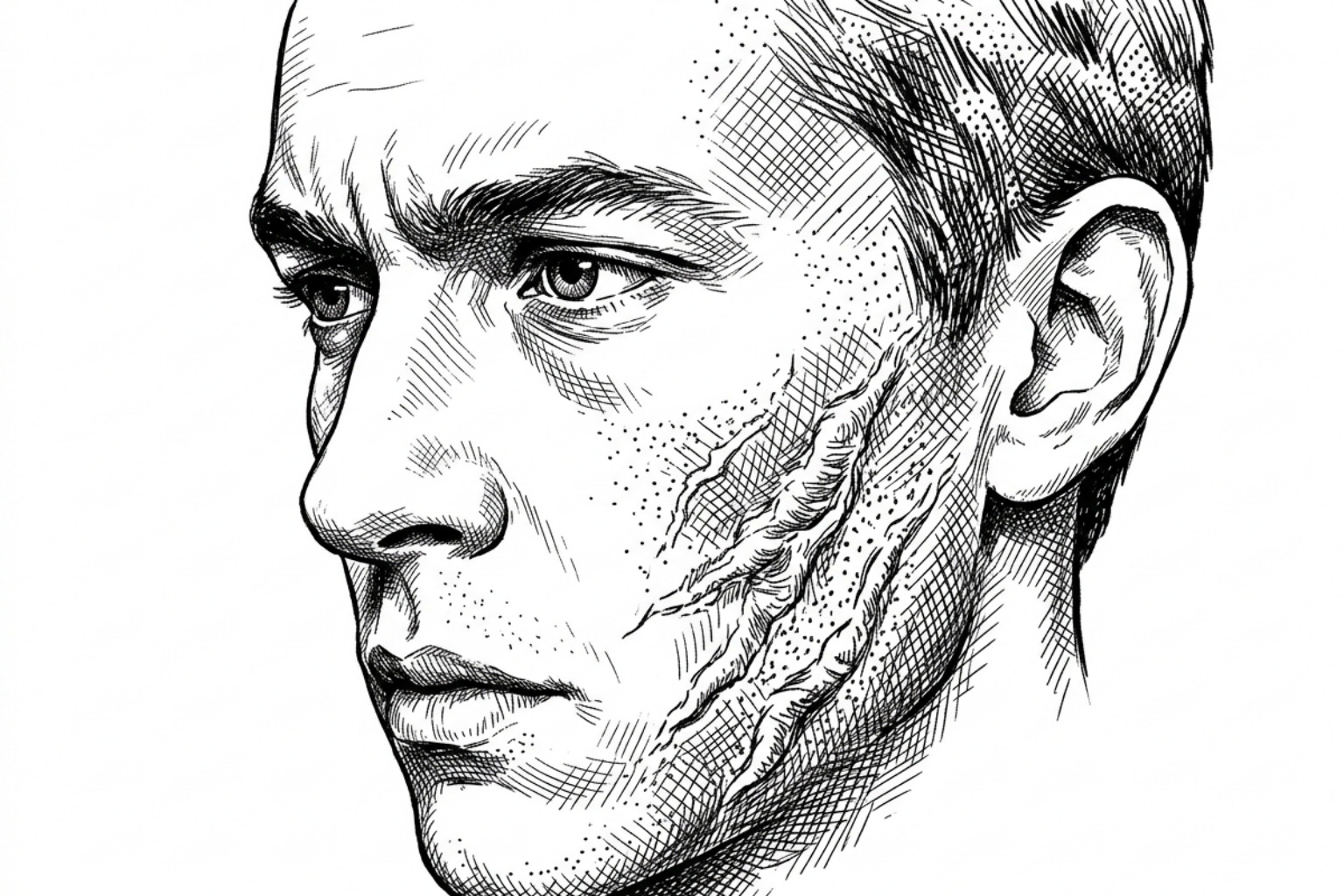
The Ultimate Guide to Hypertrophic Scar Flattening and Microneedling
A clinical review of microneedling for hypertrophic scar flattening — covering needle-depth protocols, Vancouver Scar Scale outcomes, radiofrequency adjuncts, and safety across all skin tones.
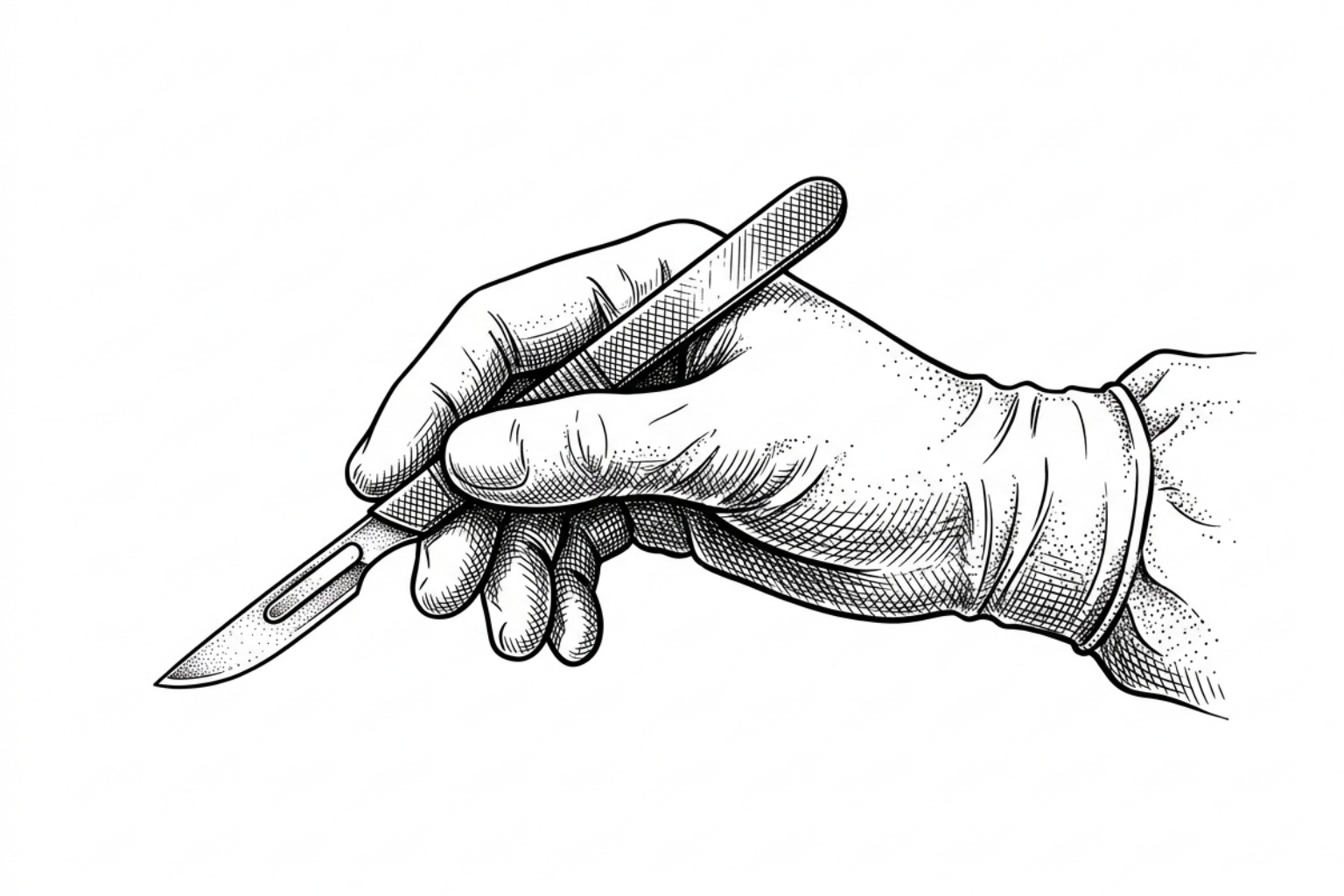
The Great Debate of Scar Gels vs Creams in Modern Protocols
Dermatology protocols favor silicone gels and sheets as first-line scar treatment. This guide compares clinical evidence for gels, sheets, lasers, and injections across every healing stage.
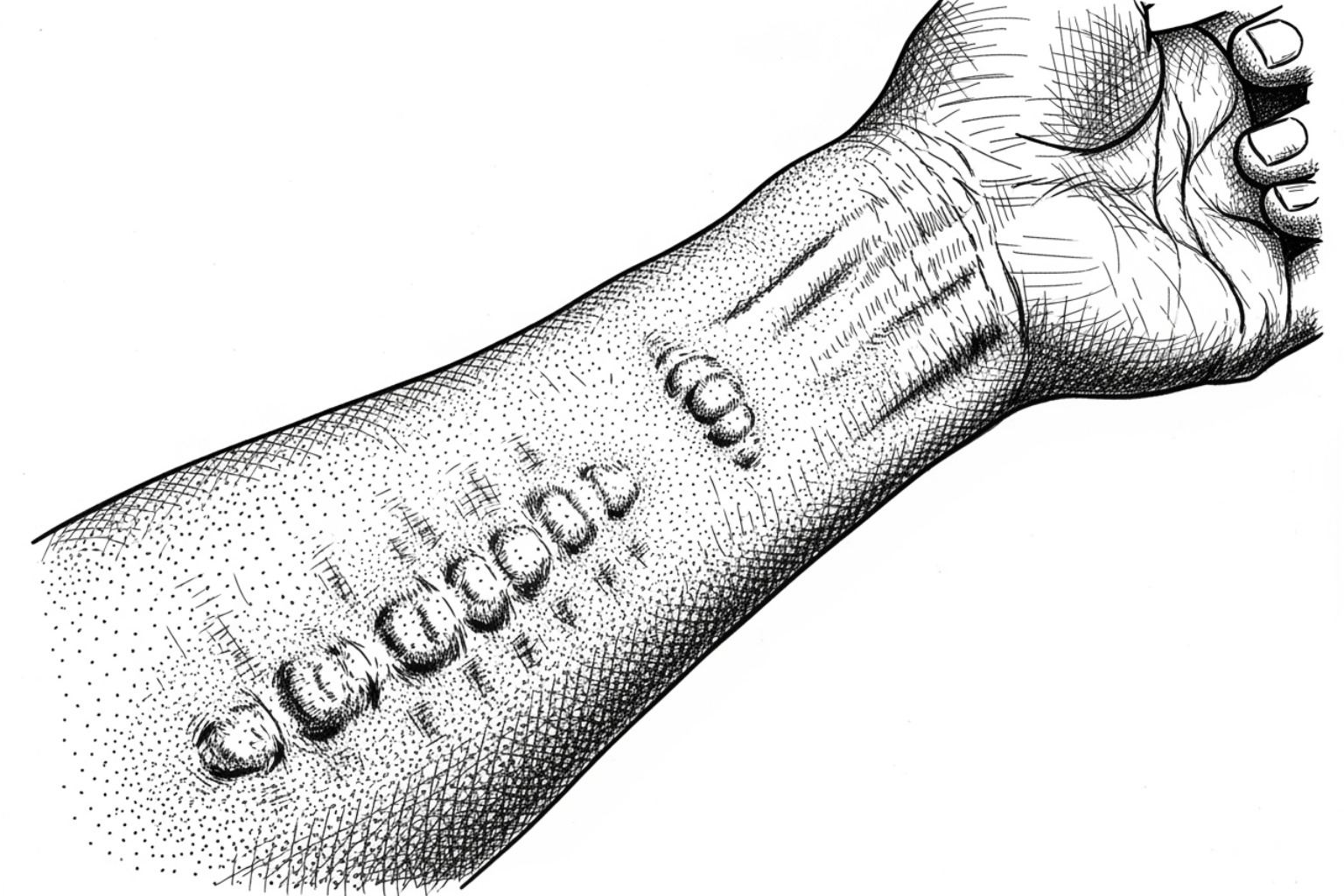
The Definitive Guide to Best Burn Scar Treatments
Evidence-based guide to the most effective burn scar treatments, from silicone sheets and pressure garments to laser therapy and surgical revision.
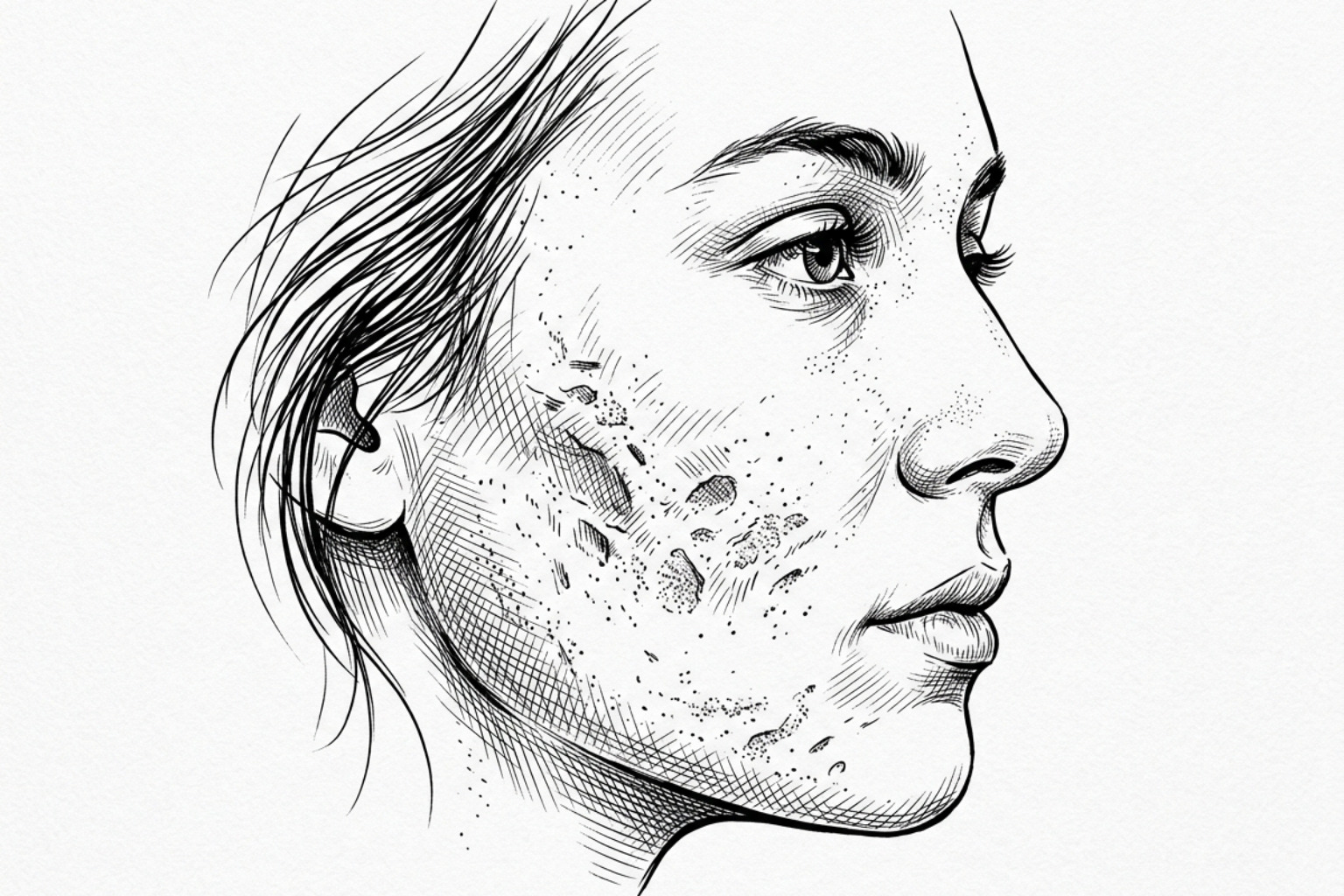
The Best Ways to Fill and Fix Atrophic Scars
Compare dermal fillers, subcision, fat grafting, and biostimulators for atrophic scars. Clinical evidence on what fills depressed scars most effectively.