The Scar Healing Editorial Team
Researchers and science writers covering the biology of scar formation, wound healing, and skin regeneration. Every article is grounded in peer-reviewed dermatology and wound care research. Making complex skin science accessible and actionable.
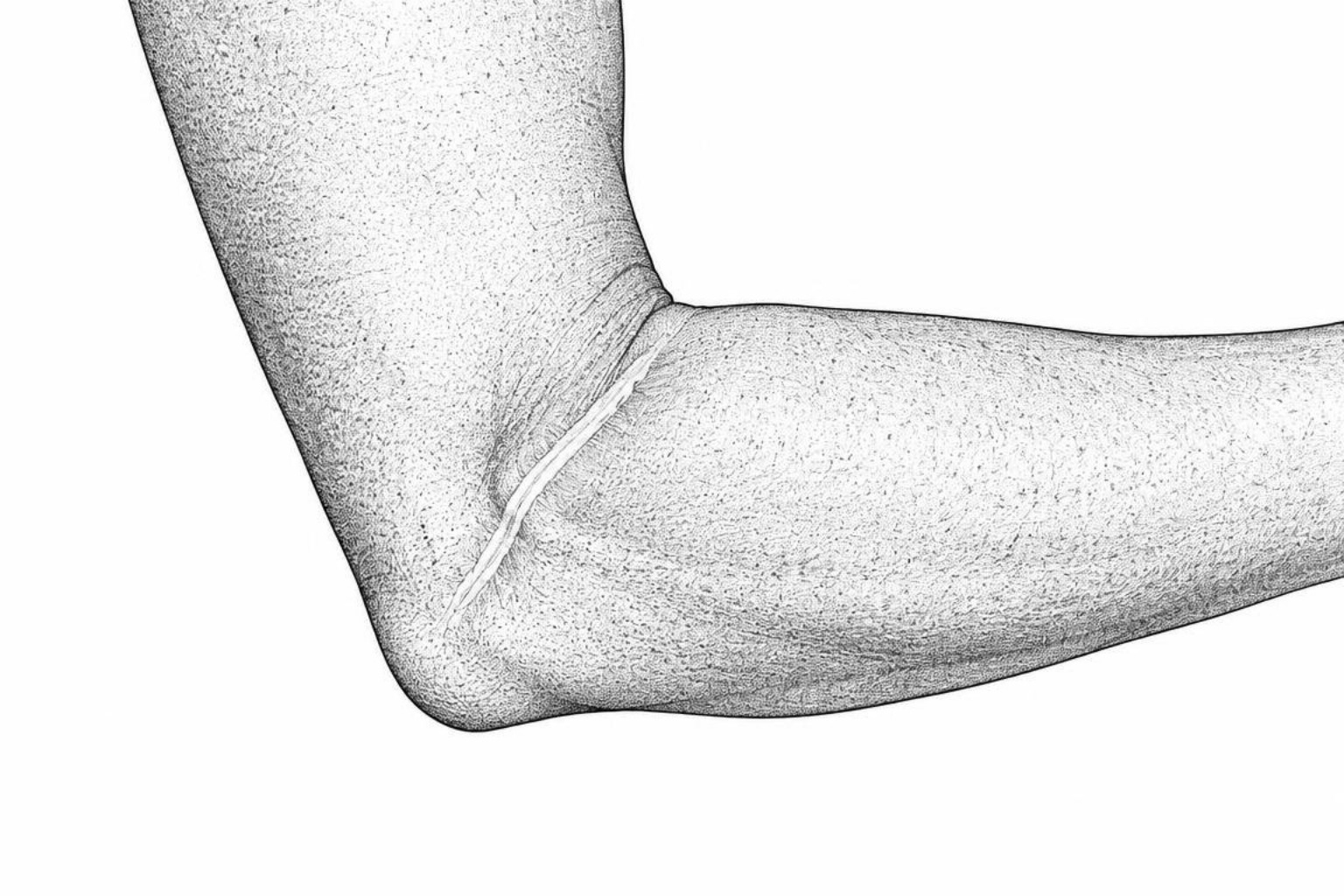
Why Skin Tightens: The Science of Contracture Scars
Deep burns, tissue loss and long immobilization can leave scar tissue that keeps contracting. This guide covers how contractures form, who is at risk, which joints are hit hardest and what limits them.
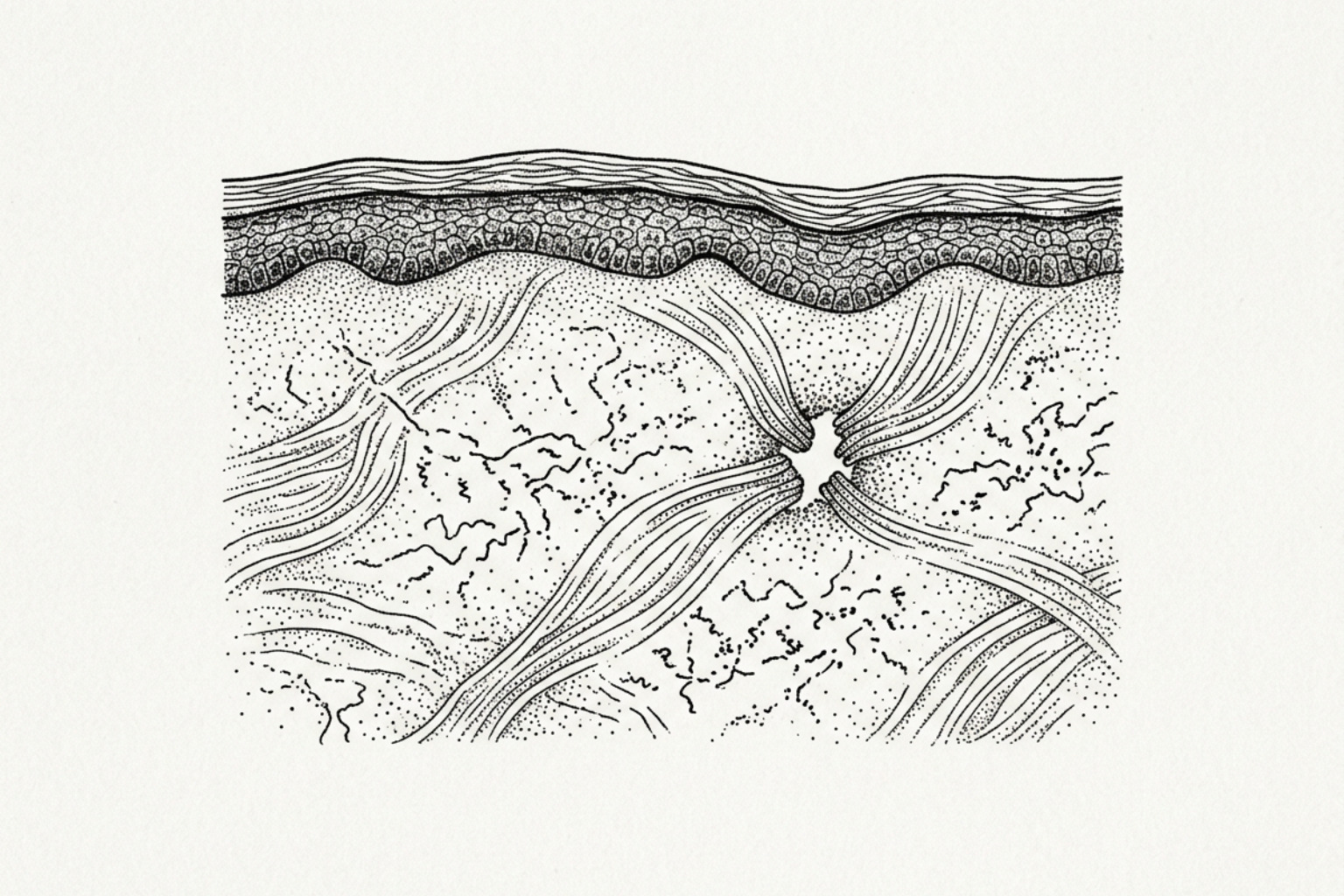
Ways to Reduce the Appearance of Stretch Marks
Stretch marks respond differently by age and skin tone. This guide covers creams, retinoids, microneedling, radiofrequency and lasers, with what each can realistically change and how long it takes.
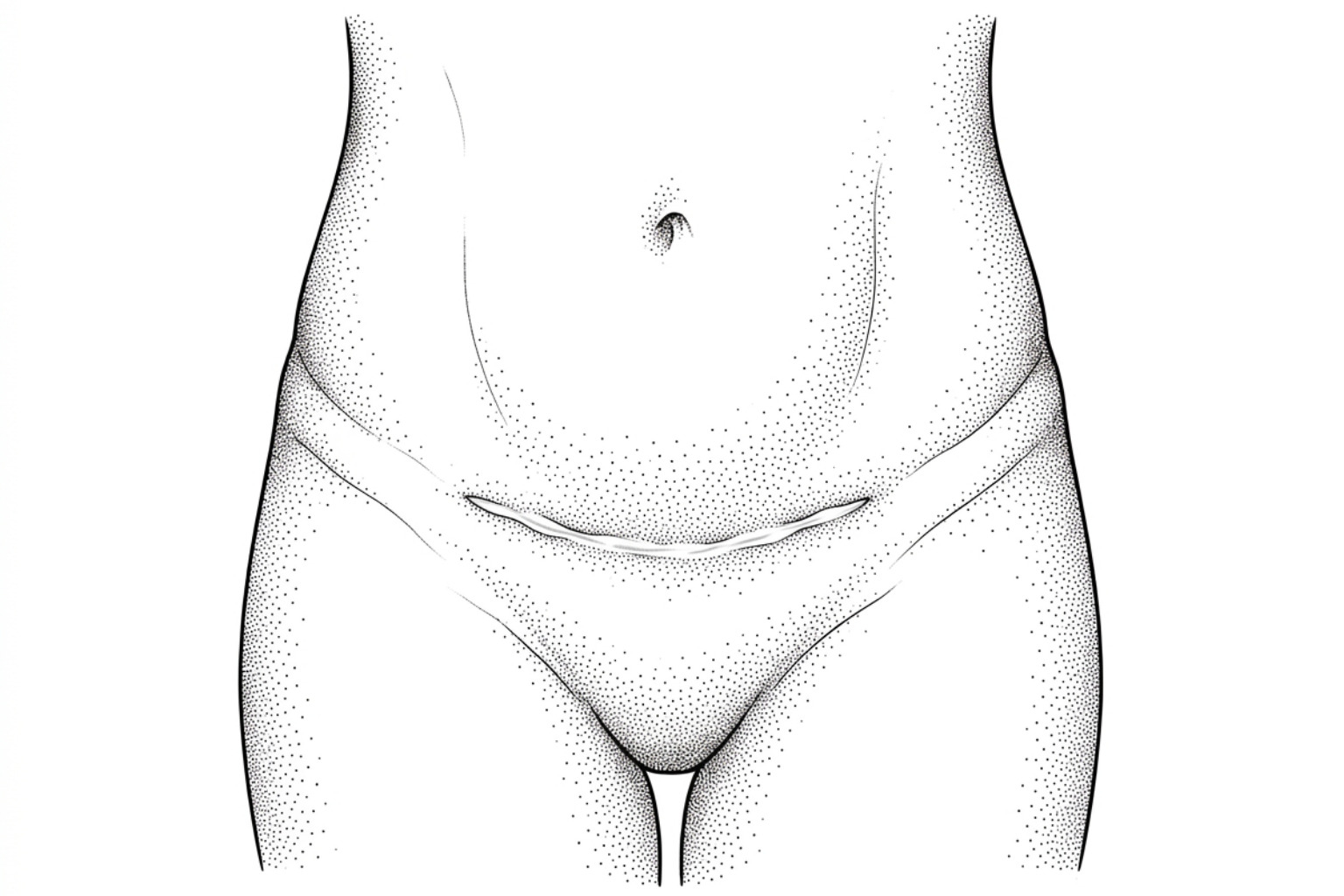
Real C-Section Scar Stages and What to Expect
A C-section scar changes from red and raised to pale and flat over months. This guide shows each healing stage in order, what is normal at each point and when a scar needs a doctor's check.
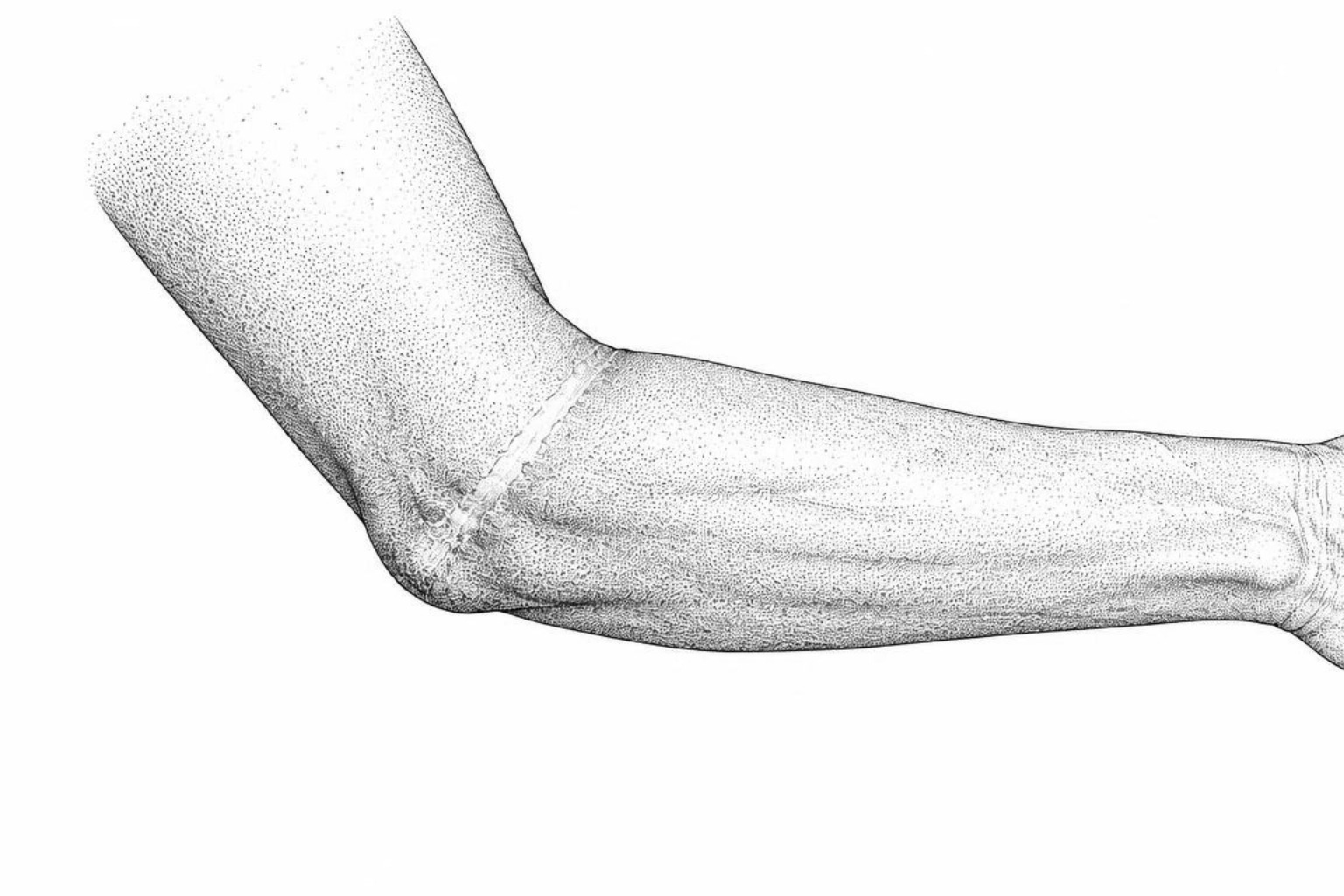
3 Reasons Contracture Scars Need Medical Support
Contracture scars tighten over time and can limit joint movement. This guide explains why they persist, which early steps slow them and when splinting, laser or surgery becomes necessary.
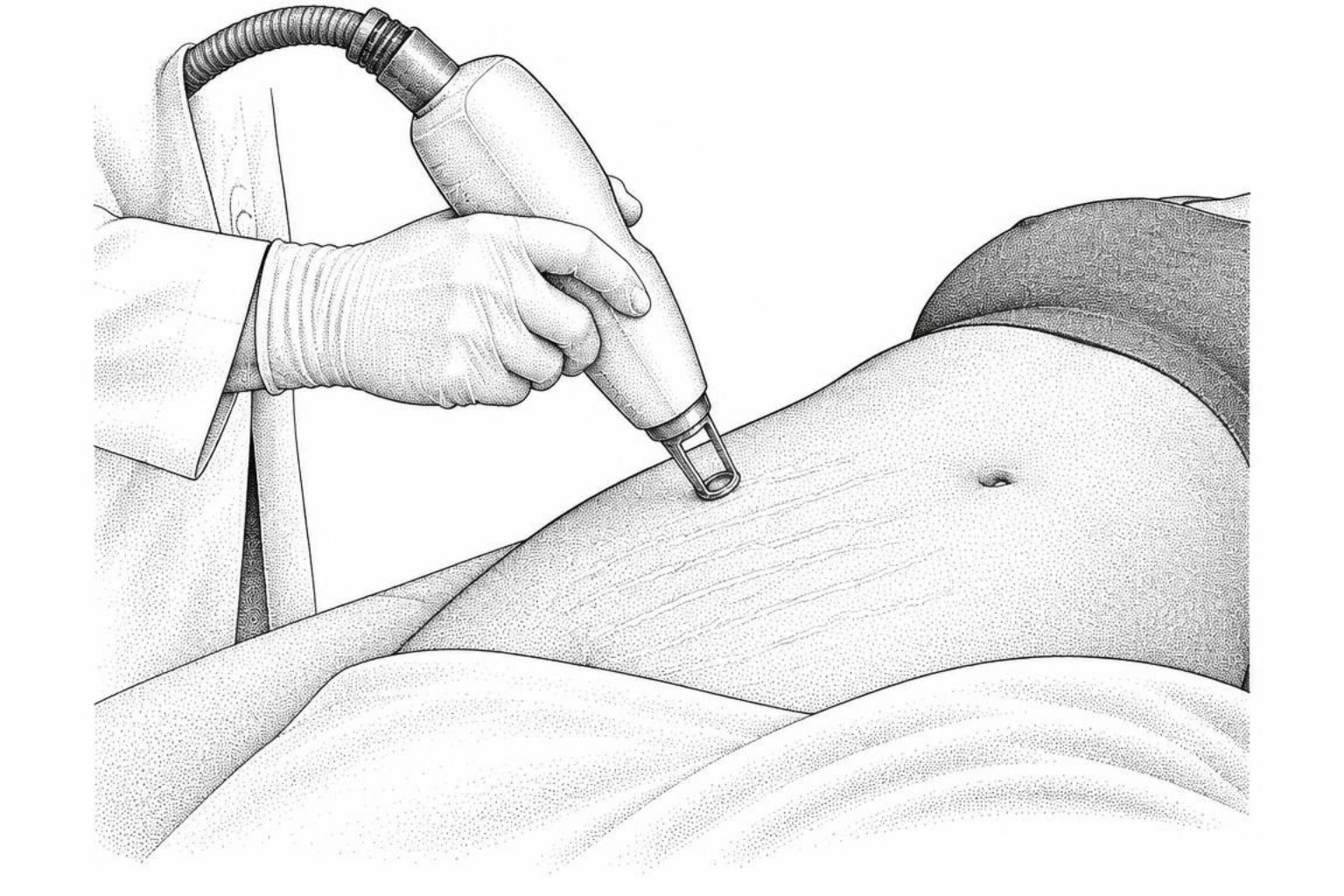
What to Expect During Stretch Mark Laser Procedures
Laser treatment can make stretch marks flatter, smoother and closer to your natural skin tone, though rarely invisible. Here is what sessions, recovery and results usually look like.
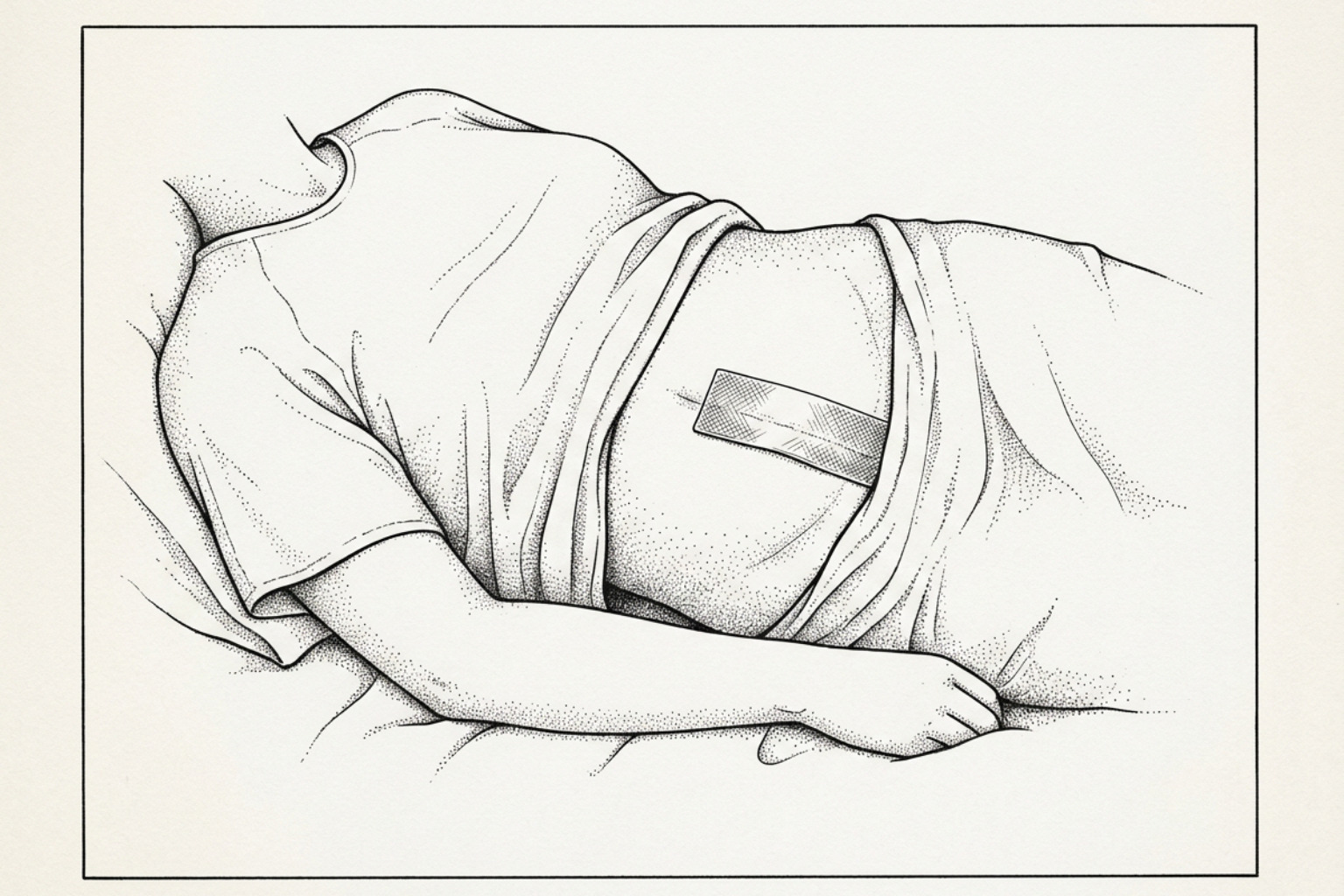
When Should You Start Silicone Scar Treatment?
Silicone sheeting can help a C-section scar heal flatter and softer, but only once the incision is fully closed. Here is when to start, how to build up wear time and when to stop.
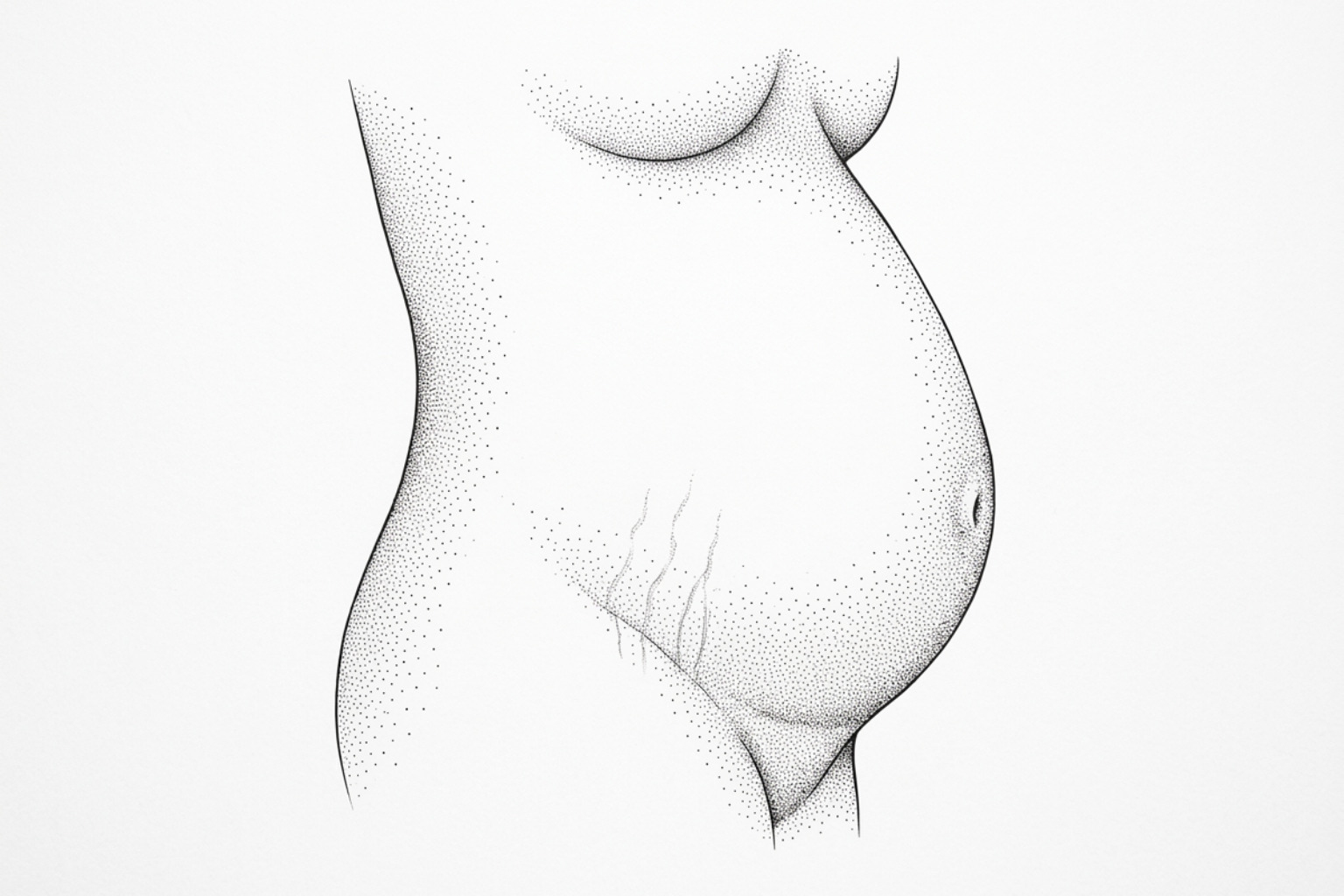
What Expectant Mothers Can Do for Stretch Marks
Stretch marks in pregnancy are common and partly down to genetics. Here is what moisturizers and massage can and cannot do, which products to avoid, and what helps after delivery.
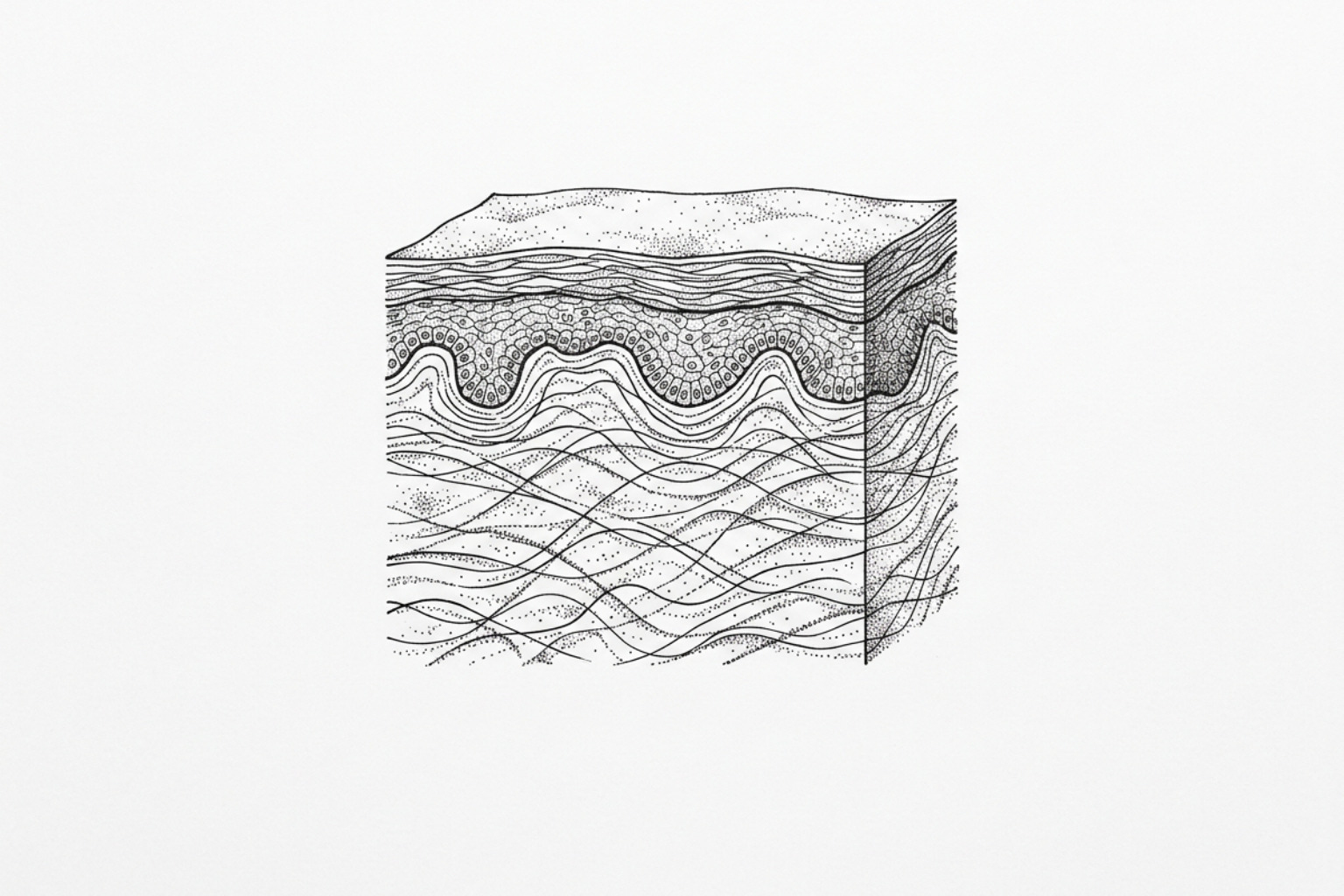
What You Should Know About Stretch Mark Creams
Stretch mark creams work best on early red or purple marks and mostly improve texture on older white ones. Here is what the ingredients do, how to use them and how long to wait.
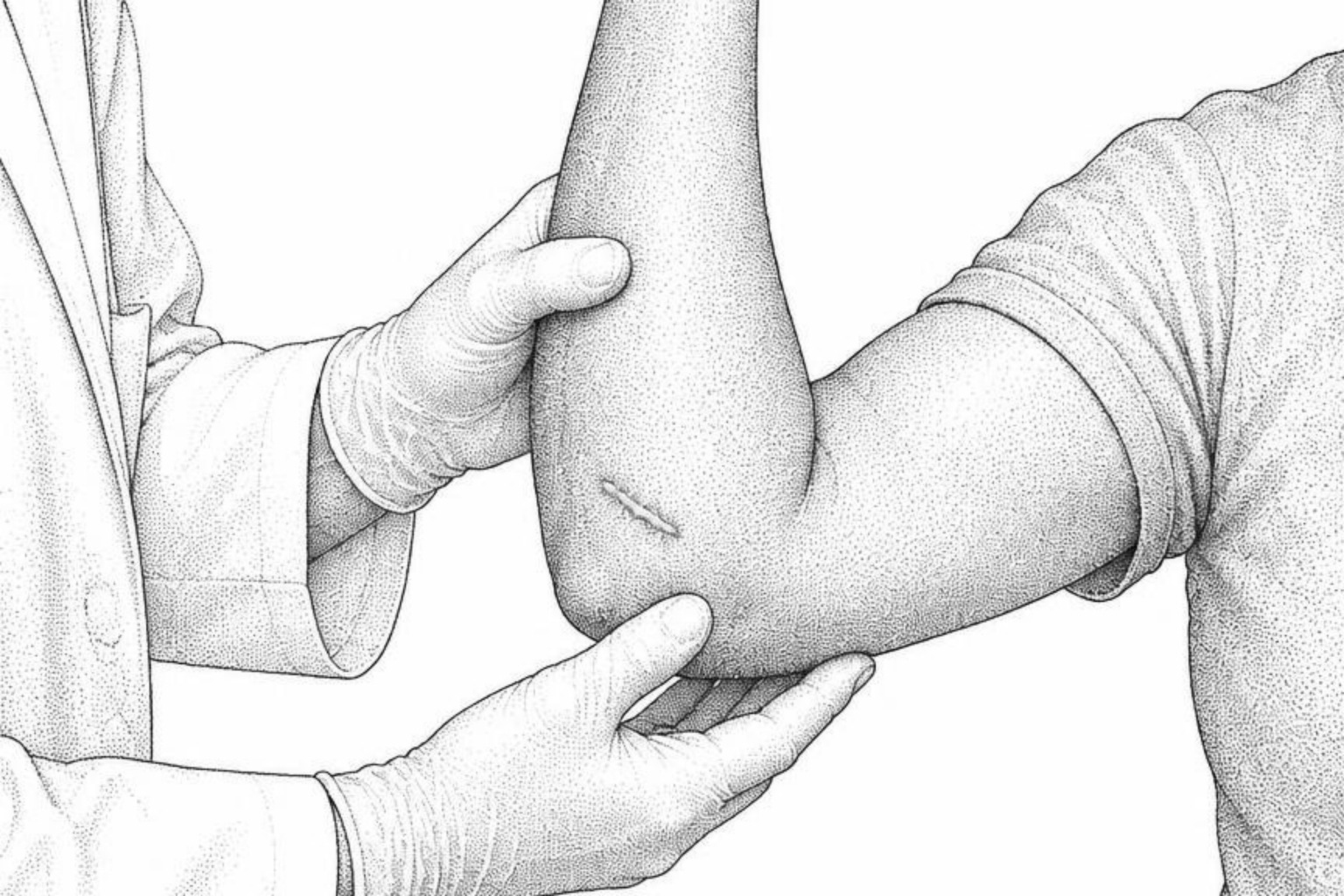
4 Ways Doctors Treat and Remove Contracture Scars
A contracture scar pulls skin tight across a joint and can limit movement. Doctors combine physical therapy, laser, injections and surgical release. Here is how each option works.
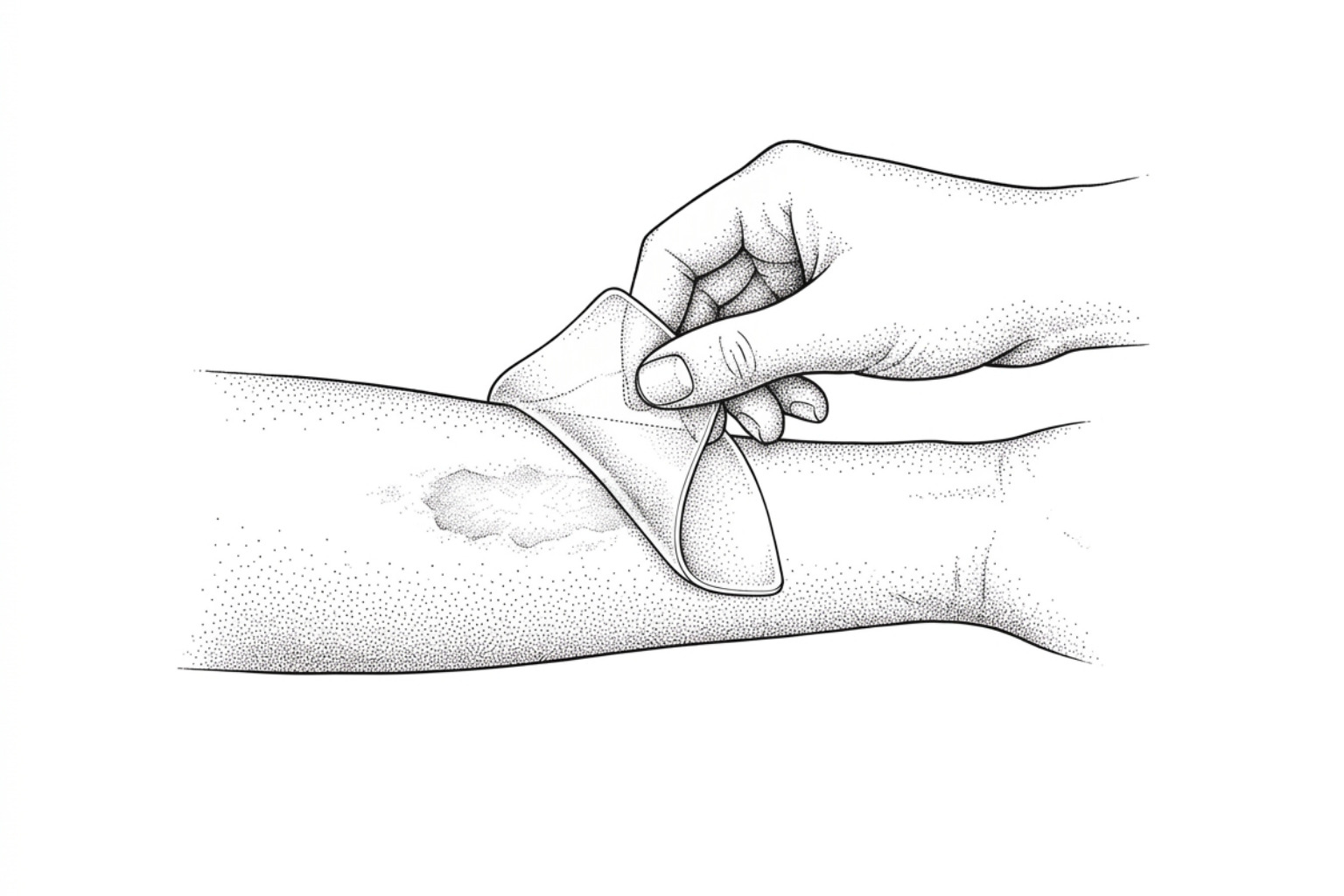
3 Evidence-Based Topical Therapies for Burn Scar Hydration and Texture Control
Silicone sheets, gels and silicone bandages are the standard at-home options for raised burn scars. When to start, how many hours a day they need, how long a course runs, and what the trials show.
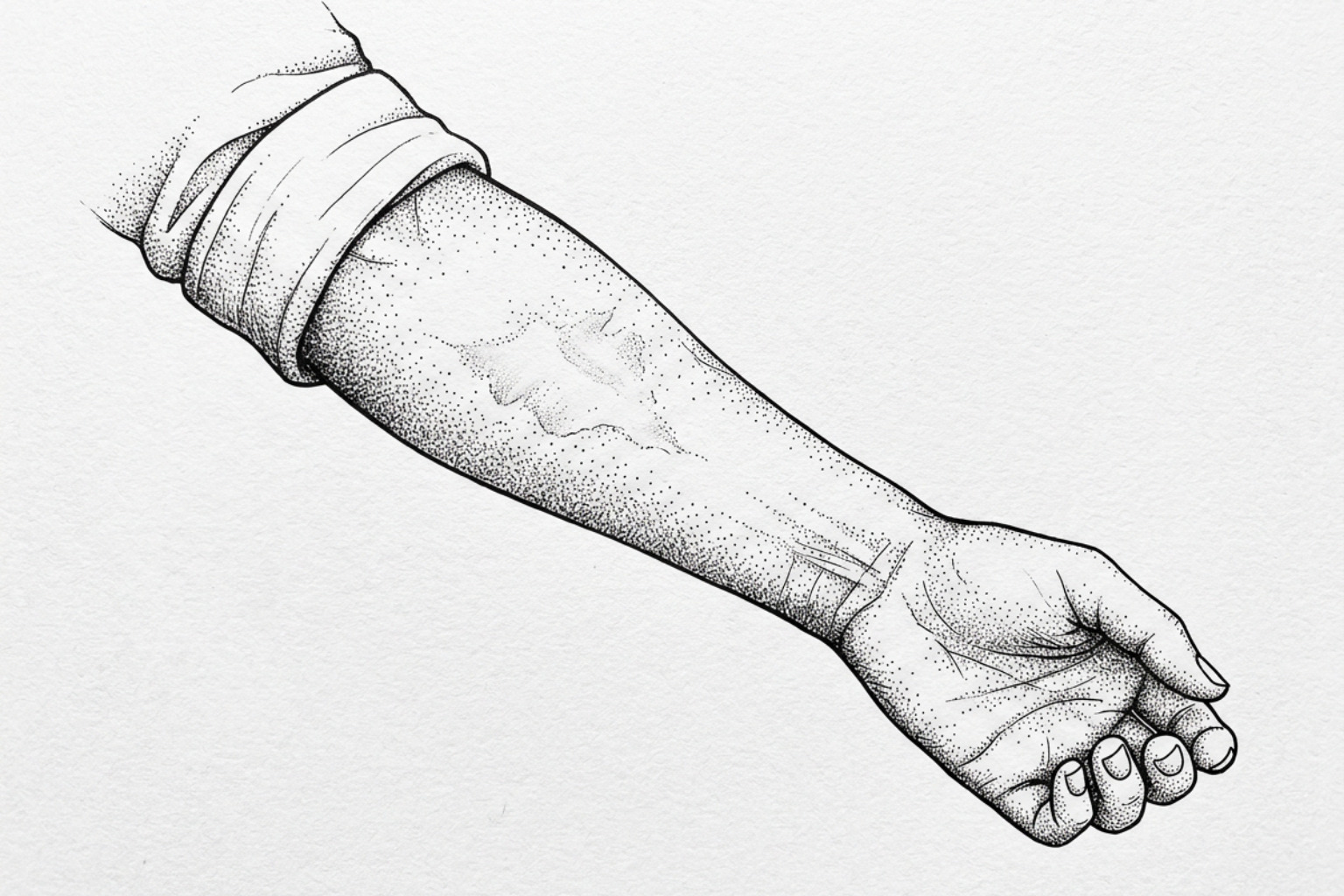
Assess Scar Vascularity and Pliability Throughout the Post-Burn Maturation Phase
Burn scars keep changing long after the wound closes: redder and firmer for the first few months, peaking around six months, then slowly softening over 12 to 24 months. Here is what clinicians watch for and what helps.
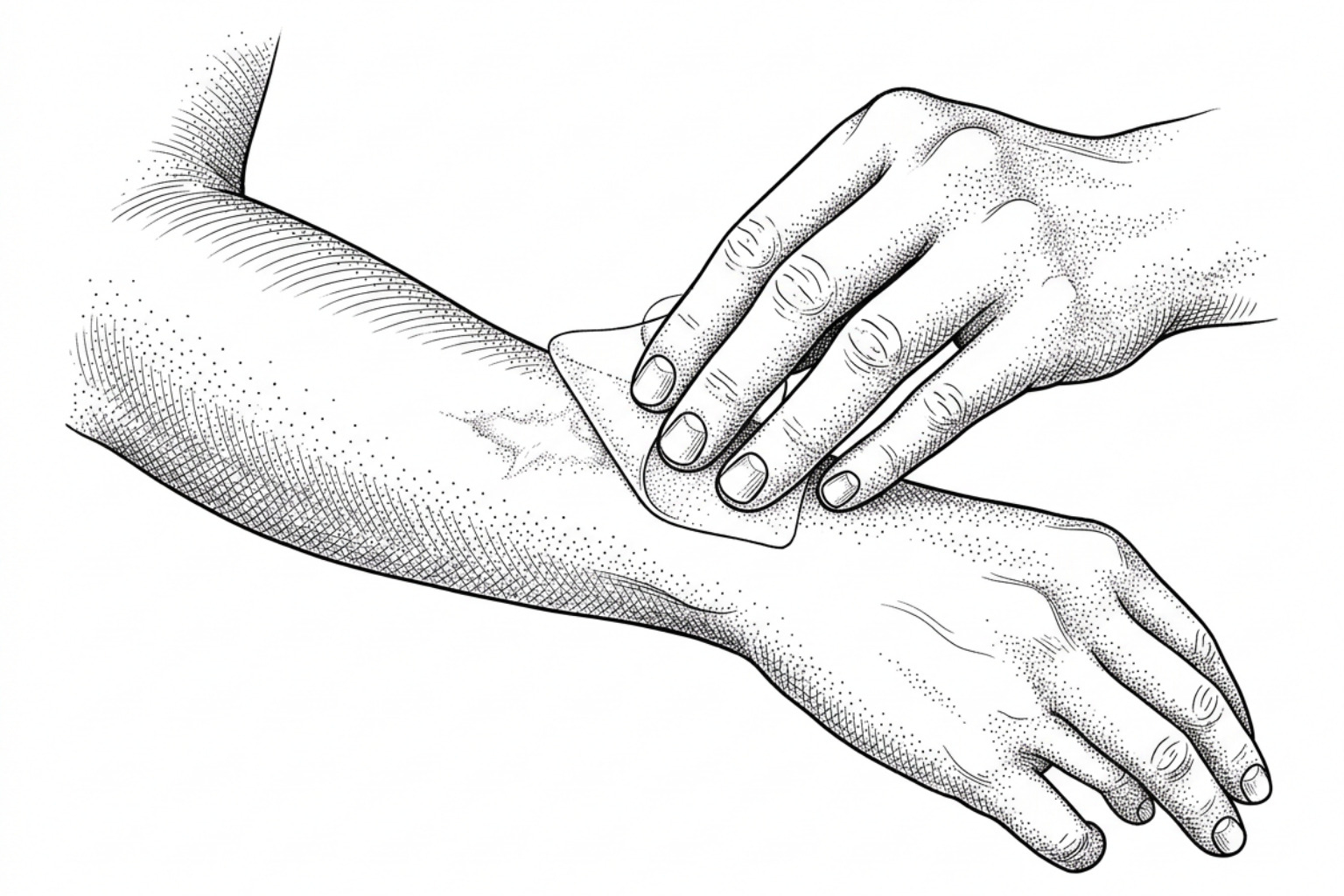
A Clinical Guide to Post-Burn Scar Reduction and Tissue Rehabilitation
No treatment erases a burn scar, but the right sequence reduces thickness, redness, tightness and itch. This guide covers silicone, pressure garments, massage, laser and injections, and when each should start.