Non-Invasive C-Section Scars: Healing Your Post-Baby Body

What the Evidence Shows About Non-Invasive C-Section Scar Treatments
Non invasive c section scars management is one of the most searched postpartum skin concerns — and for good reason. Roughly 30% of births in the United States involve a caesarean section, leaving a significant number of women with a visible abdominal scar that may persist for years.
Quick answer: the most evidence-supported non-invasive options for C-section scars include:
- Silicone gel or sheets - among the most clinically validated topical interventions for scar flattening and redness reduction
- Microneedling - stimulates collagen remodeling through controlled micro-injury to dermal tissue
- Fractional laser resurfacing - research suggests appearance reduction of 50-80% with multiple sessions
- Radiofrequency (RF) therapy - delivers thermal energy to deeper skin layers to promote collagen production
- Scar massage - low-risk, accessible technique shown to soften tissue and improve mobility over time
- Shockwave therapy - emerging evidence supports its use for breaking down deep adhesions and improving functional recovery
- Topical retinoids and vitamin E - may support skin cell turnover, though evidence varies in quality
The scar itself forms through a predictable biological process. After the abdominal incision is closed, the body enters a repair sequence — an inflammatory response is triggered, new blood vessels form (angiogenesis), fibroblasts migrate to the wound site, and collagen is deposited to rebuild tissue. This process can take anywhere from several months to two years to fully learn to mature.
The problem is that scar collagen is structurally different from the original dermal tissue. It's less elastic, less organized, and more fibrous. That's why C-section scars can appear raised, discolored, or indented — and why, in some cases, they cause physical discomfort like tightness or pulling.
What's important to understand: no treatment eliminates a scar entirely. But a growing body of clinical evidence supports several non-surgical approaches that can meaningfully reduce scar visibility and improve tissue function — without the risks and recovery time associated with surgical revision.
This review examines what the research actually says about each major non-invasive option, who is likely to benefit, and what realistic outcomes look like.
The Biological Mechanisms of C-Section Scar Formation
To understand how to treat a scar, one must first understand how it is built. A C-section involves two distinct incisions: one through the abdominal wall and another through the uterus. As the body initiates repair, specialized cells called fibroblasts migrate to the site. These cells are the "engine" of wound healing, responsible for secreting the extracellular matrix and collagen that provide structural integrity to the closing wound.
During the proliferation phase, the body often prioritizes speed over aesthetic perfection. In abdominal scars, this can lead to an overproduction of collagen, resulting in a hypertrophic response. Unlike normal skin, where collagen fibers are woven in a basket-weave pattern, surgical scars feature collagen fibers that align in parallel, making the tissue stiffer and less pliable.
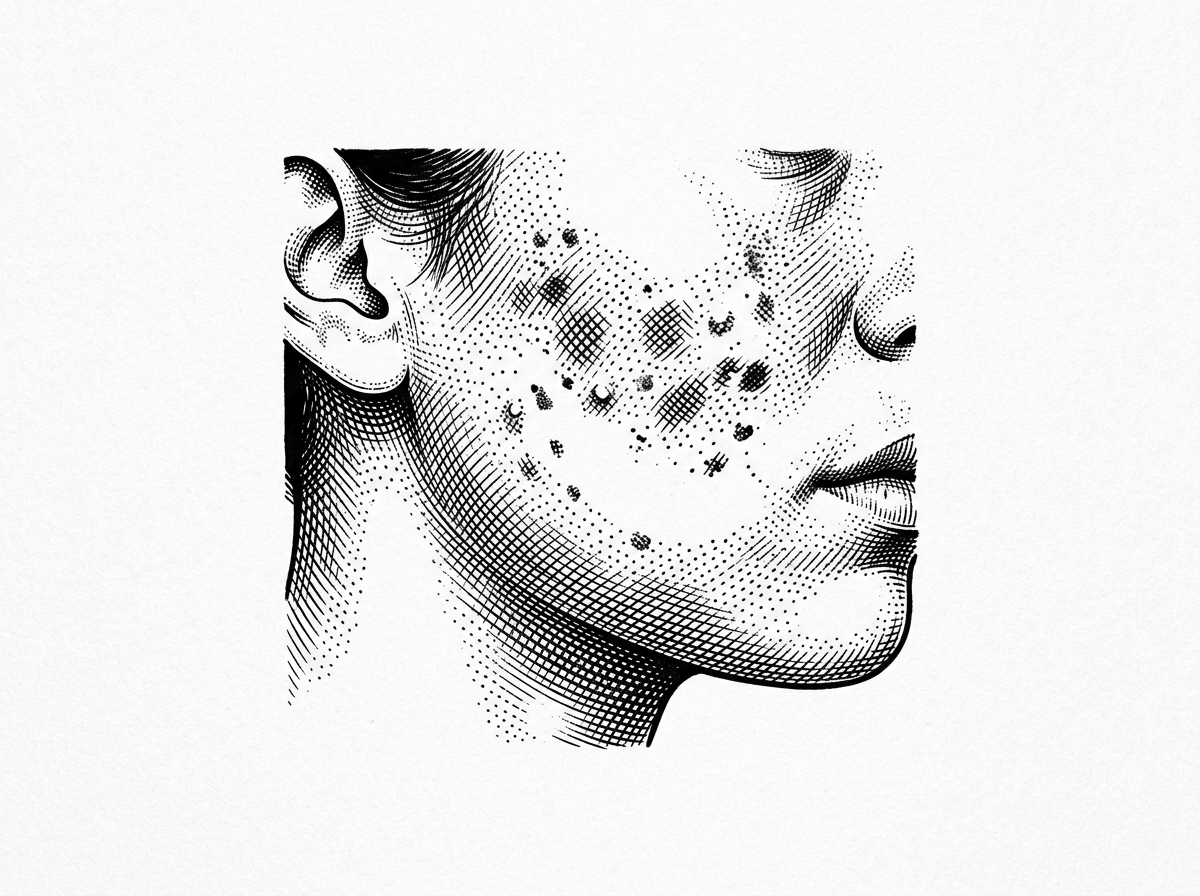
Angiogenesis, the formation of new blood vessels, is also hyper-active during early healing. This is why fresh scars often appear red or purple. As the scar matures over 12 to 24 months, these vessels typically regress, and the scar fades to a pale white or silvery tone. However, factors such as genetics, surgical technique, and tension on the incision site can stall this maturation, leading to persistent discoloration or raised tissue.
Clinical Evidence for Non Invasive C-Section Scars Management
When exploring non invasive c section scars management, silicone therapy remains the clinical gold standard. Scientific research on the efficacy of silicone gel for hypertrophic scars indicates that silicone works by creating an occlusive barrier that mimics the skin's natural stratum corneum.
This occlusion reduces transepidermal water loss (TEWL). When the skin is properly hydrated, the body receives a signal to scale back the activity of fibroblasts. This prevents the excessive collagen deposition that leads to hypertrophic scars. Clinical observations show that consistent use of silicone sheets or gels can significantly soften and flatten raised tissue while aiding in scar fading. For optimal post-surgery scar care, clinicians often recommend starting silicone therapy as soon as the incision is fully closed and the sutures are removed.
Topical Agents and the Role of the Skin Barrier in Non Invasive C-Section Scars
Beyond silicone, several topical agents are frequently utilized to improve skin texture and tone. Vitamin E scar healing is a popular home remedy, though clinical evidence is mixed. Some studies suggest it may improve hydration and elasticity, while others note a risk of contact dermatitis in sensitive individuals. It is generally advised to perform a patch test before widespread application.
Retinoids, derivatives of Vitamin Vitamin A, are also used to promote skin cell turnover and collagen remodeling. However, they can be irritating to the delicate skin barrier, particularly for those with a history of atopic dermatitis or eczema. For a gentler approach, aloe vera scar reduction methods leverage the plant's anti-inflammatory properties to soothe the area and reduce redness. While natural remedies may not offer the dramatic results of energy-based therapies, they play a supportive role in maintaining skin health and sensitivity during the long maturation process.
Microneedling and Radiofrequency for Non Invasive C-Section Scars

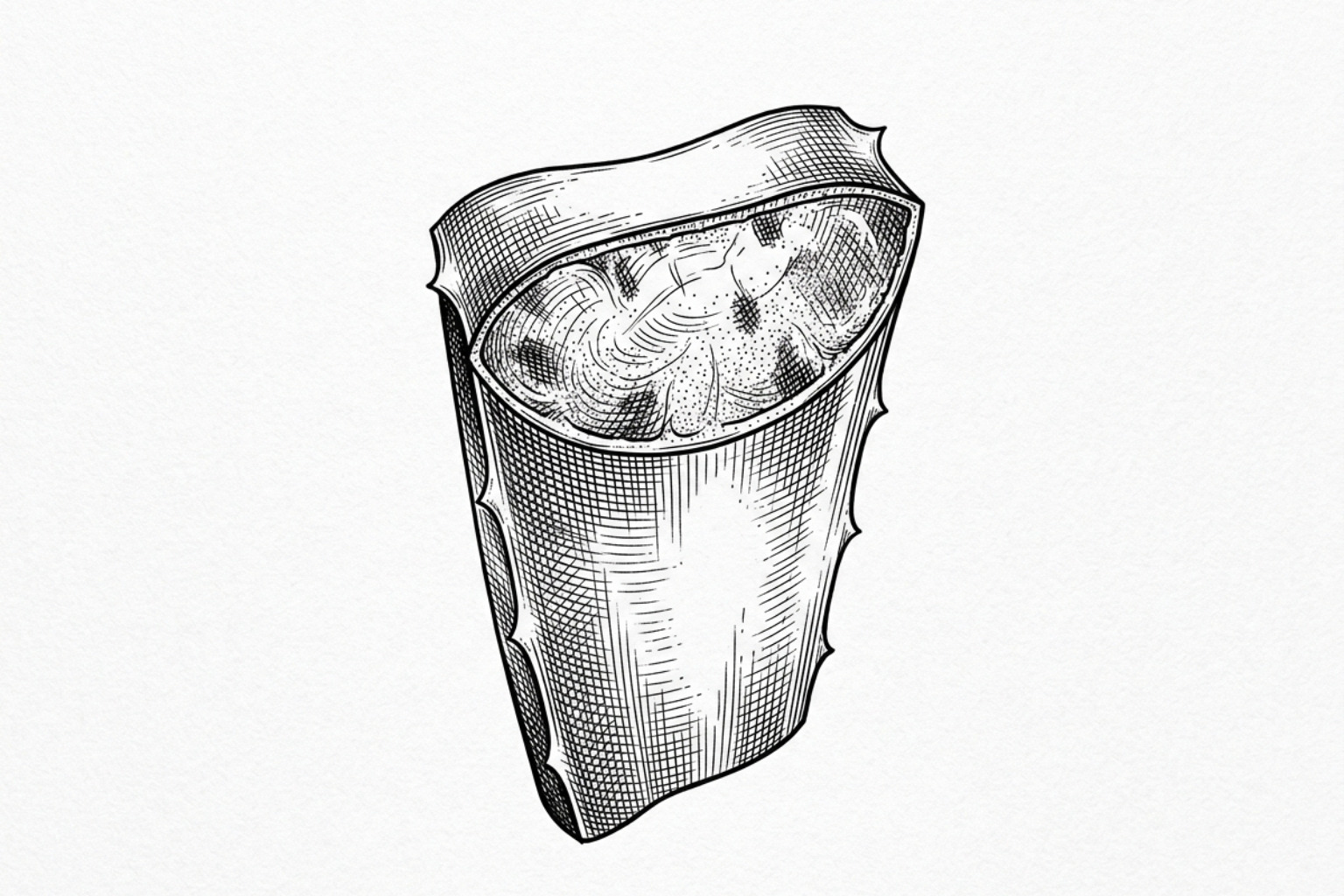
Microneedling, also known as collagen induction therapy, has emerged as a powerful tool for microneedle scar removal. The process involves using a dermaroller for scars or an automated pen to create thousands of precise micro-injuries in the scar tissue. These injuries trigger a controlled healing response, breaking down old, fibrotic collagen and stimulating the production of fresh collagen and elastin.
Research indicates that microneedling for scar reduction can improve both the texture and the flexibility of C-section scars. When combined with fractional radiofrequency (RF), the results are often enhanced. RF therapy delivers thermal energy deep into the dermis, causing immediate tissue tightening and long-term remodeling. This combination is particularly effective for "tethered" scars that appear indented, as it helps to release the underlying fibrous bands and "lift" the scar surface.
Advanced Energy-Based Therapies and Laser Resurfacing
For patients seeking significant aesthetic improvement, professional scar treatment often involves laser technology. According to data from the American Society for Dermatologic Surgery, laser treatments can reduce the appearance of scars by 50% to 80%.
- Fractional CO2 Laser: This "ablative" laser removes thin layers of skin while heating the underlying dermis. It is highly effective for thick, stubborn hypertrophic scars but requires more downtime.
- Erbium:YAG Laser: A less aggressive alternative to CO2, this laser is often used for surface-level texture issues with a shorter recovery period.
- Intense Pulsed Light (IPL): While not technically a laser, IPL is excellent for treating red scars by targeting the hemoglobin in blood vessels, causing them to constrict and fade. It is also one of the preferred dark scar removal methods for hyperpigmented scars.
These therapies work through fractional photothermolysis—treating only a fraction of the skin at a time to allow for quick scar fading treatment and minimal risk of complications.
Addressing Adhesions and Functional Tissue Recovery
A C-section scar is more than just a surface-level mark. Up to 90% of individuals develop some degree of intra-abdominal adhesions after the procedure. These are bands of internal scar tissue that can cause organs like the bladder or uterus to "stick" to the abdominal wall.
Hard scar softening massage and myofascial release are essential for restoring "visceral glide"—the ability of internal organs to move freely against one another. Scar tissue massage therapy involves specific techniques like skin rolling and cross-friction to break up these internal bonds.
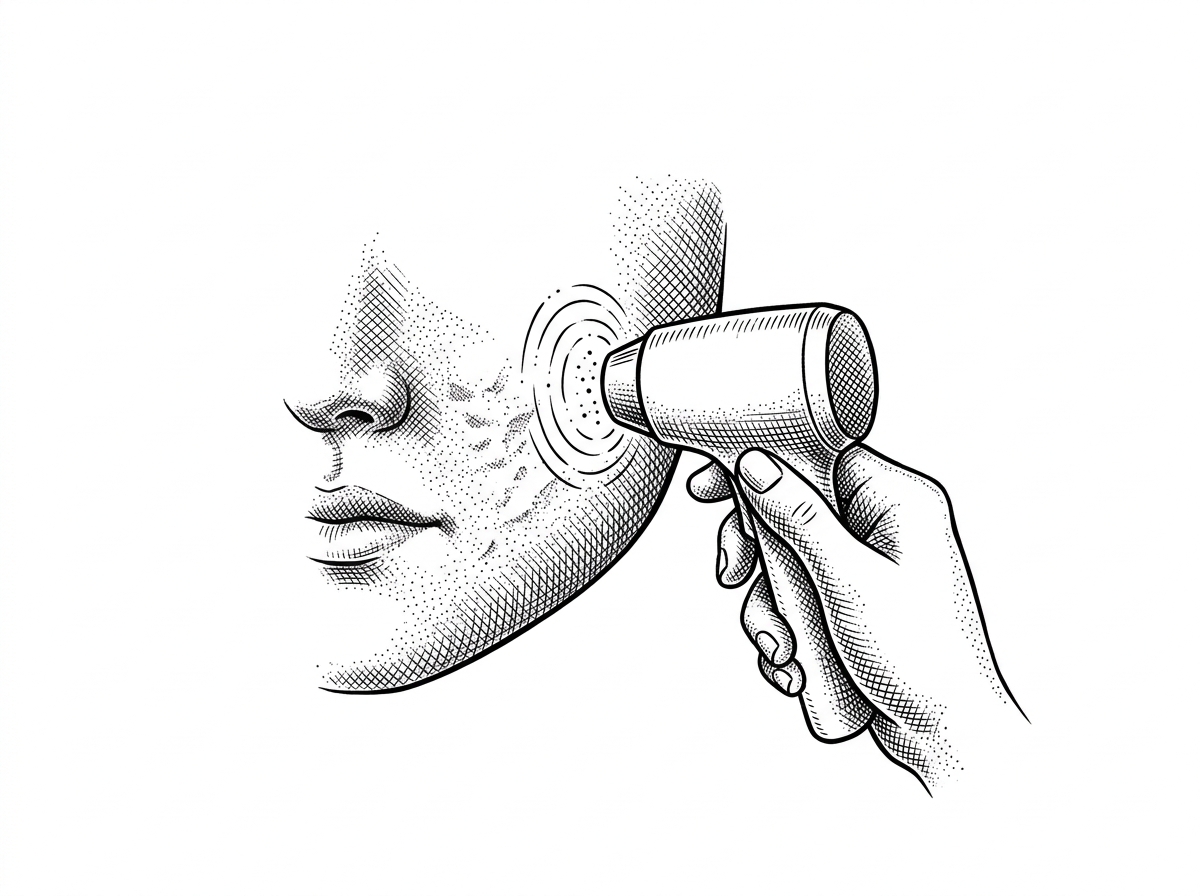
Furthermore, emerging abdomen scar reduction methods include shockwave therapy. This non-invasive treatment uses acoustic waves to create "micro-shear" forces, which can break down deep adhesions that manual therapy might not reach. Studies suggest this can improve core activation, reduce chronic pelvic pain, and even improve mobility.
| Treatment Type | Primary Benefit | Typical Session Count | Downtime |
|---|---|---|---|
| Silicone Sheets | Flattening & Hydration | Daily use (3-6 months) | None |
| Microneedling | Texture & Collagen | 3–6 sessions | 24–48 hours |
| Laser Therapy | Color & Resurfacing | 3–5 sessions | 3–7 days |
| Shockwave | Adhesion Release | 4–8 sessions | None |
Frequently Asked Questions about Postpartum Scar Care
When is the optimal time to begin non-invasive treatments after a C-section?
Most clinicians recommend waiting until the incision is fully closed and any scabs have naturally fallen off, typically around 6 to 8 weeks postpartum. For topical treatments like silicone, earlier is generally better. For more intensive energy-based therapies like lasers or microneedling, many providers suggest waiting 3 to 6 months to allow the initial inflammatory phase to subside.
Can non-surgical interventions improve scar-related pain and mobility?
Yes. Treatments that focus on mechanical remodeling—such as scar massage, microneedling, and shockwave therapy—are specifically designed to address the "tethering" of tissue. By breaking up fibrotic bands and adhesions, these treatments can reduce the sensation of pulling, itching, and chronic pain, while improving the range of motion in the abdominal wall.
How many sessions are typically required for visible results with energy-based therapies?
While some improvement may be seen after a single session, clinical consensus suggests that a series of 3 to 6 treatments, spaced 4 to 6 weeks apart, is necessary for significant remodeling. Because collagen production is a slow biological process, the final results of these treatments may not be fully visible until 6 to 12 months after the final session.
Conclusion
The journey toward scar healing is a marathon, not a sprint. While the physical mark of a C-section is a testament to the birth of a child, it is entirely valid for an individual to seek scar treatment to restore their comfort and confidence.
From the consistent application of silicone to the advanced technology of fractional lasers, the options for non invasive c section scars management are more effective than ever. The key to success lies in individualized treatment plans, patience during the scar maturation phase, and consultation with qualified professionals who understand the complex biology of the postpartum body. For those interested in staying informed on the latest dermatological research, you may subscribe for evidence-based scar care updates.
Works Cited
- Puri, N., & Talwar, A. (2009). The efficacy of silicone gel for the treatment of hypertrophic scars and keloids. Journal of Cutaneous and Aesthetic Surgery.
- American Society for Dermatologic Surgery. (2023). Laser Scar Revision Statistics and Outcomes.
- Cleveland Clinic. (2022). Isthmocele (Cesarean Scar Defect): Symptoms, Causes, and Treatment.
- Borgini, L., et al. (2021). The "Scarless Ab-Lift": A Novel Method for the Treatment of Skin Laxity. PubMed.
- Healthline. (2020). C-Section Scars: Types of Incisions, Healing, and Minimizing Scars. Medically reviewed by Debra Rose Wilson, Ph.D.
This content is for informational purposes only and does not constitute medical advice. Consult a qualified healthcare professional for diagnosis and treatment.