The Real Cost of Removing Appendix and Surgical Scars
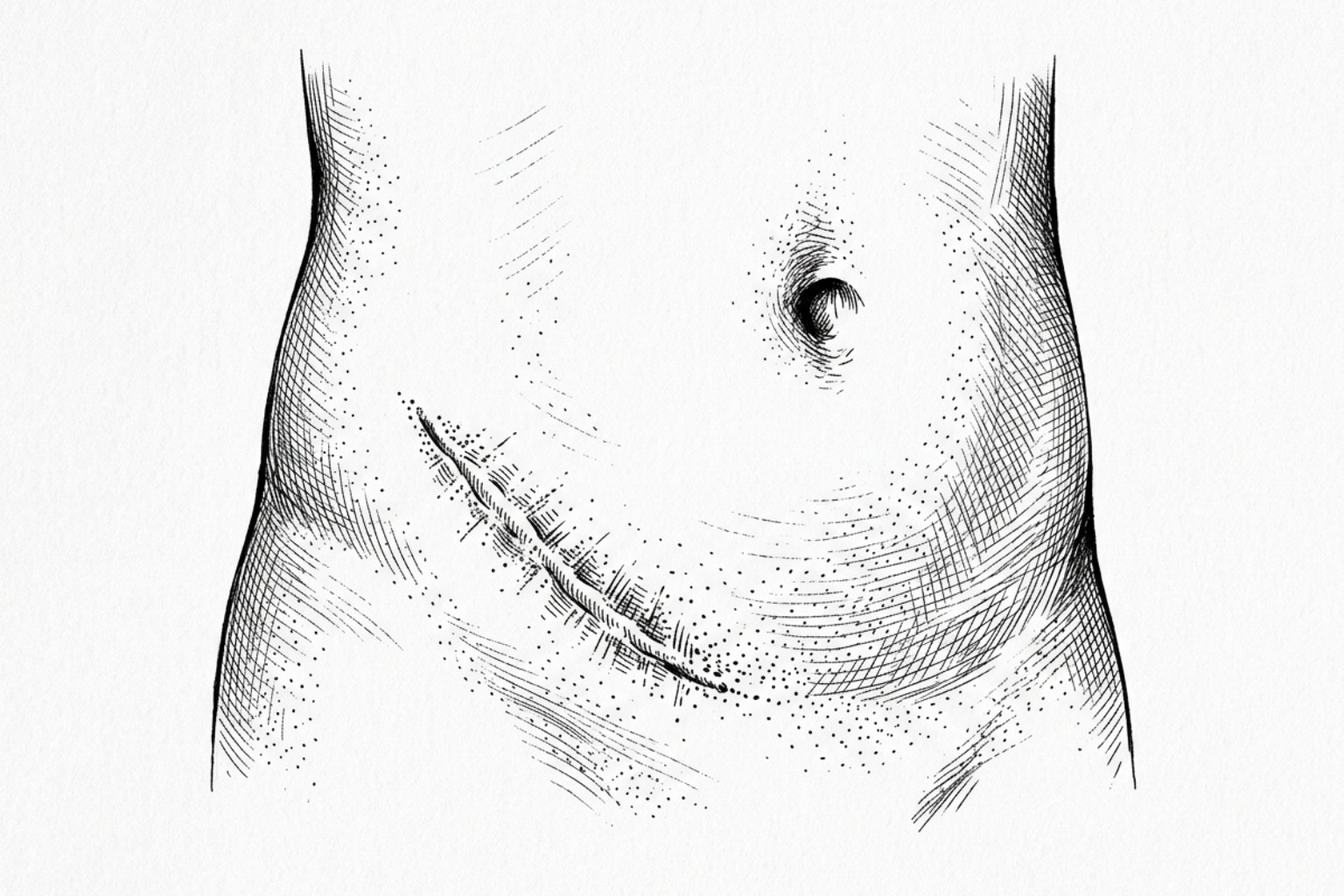
Scar revision costs range from under $300 to over $8,000 depending on the procedure. Discover what drives pricing for appendix and surgical scar removal treatments.
What Affects the Cost of Scar Revision
scar revision price varies widely — from under $300 for a simple topical or minimally invasive procedure to over $8,000 for complex surgical correction requiring anesthesia, facility fees, and multiple follow-up sessions.
Here is a quick reference for typical cost ranges by treatment type:
| Treatment Type | Typical Price Range (USD) |
|---|---|
| Topical treatments / chemical peels | $100 – $519 |
| Dermabrasion | $200 – $1,786 |
| Steroid injections / cryotherapy | $250 – $1,000 |
| Non-ablative laser resurfacing | $400 – $1,445 per session |
| Ablative laser resurfacing | $1,000 – $2,509 per session |
| Dermal fillers | $600 – $2,914 |
| Surgical excision (surgeon's fee) | $1,500 – $5,000+ |
Note: These figures reflect surgeon or provider fees only and exclude facility, anesthesia, and aftercare costs.
Each year, an estimated 100 million people in the developed world develop a scar from injury or surgery. For many, those scars are more than a cosmetic concern — they affect self-confidence, range of motion, and daily comfort.
The challenge is that scar revision is rarely a single-price procedure. The final cost depends on a layered set of clinical and logistical variables: the type and severity of the scar, the technique required, the surgeon's experience, and where the procedure takes place.
Most health insurance plans do not cover scar revision when it is performed for cosmetic reasons. However, coverage may apply when a scar causes functional impairment — such as restricted movement or chronic pain — making the distinction between reconstructive and cosmetic treatment an important financial consideration.
This guide breaks down the real costs of scar revision — including surgical and non-surgical options — with a specific focus on appendix and abdominal surgical scars.
What Affects Scar Revision Cost
When evaluating the financial commitment required for scar revision, several clinical and logistical factors dictate the final invoice. Understanding these variables is essential for patient budgeting and expectation management.
Surgeon Expertise and Board Certification
The primary driver of the professional fee is the surgeon’s level of experience and specialized training. As noted by the American Society of Plastic Surgeons, board-certified surgeons often command higher fees due to their proven track record of safety and aesthetic precision. In complex cases, such as those involving extensive keloids or contractures, the expertise of a double board-certified facial plastic surgeon or a reconstructive specialist may be necessary to ensure the best functional outcome.
How Location Affects Price
The cost of living and local market demand significantly impact medical pricing. Clinical data suggests that procedures performed in major urban centers or high-cost-of-living areas often carry a premium compared to those in rural or suburban settings. These regional differences reflect the higher overhead costs of maintaining a practice, including staff salaries and real estate.
Facility Fees and Anesthesia Costs
The setting of the procedure plays a critical role in determining the total cost. Minor revisions may be performed in a private office setting under local anesthesia, which minimizes expenses. However, more extensive surgical revisions typically require an accredited ambulatory surgical center or a hospital. These settings involve:
- Operating Room Fees: Charges for the use of the surgical suite, equipment, and support staff.
- Anesthesia Fees: The cost of the anesthesiologist or nurse anesthetist, along with the medications required for sedation or general anesthesia.
- Medical Supplies: Sutures, dressings, and specialized surgical tools.
Pre-surgery tests and scar complexity
Before any intervention, a thorough scar assessment is required to determine the scar's maturity, depth, and tissue characteristics. Complex scars—such as those that are wide, raised, or located over high-tension areas like joints—require more intricate surgical planning. If the revision involves multiple layers of closure or tissue rearrangement (such as Z-plasty), the surgical time increases, which directly influences the total professional fee.
Comparing Surgical and Non-Surgical Options
The choice between surgical and non-surgical revision is rarely binary; many patients benefit from a multimodal approach. Comparative research indicates that each modality carries a different financial profile based on the technology used and the labor hours involved.
| Modality | Description | Primary Cost Drivers |
|---|---|---|
| Surgical Excision | Removal of the old scar and re-closure of the wound. | Surgeon skill, anesthesia, facility accreditation. |
| Laser Resurfacing | Use of light energy to remove skin layers or stimulate collagen. | Device type, number of sessions, clinician expertise. |
| Chemical Peels | Application of acid solutions to exfoliate the skin surface. | Solution strength, depth of penetration, provider type. |
| Dermal Fillers | Injectable substances used to lift depressed (atrophic) scars. | Volume of filler required, longevity of the product. |
| Cryotherapy | Freezing scar tissue, often used for keloids. | Equipment maintenance, number of sessions. |
Lasers used in practice
For many surgical scars, laser treatment for surgical scars is a preferred non-invasive option. Specifically, co2 laser scar removal is widely used for its ability to vaporize tissue with precision and stimulate the production of new collagen. While surgical excision is a one-time event, laser and chemical peel scar revision often require a series of treatments to achieve the desired outcome.
What drives the cost of less-invasive options
Minimally invasive techniques offer a middle ground between topical creams and full surgical excision. However, the cumulative cost of these treatments can sometimes exceed a single surgery due to the repetitive nature of the sessions.
Ablative vs. non-ablative lasers
The type of laser used is a significant factor in the total investment. Ablative lasers, which remove the outer layers of skin, generally require fewer sessions but involve more downtime and higher per-session costs. Non-ablative lasers work beneath the surface without damaging the top layer; while safer and requiring less recovery, they often necessitate multiple sessions (typically 3 to 6) to see significant results. A laser treatment for scars complete guide provides further detail on these differences.
Professional Provider Fees
The person performing the procedure affects the price. In many regions, a medical esthetician or nurse practitioner can perform superficial laser treatments or light chemical peels under the supervision of a physician. These providers often have a lower hourly rate than a board-certified plastic surgeon. However, for deep surgical scar laser treatment, the precision of a physician is typically recommended, particularly when treating sensitive areas or complex surgical scars.
Number of sessions and treatment depth
The severity of the scarring dictates the depth of resurfacing and the total number of sessions. A minor discoloration may resolve in one or two sessions, whereas a deep, pitted acne scar or a thick surgical scar may require a prolonged treatment plan. This "phased approach" allows for gradual remodeling of the extracellular matrix but requires a higher total financial commitment over time.
When insurance covers scar revision
One of the most frequent questions regarding scar revision price is whether health insurance will cover the procedure. The answer depends almost entirely on the distinction between "cosmetic" and "reconstructive" surgery.
Scars that restrict movement
Insurance companies generally consider a procedure medically necessary if the scar causes a functional deficit. For example, a contracture scar that forms over a joint (like the elbow or knee) can severely restrict a patient's range of motion. In these cases, a surgical scar revision complete guide would emphasize that surgical release is a reconstructive necessity.
Symptomatic Keloids and Hypertrophic Scars
Scars that cause chronic pain, itching, or recurrent infections may also qualify for coverage. Keloids, in particular, can be physically uncomfortable. If a physician documents that conservative treatments have failed and the scar is causing significant physical distress, insurance providers—including Medicare and Medicaid—may authorize treatment.
Paperwork and insurance approval
To secure coverage, clinical documentation is vital. This includes:
- Photography: Visual evidence of the scar's size and location.
- Functional Assessment: Evidence of restricted movement or pain.
- Treatment History: A record of previous attempts to manage the scar (e.g., topical steroids or pressure therapy).
Patients should be aware that even if the primary procedure is covered, they may still be responsible for deductibles and co-payments. Furthermore, insurance rarely covers complications arising from a purely cosmetic revision.
What each procedure costs
Different types of surgical scars require different techniques, each with its own cost structure. The biological behavior of the scar—whether it is flat, raised, or indented—determines the complexity of the revision.
Hypertrophic Scars and Keloids
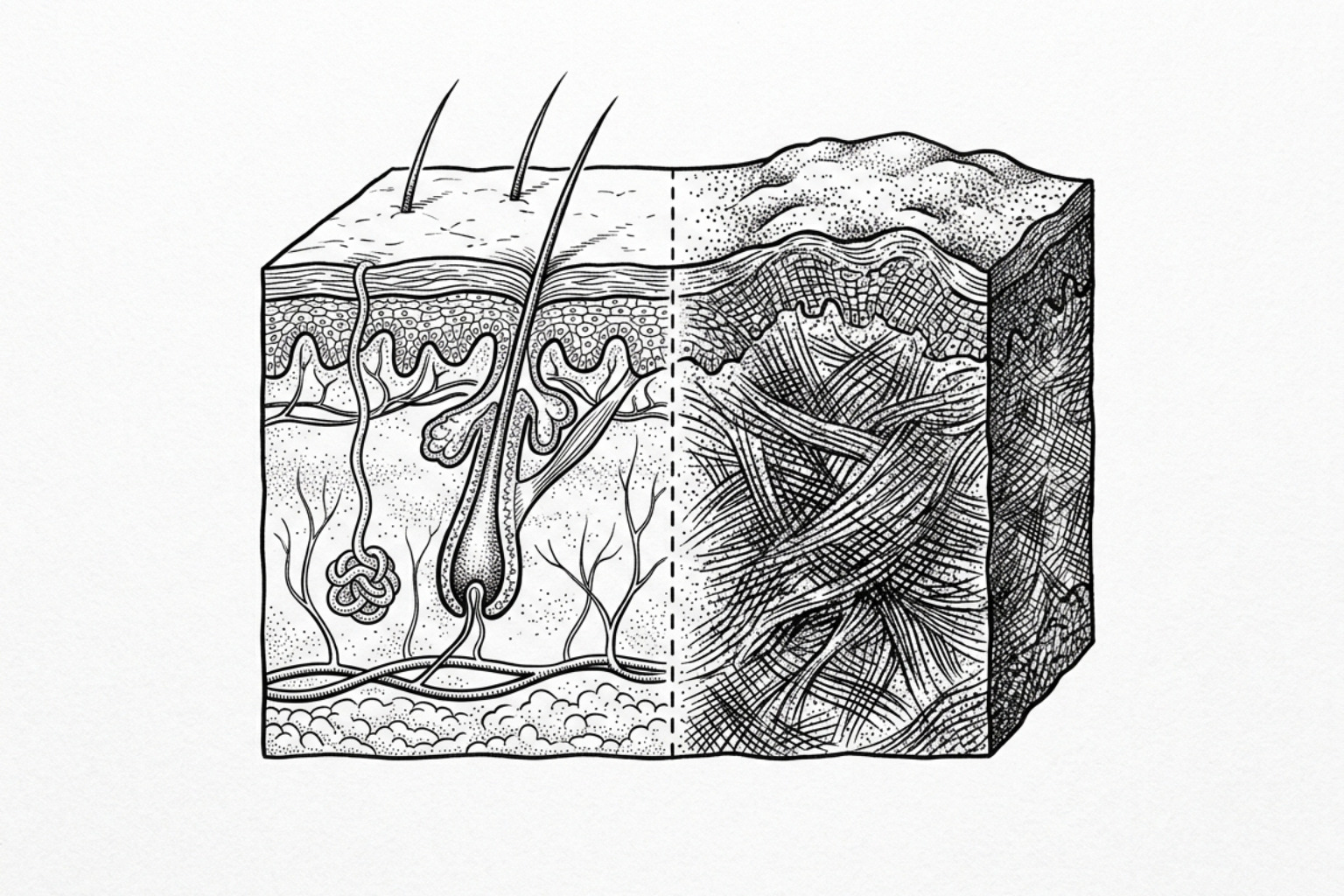
Hypertrophic scars are raised and red but remain within the boundaries of the original incision. Keloids, however, grow beyond the original wound site and are more common in individuals with darker skin tones. Treating these often requires a combination of surgical excision and steroid injections to prevent recurrence. Advanced options like co2 laser for surgical scars before and after demonstrate how modern technology can assist in flattening these stubborn tissues.
Specialized Surgical Techniques
For scars that are under tension or poorly oriented, surgeons may use specialized techniques:
- Z-Plasty and W-Plasty: These involve creating small triangular flaps of skin to reposition the scar along natural skin folds or tension lines. This makes the scar less conspicuous and relieves tension.
- Skin Grafting: In cases of severe burns or large tissue loss, skin may be taken from another part of the body to cover the area.
- Tissue Expansion: A balloon-like device is inserted under the skin near the scar to "grow" extra skin, which is then used to replace the scarred tissue.
Cost of abdominal and appendectomy scar revision
Abdominal scars, such as those from an appendectomy or a C-section, present unique challenges due to the thickness of the abdominal wall and the constant tension caused by movement and breathing.
Appendix Scars (Appendectomy)
Appendectomy scars can vary from small laparoscopic "keyhole" marks to larger, traditional incisions. If a scar becomes hypertrophic or adheres to the underlying muscle (tethering), it can cause discomfort. Revision often focuses on releasing these adhesions and using layered closure techniques to ensure the new incision heals with minimal tension.
C-section and larger abdominal revisions
C-section scars are often located in the "bikini line" but can become thick or "shelf-like" if the healing process is disrupted. Techniques such as c-section scar laser can help blend the scar with the surrounding skin. For more significant abdominal scarring, a surgical scar revision complete guide might suggest combining the revision with other abdominal procedures to achieve the best contour.
Planning for abdominal procedures
Because abdominal revisions involve a higher degree of movement post-operatively, surgeons often require:
- Post-Surgical Garments: Compression binders to support the abdominal wall and reduce swelling.
- Localized Anesthesia: Long-acting numbing agents injected during surgery to manage pain in the first 24–48 hours.
- Activity Restrictions: While not a direct cost, the "opportunity cost" of downtime (often 1–2 weeks) should be factored into the patient's budget.
Ongoing costs and recovery time
The successful revision of a scar does not end when the surgeon places the last stitch. The maturation phase of a scar can last 12 to 18 months, and the financial investment in aftercare is crucial for maintaining the results.
Post-Operative Care Supplies
To optimize healing and prevent the recurrence of raised scars, evidence-based aftercare is necessary. This typically includes:
- Silicone Sheeting and Gels: Clinical studies consistently show that silicone is the gold standard for scar management. It helps hydrate the tissue and regulate fibroblast activity.
- Sun Protection: UV exposure can cause permanent hyperpigmentation in a healing scar. High-quality SPF 30+ sunscreen is a mandatory long-term investment.
- Pressure Therapy: For keloid-prone patients, specialized pressure garments may be required for several months.
Follow-Up Consultations
Patients should budget for multiple follow-up visits. These allow the surgeon to monitor for signs of infection, hypertrophic growth, or poor healing. Some practices include these visits in the initial surgical fee, while others charge per consultation.
Financing and Payment Plans
Given that scar revision is often an out-of-pocket expense, many plastic surgery practices offer financing options. Medical credit cards and installment plans allow patients to distribute the cost over several months or years. When evaluating these options, it is important to consider interest rates and the total long-term cost of the credit.
Common questions about scar revision
Insurance Coverage and Medical Necessity
Health insurance typically only covers scar revision when it is deemed medically necessary. This includes cases where the scar causes functional impairment (such as restricted joint movement), chronic pain, or is the result of a traumatic injury or reconstructive surgery following cancer. Purely cosmetic improvements are almost never covered.
How often to get laser sessions
The number of sessions depends on the laser type and the scar's characteristics. Non-ablative lasers usually require 3 to 6 sessions spaced several weeks apart to achieve optimal collagen remodeling. Ablative lasers may provide significant improvement in just 1 or 2 sessions but involve a more intense recovery period.
Why fees vary for complex surgery
While fees vary by region and expertise, the professional fee for a complex surgical excision—involving layered closure or tissue rearrangement like Z-plasty—typically starts in the mid-four-figure range. This fee generally does not include the additional costs of the surgical facility or anesthesia.
Deciding whether revision is worth the cost
Navigating the scar revision price requires a balanced understanding of clinical needs, surgical techniques, and long-term care requirements. While the initial cost can be significant, the value of improved physical function and psychological well-being is often immeasurable for those living with restrictive or highly visible scars.
Successful outcomes are rooted in evidence-based decision-making. Whether choosing a minimally invasive laser treatment or a complex surgical reconstruction, the priority should always be the expertise of the provider and the appropriateness of the technique for the specific scar type. To begin your journey toward better skin health, Start your scar assessment today to understand the unique characteristics of your tissue and the most effective pathways for regeneration.
This content is for informational purposes only and does not constitute medical advice. Consult a qualified healthcare professional for diagnosis and treatment.
Works Cited
- Garg, S., & Dahiya, N. (2014). Surgical scar revision: An overview. Journal of Cutaneous and Aesthetic Surgery, 7(1), 3–13. https://pubmed.ncbi.nlm.nih.gov/24761092/
- Tullington JE, Gemma R. "Scar Revision." StatPearls [Internet], StatPearls Publishing, 2023.
- Mustoe, T. A., et al. (2002). International Clinical Recommendations on Scar Management. Plastic and Reconstructive Surgery, 110(2), 560–571. https://pubmed.ncbi.nlm.nih.gov/12142678/
- Gold, M. H., et al. (2014). Updated international clinical recommendations on scar management: Part 1. Dermatologic Surgery, 40(8), 817–824. https://pubmed.ncbi.nlm.nih.gov/25068543/
- American Society of Plastic Surgeons. (2024). Scar Revision Cost. https://www.plasticsurgery.org/reconstructive-procedures/scar-revision