Nature's Antiseptic for Scar Care?
Tea tree oil is often recommended for scars, but does the science back it up? We examine what the evidence actually says about this popular natural antiseptic and scar healing.

What the Evidence Actually Says About Tea Tree Oil and Scars
Tea tree oil scars is a topic where popular belief and scientific evidence don't fully align. Here is a quick summary before diving deeper:
Can tea tree oil treat or prevent scars?
| Scar Situation | What Evidence Shows |
|---|---|
| Existing acne scars (atrophic) | No clinical evidence of benefit |
| Raised scars (hypertrophic) | One small 2015 study suggests possible reduction in appearance |
| Keloid scars | No robust human trial evidence |
| Fresh wounds (scar prevention) | Antimicrobial and anti-inflammatory properties may reduce infection risk, potentially limiting scar formation |
| Active acne (indirect scar prevention) | A 2007 randomized controlled trial found 5% tea tree oil gel effective for mild to moderate acne |
Tea tree oil is one of the most widely recognized natural antiseptics in skincare. It is derived from the leaves of Melaleuca alternifolia, a tree native to Australia, where indigenous communities used it medicinally for centuries. Its antimicrobial and anti-inflammatory properties are well-established in the scientific literature.
But when it comes to scars specifically, the evidence is far more limited than many sources suggest.
Most of what people believe about tea tree oil and scar fading comes from traditional use and anecdote — not controlled human trials. Researchers who have evaluated it for scars and scar tissue have rated the validity of this use at just 1 out of 5, reflecting a near-absence of high-quality clinical data.
That does not mean it is useless. It means its role is narrower than commonly claimed — and understanding exactly where it fits is what this review covers.
Simple guide to tea tree oil scars:
What is Tea Tree Oil?
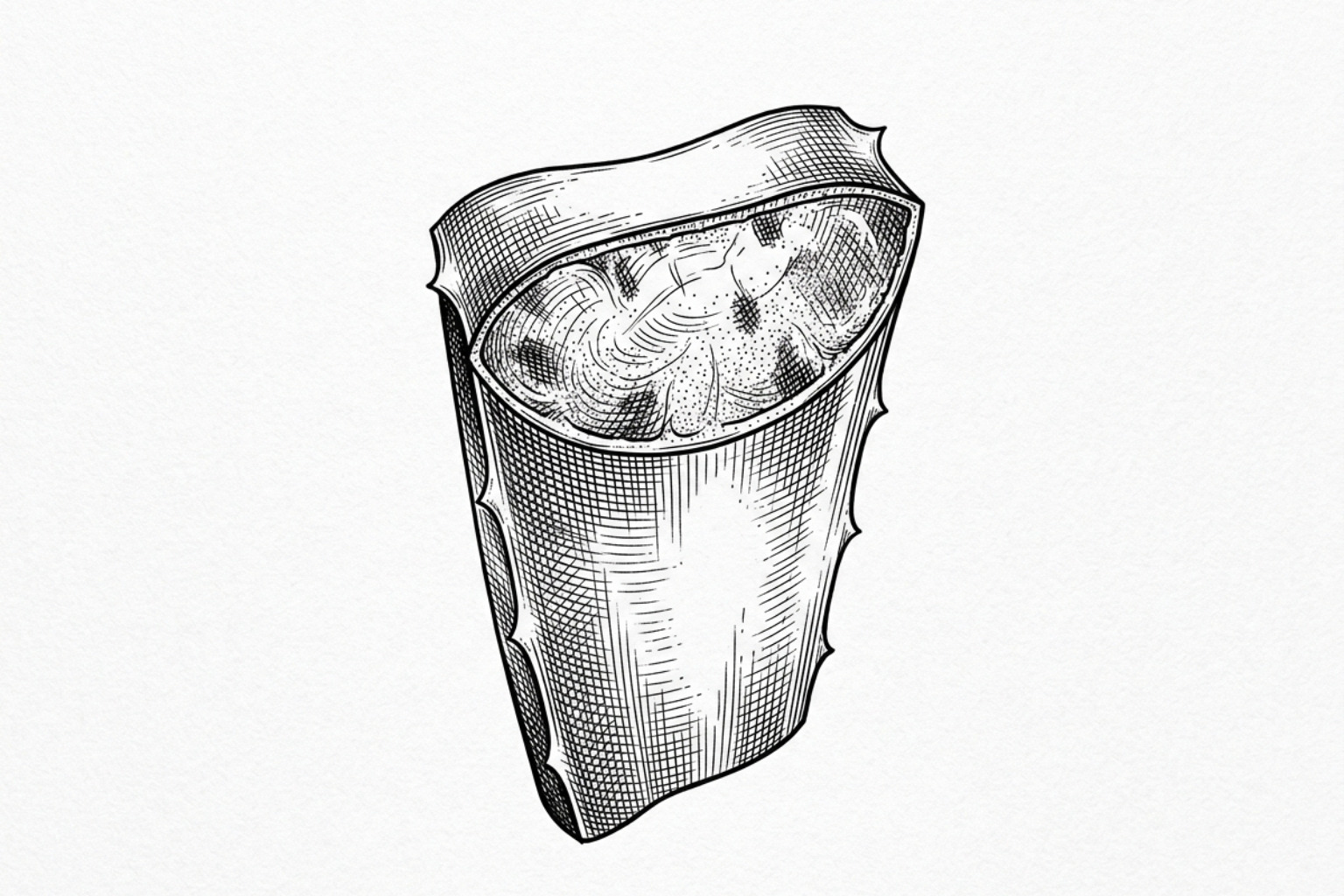
Tea tree oil is an essential oil extracted from the leaves of Melaleuca alternifolia, a plant species indigenous to the swampy lowlands of New South Wales, Australia. It should not be confused with the plant that produces black or green tea (Camellia sinensis). For centuries, the Bundjalung people of Australia utilized the crushed leaves of the tea tree to treat coughs, colds, and various skin ailments, recognizing its innate ability to facilitate healing.
The modern extraction process typically involves steam distillation of the leaves and terminal branchlets. This process isolates the volatile aromatic compounds that give the oil its characteristic medicinal scent. Chemically, tea tree oil is a complex mixture of approximately 100 components, primarily terpenes. The most significant of these is terpinen-4-ol, which must comprise at least 30% of the oil to meet international standards for quality.
According to a comprehensive Scientific review of antimicrobial and medicinal properties, tea tree oil exhibits broad-spectrum activity against bacteria, fungi, and viruses. These antiseptic qualities are the primary reason the oil is investigated for skin health. By modulating the skin barrier function and reducing the presence of pathogenic microorganisms, the oil creates an environment conducive to biological repair. However, while these properties are excellent for managing infections, their direct impact on the permanent structural changes found in mature scar tissue remains a subject of ongoing debate.
Clinical Evidence for Tea Tree Oil Scars
When evaluating the efficacy of tea tree oil scars management, it is vital to distinguish between anecdotal claims and clinical data. In many traditional medicine circles, the oil is touted as a "cure-all" for skin irregularities. However, scientific validity ratings for its use on established scar tissue are notably low, often cited as 1 out of 5. This rating reflects the fact that most evidence is based on traditional use or laboratory observations rather than robust, double-blind human clinical trials focusing specifically on scar reduction.
The primary mechanism by which tea tree oil may influence scarring is through its impact on the early stages of Natural Remedies for Scars. During the proliferative phase of healing, the body produces collagen to close a wound. If this process is interrupted by infection or excessive inflammation, the resulting scar may be more pronounced. Tea tree oil’s anti-inflammatory properties may help modulate the inflammatory response, potentially aiding in smoother collagen remodeling.
Evaluating Tea Tree Oil Scars in Acne Patients
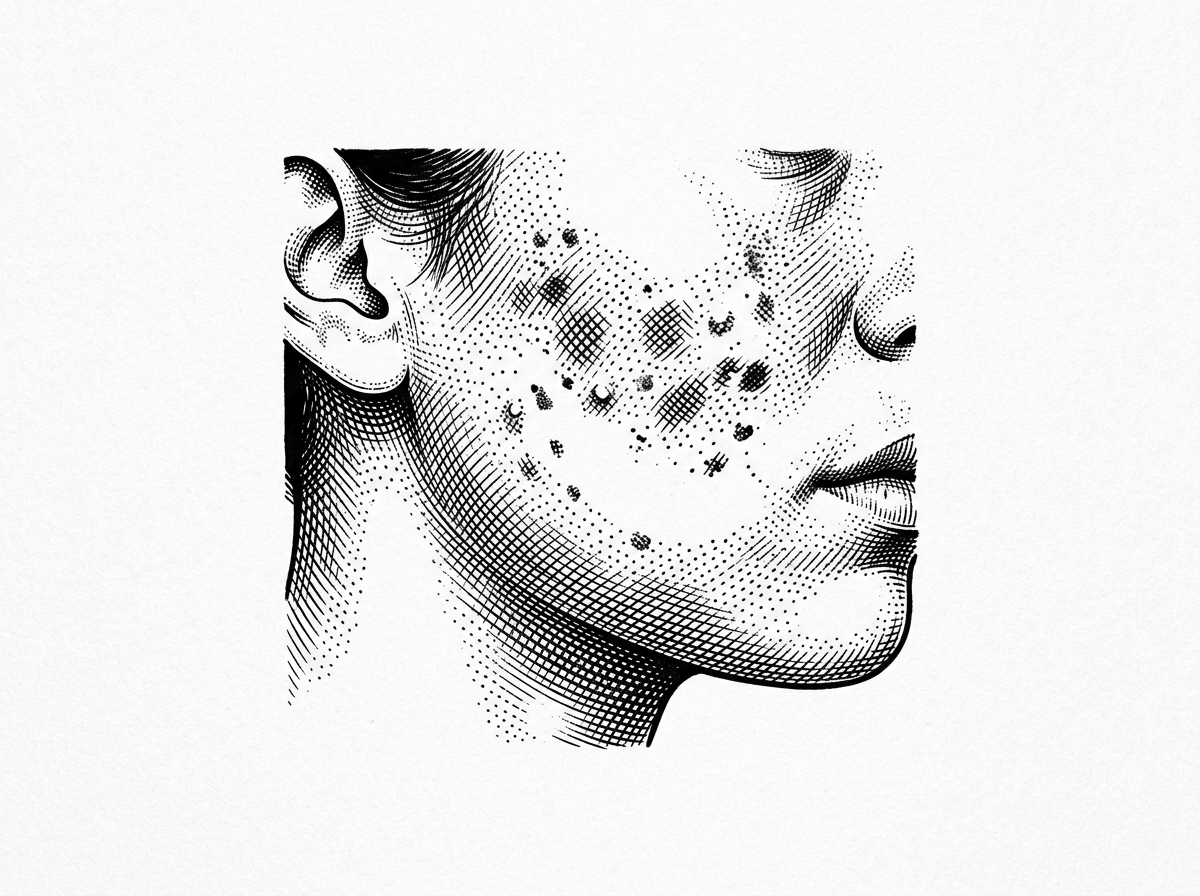
The most promising research regarding tea tree oil and scarring involves the prevention of scars through the management of active acne. A landmark Scientific research on 5% tea tree oil gel for acne published in 2007 demonstrated that a 5% concentration was significantly more effective than a placebo in reducing both inflammatory and non-inflammatory acne lesions.
By treating active acne effectively, tea tree oil indirectly reduces the risk of post-inflammatory hyperpigmentation and atrophic (pitted) scarring. When acne lesions are less severe and heal faster, the likelihood of deep dermal damage is minimized. Furthermore, a 2015 study on hypertrophic acne scarring suggested that tea tree oil might help minimize the appearance of raised scars, though the researchers noted that the results were not definitive and required further investigation. It is important to note that most acne scars are atrophic—meaning they sit below the skin's surface—and there is currently no evidence that topical oils can "fill in" these depressions.
Managing Hypertrophic Tea Tree Oil Scars and Keloids
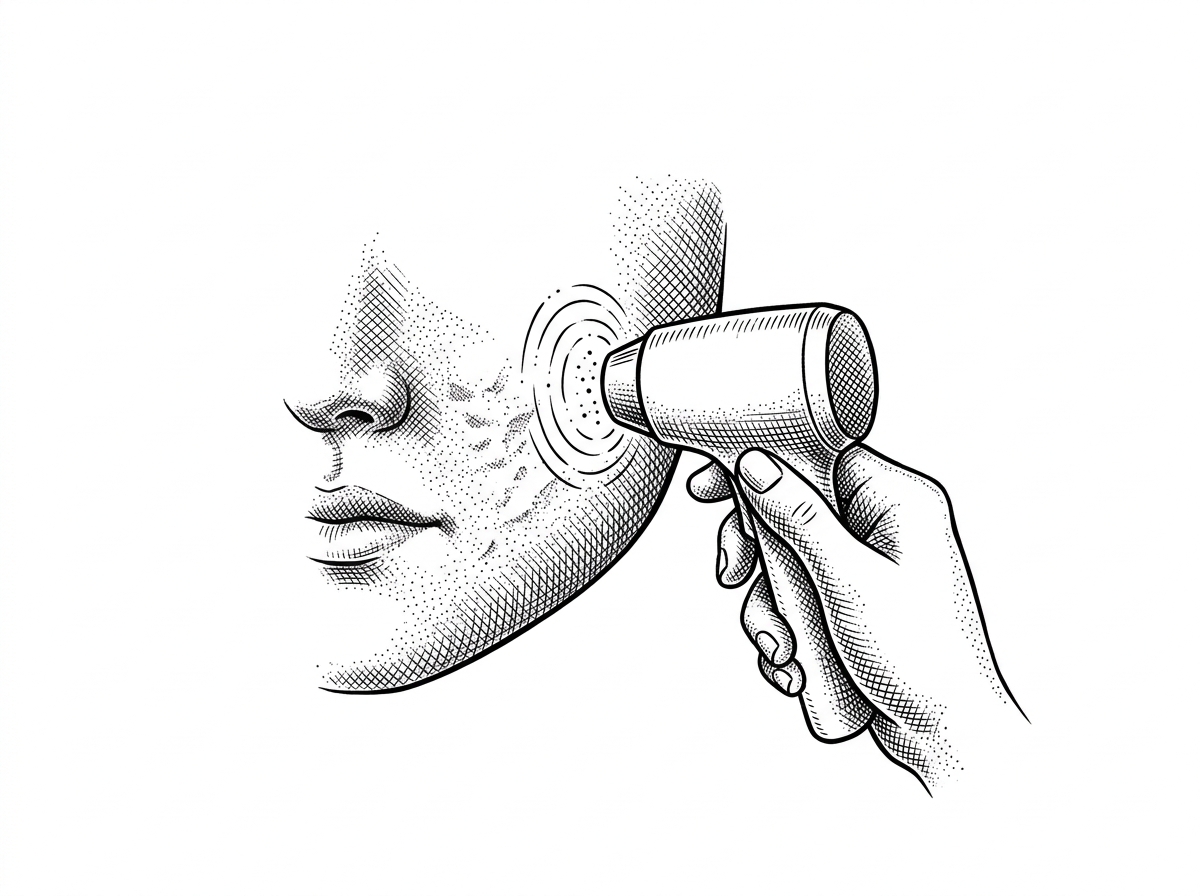
Hypertrophic scars and keloids represent an overgrowth of dense fibrous tissue that develops after a wound has healed. These scars are often characterized by redness, itching, and physical discomfort. While professional Scar Fading Techniques like laser therapy or corticosteroid injections are standard treatments, some individuals turn to tea tree oil for symptom relief.
The anti-inflammatory action of terpinen-4-ol may help reduce the redness and swelling associated with raised scars. Some anecdotal reports suggest that massaging diluted tea tree oil into a hypertrophic scar can help soften the tissue over time. This softening may be due to the combination of the oil's properties and the mechanical action of the massage itself, which helps break up excessive collagen bonds. However, for keloids—which are genetically influenced and tend to grow beyond the original wound boundary—tea tree oil is unlikely to provide significant size reduction without medical intervention.
The Role of Antimicrobials in Preventing Scar Formation
The most effective way to treat a scar is to prevent it from forming in the first place. This is where tea tree oil's antimicrobial properties become clinically relevant. When a wound becomes infected, the body's inflammatory response is prolonged. This extended inflammation increases the destruction of healthy tissue and leads to a more disorganized deposition of collagen, resulting in a larger, more visible scar.

Following Proper wound care to minimize scarring is essential. If a wound is kept clean and free from bacterial colonization, it can heal via "primary intention," which typically leaves a minimal mark. Tea tree oil can serve as a natural antiseptic during this phase. By dabbing a highly diluted solution onto the edges of a fresh, non-open wound, one may reduce the risk of secondary infections that complicate healing.
Furthermore, maintaining moisture is a key principle in modern Scar Care Tips. Research suggests that wounds that are allowed to dry out and form hard scabs heal more slowly and are more likely to scar. Some evidence indicates that mixing tea tree oil with a moisture-retaining agent like petroleum jelly can provide a dual benefit: antimicrobial protection and an occlusive barrier that keeps the tissue hydrated, facilitating faster re-epithelialization.
Safe Application and Dilution Protocols
Because tea tree oil is a potent essential oil, it must be handled with care. Applying undiluted tea tree oil directly to the skin can lead to contact dermatitis, redness, and even chemical burns, particularly on sensitive facial skin or near fresh wounds.
Recommended Dilution Ratios
To use tea tree oil safely for skin health, it should always be mixed with a carrier oil. Carrier oils like sweet almond oil, jojoba oil, or coconut oil dilute the potency of the essential oil while helping it penetrate the skin barrier.
| Application Area | Recommended Dilution | Ratio Guide |
|---|---|---|
| Facial Skin (Acne/Scars) | 1% to 2% | 3-6 drops per ounce of carrier oil |
| Body Skin (Wounds/Hypertrophic) | 3% to 5% | 9-15 drops per ounce of carrier oil |
| Sensitive Skin | <1% | 1-2 drops per ounce of carrier oil |
The Patch Test Procedure
Before applying tea tree oil scars treatments to a larger area, a patch test is mandatory:
- Dilute the tea tree oil in your chosen carrier oil.
- Apply a small amount (about the size of a dime) to the inside of the elbow or the side of the neck.
- Wait 24 hours.
- Observe the area for any signs of itching, redness, swelling, or blistering. If no reaction occurs, the solution is likely safe for use.
Safety Precautions and Risks
There are specific risks associated with tea tree oil that users must acknowledge. A study highlighted by the NIH suggests a possible link to prepubertal gynecomastia (enlarged breast tissue) in young boys who were exposed to tea tree and lavender oils. While the link is not fully understood, it is recommended to consult a pediatrician before using these oils on children.
Additionally, tea tree oil is toxic if ingested. It should never be used in or around the mouth as a treatment for internal issues. Finally, pet owners should be aware that tea tree oil is highly toxic to cats and dogs; even topical application on a human can be dangerous if a pet licks the treated area.
Comparative Analysis of Scar Treatments
While tea tree oil offers some benefits, it is rarely the most effective option for significant scar revision. In clinical settings, several other treatments have a much higher level of evidence for reducing scar height, texture, and color.
- Silicone Gel and Sheets: This remains the "gold standard" for non-invasive scar treatment. Silicone creates a protective barrier that hydrates the scar and regulates collagen production. It is significantly more effective than tea tree oil for hypertrophic and keloid scars.
- Onion Extract: Often found in over-the-counter gels, onion extract has been shown in studies to soften scars and improve their overall appearance within four to eight weeks.
- Aloe Vera: For early-stage healing, Aloe Vera Scar Reduction is a well-supported method for soothing inflammation and providing the hydration necessary for healthy tissue regeneration.
- Professional Procedures: For deep acne scars or old, stubborn marks, dermatological interventions such as chemical peels, microdermabrasion, or microneedling are required. These treatments work by creating controlled micro-injuries that force the skin to produce new, organized collagen.
Frequently Asked Questions about Tea Tree Oil
Does tea tree oil remove old scars?
There is no scientific evidence to suggest that tea tree oil can remove old, white (mature) scars. These scars consist of stable collagen fibers that have already completed the remodeling process. Topical oils cannot penetrate deeply enough or alter the structure of this mature tissue.
Can tea tree oil be used on open wounds?
Pure tea tree oil should not be applied to deep or open wounds. However, a highly diluted solution (1 teaspoon of oil in 1/2 cup of water) can be used to gently dab the area around a minor scrape to disinfect it. For serious injuries, professional medical care is necessary to ensure proper closure and minimize scarring.
Is tea tree oil safe for all skin types?
While many people tolerate diluted tea tree oil well, those with eczema, rosacea, or naturally very dry skin may find it too irritating. The oil acts as an astringent, which can strip the skin of its natural oils and worsen certain inflammatory conditions. Always perform a patch test.
Conclusion
The relationship between tea tree oil scars and skin health is complex. While it is not a "magic eraser" for existing scar tissue, its value lies primarily in its antiseptic and anti-inflammatory properties. By effectively managing active acne and preventing infections in fresh wounds, tea tree oil can play a significant role in a preventive scar care routine.
For those with established atrophic or keloid scars, expectations should be managed realistically. Tea tree oil may provide some symptomatic relief from itching or redness, but it is unlikely to change the physical structure of the scar. For more significant results, combining natural support with clinically proven methods like silicone therapy or professional dermatological treatments is the most effective path forward.
For more evidence-based guides on skin regeneration, Visit Scar Healing for more information or Subscribe for scar care updates to stay informed on the latest research in wound management.
Works Cited
- Carson, C. F., et al. (2006). Melaleuca alternifolia (Tea Tree) Oil: a Review of Antimicrobial and Other Medicinal Properties. Clinical Microbiology Reviews. https://doi.org/10.1128/CMR.19.1.50-62.2006
- Enshaieh, S., et al. (2007). The efficacy of 5% topical tea tree oil gel in mild to moderate acne vulgaris: A randomized, double-blind placebo-controlled study. Indian Journal of Dermatology, Venereology and Leprology. https://www.ncbi.nlm.nih.gov/pubmed/17314442
- Cao, H., et al. (2015). Complementary theories for acne vulgaris. Cochrane Database of Systematic Reviews. https://www.ncbi.nlm.nih.gov/pmc/articles/PMC4486007/
- Mazzarello, V., et al. (2018). Treatment of acne with a combination of propolis, tea tree oil, and aloe vera. Clinical, Cosmetic and Investigational Dermatology. https://www.ncbi.nlm.nih.gov/pmc/articles/PMC6298394/
- Thomsen, P. S., et al. (2011). Survey of the antimicrobial activity of commercially available Australian tea tree (Melaleuca alternifolia) essential oil products in vitro. https://doi.org/10.1089/acm.2010.0508
This content is for informational purposes only and does not constitute medical advice. Consult a qualified healthcare professional for diagnosis and treatment.