C-Sections and Skin Grafts: Managing Major Surgical Scars
From C-sections to skin grafts, major surgical scars need structured aftercare. Discover the evidence-based strategies for protecting and improving large post-surgical scars.


What Post Surgery Scar Care Actually Involves — and Why It Matters
Post surgery scar care is the structured process of protecting, treating, and monitoring a healing incision to minimize long-term scarring and support healthy tissue repair.
For anyone recovering from a major procedure — whether a caesarean section, skin graft, or reconstructive surgery — here is a quick orientation to what evidence-based scar management involves:
| Stage | Timing | Key Action |
|---|---|---|
| Wound closure | Days 0–14 | Keep moist, clean, and protected |
| Begin active care | ~2–4 weeks post-op | Start silicone therapy and gentle massage |
| Sun protection | From ~3 weeks onward | SPF 30+ for at least 12–18 months |
| Scar maturation | Up to 12–18 months | Continue therapy; monitor for hypertrophic changes |
| Medical review | Any time if concerned | Raised, itchy, or growing scars need clinical assessment |
Scars are a biological inevitability. When surgery disrupts the deeper layers of skin — the dermis — the body cannot restore the original tissue architecture. Instead, it produces collagen to close the wound, and that repair tissue is what becomes a scar.
The good news is that healing is a long process. Research indicates scars continue to remodel for 12 to 18 months after surgery, regaining roughly 50% of their original tensile strength by six weeks and around 80% by three months. That extended window gives patients a meaningful opportunity to influence the final outcome.
Major surgical wounds — such as those from caesarean sections or skin grafts — present particular challenges. They are often larger, subject to more mechanical tension, and placed on areas of the body with complex movement patterns. That combination raises the risk of abnormal scarring, including hypertrophic and keloid formations.
This guide reviews what the clinical evidence says about each stage of post surgery scar care, from the first days after wound closure through to long-term management of problematic scars.
Simple post surgery scar care word guide:
The Biological Phases of Post Surgery Scar Care
Understanding the biology of wound healing is essential for effective post surgery scar care. The body does not simply "knit" skin back together; it undergoes a complex, multi-stage physiological response to injury. This process is generally divided into four overlapping phases: hemostasis, inflammation, proliferation, and remodeling.
In the initial days following surgery, the body focuses on stopping blood loss (hemostasis) and clearing debris or potential pathogens from the site (inflammation). During the proliferation phase, which typically occurs between days five and fifteen, specialized cells called fibroblasts migrate to the wound site. These cells are the primary architects of scar tissue, responsible for synthesizing the extracellular matrix and collagen that provide structural integrity to the new tissue.
Evidence from The basic science of wound healing shows that the final phase, remodeling, is the longest. It can last from several months to nearly two years. During this time, the initial, disorganized collagen is replaced by more organized structures. While the scar will never fully regain the 100% tensile strength of uninjured skin, proper care during this 12-18 month maturation window can significantly influence the scar's final thickness, color, and flexibility. For those seeking clinical intervention during this phase, options like Surgical Scar Laser Treatment may be considered to assist the remodeling process.
How Collagen Remodeling Determines Scar Appearance
The visual characteristics of a scar — whether it is flat and pale or raised and red — are largely determined by the behavior of collagen. In healthy, uninjured skin, collagen fibers exist in a flexible "basket-weave" pattern. However, during the repair process following major surgery, fibroblasts produce collagen in a more rigid, parallel alignment.
According to research in the Update on Postsurgical Scar Management, the ratio between Type I and Type III collagen shifts as the scar matures. Initially, the wound is rich in Type III collagen, which is later replaced by the stronger Type I variety. If the body produces excessive collagen or if the fibers remain disorganized, the result is a thicker, more prominent scar. The goal of post surgery scar care is to provide an environment that encourages the collagen to settle into a flatter, more supple configuration.
Distinguishing Between Hypertrophic and Keloid Formations
Not all surgical scars heal in a linear fashion. Some individuals are prone to "pathological scarring," which includes hypertrophic scars and keloids. Distinguishing between the two is critical because their treatment protocols differ significantly.
Hypertrophic scars are raised and red but remain within the original boundaries of the surgical incision. They often develop in areas of high tension, such as the joints or the abdomen following a C-section. Conversely, keloids are more aggressive; they grow beyond the original margins of the wound, often appearing as firm, bulbous nodules. Genetic predisposition plays a major role in keloid formation, particularly in individuals with darker skin tones or red hair. Keloids rarely regress on their own and often require specialized interventions, such as Laser for Keloid Scars, to manage itching, pain, and size.

Evidence-Based Topical Interventions for Surgical Scars
Once the surgical incision has fully closed and any sutures or staples have been removed — typically around the two-to-four-week mark — patients can begin active topical interventions. The primary objective at this stage is to maintain a moist environment and reduce transepidermal water loss (TEWL). When the skin is dehydrated, it signals fibroblasts to produce more collagen, which can lead to raised scars.
Clinical consensus suggests that maintaining the skin barrier function is the most effective way to prevent abnormal scarring. While many expensive "miracle" creams are marketed to post-operative patients, basic moisture retention is often the most critical factor. For those interested in advanced options, Laser Treatment for Surgical Scars can be a powerful adjunct to topical care, particularly for addressing persistent redness.
What Clinical Evidence Says About Silicone Sheets for Scars
Silicone is widely considered the gold standard for non-invasive post surgery scar care. Whether applied as a gel or a self-adhesive sheet, silicone works by creating an occlusive barrier that mimics the skin's natural stratum corneum. This occlusion increases hydration in the scar tissue, which helps to downregulate the overactivity of collagen-producing cells.
A study titled Prevention of hypertrophic scars and keloids by the prophylactic use of topical silicone gel sheets found that silicone therapy is most effective when used consistently. For optimal results, silicone sheets should be worn for at least 12 hours per day, though 23 hours is often recommended for major scars like those from a C-Section Scar Laser procedure. This treatment usually continues for three to four months.
Does Vitamin E Improve Scar Healing? A Research Review
Vitamin E is one of the most common home remedies suggested for scars, yet clinical evidence for its efficacy is surprisingly weak. Several peer-reviewed studies have indicated that topical vitamin E does not improve the cosmetic appearance of scars more effectively than simple petroleum jelly.
Furthermore, vitamin E carries a significant risk of causing contact dermatitis — a localized allergic reaction that can actually worsen inflammation and impede the healing process. While some newer formulations include quercetin (an onion extract) to help with itching and pigmentation, patients should be cautious with pure vitamin E oils. For a broader look at what actually works, the Laser Treatment for Scars Complete Guide provides an overview of evidence-based alternatives.
Mechanical and Physical Therapies for Tissue Remodeling
Beyond topical applications, physical manipulation of the scar tissue plays a vital role in long-term recovery. Major surgeries, particularly skin grafts and deep abdominal incisions, can lead to "adhesions," where the scar tissue sticks to underlying muscles or organs. Physical therapies aim to break up these adhesions and improve the elasticity of the skin.
Scientific research on physical management of scar tissue suggests that manual therapies can also improve lymphatic drainage, reducing the localized swelling often seen around new surgical sites. Consistent Scar Tissue Massage Therapy is one of the most accessible and effective tools available to patients at home.
The Role of Massage in Post Surgery Scar Care
Scar massage should only begin once the wound is completely healed and the "pink" new skin has become stable, usually three weeks after surgery. The technique involves using gentle but firm pressure to move the skin over the underlying tissue.
Recommended techniques include:
- Circular motions: Using the pads of the fingers to move in small circles along the length of the scar.
- Cross-friction: Moving perpendicular to the line of the scar to prevent fibers from bunching together.
- Linear strokes: Moving parallel to the scar to encourage lengthening.
Performing these motions for 10-minute intervals twice daily can help with Hard Scar Softening Massage, reducing the sensitivity and rigidity of the area. It essentially "teaches" the collagen fibers to lay down in a more flexible, organized manner.
Tension Reduction and Compression Strategies
Mechanical tension is one of the primary drivers of wide, raised scars. When a wound is under "pulling" forces — such as an incision on the knee or the stretching of the abdomen — the body responds by producing more scar tissue to reinforce the area.
Scientific research on paper tape efficacy has shown that simply applying hypoallergenic paper tape or Steri-Strips over an incision for several weeks can significantly reduce the incidence of hypertrophic scarring. For C-sections or other abdominal surgeries, using abdominal binders can provide external support, further reducing the strain on the healing tissue. These Abdomen Scar Reduction Methods are low-cost but highly effective preventative measures.
Clinical Procedures for Problematic Surgical Scars
When at-home post surgery scar care is insufficient, various clinical procedures can address scars that remain painful, itchy, or aesthetically concerning. Modern dermatology has moved away from the "wait and see" approach, with many experts now advocating for earlier intervention to catch abnormal remodeling before it becomes permanent.
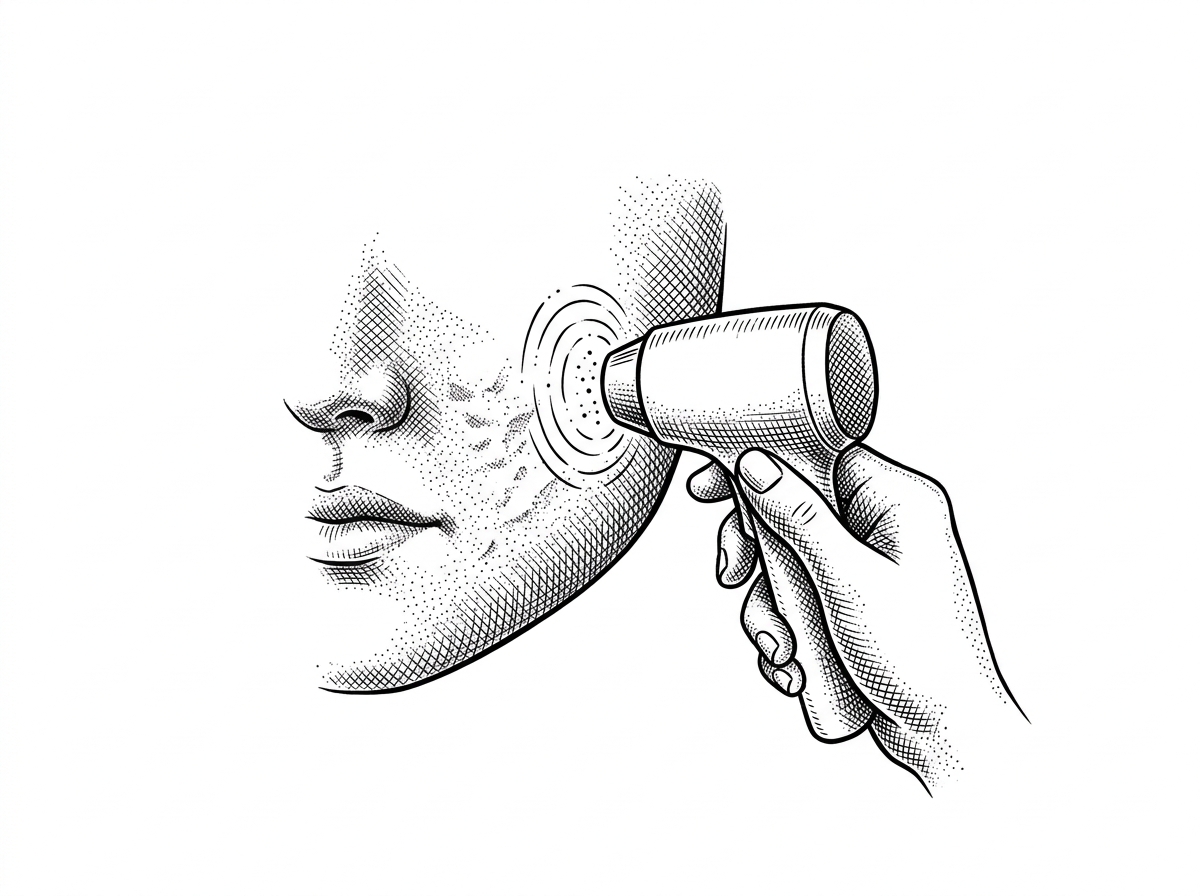
Laser therapy has become a cornerstone of clinical management. Pulsed-dye lasers (PDL) are frequently used to reduce the redness of "immature" scars by targeting the blood vessels that feed the tissue. For thicker, more established scars, fractional CO2 lasers can create microscopic "injury zones" that trigger a more organized healing response. Patients can often see significant improvements in texture and height by reviewing CO2 Laser for Surgical Scars Before and After results.
Corticosteroid Injections and Antimetabolites
For scars that are significantly raised or symptomatic (itching and burning), intralesional injections are often the first line of clinical treatment. Corticosteroids, such as triamcinolone, work by inhibiting collagen synthesis and reducing inflammation.
In more stubborn cases, antimetabolites like 5-Fluorouracil (5-FU) may be used, either alone or in combination with steroids. According to Scientific research on intralesional treatments, these injections can flatten hypertrophic scars and keloids by slowing down the overactive fibroblasts. These treatments are typically administered in a series of sessions spaced four to six weeks apart.
Surgical Revision and Adjuvant Radiation
In some instances, the best way to treat a bad scar is to remove it and start over. Scar revision surgery involves excising the old scar and re-closing the wound using advanced techniques like Z-plasty or W-plasty, which reorient the scar along the skin's natural tension lines.
However, for keloid patients, surgery alone is rarely successful. Scientific research on keloid radiation notes that keloids have a nearly 100% recurrence rate if surgically removed without follow-up care. To prevent this, surgeons may use "adjuvant" radiation therapy immediately following the excision, which can drop the recurrence rate to as low as 25% by neutralizing the overactive cells at the site.
Frequently Asked Questions about Post Surgery Scar Care
Managing a major surgical scar often leads to many practical questions regarding daily routines and expectations.
| Treatment Type | Best For | Typical Duration |
|---|---|---|
| Silicone Sheets | Flatting/Redness | 3–6 months |
| Massage | Softening/Mobility | 6–12 months |
| Laser Therapy | Color/Texture | 3–5 sessions |
| Steroid Injections | Raised/Itchy Keloids | Monthly until flat |
| Sun Protection | Preventing Darkening | 18 months |
When is it safe to begin active post surgery scar care?
The most critical milestone is "re-epithelialization" — the point where the skin has completely closed and there are no open areas or scabs. This usually occurs two to four weeks after the procedure. It is essential to receive clearance from the operating surgeon before starting massage or applying silicone, as premature manipulation can cause the wound to "dehiscence" (re-open).
Why is sun protection crucial for maturing scars?
New scar tissue lacks the melanocytes (pigment-producing cells) found in normal skin, making it highly susceptible to UV radiation. If a maturing scar is sunburned, it can develop permanent hyperpigmentation, turning dark brown or deep purple. Clinical guidelines recommend protecting scars from the sun for at least 18 months using SPF 30+ sunscreen or physical barriers like clothing.
How do nutritional factors influence surgical healing?
The body requires significant energy and specific building blocks to repair tissue. Protein is the most vital macronutrient, as it provides the amino acids necessary for collagen production. Deficiencies in Vitamin C and Zinc are also known to delay wound healing and weaken the resulting scar tissue. Research on nutrition and wounds emphasizes that staying well-hydrated is equally important, as dehydration can impair the delivery of nutrients to the healing site.
Conclusion
Effective post surgery scar care is a marathon, not a sprint. While the initial weeks of wound closure are critical for preventing infection, the subsequent 12 to 18 months of remodeling offer the best opportunity to improve the scar's final appearance and comfort. By combining evidence-based tools like silicone therapy, diligent sun protection, and consistent massage, patients can take an active role in their own healing process.
For those navigating the complexities of post-operative recovery, staying informed and monitoring the scar for changes is key. Patient education is the foundation of Scar Healing, and we encourage long-term monitoring for the best possible outcomes. For ongoing updates on skin regeneration and evidence-based care, consider joining the community at https://www.scar-healing.com/subscribe/.
Works Cited
- Broughton G II, Janis JE, Attinger CE. The basic science of wound healing. Plast Reconstr Surg. 2006;117(7 Suppl):12S-34S.
- Commander SJ, Chamata E, Cox J, Dickey RM, Lee EI. Update on Postsurgical Scar Management. Semin Plast Surg. 2016;30(3):122-128.
- Gold MH, Foster TD, Adair MA, Burlison K, Lewis T. Prevention of hypertrophic scars and keloids by the prophylactic use of topical silicone gel sheets following a surgical procedure in an office setting. Dermatol Surg. 2001;27(7):641-644.
- Atkinson JA, McKenna KT, Barnett AG, McGrath DJ, Rudd M. A randomized, controlled trial to determine the efficacy of paper tape in preventing hypertrophic scar formation in surgical incisions that traverse Langer's skin tension lines. Plast Reconstr Surg. 2005;116(6):1648-1656.
- Deflorin C, Hohenauer E, Stoop R, van Daele U, Clijsen R, Taeymans J. Physical management of scar tissue: a systematic review and meta-analysis. J Altern Complement Med. 2020;26(10):854-865.
- Norris JE. Superficial x-ray therapy in keloid management: a retrospective study of 24 cases and literature review. Plast Reconstr Surg. 1995;95(6):1051-1055.
Disclaimer: This content is for informational purposes only and does not constitute medical advice. Consult a qualified healthcare professional for diagnosis and treatment.