Vitamin E for Scars: Miracle Cure or Marketing Myth?
Vitamin E is one of the most popular home scar remedies, but clinical research tells a surprising story. Discover what the evidence actually shows about vitamin E for scar healing.

Vitamin E for Scar Healing: What the Clinical Evidence Actually Shows
Vitamin e scar healing is one of the most widespread beliefs in home skincare — and one of the most poorly supported by clinical research.
Walk into any pharmacy and the shelves are lined with vitamin E oils and creams marketed for fading scars. Ask around, and plenty of people will swear by them. In fact, surveys suggest roughly 68% of patients believe topical vitamin E improves scar appearance. Yet when researchers have put this belief to the test in controlled clinical trials, the results tell a very different story.
Here is a quick summary of what the evidence shows:
| Claim | What Research Actually Found |
|---|---|
| Vitamin E improves scar appearance | In 90% of cases, it had no effect or made scars worse (Baumann et al., 1999) |
| It is safe to apply to healing skin | About 1 in 3 users developed contact dermatitis |
| It works as a standalone scar treatment | Only 1 out of 6 prospective studies found significant improvement with vitamin E alone |
| It may help in specific contexts | Limited evidence in pediatric surgical patients and when combined with silicone gel |
Vitamin E (technically a group of fat-soluble antioxidants, with alpha-tocopherol being the most biologically active form) plays genuine roles in skin physiology — protecting cell membranes from oxidative damage and supporting immune function. The problem is that these biological properties have not translated into reliable scar improvement when applied topically in human clinical trials.
This article reviews the clinical evidence on vitamin E for scars, examines the specific contexts where it may or may not help, outlines the risks of topical use, and summarizes what evidence-based scar management actually looks like.
Simple guide to vitamin e scar healing:
The Biological Role of Vitamin E in Skin Physiology
To understand why so many people believe in vitamin e scar healing, it is necessary to look at what this nutrient does within the body. Vitamin E is not a single substance but a group of eight fat-soluble compounds. The most biologically active form in human skin is alpha-tocopherol.
In healthy skin physiology, vitamin E serves as the primary lipid-soluble antioxidant. Its main job is to protect cell membranes from "oxidative stress" caused by free radicals—unstable molecules that damage cellular structures like DNA and proteins. When skin is injured, such as in a burn or surgical incision, the body’s levels of antioxidants can drop significantly. Research by Nguyen et al. (1993) demonstrated that burn patients experience a marked loss of plasma antioxidants, including vitamin E, due to intense free radical activity.

Because vitamin E can stabilize cell membranes and reduce the production of certain inflammatory chemicals, it was theorized that applying it topically would create a better environment for wound repair. While vitamin E does have good dermal penetration—meaning it can get into the skin—the leap from "protecting cells" to "erasing a scar" is where the scientific evidence begins to thin.
Does Vitamin E Scar Healing Actually Occur? A Review of Clinical Evidence
Despite its popularity, the clinical evidence for vitamin e scar healing is remarkably weak. Most of the belief in its efficacy stems from anecdotal reports rather than double-blinded, placebo-controlled trials. When researchers look at the data objectively, the "miracle cure" often vanishes.
One of the most famous studies on this topic was conducted by Baumann et al. (1999). In this trial, 15 patients who had undergone Mohs surgery for skin cancer removal were asked to apply a topical vitamin E ointment to one side of their surgical scar and a standard emollient (Aquaphor) to the other side twice daily. The results were striking: in 90% of the cases, the vitamin E either had no effect on the cosmetic appearance of the scar or actually made it look worse.
A systematic review by Tanaydin et al. (2016) further confirmed these doubts. After reviewing decades of research, they found that only 1 out of 6 prospective studies showed a significant benefit when vitamin E was used as a monotherapy (on its own). The review concluded that there is currently insufficient evidence to justify the widespread clinical use of topical vitamin E for scar management.
The persistence of the myth may be due to the fact that massaging any ointment into a scar provides hydration and mechanical stimulation, both of which do help scars heal. Patients may attribute the improvement to the vitamin E, when it was actually the act of scar tissue massage therapy that made the difference.
Potential Adverse Effects of Topical Vitamin E Application
If vitamin E were merely ineffective, it might be harmless to try. However, research indicates that applying pure vitamin E oil to healing skin carries a high risk of adverse reactions.
The most common side effect is allergic contact dermatitis—a red, itchy, and sometimes blistering rash. In the Baumann et al. study, a staggering 33% of patients developed contact dermatitis from the topical vitamin E. This is a significant concern because an allergic reaction causes localized inflammation, which is exactly what you want to avoid when trying to minimize a scar. Increased inflammation can lead to a thicker, redder, and more noticeable scar.
Other reported side effects include:
- Pruritus (Itching): Which can lead to scratching and further trauma to the healing tissue.
- Urticaria (Hives): A sudden, raised, itchy rash.
- Pore Clogging: Because vitamin E oil is highly "comedogenic," it can trap bacteria and oil, leading to breakouts around the scar site.
Given these risks, many dermatologists now discourage the use of topical vitamin E on fresh surgical wounds. For those looking for safer ways to manage a healing incision, following a post surgery scar care routine that avoids irritants is generally recommended.
Clinical Contexts for Vitamin E Scar Healing: Pediatric and Combination Use
While the evidence for using vitamin E alone in adults is poor, there are a few specific "edge cases" where research has shown some potential benefit. These usually involve combination therapies or specific patient populations.
The Efficacy of Vitamin E Scar Healing When Combined with Silicone
There is some evidence that vitamin E may work synergistically with silicone—the "gold standard" of topical scar treatment. One study found that patients using silicone gel sheets infused with vitamin E showed more significant improvement in scar color and thickness than those using silicone alone. The theory is that the silicone provides the necessary hydration and occlusion, while the vitamin E provides antioxidant support without the same level of irritation found in pure oils. This combination is sometimes explored for laser treatment for scars aftercare to support the skin's recovery.
Observations of Vitamin E Scar Healing in Pediatric Populations
Interestingly, one of the few studies to show a positive result for vitamin E monotherapy involved children. A study by Zampieri et al. (2010) followed 428 white children undergoing inguinal surgery. The group that applied topical vitamin E for 15 days before surgery and at least 30 days after surgery showed significantly better cosmetic outcomes and a lower rate of keloid formation compared to the control group.
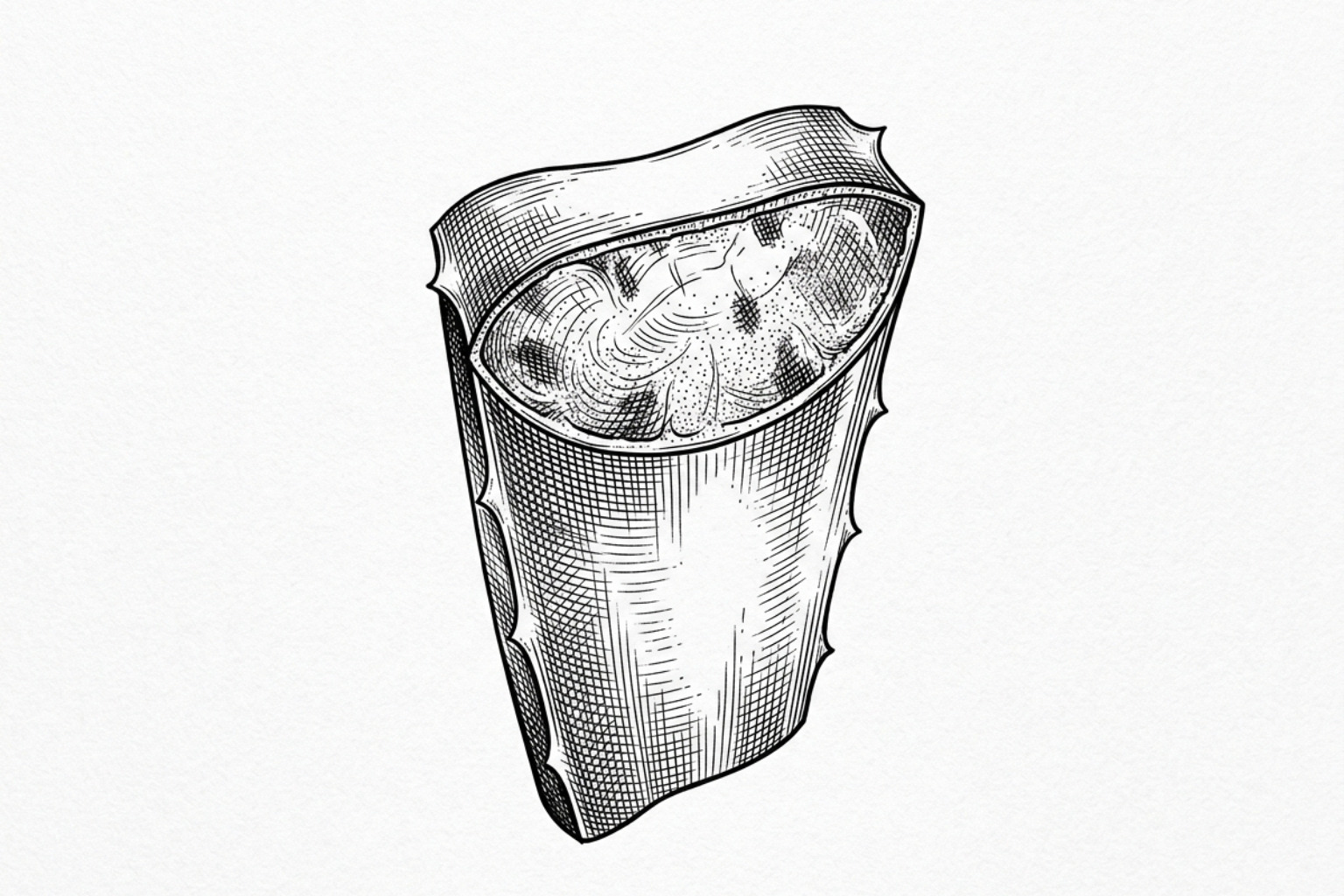
Researchers speculate that children’s skin may respond differently to the anti-inflammatory properties of vitamin E, or that the pre-operative application helped "prime" the skin for better repair. For parents managing a child's scar, aloe vera scar reduction is often cited as a gentler alternative, though vitamin E remains a subject of study in pediatric surgery.
Evidence-Based Alternatives for Scar Management and Prevention
If vitamin e scar healing isn't the solution, what is? Dermatologists generally recommend treatments that have a stronger foundation in clinical data.
- Silicone Gel and Sheets: This is the most widely recommended non-invasive treatment. Silicone creates a protective barrier that hydrates the scar and regulates collagen production, helping to flatten and soften the tissue.
- Scar Massage: Regularly performing a hard scar softening massage helps break up excess collagen fibers and improves blood flow to the area.
- Onion Extract (Contractubex/Mederma): Some studies suggest that onion extract can help reduce redness and inflammation, though results vary.
- Sun Protection: New scars are highly sensitive to UV light. Sun exposure can cause permanent dark discoloration (hyperpigmentation). Using SPF 30+ is essential for at least the first year of healing.
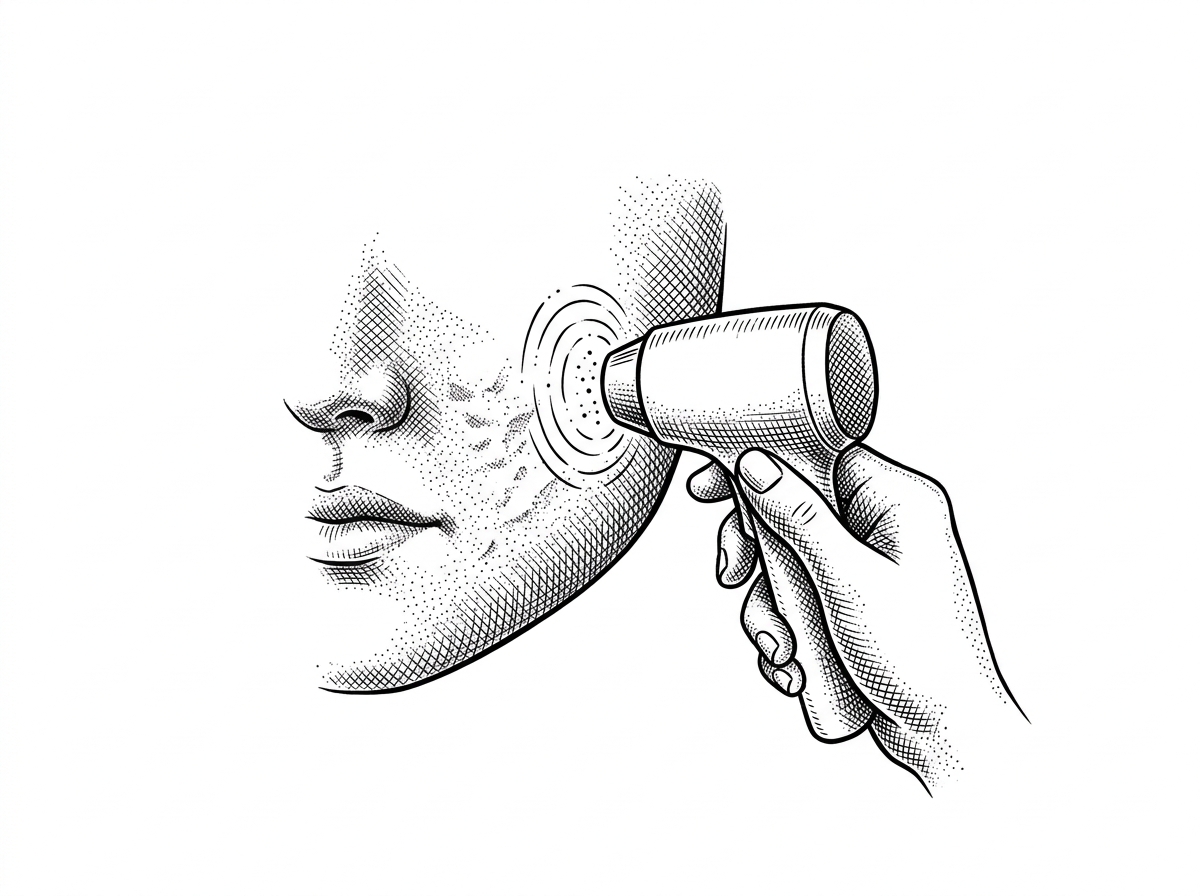
- Professional Procedures: For stubborn scars, experts may recommend microneedling for scar reduction or laser for keloid scars. These treatments work by creating controlled micro-injuries that trigger the body to remodel the scar tissue more effectively.
For those with older scars, a dermaroller for scars may be suggested to help "restart" the healing process and improve texture.
Clinical Guidelines for Minimizing Scar Formation
The best way to "heal" a scar is to prevent a bad one from forming in the first place. The American Academy of Dermatology (AAD) emphasizes that proper wound care is far more effective than any "miracle" oil.
- Keep it Clean: Wash the wound daily with mild soap and water. There is no need for harsh antibacterial soaps, which can irritate the tissue.
- Keep it Moist: This is the most important step. Using white petroleum jelly (Vaseline) keeps the wound from drying out and forming a hard scab. Scabs actually slow down the healing process and increase the likelihood of a noticeable scar.
- Keep it Covered: A bandage helps maintain that moisture and protects the new skin from further injury.
- Protect from the Sun: Once the wound is closed, sun protection is mandatory to prevent the scar from turning dark brown or purple.
While some people try tea tree oil scars for their antimicrobial properties, it is generally best to stick to inert ointments like petroleum jelly during the initial healing phase to reduce acne scars fast and minimize surgical scarring.
Frequently Asked Questions about Vitamin E and Scars
Does vitamin E help scars go away?
Current clinical evidence suggests it does not. In most controlled trials, topical vitamin E failed to improve the appearance of scars significantly. In fact, a major study showed it was ineffective or harmful in 90% of patients. The belief that it helps is largely a persistent medical myth.
How long do scars take to fade naturally?
Scar healing is a slow process. Fine-line scars can take up to 2 years to fully flatten and fade. Redness typically persists for an average of 7 months before the blood vessels in the area begin to recede. Hypertrophic scars may continue to thicken for the first 6 months before they eventually begin to soften over several years.
When should a dermatologist be consulted for scar management?
You should see a professional if a scar:
- Starts to grow larger than the original injury site (a sign of a keloid).
- Becomes very itchy, painful, or tender.
- Restricts your movement (contracture).
- Causes significant psychological distress or impacts your self-esteem.
Conclusion
The allure of vitamin e scar healing is easy to understand. It is a natural, affordable, and widely available "solution" for a common problem. However, the gap between the marketing and the medicine is wide. With a high risk of contact dermatitis and a lack of proven results in adult clinical trials, pure vitamin E oil is rarely the best choice for your skin.
Instead of chasing myths, focus on the fundamentals: keep the wound moist with petroleum jelly, protect it from the sun, and use silicone-based products if a scar begins to thicken. Science shows that patience and proper wound care are the real "miracle cures" for a healthy recovery.
Works Cited
- Alam, M. et al. (2014). Efficacy of a needling device for the treatment of acne scars. PubMed.
- Baumann, L. S. et al. (1999). The effects of topical vitamin E on the cosmetic appearance of scars. Dermatologic Surgery.
- Bond, J. S. et al. (2018). Scar redness in humans: How long does it persist after incisional and excisional wounding. PubMed.
- Tanaydin, V. et al. (2016). The role of topical vitamin E in scar management: a systematic review. Aesthetic Surgery Journal.
- Zampieri, N. et al. (2010). Vitamin E for treating children’s scars. Journal of Cutaneous and Aesthetic Surgery.
This content is for informational purposes only and does not constitute medical advice. Consult a qualified healthcare professional for diagnosis and treatment.