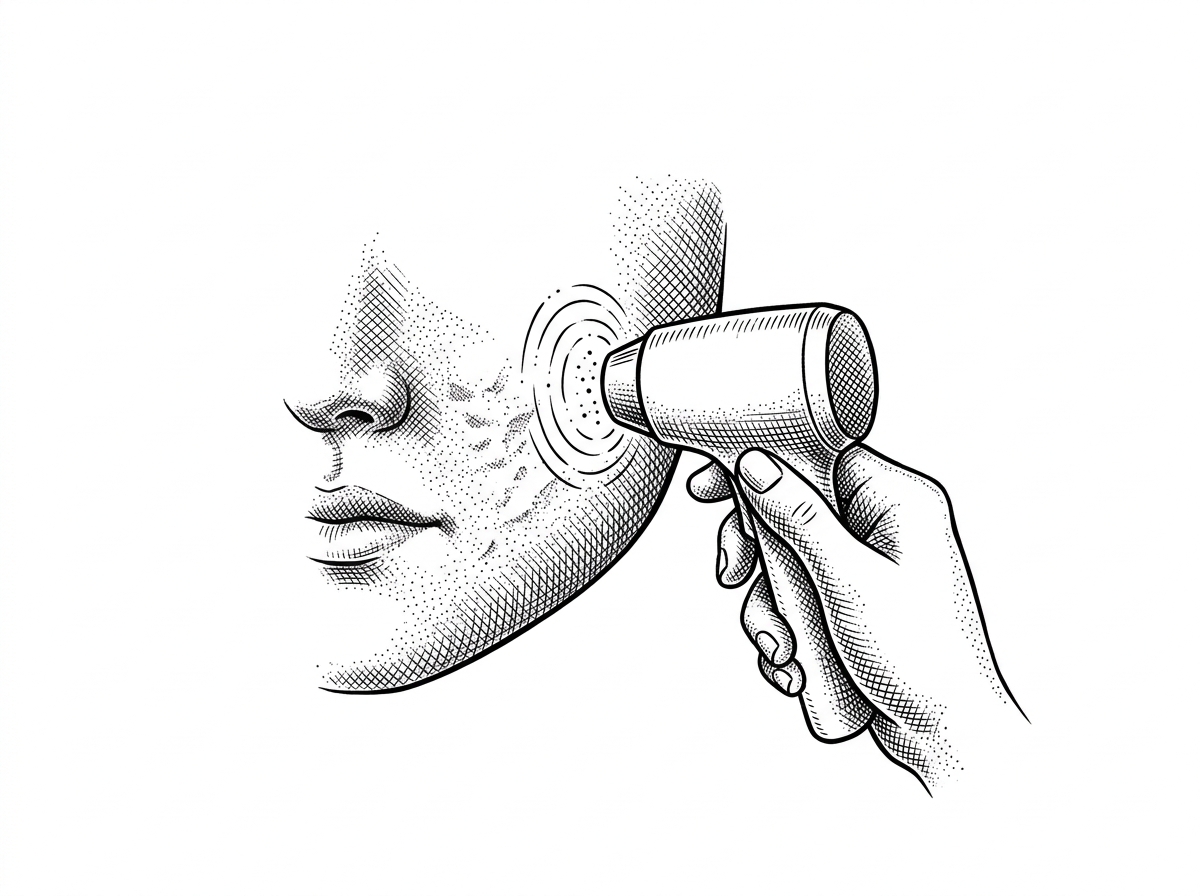
The Need for Speed: Top Quick Scar Fading Treatments
Want your scars to fade faster? From professional procedures to at-home options, explore which scar fading treatments deliver the quickest visible results.

Why Scars Form — and What Science Says About Fading Them Faster
Quick scar fading treatment is one of the most searched skin topics — and for good reason. Visible scars, whether from acne, injury, or surgery, can affect how people feel about their appearance every day.
Here is a fast-reference summary of the most evidence-supported approaches:
| Approach | Best For | Realistic Timeline |
|---|---|---|
| Moist wound care (petroleum jelly) | Preventing scars at the source | During active healing |
| Medical-grade silicone gel or sheets | New and recent scars | 8–12 weeks of daily use |
| Topical vitamin C or retinoids | Hyperpigmentation, texture | 8–12+ weeks |
| Broad-spectrum SPF 30+ sunscreen | Preventing darkening | Ongoing |
| Microneedling (professional) | Atrophic/acne scars | Multiple sessions over months |
| Pulsed dye or fractional laser | Raised, red, or deep scars | 2–6 sessions |
| Corticosteroid injections | Hypertrophic scars, keloids | 4–6 week intervals |
No treatment erases scars completely. However, evidence suggests that early, consistent intervention can meaningfully reduce a scar's size, color, and texture over time.
Scars form because the body repairs damaged skin using collagen-rich fibrous tissue — a faster, less organized process than growing normal skin. This repair happens in three overlapping phases: inflammation, proliferation (where fibroblasts lay down new collagen), and remodeling (where that collagen is gradually reorganized). The remodeling phase alone can last up to two years.
That biological timeline is why there is no true overnight fix. But the window for intervention matters enormously. Research consistently shows that what happens in the first days and weeks after a wound closes has a direct impact on long-term scar appearance.
Around 100 million people develop scars from surgeries alone each year — and that figure does not account for acne, accidents, or burns. The search for faster, more effective scar fading is both widespread and legitimate.
The sections below review what the evidence actually supports, from basic wound care to professional procedures, with realistic expectations at each stage.
Immediate Post-Injury Care: Preventing Scars at the Source
The most effective quick scar fading treatment begins before a scar even fully forms. Clinical consensus emphasizes that the environment in which a wound heals determines the eventual thickness, depth, and color of the resulting tissue.
The Role of Moisture Retention
One of the most common misconceptions in wound care is that a wound needs to "air out" or form a scab to heal properly. According to Proper wound care tips from dermatologists, the opposite is true. When a wound dries out, it forms a hard scab. This scab acts as a physical barrier that migrating skin cells (keratinocytes) must crawl under to close the wound, which slows down the healing process and increases the likelihood of a noticeable scar.
Applying a thin layer of petroleum jelly keeps the wound moist. This moisture prevents scabbing and allows for faster epithelialization—the process of new skin cells covering the wound. Research indicates that moist wounds heal up to 50% faster than dry ones, significantly reducing the inflammatory response that leads to excessive scarring.

Cleaning Protocols and Epithelialization
Proper hygiene is vital, but over-cleaning can be counterproductive. Experts recommend:
- Mild Soap and Water: Gently washing the area once daily is sufficient to remove debris and bacteria.
- Avoiding Irritants: Clinical guidelines suggest avoiding hydrogen peroxide and rubbing alcohol on open wounds. While these are effective at killing bacteria, they are cytotoxic, meaning they also kill the healthy fibroblasts and white blood cells needed for repair.
- Consistent Bandaging: Keeping the area covered with a clean bandage protects the "hydration halo" created by petroleum jelly and prevents external bacteria from entering.
By minimizing inflammation and preventing scabs, the body can focus on organized collagen synthesis rather than emergency "patchwork" repair.
Evidence-Based Topical Quick Scar Fading Treatment
Once a wound has fully closed—meaning the skin is intact and there is no more bleeding or oozing—topical treatments become the primary tool for rapid fading.
The Science of Silicone
In the medical community, medical-grade silicone is considered the gold-standard non-invasive treatment for both preventing and treating raised scars. According to Scientific research on silicone for scar management, silicone works through two primary mechanisms: hydration and occlusion.
Silicone sheets or gels create a protective barrier that mimics the skin's natural moisture-retaining function. This reduces "transepidermal water loss" (TEWL). When the skin is properly hydrated, it sends signals to fibroblasts (the cells that produce collagen) to scale back production. This prevents the overgrowth of tissue that characterizes hypertrophic and keloid scars. Clinical trials have shown that up to 100% of participants agree that silicone-based treatments improve scar texture and smoothness over an 8-to-12-week period.
| Feature | Silicone Sheets | Silicone Gels |
|---|---|---|
| Best For | Large, flat areas (chest, back, limbs) | Face, joints, and irregular surfaces |
| Visibility | Noticeable; can be covered by clothes | Invisible; can be worn under makeup |
| Duration | Often worn 12–24 hours a day | Applied 2–3 times daily |
| Mechanism | Provides slight pressure + hydration | Provides occlusion + hydration |
Choosing a Quick Scar Fading Treatment for New Scars
For new scars (those less than three months old), early intervention is critical. Once the wound has closed and any stitches are removed, starting a silicone regimen immediately can produce visible results in as little as four to eight weeks.
Supporting ingredients often found in high-quality gels include:
- Allantoin: A soothing agent that helps skin retain moisture and reduces the itchiness often associated with healing.
- Onion Bulb Extract (Allium Cepa): Some clinical studies suggest this botanical extract may help reduce redness and soften scar tissue, though it is often most effective when combined with other moisturizing agents.
- Hyaluronic Acid: This molecule can hold 1,000 times its weight in water, providing the deep hydration necessary for healthy tissue remodeling.
The Efficacy of Antioxidants and Retinoids
While silicone manages the physical structure of the scar, other topicals target color and cellular turnover.
- Vitamin C: This potent antioxidant acts as a tyrosinase inhibitor, which means it helps prevent the overproduction of melanin (pigment). This is particularly useful for fading the dark brown or red spots left by acne or minor scrapes.
- Topical Retinoids: Derived from Vitamin E, retinoids accelerate cell turnover. This helps the skin shed damaged, scarred cells faster and encourages the production of new, organized collagen.
- Vitamin E Limitations: While widely popularized, a 2016 review of studies concluded that there isn't enough high-quality evidence to justify the widespread use of topical Vitamin E alone for scar fading. In some cases, it has been shown to cause contact dermatitis (skin irritation), which can actually worsen the scar's appearance.
Minimally Invasive Professional Procedures for Rapid Remodeling
When over-the-counter methods are not fast enough, or for deeper atrophic (pitted) scars, professional dermatological procedures offer the most significant results.
Collagen Induction Therapy (Microneedling)
Microneedling involves using sterilized micro-needles to create controlled "micro-injuries" in the skin. This triggers the body’s natural healing response without damaging the epidermis. According to Clinical data on microneedling for scars, this process stimulates the production of new collagen and elastin.
For acne scars, research indicates that three to five sessions, spaced roughly a month apart, can fade the appearance of scars by 50% to 70%. Many professionals now use "Radiofrequency (RF) Microneedling," which adds heat energy to deeper layers of the skin, or combine the procedure with Platelet-Rich Plasma (PRP) to further accelerate the remodeling phase.
Laser Therapy as a Quick Scar Fading Treatment
Laser technology allows for highly targeted scar revision. The type of laser used depends entirely on the scar's characteristics:
- Pulsed Dye Laser (PDL): This is the primary choice for red or pink scars. It targets the blood vessels (vascularity) within the scar, reducing redness and flattening raised tissue. Clinical studies have shown a 57% to 83% improvement in hypertrophic scars after just one or two PDL treatments.
- Fractional CO2 Laser: This laser creates microscopic "thermal zones" in the skin, leaving the surrounding tissue intact. This allows for much faster healing than traditional "ablative" lasers. It is highly effective for smoothing the texture of deep surgical or traumatic scars.
- Er:YAG Resurfacing: Often used for atrophic acne scars, this laser removes thin layers of skin with high precision, allowing new, smoother skin to form in its place.
It is important to note that laser settings must be adjusted based on the patient's Fitzpatrick skin type (skin tone) to avoid post-inflammatory hyperpigmentation (PIH), especially in darker skin tones.
Corticosteroid Injections for Raised Scars
For keloids and hypertrophic scars—which are caused by an overproduction of collagen—dermatologists often use corticosteroid injections. These medications work by breaking down the bonds between collagen fibers and reducing inflammation.
- Results: Most patients see a noticeable flattening and softening of the scar within a few weeks.
- Timeline: Treatments are usually performed in a series, spaced four to six weeks apart, until the desired level of flattening is achieved.
Frequently Asked Questions about Scar Fading
How long does it typically take to see noticeable improvements?
While the term "quick" is relative in biology, most evidence-based treatments require at least four to eight weeks of consistent use before visible changes occur. The remodeling phase of a scar—where the body reorganizes collagen—is a slow process. While a silicone gel might make a scar feel softer in days, the actual fading of color and flattening of texture takes months. Total maturation of a scar can take 12 to 24 months.
Are there any clinically proven natural remedies?
Many household items are touted as "miracle" cures, but few hold up under scientific scrutiny:
- Aloe Vera: A 2019 review of 23 trials found that aloe vera can improve wound healing and help with scar appearance when used alongside other methods, likely due to its hydrating and anti-inflammatory properties.
- Honey: While medical-grade honey has antibacterial properties, a 2016 study on Manuka honey's impact on scars found that it did not significantly improve the appearance of scars when applied topically compared to standard care.
- Coconut Oil: While it is an excellent emollient (moisturizer), there is no clinical evidence that coconut oil contains specific properties that "break down" scar tissue more effectively than other oils.
- Essential Oils: Oils like lavender or tea tree may have minor anti-inflammatory benefits, but they also carry a high risk of skin irritation or allergic reactions, which can impede healing.
When is it necessary to see a dermatologist for stubborn scars?
Home treatments have limits. It is time to consult a board-certified dermatologist if:
- Functional Impairment: The scar is over a joint and restricts movement (common with contracture scars from burns).
- Persistent Symptoms: The scar is consistently painful, itchy, or tender.
- Growth: The scar is growing beyond the boundaries of the original wound (a sign of a keloid).
- Psychological Impact: The scar significantly affects your self-esteem or mental well-being.
- Stubbornness: You have used over-the-counter treatments for three months with zero improvement.
Conclusion
Fading a scar quickly requires a dual approach: protecting the skin’s natural healing process and using evidence-based interventions to guide tissue remodeling. From the moment an injury occurs, maintaining a moist environment with petroleum jelly and avoiding harsh chemicals is the best way to minimize the "footprint" of the scar.
Once the skin is closed, the daily application of medical-grade silicone and rigorous sun protection become the most important steps. UV exposure is a leading cause of scar darkening; applying a broad-spectrum SPF 30+ sunscreen daily prevents the scar from becoming permanently hyperpigmented.
Supporting your body's internal repair system is also vital. Evidence suggests that staying hydrated and consuming a diet rich in protein and Vitamin C provides the raw materials fibroblasts need to rebuild healthy tissue.
While no quick scar fading treatment can offer instant results, the combination of early wound care, silicone therapy, and professional procedures can make a dramatic difference in how a scar looks and feels. For more information on the science of skin regeneration, visit More info about scar healing.
This content is for informational purposes only and does not constitute medical advice. Consult a qualified healthcare professional for diagnosis and treatment.