Pimple Scar Removal Cream: What Actually Works?
Which pimple scar removal creams actually work? We review the clinical evidence behind silicone gels, retinoids, and other top ingredients for fading acne marks.

What the Evidence Says About Pimple Scar Removal Cream
Pimple scar removal cream is one of the most searched skincare topics — and for good reason. Acne affects up to 80% of people between the ages of 11 and 30, and a significant proportion are left with lasting marks on the skin long after breakouts resolve.
Before reading further, here is a concise answer to what research says about how these topicals work and what to realistically expect:
Quick-Reference: What Works in a Pimple Scar Removal Cream
| Ingredient | Scar Type Targeted | Evidence Level |
|---|---|---|
| Retinoids (adapalene, retinol) | Atrophic, textural | Strong — multiple clinical trials |
| Salicylic acid / AHAs | Post-inflammatory hyperpigmentation, surface texture | Moderate — well-established keratolytic effect |
| Niacinamide | Dark spots, redness | Moderate — human studies support melanin inhibition |
| Vitamin C | Hyperpigmentation | Moderate — evidence suggests tyrosinase inhibition |
| Azelaic acid | Pigmentation, redness | Moderate — clinical use supported |
| Tranexamic acid | Post-inflammatory hyperpigmentation | Emerging — early clinical data promising |
| Silicone gel | Raised and atrophic scars | Strong — consensus guideline-supported since the 1980s |
| Allantoin | Inflammation, scar visibility | Moderate — anti-inflammatory mechanism established |
Key takeaway: No single cream works for all scar types. Ingredient selection should match the specific scar mechanism — whether that is excess pigment, lost volume, or textural irregularity.
Acne scarring forms when inflammation from a breakout disrupts normal wound healing in the deeper layers of skin — a process involving collagen-producing cells called fibroblasts and the structural scaffold known as the extracellular matrix. Depending on whether too little or too much collagen is deposited during healing, the result can be a depressed (atrophic) scar or a raised (hypertrophic) one.
Topical creams cannot reverse deep structural damage the way procedural treatments can. However, consistent use of evidence-backed ingredients can meaningfully reduce pigmentation, improve surface texture, and support the skin's natural remodeling process — particularly for mild to moderate scarring.
A 12-week open-label clinical study found that a silicone-based gel containing active ingredients such as azelaic acid and bakuchiol produced measurable improvements in scar appearance and hyperpigmentation across diverse skin types, with 72.5% of participants showing observer-rated improvement by week 12.
Realistic expectations matter here. Most topical treatments require 8 to 12 weeks of consistent daily use before visible changes occur. Severe or deeply indented scars typically require professional intervention alongside topical care.
The sections below explain the biology of acne scar formation, review the mechanisms behind key active ingredients, and outline what clinical evidence supports — so that product choices can be grounded in science rather than marketing.
This content is for informational purposes only and does not constitute medical advice. Consult a qualified healthcare professional for diagnosis and treatment.
Pathogenesis of Acne Scarring and Tissue Remodeling
The development of a scar is not a random event; it is the final stage of the body's biological response to injury. When an acne lesion becomes inflamed, the immune system rushes to the site, often damaging the surrounding healthy tissue in the process. Research on acne scarring incidence indicates that the severity and duration of this inflammation are the primary predictors of whether a permanent mark will remain.
Atrophic Scars
The most common type of acne scarring is atrophic, which occurs when there is a net loss of collagen during the healing process. These present as depressions in the skin and are categorized into three subtypes:
- Ice pick scars: Narrow, deep pits that extend into the deep dermis.
- Boxcar scars: Round or oval depressions with sharp, vertical edges.
- Rolling scars: Wide depressions that create an undulating, "wave-like" appearance on the skin surface.
Hypertrophic Scars
In some cases, the body overcompensates during the repair phase. Fibroblasts, the cells responsible for synthesizing the extracellular matrix and collagen, produce an excess of structural proteins. This results in raised, firm scars known as hypertrophic or keloid scars. These are more common on the jawline, chest, and back.
The biological "choice" between a depression or a raised bump depends on the balance of matrix metalloproteinases (enzymes that break down tissue) and their inhibitors. When a pimple scar removal cream is applied, its primary goal is often to modulate this delicate tissue remodeling environment.
Mechanisms of Action in a Pimple Scar Removal Cream
To understand how a pimple scar removal cream works, one must look at the skin's layers. For a topical agent to be effective, it must achieve sufficient dermal penetration. The skin's outermost layer, the stratum corneum, acts as a formidable barrier. Effective formulations often use delivery systems or specific pH levels to ensure active ingredients reach the target fibroblasts or melanocytes.
Topical treatments generally function through four main pathways:
- Cell Turnover Acceleration: Forcing the skin to shed old, scarred cells and replace them with healthy ones.
- Collagen Synthesis Stimulation: Encouraging fibroblasts to fill in atrophic depressions.
- Melanin Inhibition: Blocking the overproduction of pigment in post-inflammatory hyperpigmentation (PIH).
- Barrier Support: Maintaining hydration to prevent further irritation and support scar fading.
Retinoids and Epidermal Renewal
Retinoids, including retinol and FDA-approved OTC adapalene, are considered the gold standard for textural tissue regeneration. They work by binding to retinoic acid receptors in the skin, which speeds up the rate at which cells divide. This "resurfacing" effect helps smooth the edges of boxcar and rolling scars over time. Bakuchiol has emerged as a plant-based alternative that offers similar benefits with less risk of the irritation often associated with traditional retinoids.
Exfoliants and Surface Resurfacing
Chemical exfoliants like salicylic acid (a BHA) and glycolic acid (an AHA) perform keratolysis, the process of breaking down the "glue" that holds dead skin cells together. Salicylic acid is particularly useful for acne-prone skin because it is oil-soluble, allowing it to penetrate pores and treat active breakouts while simultaneously fading surface marks. However, users should be cautious of harsh surfactants; for instance, research on sodium C14-16 olefin sulfonate suggests it can be drying or irritating, which may compromise the skin barrier and delay healing.
Evidence-Based Ingredients for Fading Post-Inflammatory Hyperpigmentation
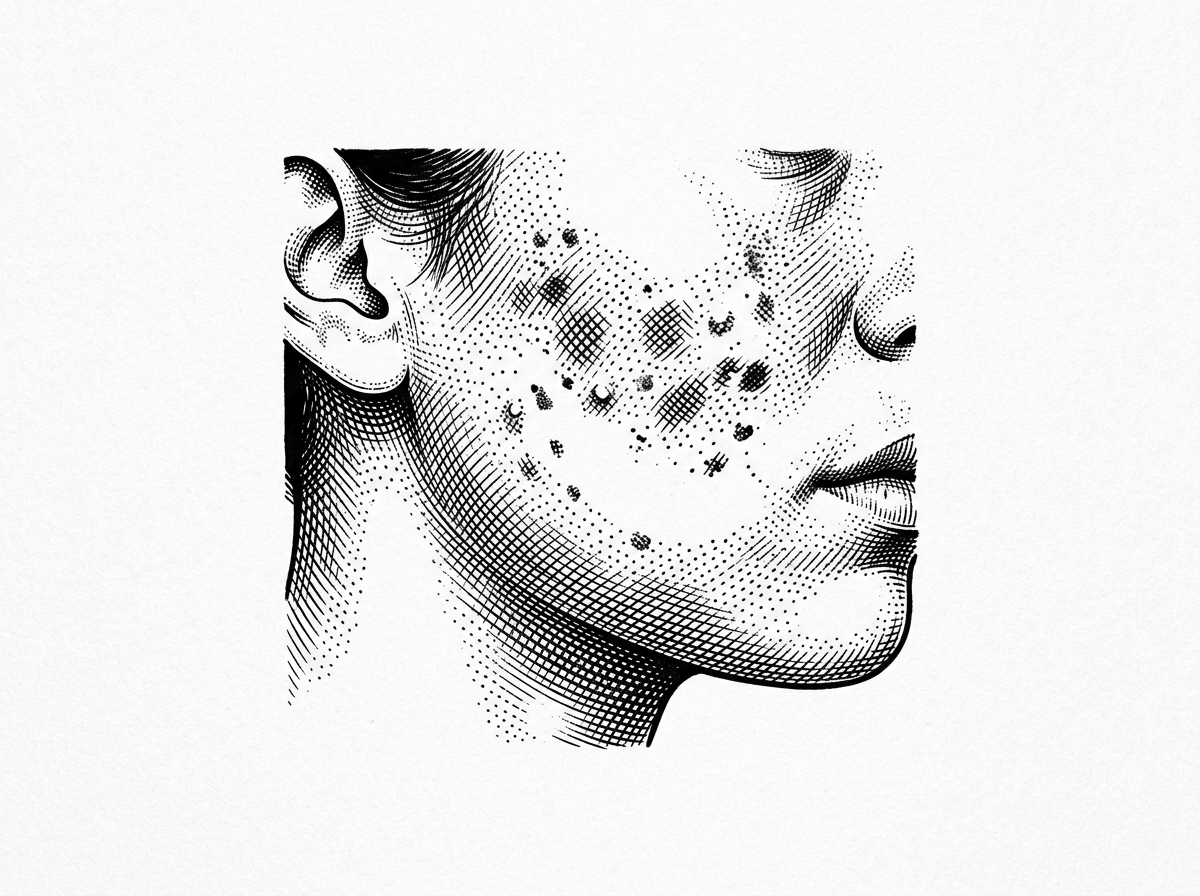
Many people mistake post-inflammatory hyperpigmentation (PIH) for true scarring. PIH refers to the red, purple, or brown spots left behind after a pimple heals. Because these are pigment issues rather than structural ones, they respond well to dark scar removal methods.
- Vitamin C: A potent antioxidant that inhibits the enzyme tyrosinase, preventing the conversion of tyrosine into melanin.
- Niacinamide (Vitamin B3): Studies show it prevents the transfer of pigment to skin cells and reduces redness by strengthening the skin barrier.
- Azelaic Acid: Often used for its dual ability to kill acne-causing bacteria and lighten dark spots without affecting normal skin color.
- Tranexamic Acid: This ingredient is gaining traction for its ability to interfere with the inflammatory pathways that lead to pigment production.
Furthermore, scientific research on Centella asiatica (often called Cica) highlights its anti-inflammatory and hydrating properties. By increasing skin surface hydration and reducing inflammation, it creates an optimal environment for the skin to repair itself without excessive pigment deposition.
Clinical Efficacy of Topical Treatments for Atrophic Scars
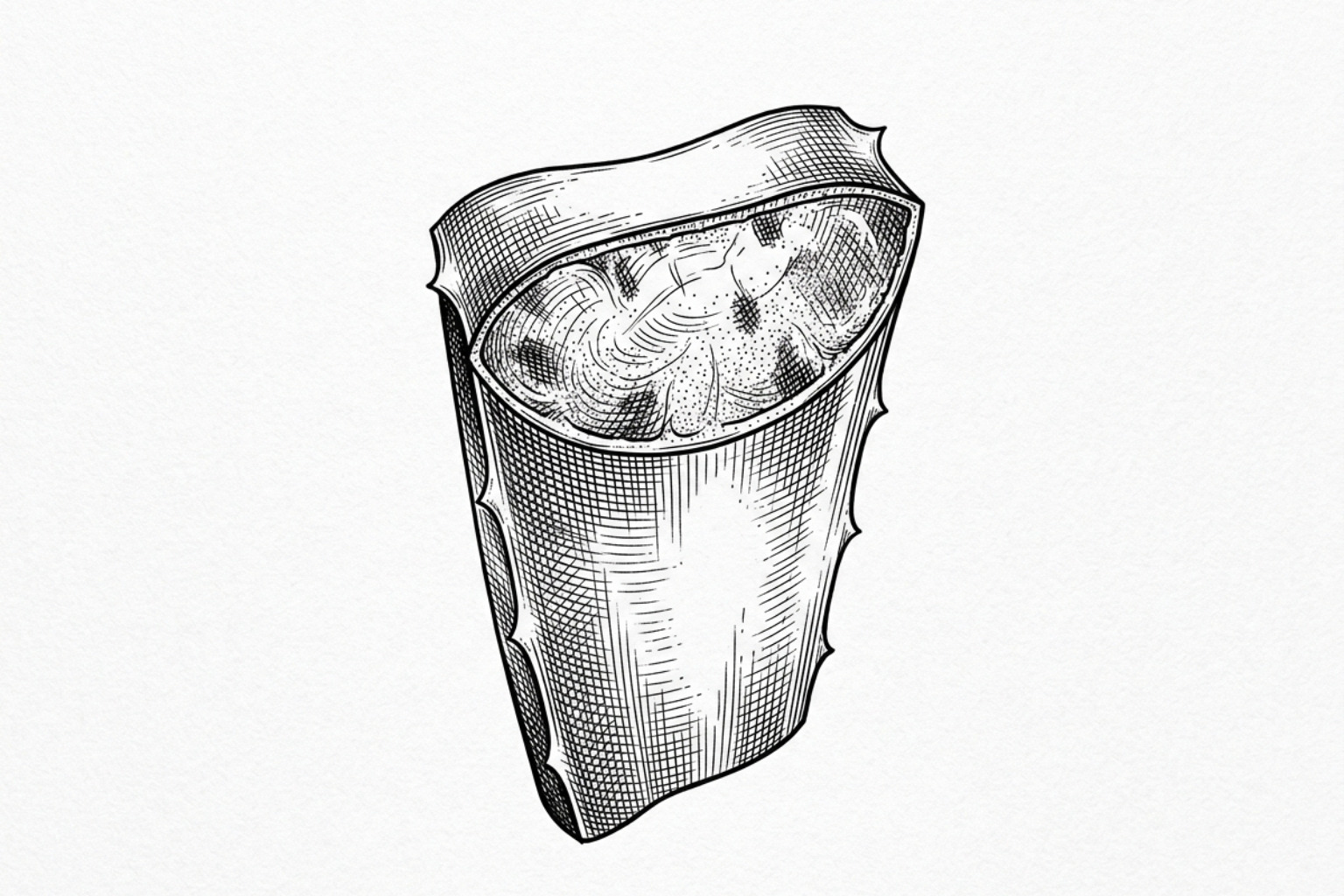
While deep pits are difficult to treat with creams alone, certain ingredients support the structural integrity of the skin. Silicone gel is one of the few topicals with high-level evidence for improving scar texture. It creates an occlusive seal that increases the hydration of the stratum corneum, signaling the body to tone down the production of excess collagen while protecting the area from bacteria.
Peptides and allantoin are also frequently included in a pimple scar removal cream to support atrophic scar repair. Peptides act as chemical messengers, telling the skin to produce more collagen, while allantoin helps soothe and soften the skin.
A significant clinical trial on Adapalene/BPO for scars demonstrated that early intervention with specific retinoid combinations could not only reduce the appearance of existing atrophic scars but also prevent new ones from forming.
Selecting a Pimple Scar Removal Cream for Sensitive Skin
For those with reactive skin, the goal is "low and slow." Ingredients like ceramides and squalane help repair the lipid barrier, which is often damaged by harsh acne treatments. Natural anti-inflammatories can also be beneficial; for example, aloe vera has been studied for its ability to reduce redness and support wound contraction without the irritation risk of high-percentage acids.
Laser vs. Topical Treatment for Acne Scars: Comparing the Evidence
It is important to acknowledge the limitations of topicals. A pimple scar removal cream is excellent for surface discoloration and minor texture issues, but for deep, tethered rolling scars or severe ice pick scars, professional procedures are often required.
- Fractional CO2 Lasers: These create microscopic "injury zones" in the skin, forcing a massive collagen remodeling response.
- Microneedling: This involves using tiny needles to create controlled micro-injuries. It is particularly effective for atrophic scars because it physically breaks up scar tissue. For a deeper look, see this guide on microneedling for acne scars.
- Chemical Peels: High-strength acids (TCA or glycolic) are used by dermatologists to remove deeper layers of the skin than over-the-counter creams can reach.
While lasers and peels offer faster and more dramatic results, they come with higher costs and potential downtime. Many dermatologists recommend a "hybrid" approach: using professional procedures to address deep structural issues and a pimple scar removal cream to maintain results and manage pigmentation.
Optimizing Results with a Pimple Scar Removal Cream Routine
Consistency is the most critical factor in scar treatment. The skin's natural turnover cycle takes approximately 28 to 40 days, and remodeling of the dermis takes even longer. Most clinical studies do not show significant results until the 12-week mark.
Frequency and Application of Pimple Scar Removal Cream
To reduce acne scars fast, application should follow these general guidelines:
- Cleanse: Use a gentle, non-comedogenic cleanser to remove debris.
- Target: Apply the scar cream to the affected areas. If using a retinoid, start 2–3 times a week and increase frequency as tolerated.
- Moisturize: Use a product with ceramides to lock in the treatment. Some people find vitamin E helpful for hydration, though its direct effect on scar tissue is still debated in literature.
- Protect: Sunscreen is non-negotiable. UV exposure darkens scars and slows down the repair process.
Frequently Asked Questions about Acne Scar Topicals
How long does it take to see visible results?
Most users see initial improvements in redness and hydration within 4 weeks. However, textural changes and significant fading of dark spots typically require 8 to 12 weeks of daily application.
Can topical creams prevent future scarring?
Yes. By reducing the inflammation of active acne and speeding up the healing process, ingredients like adapalene and salicylic acid can prevent the tissue damage that leads to permanent scars.
Are over-the-counter options as effective as prescriptions?
For mild to moderate scarring, many OTC options are highly effective. However, prescription-strength retinoids (like Tretinoin) or hydroquinone (for pigment) may be necessary for more stubborn cases under a doctor's supervision.
Conclusion
Choosing a pimple scar removal cream should be a science-led decision. By matching the active ingredients—such as retinoids for texture or niacinamide for pigment—to the specific type of scar, individuals can effectively support the skin's natural healing journey. While topicals have their limits, they remain a vital, non-invasive tool for achieving a smoother, more even complexion. For more research-backed insights, you can subscribe for research updates at Scar Healing.
Works Cited
- Layton AM, Henderson CA, Cunliffe WJ. A clinical evaluation of acne scarring and its incidence. Clin Exp Dermatol. 1994;19(4):303–308. doi: 10.1111/j.1365-2230.1994.tb01200.x.
- FDA. FDA approves Differin Gel 0.1% for over-the-counter use to treat acne. 2016.
- Ratz-Łyko A, et al. Moisturizing and anti-inflammatory properties of cosmetic formulations containing Centella asiatica extract. Indian J Pharm Sci. 2016;78(1):27-33. doi: 10.4103/0250-474X.180247.
- Nair B. Final report on the safety assessment of sodium alpha-olefin sulfonates. Int J Toxicol. 1998;17(5_suppl):39-65. doi: 10.1177/109158189801700504.
- Dréno B, et al. Prevention and Reduction of Atrophic Acne Scars with Adapalene 0.3%/Benzoyl Peroxide 2.5% Gel. Dermatol Ther (Heidelb). 2018;8(1):121-132. doi: 10.1007/s40257-018-0352-y.
This content is for informational purposes only and does not constitute medical advice. Consult a qualified healthcare professional for diagnosis and treatment.