Best Pediatric Scar Reduction Cream for Sensitive Young Skin

Clinical Evidence for Pediatric Scar Reduction Cream: A Review of Topical Interventions
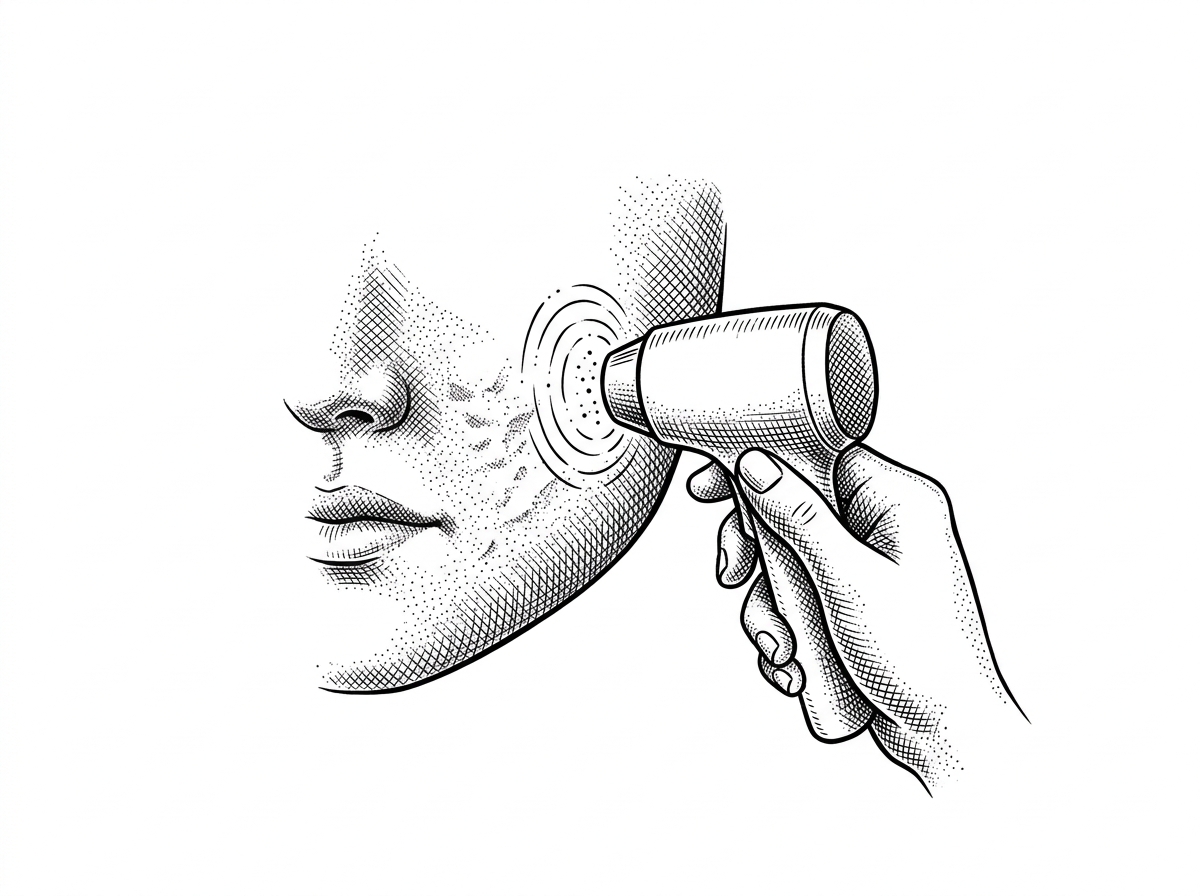
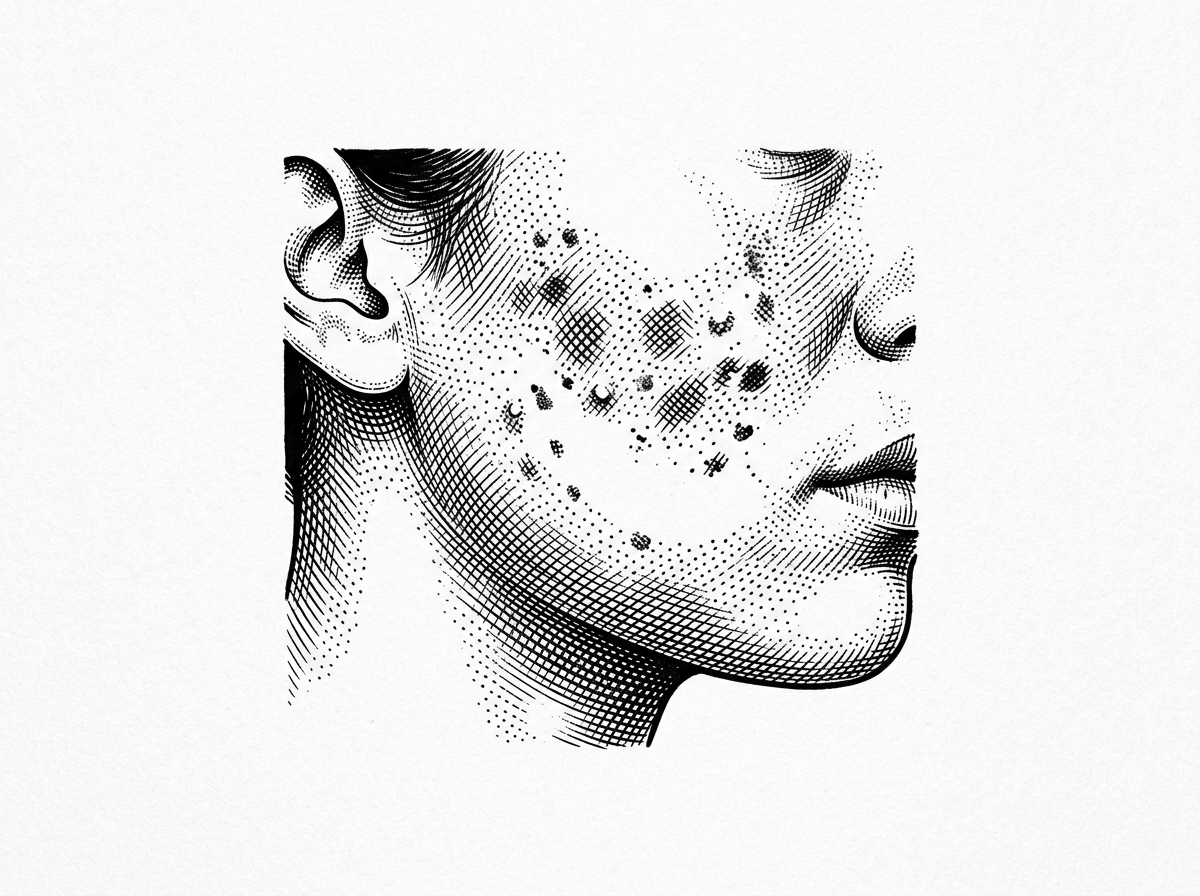
Pediatric scar reduction cream is a topical treatment designed to minimize the appearance of scars on children's skin — including those from surgical incisions, burns, cuts, and skin conditions like chickenpox.
Pediatric skin biology differs significantly from that of adults. Children's skin is thinner, its barrier function is still developing, and because children grow rapidly, scars can stretch and become more prominent over time. This makes early, appropriate intervention especially important.
Clinical Summary of Evidence-Based Interventions:
| Goal | Evidence-Based First-Line Option |
|---|---|
| Prevent abnormal scarring | Silicone gel or sheeting, initiated 2-3 weeks post-wound closure |
| Reduce scar thickness and erythema | Silicone application for at least 12 hours daily for 2-6 months |
| Address atrophic scars (e.g., chickenpox) | Topical retinoids or onion extract; clinical consultation advised |
| Manage keloid or hypertrophic scars | Silicone combined with pressure therapy; clinical escalation if required |
| Prevent post-inflammatory hyperpigmentation | Daily broad-spectrum SPF ≥30 sunscreen |
The 2025 Clinical Practice Guideline for Pediatric Scar Prevention and Treatment — a guideline developed specifically for children aged 1 to 14 — identifies silicone-based agents as the strongly recommended first-line non-invasive topical treatment. Research indicates silicone gel can reduce scar volume and improve elasticity in 60 to 100% of cases, making it a primary evidence-backed starting point.
However, not all products marketed for children's scars are equivalent. Formulations differ significantly in their active ingredients, preservative profiles, age suitability, and the types of scars they are designed to address. Understanding these differences is essential for informed clinical selection — particularly for infants and toddlers with more vulnerable skin.
Mechanism of Action: How Silicone Technology Modulates Pediatric Collagen Synthesis
The primary goal of a pediatric scar reduction cream containing silicone is to mimic the skin's natural barrier function. When skin is injured, the body's priority is to close the wound quickly to prevent infection. This rapid response often leads to an overproduction of collagen, resulting in raised, red, or hard scar tissue.
Silicone works through several physiological pathways:
- Reduction of Transepidermal Water Loss (TEWL): Pediatric skin is more susceptible to dehydration than adult skin. Silicone creates a semi-occlusive barrier that seals in moisture. By reducing TEWL, the stratum corneum (the outermost layer of skin) remains hydrated.
- Fibroblast Regulation: When the skin is adequately hydrated, it sends signals to fibroblasts — the cells responsible for collagen synthesis — to downregulate production. This prevents the excessive accumulation of the extracellular matrix that characterizes hypertrophic and keloid scars.
- Cytokine Signaling: According to Scientific research on silicone barrier function, the pressure and hydration provided by silicone modulate the expression of growth factors like TGF-β. This helps normalize the tissue remodeling phase.
Unlike traditional moisturizers, medical-grade silicone does not fully "soak in." Instead, it forms a protective film that stays on the surface, providing a consistent environment for the skin to repair itself without the irritation often caused by more invasive therapies.
Comparative Analysis of Active Ingredients in Pediatric Scar Formulations
When evaluating a pediatric scar reduction cream, two primary active ingredients are frequently encountered: polymerized siloxanes (silicone) and Allium cepa (onion extract).
Clinical guidelines consistently favor silicone for its high efficacy and low irritation profile. However, botanical extracts like Allium cepa are frequently used in over-the-counter options. These extracts contain flavonoids that may possess anti-inflammatory properties, which can be useful for reducing redness in flatter, less aggressive scars.
| Property | Silicone Gel (Siloxanes) | Onion Extract (Allium cepa) |
|---|---|---|
| Primary Action | Hydration and collagen regulation | Anti-inflammatory and cell renewal |
| Evidence Grade | Strong / First-line | Moderate / Adjunctive |
| Best For | Raised (hypertrophic) and keloid scars | Flat, red scars and atrophic edges |
| Skin Sensitivity | Very low risk; hypoallergenic | Higher risk of contact dermatitis |
| Application | Clear, stays on surface | Often scented; absorbs into skin |
Research highlighted in Scientific research on pediatric surgical scar management suggests that for new surgical scars, the focus should remain on hydration and protection.
Efficacy of Silicone-Based Topical Agents
Medical-grade silicone is considered a gold standard because it is chemically inert and biocompatible, meaning it is unlikely to cause a reaction even on sensitive neonatal skin. Medical-grade formulations utilize cross-linked silicone polymers that dry quickly to form a water-resistant, flexible layer.
Clinical evaluations comparing silicone gel to silicone sheeting in infants (such as those following cleft-lip surgery) have shown that both formats are equally effective at improving scar color, thickness, and texture. The choice of format typically depends on the anatomical location of the scar:
- Silicone Gel: Preferred for the face, joints, and active children. It eliminates the ingestion risk associated with small pieces of silicone sheeting and is easier to apply to irregular surfaces.
- Silicone Sheeting: Often preferred for larger, flat areas like the abdomen or back, as it provides consistent mechanical pressure.
Botanical Additives and Preservative Profiles
Some pediatric formulations use onion extract combined with skin protectants like allantoin and pro-vitamin B5. Allantoin is noted for its ability to support new skin cell growth and soothe irritation.
However, vigilance is advised regarding non-active ingredients. Many over-the-counter creams include fragrances or preservatives like methylparaben to enhance user compliance. While these may make application more acceptable to children, they may also trigger sensitivity in children with eczema or highly reactive skin. Research on hypertrophic scar prevention in children emphasizes that the best outcomes occur when the treatment is used consistently, so choosing a formula the child tolerates well is essential.
Evidence-Based Application Protocols for Optimal Tissue Remodeling
The efficacy of any pediatric scar reduction cream depends heavily on timing and consistency. The window for optimal tissue remodeling is relatively narrow, typically occurring during the first six months after an injury.
- Timing: Treatment should only begin once the wound has achieved full epithelialization. This means the wound is completely closed, the scab has fallen off naturally, and any sutures have been removed. Starting too early on an open wound can trap bacteria and lead to infection.
- Contact Time: For silicone to be effective, it must be in contact with the scar for at least 12 to 24 hours per day. Most clinicians recommend a twice-daily application of gel to ensure continuous coverage.
- Duration: Significant changes in scar morphology are rarely seen overnight. Clinical guidelines for non-invasive scar measures suggest a treatment duration of 2 to 6 months, depending on the severity of the scar.
- Massage Integration: Integrating Scar Tissue Massage Therapy can further enhance results. Massaging the area for a few minutes before applying the cream helps break up dense collagen fibers and improves blood flow to the area. For older, firmer scars, a Hard Scar Softening Massage may be more appropriate under clinical guidance.
Laser vs. Topical Treatment for Hypertrophic and Atrophic Scars: Comparing the Evidence
While a pediatric scar reduction cream is often the first step, some scars require more intensive intervention.
- Hypertrophic Scars: These are raised, red scars that stay within the boundaries of the original wound. If silicone and pressure therapy do not show results within two months, Research on combined laser therapy for pediatric scars suggests that Pulsed-dye laser (PDL) can effectively target the redness, while fractional CO2 lasers can help flatten the height.
- Atrophic Scars: These are sunken or "pitted" scars, common after acne or chickenpox. Topical creams are less effective at filling these indentations. Scientific research on non-ablative laser outcomes indicates that laser therapy can stimulate new collagen production to "lift" the scar. For adults dealing with lingering childhood marks, options like Chicken Pox Scar Treatment for Adults often involve these clinical resurfacing techniques.
- Intralesional Therapies: In severe cases, such as keloids (scars that grow beyond the original wound), doctors may use injections of triamcinolone acetonide (a corticosteroid). Recent advances have also introduced thermomechanical drug delivery, which allows these medications to penetrate the skin without the pain of a needle — a significant benefit for pediatric patients.
Clinical Considerations and Frequently Asked Questions in Pediatric Scar Management
Timing of Topical Intervention Initiation
It is safe to begin using a pediatric scar reduction cream approximately 2 to 3 weeks after the initial injury, provided the wound is fully closed and no longer exhibiting exudate or crusting. According to Scientific research on early intervention, starting treatment during the immature phase of the scar yields the best long-term results in terms of texture and color.
Age Suitability and Safety Profiles
Most medical-grade silicone gels are safe for infants as young as 3 months. Because silicone is not absorbed systemically into the bloodstream, it has an excellent safety profile for neonatal skin. However, caution is advised regarding the use of small silicone sheets on infants who might peel them off and swallow them. It is necessary to verify manufacturer age guidelines, as some botanical-based creams are only recommended for children aged 2 and older.
Impact of Ultraviolet Radiation on Scar Maturation
Sun protection is a critical yet often overlooked component of pediatric scar care. New scar tissue is highly sensitive to ultraviolet (UV) radiation. Exposure can trigger melanocyte activity, leading to post-inflammatory hyperpigmentation — a permanent darkening of the scar. Clinical recommendations suggest using a broad-spectrum SPF 30 or higher daily. Some protocols utilize a Quick Scar Fading Treatment that combines silicone with sunblock for dual protection.
Conclusion
The management of pediatric scarring requires a balance of clinical evidence and consistent care. While the appearance of a new scar can be concerning, the majority of pediatric scars respond well to conservative, non-invasive treatments.
By prioritizing medical-grade silicone, maintaining a strict application schedule, and ensuring the area is protected from the sun, the healing process can be significantly influenced. If a scar becomes hypertrophic, painful, or restricts movement, it is essential to consult a pediatric dermatologist or plastic surgeon to discuss advanced options like laser therapy or pressure garments.
For more detailed information on natural adjuncts to scar care, explore resources on Aloe Vera Scar Reduction or Vitamin E Scar Healing.
Works Cited
- Barone, S., et al. (2025). Scar Management in Pediatric Patients. Medicina (Kaunas), 61(4), 553. https://doi.org/10.3390/medicina61040553
- Le Touze, A. (2020). Silicone-based treatments for scars. StatPearls [Internet]. https://www.ncbi.nlm.nih.gov/books/NBK586080/
- Chang, C. S., et al. (2018). Clinical evaluation of silicone gel vs. silicone sheeting in postoperative cleft-lip scars in infants. Scientific Reports, 8, 11099. https://doi.org/10.1038/s41598-018-25697-x
- Monstrey, S., et al. (2014). Updated scar management practical guidelines: Non-invasive and invasive measures. Journal of Plastic, Reconstructive & Aesthetic Surgery, 67(8), 1017-1025. https://doi.org/10.1016/j.bjps.2014.04.011
- Gold, M. H., et al. (2014). Updated international clinical recommendations on scar management: Part 2—algorithms for scar prevention and treatment. Dermatologic Surgery, 40(8), 825-831. https://doi.org/10.1111/dsu.0000000000000050
- Elrod, J., et al. (2020). Patient- and Physician-Reported Outcome of Combined Fractional CO2 and Pulse Dye Laser Treatment for Hypertrophic Scars in Children. Annals of Plastic Surgery, 85(3), 237-244. https://doi.org/10.1097/SAP.0000000000002377
This content is for informational purposes only and does not constitute medical advice. Consult a qualified healthcare professional for diagnosis and treatment.