Say Goodbye to Keloids Without the Surgery
Surgery isn't the only option for keloids. Explore non-invasive treatments like silicone sheets, corticosteroid injections, and cryotherapy that can reduce keloid size and symptoms.

What the Evidence Says About Non-Invasive Keloid Removal
Non-invasive keloid removal refers to a range of non-surgical approaches that aim to reduce keloid size, relieve symptoms, and prevent recurrence — without cutting, excising, or destroying tissue through open surgery.
Keloids affect an estimated 100 million people worldwide, according to published epidemiological data. They are benign but aggressive fibroproliferative lesions — meaning they result from an overactivation of the skin's normal wound-healing response, producing excess collagen that extends beyond the original wound boundary. Unlike hypertrophic scars, which stay within wound margins and may regress over time, keloids do not fade on their own.
The most studied non-invasive and minimally invasive options, ranked by current clinical evidence, are:
- Silicone gel sheeting — considered the gold standard non-invasive treatment; evidence suggests up to 90% improvement in scar appearance with consistent use
- Pressure garment therapy — recommended as a primary non-invasive approach, particularly post-surgery; typically worn 23 hours per day for 6–24 months
- Intralesional corticosteroid injections (e.g., triamcinolone acetonide) — first-line clinical treatment; research shows 50–100% symptom response, though recurrence rates of 9–50% are reported
- Cryotherapy — surface or intralesional; success rates of 30–75% after two sessions for contact methods
- Photobiomodulation (LED light therapy) — emerging evidence suggests anti-fibrotic effects; well-tolerated across all skin types
- Onion extract (topical) — limited but preliminary evidence of modest benefit; not established as a standalone treatment
It is important to note: no non-invasive treatment reliably eliminates keloids entirely. The realistic clinical goal is reduction in size, relief of symptoms such as pain and itch, and slowing or preventing regrowth.
The challenge is real. As one peer-reviewed review summarizes the clinical reality: keloids "remain a significant therapeutic challenge despite numerous options." Surgery alone carries a recurrence rate of 45–100%, which is why non-invasive and combination approaches have become central to evidence-based management.
This article compares the major non-invasive approaches, reviews the clinical evidence behind each, and outlines what patients can realistically expect.
Pathophysiology and Clinical Manifestations of Keloid Scars
To understand non invasive keloid removal, one must first understand the biology of the keloid itself. In a healthy wound-healing environment, the body produces collagen to bridge a gap in the tissue and then stops once the "patch" is complete. In keloid-prone skin, this "off switch" is essentially broken.
The primary drivers of this process are fibroblasts — the workhorse cells of the dermis responsible for creating the extracellular matrix (ECM). In keloids, these fibroblasts remain in a state of hyper-activity, churning out type I and type III collagen at rates far exceeding normal levels. This results in a dense, disorganized fibrous mass that pushes beyond the borders of the original injury, whether that injury was a major surgery or a simple bug bite.
Genetic predisposition plays a major role in who develops these scars. Clinical data shows a significantly higher prevalence in certain populations:
- African-American population: Approximately 10% prevalence.
- Geography: Prevalence ranges from 0.09% in the United Kingdom to as high as 16% in the Congo.
- Skin Type: Individuals with Fitzpatrick skin types IV through VI (darker skin tones) are at the highest risk.
Research into the molecular signals that keep these fibroblasts active is ongoing. Scientists are particularly interested in the role of microRNAs — small molecules that regulate gene expression. Scientific research on keloid fibroblast signaling suggests that certain "anti-fibrotic" miRNAs are downregulated in keloid tissue, allowing the scarring process to continue unchecked.
Clinical Evidence for Non-Invasive Keloid Removal Methods

When evaluating treatments that do not require a scalpel, clinicians look at three primary goals: flattening the scar (volume reduction), softening the tissue (pliability), and stopping the relentless itching and pain (symptom management). Because keloids are notoriously difficult to treat, modern Clinical guidelines for non-invasive scar management emphasize that a single-method approach is rarely enough.
For many patients, the physical appearance of the scar is only part of the burden. Keloids can limit the range of motion if they form over joints like the shoulder or knee. They also carry a heavy psychological impact, often leading to self-consciousness or social withdrawal. Evidence-based non-surgical methods aim to restore both physical function and quality of life.
Efficacy of Silicone Gel Sheeting for Non-Invasive Keloid Removal
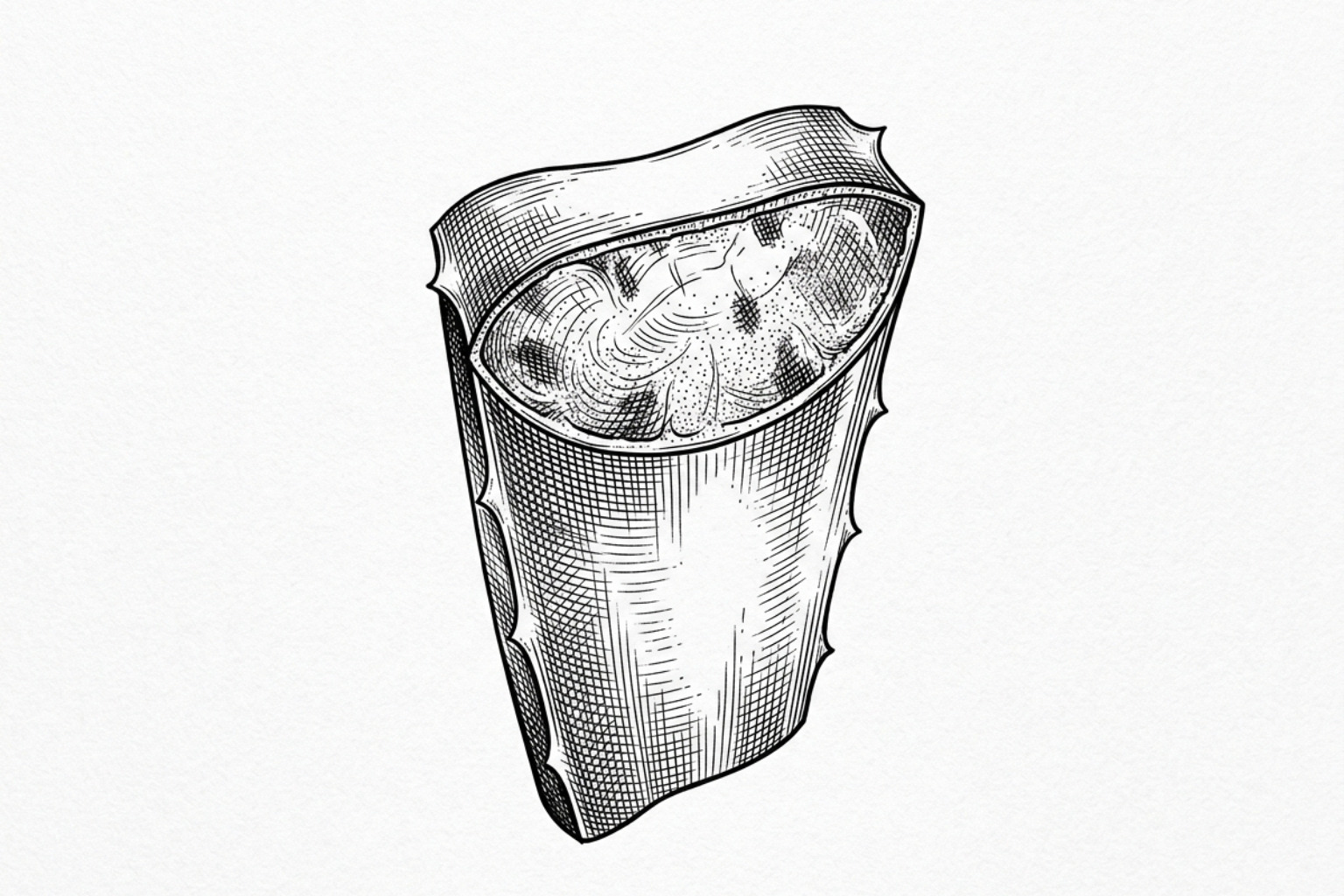
Silicone gel sheeting has been used in clinical practice for over 30 years and remains the "gold standard" for non-surgical management. While the exact mechanism is still debated, the prevailing theory involves two key factors: hydration and occlusion.
By covering the scar, silicone sheets reduce "transepidermal water loss" (evaporation from the skin). This increased hydration signals to the underlying fibroblasts to scale back collagen production. Furthermore, the occlusion creates a protective barrier that mimics the function of a healthy stratum corneum (the outermost skin layer).
Key findings regarding silicone include:
- Success Rates: Reported improvements in up to 90% of cases.
- Symptom Relief: Highly effective at reducing the intense itching (pruritus) associated with active keloids.
- Commitment: Results are not instant. Sheets must typically be worn for 12 to 24 hours a day for a minimum of 3 to 6 months.
Corticosteroid Injections and Pressure for Non-Invasive Keloid Removal
If silicone is the first line of defense, intralesional corticosteroid injections are the heavy hitters of the non-surgical world. The most common medication used is triamcinolone acetonide.
These injections work by suppressing inflammation and inhibiting the growth of fibroblasts. They also help break down existing collagen fibers. Scientific research on corticosteroid efficacy indicates that between 50% and 80% of keloids shrink significantly following a series of injections. Most patients require monthly sessions for up to six months.
Pressure Garment Therapy (PGT) is often used as a companion to injections or post-surgical removal. By applying constant mechanical pressure (usually 24–30 mmHg), PGT creates a state of "hypoxia" (low oxygen) in the scar tissue. This lack of oxygen discourages the high-energy demands of overactive fibroblasts, leading to collagen degradation and scar flattening.
For earlobe keloids, specialized pressure earrings are frequently used. For larger areas, custom-fitted elastic garments are necessary. To be effective, these must be worn nearly around the clock — typically 23 hours a day — for several months.
Emerging Adjuvant Therapies: LED Light and Botulinum Toxin
The horizon of non invasive keloid removal is expanding to include therapies originally designed for other medical or aesthetic purposes.
Photobiomodulation (LED Red Light)
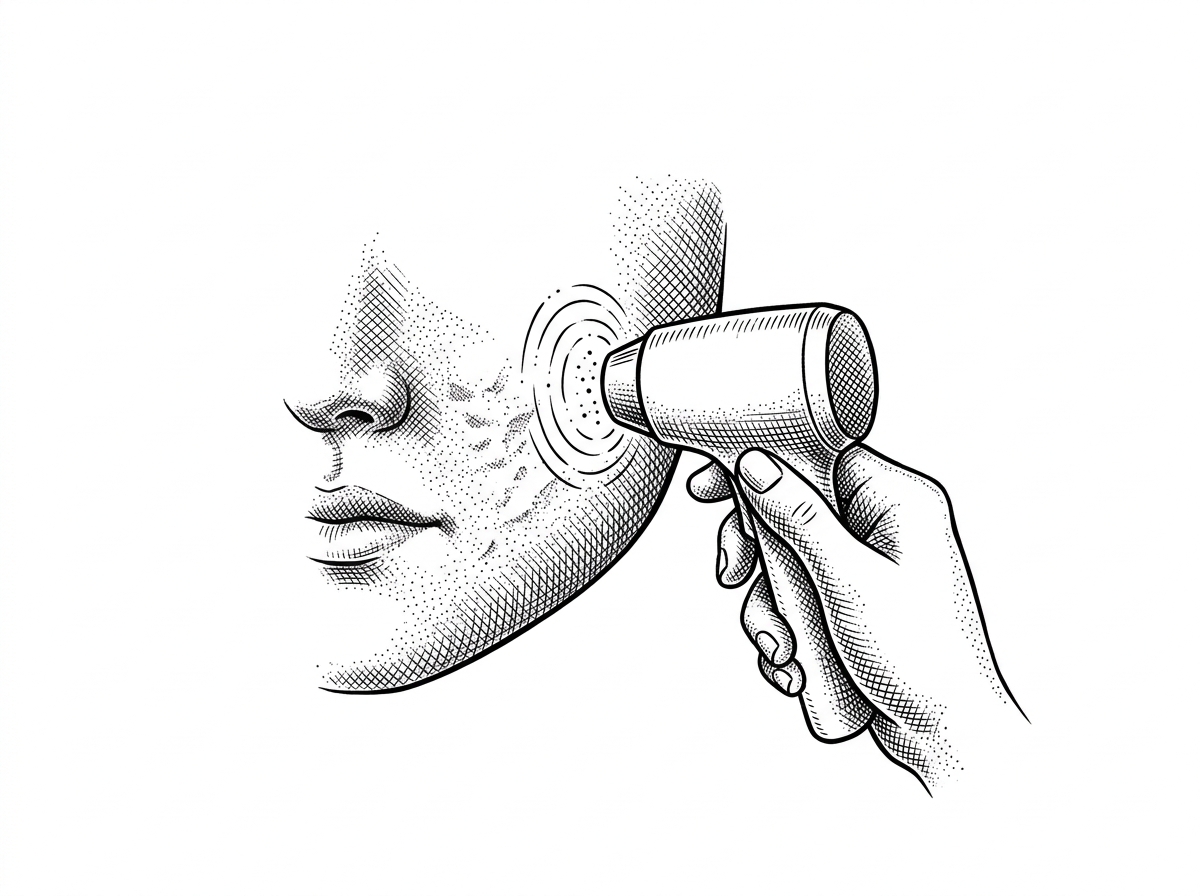
Recent studies have explored the use of light-emitting diode (LED) red light to "melt" keloids. Unlike ablative lasers that burn tissue, LED therapy uses specific wavelengths (around 633nm to 830nm) to modulate cellular behavior without heat. Research on LED red light therapy for keloids has shown that this light can inhibit the proliferation of keloid fibroblasts and decrease the production of Type I collagen. In one case study, a patient with a 10-year keloid history saw significant flattening after eight sessions of LED treatment.
Botulinum Toxin A (Botox)
While famous for treating wrinkles, Botulinum Toxin A is being studied for its ability to reduce skin tension. Because keloids thrive in high-tension areas of the body (like the chest and shoulders), reducing the pull of surrounding muscles may deprive the keloid of the mechanical signals it needs to grow. A study on Botulinum Toxin A mechanisms suggests it may also directly modulate TGF-β, a key protein that drives fibrosis.
Multi-Modal Strategies and Guidelines for Scar Management
Because keloids are so resilient, the most successful treatment plans use a "multi-modal" approach — combining two or more methods to attack the scar from different angles.
| Treatment Modality | Primary Mechanism | Clinical Efficacy | Best For |
|---|---|---|---|
| Silicone Sheets | Hydration/Occlusion | Up to 90% improvement | New scars, prevention |
| Steroid Injections | Fibroblast inhibition | 50-80% shrinkage | Active, growing keloids |
| Pressure Therapy | Tissue hypoxia | High (prevention focus) | Earlobes, post-surgery |
| Cryotherapy | Cell death via freezing | 30-75% reduction | Small, bulky keloids |
| Pulsed-Dye Laser | Vascular destruction | Variable | Reducing redness/itch |
A typical management algorithm might look like this:
- Early Intervention: Apply silicone gel sheeting immediately after wound closure.
- Active Phase: If the scar begins to rise, initiate monthly corticosteroid injections.
- Maintenance: Use pressure garments or earrings to prevent regrowth after the scar has flattened.
- Refractory Cases: If the keloid does not respond, consider adding Laser for Keloid Scars or cryotherapy.
Limitations and Side Effects of Non-Surgical Approaches
While non invasive keloid removal avoids the risks of general anesthesia and infection associated with surgery, it is not without potential downsides.
- Skin Atrophy: Repeated steroid injections can cause the skin to become dangerously thin or "sunken."
- Telangiectasia: The appearance of small, visible spider veins on the surface of the treated area.
- Pigmentary Changes: Both cryotherapy and steroid injections can cause hypopigmentation (lightening of the skin) or hyperpigmentation (darkening). This is a particular concern for patients with darker skin tones, where the contrast can be quite noticeable.
- Partial Reduction: Patients must be prepared for the fact that the scar may flatten but will likely never disappear entirely. The skin texture may remain different from the surrounding area.
If non-invasive methods fail to show results after several months, it is essential to consult a board-certified specialist. You can Find a Dermatologist through the American Academy of Dermatology to discuss more advanced options.
Lifestyle and Preventative Home Care Protocols
Prevention is the most effective form of keloid management. For those known to be "keloid-prone," lifestyle choices can make a significant difference.
- Avoid Unnecessary Trauma: This includes elective surgeries, Microneedling for Acne Keloid Scars Complete Guide, tattoos, and piercings. Even a small ear piercing can lead to a large, difficult-to-manage keloid.
- Sun Protection: Keloid tissue is highly sensitive to UV radiation. Sun exposure can cause the scar to tan more deeply than the surrounding skin, making it permanently darker. Use high-SPF sunscreen or physical coverage.
- Tension Reduction: Avoid exercises or movements that put excessive "pull" on a healing wound, especially on the chest or back.
- Wound Care adherence: Following a dermatologist's post-injury routine strictly—including the use of silicone and keeping the wound moist—can stop a keloid before it starts.
Regarding natural remedies, many patients ask about onion extract (found in products like Mederma). While some studies show a modest improvement in scar height and redness, it is generally considered less effective than silicone gel sheeting and is not recommended as a standalone treatment for established keloids.
Frequently Asked Questions about Keloids
Can non-invasive methods completely remove a keloid?
In most cases, no. Non-invasive methods are designed to flatten the scar, soften it, and reduce symptoms. While the scar may become much less noticeable and flush with the skin, the "memory" of the scar tissue usually remains.
How long does it take to see results from silicone sheeting?
Patience is required. Most clinical trials show that visible changes in height and redness take between 2 to 4 months of consistent, daily use.
Are natural remedies like onion extract effective?
Onion extract has anti-inflammatory properties, but the evidence for it "removing" a keloid is weak. It may help with minor hypertrophic scars, but for true keloids, it is typically used only as a very mild adjuvant to stronger therapies.
Conclusion
The journey toward non invasive keloid removal is rarely a straight line. Because these scars are driven by a complex interplay of genetics and cellular overactivity, a "one-size-fits-all" cure does not exist. However, the evidence is clear: by combining gold-standard treatments like silicone gel sheeting and corticosteroid injections with emerging technologies like LED light therapy, significant improvement is possible.
At Scar Healing, the focus is on understanding the science of skin regeneration to help patients manage these challenging lesions. While "perfection" may be elusive, relief from pain, itch, and the physical burden of keloids is a realistic and achievable goal. Success depends on early intervention, consistent adherence to treatment protocols, and setting realistic expectations with a qualified medical professional.
For more information on specific scar types, you can explore our Tag: Keloid Scars resource center.
Works Cited
- Monstrey S, Middelkoop E, Vranckx JJ, et al. Updated scar management practical guidelines: non-invasive and invasive measures. J Plast Reconstr Aesthet Surg. 2014;67:1017–25. https://doi.org/10.1016/j.bjps.2014.04.011
- Jagdeo J, et al. Successful treatment of a keloid with LED red light. Journal of Drugs in Dermatology. 2015. https://jddonline.com/articles/dermatology/S1545961617P0925X
- Gold MH, McGuire M, Mustoe TA, et al. Updated international clinical recommendations on scar management: part 2: algorithms for scar prevention and treatment. Dermatol Surg. 2014;40:825–31. https://doi.org/10.1111/dsu.0000000000000050
- Hochman B, Locali RF, Matsuoka PK, et al. Intralesional triamcinolone acetonide for keloid treatment: a systematic review. Aesthetic Plast Surg. 2008;32:705–9. https://doi.org/10.1007/s00266-008-9152-8
- Jagdeo J, et al. The role of microRNAs in skin fibrosis. Archives of Dermatological Research. 2013. https://link.springer.com/article/10.1007/s00403-013-1410-1
- Austin E, Jagdeo J, et al. Botulinum toxin A for the treatment of keloids and hypertrophic scars. Dermatologic Surgery. 2018. https://insights.ovid.com/pubmed?pmid=29401161
This content is for informational purposes only and does not constitute medical advice. Consult a qualified healthcare professional for diagnosis and treatment.