Non-Invasive Acne Scars: The Best Ways to Smooth Your Complexion
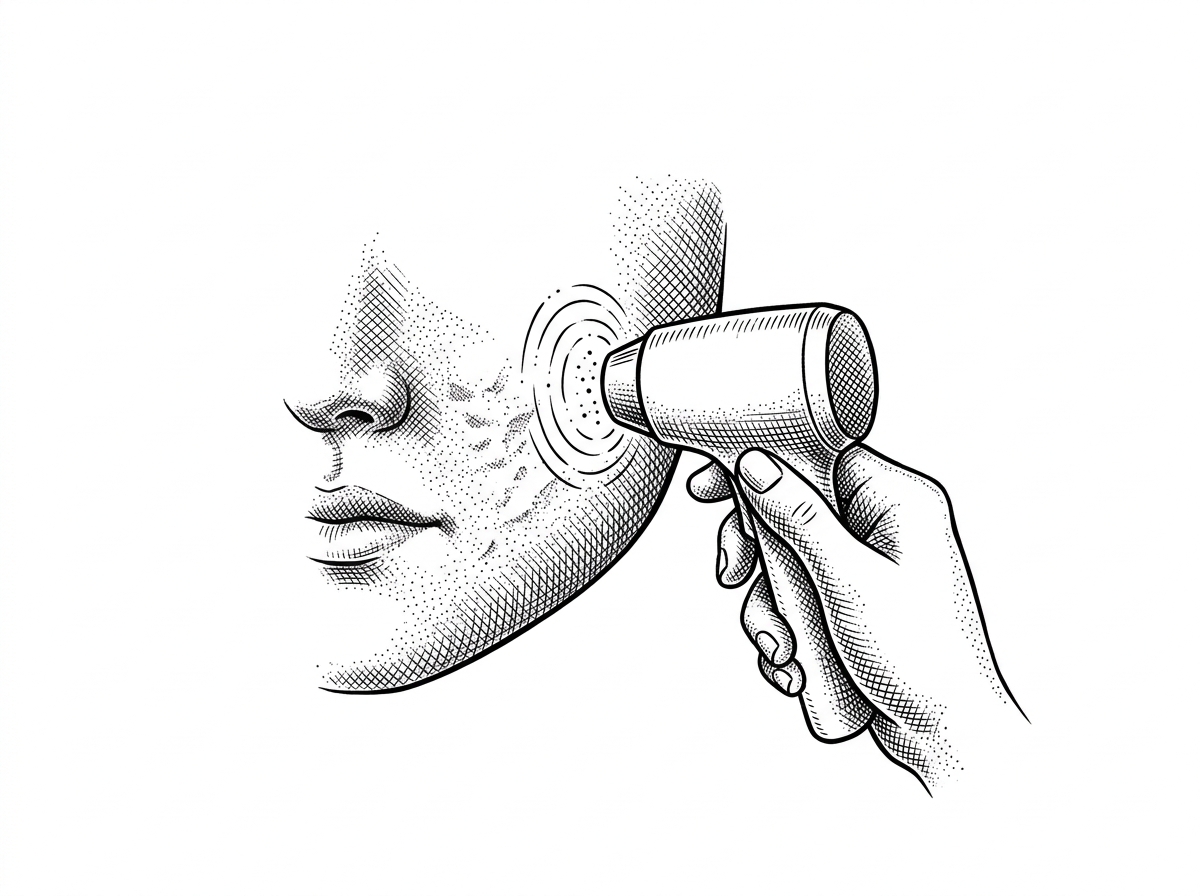
What the Evidence Says About Non-Invasive Acne Scar Treatment
Non-invasive acne scars treatment is a well-studied clinical field, and evidence suggests several effective, non-surgical options exist for improving scar appearance — without going under the knife.
Here is a quick overview of the most evidence-supported non-invasive approaches:
| Treatment | Best For | Evidence Level |
|---|---|---|
| Fractional laser resurfacing | Moderate-to-severe atrophic scars | Strong (multiple RCTs) |
| Microneedling | Rolling and boxcar scars | Strong (systematic reviews) |
| Chemical peels / TCA CROSS | Superficial scars; ice pick scars | Moderate |
| Dermal fillers | Depressed rolling scars | Moderate-to-strong |
| Radiofrequency microneedling | All atrophic scar types | Moderate |
| Topical retinoids | Early-stage, mild scarring | Moderate |
Acne affects approximately 85% of adolescents, and for many, the breakouts themselves are only the beginning of the problem. The lasting marks — the pitted depressions, raised ridges, and uneven texture — can persist long after the inflammation resolves, affecting self-esteem and quality of life in measurable ways.
Acne scars form through a process of dermal injury and abnormal repair. When deep inflammation damages the skin's structural proteins — collagen and elastin — the healing process does not always restore the skin to its original state. The result is a spectrum of scar types, each with distinct characteristics and each responding differently to treatment.
The clinical landscape for non-surgical scar management has advanced considerably. Treatments now range from energy-based devices like fractional lasers and radiofrequency microneedling, to chemical reconstruction techniques and injectable volumizers. Research indicates that outcomes depend heavily on scar type, skin phototype, and treatment selection — meaning there is no single best answer for everyone.
This guide reviews what the current clinical evidence actually shows about each major non-invasive approach, who is likely to benefit, and what realistic expectations look like.
Pathogenesis and Classification of Acne Scarring
The development of acne scars is primarily a consequence of the intensity and duration of inflammation within the hair follicle and surrounding dermis. Clinical research indicates that when the inflammatory response is severe or prolonged, it leads to the destruction of the underlying dermal architecture. Specifically, enzymes known as matrix metalloproteinases (MMPs) degrade the extracellular matrix, including collagen and elastic fibers.
The nature of the resulting scar depends on whether the body produces too much or too little collagen during the repair phase. Approximately 75% to 90% of individuals with acne scarring experience a net loss of collagen, leading to atrophic (depressed) scars. Conversely, an overproduction of collagen results in hypertrophic or keloidal scars, which are raised above the skin surface.
According to an Update on Acne Scar Treatment | MDedge, acne affects between 40 to 50 million individuals in the United States alone. The prevalence of scarring is high, particularly among those with cystic or deep-seated lesions.
Classification of Atrophic Scars
Atrophic scars are further categorized into three distinct morphological types:
- Ice Pick Scars: These are narrow (less than 2mm), deep, and sharply demarcated tracts that extend into the deep dermis or subcutaneous tissue. They represent 60% to 70% of atrophic scars.
- Boxcar Scars: These are round to oval depressions with sharply defined vertical edges. They are wider than ice pick scars but do not taper. They account for 20% to 30% of atrophic scarring.
- Rolling Scars: These occur when fibrous bands of tissue develop between the skin and the subcutaneous layer, pulling the epidermis downward. This creates a wave-like or undulating appearance. They make up 15% to 25% of atrophic scars.
Identifying the specific scar type is a critical first step, as a treatment that improves rolling scars may have little effect on ice pick scars.
Clinical Efficacy of Laser Resurfacing for Non-Invasive Acne Scars
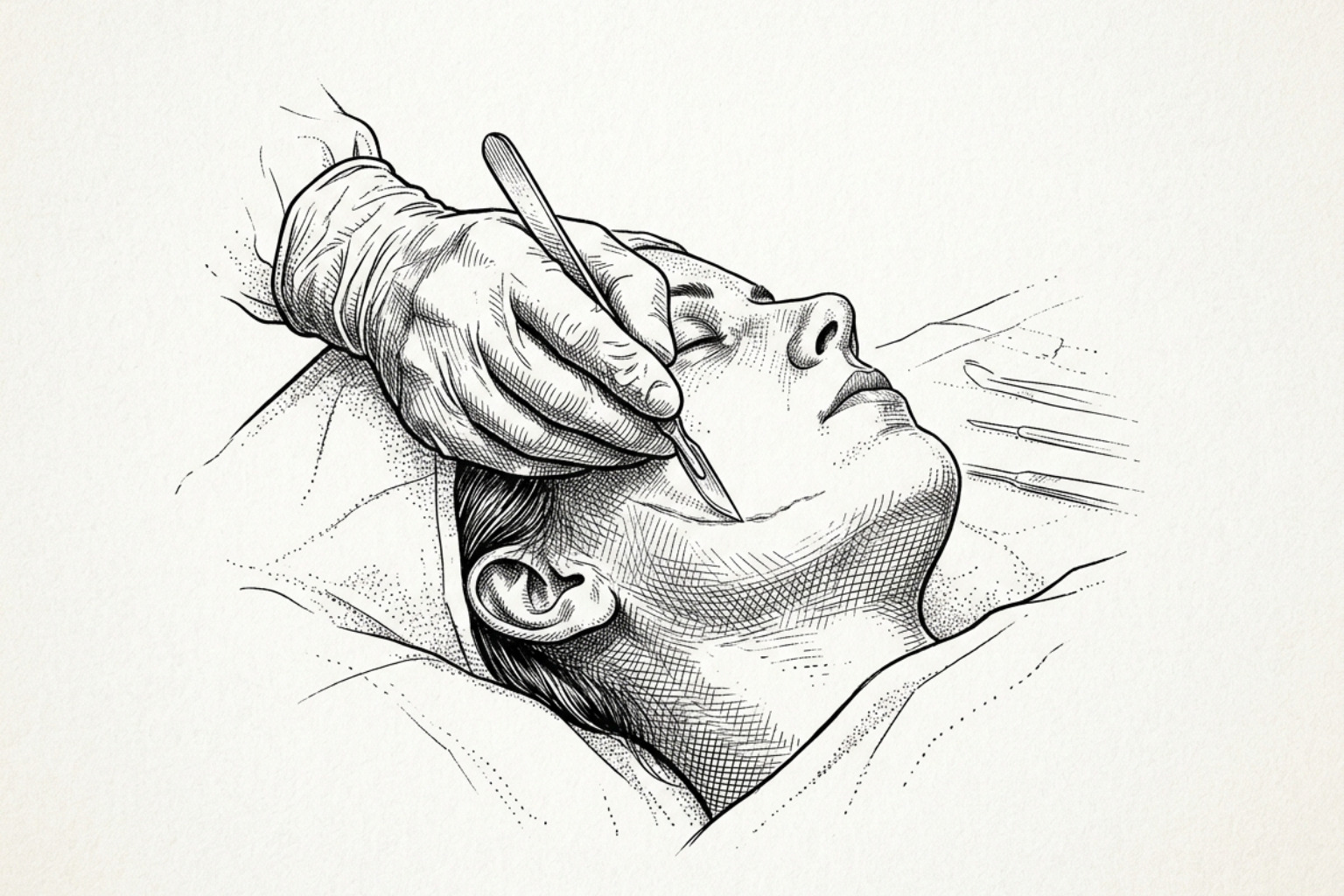
Laser resurfacing has become a primary modality for addressing non invasive acne scars. The technology relies on the principle of fractional photothermolysis, where the laser delivers thousands of microscopic beams of light to create "microthermal zones" of injury. Because these zones are surrounded by healthy, untreated tissue, the skin heals much faster than with traditional, fully ablative lasers.
Fractional CO2 and Er:YAG Lasers
There are two main categories of lasers used for this purpose: ablative and non-ablative.
- Ablative Lasers (CO2 and Er:YAG): These remove the outer layers of the skin while heating the deeper dermis. This dual action triggers significant collagen remodeling. A study of 19 patients treated with a 10,600 nm CO2 laser showed a clinical effective rate of 68.4% for mild to moderate scars. Research published in Cureus suggests that fractional CO2 lasers can provide up to a 50% enhancement in moderate-to-severe scars.
- Non-Ablative Lasers: These penetrate the skin without removing the surface layer. They generally require more sessions but involve significantly less downtime.
Side Effects and Recovery
While effective, laser treatments are not without risks. Common side effects include persistent erythema (redness), swelling, and a risk of post-inflammatory hyperpigmentation (PIH), especially in individuals with darker skin tones (Fitzpatrick types IV-VI). Clinical data suggests that for Asian populations, pigmentation changes following CO2 laser typically resolve within three months.
For a deeper dive into the technical aspects of these devices, readers may consult the Laser Treatment for Scars Complete Guide.
Mechanical and Chemical Remodeling Modalities
Beyond lasers, mechanical and chemical methods offer alternative pathways for dermal remodeling. These modalities focus on stimulating the body's natural wound-healing cascade to replace damaged scar tissue with organized collagen.
| Feature | Fractional CO2 Laser | Microneedling |
|---|---|---|
| Mechanism | Thermal injury (heat) | Mechanical injury (needles) |
| Downtime | 5–10 days | 1–3 days |
| Depth | Adjustable (Deep) | Adjustable (Up to 2.5mm) |
| Risk of PIH | Higher | Lower |
| Best For | Deep boxcar/atrophic | Rolling/texture |

Percutaneous Collagen Induction: Microneedling for Non-Invasive Acne Scars
Microneedling, often referred to as collagen induction therapy, involves the use of a device equipped with fine needles to create thousands of controlled micro-punctures in the skin. These injuries trigger the release of growth factors, such as Transforming Growth Factor-beta (TGF-β), which stimulate fibroblasts to produce new collagen and elastin.
Clinical evidence highlights the following benefits of microneedling:
- Histological Improvement: One study showed that Type I collagen increased from 67.1% to 70.4% after several sessions.
- Safety Profile: Because it does not use heat, it carries a lower risk of dyspigmentation, making it a preferred choice for patients with darker skin.
- Patient Satisfaction: Systematic reviews of over 30 studies indicate high patient satisfaction, with some reporting 80% to 85% improvement in skin texture.
For more information on how this mechanical approach compares to other therapies, see the guide on Microneedling for Scar Reduction.
Radiofrequency (RF) Microneedling
A more advanced version of this treatment combines mechanical needling with radiofrequency energy. The needles deliver heat directly into the dermis, further enhancing collagen contraction and remodeling. Some clinical observations suggest that RF microneedling can achieve results comparable to fractional lasers but with significantly less downtime and a lower risk of surface damage.
Chemical Peels and TCA CROSS for Focal Scarring
Chemical peels involve the application of acidic solutions to the skin to exfoliate the surface and stimulate deeper repair. For acne scars, medium-to-deep peels are generally required to reach the dermal layers where the scarring resides.
TCA CROSS
A specialized technique known as Chemical Reconstruction of Skin Scars (CROSS) is frequently used for ice pick and deep boxcar scars. This involves applying a high concentration (65% to 100%) of Trichloroacetic acid (TCA) directly into the base of the scar. The acid causes a localized chemical burn, which triggers protein denaturation and subsequent collagen synthesis that "fills in" the depression from the bottom up.
Research published in Dermatologic Surgery indicates that TCA CROSS is highly effective for focal scarring that does not respond well to generalized treatments like microneedling.
Volumization and Topical Adjuncts in Scar Therapy
For scars characterized by significant volume loss, such as deep rolling scars, surface-level treatments may be insufficient. In these cases, clinicians often turn to injectable volumizers and topical medications to support the skin's structure.
Dermal Fillers for Depressed Scars
Dermal fillers provide immediate "lift" to depressed scars by physically filling the space beneath the skin.
- Hyaluronic Acid (HA): These provide temporary improvement and are often used to gauge how a scar will respond to volumization.
- Polymethylmethacrylate (PMMA): Fillers like those containing PMMA microspheres provide long-term results. In a multicenter controlled trial, 90% of patients reported satisfaction with PMMA fillers for atrophic scars, with results lasting a year or longer.
- Poly-L-lactic acid (PLLA): This is a biostimulatory filler that encourages the body to produce its own collagen over several months, with effects potentially lasting up to four years.
To understand how these products fit into a rapid treatment timeline, visit Reduce Acne Scars Fast.
Topical Retinoids and Skin Barrier Function
While professional procedures do the "heavy lifting," topical care is essential for maintenance. Tretinoin and other retinoids promote cell turnover and can help soften the edges of superficial scars over time. Furthermore, protecting the skin barrier with non-comedogenic moisturizers and daily SPF 30+ sunscreen is mandatory to prevent UV-induced damage to newly forming collagen.
Clinical Considerations for Treating Non-Invasive Acne Scars in Diverse Skin Types
Treating non invasive acne scars requires a personalized approach that accounts for the patient's Fitzpatrick skin type. The Fitzpatrick scale classifies skin from I (very fair, always burns) to VI (deeply pigmented, never burns).
Risks for Darker Skin Tones
Patients with higher Fitzpatrick scores have more active melanocytes. Aggressive laser treatments can trigger these cells to produce excess pigment, leading to dark spots (hyperpigmentation) or, in some cases, a loss of pigment (hypopigmentation). For these individuals, dermatologists often recommend:
- Priming the skin with hydroquinone or chemical peels before laser treatment.
- Opting for microneedling or RF devices over CO2 lasers.
- Using lower energy settings with more frequent sessions.
Timing and Isotretinoin
A historical clinical guideline suggested waiting 6 to 12 months after finishing isotretinoin (Accutane) before undergoing resurfacing procedures. However, recent evidence suggests that "early intervention" with certain non-ablative lasers and microneedling may be safe shortly after or even during low-dose isotretinoin therapy, provided the patient is monitored closely by a board-certified dermatologist.
Frequently Asked Questions about Non-Surgical Scar Treatment
How many treatment sessions are typically required for optimal results?
Clinical studies consistently show that one session is rarely enough. For fractional lasers and microneedling, a series of 3 to 5 treatments spaced 4 to 6 weeks apart is the standard protocol. Dermal fillers may require a single session with a follow-up "touch-up" after a few months.
What is the average cost range for non-invasive scar procedures?
Costs vary widely based on the technology used and the geographic location. Generally, microneedling is the most accessible professional option, while fractional CO2 laser and RF microneedling represent a higher investment due to the specialized equipment required. Dermal fillers are priced per syringe.
What are the primary risks and downtime associated with these treatments?
Downtime for microneedling is typically 24 to 72 hours of redness. Fractional lasers require 5 to 10 days for the skin to fully peel and heal. The primary risks include temporary swelling, redness, and the potential for infection if post-care instructions are not followed. PIH is the most common long-term concern, particularly in darker skin types.
Conclusion
The transition from active acne to clear, smooth skin is a biological journey that requires patience and evidence-based intervention. While non invasive acne scars remain a challenge to treat, modern advancements in laser technology, mechanical remodeling, and dermal volumization have made significant improvement possible for the majority of patients.
The key to success lies in a multimodal approach. Combining different treatments—such as subcision for rolling scars, TCA CROSS for ice pick scars, and fractional lasers for overall texture—often yields results superior to any single method. By understanding the underlying science of how scars form and heal, individuals can work with healthcare professionals to develop a strategy that restores both their skin and their confidence.
For more evidence-based resources and detailed procedure guides, Access comprehensive scar research and guides.
Works Cited
- Connolly D, Vu HL, Mariwalla K, Saedi N. Acne scarring: pathogenesis, evaluation, and treatment options. J Clin Aesthet Dermatol. 2017;10(9):12-23.
- Meghe S, Saoji V, Madke B, et al. Efficacy of Microneedling and CO2 Laser for Acne Scar Remodelling: A Comprehensive Review. Cureus. 2024;16(2):e55092.
- Karnik J, Baumann L, Bruce S, et al. A double-blind, randomized, multicenter, controlled trial of suspended polymethylmethacrylate microspheres for the correction of atrophic facial acne scars. J Am Acad Dermatol. 2014;71(1):77-83.
- Fabbrocini G, Annunziata MC, D'Arco V, et al. Acne scars: pathogenesis, classification and treatment. Dermatol Res Pract. 2010;2010:893080.
- El-Domyati M, Barakat M, Awad S, et al. Microneedling therapy for atrophic acne scars: an objective evaluation. J Clin Aesthet Dermatol. 2015;8(7):36-42.
This content is for informational purposes only and does not constitute medical advice. Consult a qualified healthcare professional for diagnosis and treatment.