Targeted Treatments for Scars from Head to Toe

What the Evidence Says About Face Scar Treatment at Home
Face scar treatment home options range from clinically supported approaches to popular remedies with limited scientific backing. Understanding which methods have genuine evidence behind them — and which carry risks — is essential before starting any at-home regimen.
Quick reference: evidence-based home approaches for facial scars
| Approach | Evidence Level | Primary Use |
|---|---|---|
| Silicone gel sheets or gels | Strong (multiple RCTs) | Hypertrophic and keloid scars |
| Petroleum jelly + occlusive dressing | Strong | Early wound care; scar prevention |
| SPF 30+ broad-spectrum sunscreen | Strong (clinical consensus) | Prevents hyperpigmentation; aids fading |
| Aloe vera gel | Moderate (2019 review, 23 trials) | Wound healing support; minor scars |
| Rosehip oil | Preliminary (small 2019 study) | Texture improvement; atrophic scars |
| Scar massage with water-based cream | Moderate (clinical practice guidelines) | Softening mature scar tissue |
| Vitamin E oil | Weak to negative (2016 review) | Not recommended; may worsen appearance |
| Lemon juice / apple cider vinegar | No clinical evidence; risk of irritation | Not recommended on facial skin |
Scars are a normal outcome of the skin's repair process. When the deeper layer of skin — the dermis — is damaged, the body produces collagen fibers to close the wound. That repair tissue is what becomes a scar. Nearly everyone will develop at least one type of scar in their lifetime, whether from acne, injury, burns, or surgery.
Facial scars present a particular challenge. The face is constantly exposed to sunlight, environmental stress, and movement, all of which can slow healing and make scars more visible. Scar tissue also lacks the hair follicles and pigment-producing cells of normal skin, which creates a visible contrast — especially on the face.
The psychological weight of this visibility is real. Research tracking quality-of-life scores in people with scars shows measurable negative impact on daily wellbeing, particularly in the months immediately after scarring occurs.
The good news: consistent, evidence-informed home care can meaningfully reduce the appearance of many facial scars over time — particularly when started early in the healing process. The key is matching the approach to the scar type and understanding what the science actually supports.
Key terms for face scar treatment home:
Biological Mechanisms of Facial Scar Formation
Facial scar formation is a complex biological response to dermal injury. When the skin's structural integrity is compromised, the body initiates a cascade of cellular events aimed at rapid closure. This process is governed by the extracellular matrix (ECM) and the activity of specialized cells called fibroblasts.
The Role of Collagen and Fibroblasts in Tissue Repair
During the healing process, fibroblasts migrate to the site of injury and begin synthesizing collagen. Unlike the woven, basket-weave pattern of collagen in healthy skin, scar tissue collagen is often aligned in a single direction, resulting in a different texture and appearance. The balance of this collagen production determines the final morphology of the scar:
- Atrophic Scars: These appear as depressions or pits in the skin. They occur when the body fails to produce enough collagen during the healing process. This is common with inflammatory conditions like acne or chickenpox.
- Hypertrophic Scars: These are raised, red scars that remain within the boundaries of the original wound. They result from an overproduction of collagen during the proliferative phase of healing.
- Keloid Scars: Similar to hypertrophic scars but more aggressive, keloids grow beyond the original site of injury. Research indicates that individuals with darker skin tones or red hair may have a higher genetic predisposition to keloid formation.
- Contracture Scars: Typically resulting from burns, these scars involve a tightening of the skin that can restrict movement, especially if they occur near facial joints like the jaw.
For a deeper understanding of these classifications, medical resources such as Cleveland Clinic provide extensive details on the physiological differences between these scar types.
Distinctions Between Facial and Corporal Skin Regeneration
The skin on the face possesses unique characteristics that influence how it heals compared to the rest of the body. Facial skin is generally thinner and has a higher density of sebaceous (oil) glands and hair follicles. While high vascularity in the face can support faster nutrient delivery to a wound, the constant environmental exposure to ultraviolet (UV) radiation and pollutants can hinder the remodeling phase. Furthermore, because facial skin is thinner, even minor dermal disruptions can result in visible texture changes that might be less noticeable on thicker corporal skin, such as the back or thighs.
Evidence-Based Protocols for Face Scar Treatment Home
Effective face scar treatment home begins with clinical-grade moisture retention and protection. Dermatologists emphasize that a moist wound environment prevents the formation of hard scabs, which are known to increase healing time and the likelihood of significant scarring.
The Efficacy of Silicone and Petroleum-Based Occlusives
Silicone-based products, available as gels or self-adhesive sheets, are considered a gold standard for non-invasive scar management. They work by mimicking the skin's barrier function, increasing hydration in the stratum corneum, and modulating fibroblast activity to prevent excess collagen buildup.
| Feature | Silicone Gel Sheets | Topical Silicone Gels |
|---|---|---|
| Best For | Large, flat areas; overnight use | Contoured facial areas; daytime use |
| Visibility | High (flesh-colored or clear) | Low (invisible once dry) |
| Mechanism | Compression + Hydration | Hydration + Protective Film |
| Usage | 12–24 hours per day | Twice daily application |
For those without access to silicone, petroleum jelly serves as a highly effective alternative for early-stage wound care. By keeping the injury site moist, it reduces the risk of large, itchy scars and facilitates smoother tissue regeneration.
Sun Protection and the Role of SPF 30
Sun exposure is a primary factor in scar discoloration. UV rays stimulate melanocytes, leading to post-inflammatory hyperpigmentation (PIH), which makes scars appear darker and more prominent. Clinical consensus recommends the daily application of broad-spectrum SPF 30 or higher. Because scar tissue is more sensitive and prone to burning rather than tanning, consistent sun protection is vital for at least one year following the injury.
Mechanical Tissue Manipulation: Scar Massage
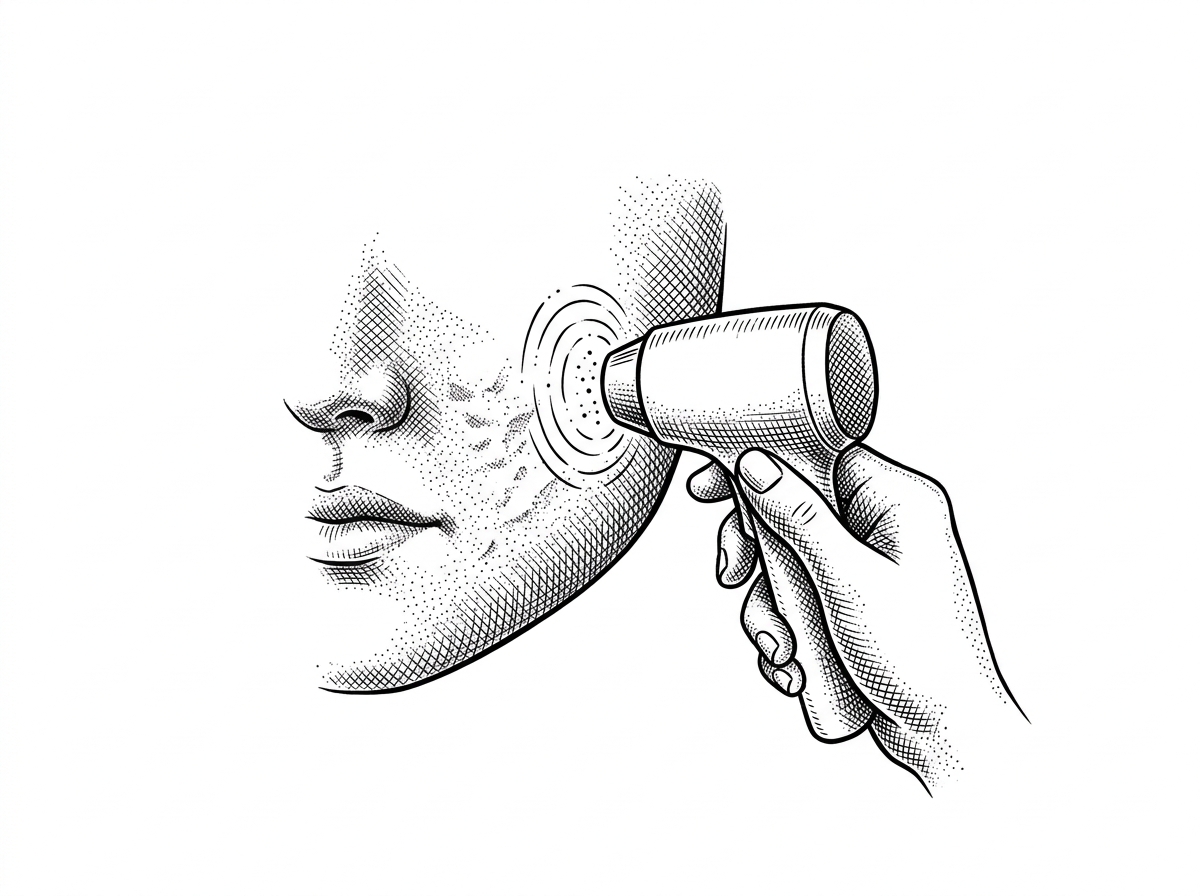
Once a wound has fully closed and the initial healing phase is complete (typically two weeks post-injury), mechanical massage can assist in breaking up dense collagen bundles. This technique, often referred to as hard scar softening massage, involves applying firm, circular pressure to the area. This can help flatten raised scars and improve the flexibility of the tissue.
Expected Timelines for Face Scar Treatment Home Results
Patience is a critical component of any scar regimen. The remodeling phase of skin healing can last anywhere from six months to two years. While some initial softening may be observed within 4 to 8 weeks of consistent silicone use, significant fading often requires several months of daily adherence to the protocol.
Safety Precautions and Barrier Function
When using any face scar treatment home, individuals must monitor for signs of contact dermatitis or irritation. The facial skin barrier is delicate; therefore, patch testing any new topical agent on a small, inconspicuous area (such as behind the ear) is recommended. If redness, itching, or a secondary infection (indicated by pus or warmth) occurs, use should be discontinued immediately.
Clinical Efficacy of Topical Agents and Natural Extracts
The use of botanical extracts in dermatology is a subject of ongoing research. While many "natural" remedies are popular, their clinical efficacy varies significantly.
Aloe Vera and Honey in Wound Healing
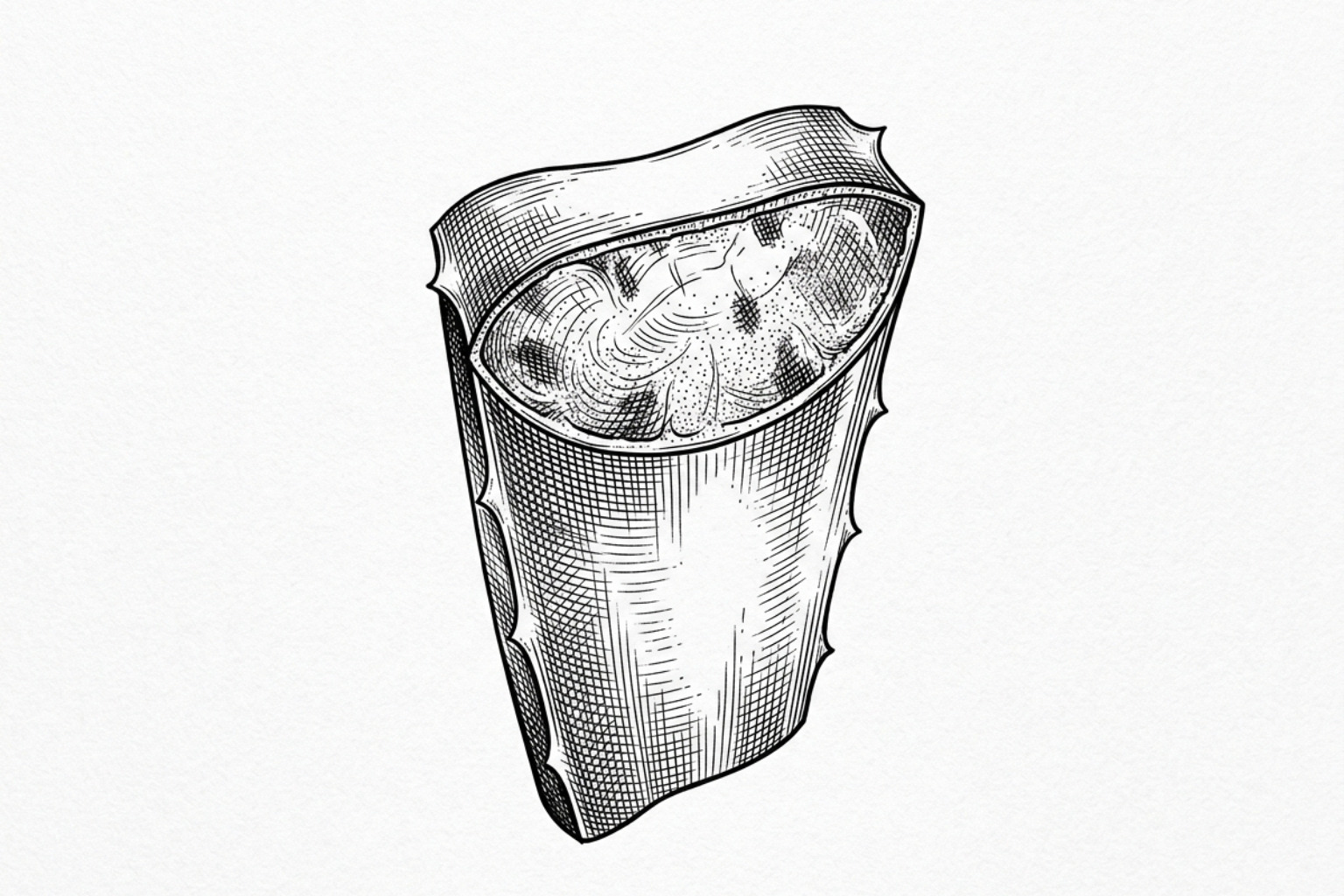
Aloe vera is one of the most studied natural extracts. A 2019 review of 23 trials suggests that aloe vera may improve wound healing and reduce scar size when used alongside standard care. It contains vitamins A, C, and E, which provide antioxidant support to the skin. For more information, see aloe vera scar reduction.
Honey, particularly medical-grade varieties like Manuka honey, possesses antibacterial and anti-inflammatory properties. However, a 2016 study found that while honey supports the initial healing of a wound, it may not significantly improve the final appearance of a mature scar when compared to standard petroleum-based ointments.
Analysis of Natural Oils and Tissue Remodeling
- Rosehip Seed Oil: This oil is rich in essential fatty acids and has shown promise in improving the texture and color of post-surgical scars. A 2019 study indicated it significantly promoted wound healing.
- Vitamin E: Despite its popularity, the evidence for vitamin e scar healing is largely inconclusive. A 2016 review noted that topical vitamin E does not consistently improve scar appearance and can cause skin irritation in up to 33% of users.
- Essential Oils: Oils such as helichrysum and frankincense are believed to inhibit certain molecules involved in tissue remodeling, potentially preventing excessive scar formation. However, these must always be diluted in a carrier oil to avoid chemical burns. Tea tree oil scars research highlights its antibacterial benefits, which can prevent the infections that often lead to worse scarring.
The Risks of Acidic Home Remedies
Popular DIY treatments involving lemon juice or apple cider vinegar (ACV) are often suggested for their exfoliating properties. While ACV contains lactic and acetic acids used in professional chemical peels, the concentration in household products is unregulated and highly acidic. Applying these directly to facial scars carries a high risk of chemical irritation and can worsen hyperpigmentation.
Targeted Home Care for Atrophic Acne Scarring
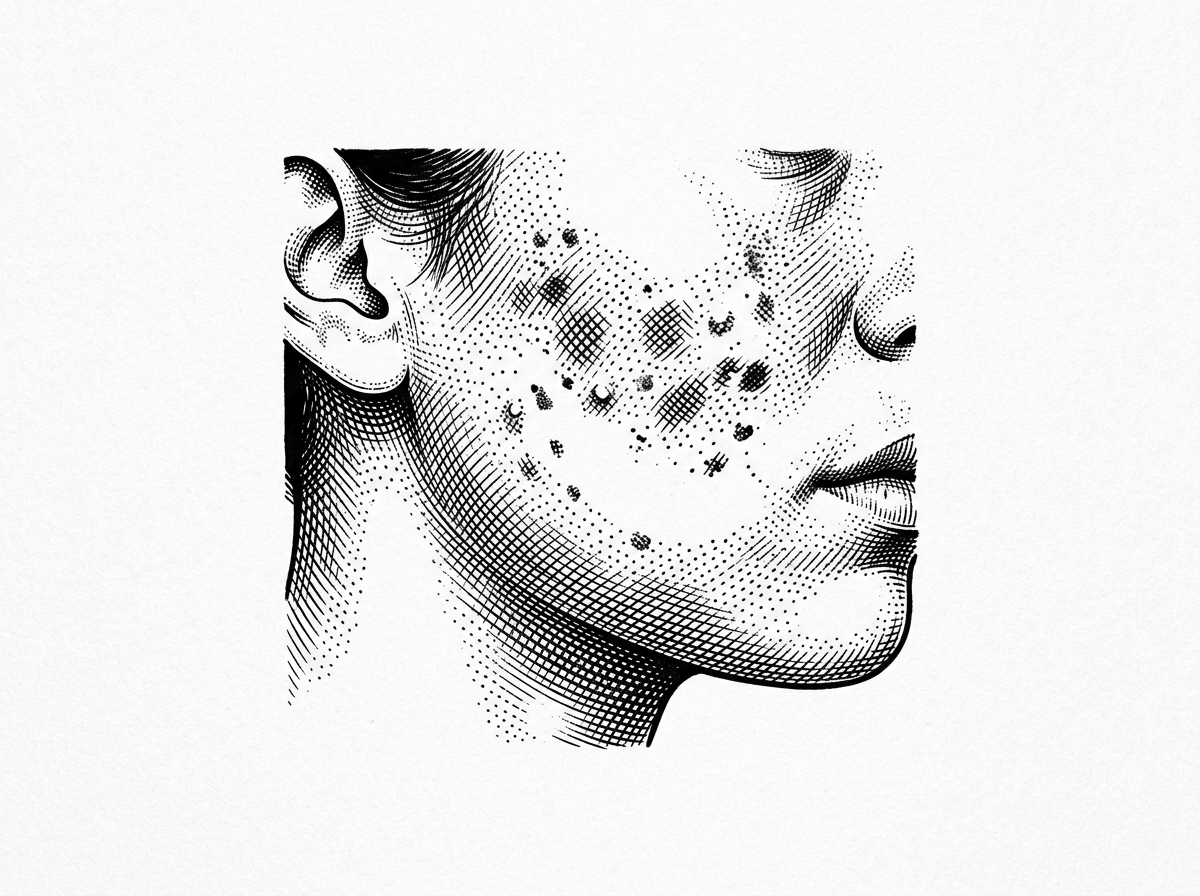
Atrophic scars, such as ice pick or boxcar scars, require treatments that stimulate collagen induction. Over-the-counter topical retinoids and alpha hydroxy acids (AHAs) can promote cellular turnover and gradually improve skin texture. These are often used as part of a strategy to reduce acne scars fast by smoothing the edges of depressed scars.
Clinical Considerations and Professional Consultation
While home treatments can offer mild to moderate improvements, severe or deep facial scarring often requires professional intervention. Modern dermatology offers several non-surgical methods to address scars that do not respond to home care.
Professional Treatment Modalities
- Laser Resurfacing: Using specific wavelengths of light, such as the CO2 or Erbium laser, dermatologists can remove thin layers of skin or stimulate collagen production in the deeper dermis.
- Chemical Peels: Professional-grade peels use high concentrations of acids to exfoliate the skin and improve texture. Deep peels, while effective, can require up to three weeks of recovery.
- Microneedling: This procedure involves creating microscopic punctures in the skin to trigger the body's natural healing response. Evidence suggests it can improve scar appearance by 31% to 62%. For details on the mechanism, see microneedling for scar reduction and the use of a dermaroller for scars.
- Dermal Fillers: For atrophic scars, fillers can provide immediate volume restoration, though the results are temporary, typically lasting 6 to 18 months.
- Subcision: A minor surgical technique where a needle is used to break up the fibrous bands that pull atrophic scars downward, allowing the skin to lift.
Frequently Asked Questions about Facial Scars
How long does it take for a facial scar to fade? Most scars take between 6 months and 2 years to reach full maturation. During this time, they may change from red or purple to a color closer to the surrounding skin.
Can I use baking soda to remove scars? There is no clinical evidence supporting baking soda for scar removal. Its alkaline nature can disrupt the skin's natural pH and cause significant irritation.
Does massage really help? Yes, scar tissue massage therapy is a recognized clinical practice to improve blood flow and flexibility in healing tissue.
When to Seek Dermatological Intervention
It is important to consult a board-certified dermatologist if a scar:
- Grows beyond the boundaries of the original wound (potential keloid).
- Becomes increasingly painful, itchy, or restricted in movement.
- Shows signs of infection, such as persistent redness, warmth, or discharge.
- Causes significant psychological distress or impacts self-esteem.
Conclusion
Managing facial scars at home requires a combination of clinical discipline and realistic expectations. While face scar treatment home protocols like silicone application, sun protection, and proper hydration can significantly improve the outcome of the healing process, they cannot completely erase a scar. Tissue remodeling is a slow biological process that rewards consistency. By utilizing evidence-based topicals and understanding the underlying biology of skin repair, individuals can take an active role in their skin's regeneration.
For ongoing updates on the science of skin repair, consider visiting https://www.scar-healing.com/subscribe/.
Works Cited
- American Academy of Dermatology. "Minimize a scar: Proper wound care tips from dermatologists."
- Cleveland Clinic. "Scars: Treatment and Cause."
- Dermatologic Surgery. "The effects of topical vitamin E on the cosmetic appearance of scars."
- Journal of Clinical and Aesthetic Dermatology. "Silicone gel in scar treatment."
- PubMed/NCBI. "Topical application of Aloe Vera and its effect on wound healing."
- IQVIA ProVoice Survey 2020. "Scar reduction treatment recommendations."
- International Journal of Cosmetic Science. "The effect of clary sage on wound healing."
- Skin Pharmacology and Physiology. "Effect of topical application of virgin coconut oil on dermal wounds."
Disclaimer: This content is for informational purposes only and does not constitute medical advice. Consult a qualified healthcare professional for diagnosis and treatment.