Chicken Pox Scar Treatment for Adults
Chicken pox scars in adults can be improved with treatments ranging from topical therapies to professional procedures. Learn which options deliver real, measurable results.
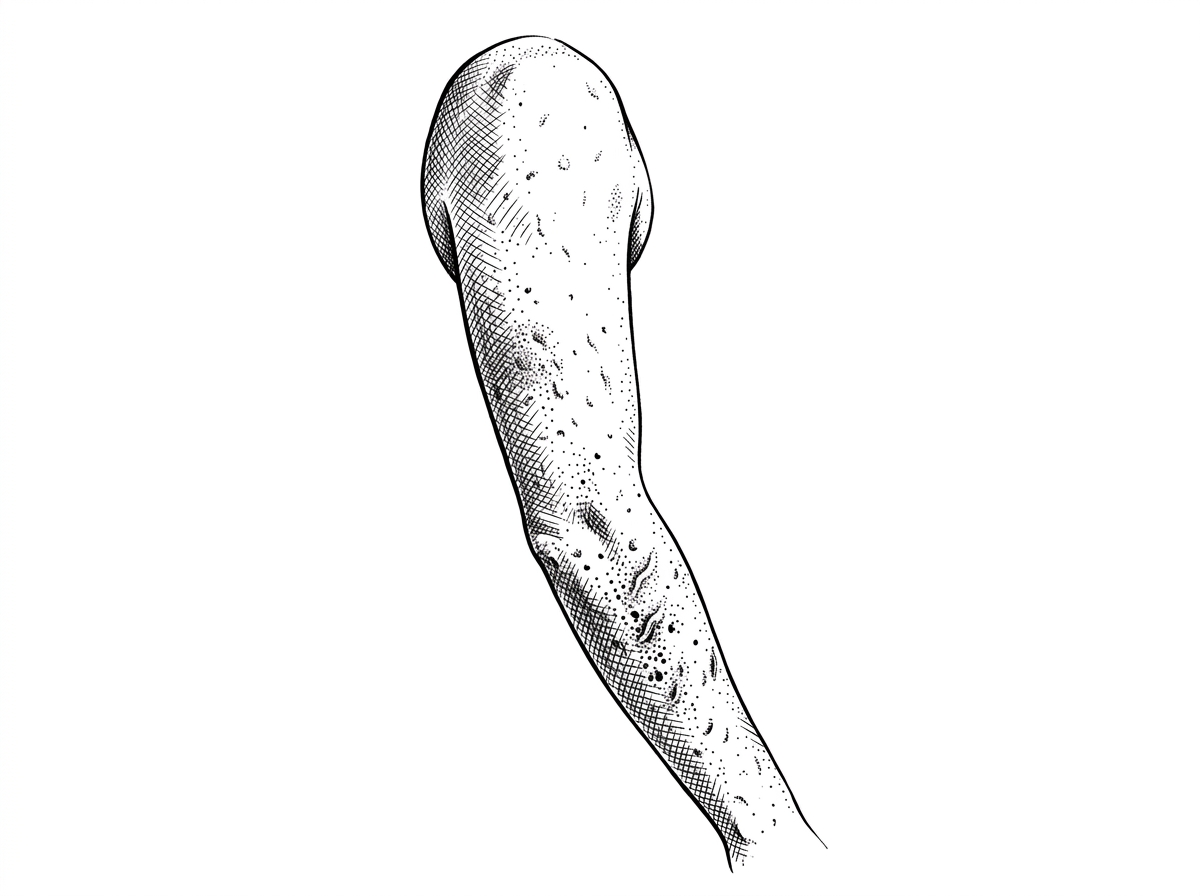
What Clinical Evidence Says About Chicken Pox Scar Treatment for Adults
Chicken pox scar treatment for adults is an area where both evidence-based topical therapies and procedural interventions have demonstrated measurable clinical outcomes — ranging from mild improvement to near-complete scar resolution.
For adults seeking a quick orientation, the primary treatment options, ranked roughly from least to most invasive, are:
| Treatment Type | Examples | Best For |
|---|---|---|
| Topical agents | Retinoids, rosehip oil, silicone sheets | Pigmentation, mild texture |
| Chemical peels | TCA CROSS (70-100%) | Pitted/atrophic scars |
| Microneedling | Clinical or RF-assisted | Shallow to moderate scars |
| Laser resurfacing | CO2, Er:YAG, Nd:YAG | Moderate to deep scars |
| Subcision | With suction or filler | Tethered/bound-down scars |
| Surgical revision | Punch excision, dermal grafting | Severe or refractory scars |
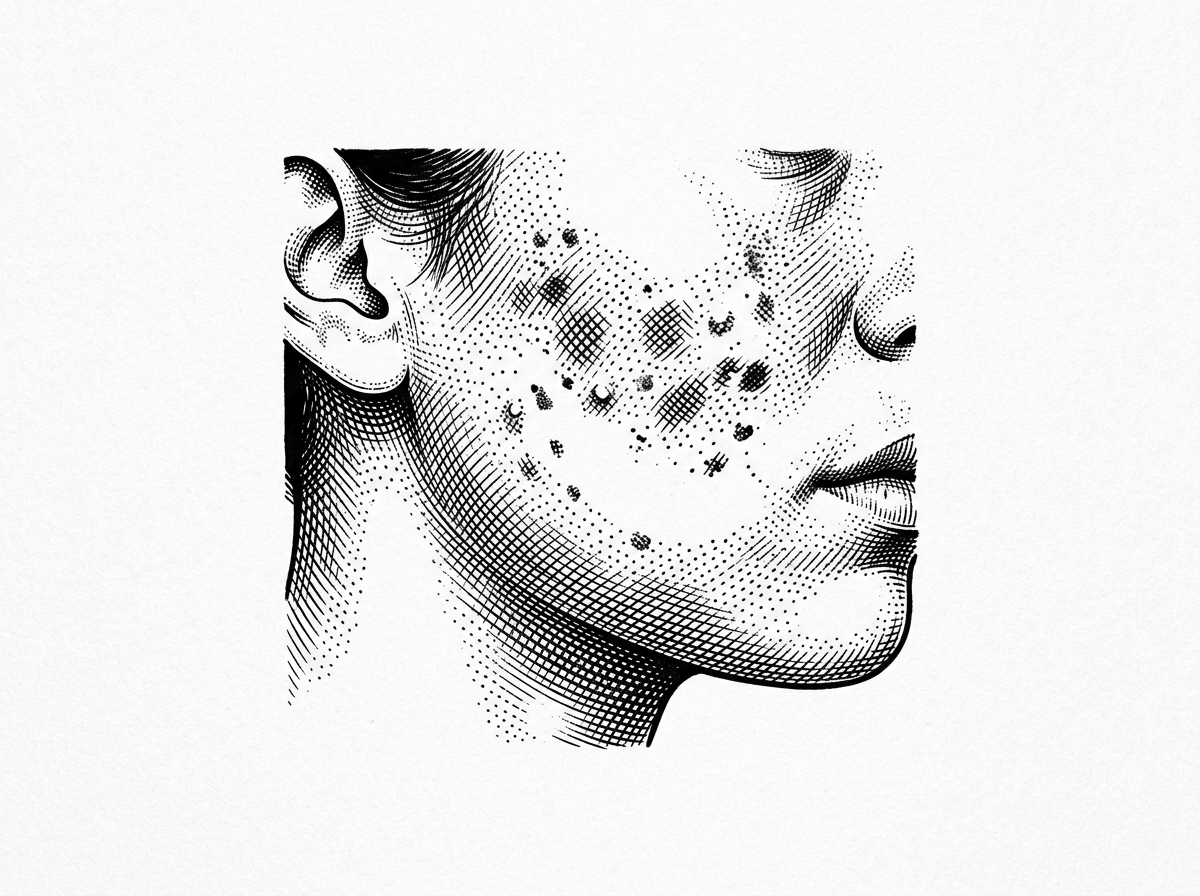
Chickenpox — caused by the varicella-zoster virus — leaves behind visible scars in an estimated 7 to 18% of those infected, according to published clinical data. Nearly 40% of those scars appear on the face, where they carry the greatest cosmetic and psychosocial burden.
Adults face a notably higher risk of scarring than children. The adult immune response to varicella is more intense, driving deeper dermal inflammation and greater disruption to collagen architecture. Children under 15 tend to heal with fewer permanent marks due to superior skin regeneration capacity.
Two distinct scar types emerge from chickenpox infection:
- Atrophic (pitted) scars — caused by collagen loss during healing; these are permanent without treatment
- Post-inflammatory hyperpigmentation or hypopigmentation — discoloration that may fade partially in 3 to 6 months, but often persists in adults
The important clinical reality: dark spots may soften on their own, but pitted scars do not resolve without intervention. For adults who scratched blisters, developed secondary bacterial infections, or experienced severe disease, the resulting dermal damage typically requires targeted treatment to achieve meaningful improvement.
A peer-reviewed tertiary review — the first of its kind focused exclusively on varicella-zoster scar treatments — identified TCA chemical peeling using the CROSS technique as the most studied and consistently effective intervention for atrophic post-varicella scars, with moderate to excellent improvement reported in the majority of cases analyzed.
The sections below examine each treatment category in detail, drawing on available clinical evidence to help adults understand realistic outcomes, session requirements, and the biological mechanisms that determine whether a scar can be improved.
This content is for informational purposes only and does not constitute medical advice. Consult a qualified healthcare professional for diagnosis and treatment.
Basic chicken pox scar treatment for adults terms:
Pathogenesis and Classification of Varicella-Zoster Scars
Understanding the biological origin of these marks is essential for selecting an effective chicken pox scar treatment for adults. Unlike acne, which involves the pilosebaceous unit, the varicella-zoster virus primarily targets the epidermal layer. However, in adults, the resulting inflammatory cascade often penetrates deeper into the dermis.
When the body fights the virus, it releases inflammatory mediators that can inadvertently destroy healthy collagen and elastin fibers. If the healing process is disrupted — often by premature bursting of blisters or secondary bacterial infections — the skin cannot produce enough replacement collagen to fill the void. This leads to the most common presentation: the atrophic scar.
Classification of Varicella Scars
Clinical observations categorize these scars into three primary presentations:
- Atrophic (Depressed) Scars: These are sunken "pits" or "divots." They occur because the underlying dermal support has been lost. Research published in Pediatric Dermatology indicates that these are the most persistent forms of post-varicella scarring.
- Pigmented Lesions: These appear as dark (hyperpigmented) or light (hypopigmented) spots. In adults, these may take 6 to 12 months to fade naturally, though they often require topical intervention to resolve completely.
- Hypertrophic or Keloid Scars: Although rarer with chickenpox, some individuals with a genetic predisposition may develop raised, thickened tissue due to an overproduction of collagen during the repair phase.
Adults are more susceptible to severe scarring because their systemic symptoms are often more pronounced than those in children. Increased viral load and a more aggressive immune response lead to higher lesion counts and deeper tissue damage.
Clinical Evidence for Topical Chicken Pox Scar Treatment for Adults
For many adults, the first line of defense involves topical applications. While these are rarely sufficient to "fill in" deep pitted scars, they are effective at addressing surface texture and pigmentation.
Clinical evidence highlights several key ingredients:
- Retinoids: Derivatives of Vitamin A that accelerate cell turnover.
- Glycolic Acid: An alpha-hydroxy acid (AHA) that exfoliates the surface and may support collagen synthesis.
- Rosehip Oil: Rich in antioxidants and fatty acids.
- Silicone Sheets: Often used to manage hydration and prevent raised scars.
Efficacy of Retinoids as a Chicken Pox Scar Treatment for Adults
Retinoids, particularly tretinoin and retinol, are among the most studied topical agents for scar remodeling. They work by stimulating fibroblasts — the cells responsible for producing collagen — and increasing the rate of skin cell regeneration.
A study in the Indian Dermatology Online Journal examined the combination of retinoic acid and glycolic acid for atrophic scarring. The researchers noted that over 90% of participants saw measurable improvements in skin texture and scar depth. For adults with chickenpox marks, applying a retinoid cream nightly can help soften the edges of pitted scars over a period of 3 to 6 months.
Limitations of Natural Therapeutics and Home Remedies
It is common for patients to turn to "natural" remedies like Vitamin E, aloe vera, or honey. However, clinical data often contradicts popular belief regarding their efficacy for established scars.
- Vitamin E: Despite its reputation, a systematic review in the Aesthetic Surgery Journal concluded that Vitamin E has no significant effect on scar appearance. In some cases, it may even cause contact dermatitis or worsen the scar's appearance.
- Aloe Vera: While excellent for reducing skin temperature and soothing active burns, research in Burns suggests it shows no measurable effect on mature scar tissue.
- Rosehip Oil: This is one of the few natural oils with some clinical backing. Small studies suggest that daily application for 12 weeks may reduce redness and discoloration in relatively fresh scars.

Procedural Interventions for Atrophic and Pitted Scars
When topical treatments fail to provide the desired volume, professional dermatological procedures become necessary. These treatments aim to either resurface the skin or induce significant new collagen production within the dermal depression.
TCA CROSS: The Gold Standard for Pitted Marks
The Chemical Reconstruction of Skin Scars (CROSS) technique involves applying high-concentration trichloroacetic acid (70-100%) directly into the base of atrophic scars. This creates a controlled focal injury that triggers a massive healing response.
A study published in Dermatologic Surgery evaluated 100 patients with atrophic facial scars. After six treatments spaced three weeks apart, 41% showed "marked" improvement (greater than 75% resolution) and 42% showed "moderate" improvement. This makes TCA CROSS one of the most effective options for the deep "divots" left by chickenpox.
Laser Resurfacing
Lasers use targeted light energy to either remove damaged layers of skin (ablative) or heat the underlying tissue to stimulate collagen (non-ablative).
- CO2 Lasers: Highly effective for deep scars but involve significant recovery time (7-14 days).
- Er:YAG Lasers: Often preferred for pitted scars due to precise ablation with less thermal damage than CO2. Research in Dermatologic Surgery confirms Er:YAG's efficacy in refining skin texture in as few as 2 to 4 sessions.
Microneedling
Also known as collagen induction therapy, microneedling uses fine needles to create thousands of micro-injuries. This process triggers the body’s natural wound-healing cascade. Clinical reports suggest that three to six monthly sessions are typically required to see a visible reduction in chickenpox scar depth.
Selecting a Professional Chicken Pox Scar Treatment for Adults
Choosing the right chicken pox scar treatment for adults depends on several clinical factors:
- Skin Type: Individuals with darker skin tones (Fitzpatrick IV-VI) must be cautious with certain lasers and peels to avoid post-inflammatory hyperpigmentation.
- Scar Age: Newer, pinker scars often respond faster to vascular lasers, while older, white scars may require more aggressive resurfacing or subcision.
- Timeline: Most professional treatments require multiple sessions spaced 4 to 6 weeks apart. Total improvement is usually assessed 6 months after the final session.
Mechanism of Subcision and Volume Replacement
Some chickenpox scars are "tethered," meaning fibrous bands of scar tissue are pulling the skin surface downward. In these cases, resurfacing alone will not work.
Subcision is a minor surgical procedure where a dermatologist inserts a specialized needle under the scar to break these fibrous bands. Once the "tether" is released, the skin surface lifts. To prevent the bands from re-forming, subcision is often combined with:
- Dermal Fillers: Hyaluronic acid injections provide immediate volume.
- Dermal Grafting: Taking tiny pieces of skin from behind the ear to fill the depression permanently.
- Suction Therapy: Using a vacuum device post-procedure to keep the tissue elevated.
A clinical trial in the Journal of the European Academy of Dermatology and Venereology found that subcision combined with suctioning resulted in a 71% mean improvement in depressed scars.
Comparative Analysis of Procedural Efficacy and Recovery
| Modality | Sessions Required | Recovery Time | Key Risk |
|---|---|---|---|
| TCA CROSS | 3 - 6 | 3 - 5 days (scabbing) | Temporary redness |
| CO2 Laser | 1 - 3 | 7 - 14 days | Hyperpigmentation |
| Microneedling | 4 - 8 | 1 - 2 days | Minimal |
| Subcision | 2 - 4 | 2 - 4 days (bruising) | Hematoma |
| Dermal Fillers | 1 | None | Temporary results |
Frequently Asked Questions
Do chickenpox scars fade on their own over time?
While post-inflammatory hyperpigmentation (dark spots) can fade significantly within 3 to 6 months, atrophic or pitted scars are generally permanent. This is because the skin has lost structural collagen that it cannot naturally replace without the "jumpstart" provided by clinical treatments.
How can adults prevent scarring during an active infection?
Prevention is more effective than treatment. Adults should:
- Use oral antihistamines to reduce the urge to scratch.
- Apply calamine lotion or take colloidal oatmeal baths.
- Consult a physician for antiviral medications (like acyclovir) within 24 hours of the first rash to reduce the total number of lesions.
- Keep the skin hydrated to prevent scabs from becoming brittle and breaking prematurely.
When should an adult consult a dermatologist for scar revision?
It is best to wait until the skin has fully healed and the initial redness of the infection has subsided — typically 2 to 3 months post-infection. However, seeking a consultation early allows for the management of pigmentation, which can prevent long-term staining of the skin.
Conclusion
The journey toward resolving chickenpox scars as an adult requires a shift from hope-based home remedies to evidence-based clinical interventions. While natural oils and creams may assist with surface hydration and minor discoloration, deep atrophic pits require the structural remodeling offered by TCA CROSS, laser resurfacing, or subcision.
By understanding the unique biology of varicella-induced tissue loss, adults can work with dermatologists to create a customized plan. Whether through the precision of chemical reconstruction or the collagen-stimulating power of modern lasers, significant improvement is possible for those seeking to restore their skin's natural contour.
Works Cited
- Agarwal, N., et al. (2013). "Chemical reconstruction of skin scars therapy using 100% trichloroacetic acid in the treatment of atrophic facial post varicella scars." Journal of Cutaneous and Aesthetic Surgery.
- Barikbin, B., et al. (2012). "Focal high-concentration trichloroacetic acid peeling for treatment of atrophic facial chickenpox scar." Dermatologic Surgery.
- Chandrashekar, B. S., et al. (2015). "Retinoic acid and glycolic acid combination in the treatment of acne scars." Indian Dermatology Online Journal.
- Cuttle, L., et al. (2008). "The efficacy of Aloe vera, tea tree oil and saliva as first aid treatment." Burns.
- Leung, A. K., et al. (2001). "Scarring resulting from chickenpox." Pediatric Dermatology.
- Tanaydin, V., et al. (2016). "The role of topical vitamin E in scar management: A systematic review." Aesthetic Surgery Journal.
This content is for informational purposes only and does not constitute medical advice. Consult a qualified healthcare professional for diagnosis and treatment.